

The most famous French wines – regions, styles, icons
France produces around 32-36 million hectoliters of wine annually, and its appellation system covers nearly 400 AOCs. These are impressive numbers, but they alone do not make the question “which French wines are the most famous?” sound so natural. There is something more to it.
Why do French wines still set the standard?
Champagne has become synonymous with celebration, regardless of country or language. Bordeaux? It’s the most famous wine region in the world, whose château names appear in pop culture and at auctions for millions. Burgundy set the definition of terroir—that elusive combination of soil, climate, and craftsmanship that makes two neighboring vineyards produce completely different wines.
And that’s exactly what this article will be about. We’ll go through specific regions, iconic labels, wine styles, and the mechanisms for recognizing them. You don’t need to be a sommelier to understand why Châteauneuf-du-Pape is different from Chablis, or why Sancerre has gained such a reputation. I’m thinking of a reader who’s curious about the world of wine, from beginner to intermediate, looking for a clear map of the “big nine” iconic regions.
Stereotypes exist for a reason. France has indeed set standards that the rest of the world either follows or consciously competes with. Let’s see how this works in practice.
Legendary regions and iconic labels
When you think of French wines, certain names immediately come to mind. This is no coincidence, as a few regions have dominated the market of prestige and recognition so effectively that their labels have become synonymous with luxury.
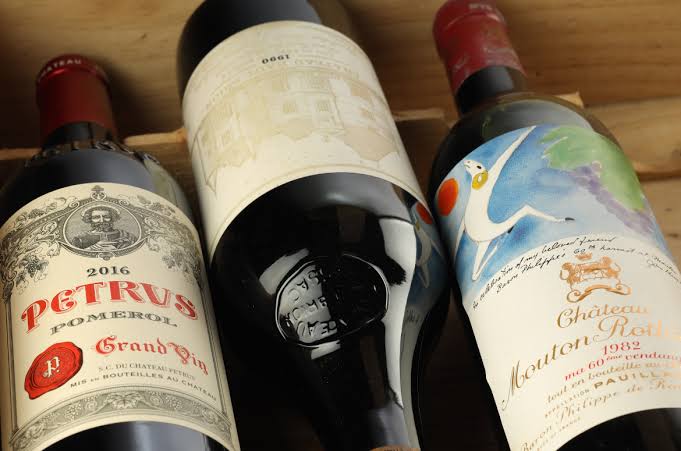
Champagne is the undisputed king of bubbles, a symbol of celebration and wealth. Bordeaux, on the other hand, reigns supreme in the category of powerful red blends, with names like Château Lafite Rothschild, Mouton Rothschild, Latour, Margaux, and the legendary Pétrus regularly topping Wine-Searcher and auction rankings. These are bottles that cost a fortune and are revered by collectors.
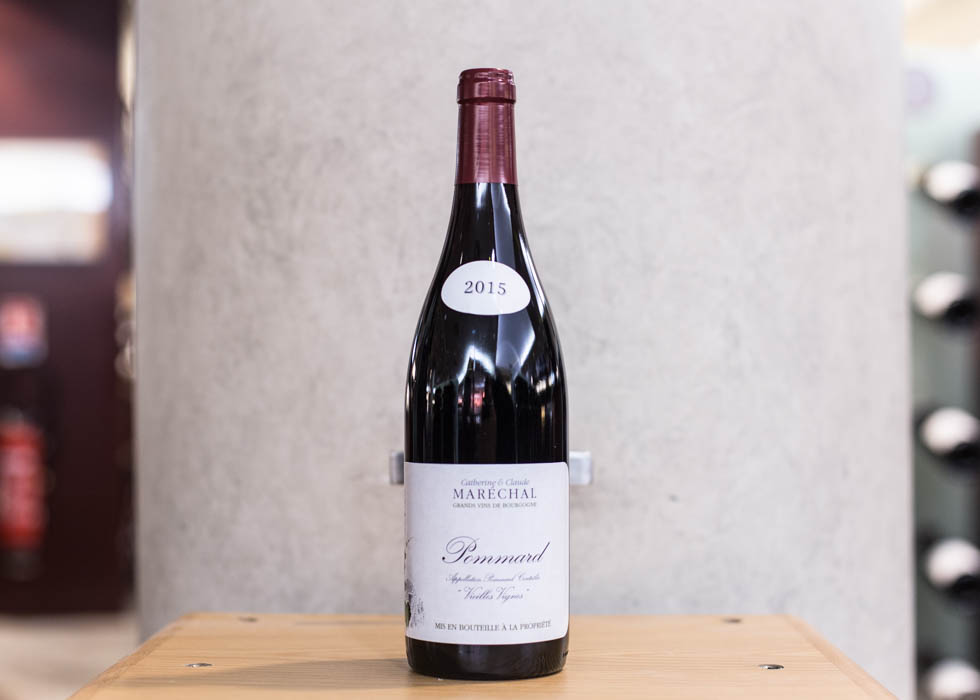
Burgundy (Bourgogne) focuses on single varietals: Pinot Noir and Chardonnay in their most refined form. Domaine de la Romanée-Conti? Virtually the holy grail for wine lovers. Meanwhile, the Rhône Valley gave the world Hermitage and Châteauneuf-du-Pape, wines that are powerful, spicy, and full of character.
Other recognizable landmarks on the map include:
- The Loire with fresh Sancerre and light Muscadet
- Alsace, where aromatic Riesling and Gewurztraminer reign supreme
- Beaujolais from Gamay and iconic crus like Morgon or Fleurie
- Sauternes, or sweet perfection, led by Château d’Yquem
It’s also worth knowing Chablis, Côtes du Rhône, Bandol, or Jurançon—names that often appear on restaurant wine lists and in specialty shops. These regions form the “pantheon” of French wine, as they combine quality with marketing power and a century-old reputation.
How to read French labels?
You look at a French bottle and see the abbreviation AOP or AOC? That means you’re holding a wine with the highest category of origin protection. AOP (Appellation d’Origine Protégée) and AOC (Appellation d’Origine Contrôlée) are practically the same thing—AOP is the EU term, while AOC is the traditional French name. France has about 366–386 wine AOCs according to INAO data, so you can imagine how detailed this system is.
IGP (Indication Géographique Protégée), formerly Vin de Pays, gives producers more freedom. Fewer restrictions, broader geographical areas, sometimes more interesting experiments. And Vin de France? The most flexible category, not tied to a specific place, often perfect as an everyday wine.
| Category | Scope of rules | Flexibility | Example |
| AOP/AOC | Very strict (varieties, methods) | Low | Pauillac, Chablis |
| IGP | Moderate | Average | Pays d’Oc |
| Vin de France | Minimal | High | Varietal blends |
Styles that defined France
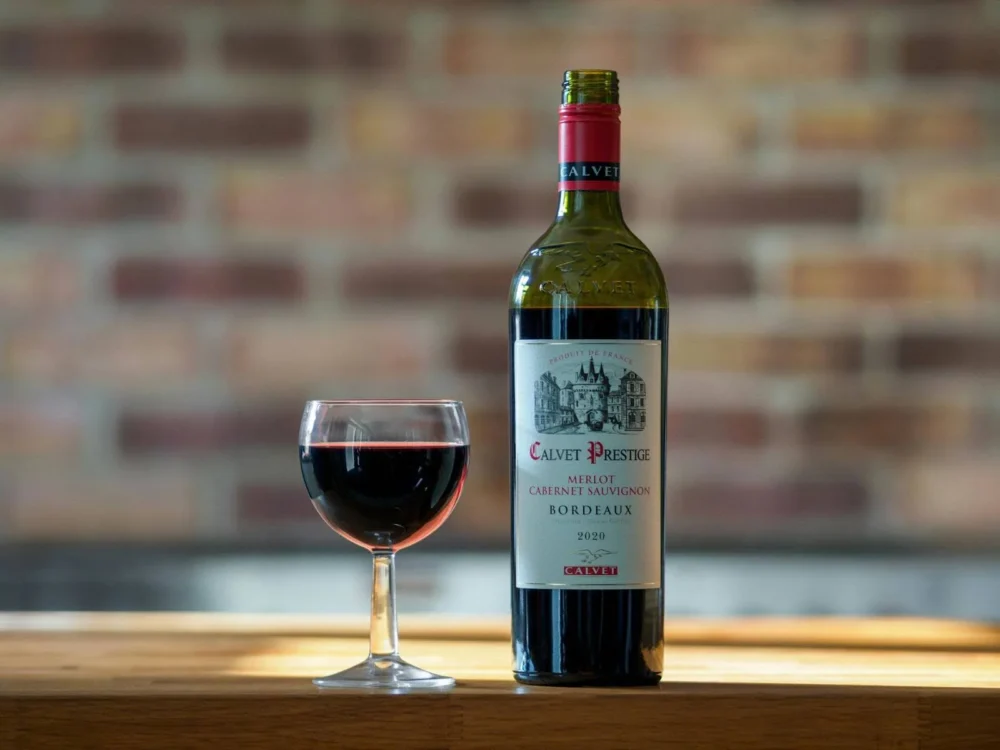
In Bordeaux, you’ll find classic blends: Cabernet Sauvignon, Merlot, and Cabernet Franc come together to create these iconic reds. Burgundy takes a completely different path, with single-varietal Pinot Noir and Chardonnay. Champagne is, of course, all about the méthode traditionnelle, secondary fermentation in the bottle, and fine bubbles. The Southern Rhône Valley? GSM, meaning Grenache, Syrah, Mourvèdre in various proportions. And Sauternes, with its botrytis cinerea (noble rot), defines sweet white wines.
Production by color looks roughly as follows: red about 38%, white 28%, rosé 24%, sparkling 10% (OIV/Agreste data, recent years). When reading the label, pay attention to whether you see the name of the appellation with AOP/AOC, or rather IGP or Vin de France. This will immediately tell you how strict the production rules were and what style to expect.
From monks to the 1855 classification and the “Judgment of Paris”
France and wine have been intertwined for over 2,600 years. The Greeks planted the first vines in Massalia (modern-day Marseille) around 600 BC, and the Romans developed vineyards in Burgundy and the Rhône Valley. However, the true revolution came in the Middle Ages, when monks discovered that vineyards and prayer complemented each other perfectly.
Milestones that built fame
The Cistercians in Burgundy and the Benedictines in Champagne were pioneers who laid the foundations for today’s appellations. They mapped the terroir, experimented with grape varieties, and recorded their observations. In the 12th century, Eleanor of Aquitaine made claret from Bordeaux the drink of the English aristocracy, forever linking the region with export.
In the 17th century in Sauternes, it was discovered that noble rot can work wonders. Monk Dom Pérignon at the Hautvillers Abbey perfected the methods of champagne production, although the legend that “one drinks the stars” is a later marketing invention.
From disaster to triumph
The year 1863 brought tragedy: the phylloxera aphid destroyed about 40% of French vineyards. The solution? Grafting onto American rootstocks. In 1855, Napoleon III commissioned the classification of Bordeaux châteaux for the World’s Fair. Five levels (from premier cru upwards) are still in effect today and still cost a fortune.
The AOC system was established in 1935, with the first appellations being Arbois, Cassis, Châteauneuf-du-Pape, Cognac, Monbazillac, and Tavel. But the real shock came in 1976 during a blind tasting in Paris. Californian wines beat French icons. The ” Judgment of Paris ” woke France up and showed that fame requires constant effort, not just history.
The most famous French wines
France is expected to produce around 34 million hectoliters of wine in 2026. This represents a 6% year-on-year decrease and is 17% below the five-year average. Champagne has suffered even more, with production nearly halved after heatwaves. Wine exports in 2025 reached a value of around 10.5 billion euros, marking a 4.1% decline. The USA and China remain key markets, but both are showing signs of weakening demand, with tariffs looming in the background. Domestic consumption? About 22 million hectoliters, which is 3.2% less than the previous year.
Trends
The French are increasingly adopting a “less, but more expensive” strategy. Premiumization is now the dominant trend. At the same time, organic and biodynamic vineyards already account for about 21-23% of the area, which is around 160,000 hectares. In 2024, the conversion has slowed down, probably due to costs and weather challenges. The growing role is also played by cépages résistants, meaning disease-resistant hybrids that reduce the need for spraying. The first experiments in AOC are already underway. Meanwhile, the Vin de France category is gaining popularity, as it gives winemakers flexibility beyond the rigid rules of appellations.
Climate, irrigation, and the question of “real wine”
The biggest controversy? Climate change and the response to it. Miguel Torres summed it up bluntly:
Climate change for viticulture is worse than phylloxera.
The debate over irrigation is heating up winemakers. Some speak of necessity, others of betraying tradition. What does “real wine” even mean if nature stops cooperating? These questions are no longer theoretical, but a daily reality for French producers.
How to choose and savor?
You’re standing in front of the store shelf, wondering what you’re actually buying? First, check the legal designation. AOP (or the older AOC) guarantees that the wine comes from a specific appellation and meets its strict standards. IGP is more relaxed, allowing for greater flexibility. Vin de France? This is a category not tied to any region—sometimes excellent, but a bit of a lottery. The vintage matters, especially in Burgundy and Bordeaux (2015, 2016, 2019 are safe bets). The producer is important too—look for well-known domaines or château if you want to be sure of the quality.
Classic flavor combinations
Now specifically, what goes with what:
- Bordeaux (especially red) – a classic choice with beef, steak, or roast. Tannins need protein.
- Burgundy (Pinot Noir) – poultry, duck, wild mushrooms. Subtle pairings for a delicate wine.
- Champagne – seafood, oysters, and any kind of celebration. Versatile and always elegant.
- Sancerre – goat cheese (Crottin de Chavignol is a local hit), salads, fish.
- Châteauneuf-du-Pape – game meats, wild boar stew, strong aged cheeses. Power needs power.
If you’re planning a trip to France, the Champagne cellars (Moët & Chandon welcomes thousands of tourists each year) are a must-see. The châteaux in Bordeaux offer vineyard tours and tastings, while in Burgundy you can stroll among the parcels, discovering the unique climates. Wine tourism is big business, with millions of people visiting wine regions every year. Collectors hunt for en primeur in Bordeaux or compete at auctions for bottles from Romanée-Conti. But that’s a whole different league.
Between legend and living terroir
French wines became famous not because of some brilliant marketing idea. They truly demonstrate how much can come from the combination of place, time, and human effort. From the Bordeaux chateaux to the Burgundy climats, from the chalk cellars of Champagne to the sunlit slopes of the Côtes du Rhône, each region proves that terroir is more than just the soil beneath your feet. It is a living history, still being written even as climate forces producers to make new decisions and the market demands adaptation.
That’s why “famous” French wines are a point of reference. Not because they should be blindly copied or regarded as an unattainable ideal. It’s simply good to know them, so you can make informed choices, compare, and understand your own taste. This is the foundation from which a true wine adventure begins.
And that’s where all the fun lies, because legends are enjoyable to drink, but they taste even better when you know why these particular bottles ended up on your table.
Miszka
lifestyle editorial
Luxury Blog



Leave a Comment