

Factors Influencing the Value of Luxury Wine
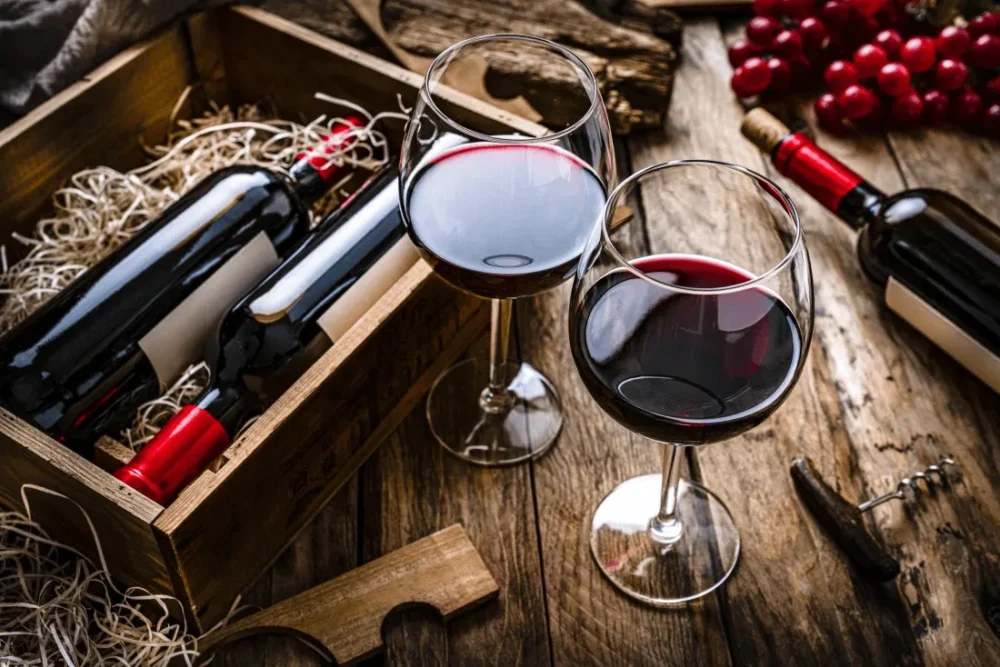
The fine wine investment market is a small but influential segment worth around $5.5 billion. It operates at the intersection of emotion and numbers, prestige and hard data. A bottle of Bordeaux costing several thousand zlotys is not just liquid in glass; it is an asset subject to the same rules as stocks or bonds.
October 2022 saw peak valuations, followed by a correction of around 25-30%. However, since September 2025, there has been a clear rebound: the Liv-ex 100 index rose by about 3% over the six months to January 2026. This is a sign that collectors and investors are returning.
In the following sections, I will show how the three main threads intertwine. The first is terroir and vintage, which form the foundation of quality and aging potential. The second is rarity, the reputation of the houses, and critics’ scores, which generate demand. The third is macroeconomics, Liv-ex indices, and provenance, which determine the liquidity and credibility of transactions. Each of these elements has its own logic, and together they create a valuation system that transforms ordinary wine into a financial instrument.
Factors Influencing the Value of Luxury Wine
If we’re being honest, most collectors look at the label and the price, but the true value of a bottle is born much earlier. In fact, it starts in the vineyard, sometimes on a specific plot of soil.
Terroir and varieties
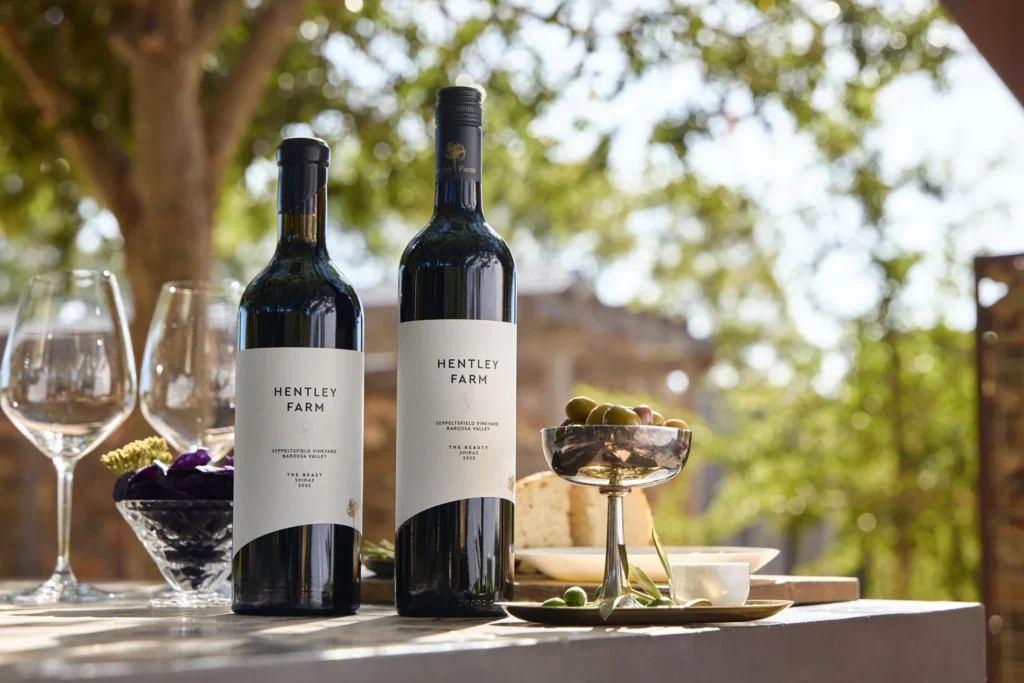
It may sound a bit mystical, but terroir is simply a set of conditions: soil, climate, exposure, slope. In France, they can precisely identify plots that produce wine completely different from a neighboring parcel just 50 meters away. Take Burgundy: Pinot Noir on limestone slopes creates elegant, refined wines with the potential to age for decades. Bordeaux goes in a different direction: Cabernet on gravel gives structure, tannins, and power. These are two archetypes of quality, both justifying high prices, just in different styles.
Choosing the right variety is half the battle. The best estates plant what the local soil loves. You can’t fool terroir with aggressive winemaking, so if the conditions aren’t right, there will be no quality.
Vinification, yields, and decisions in the chai
Then comes the time for decisions in the cellar. Oak or steel? Long maceration or gentle extraction? Every choice affects the wine’s flavor profile and longevity. Great Bordeaux wines mature in new barrels ( cost: several hundred euros per barrel), which adds complexity and tannins. Low yields of 30–40 hectoliters per hectare instead of the standard 60 concentrate aromas and structure. This comes at a price: more work, smaller yield, more expensive equipment. But the market values it, especially when we talk about prestigious appellations.
The strength of the vintage
And then there’s the weather. A sunny, dry year with cool nights? You get concentration, ripeness, perfect tannins. A rainy, cold season? Mediocre at best. Great vintages (2005, 2010, 2015 in Bordeaux) start out more expensive and appreciate faster on the secondary market. That’s not marketing, but a real difference in the glass and in aging potential.
Rarity, reputation, and points
In luxury wines, quality is just the beginning. The real price rises where demand exceeds supply, and prestige acts as a value multiplier.
Rarity and limited supply
Grand Crus of Burgundy account for only about 2% of the region’s total vineyard area. Domaine de la Romanée-Conti produces just under 6,000 bottles a year from its flagship vineyard. Petrus? Around 30,000 bottles in a good year. When a global crowd of collectors hunts for such wines, the math is brutal. Finite stocks from dwindling vintages (drunk, broken, spoiled) only deepen the shortage. It’s a classic mechanism: the less available, the more desirable.
Reputation and brand strength
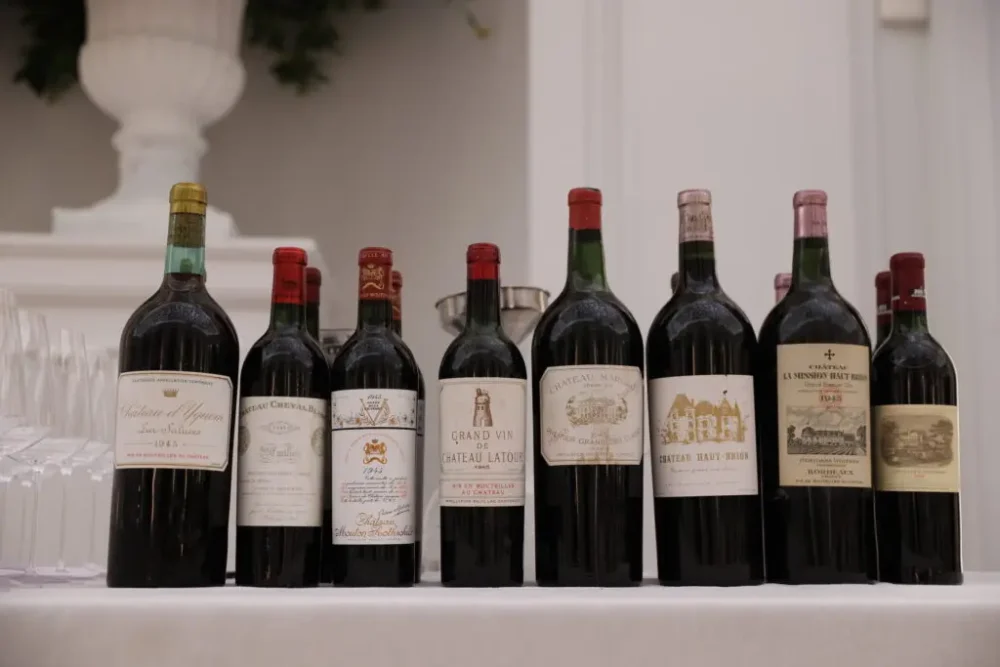
Bordeaux First Growths (Lafite, Latour, Margaux, Haut-Brion, Mouton Rothschild) have the advantage of centuries of hierarchy. The name does the work even before the bottle is opened. In Burgundy, individual domaines achieve cult status without mass production. The reputation of the region and a specific producer acts as a kind of guarantee of liquidity on the secondary market. You’re not just buying wine; you’re buying the certainty that in a few years you’ll find a buyer.
Critics’ ratings and the psychology of price
The difference between 99 and 100 Parker or Wine Spectator points? For top Bordeaux, it means hundreds of pounds per case. Just one point. Ratings drive demand, but the Veblen effect also comes into play: a higher price in itself increases desirability. A wine priced at 1,000 euros arouses more desire than an identical one at 500 zł, because it signals exclusivity. Burgundy and prestigious Champagne have made excellent use of this in recent years, gaining value faster than traditional Bordeaux.
Market cycle and macroeconomics
If you want to understand where the luxury wine market is heading, you need to look at the Liv-ex indices. They’re like stock market indicators, but for bottles worth thousands of euros. And there’s a lot of interesting things happening here.
What do the Liv-ex indices say?
Fine Wine 100 is now hovering around 319 points, Fine Wine 1000 is about 350, and Fine Wine 50 somewhere near 290. Sounds abstract? In practice: after the peak in October 2022, the drop was about 25-30%. Brutal. But from September 2025 to January 2026, we’re seeing a rebound, Liv-ex 100 gained around 3% in half a year, and the trading value jumped by 20-28% in selected periods. It’s not a major bull market yet, but the upward movement is clear.
| Index | Level (approx.) | Trend 09.2025-01.2026 |
|---|---|---|
| Fine Wine 100 | 319 | +3% |
| Fine Wine 1000 | 350 | stable/slight increase |
| Fine Wine 50 | 290 | bounce back from rock bottom |
Who is hosting?
Bordeaux no longer dominates as it once did, dropping to around 35-36% of trade value. Burgundy? It has risen to ~24% and continues to grow. Champagne and Italy are gaining a few percent each year. This shows that collectors are increasingly diversifying their portfolios, looking beyond the classics.
Macroeconomics and market liquidity
Prices respond to the same factors as stocks or bonds: money supply, interest rates, inflation, exchange rates, and consumer confidence. High inflation dampens the appetite for luxury, while a strong dollar causes Asian buyers to hold off on purchases. Geopolitics also plays a role (see: US-China tensions). On the other hand, wine has a low correlation with traditional assets. For example, Cult Wines-type portfolios have delivered ~17%+ over 5 years (CAGR ~3%), which sounds decent given zero stock market panic. Platforms like Liv-ex provide real-time data and improve liquidity, so today investing in fine wine is no longer just a black market and cronyism.
The next step? Check what’s inside the bottle, because even the best rating won’t tell you if your Lafite was properly stored.
Provenance and storage
You’re buying the same bottle of Château Margaux 2015 at an auction. Seller A provides invoices from a climate-controlled warehouse in Bordeaux, the original wooden case, and photos documenting every stage of storage. Seller B? “It was kept in my grandma’s cellar, summer temperature probably around 20°C.” Guess which one will fetch a 30-40% higher price.
Documents and bottle path
Provenance is the history of a bottle’s life, documented by purchase receipts, photos, and confirmations from professional storage facilities. Sotheby’s or Christie’s require a complete chain (sometimes even with the names of previous owners), because traceability builds trust. At a time when around 5% of the secondary market consists of counterfeits (the infamous Rudy Kurniawan scandal of 2012 is legendary), and recently the bankruptcy of Oeno Group in 2025 cost investors over £71 million, verifying provenance has become the cornerstone of valuation.
Storage conditions and technical condition
Recommended 12-14°C, humidity 60-70%, darkness and stability. Temperature fluctuations destroy the structure of wine faster than you think – each cycle of expansion and contraction degrades quality, and this is immediately reflected in the valuation. Original cases (OWC/OC), intact capsules, wine level high in the neck, clean labels — all of these mean price premiums and market liquidity. Without OWC, some auction houses won’t even accept items for sale. That’s why professional storage facilities (with insurance!) are not a luxury, but an investment in the asset’s value.
The price shaped by time
The price of luxury wine is the sum of all the elements we’ve discussed: terroir, vintage, producer’s reputation, and investment potential. Each of these adds its own layer to the final amount on the label. Interestingly, these factors do not operate in isolation—they either reinforce or weaken each other. An excellent vintage from an average region will never match the value of an average year from a Burgundy legend.
And that’s exactly what makes the luxury market so fascinating. We pay not only for the liquid in the bottle, but for the entire story, the context, the emotions. For the chance to say “I have something unique,” or simply for the pleasure of savoring something that takes years just to come into existence.
It may sound pretentious, but the truth is simpler: luxury wine is one of the few products where time literally creates value. And that’s why its price will always be more than just a number.
Misza 77
Luxury Blog editorial team




Leave a Comment