

The most exclusive automotive brands – top 10 (2026)
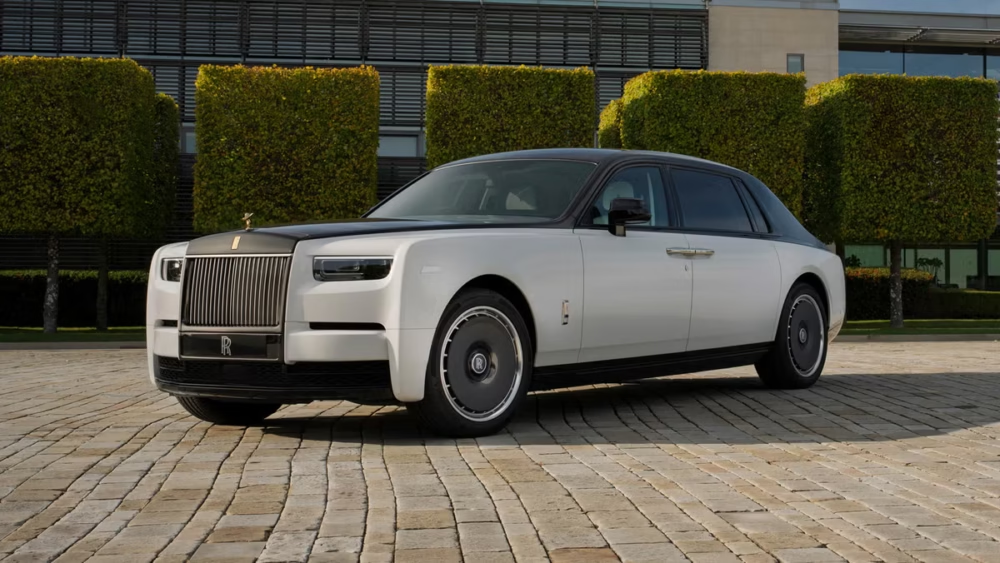
Three cars. “La Rose Noire Droptail” from Rolls‑Royce for around 30 million dollars, “Boat Tail” for 28 million, and “Bugatti La Voiture Noire” valued at 13–20 million. These are not typos in the zeros; this is the real price scale in the world of ultra-luxury cars. And this is where a different league begins.
At this level, exclusivity means something entirely different than in classic premium. It’s about several things at once:
- Rarity measured in units – Bugatti produces around 80 cars per year; limited editions? Sometimes just 10-40 units worldwide.
- Personalization without limits – bespoke and coachbuilt are the standard, the client decides practically everything.
- Production time – a single Bugatti Chiron requires about 5 months of craftsmanship, while by contrast, a Toyota rolls off the line in around 17 hours.
Why are we talking about this now? Because the hyper-luxury car market has just exploded. Electrification (Rolls‑Royce Spectre, Rimac Nevera), record-breaking one-offs presented in the years 2024- 2026, and a growing number of ultra-wealthy clients (UHNWI) are causing the phenomenon to gain momentum. It’s worth taking a closer look at who actually plays in this league and what rules they follow.
How do we choose the top 10?
When we talk about the most exclusive automotive brands, we don’t mean Mercedes, BMW, Audi, Lexus, or Porsche. These are premium brands for everyday use, produced in hundreds of thousands of units each year. Here, we’re talking about a completely different level: ultra-luxury and hypercars, where extreme rarity, prices reaching $1–30+ million per unit (especially in coachbuilt and one-off versions), hand-built production, and full bespoke personalization matter. This is the world of brands producing dozens, at most hundreds of cars per year, often with limits below 100 units per model.
Evaluation criteria and ranking limitations
When creating the list, we took several key criteria into account:
- Production exclusivity (production cap, limits <100 pcs.)
- Price and Collectible Value (auctions, secondary market)
- Prestige and heritage of the brand
- Performance (especially in the hypercar segment)
- Degree of personalization (from bespoke programs to coachbuilt)
- Craftsmanship and technology (handmade, innovations)
It is worth noting: Rolls-Royce is most frequently cited as number 1 in luxury by the World Luxury Association, which we have taken into account in our assessment.
Note: This ranking is approximate and refers to the leading brands from 2019 to 2026. The ultra-luxury market is dynamic (brand ownership changes, prices rise, new projects emerge), so this is not a rigid hierarchy but rather a snapshot of the current automotive elite.
The most exclusive automotive brands
It’s difficult to create such a ranking without some subjectivity, so the order below is based on a combination of price, production rarity, and the prestige of the brand itself.
- Rolls‑Royce – the British symbol of ultra-luxury; models like the Phantom, Ghost, Cullinan, or the electric Spectre are already standard, but coachbuilt types such as the Boat Tail (~$28 million) or the La Rose Noire Droptail (~$30 million) represent the pinnacle of bespoke.
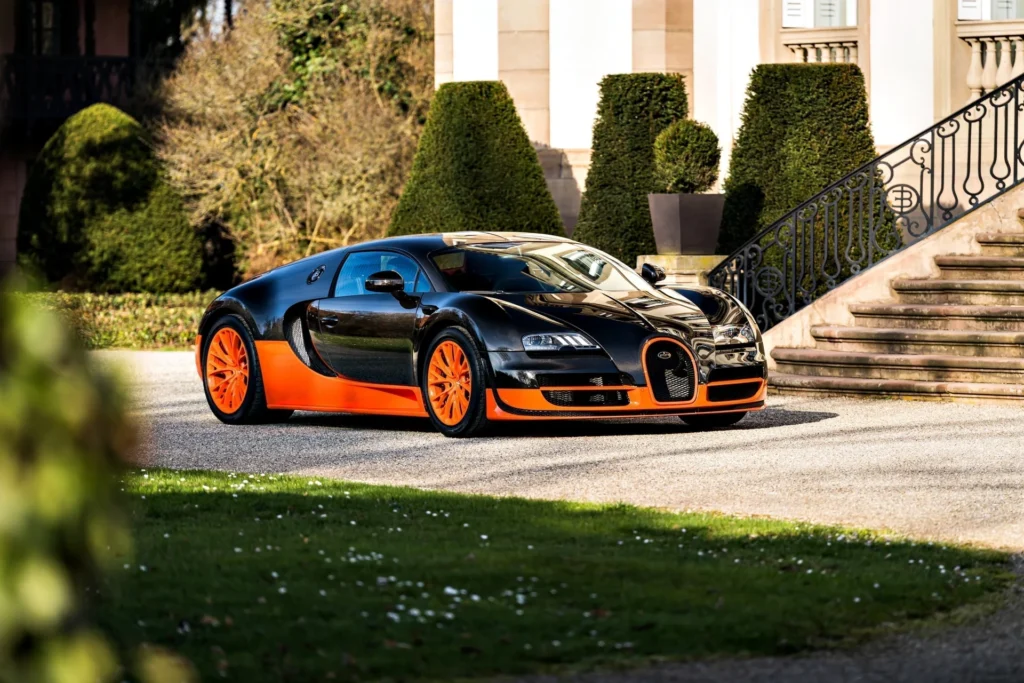
- Bugatti – the Chiron is a hypercar icon; one-off creations like La Voiture Noire (~$13–20 million) combine extreme performance with collectible rarity.
- Bentley – Flying Spur, Continental and the Mulliner series ( Bacalar 12 units, Batur ~2 million USD) offer British elegance with the option of full customization.
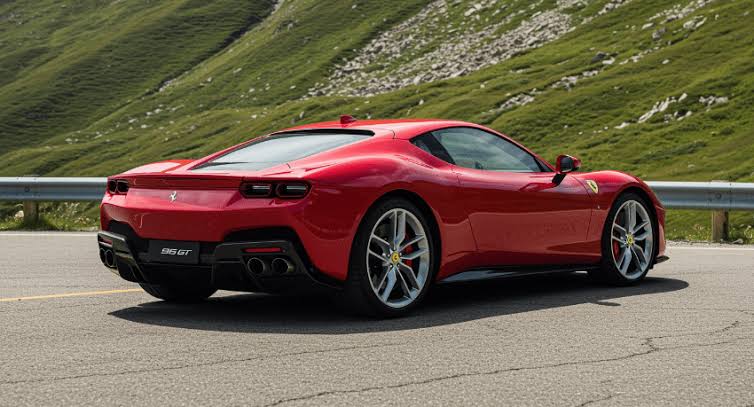
- Ferrari – limited editions ( Daytona SP3 ~2.3 million USD) have been appreciating in value since their release; here, access and collector status are key.
- Lamborghini – Revuelto marks a new era, but Veneno (~$4.5 million) or the V12 in its bold style remain synonymous with Italian madness.
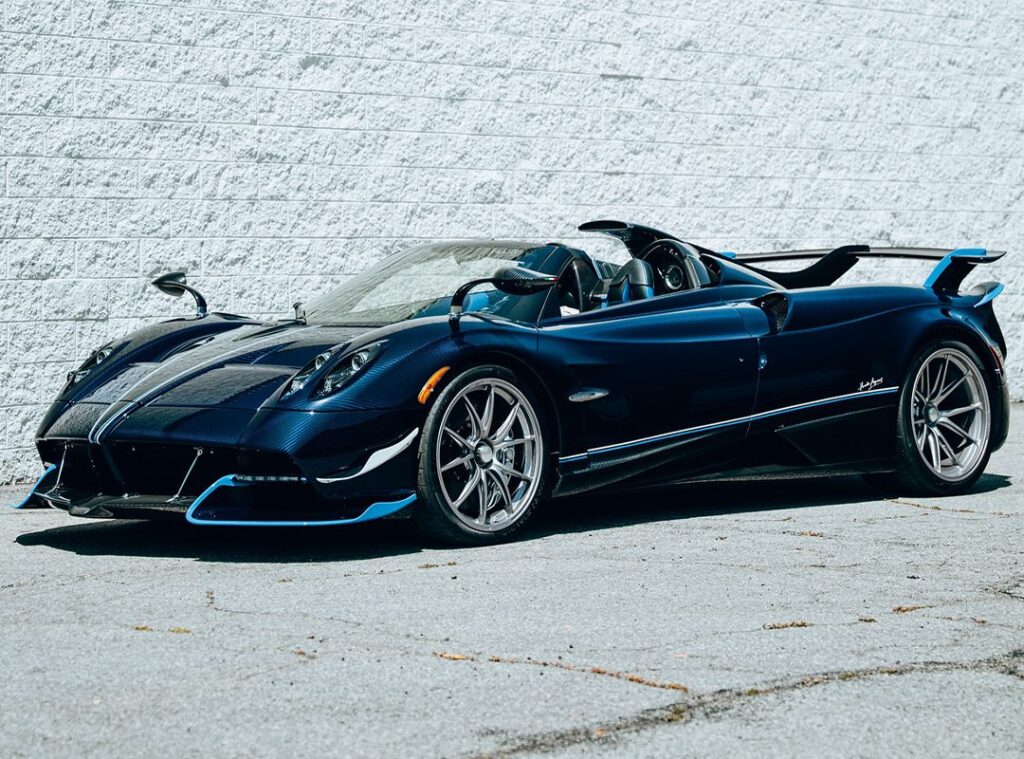
- Pagani – every model ( Zonda, Huayra, Utopia ~2.5 million USD) is a masterpiece of carbon fiber; the Zonda HP Barchetta (~17.5 million USD) is the pinnacle of rarity.
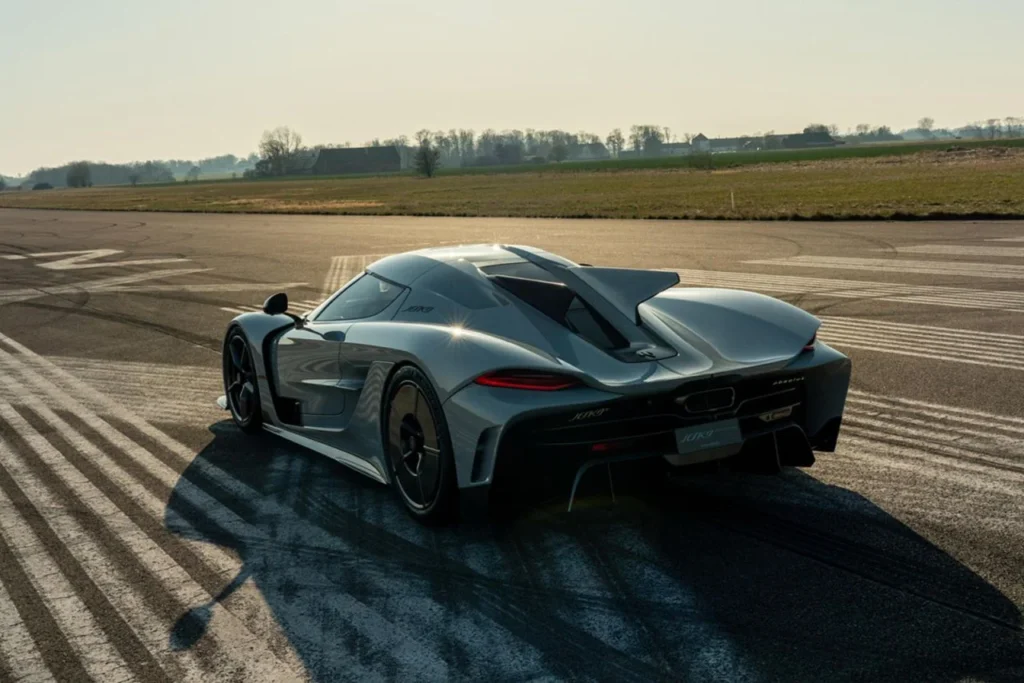
- Koenigsegg – Swedish engineering ( Jesko, Gemera, CC850) breaks speed records; everything from the engine to the gearbox is designed in-house.
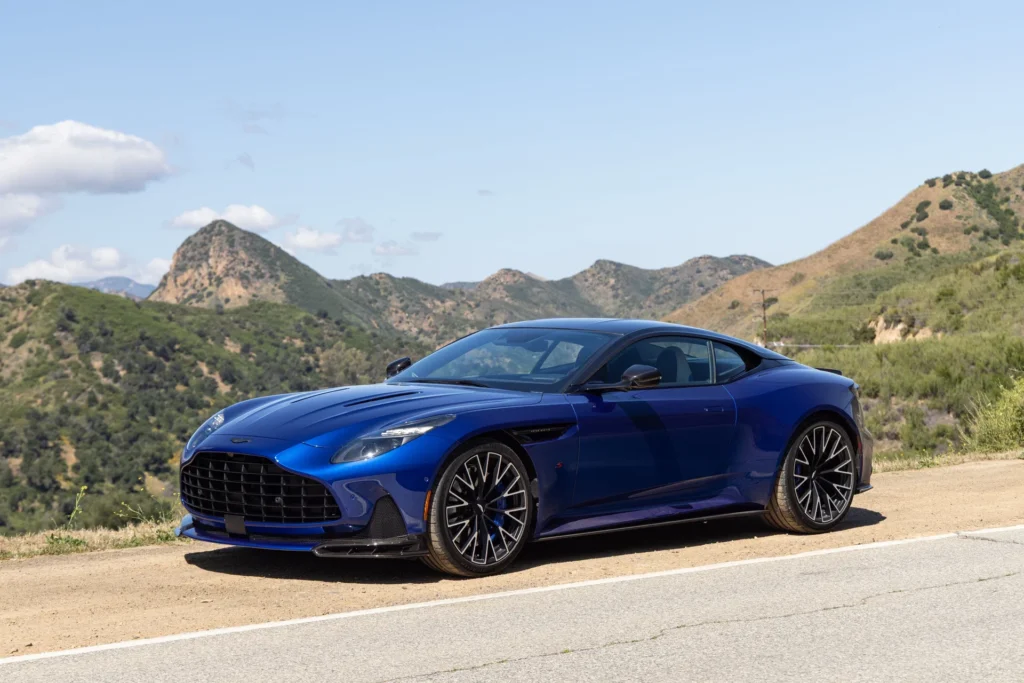
- Aston Martin – Valkyrie (~$3–4 million), Valhalla, Valiant combine British elegance with F1 technology.
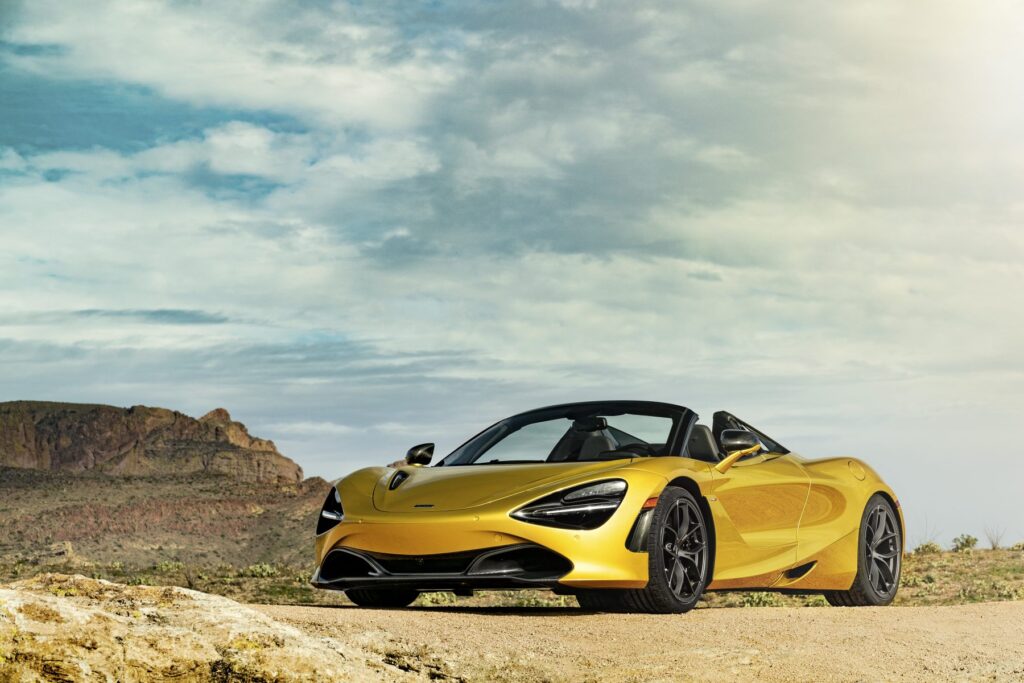
- McLaren – the hypercar tradition ( P1) continues; Speedtail (~$2.3 million) and W1 (~$2.1 million) carry on the legacy of track performance.
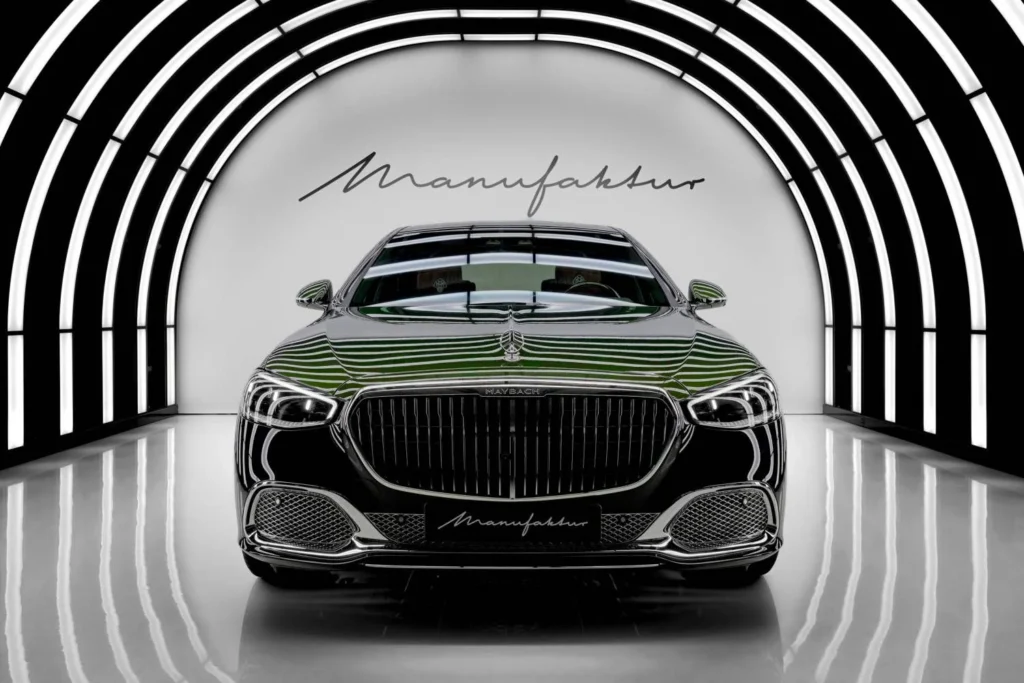
- Maybach / Rimac – Maybach (a sub-brand of Mercedes) stands for ultra-luxury for everyday use; Rimac with the Nevera (~$2.4–2.5 million) represents the pinnacle of electric hypercars.
Surely someone would arrange this top ten differently, but among the most exclusive cars, these names always appear.
History and owners
Most of today’s giants started out as small workshops run by enthusiasts. Rolls-Royce was founded in 1904 from the combination of engineer Henry Royce’s talent and Charles Rolls’s entrepreneurship. Bentley joined in 1919, when W.O. Bentley decided to build racing cars for gentlemen. Ettore Bugatti opened his manufactory as early as 1909, while Enzo Ferrari officially launched his own brand only in 1947, although Scuderia had existed since 1939.
Acquisitions that changed the map
The real shake-up happened at the end of the 1990s. In 1998, Volkswagen acquired the assets of the bankrupt Vickers (owner of Rolls-Royce and Bentley), but BMW had previously secured the rights to the Rolls-Royce name and logo. In the end, VW got Bentley, while in 2003 BMW launched a brand new Rolls-Royce Motor Cars from scratch in Goodwood. At the same time, Volkswagen revived Bugatti, which resulted in the Veyron and later the Chiron.
The era of hypercars and new alliances
Since 2010, we have witnessed a renaissance of coachbuilding, with creations like the Boat Tail and Droptail from Rolls-Royce. In 2021, the Bugatti Rimac joint venture was established, merging the French legend with the Croatian electric revolution. An interesting twist: in 2026, Porsche sold its shares to the HOF Capital consortium, and Mate Rimac took full control. Lamborghini (since 1963, founded by Ferruccio after a conflict with Enzo) and Aston Martin (since 1913) have survived decades of bankruptcies to shine once again today.
Market and trends 2024-2030
The luxury car market is truly a small niche, but one worth a fortune. In 2024, the value of the hypercar segment hovered around 54-60 billion USD, and forecasts predict growth to over 156 billion USD by 2035. That sounds impressive, doesn’t it? But it’s important to remember that we’re talking about symbolic production volumes.
Volumes and rarity
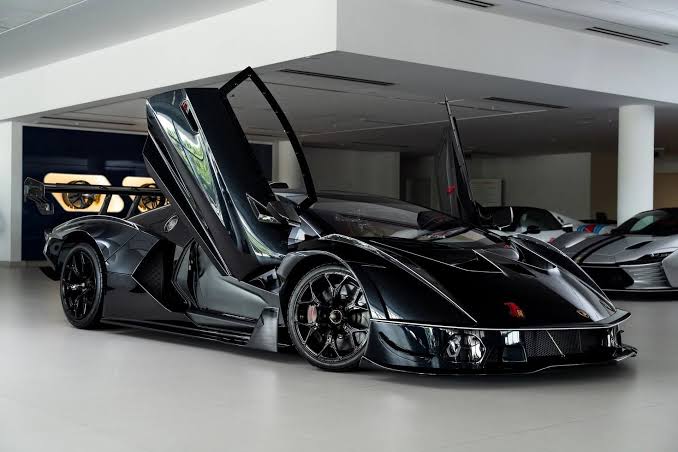
Bentley sold 15,174 units in 2022 (quite a lot for a luxury brand), Rolls-Royce reached 6,021 cars, Lamborghini hovers around 9,000 per year. Bugatti? Barely 80 cars a year. And then there are the extreme limited series: Bentley Bacalar is limited to just 12 units, Pagani Utopia is planned for 99 examples. Prices start at half a million dollars for the “base” models and can exceed 30 million USD for coachbuilt or one-off cars. Rarity drives investment demand—these cars are not just means of transportation, they are assets.
Product trends and technology
Electrification is making strong inroads, though cautiously. Rolls-Royce has launched the Spectre (the brand’s first full EV), while Rimac Nevera delivers an impressive 1,914–2,107 hp in its electric version. More and more SUVs: Cullinan, Urus are selling brilliantly because they combine prestige with practicality. Clients want bespoke, maximum personalization, and manufacturers are investing in sustainable materials and even AI in the design process. Demand geography? Europe creates, the USA buys SUVs, the Middle East and Asia go wild with extreme colors and one-off orders.
Where engineering meets status
Exclusive automotive brands are a fascinating paradox of the modern market. On one hand, technological progress means that even ordinary cars now offer features that were recently reserved for flagship models. On the other hand, the most expensive brands are not falling behind at all. On the contrary, they are redefining the gap through details found nowhere else: hand-stitched leathers, engines assembled by a single engineer, limited editions produced in just hundreds of units per year.
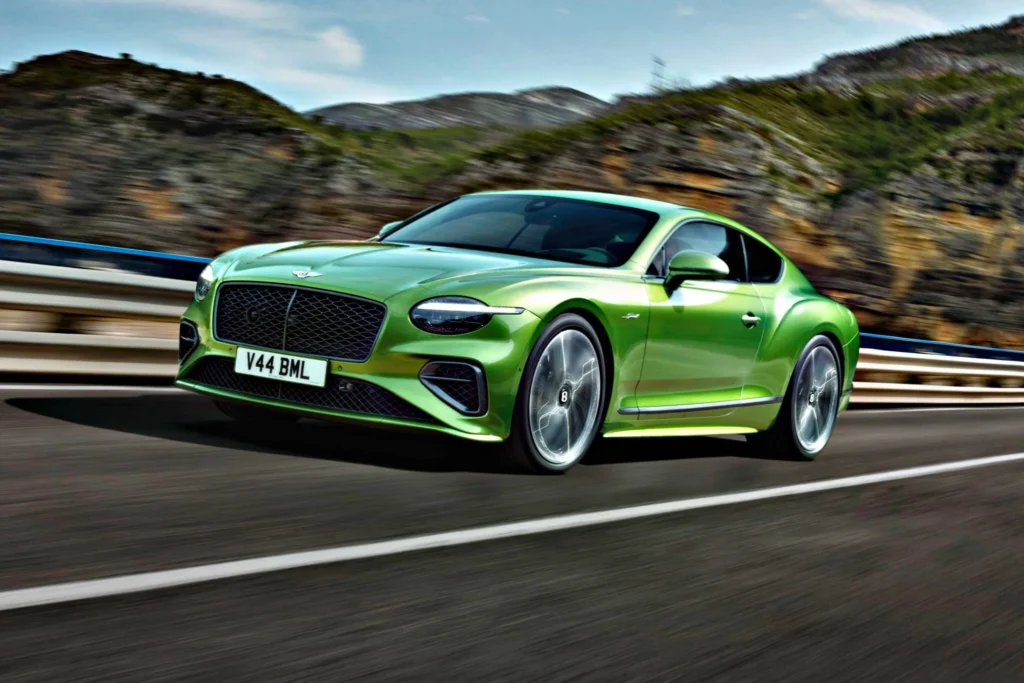
Interestingly, the prestige of these brands does not stem solely from technology or performance. Equally important are their history, design philosophy, and the ability to create experiences that simply cannot be replicated. Ferrari will remain Ferrari even when competitors achieve similar acceleration.
Ultimately, this is the very essence of automotive exclusivity: the balance between what is measurable (power, speed, quality) and what is intangible (heritage, status, emotions). And that is unlikely to change.
Tom Q77
Luxury Blog editorial team




Leave a Comment