

K-beauty – why Korean cosmetics are so trendy today
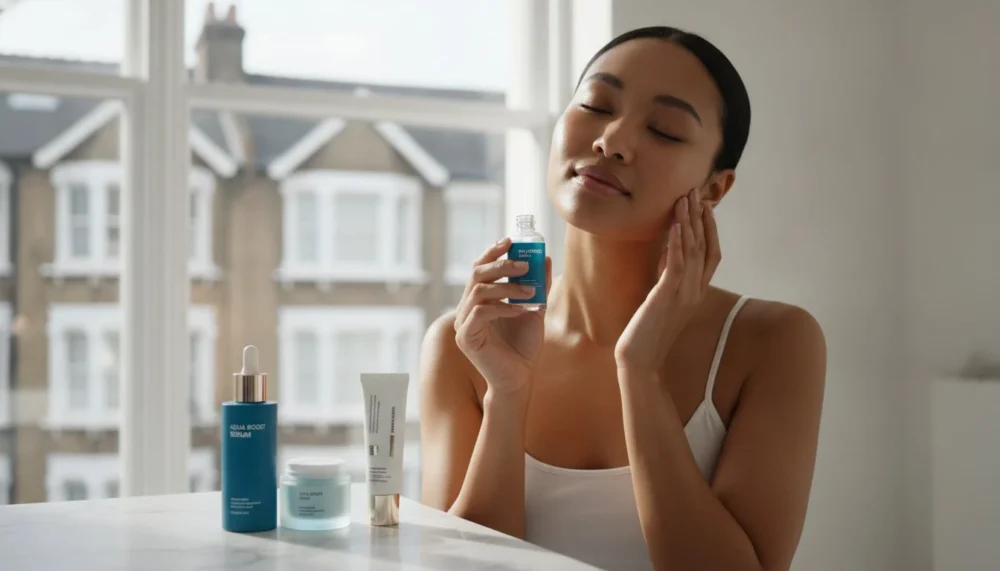
Korea has just surpassed France as the world’s second-largest cosmetics exporter after the USA. In the first half of 2026, Korean brands sold products abroad worth 7 billion dollars, which is 27.3% more than the previous year. We’re talking about more than just a fleeting trend for Asian packaging.
” K-beauty is a global skincare and makeup phenomenon originating from South Korea, centered around a ‘skin-first’ approach and lightweight, multi-layered formulas.”
Glass skin
By “glass skin,” we mean smooth, hydrated, radiant skin without visible pores, which looks almost like porcelain. This very aesthetic goal has attracted consumers around the world. NIQ data from 2026 shows that global sales of K-beauty increased by 53% year over year, and in two years jumped by 131%. Instagram, TikTok, and YouTube have spread Korean skincare routines faster than any advertising campaign.
What’s important is that K-beauty is not just a pop culture wave (although Hallyu, the Korean cultural wave, certainly helped). It’s a paradigm shift: instead of heavy makeup, you choose gentle skincare; instead of hiding imperfections, you build a healthy foundation. Innovative ingredients, pleasant textures, and digital marketing have created a snowball effect.
Next, you will discover the “skin-first” philosophy, market figures, groundbreaking innovations, and the real downsides of the phenomenon.
Why does it work?
Korean cosmetics promise something that Western brands often can’t deliver: products you actually want to apply. Lightweight textures that absorb in seconds instead of leaving a greasy layer. A routine that doesn’t feel exhausting. And results that appear gradually, without aggressively “fixing” your skin.
Skin-first
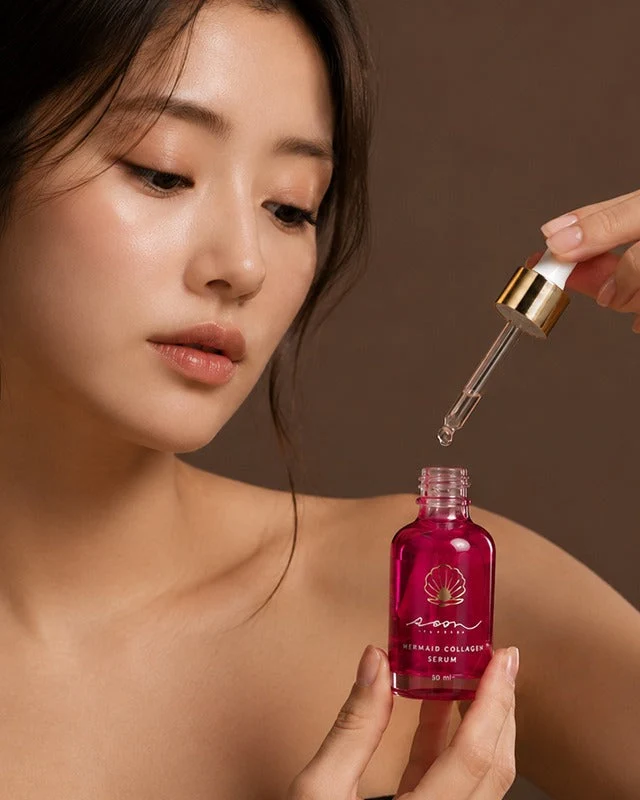
The philosophy of K-beauty focuses on prevention and strengthening the skin’s protective barrier. This means: instead of fighting problems with strong ingredients, you make sure your skin works better on its own. Hence the emphasis on daily SPF (even on cloudy days), gentle formulas, and deeply hydrating ingredients. Products are formulated to absorb quickly and not weigh the skin down. No mask-like feeling on your face. You can apply three layers and still feel lightness.
From 10 to 5-7 steps
Do you remember the hype around the 10-step skincare routine? Most Korean women never did this every day. Now, people talk about “K-beauty 2.0,” which means a more flexible approach. A typical routine includes:
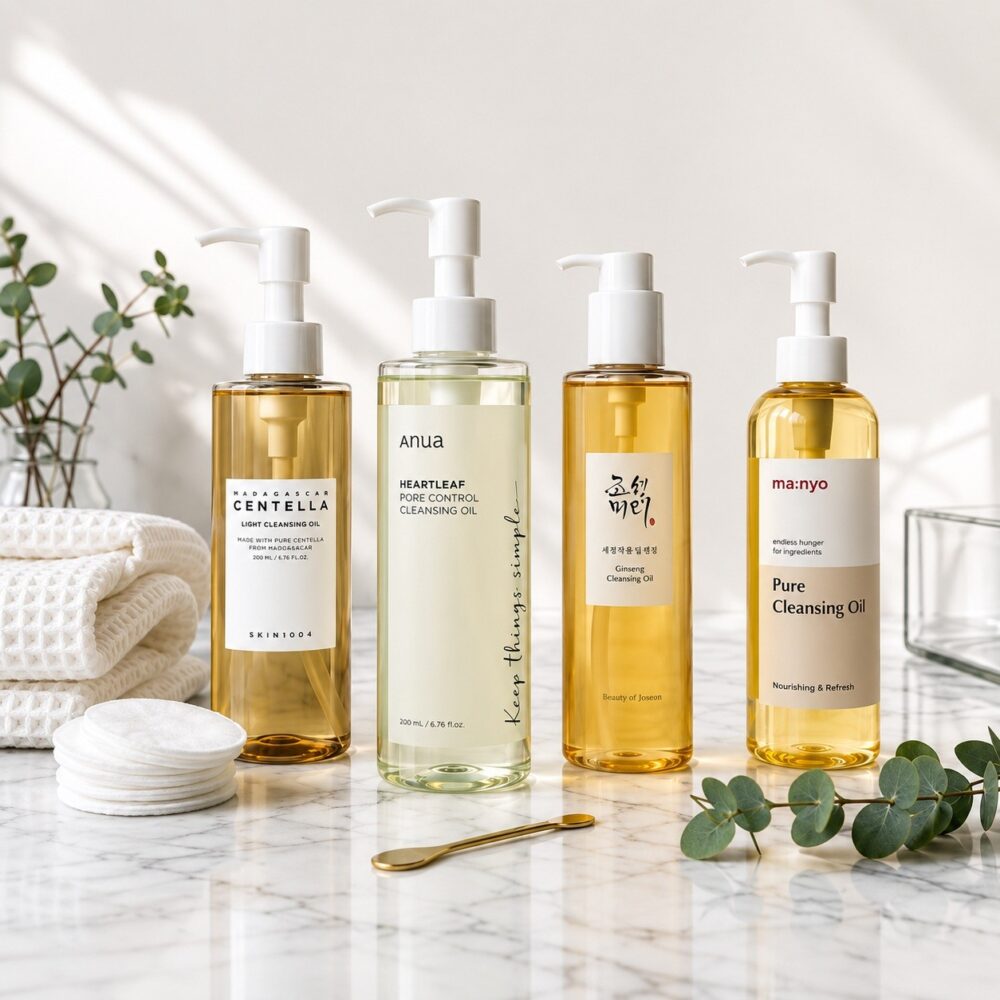
- double cleansing (oil + foam)
- toner or essence (hydration and preparation)
- serum (active ingredients)
- cream
- SPF (morning)
Five, maybe seven steps. Is that a lot? It depends on your perspective. But every product makes sense and takes just a minute.
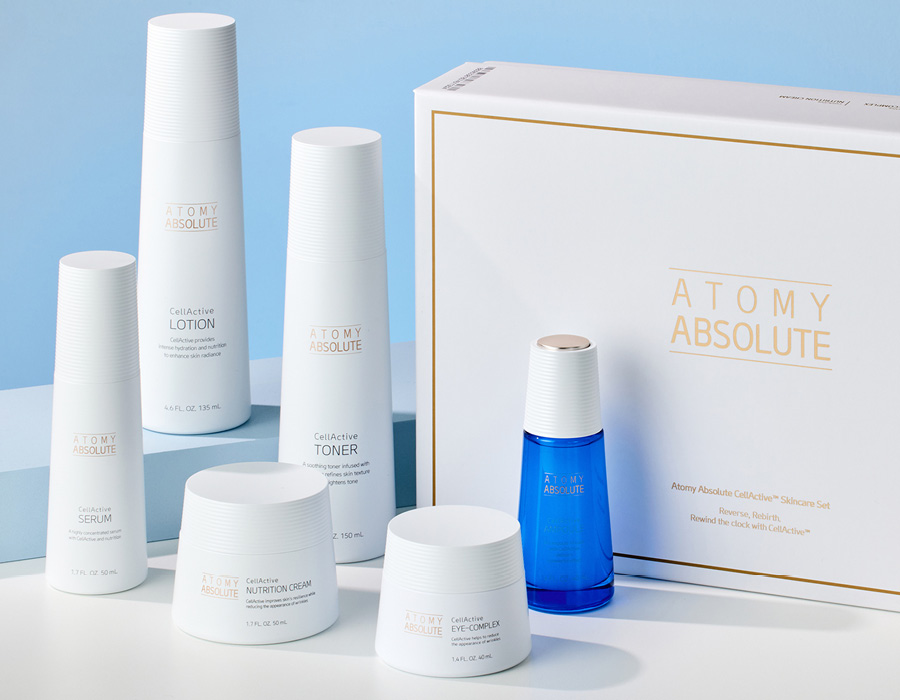
Value for money is another advantage. You have budget gems (COSRX, Some By Mi for 40-80 PLN) that work just as well as more expensive counterparts. On the other hand, there are luxury lines ( Sulwhasoo, The History of Whoo) for those who seek a ritual experience.
The effect? “Glass skin” (radiant, smooth skin) or “bloom skin” (a natural blush) is no coincidence—it’s the result of consistency. K-beauty is inclusive and works for different skin types because it doesn’t attack, it supports. That’s why it works so well.
From IOPE to TikTok
It all started with a decision that now sounds almost absurd: in 1961, South Korea banned the import of foreign cosmetics. The result? Local brands had to learn to do everything themselves. And it was this forced independence that pushed K-beauty toward developing its own formulas and unconventional solutions. A regulatory breakthrough came in 2000, when the MFDS introduced the “functional cosmetics” category—products with proven effects (brightening, anti-wrinkle, UV protection). This gave the entire industry a new, more scientific direction.
Another milestone? 2008 and the IOPE Air Cushion from Amorepacific. This small, round sponge in a compact rewrote the rules of foundation application: convenience, hygiene, a fresh finish. The cushion became a symbol of Korean innovation in format.
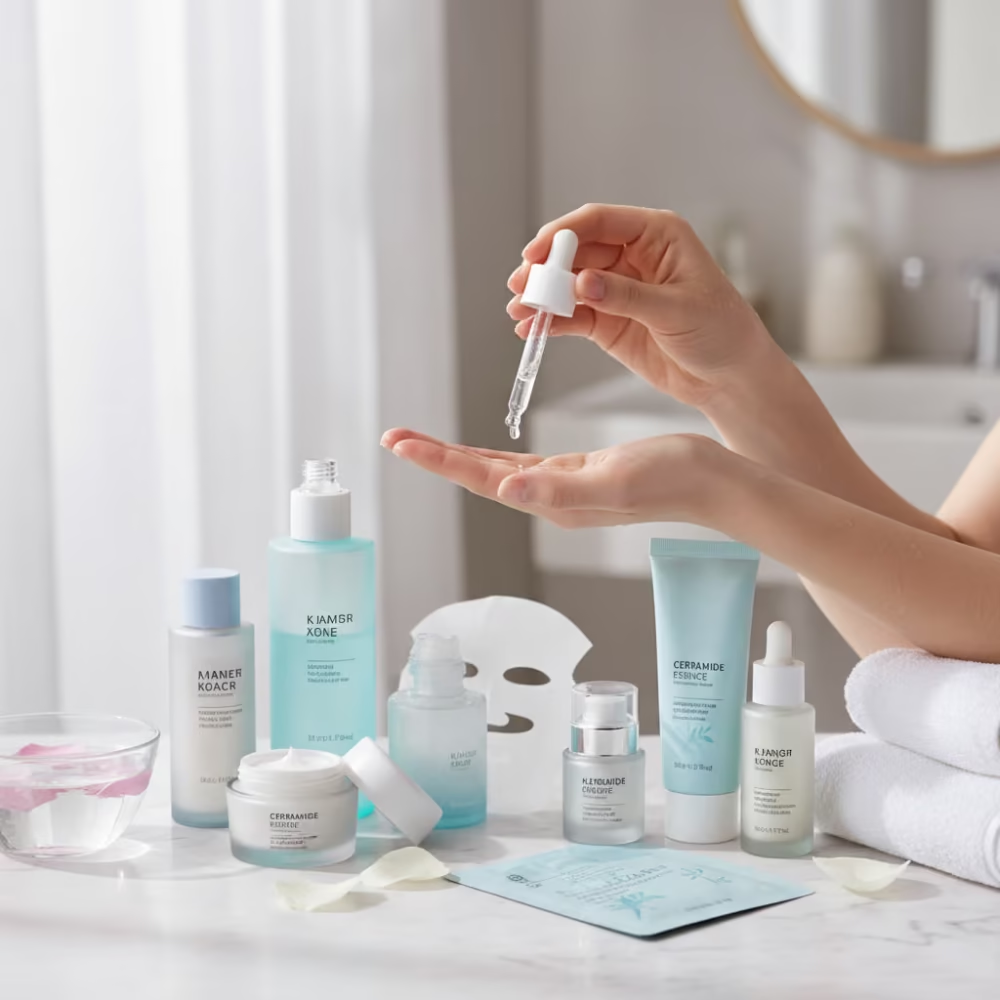
Evolution
The 2010s brought a global boom. Charlotte Cho founded Soko Glam in 2012, and her ” The Little Book of Skin Care ” from 2015 became a mini-bible for fans in the West. Around that time, K-beauty was at its peak in China, before the THAAD dispute (2016) cooled enthusiasm and forced brands to look for other markets.
The pandemic in 2020 accelerated the shift to online channels and paved the way for indie brands. ODM giants like Cosmax and Kolmar joined the production, offering small players access to advanced formulas. Biotechnology (PDRN, exosomes) became the new language of the industry, and rituals shrank from 10 steps to 3-4, because honestly? No one has time for that anymore.
Hallyu, social media and market figures 2025-2026
The numbers are impressive. In 2025, Korean cosmetics exports reached USD 11.43 billion (an increase of 12% year-on-year), and in just the first half of 2026, the industry recorded USD 7 billion, marking a 27.3% year-on-year jump. Skincare accounts for about 75% of total exports, confirming that it is skincare, not makeup, that drives this market.
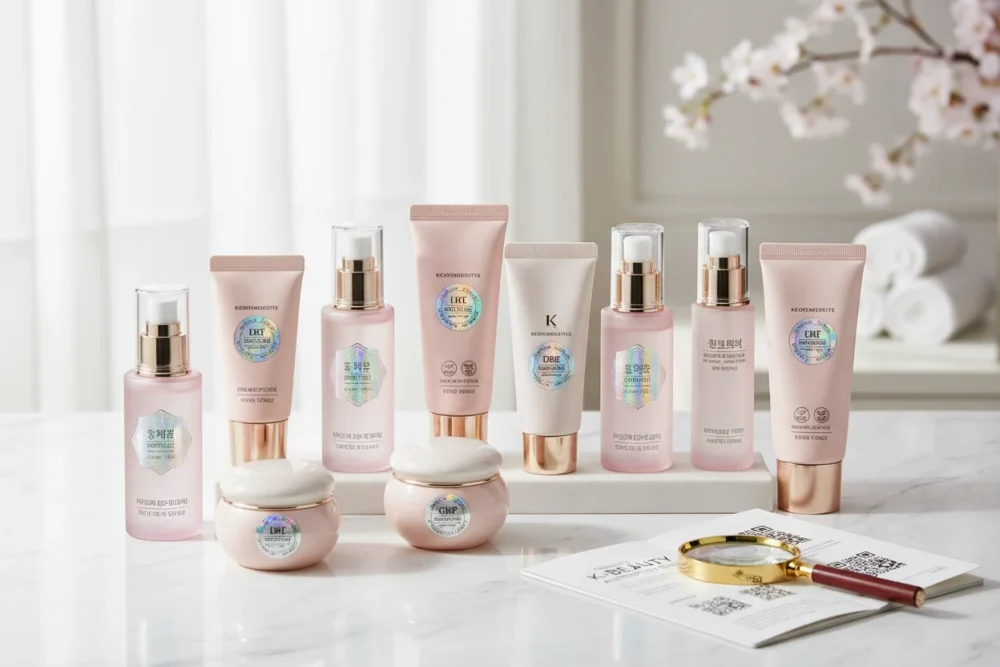
Key figures:
- USA 2025: approximately 2.2 billion USD (largest recipient)
- Europe 2026 (I-X): 2.6 billion USD, ahead of the USA and China
- Poland 2025: USD 282 million (+111.7% y/y), first place in the EU, ninth in the world
- Household penetration in the USA: 28.7% have at least one K-beauty product
- Over 27,000 registered sellers (7-fold increase since 2013)
Hallyu + TikTok
Here, culture meets algorithm. K-dramas and K-pop opened the doors, while TikTok and Instagram knocked them down. Videos like the “snail mucin stretch test” or GRWM with ten products rack up millions of views, often resulting in products selling out within hours. Influencers test, review, unbox, and viewers buy without hesitation. This unboxing and visual culture makes products go viral faster than traditional advertising could ever dream of.
Retail and partnerships
Physical expansion goes hand in hand with digital. In 2026, Olive Young opened its first store in the USA (Pasadena), Sephora doubled its K-beauty portfolio, and Superdrug launched dedicated zones in 400 stores across the UK. Diversifying beyond China is a deliberate move—Europe and North America are becoming new growth markets. And it works, because people want to touch, smell, and try products.
Innovations, ingredients, and formats that are making waves
Korean cosmetics don’t win just because of marketing. They win because the laboratory works differently here than in Europe or the USA. Faster, bolder, and under strict government supervision.
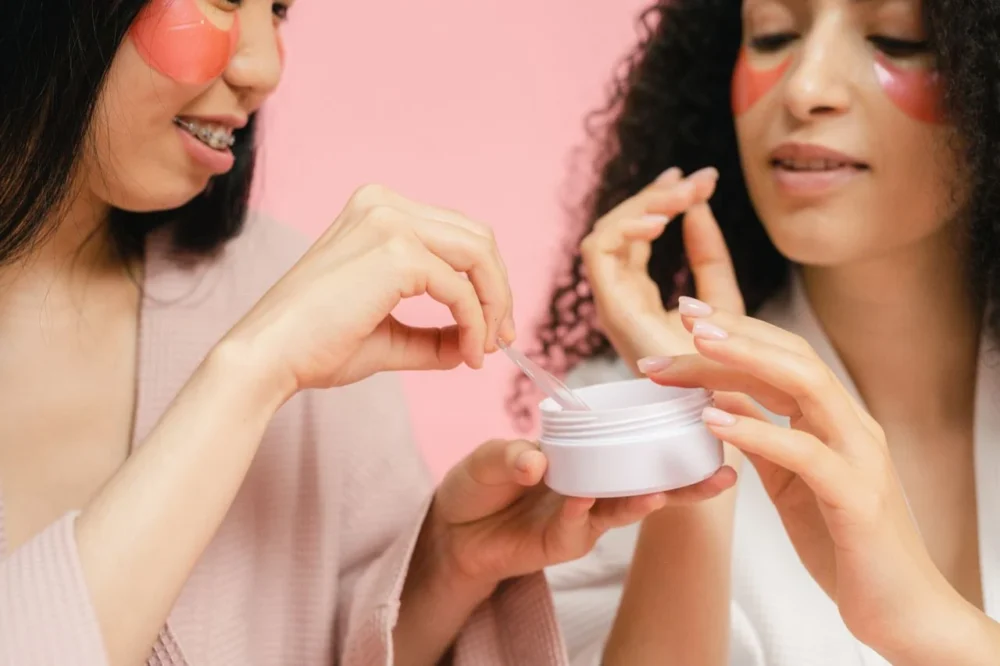
From snail mucin to PDRN
Koreans are not afraid of ingredients that might sound strange in the West. And it’s precisely these “strange” things that show evidence of effectiveness:
- Snail mucin (snail secretion): hydration and barrier repair; COSRX offers an essence with 96% of this ingredient.
- Centella asiatica (cica): soothing, ideal for sensitive skin, anti-inflammatory.
- Ferments (galactomyces, bifida): brighten and improve skin texture.
- PDRN (salmon DNA): regeneration of deep layers, popular in dermatology.
- Ginseng: hanbang revival, meaning a return to traditional Korean herbs; has antioxidant properties.
- Niacinamide: brightens discolorations, regulates sebum.
These ingredients are not just a marketing vibe. The MFDS (Ministry of Food and Drug Safety) requires proof of efficacy for “functional cosmetics,” so if a product label claims brightening or anti-wrinkle effects, it must be supported by research.
Formats that change habits
Sheet masks, cushion compacts (debuted in 2008, now a global standard), toner pads, sleeping masks. These aren’t gadgets, but shortcuts in your routine. A cushion lets you refresh your makeup in 10 seconds. Toner pads combine a toner with a gentle exfoliant. A sleeping mask replaces night cream and works for 8 hours.
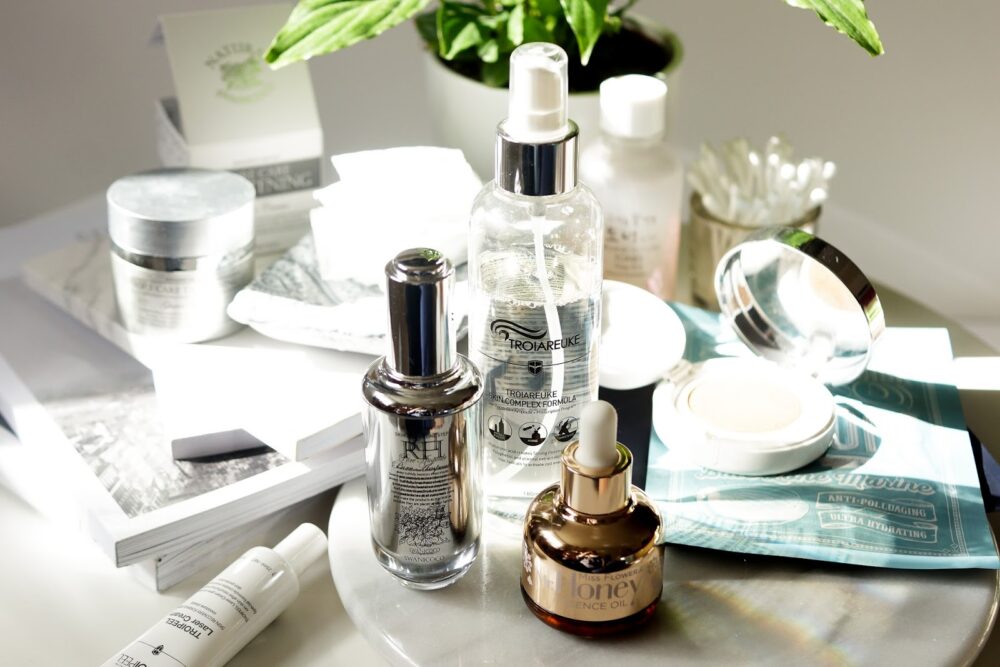
Quality and pace
Korean ODMs (Cosmax, Kolmar Korea) can launch a new product on the shelf within half a year. This is a speed unimaginable for major Western corporations. Personalization? Amorepacific is testing diagnostic stations with AI that analyze the skin and mix the formula on the spot.
“K-beauty 2.0” means fewer steps, more precision. The focus is on the skin barrier and regeneration, not on 10-step rituals.
Fashion, technology, and culture in one mirror
K-beauty is more than just another beauty trend. It’s actually the point where aesthetics, innovation, and a new approach to skincare all meet. Korean cosmetics show how tradition can go hand in hand with technology, and how skincare rituals become a part of everyday life, not just a routine.
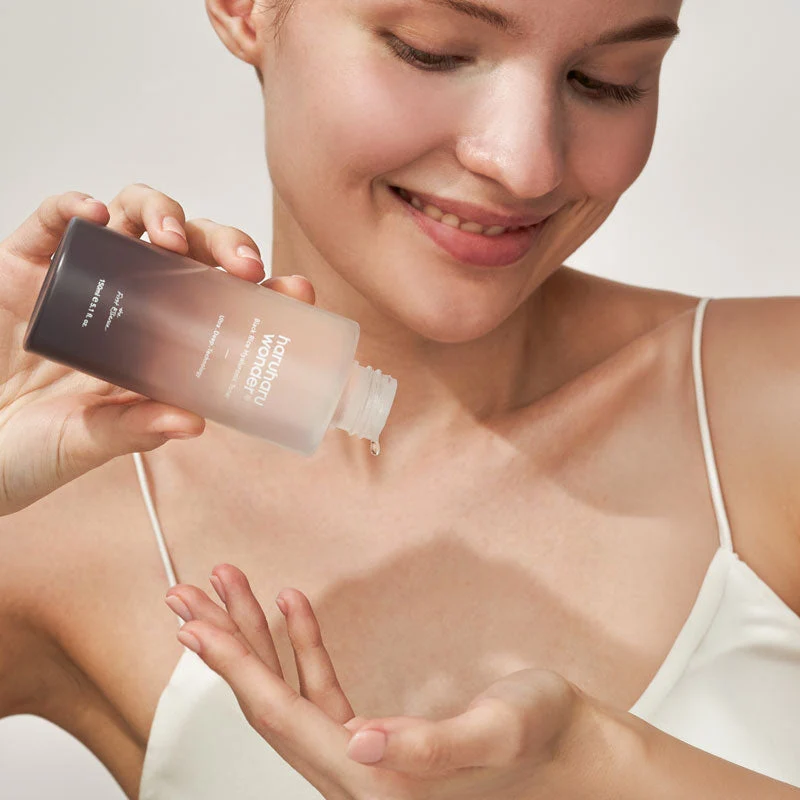
Interestingly, this phenomenon tells us a lot about how global culture functions today. Boundaries are blurring, trends travel at lightning speed, and consumers are looking for products that combine effectiveness with experience. K-beauty has hit this moment perfectly, offering something authentic in a world full of repetitive solutions.
And that’s exactly why Korean cosmetics stay with us for longer. Because they’re not just bottles on a shelf—they’re a philosophy that’s easy to adapt to your own life.
Mila Mi
beauty & lifestyle editorial team for Luxury Blog





Leave a Comment