

The most luxurious carpet brands in Europe – 2026 guide
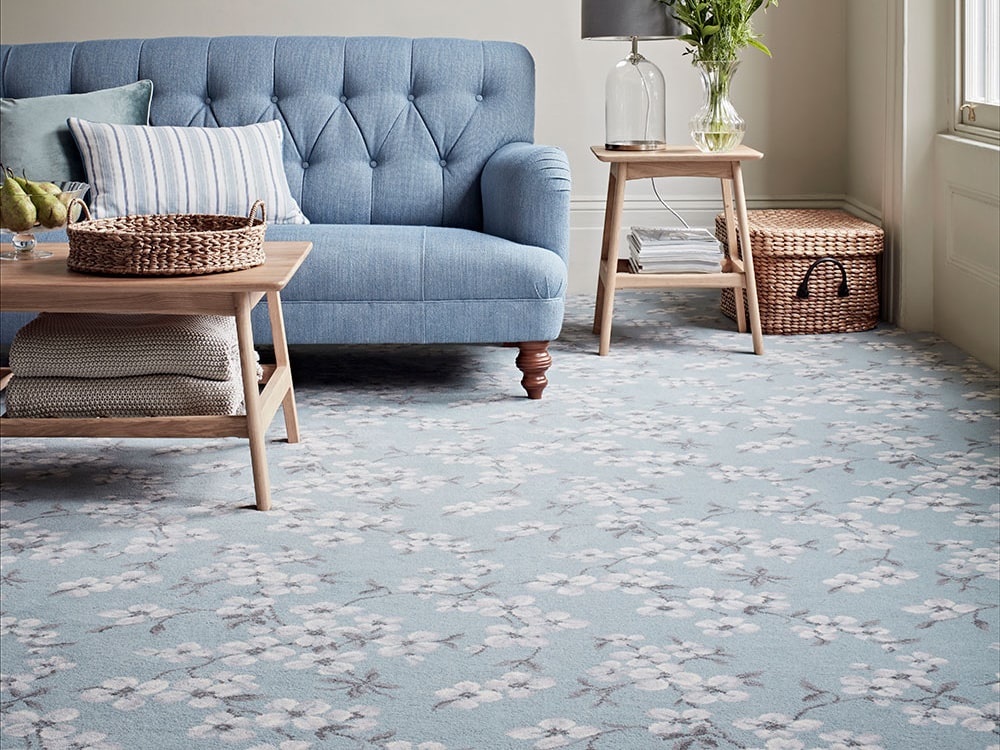
Imagine the lobby of a five-star hotel in Vienna: marble floors, crystal chandeliers, and a carpet that gives the entire interior its character. This isn’t just decoration, it’s a statement. The European carpet and rug market is currently worth around $10-12 billion (2025-2026) with a stable CAGR growth of about 2-3%. It may sound modest, but the premium segment is growing faster, driven by renovations, hotels, and bespoke orders.
Europe has been setting the standards in this field for centuries. The combination of craftsmanship (ateliers in Belgium or manufactories in Germany) with contemporary design creates something that cannot be automated. Hand-woven Persian knots, natural dyes, designer patterns made to order. In an era of mass production, it is personalization that becomes true luxury. Clients want to know who made their rug, from what kind of wool, and how long the knotting took. Sustainability is no longer just a slogan; it has become the premium standard.
In a moment, you’ll discover the criteria that distinguish luxury from counterfeits (materials, construction, details), profiles of European heritage brands and their DNA, current trends for 2024-2026, and real price ranges. Everything you need to make an informed choice, not just for show.
The DNA of luxury
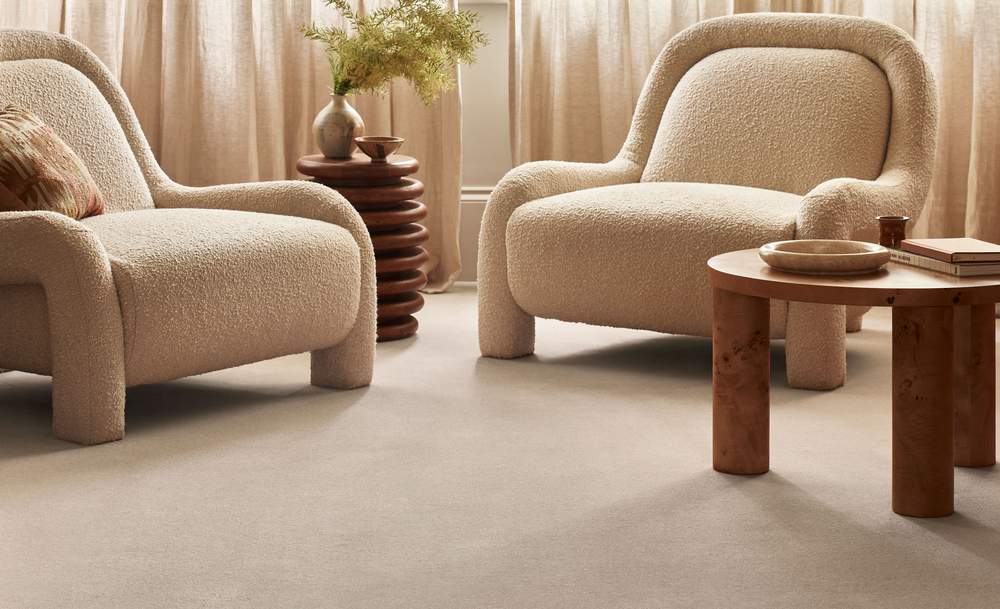
On the premium European rug market, material is more than just a label. New Zealand and British wool dominate—their natural elasticity allows the rug to spring back after being pressed, and natural lanolin repels dirt. Importantly, this type of wool absorbs dyes exceptionally well, so colors appear rich and do not fade for years. Silk adds a sheen ( mainly in traditional hand-knotted rugs), while linen is a popular choice for flatweaves with a vintage character. Regenerated fibers, such as ECONYL recycled from fishing nets, are also appearing more frequently. Interestingly, in recent seasons, there has been a growing trend for “undyed wool”—naturally colored wool in shades of white, gray, and brown, without chemical additives.
Axminster, Wilton, tufting, and hand-knotted
Construction determines durability and appearance. Here are the key techniques:
- Axminster – mechanically woven, allows for intricate patterns and multiple colors; excellent precision-to-price ratio
- Wilton – durable structure, fibers woven into the warp, often a blend of 80% wool + 20% nylon (reinforcement)
- Tufting – fast production, dense pile ensures softness; popular in premium hotels
- Hand-knotted – the absolute pinnacle, up to 500,000 knots/m², each rug takes several months to make
Parameters and certificates
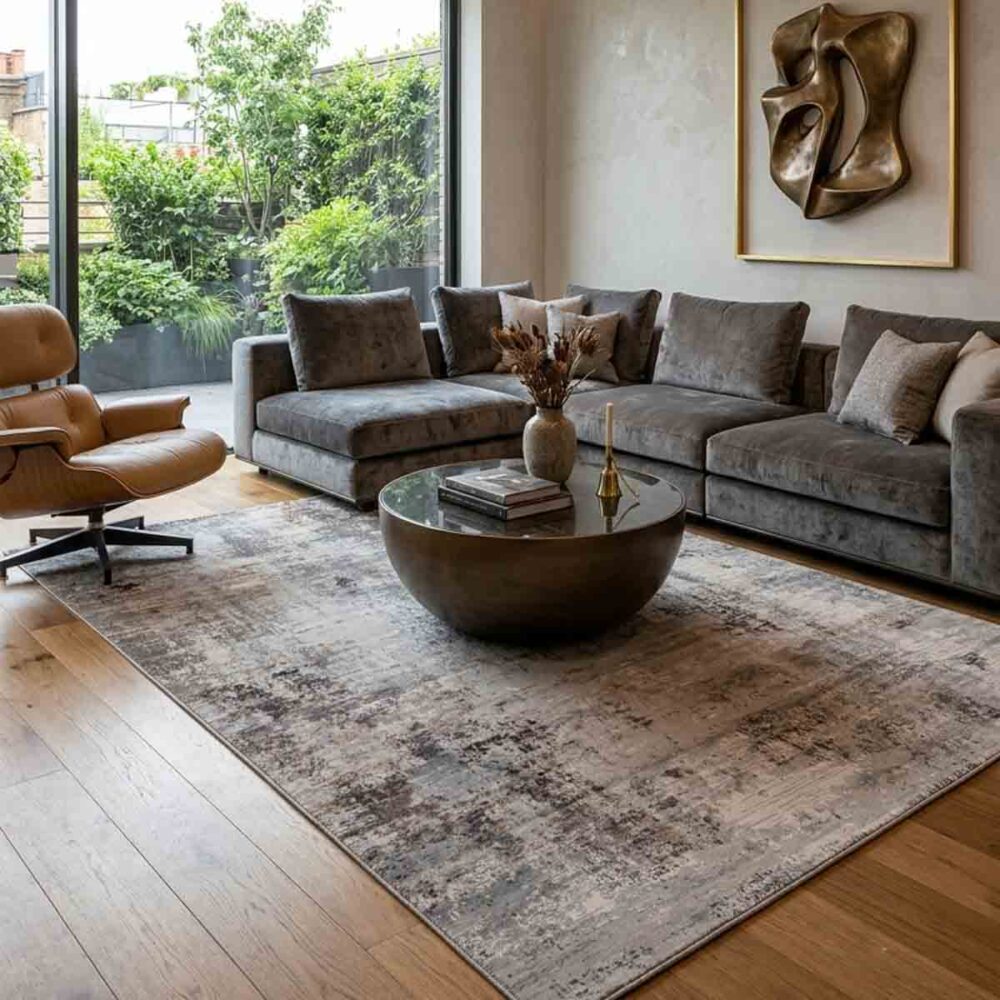
When choosing premium, it’s worth considering specific values. A pile height of 11-15 mm is standard for comfort, and a weight above 1,250 g/m² guarantees durability. Usage class 33 means resistance to heavy traffic (offices, hotels). Noise reduction at the level of ΔLw ~30 dB improves the acoustics of the space, which is important in open spaces.
Certificates are no longer just a decoration, but a necessity: EPD (Environmental Product Declaration) documents the carbon footprint, Green Label confirms low VOC emissions, and Bfl-s1 (reaction to fire) is a European safety requirement for public utility buildings. Premium brands are also increasingly reporting “zero waste” production, with yarn remnants going to recycling or outlet collections.
Brand map
Europe has been setting the standards in the world of premium carpets for centuries. Here, family-run manufactories combine generations of craftsmanship with contemporary design, securing prestigious contracts for palaces, five-star hotels, and private residences. Let’s take a closer look at those that truly matter on the luxury map.
Icons of craftsmanship
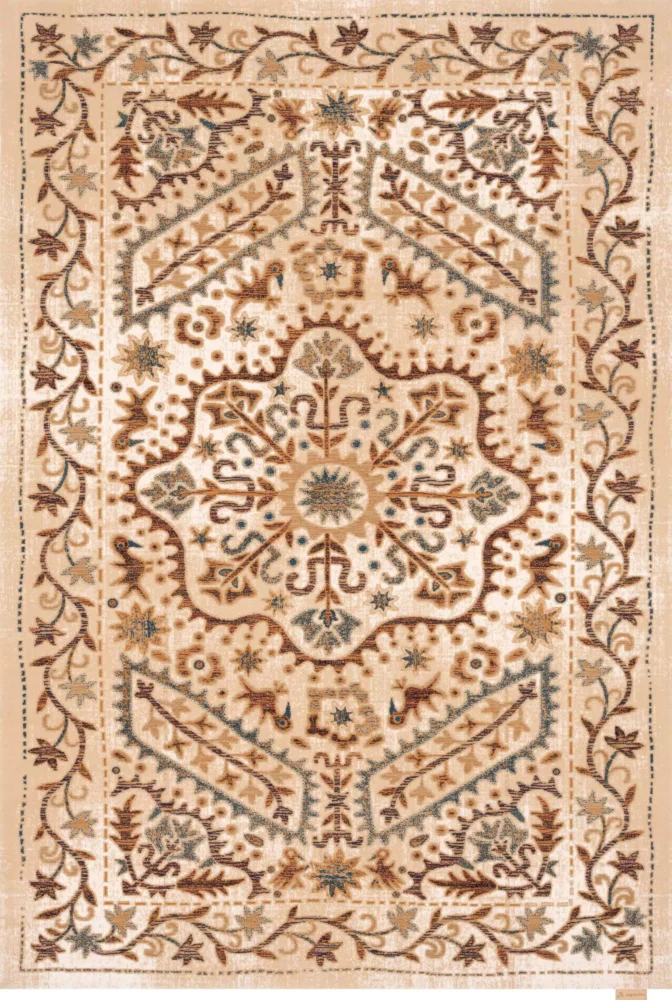
Brintons (UK, since 1783) is a legend of Axminster and Wilton. Their “Purely Natural” collection made from undyed wool finds its way into royal palaces, and their factories operate in countries including Poland. Agnella (Poland, since 1975) is part of the Brintons group with a portfolio of over 500 designs. They have adorned the Presidential Palace, casinos in Las Vegas, and the Sydney Opera House. Louis De Poortere (Belgium, since 1859/1929) specializes in jacquards and Wiltons, and the “Ecorugs” recycled line has appeared in Buckingham Palace and the Louvre. Associated Weavers/Invictus (Belgium) is a tufting powerhouse, part of the Belgotex Group.
From France, Balsan (since 1751/1860) introduced zero waste as early as 2013 by using ECONYL yarn made from regenerated materials. Their tufting combines tradition with ecological thinking.
Scandinavian precision and southern craftsmanship
Kasthall (Sweden, since 1889) holds a Royal Warrant, creates woven and hand-tufted rugs, and collaborates with Cecilie Manz. Ferreira de Sá (Portugal, since 1946) has developed the “Nó Português” technique, offering custom projects for the most demanding clients. cc-tapis (Italy, since 2011) combines hand-knotted and robotufting techniques, and their 2026 collaboration with Fornasetti confirmed their artistic status. The Rug Company (London) focuses on designer collaborations and hand-knotting.
The strength of Polish manufactories
Dywilan (Poland) is renowned for its precise patterns and top-quality New Zealand wool. Białystok and Łódź are centers that prove the Polish premium carpet industry is thriving.
The spectrum is broad: from centuries-old traditions to contemporary art design.
The most luxurious carpet brands in Europe
The European premium carpet market is currently worth around 10-12 billion USD (2025-2026), with a CAGR of 2-3%. It may not sound spectacular, but here stability matters more than rapid growth. Germany is the biggest player, while Spain is growing the fastest. Interestingly, tufted technology still holds about 67-68% of the segment, mainly thanks to the scale of manufacturers like Belgotex (part of Auto Wilton Group), Balta, and Victoria PLC. However, woven carpets—specifically Axminster and Wilton—are making a comeback in hospitality. Brintons, Tarkett, and Balsan (the last major moquette producer in France) show that woven carpets are not a niche retro trend, but a growing slice of the market.
Sustainability as the new gold standard
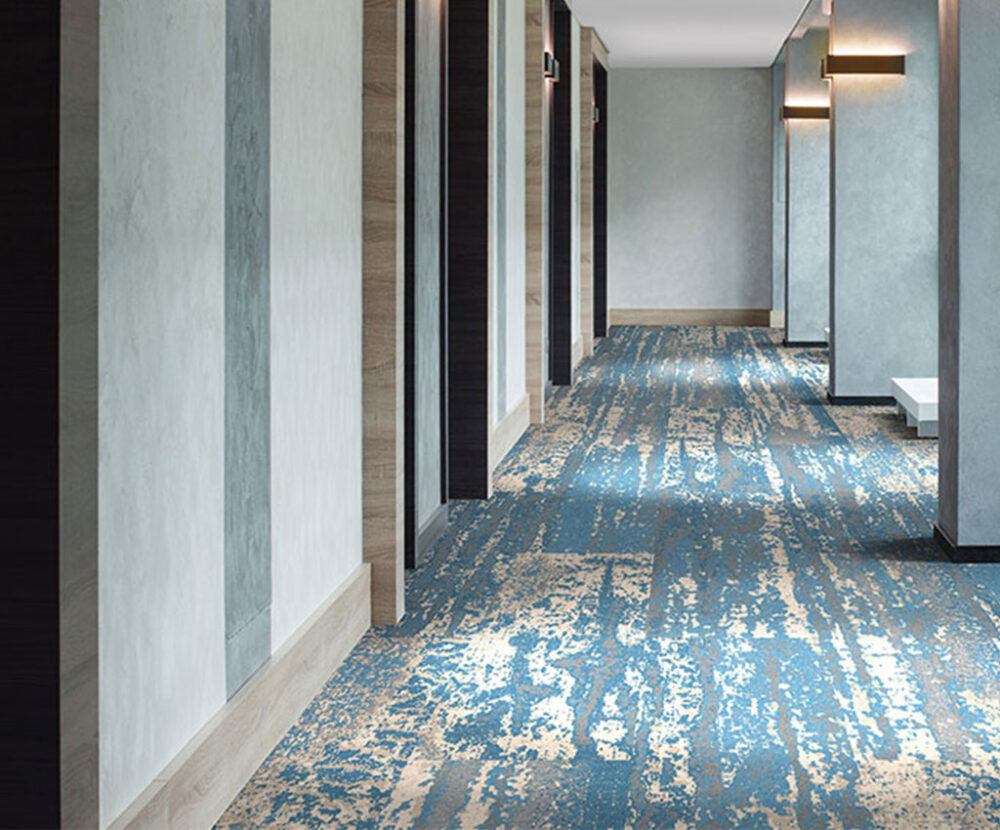
Sustainability is no longer just a marketing add-on. Now it’s the foundation of the game:
- EPD and Green Label are the standard for larger projects
- Zero waste (Balsan has practiced since 2013)
- Real recycling (Ecorugs Louis De Poortere processes old carpets)
- Undyed wool (Brintons Purely Natural) and ECONYL (regenerated nylon)
The export market is crucial. European production is sent to Asia and North America, which raises the bar for certification even higher.
Collaborations and palettes 2026
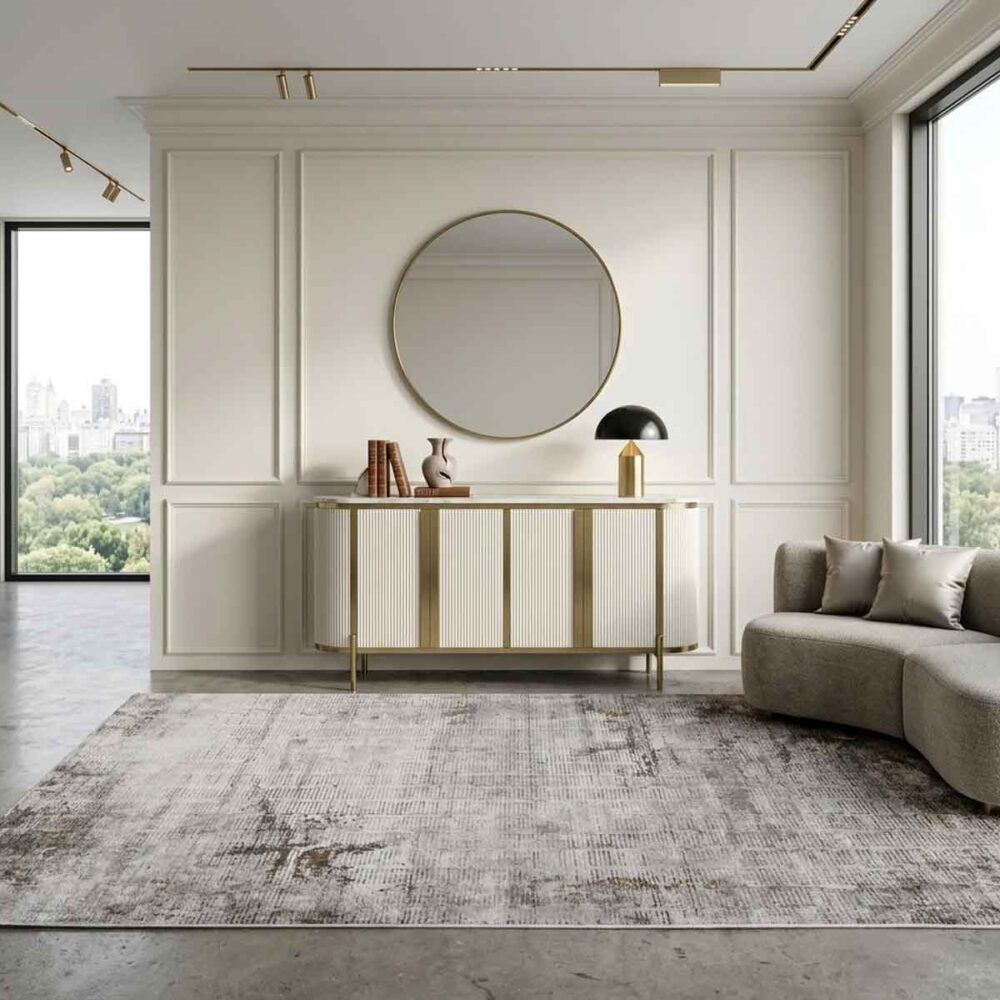
Design is moving towards bespoke and custom. Examples? Fornasetti × cc-tapis (premiere 2026) or Cecilie Manz × Kasthall. This year’s colors: terracotta, sage, beige/greige, navy, and undyed natural wool. It’s not about Instagram trends, but rather long-term aesthetics for clients who don’t buy a new rug every season.
Prices and availability
The price of a luxury carpet is the sum of many variables. The material matters (silk is always more expensive than wool), as does the construction (hand-knotted versus machine-woven), knot density, and the degree of customization. In Poland, premium machine-made wool carpets start at around 350–900 PLN/m². Hand-tufted models from designer collections cost between 800–1,800 PLN/m². When it comes to top-tier woven or true hand-knotted carpets, prices range from 2,500–10,000+ PLN/m². And bespoke pieces made to order? Here, prices can reach hundreds of thousands of euros, especially when silk, gold details, or unique designs are involved.
Where to order and how does the process work?
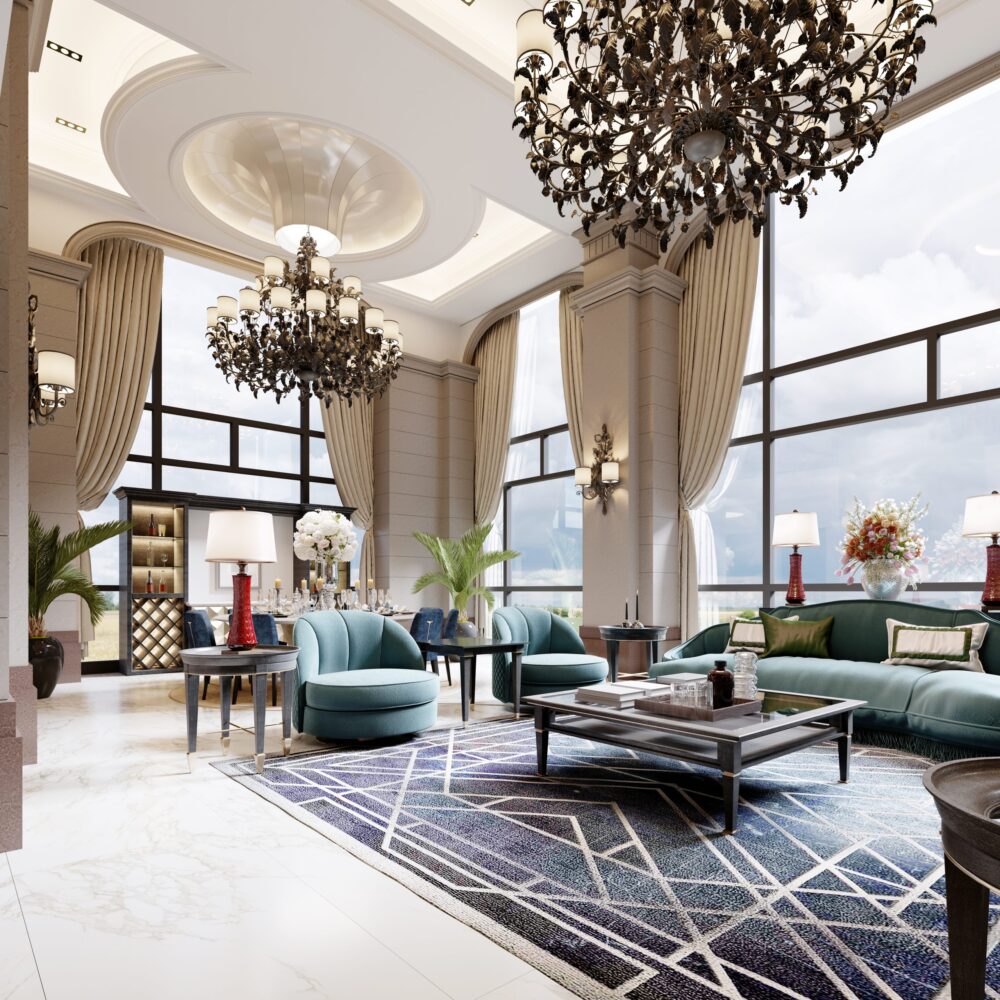
The main purchasing channels are brand boutiques and showrooms ( Milan, London, Cascais), authorized distributors, and the contract sector for hotels and offices. More and more brands offer online consultations, but the key steps still happen on-site: measurement, sample selection, and color consulting. Made-to-order projects require time, with lead times ranging from a few weeks to several months, depending on complexity. Manufacturers (Polish Agnella and Dywilan export over 50% of their production) serve both private clients and international projects. Additional services? Installation, impregnation, and aftercare. Everything can be arranged when placing your order. And if you’re looking for a unique rug, be sure to check out the offer from Luxury Products.
Craftsmanship, technology, and responsibility in a single story
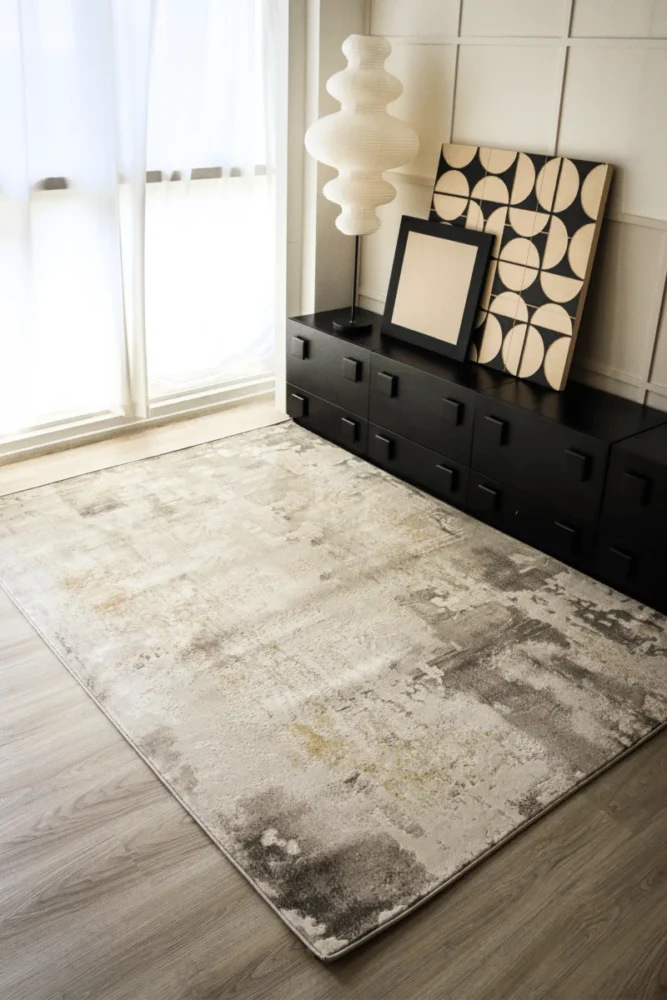
Luxury carpets are not just decorative pieces, but an investment in something that will last for decades. The combination of traditional craftsmanship with modern materials ensures that these products retain their aesthetic and functional value for generations. The brands we have described combine respect for history with responsibility for the future, making them stand out from mass-produced goods.
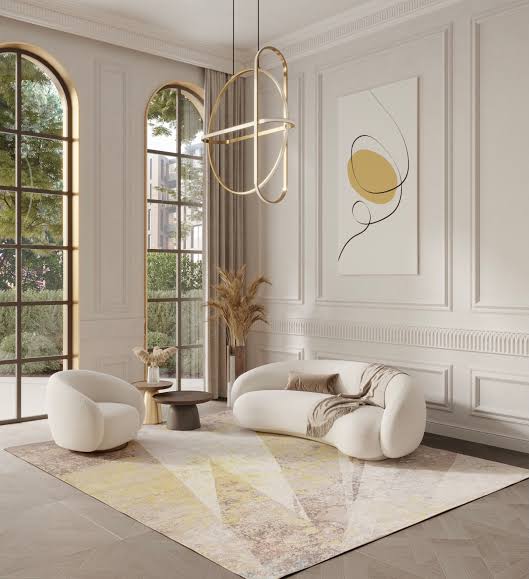
Choosing such a rug is a decision that goes beyond interior design. It is a conscious support for sustainable practices and artisanal perfection, which is slowly disappearing in a globalized world. You could say that by purchasing one of these rugs, you become part of a longer story about the values that truly matter in design.
Ultimately, luxury today means durability. It’s not about fleeting trends, but about items that endure.
Sixti 99
Luxury Blog editorial team



Leave a Comment