

International flipping: how to buy, renovate, and sell a house for profit in Italy or Portugal
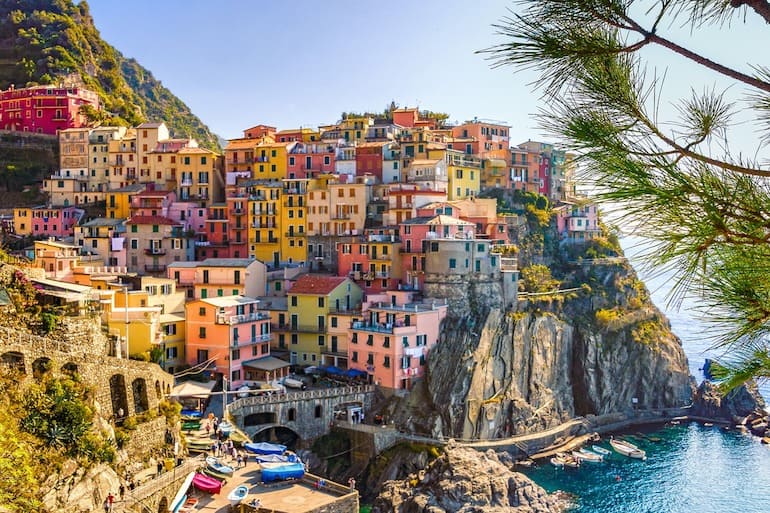
Buy cheap, renovate, sell for more. International property flipping sounds simple, but abroad it quickly becomes a more complex puzzle. The purchase price is just the beginning – you need to account for taxes, notary, lawyer, designer, renovation, financing, maintenance, marketing, and sale. Then, you have to settle the income tax.
Italy and Portugal are interesting markets for investors. Both countries have many older properties, attractive tourist regions, and demand from foreign buyers. In Italy, it is easier to find very cheap properties, while Portugal offers a more liquid market but higher entry prices.
International flipping. First ARV, then purchase
The classic flip involves buying, renovating, and selling. The key is to determine the ARV – After Repair Value, that is, the actual value of the property after renovation. ARV should not be based solely on asking prices. More important are actually sold, comparable properties and local demand.
If a house costs 80,000 euros and after renovation it can be sold for 150,000, the 70,000 euro difference is not yet a profit. You need to subtract taxes, purchase costs, notary, lawyer, designer, renovation, furnishings, financing, maintenance, marketing, and sales.
Therefore, the project should be calculated conservatively: adopt a realistic selling price and leave a reserve for unforeseen costs. The biggest mistake is assuming the maximum selling price and a perfect renovation process.
That’s why international flipping requires due diligence before purchase. This process is one of the most important stages of the entire investment.
Italy means affordable homes.
Italy has a vast stock of old properties – from houses in small towns and rural areas to buildings in historic centers. Some have stood empty for years and require comprehensive renovation.
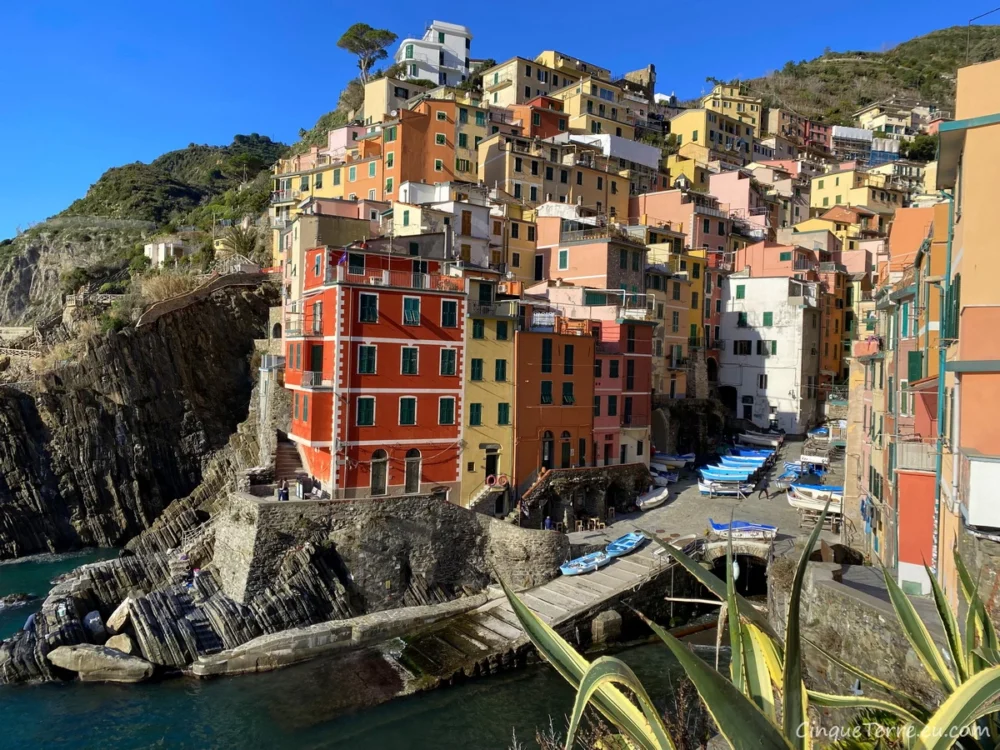
This is a potential opportunity for a flipper: buy below value, create a modern product, and sell it at a higher price. An example is the “Case a 1 euro” programs, which involve selling selected abandoned properties for a symbolic amount.
And many unknowns
Their goal is not to give away houses, but to revitalize towns. An example is the program of the Cantiano municipality in the Marche region. The buyer must meet renovation requirements, prepare a project, and adhere to deadlines set by the municipality. The program also requires a guarantee of 4,000 euros.
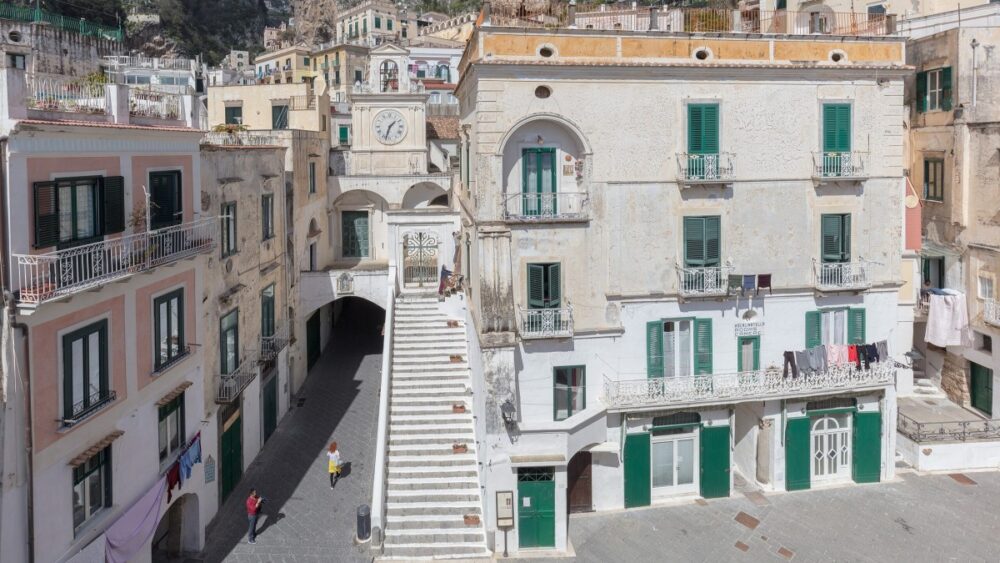
The price of 1 euro is therefore just the beginning. An old building may require a new roof, structural reinforcement, replacement of installations, insulation, woodwork, and complete finishing. There are also costs for design, documentation, taxes, notary, administrative fees, or a conservator of monuments. As a result, the investment may amount to several tens of thousands of euros, and in very poor technical condition even over 100,000 euros.
Italian construction law
In Italy, it is especially important to verify whether the actual condition of the property matches the documentation. In 2024, regulations known as “Salva Casa” were introduced – Decreto-Legge No. 69/2024, converted into Law No. 105/2024. This regulation introduced solutions regarding certain construction discrepancies and procedures related to the legal status of properties.
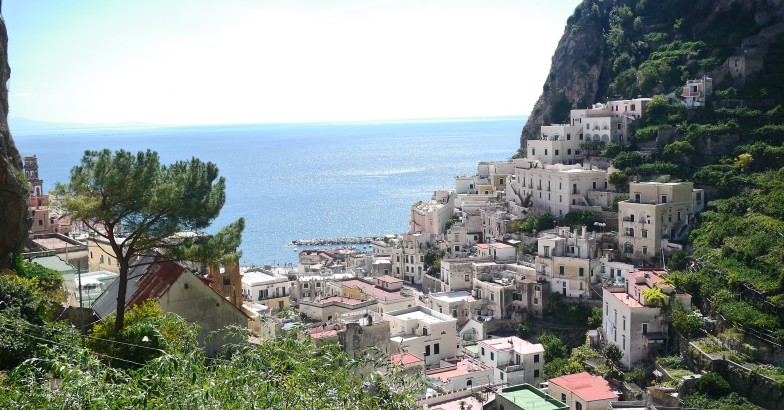
However, this does not mean that every unauthorized construction can be easily legalized. Everything depends on the type of non-compliance and the specific case. Therefore, before making a purchase, it is worth hiring a local specialist to check the documentation and the feasibility of the planned renovation.
Taxes in Italy
When purchasing from a private individual or an entrepreneur in a VAT-exempt transaction, without the “prima casa” preference, the standard registration tax rate is 9%, and the mortgage and cadastral taxes are generally charged at 50 euros each. In other types of transactions, different rules may apply, including VAT.
In the case of a sale, Italian regulations provide for the taxation of certain gains, especially for properties acquired or built no more than five years earlier. The details depend on the history of the property and the taxpayer’s situation.
When regularly buying, renovating, and reselling properties, it is also necessary to analyze the nature of the activity. A one-time sale of a private property and serial flipping do not have to be treated the same way for tax purposes.
International flipping: Portugal. Strong demand, harder to find opportunities
Portugal is one of the most recognizable real estate markets in Europe. Lisbon, Porto, Algarve, and other attractive regions attract residents as well as foreign buyers.
According to the Portuguese statistical office, in 2025 residential property prices increased by 17.6%, the number of transactions rose by 8.6%, and the median transaction price in the fourth quarter was 2,198 euros per m².
A dynamic market means potentially higher value for renovated properties, but also higher purchase prices and greater competition. Therefore, market growth alone will not save a poorly bought house.
Purchase cost in Portugal
When purchasing, you must primarily take into account IMT – the property transfer tax, and Imposto do Selo, which is the stamp duty.
The amount of IMT depends, among other things, on the type of property and its intended use. As a rule, the tax base is the higher of the following values: the transaction price or the tax value of the property.
The stamp duty on the purchase of a house is generally 0.8% of the tax base. In addition, there are legal costs, documentation, financing, and renovation.
Flipping and tax in Portugal
When selling real estate, a capital gain may arise, which is subject to the relevant tax regulations. Portuguese law distinguishes between the sale of private assets and income derived from business activities.
A one-time sale of your own property and regularly buying houses to renovate and resell do not have to be settled in the same way.
The Portuguese classification of economic activities includes CAE 68100 – purchase and sale of real estate. This does not automatically mean that it is necessary to set up a company. However, if you plan to engage in serial flipping, it is advisable to consult a local tax advisor before your first transaction to determine the appropriate way to conduct and account for your business activities.
Effective flipping! Where can you earn the most and what are the risks?
International flipping is not about hunting for the cheapest addresses. The greatest potential is not necessarily found where properties are inexpensive. A cheap house in a location with no demand may be a worse investment than a more expensive property in an area where, after renovation, you can quickly find a buyer.
A good project should have a specific advantage: purchase below market value, potential for profitable redevelopment, exceptional location, unused space, low standard in a good environment, or a clearly defined target group of buyers.
Example: a house for 90,000 euros, renovation for 40,000 euros, and 15,000 euros in other costs. If sold for 180,000 euros, this gives a surplus of 35,000 euros before final tax settlement. However, if the sale amounts to 160,000 euros, the result drops to 15,000 euros.
That’s why in flipping, the most important things are not flashy visualizations, but a good purchase price, cost control, and a realistic final valuation.
International flipping: the biggest risks
- Incorrect ARV valuation – the property may not reach the assumed price.
- Increase in renovation costs – moisture, structure, roof, installations, or documentation issues can significantly raise the budget.
- Delays – a longer renovation means additional costs for financing, taxes, utilities, and maintenance.
- Low liquidity – in a small town, selling a house or a tenement building can take months.
- Changes in regulations and financing costs – may reduce the profitability of the project.
- Problems with contractors and documentation – abroad, language barriers and more challenging supervision of work are added.

It is also worth checking local regulations regarding property use, especially if short-term rental is planned after the renovation. Flipping can improve the condition of vacant buildings and support local contractors, but in popular locations, it may also drive up prices and limit housing availability for residents.
Italy or Portugal?
Italy – cheaper, but more demanding
Pros: a wide selection of old properties, relatively low prices outside the most popular regions, “one-euro house” programs, great renovation and tourism potential, and the possibility of finding niche locations.
Cons: weaker demand in some locations, risk of expensive renovations, legal and administrative issues, potentially long selling time, and significant differences between regions.
Portugal – a strong market with a higher entry cost
Pros: strong demand, interest from foreign buyers, potentially easier sale of a finished property, great modernization potential, and higher liquidity in popular locations.
Cons: high purchase prices, strong investor competition, harder to find a large discount, high renovation costs, and the risk of margin decline if the budget is exceeded.





Leave a Comment