

How much do luxury villas in Sicily cost?
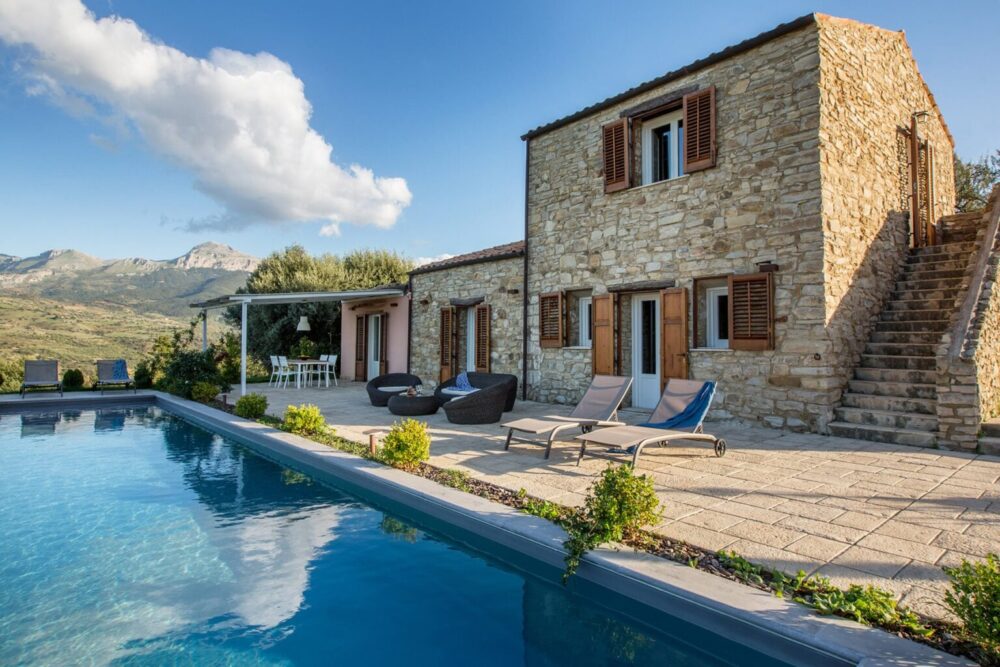
Premium villas in Sicily? We’re talking about amounts ranging from €2–6 million, while top residences with sea views and private beach access easily exceed €6–7 million. These are figures that attract attention, especially since inquiries from international buyers have increased by around 18% in 2024.
Why does Sicily attract so much interest in the first place? Because it brings together things that are hard to find in one place. Year-round climate, beaches that look like they’re straight out of the Caribbean, Etna in the background (okay, an active volcano is a plus for some, a question mark for others), plus all that UNESCO heritage. You’re not just buying a property, you’re buying a lifestyle and a potential investment that makes sense in the long run.
In this article, you’ll get specific price ranges by region, find out what really affects the price (location is obvious, but there are nuances), see the outlook for 2025-2026, and learn how much you can earn from short-term rentals. Just remember, the market is dynamic — prices can vary depending on whether you’re buying a restored 18th-century masseria or a modern villa with an infinity pool.
How much do luxury villas in Sicily cost?
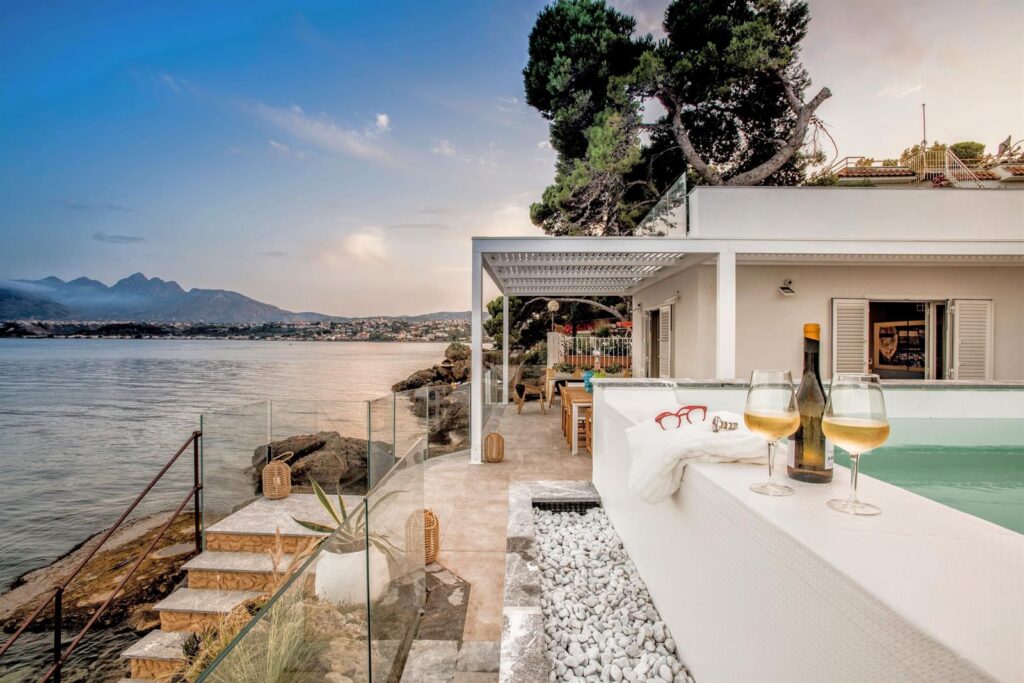
A luxury villa in Sicily is a flexible concept. Formally, the prestige segment starts at around €470,000–790,000 for properties in renowned locations (130–950 m²+), but honestly, the core of this market involves entirely different sums. Typical premium villas that buyers dream of fall within the €2–6 million range. Above this threshold, meaning from €6–7 million upwards, you enter the world of ultra-luxurious estates with history, private beaches, or extraordinary architecture. Smaller properties requiring renovation, but located in less prestigious parts of the island? There you’ll find something in the €500,000–1 million range. It may not be a modest amount, but in Sicily, it’s still the lower end of the “luxury” definition.
Price map
Square meter prices vary dramatically depending on location. Taormina and the historic Ortigia (Syracuse) are at the absolute top, ranging between €3,000–7,000/m ², with peaks clearly above this upper limit. Cefalù reaches around €4,200/m², Pantelleria approximately €6,000/m². The interior? Often below €3,000/m², though of course there are exceptions. By contrast, the regional average for the entire residential market is about €1,172/m² (2026 forecast), which shows just how vast the gap is between the regular market and the premium segment.
Real market examples
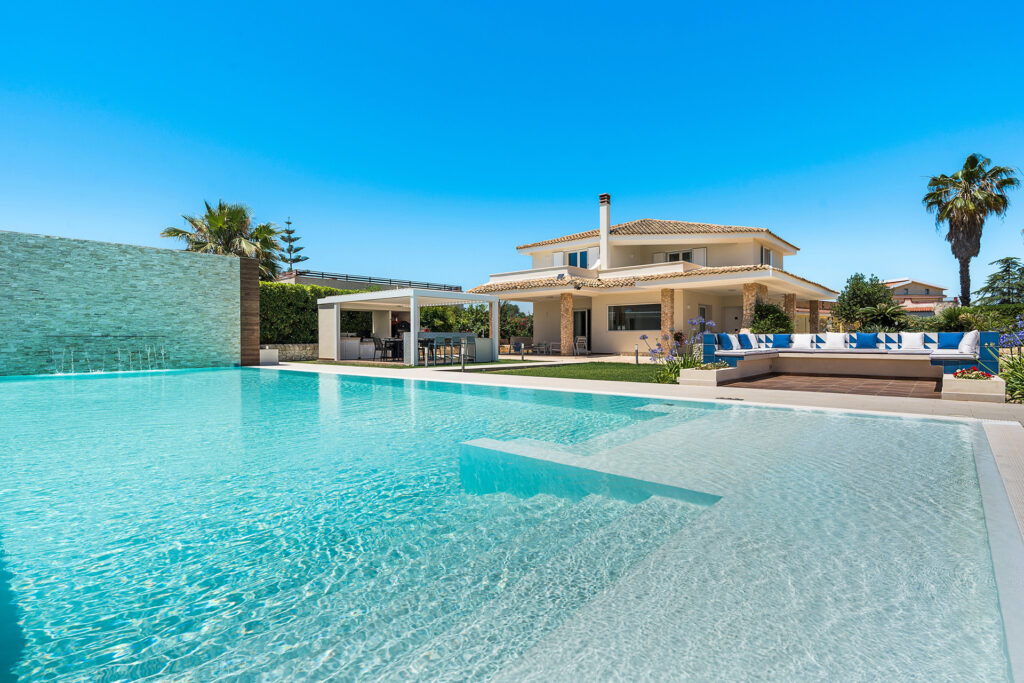
Concrete offers provide a better picture than abstracts. A villa in Noto (about 1,100 m²) was priced at around €6.8 million, similarly, a small palace in Syracuse with an area of about 1,476 m² was going for approximately €6.7 million. Properties with a private beach in Avola or Trappeto? Expect around €2.9–3.45 million. The price ranges should be understood with the awareness that each villa has its own story and “luxury” can be very subjective.
What really drives up the price?
If you’re looking at a listing for a luxury villa priced at 3 million euros and wondering “why exactly that amount,” it’s not just about the square meters. In Sicily, the price is determined by several factors that can push the valuation up or down more than you might expect.
Location and view: rarity premium
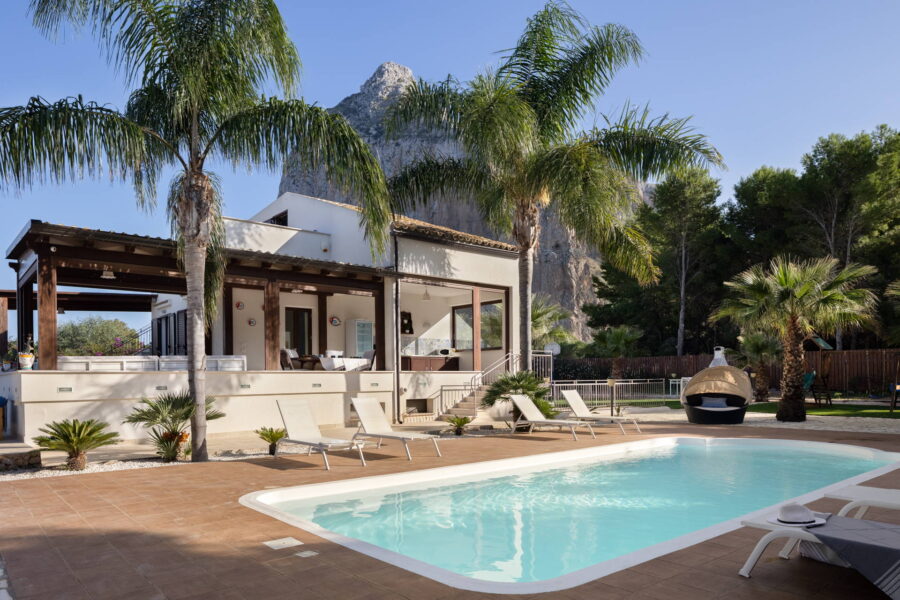
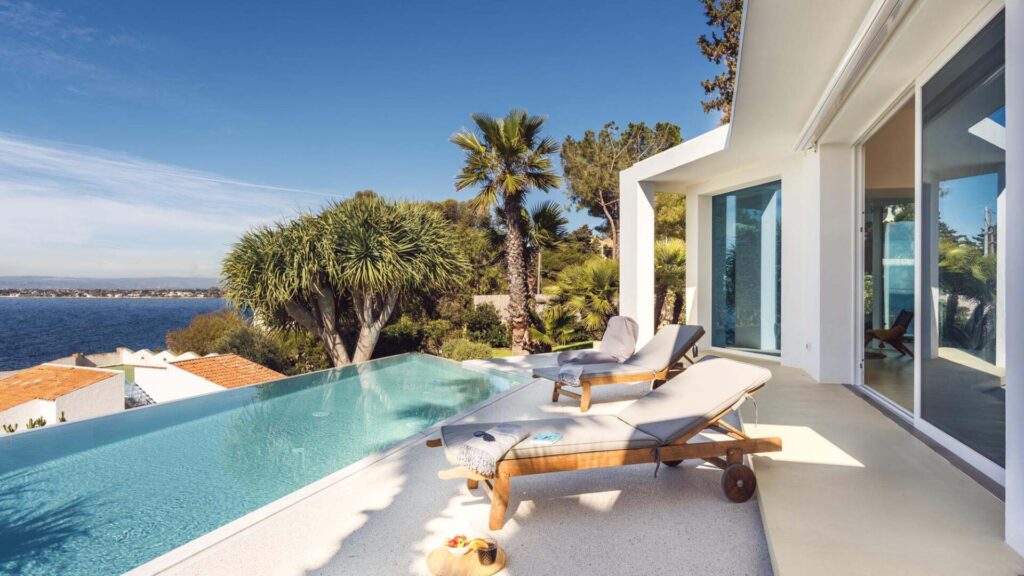
The first shoreline is an obvious factor, but here the zone also matters. A villa in Taormina with a view of Etna and the sea? That’s a completely different league than a similar property 5 km inland. UNESCO zones (Val di Noto, Ortigia) automatically drive up the price, simply because there aren’t many available plots there. Private access to the sea or a terrace with a panoramic view of the volcano can increase the valuation by 30% compared to a villa without such views.
Type of property and its history
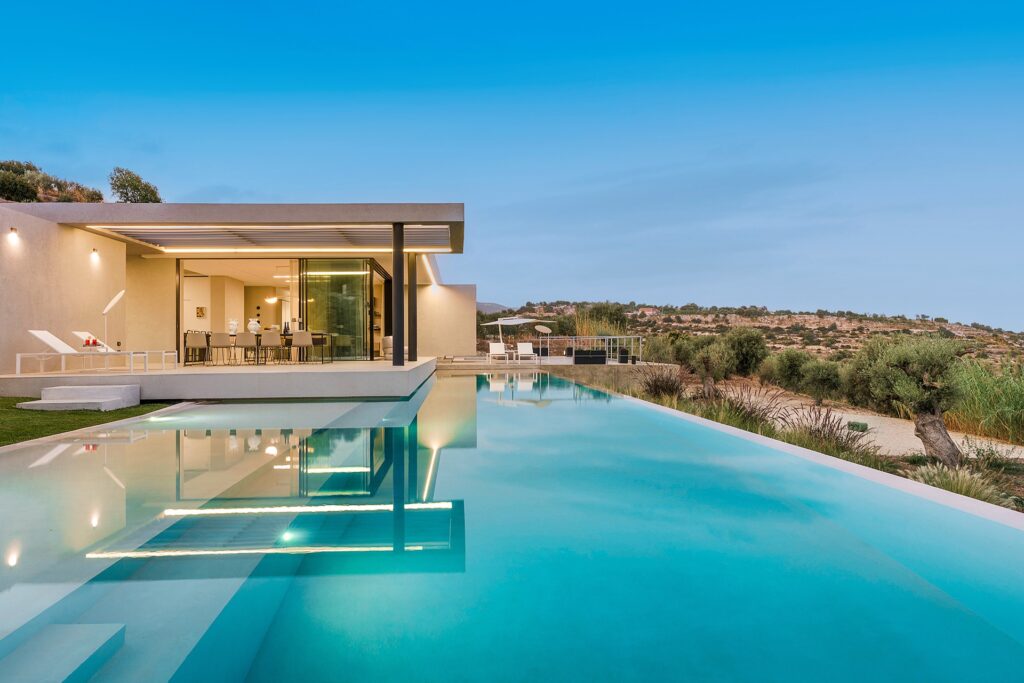
Masserie, those old Sicilian farmsteads, are now being luxuriously adapted and have their own charm. Dammusi on Pantelleria are a truly unique form with stone domes, often marketed as a “rarity.” Villas in the Liberty style or with Baroque details require maintenance in accordance with conservation regulations, which increases renovation costs but at the same time raises the prestige (and price).
Floor area, plot, and furnishings
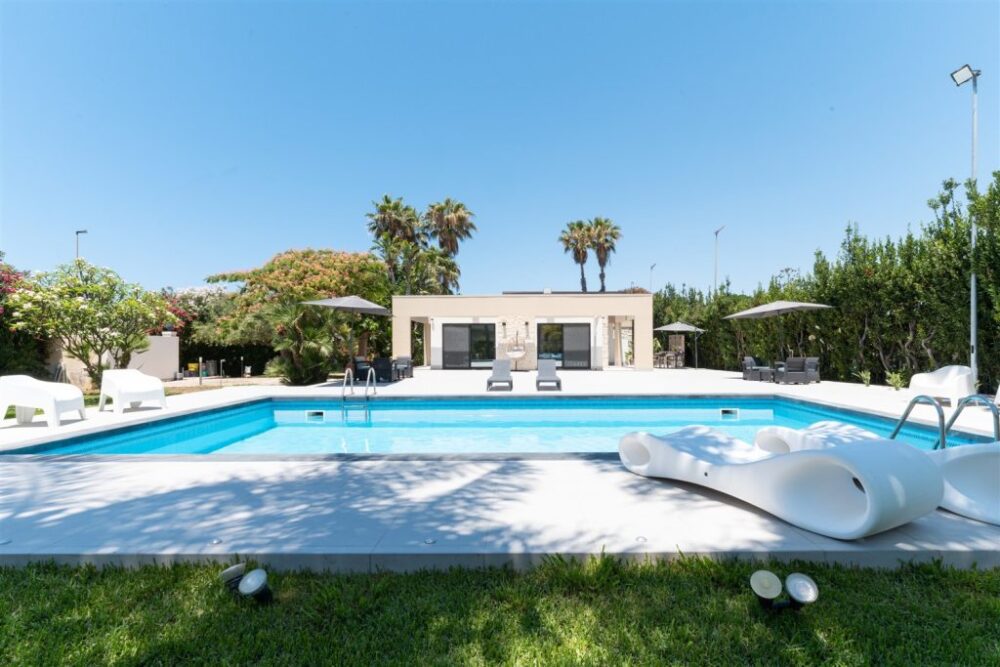
Typically, we’re talking about 300 to 1,500+ m², 4 to 13 bedrooms. An outdoor pool is standard, while an indoor heated pool is less common. SPA, sauna, smart home, solar panels—each of these amenities adds value. A larger plot (several hectares with an olive grove) and private beach access are features that can really drive up the price. The ” chiavi in mano ” (ready to move in) condition is more expensive than a property requiring renovation, especially since landscape regulations limit the scope of work and extend the completion time.
Market and forecasts until 2026
The luxury villa market in Sicily has clearly gained momentum in recent months. According to 2024 data, the number of inquiries from international clients has increased by about 18%, with most interest coming from Germany, the United Kingdom, and the United States. This shows that the island is increasingly competing with the “classic” Italian destinations.
Price dynamics and what awaits us in 2026
Prices are rising, but not dramatically. In 2025/2026, we are seeing a moderate increase of around 0.4-2.5% per year for most segments. However, forecasts for 2026 are more optimistic: experts predict growth between 1 and 4%, with the most expensive properties (the so-called “prime”) potentially increasing by over 5%. The entire Italian luxury residential market, worth about USD 1.68 billion in 2025, is expected to grow to USD 2.41 billion by 2031, which translates to an average annual growth of ~6%. Sicily is part of this trend, although it still offers a better price-to-quality ratio.
Sicily versus the rest of Italy
This is where the greatest opportunity becomes apparent. Costa Smeralda in Sardinia? There you often pay over 10-15 thousand euros per square meter. Amalfi, Tuscany… similar story. Sicily is cheaper, but that gap is steadily closing. On the other hand, profitability in Palermo or Catania ranges between 8 and 9%, which often surpasses offers from the north. As for specific locations, Siracusa in 2024 recorded over a 23% increase in inquiries, especially for properties in the 1-3 million euro range. And ultra-luxury above 3 million? That’s the domain of Ragusa and Trapani.
Purchase or rental?
If you don’t want to buy right away, renting offers a great taste of Sicilian luxury. Expect to pay around €400-800+ per night, which is about €3,000-8,000+ per week. Top villa offers with infinity pools, SPA, or sea views can reach €4,000-8,700 per week, especially at the height of the season (July, August). You’ll find lower rates in spring or autumn, when the weather is still inviting and prices drop by 20-30%.
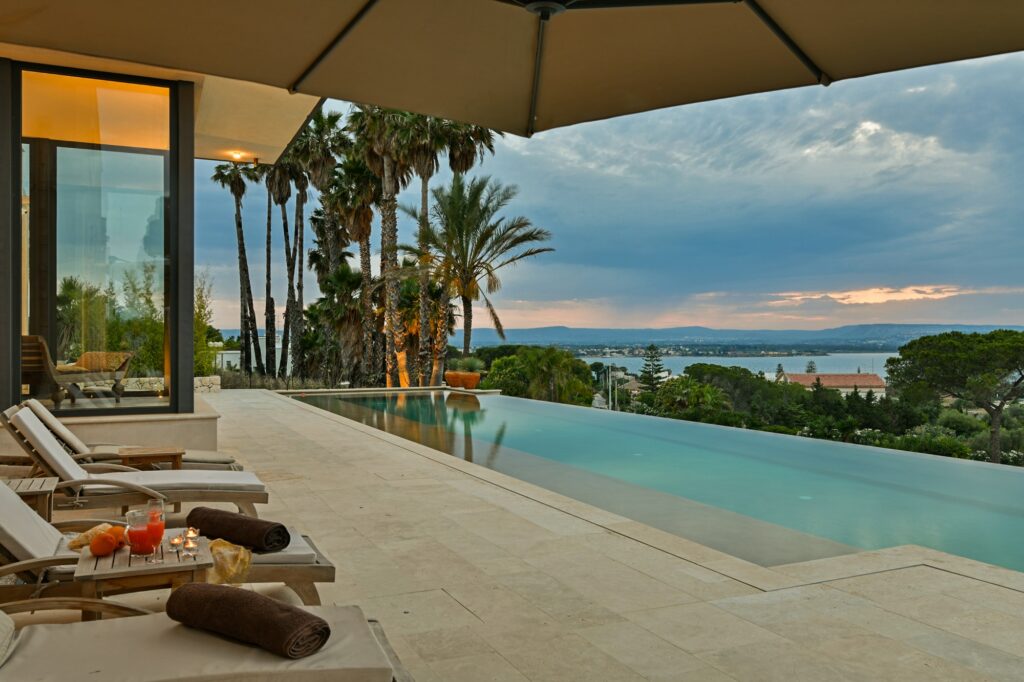
Renting makes sense when you’re testing a location before making a bigger decision or simply value flexibility. You don’t have to worry about renovations, taxes, or property management. You arrive, enjoy, and leave.
Where to find reliable offers?
Premium portals and agencies ensure careful selection and high quality of photos, so you don’t waste time on poor results:
- Select Sicily Villas – specializing in exclusive properties only on the island
- Italy Sotheby’s International Realty – global brand, credibility
- Lionard Luxury Real Estate – a wide range of villas and palaces
- LuxuryEstate – an aggregator of listings from all over Sicily and Italy
- Engel & Völkers – solid standards, well-described details
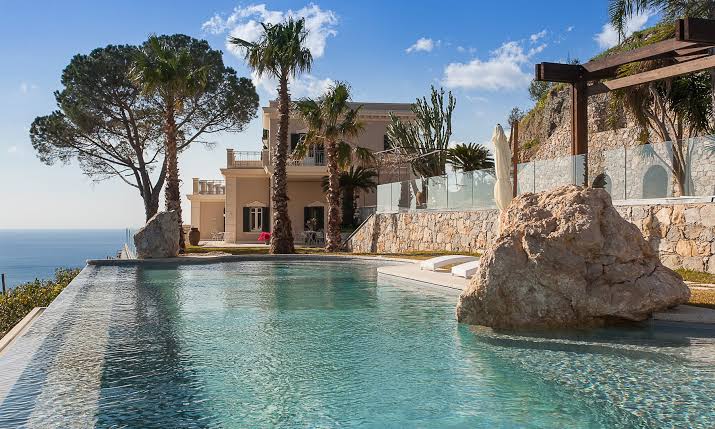
What should you pay attention to in the description?
Check the floor area (often 130-950 m²+), number of bedrooms (4-8 is standard), plot privacy, and actual access to the sea. Some villas have a “view,” but the shore is 20 minutes by car. Read the rental policies and ask about additional fees (final cleaning, bed linen, air conditioning). Sometimes the devil is in the details, which can increase the cost by several hundred euros.
What are you really buying when you pay for a Sicilian villa
When you buy a villa in Sicily, you acquire more than just square footage and a sea view. It’s a package of local regulations, inheritance laws that can be surprising, plus access to a market where contacts and knowledge of the island’s specifics are key. The transaction involves more than just a notary and a deed of ownership.
You’re also entering a world where renovating a historic building requires conservator approval, and property tax depends on the building’s category. Plus, the infrastructure in the center of Palermo works differently than on a rural hillside near Etna. Every location has its own set of rules.
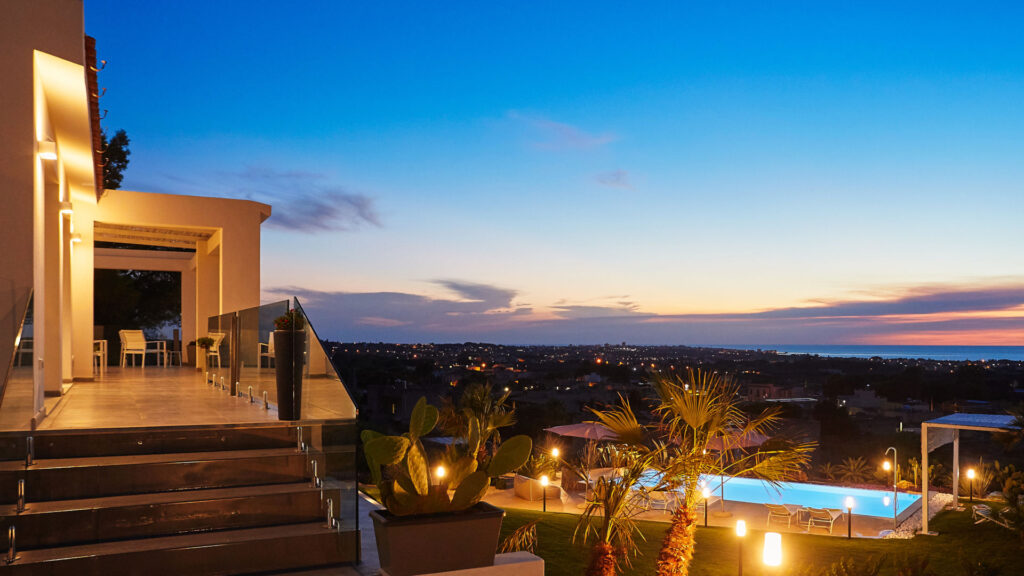
And one more thing. You’re also buying a bit of the Sicilian lifestyle, with its pace, bureaucracy, and way of getting things done. It may sound like a cliché, but it really does affect how you’ll enjoy this villa.
Eryk RT market specialist
real estate & lifestyle editorial team
for Luxury Blog



Leave a Comment