

Exclusive Italian fashion – a guide to the best brands
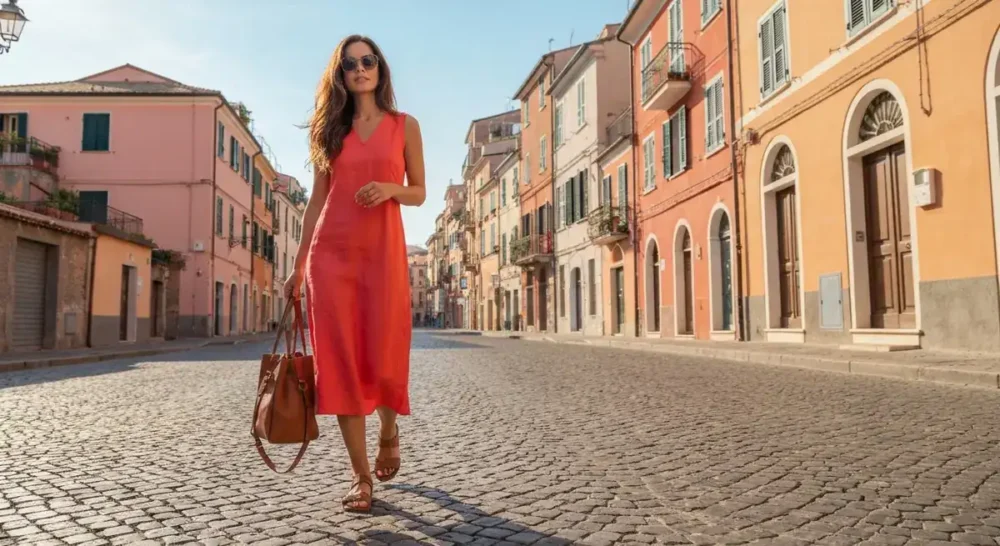
“Up to 78% of luxury fashion worldwide is produced in Italy” – this number says it all. Milan still reigns supreme among the “Big Four” fashion capitals, and the ” Made in Ital y” label acts as a magnet for the wallets of discerning shoppers. It’s not just about the logo; it’s about something deeper.
Why now?
Italians have that something they call ” la bella figura.” It’s a blend of craftsmanship that harks back to the days of guilds, with materials so exquisite you can feel the quality: Tuscan leather, cashmere, wool, silk. Here, tradition meets technology, and it doesn’t feel like an artificial compromise.
Timing? Perfect. MFW (Milan Fashion Week) 2025/ 2026 brings new brand fusions, and the pressure for sustainability is changing the rules of the game. Consumers have stopped buying blindly; they want to know what they’re wearing and why it matters. Italian fashion houses answer this question better than most of the competition.
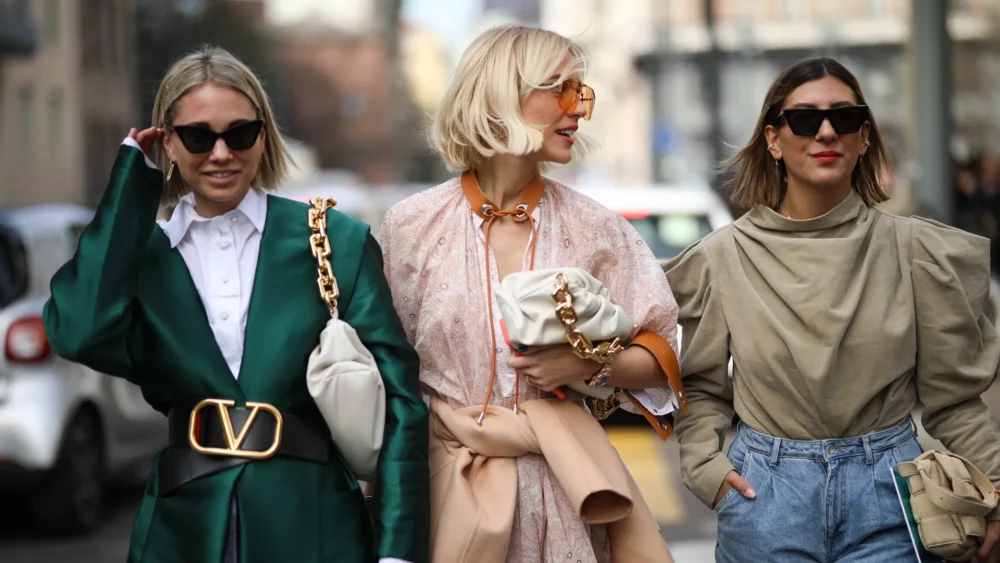
Here you’ll find a map of the most important brands, historical context (without the boredom), and tips on where to look and how much to pay. Straightforward, with no unnecessary fuss. Because luxury should be a pleasure, not a mystery.
Exclusive Italian fashion
“Made in Italy” is not just a label, it’s an entire heritage. We’re talking about masterful tailoring, the finest leathers, cashmere, silk, and wool from traditional workshops. Italian fashion blends elegance with boldness, and its roots reach much further back than the catwalks of the twentieth century.
From the Renaissance to the salons
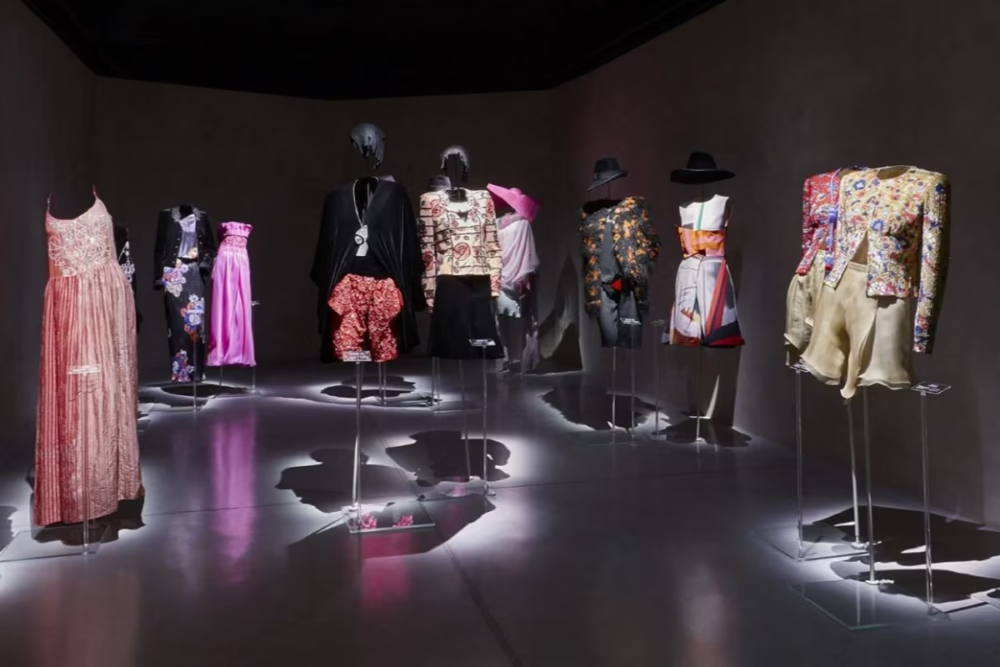
Already during the Renaissance (14th–16th centuries), Florence, Venice, and Milan set the standard for luxury across all of Europe. Wealthy families, especially the Medici, financed the production of velvets, silks, and brocades that conquered courts from Rome to Paris. When Catherine de’ Medici moved to France, she brought with her Italian tailors and an aesthetic that permanently transformed European fashion. Craftsmanship was an art, and clothing expressed status and taste.
Sala Bianca and the road to Milan
The real breakthrough came in 1951, when Giovanni Battista Giorgini organized shows in the White Hall of Florence’s Palazzo Pitti. Hollywood took notice, and ready-to-wear (prêt-à-porter) was no longer just the domain of Parisian fashion houses. In the 1970s and 1980s, the center shifted to Milan, where the Quadrilatero della Moda (Via Monte Napoleone and its surroundings) became the global capital of luxury. Versace brought red carpet glamour, Armani revolutionized soft tailoring, and Prada in the 1990s surprised with “ugly-chic” and logomania. It was then that Italian luxury ceased to be just a tradition and became synonymous with modernity.
The best brands and their distinguishing features
Italian luxury fashion is not a monolith; it’s an entire spectrum of aesthetics. From quiet luxury to baroque maximalism, each brand has forged its own recognizable visual language.
Style maps: from quiet luxury to glamour
Quiet luxury (for those who prefer to whisper rather than shout):
- Brunello Cucinelli – cashmere and neutral tones, the philosophy of “living with dignity”
- Loro Piana – baby cashmere, 0% logo, 100% quality
- Ermenegildo Zegna – bespoke fabrics, menswear since 1910
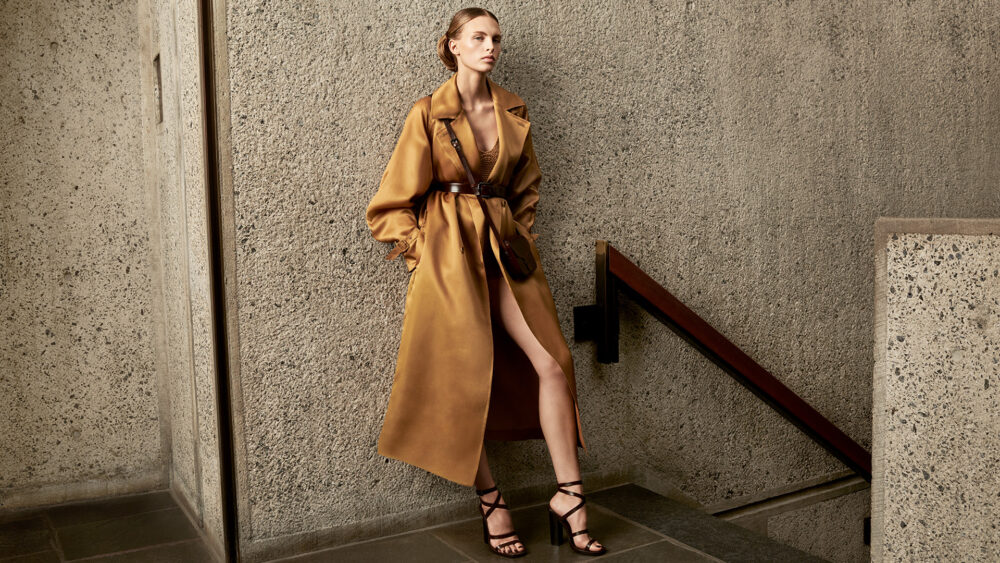
- Max Mara – the iconic 101801 coat, timeless elegance without extravagance
Intellectual minimalism (thought before ornamentation):
- Prada – founded in 1913, Milan. Pocone nylon, geometry, quirky elegance
- Miu Miu – Prada’s younger sister, more whimsical
- Bottega Veneta – intrecciato (woven leather), the slogan “when your own initials are enough”
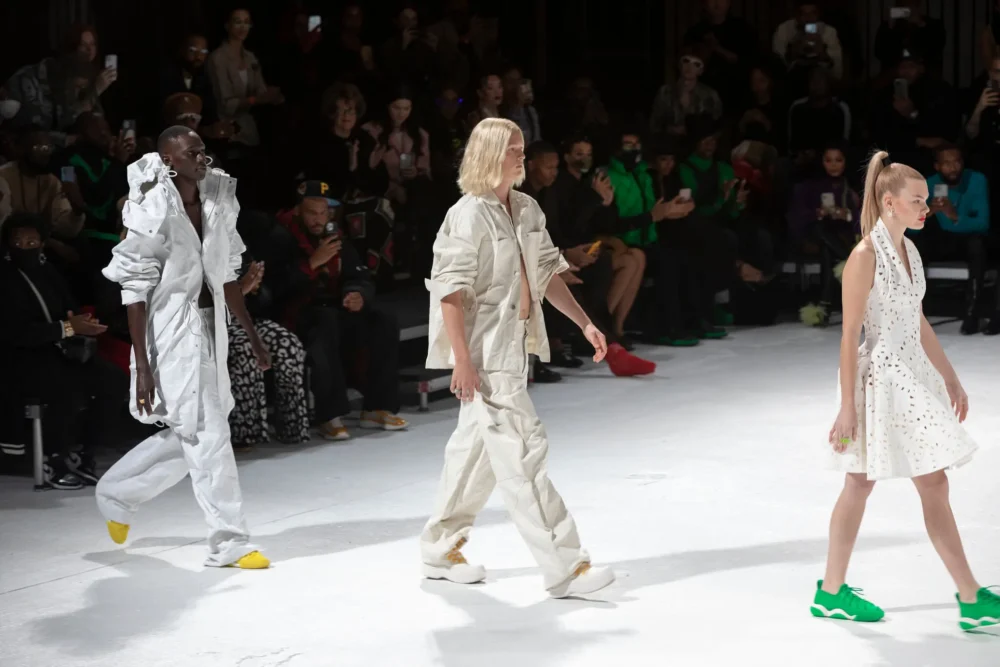
Glamour and maximalism (because life is short):
- Versace – Medusa, colors, gold, maximum confidence
- Dolce & Gabbana – Sicilian baroque, lace, famiglia and festa
- Valentino – that red (Rosso Valentino), evening creations like a dream
- Fendi – Baguette bag, fur, and Roman chic
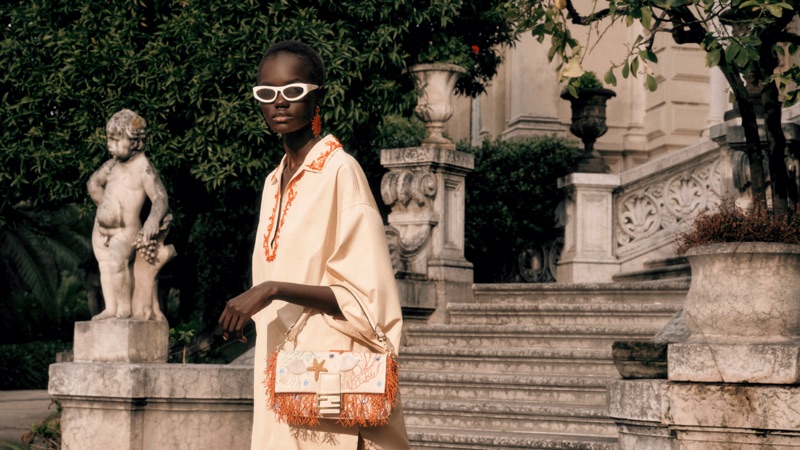
Tailoring heritage:
- Giorgio Armani – soft shoulders, 80s “power suit,” elegance without stiffness
- Gucci – 1921, Florence. Loafer with buckle, monogram, now maximalism with a twist
Who to choose for which occasion?
A suit for the office? Armani or Zegna. A leather handbag to last for years? Bottega or Fendi. A bold evening dress? Versace, Valentino. A sweater for a lifetime? Cucinelli or Loro Piana. Moncler is sport-lux (down jackets that have made their way from the Alps to the streets), while Missoni is all about zigzag knits you can spot from afar.
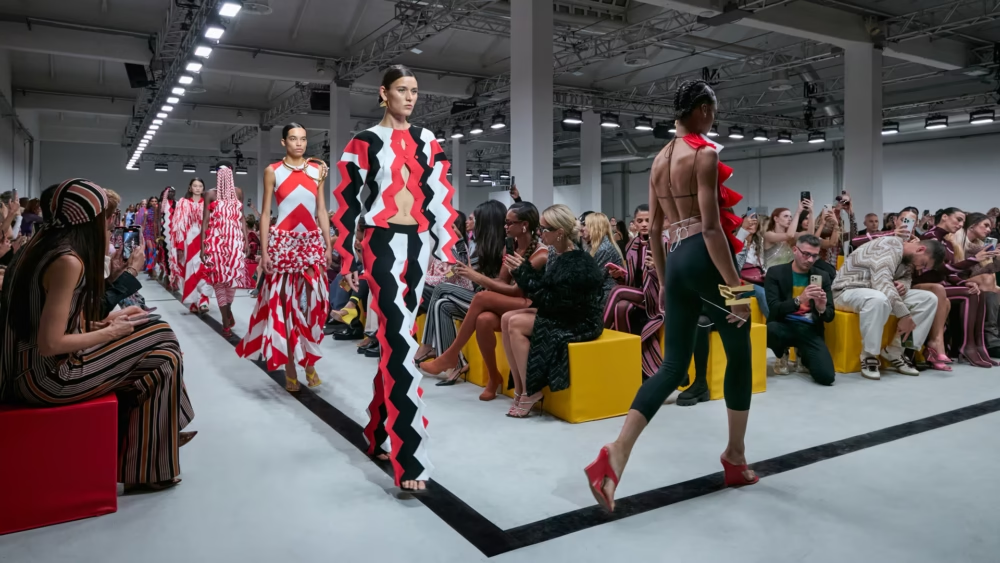
Each brand is a world of its own, but they all share one thing: an obsession with detail.
Market and new trends 2025/2026
The Italian luxury goods market appears solid. We’re talking about a value of around USD 20.15 billion in 2026, with a forecasted increase to USD 24.07 billion by 2031 (an average annual growth of about 3.62%). Clothing and accessories make up nearly half of this pie, somewhere between 47-48%, although the watch segment is growing the fastest. If we look specifically at luxury fashion, the numbers show a jump from around USD 6 billion in 2025 to a projected USD 8 billion in 2034. It’s not a spectacular leap, but a stable, healthy growth.
The role of MFW and CNMI in the fashion ecosystem
Camera Nazionale della Moda Italiana together with Milan Fashion Week form the heart of Italian fashion. The SS and FW shows are not just presentations of collections; they are a platform for introducing innovation and discussing sustainability. CNMI leads the ” Fashion Hub ” initiative and organizes the Sustainable Fashion Awards, which truly move the industry toward more responsible practices.
Consolidations and regulations: what changes the game
The acquisition of Versace by the Prada Group (valued at around EUR 1.25 billion, completed in December 2025 after regulatory approvals) is an interesting move. The goal? Strengthening the position of Italian brands and revitalizing local production.
From September 2026, Legislative Decree 30/2026 will come into force, implementing EU EPR rules for textiles. Digital Product Passports are becoming the norm, with increasing emphasis on circularity and supply chain traceability. It is worth mentioning that in 2024-2025, some well-known fashion houses underwent inspections regarding labor exploitation in their supply chains (increased judicial oversight), so the industry is starting to act more cautiously.
How to buy and where?
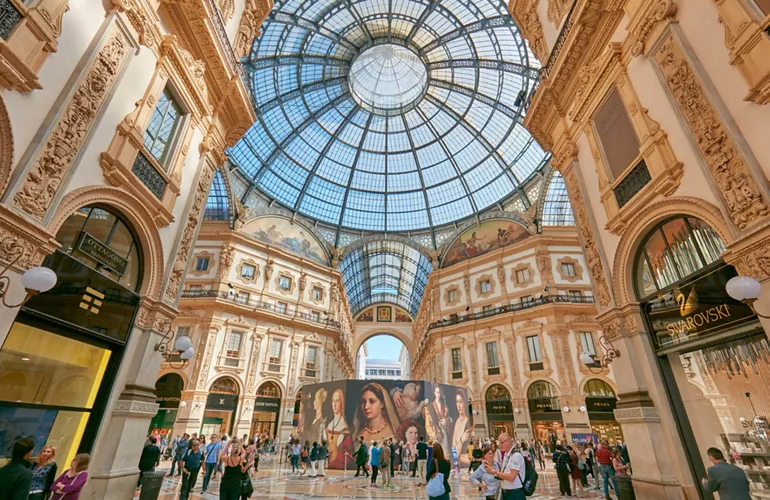
If you’re seeking true Italian elegance, start at the source. In Milan, it’s the Quadrilatero della Moda, especially Via Monte Napoleone, where flagship boutiques showcase the latest collections. Rome tempts with Via Condotti, while Florence boasts its own Via de ‘ Tornabuoni. Each of these places has its own unique energy, but the quality remains the same.
Outlets in Tuscany offer last year’s collections at more reasonable prices. As for online shopping, official brand stores are the only safe option. E-commerce is growing fastest in the luxury segment compared to all other channels, so the selection is becoming increasingly wide.
Authenticity
With expensive items, it’s important to know how to recognize the original. The stitching should be even and dense, with no loose threads. The texture of the leather and fabrics simply feels different—heavier, more natural. Serial numbers and tracking code tags are standard, but soon there will also be digital product passports (DPP), which will make verification via smartphone easier.
Most importantly: if something looks suspiciously cheap or the seller avoids details, it’s better to pass.
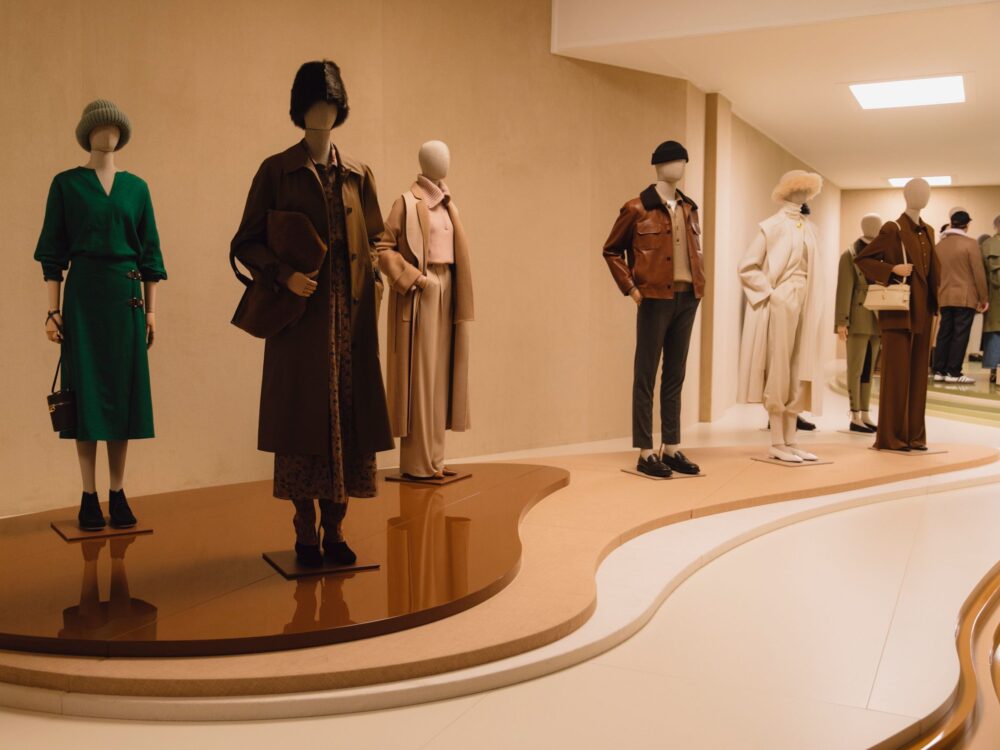
Match the brand to the occasion
For work, Armani or Zegna tailoring is a great choice—elegant without being over the top. For everyday wear, when you want understated luxury, Cucinelli, Loro Piana, or Max Mara are ideal. Leather accessories? Bottega Veneta and Fendi create pieces that will last for years.
For evening outings, Versace and Valentino give you confidence, and if you enjoy an intellectual twist, Prada and Miu Miu always surprise. Ultimately, it’s about choosing a brand that fits your lifestyle, not the other way around.
At the intersection of tradition and tomorrow
Italian fashion has never been just about cuts or fabrics. It’s a way of thinking about elegance, where the history of craftsmanship meets what’s currently working on the streets of Milan or Rome. Family workshops that have been tailoring suits for generations aren’t afraid to collaborate with young designers. And somehow, it just works.

Maybe that’s why these brands still make sense when the rest of the world is chasing the latest trends. Because they create clothes that last not just a season, but for years. It’s not about snobbery or pretending something is better just because it’s expensive. It’s about the fact that you can see the quality of the craftsmanship at first glance.
At the end of the day, Italian elegance is about balance. Respect for what has been, but without clinging to the past. And it is precisely this ability to maintain equilibrium that makes it worth being interested in at all.
Mia89
editorial fashion




Leave a Comment