

10 most beautiful places in Europe – the most stunning destinations, luxury, and celebrities
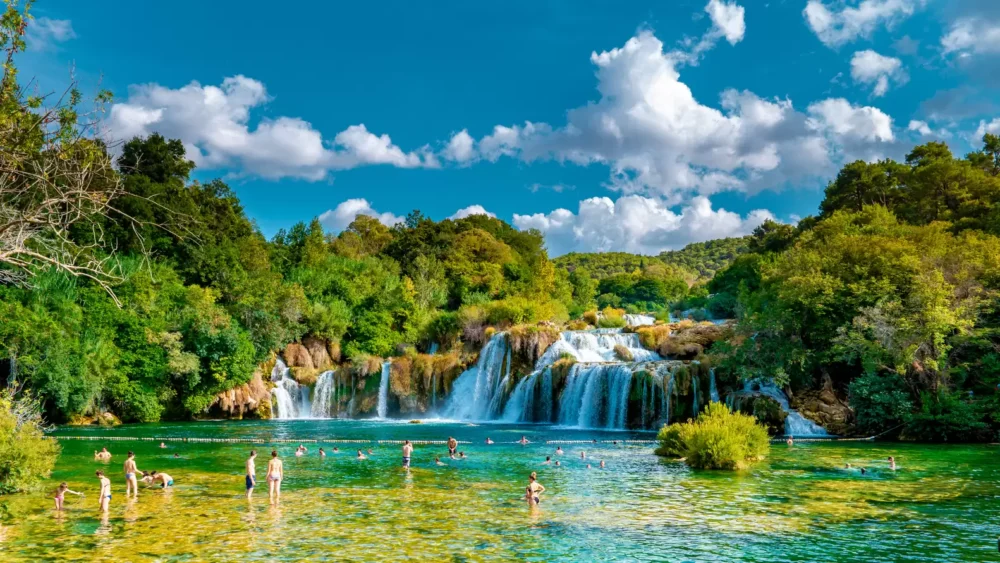
“Plitvice welcomes around 1.5 million tourists annually and is introducing online reservations with entry limits. Monaco? There, the density of millionaires exceeds 30% of the population.” Two facts, two worlds, one continent.
Europe brings together things that nowhere else coexist so naturally. You have Tatra trails, Venetian palaces, and Monaco yachts all within a short flight. In the morning, you can admire UNESCO-listed waterfalls, enjoy dinner at a Michelin-starred restaurant in the evening, and the next day drop by a film premiere in Cannes. This proximity makes all the difference, as travelers don’t have to choose between nature and culture, between a mountain hut and a five-star hotel.
The history of this blend dates back to the Grand Tour, when aristocrats would travel across Europe to “educate themselves.” Now, it has evolved into something different: eco-luxury, sustainable safaris through national parks with overnight stays in boutique villas, wine tastings with carbon offsets. The year 2026 brings another paradox: destinations are becoming more exclusive (prices are rising, access is limited), yet at the same time, Instagram is democratizing dreams. Everyone sees Santorini; few know how much a week there during the season actually costs.
Problem? Overtourism destroys what attracts people in the first place. The economic benefits are enormous, but local residents are starting to protest. Tensions are rising, and the industry is searching for a balance between profit and preserving authenticity. In this context, it is worth looking at specific places that, despite the pressure, still mesmerize.
10 most beautiful places in Europe
Beauty rankings are, of course, subjective, but certain places appear in these lists with surprising regularity. Here are ten spots that almost always make it onto lists of the most beautiful European destinations.
Top 10 European Delights
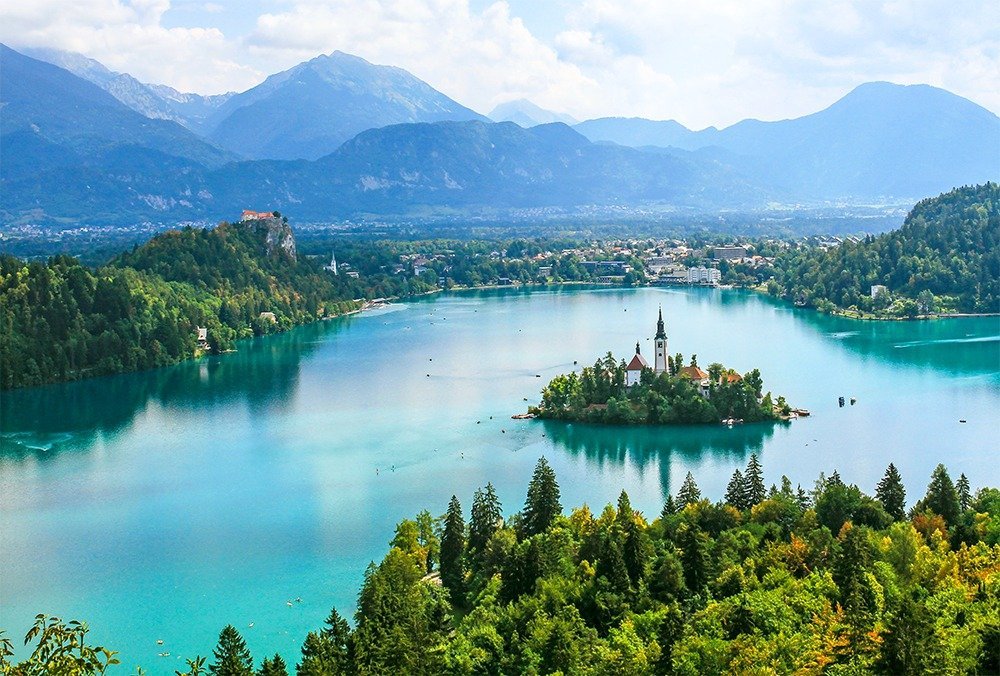
- Lake Bled (Slovenia) – a turquoise surface with an island in the middle and a medieval castle on a cliff; perfect for those who love postcard-worthy views.
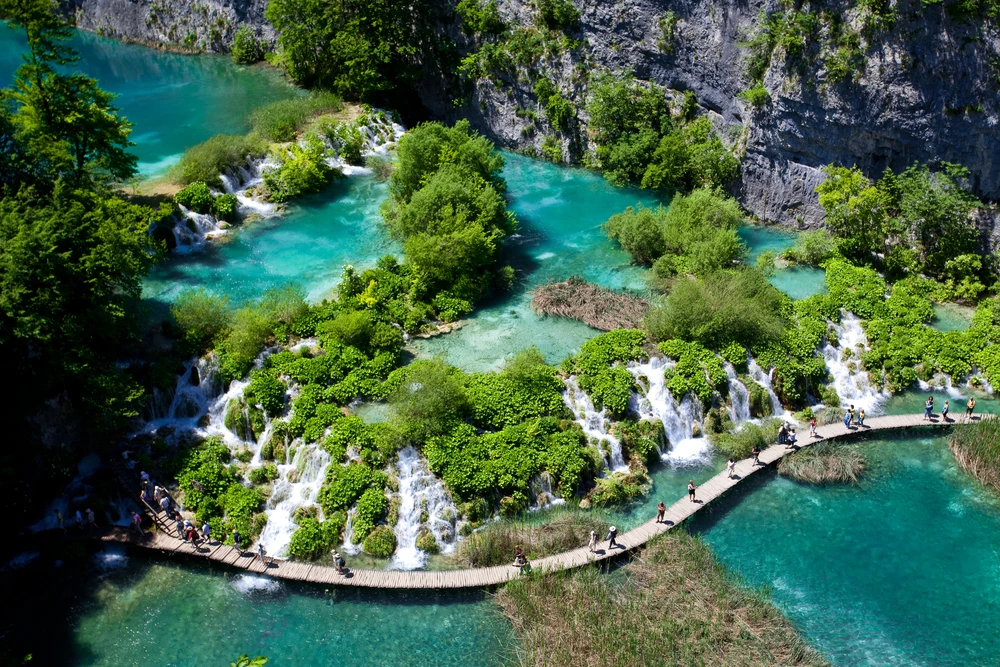
- Plitvice Lakes National Park (Croatia) – 29,582 ha of cascades and lakes, UNESCO since 1979 (criteria vii, viii, ix); turquoise water changes color due to minerals and algae, so each season looks different.
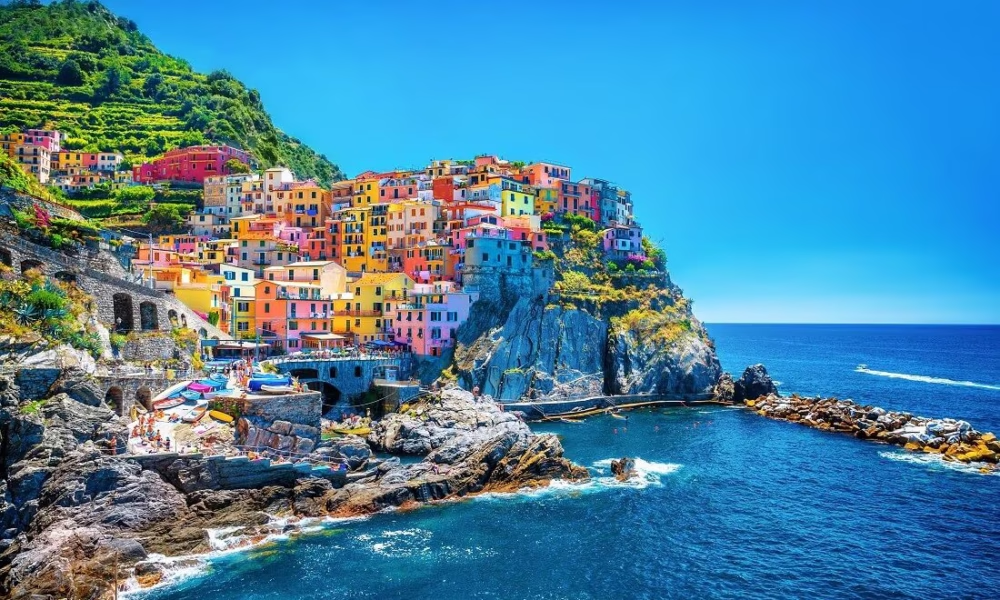
- Cinque Terre (Italy) – five colorful villages perched on the cliffs of Liguria, listed as a UNESCO World Heritage site; the best way to explore is by walking the coastal trails with stunning sea views.
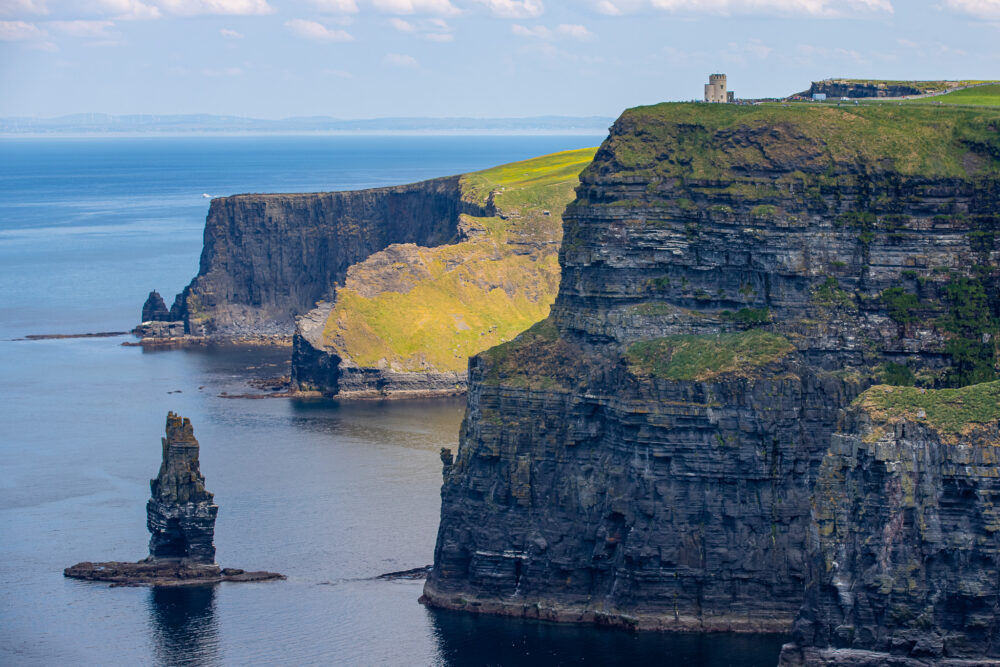
- Cliffs of Moher (Ireland) – vertical walls rising up to 215 m above the Atlantic, flocks of wild seagulls, and a harsh wind; a true classic.
- Capri ( Italy) – an island in the Bay of Naples, known to the Romans as a resort, today famous for the Blue Grotto and breathtaking views.
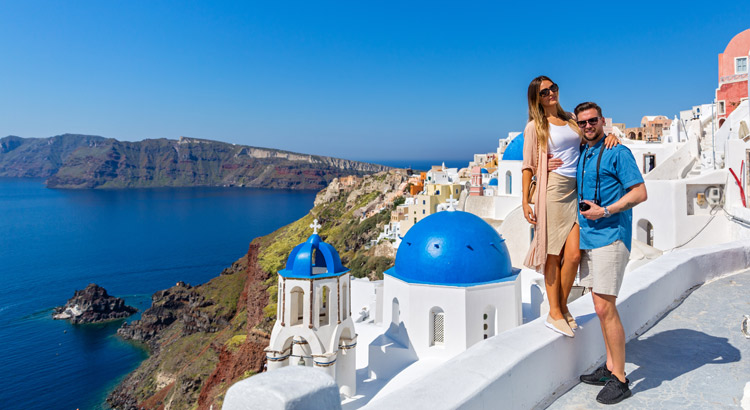
- Santorini (Greece) – white houses perched on cliffs about 300 m above the volcanic caldera; sunsets in Oia are an Instagram classic.
- Kravica Waterfalls (Bosnia and Herzegovina) – less known but picturesque: travertine arch, green cascades, opportunity for swimming.
- Kirkjufell (Iceland) – a solitary mountain reflected in the water, a favorite subject for photographers capturing the northern lights at night.
- Dolomites (Italy) – UNESCO-listed for their unique geology, trekking trails, and alpine meadows that catch golden light in autumn.
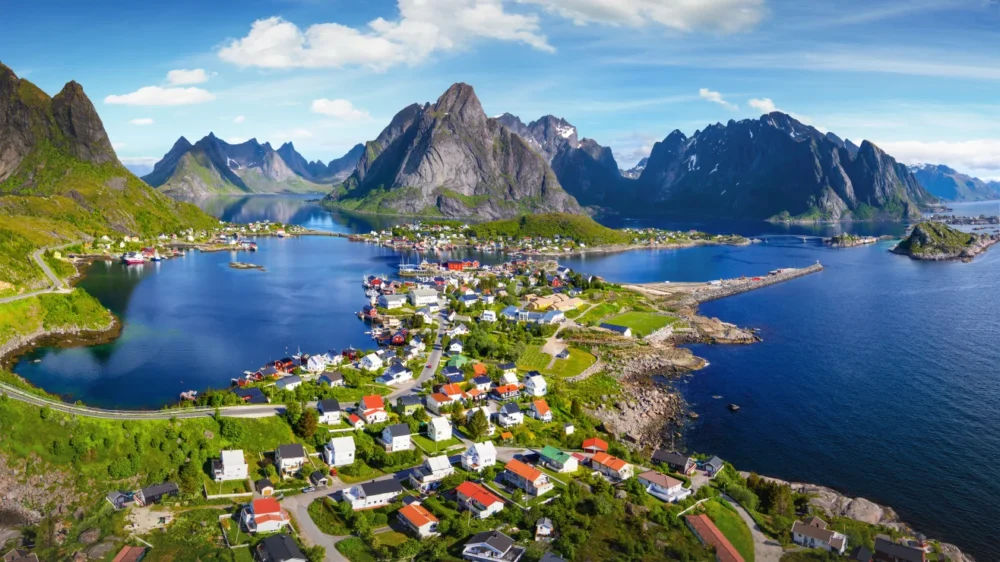
- Lofoten (Norway) – raw Arctic landscape, red fishermen’s cabins on stilts, dramatic peaks rising straight from the sea.
Many of these places have gained UNESCO protection not only for their beauty but also for their evolution from ancient resorts to inspirations for 19th-century romantics. The only question is, how much does it cost to see it with your own eyes?
Where are the most expensive holidays in Europe?
The most expensive places in Europe are not just about beautiful views—there’s something more at play. Service standards, privacy, access to a world that an ordinary tourist simply passes by. What exactly drives the cost of a holiday up to tens of thousands of euros per week? Villas with pools and stunning views, 24/7 concierge service, helicopter transfers, superyachts moored right next to the beach, and Michelin restaurants where reservations take months.
The map of European ultra-luxury
The French Riviera is a classic, Four Seasons Grand-Hôtel du Cap-Ferra and Carlton Cannes show what true luxury means. Monaco with Hôtel de Paris has been a status symbol for years. In Sardinia, you have Porto Cervo and Cala di Volpe, where yachts worth more than a small town are moored. Mykonos offers Santa Marina, Marbella on the C osta del Sol is Marbella Club for those in the know. Costa Navarino in Greece features Mandarin Oriental, while lakes Como and Garda entice with Villa d’Este, Grand Hotel Tremezzo, or another Mandarin Oriental. Santorini? Canaves Oia or Mystique. Capri, Formentera, Bodrum, Algarve, Hvar, Taormina—each of these places has its own address for the chosen few.
What really drives up the bill?
Switzerland in 2026 averages €184 per night, placing it at the top of the European ranking. Greece and Turkey are also raising prices, with a clear upward trend. Iceland and Norway hit your wallet with the cost of living alone, not to mention hotels. History of this luxury dates back to the 19th century, when the aristocracy discovered the Riviera, later followed by the jet set, and now we have ultra-luxury for those who don’t ask about the price.
Where do the rich and famous spend their holidays in Europe?
Privacy plus the red carpet—this combination attracts VIPs to a few tried-and-true European addresses. Some offer discretion and tranquility, others the flash of cameras, and the best know how to balance between these worlds.
Lake Como and A-list company
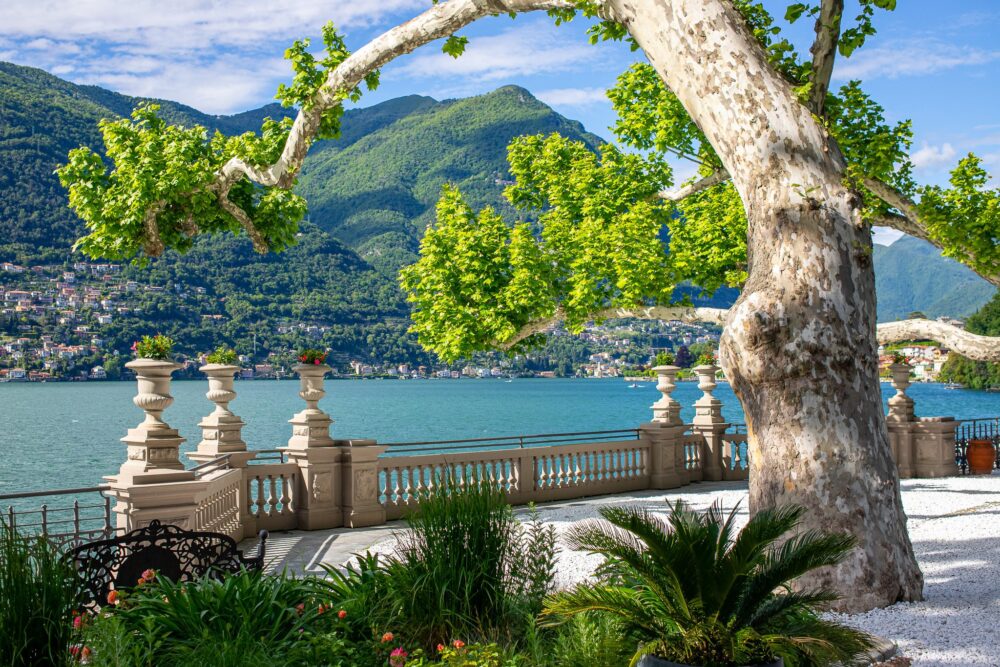
George Clooney bought Villa Oleandra in Laglio in 2002 and almost single-handedly made Como synonymous with Hollywood on the water. Madonna, Versace, Jennifer Lopez with Ben Affleck, Chrissy Teigen with John Legend (they got married here), Heidi Klum— all of them regularly appear at the lake, known since Roman times as a resort for the aristocracy. Hotels? Villa d’Este and Mandarin Oriental are the addresses where paparazzi wait in the parking lot.
Monaco and the Riviera
Monaco holds the record: over 30% of residents are millionaires. Grand Prix, Monaco Yacht Show, Monte Carlo casino, and alongside the Cannes Film Festival, the whole season is one big show. The French Riviera thrives on the glamour of cameras and yachts longer than the street.
The Alps and islands
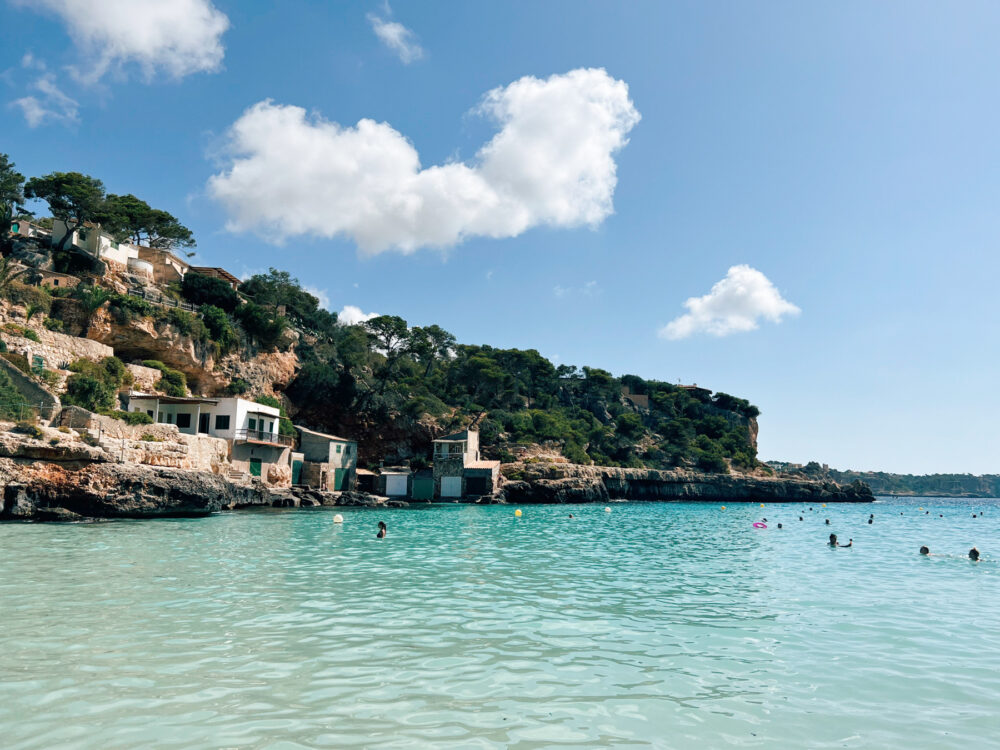
St. Moritz has been enticing the wealthy for decades. Badrutt’s Palace has hosted Diana, Chaplin, Hepburn, and the private Dracula Club still admits members only. Today, Mariah Carey and Paris Hilton fly in. Meanwhile, the Greek islands offer two faces of luxury: Mykonos (Nammos Beach, cabanas up to $5,000/day, parties until dawn) and Santorini (romance, sunsets, tranquility). Want more? Amalfi and Positano (Rihanna, Spielberg), Capri, Marbella, Ibiza, Mallorca, Portofino, Taormina, Hvar, Bodrum.
The common denominator? Quiet luxury, that is, elegance without shouting, prestige without a nameplate on the door. The wealthy prefer places that don’t need to boast.
When to go and how to avoid the crowds?
The year 2024 brought record attendance across Europe, and Plitvice records about 1.5 million visitors annually. In summer, national parks and Santorini turn into selfie corridors. What’s the point of a beautiful view if you have to take your photo over the shoulders of four strangers?
Season and reservations
Simple matter: spring (April–May) or autumn (September–October) is the golden time. Temperatures are pleasant, prices are lower, and the trails don’t look like crowded European streets during rush hour. National parks in Croatia have introduced entry limits and online reservations—you need to plan your visit in advance, otherwise you’ll be left at the gate. This isn’t a suggestion, it’s a necessity.
A sustainable choice in practice
UNESCO monitors Plitvice precisely because of tourist pressure (risk of the Endangered List). Wooden walkways, designated trails, and the ban on swimming are not out of spite, but to protect the ecosystem. Choose accommodations with eco-certificates, avoid one-day bus trips (emissions and zero time for a real experience). A slower pace is not a loss, but a gain.
Clever alternatives and perfect timing
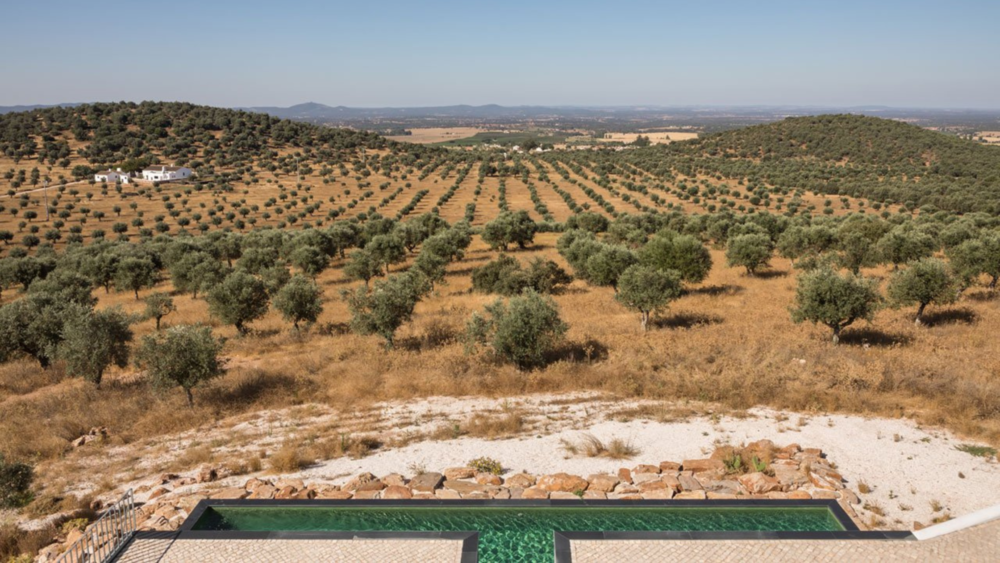
Instead of Santorini, try the Azores. Instead of Croatia’s famous islands like Vis or Korčula. Alentejo in Portugal is just as breathtaking as the Algarve, only more peaceful. Trends are moving toward wellness and “off the beaten path,” so less obvious places are gaining charm. And honestly? They’re often more interesting.
Between the caldera and the red carpet
Europe today offers more than just a choice between luxury and adventure. It is a space where everyone can find their own way of traveling, without worrying about trends or others’ expectations. Places like Santorini or Saint-Tropez exist alongside the wild trails of Scotland and the tranquil corners of the Balkans, because diversity is truly the continent’s greatest treasure.
Interestingly, making a conscious choice does not necessarily mean giving up comfort or, conversely, avoiding luxury at all costs. It’s more about going where we truly want to be, rather than where half of our Instagram feed happens to be.
Europe captivates precisely because it allows you to be yourself while traveling. You can admire the caldera at sunset, and that is enough.
Sitti 89
lifestyle & travel editorial team
Luxury Blog





Leave a Comment