

The most famous wine regions – a guide to fame and terroir
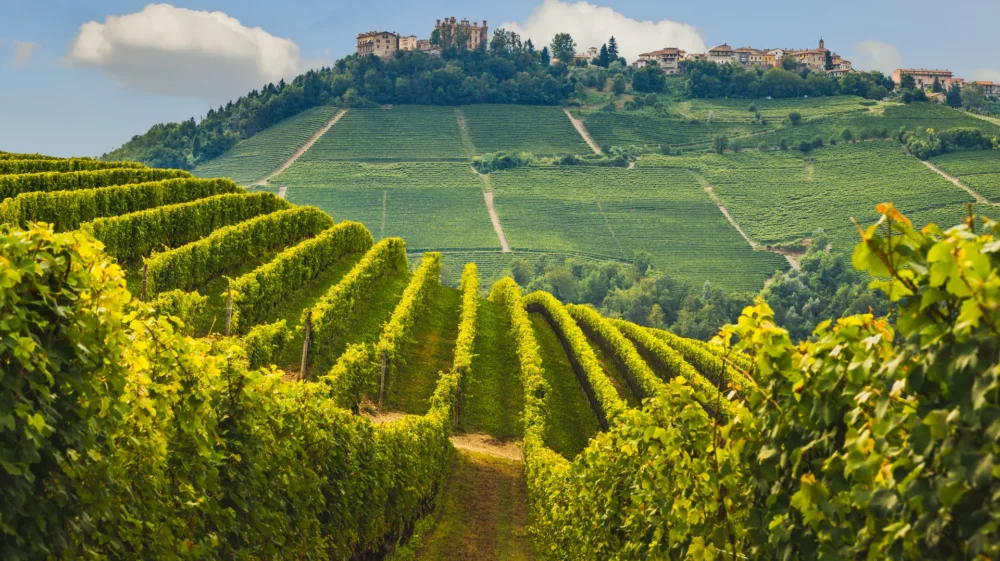
Numbers are falling, but legends endure. Certain corners of the world have become icons, where simply uttering the name of a region evokes associations: class, tradition, a distinct flavor. It’s not just about marketing hype. Fame is built over years, sometimes millennia.
History matters. The oldest traces of winemaking? Georgia, around 6,000 BC. The oldest winery: Armenia, around 4,100 BC. Regions that nurture this continuity earn respect. Terroir—the combination of soil, climate, and human craftsmanship—makes wine from Burgundy taste different than from Napa Valley, even with the same grape variety.
Here arises the debate: Old World versus New World. The former emphasizes tradition, adherence to appellation rules, and a sense of place. The latter focuses on innovation, stylistic flexibility, marketing, and the wow factor. Neither approach is inferior—just different. Both philosophies shape the contemporary map of fame.
We’ll soon take a look at icons from both sides of the globe, then move on to contemporary trends. You’ll see what makes certain names sound like a promise of a great experience.
The most famous wine regions
Old Europe still remains at the very top when it comes to prestige and recognition in the world of wine. France, Italy, and Spain set the standards by which the rest of the world is judged.
France
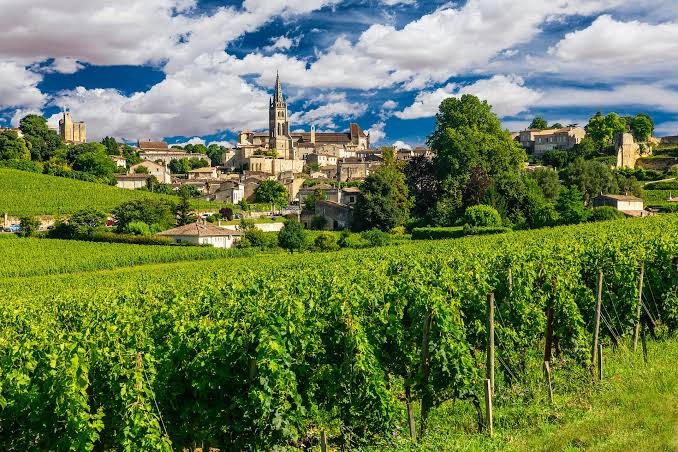
Bordeaux is the classic blend. Cabernet Sauvignon and Merlot create structured, long-lived reds here that set the prices at auctions. Burgundy works differently, as it relies on a single grape variety—Pinot Noir for reds and Chardonnay for whites (that’s only about 28,000 ha, not much for such fame). Champagne has around 34,200 ha of vineyards and dominates in sparkling wines (Pinot Noir, Chardonnay, Meunier). Interestingly, 1,247 “climats” of Burgundy have been inscribed on the UNESCO list, meaning even the fields themselves have monument status.
Italy and Spain
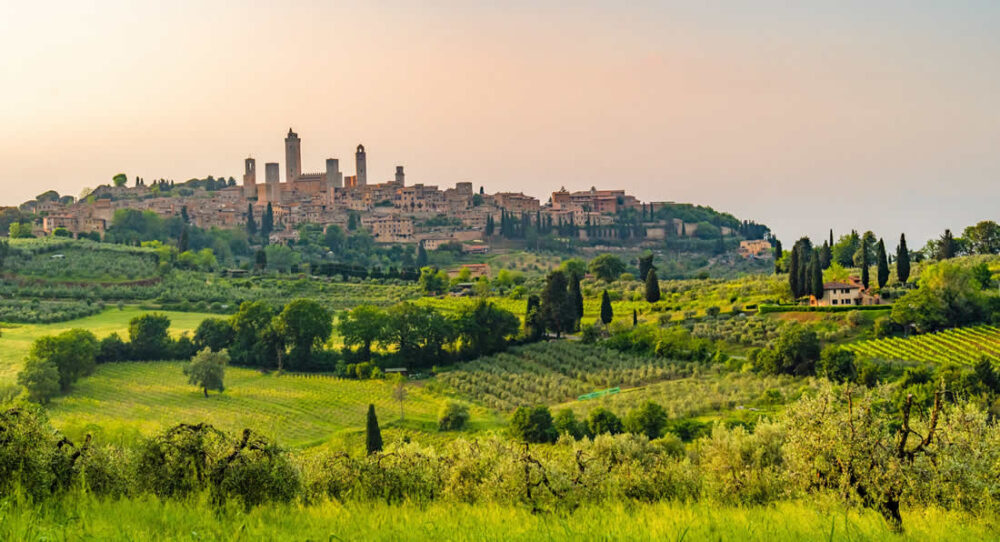
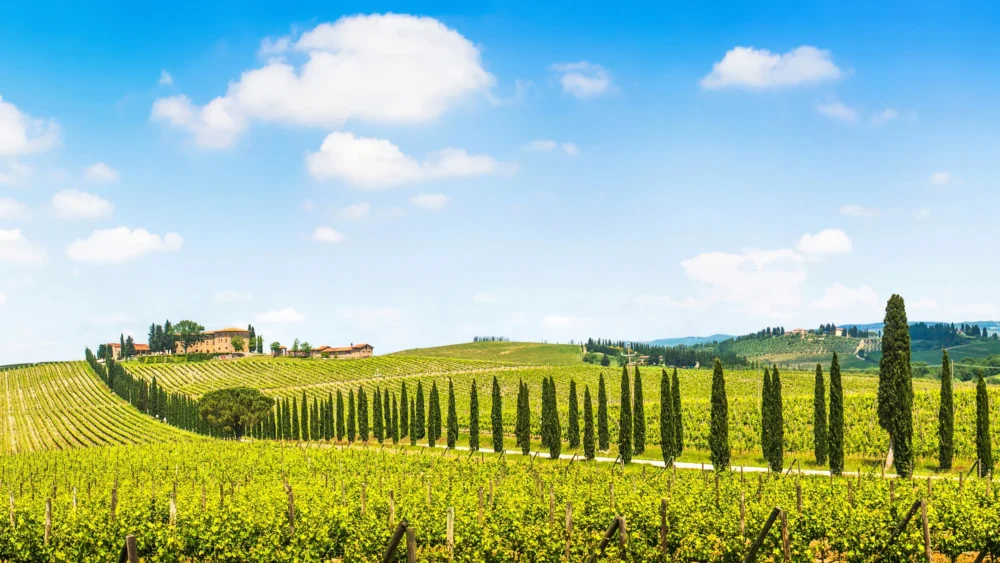
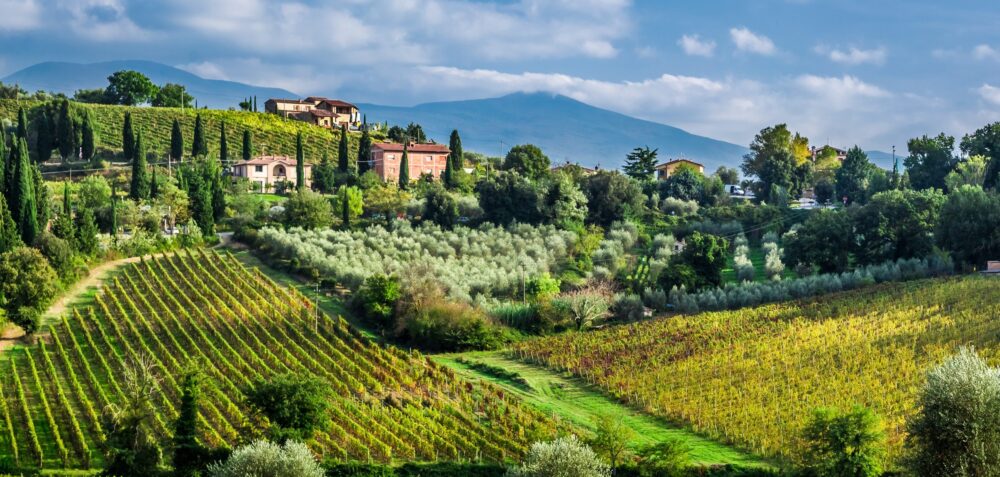
Italy is the largest wine producer in the world when measured by national volume. Tuscany, with Chianti and the Sangiovese grape, is both a visual (cypresses, hills) and a taste icon. Spain, on the other hand, has focused on Rioja, with around 65,000+ hectares of vineyards. Tempranillo is the heart of red wines here, and there is an aging system that everyone knows: Joven, Crianza, Reserva, Gran Reserva. Four names that immediately tell you what to expect.
These regions are not just about wine; they are about terroir and cultural heritage. Tourism, education, prestige—everything revolves around these places.
New World on stage
New World regions are not trying to compete with the Old World. They don’t have to, as they have built their own identity based on the expression of fruit and variety, with less pressure from history.
Napa
Napa Valley is an icon of prestige in California. The numbers speak for themselves: about 19,000 ha, which is only about 4% of California’s grapes and about 0.4% of global production. And yet, it generates incomparable revenues, as around 80% of the wines are red, mainly full-bodied, concentrated Cabernet Sauvignon. Napa is a blend of world-class technology, marketing, and tourism. Premium pricing here surprises no one.
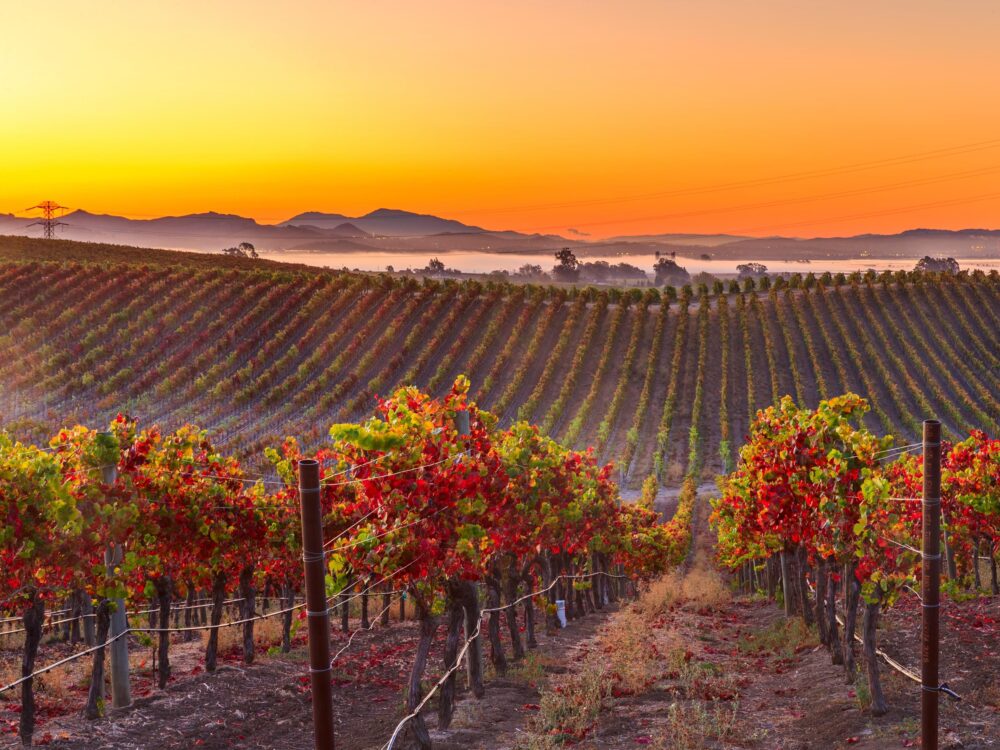
Willamette, Marlborough and Stellenbosch
Willamette Valley in Oregon took a different path. Cooler climate, elegant Pinot Noir, a terroir-driven approach that sometimes resembles Burgundy more than California.
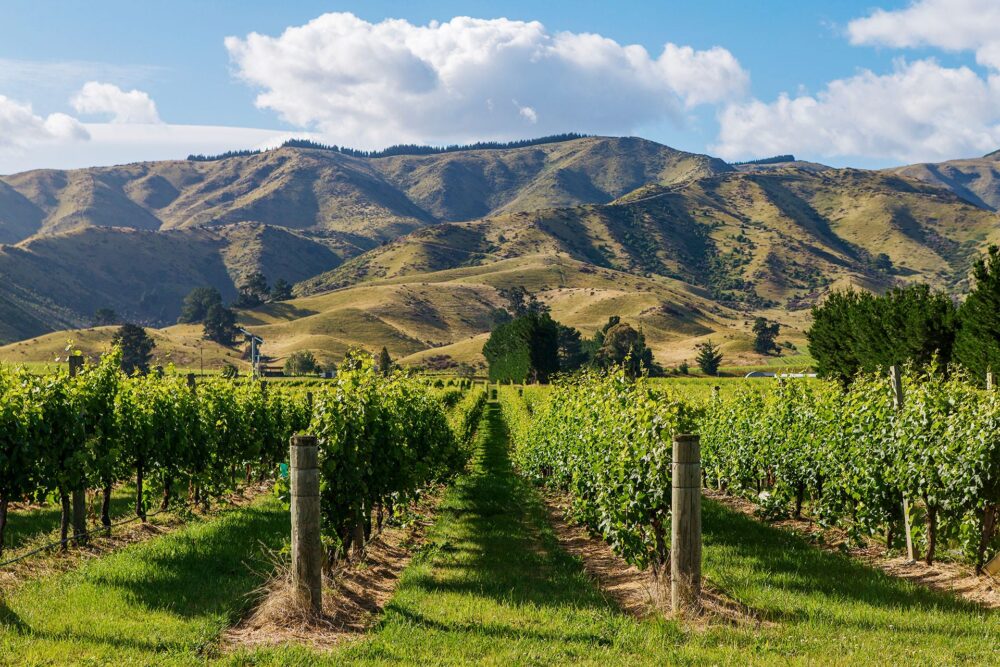
Marlborough in New Zealand has defined aromatic Sauvignon Blanc: freshness, intensity, exotic fruits. One grape variety, one distinct hallmark.
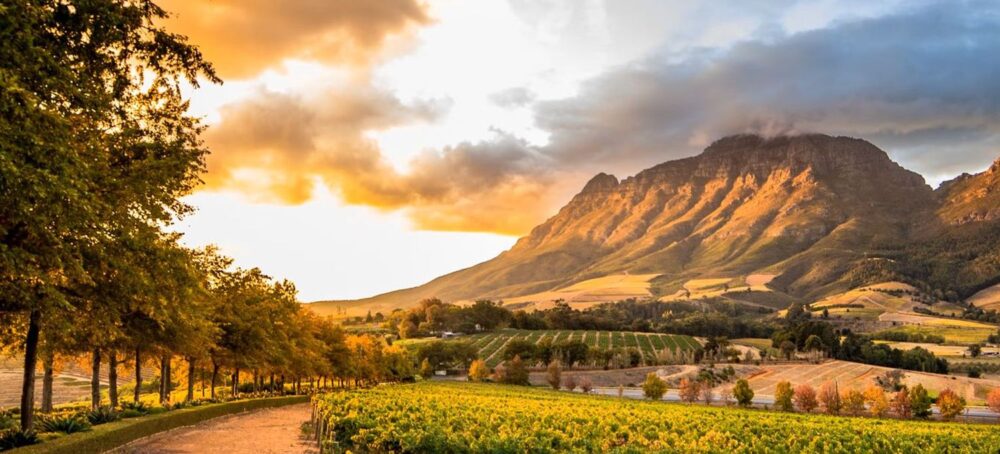
Stellenbosch in South Africa is a quality hub in the south of Africa. Reds (Cabernet Sauvignon, Syrah) perform excellently, and Chenin Blanc is also gaining importance. The region combines traditional methods with a bold spirit of experimentation.
What do they have in common? Greater fruit maturity, clear varietal labeling, technology as support, not as an antidote. The New World speaks directly about what to expect.
How has history shaped the great regions?
Wine has been around for millennia. The oldest traces of production? Georgia, around 6,000 BC, where grapes were fermented in clay vessels called qvevri. Armenia is not far behind—the Areni-1 site dates back to around 4,100 BC. It was there, in the Transcaucasian region, that Vitis vinifera, the wild ancestor of all today’s noble grapevines, was domesticated.
The Phoenicians and Greeks spread cuttings across the Mediterranean, but it was the Romans who turned wine into an industry. Large-scale cultivation, trade throughout the entire empire. Later, when the legions fell, monasteries took over—Burgundy owes its first great crus to the Benedictines and Cistercians, who spent years observing how microclimates and soil influence flavor. Bordeaux? Thanks to its ties with the English crown since the 12th century, the region quickly became an export giant.
Phylloxera and the Birth of Appellations
The modern era brought true innovations: glass bottles and corks (17th–19th centuries) made it possible to age and mature wine. In 1855, Napoleon III commissioned the classification of Bordeaux châteaux, a division that still defines prestige today. But then disaster struck: phylloxera. This aphid from America destroyed most European vineyards in the 19th century. The solution? Grafting noble European varieties onto American rootstocks resistant to the pest (fun fact: some regions of South Australia were never affected and to this day, vines there grow on their own roots).
Crisis gave birth to quality systems. Rioja DO appeared in 1925, and the French INAO and AOC in 1947. With his rating of the 1982 Bordeaux vintage, Robert Parker ushered the world into the era of “Parkerization.” Suddenly, critics had a real impact on the value and fame of wines.
Legacy inscribed
Today, regions are inscribing their traditions on the UNESCO list (the hills, houses, and cellars of Champagne), and history still echoes in what we drink. From qvevri to Parker points — quite a journey, isn’t it?
The contemporary landscape and directions of change
The global wine sector is currently going through its most turbulent period in decades. The figures for 2024 speak for themselves, and to be honest, they are quite alarming for the traditional powerhouses.
Numbers of 2024
The International Organisation of Vine and Wine (OIV) released hard data: production reached 225.8 million hl (a decrease of 4.8% year-on-year), marking the lowest level in over 60 years. Consumption? Also down, to 214.2 million hl (minus 3.3%). Even the vineyard area is shrinking, with 7.1 million ha representing a 0.6% decrease. The market is contracting, but interestingly, the value of trade is holding up quite well thanks to higher prices per bottle. Bottled wines dominate exports, indicating a shift towards quality.
Production leaders and their position
When it comes to volume (data from around 2021, FAO), the leaders are as follows:
- Italy: about 5 million tons
- France: 3.7 million tons
- Spain: 3.7 million tons
- USA: 2.0 million tons
- China: 1.8 million tons
These numbers are one thing, but today the fame of regions is built on more than just quantity.
Climate, sustainability, and new flavors
Climate adaptation has become the number one priority. Regions are turning to drought-resistant varieties, investing in irrigation, experimenting with higher-altitude locations. Sustainability (organic certification, biodynamics) is no longer a whim, but a market necessity. At the same time, we are witnessing premiumization, with luxury segments growing faster than cheap mass-market products. And then there’s the boom in sparkling wines, orange wine, and natural styles. All of this together is transforming the map of wine fame before our eyes.
Fame that matures like wine
Wine regions earn their reputation over decades, sometimes centuries, building their prestige bottle by bottle. It’s not a matter of a single great vintage or a marketing campaign. Rather, it’s about consistency, about the repeatability of quality that, over time, translates into brand recognition. The winemaker’s name then becomes a guarantee that what you find in your glass will meet certain expectations.
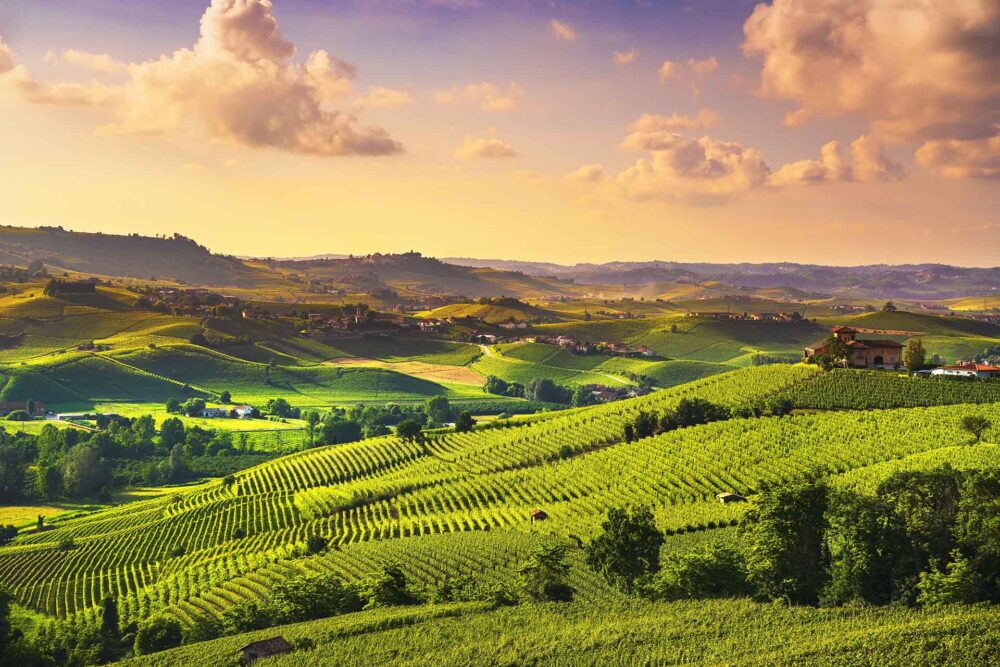
Interestingly, some regions are still working on their reputation, despite having excellent growing conditions. The terroir may be perfect, but without consistent quality and the time needed to build trust, even the best wines remain in the shadow of giants. Fame in the world of wine is a marathon, not a sprint.
And once you finally get it? Then every subsequent bottle carries the weight of history and expectations. The pressure grows along with the reputation.
Emmi Z.
lifestyle & investing editorial team
L





Leave a Comment