

Dom Pérignon Charles & Diana 1961 – royal bottle, iconic vintage
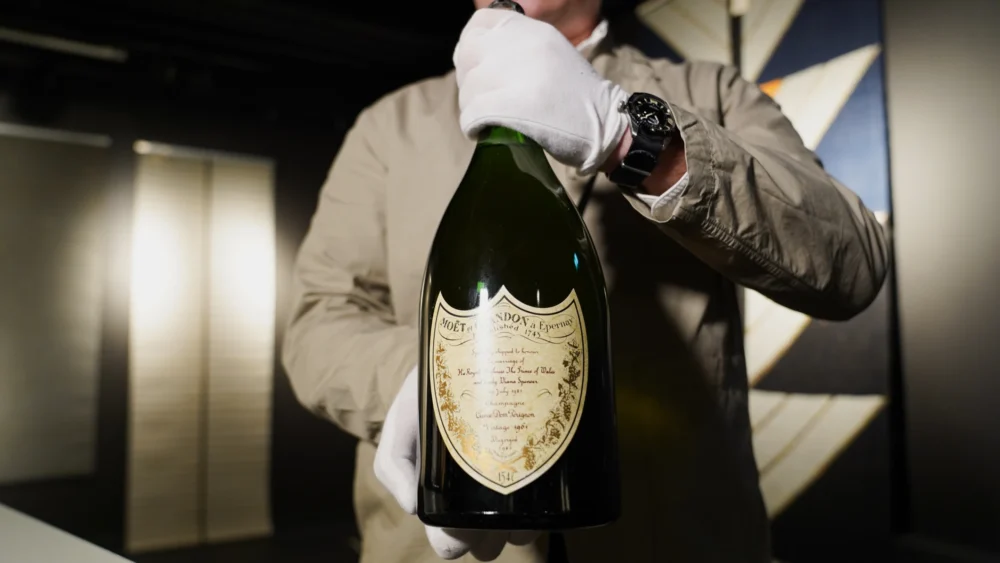
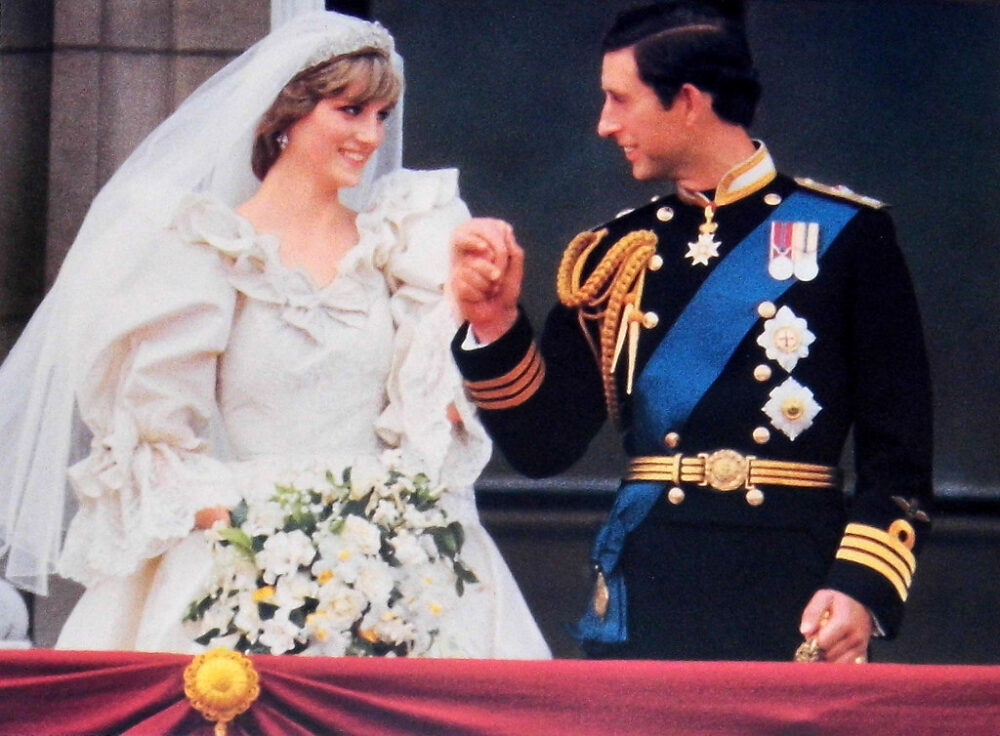
July 29, 1981, St. Paul’s Cathedral in London. Three and a half thousand guests in attendance, another 750 million viewers watching on television around the world. And in the glasses at this royal ceremony? Dom Pérignon vintage 1961.
It was no coincidence. Lady Diana Spencer and Prince Charles did not toast with just anything. Dom Pérignon 1961 already had legendary status in the world of champagne, and the choice of this particular vintage for the wedding of the century made it even more iconic. Some bottles from the special bridal edition, mainly magnums with a capacity of 1.5 liters, have survived intact and have become highly sought after by collectors. In the following part of the article, we will explain exactly what makes the Charles & Diana edition so valuable, what style of this vintage has endured for over 60 years, how much the originals actually cost (because the prices can be surprising), and how to distinguish a genuine magnum from a counterfeit. Because this is not just champagne. It is a tangible piece of history.
Dom Pérignon Charles & Diana 1961, the toast that went down in history
Most Dom Pérignon bottles bear a vintage, but not all are released to the market at the same time. In the case of the Vintage 1961, it was an extraordinary project: Moët & Chandon (UK) Ltd. held back a number of bottles from that vintage and only at the end of 1981 carried out a late disgorgement, meaning the removal of sediment and the finalization of the champagne. Why then? Because on July 29, 1981, Prince Charles married Lady Diana Spencer, who was born in 1961. This connection between the vintage and the bride’s birth year was key and gave the entire edition a symbolic dimension.
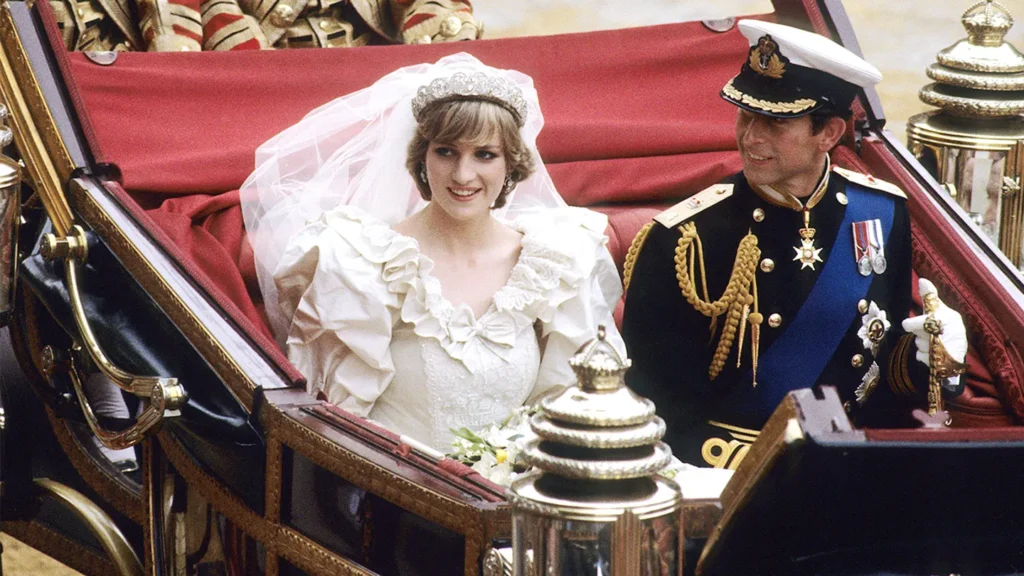
Most of the bottles were served directly at the wedding reception and given to selected guests and clients of the maison. The dominant format was magnum (1.5 l), although there are also standard 0.75 l bottles. Importantly, the label took on a unique form and name: ” Royal Wedding Cuvée “.
The label that defines the original
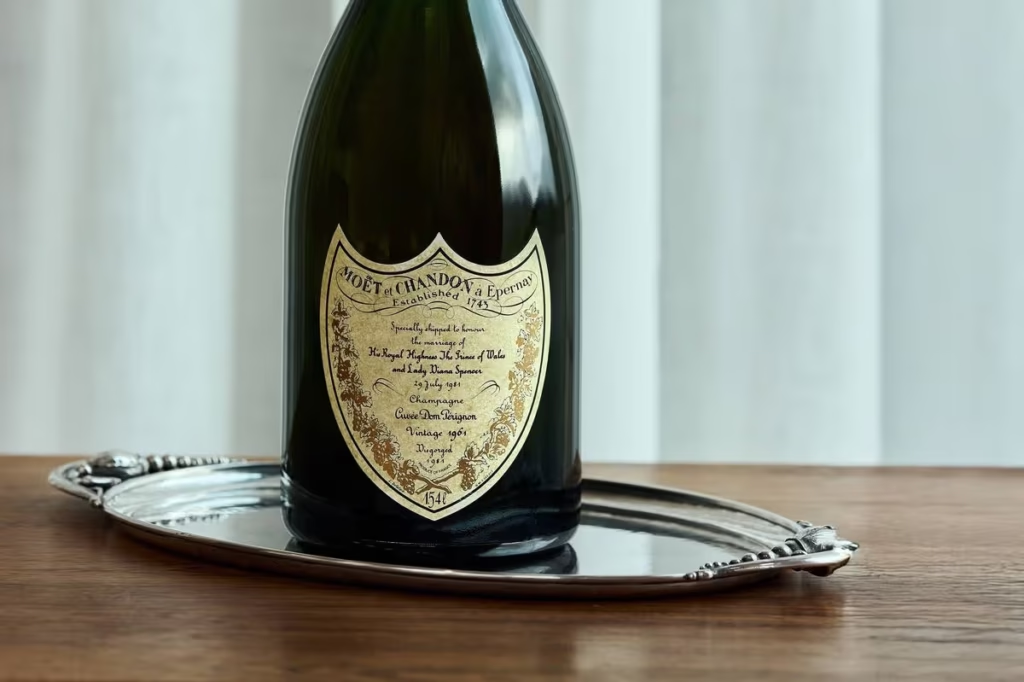
You can recognize authenticity by the exact wording on the label:
Specially disgorged by Moët & Chandon (London) Ltd. in late 1981 to commemorate the marriage of H.R.H. The Prince of Wales to Lady Diana Spencer on Wednesday, 29 July 1981.
This inscription distinguishes the royal edition from the regular Vintage 1961 bottles that had previously reached the market. The release format was therefore well thought out, exclusive, and closely tied to the event. This is precisely what made this cuvée so unique.
Vintage 1961 and the Dom Pérignon style – from vineyard to glass
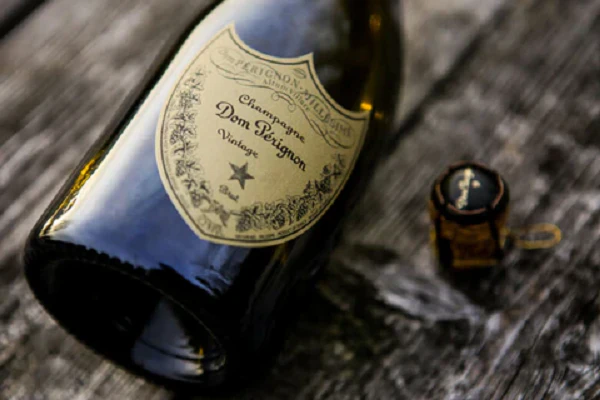
Dom Pérignon is a brand that, since its debut in 1921, has adhered to one rule: every bottle is a vintage. There is no “non-vintage” here, no compromises. Typically, each vintage matures for at least 7 years on the lees, and the traditional method is, of course, fundamental. Interestingly, you will never find Pinot Meunier in the blend—only Pinot Noir and Chardonnay.
What shaped the class of 1961
The 1961 season in Champagne? A difficult start. Spring brought cold weather and hail, and flowering was delayed. But September saved the day—brilliant sunshine and warmth allowed the grapes to ripen perfectly. Harvest began on September 20 (some sources even mention October 4), with yields around 7,800 kg/ha. The result? A wine of rare elegance and aging potential. That’s why 1961 earned the status of a legendary vintage, not only for Dom Pérignon but for all of Champagne.
Dom Pérignon style: blending and maturation
Technical specifications for the Charles & Diana edition are as follows:
- Blend: approx. 50% Pinot Noir, 50% Chardonnay
- Full malolactic fermentation (malolactic)
- Alcohol: 12.5%
- Method: traditional, second fermentation in the bottle
The key difference? The standard 1961 bottles underwent dégorgement earlier, while the wedding edition wasn’t uncorked until 1981. This means 20 years of contact with yeast lees ( autolysis), resulting in much stronger notes of brioche, toast, and nuts. It’s this extended aging that gave the royal bottle its extra depth and complexity, which you won’t find in earlier dégorgements.
What it tastes like today and how to serve it – profile, maturity, food pairing
Aromas on the nose are mainly the result of time and yeast. Here you can sense:
- toasted nuts (hazelnuts, walnuts), honeycomb
- dried apricots, dates, sometimes peach
- marzipan, malty notes
- coffee, hot chocolate, brioche after a long autolysis
On the palate, the wine remains dry, with lively acidity that keeps everything in balance. The sparkling, pearly structure? Fine, sometimes barely perceptible (very old vintages lose their bubbles, which is normal). The texture is creamy and enveloping, with toastiness evolving into buttery caramel, a mineral-citrus note, and a finish that lingers.
Drinkability: the wine is still drinkable, as recent tastings confirm. But it’s probably past its peak, which is to be expected. Window? Now until around 2025, after that it’s a gamble. Open with caution and don’t expect fireworks like in 1975 or 1985.
Service and pairing with food
Decanting yes, about 30 minutes to let the wine open up. Glass? Lehmann Grande Champagne or a similar one with a larger bowl (a standard flute is not enough for this profile).
As for dishes, go for:
- shellfish (crab, lobster in butter), scallops with exotic fruits
- sweetbreads, homard thermidor
- mature Parmesan with white truffle, goose liver pâté
- smoked marrow, calzone with ricotta, dessert chocolate
- goat cheeses with a creamy texture
Toastiness and autolysis call for rich, full-bodied textures. And indeed, this is a wine for a grand occasion, not for a Monday evening in front of the TV.
Now the question is: how much does such a bottle cost and how can you make sure you’re not buying a counterfeit?
Rarity, market, and authenticity – numbers, prices, identifying the original
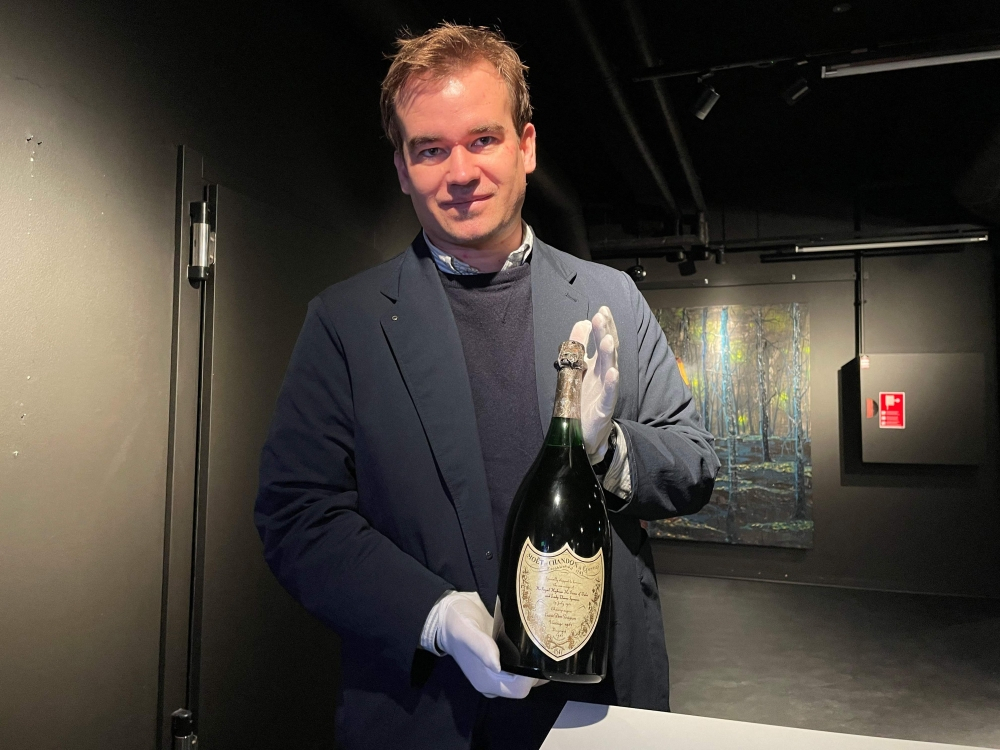
Moët has never disclosed exact production numbers. According to Authority Portal, around 12 magnum-format bottles appear in circulation worldwide, although other sources simply state ” extremely limited.” The truth is probably somewhere in between. There is no official total count and most likely never will be. This makes every bottle with provenance documentation an auction rarity.
Prices: auctions and retail market
The most recent high-profile sale took place on December 11, 2025 at the Bruun Rasmussen auction in Lyngby. The magnum went for 370,000 DKK, which is about 54,000 USD. It may sound impressive, but that’s below the estimate (500,000–600,000 DKK). Previous attempts had been unsuccessful because the reserve price discouraged buyers.
| Data | Market | Amount | Notes |
|---|---|---|---|
| 12.2025 | Bruun Rasmussen | 370,000 DKK (~54,000 USD) | below estimate |
| retail offers | various | approx. 25,950 USD | magnum |
| 12.2020 | average ex-tax | approx. 2,627 USD | 750 ml, 99/100 |
How to recognize an original?
We verify authenticity based on several concrete features:
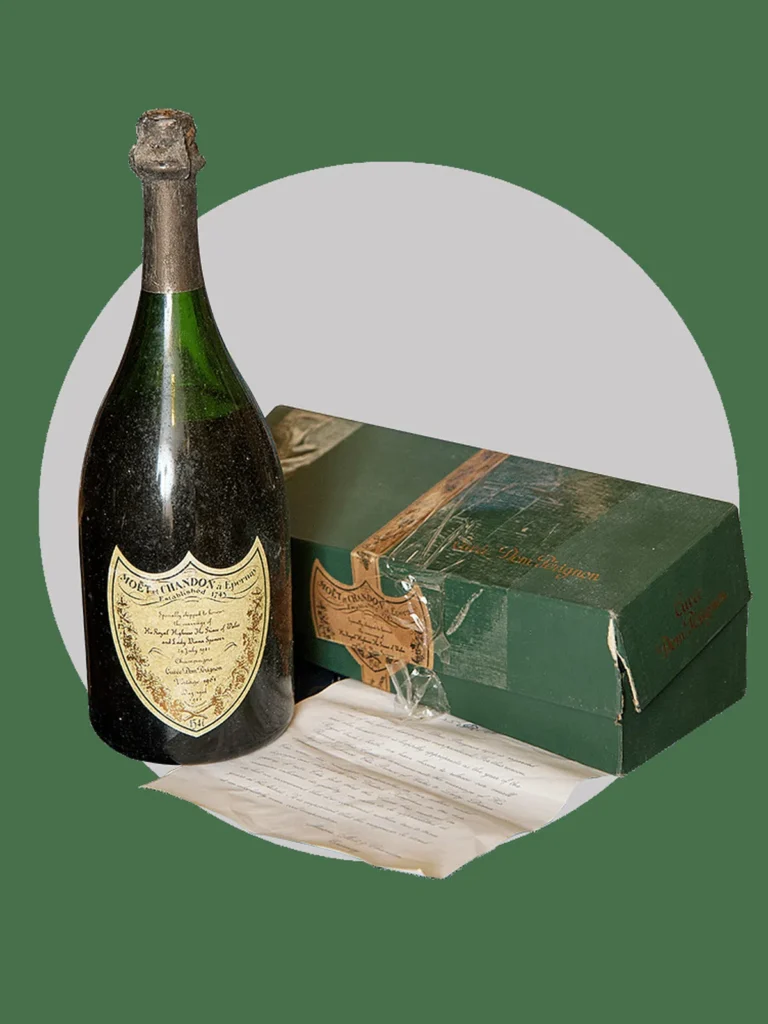
- magnum format 1.5 l (later disgorgement 1981 by Moët & Chandon UK Ltd.)
- unique label with the full royal quote
- documented provenance (auction invoices, certificates)
- compatibility of the cap and numbering with the production era
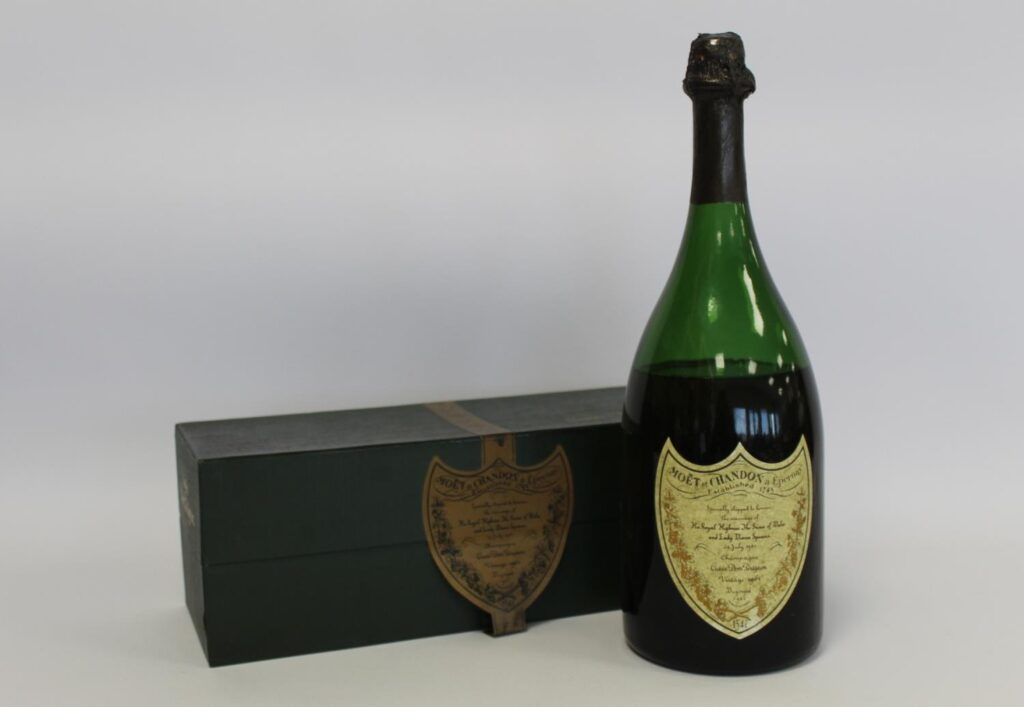
The label is the best distinguishing feature. If you see the full phrase “I…” under the royal crest, you have a chance at the original. The rest is just verifying the number and the sales context.
A classic between myth and memory
Dom Pérignon from 1961 is more than just wine from a royal wedding. It’s the point where history, craftsmanship, and a certain nostalgia for times most of us don’t remember come together. The bottle from Charles and Diana’s collection has become a symbol of something elusive, yet every collector understands it deep down: it’s about the story, not just the contents.
Maybe that’s why the ’61 vintage still stirs emotions. It’s no longer just champagne to drink, although in theory you can still open it. It’s more like a physical trace of an era that’s fading into oblivion, but one we still want to preserve in some way.
And this is precisely where the magic of classic bottles lies: they connect taste with memory, and memory with the myth we tell ourselves.
Condition
editorial team of the manufaktura



Leave a Comment