

Which eye cream for a 50-year-old woman – ingredients, ranking, and routine
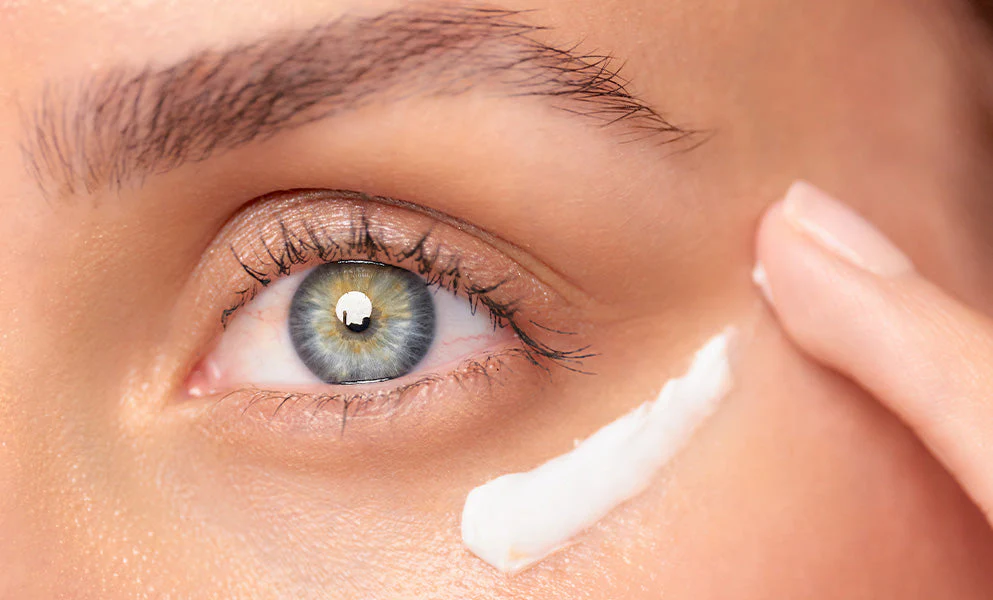
The skin under the eyes is about 0.5 mm thick. For comparison, on the cheeks it is almost 2 mm. After menopause, collagen production drops by up to 30%, and this delicate area is the first to show it. Studies indicate that 85% of women over the age of 50 cite wrinkles and under-eye bags as their main skincare concern.
Short lashes, dark circles, morning puffiness, dryness, and loss of firmness. All at once, often intensified by a drop in estrogen. An ordinary face cream won’t be enough here, because the skin around the eyes needs something lighter, safer for the mucous membrane, and formulated to avoid causing milia.
Good news? You don’t have to buy the most expensive product from the pharmacy. In this article, I’ll show you ingredients with scientifically proven effectiveness (with specific concentrations), a ranking of creams at the Luxury Products store, and a simple morning-evening routine that actually works. No marketing promises, just tried-and-true solutions.
Which eye cream for a 50-year-old woman – science and ingredients that really work
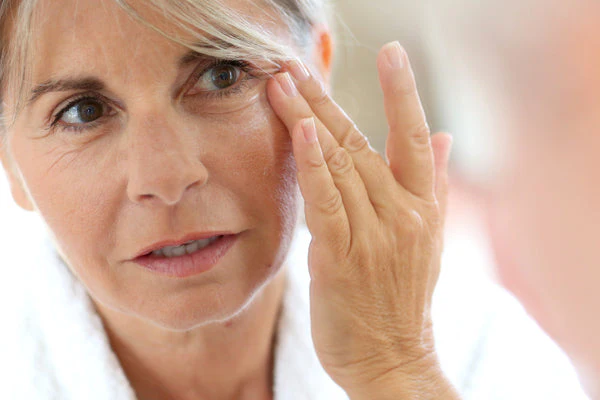
After menopause, collagen production drops by up to 30%, and the skin around the eyes is especially delicate, as it is only about 0.5 mm thick and has almost no sebaceous glands. The result? It quickly loses moisture, wrinkles deepen, and puffiness appears. Hormones, UV rays, and the natural loss of elastin all play their part.
Ingredients and recommended concentrations
Which substances really work? I reviewed research summaries from 2024 and here’s what I found:
- Retinoids (retinol, retinal) 0.1-0.3% – wrinkles are reduced by 32%, but they may cause irritation. Alternative: bakuchiol (milder).
- Hyaluronic acid 0.5–2% – hydration increases by 28%, fills in fine lines.
- Peptides (e.g., Matrixyl) 3-5% – swelling decreases by 24%, stimulate renewal.
- Vitamin C 5-10% or niacinamide 4% – brightens by 18-20%, evens out skin tone.
- Ceramides 1-5% – rebuild the barrier, retain moisture.
- Caffeine 1-3% – constricts blood vessels, reduces puffiness.
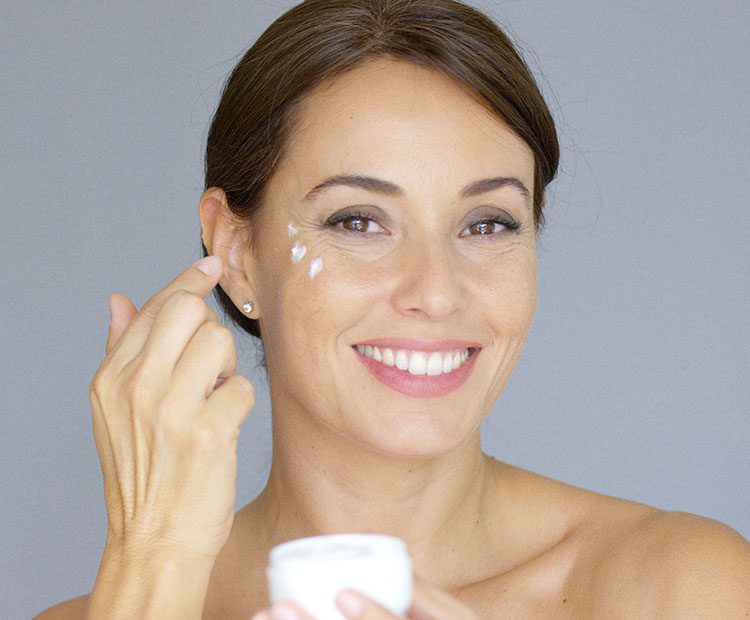
Formula and packaging matter
A lightweight cream or gel, pH between 5.5 and 6.5, and the label “ophthalmologically tested” are essential. Airless packaging protects the ingredients from oxidation ( especially vitamin C and retinoids), while a metal applicator acts as a mini massager and cools the skin with each use. These details determine whether the ingredients actually reach their target.
The best eye creams for 50+
I have selected creams that have specific user ratings and formulas tailored to the needs of 50+ skin. No affiliations, only verified data from 2025 and early 2026.
| Product | Price | Key ingredients | Rating/source |
|---|---|---|---|
| AA Technology of Age 5 Repair | lipopeptides, niacinamide, rose oil | AI recommends for 50+ | |
| Neutrogena Retinol Boost | retinol + hyaluronic acid | 4.7/5 (KWC, 153 reviews) | |
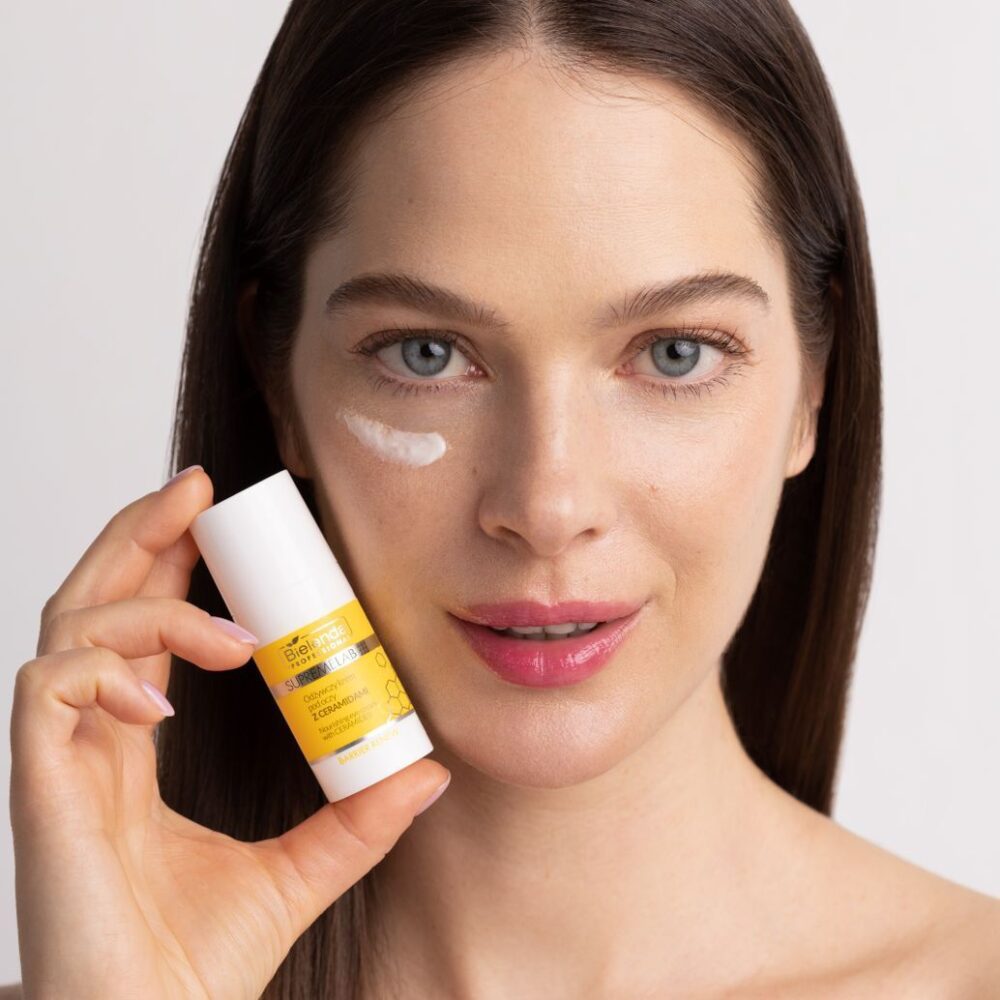
| Bielenda SupremeLab Barrier Renew | ceramides, Centella | top 10 | |
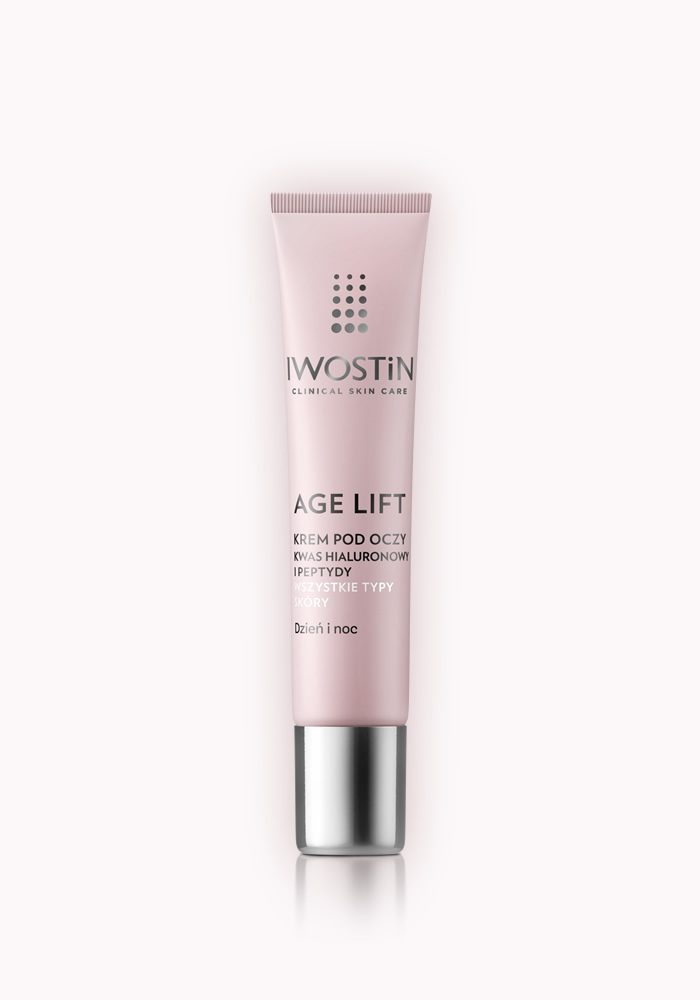
| Iwostin Age Lift | HA, peptides, niacinamide | 4.8/5 (195 reviews) | |
| Vichy Neovadiol | Proxylane, cassia extract, HA | 4.9/5, pharmacies |
Worth knowing: global hits
If you want to compare Polish prices with what dermatologists recommend abroad, take a look at SkinCeuticals A.G.E. Advanced (peptides + Pro-Xylane) or Dr. Dennis Gross Retinol Serum. They simply show the direction the premium market is heading.
For 50+ skin, the most important thing is actually effective concentrations of retinol or peptides, not just the presence of the ingredient on the label. That’s why I pay attention to reviews from women of a similar age.
Choose a cream that suits your needs and create a simple AM/PM routine
Instead of buying an “eye cream 50+,” ask yourself: what do I want to improve? Wrinkles and sagging skin? Look for a retinoid 0.1-0.3% plus peptides or Proxylane. Dark circles under the eyes? You need vitamin C 5-10% or niacinamide 4%. Puffiness and bags in the morning? Caffeine 1-3%, preferably with a cool applicator. Dryness and weakened barrier? Hyaluronic acid 0.5-2% and ceramides 1-5%.
As you can see, there is no single miracle cream. There is a formula tailored to a specific problem.
Morning routine (AM)
Three steps, nothing more:
- Cleansing – gentle micellar water or foam.
- Eye cream – with caffeine and vitamin C, a morning portion the size of a grain of rice for each eye.
- SPF for the face – including around the eyes, as eye creams rarely contain sunscreen.
Pat in with your fingertips, do not rub. Keep 2-3 mm away from the lash line.
Evening routine (PM)
Just as simple:
- Makeup removal and cleansing – in two steps if you wear makeup.
- Eye cream – with 0.1-0.3% retinol, peptides, or ceramides.
- Moisturizing cream – optionally, if your skin still needs it.
Visible improvement? Usually after 4-8 weeks. Studies show that “70% of users aged 40+ report improvement after 4 weeks” (KWC). Patience pays off.
Now, just safety and myths — more on that in a moment.
Safe care for the eye area
You know, the area around the eyes is really delicate. The skin there is thinner than anywhere else on the face, so anything we apply requires a bit of caution.
Myths That Still Circulate
“Eye cream is just a marketing gimmick; a regular face cream is enough.”
Not true. Eye area formulas are lighter and have lower concentrations of active ingredients precisely to reduce the risk of migration into the eye. The label ” ophthalmologically tested ” is no coincidence; it indicates that the product has actually undergone safety testing.
“Retinol under the eyes is dangerous and always causes irritation.”
In fact, 5-10% of people may experience irritation, but it’s a matter of proper introduction. Start with 0.1% or a encapsulated form. Do a patch test for 48 hours below the temple and gradually increase the frequency of use.
What to really expect
Wrinkles reduced by 32% after retinoids sounds great (2024 review), but this is not Botox. Peptides and caffeine support elasticity and reduce puffiness, but they don’t completely erase the problem. The effects are real, you just need to assess them realistically.
When to stop and call

Persistent burning, intense redness, or tearing are signs that you should stop. Do you wear contact lenses? Be especially cautious—irritated skin and contact lenses are a tricky combination. Sometimes it’s better to take a break and consult a dermatologist rather than trying to handle it on your own.
What should you check on the packaging?
Look for specifics, not promises:
- “Retinol 0.1-0.3%” or “bakuchiol” (must be listed in the INCI)
- “Ceramides”, “hyaluronic acid”, “peptides”
- “Ophthalmologically tested” (especially if you have sensitive eyes)
- Airless packaging (pump, tube, not a jar)
- “Odorless” or a neutral scent
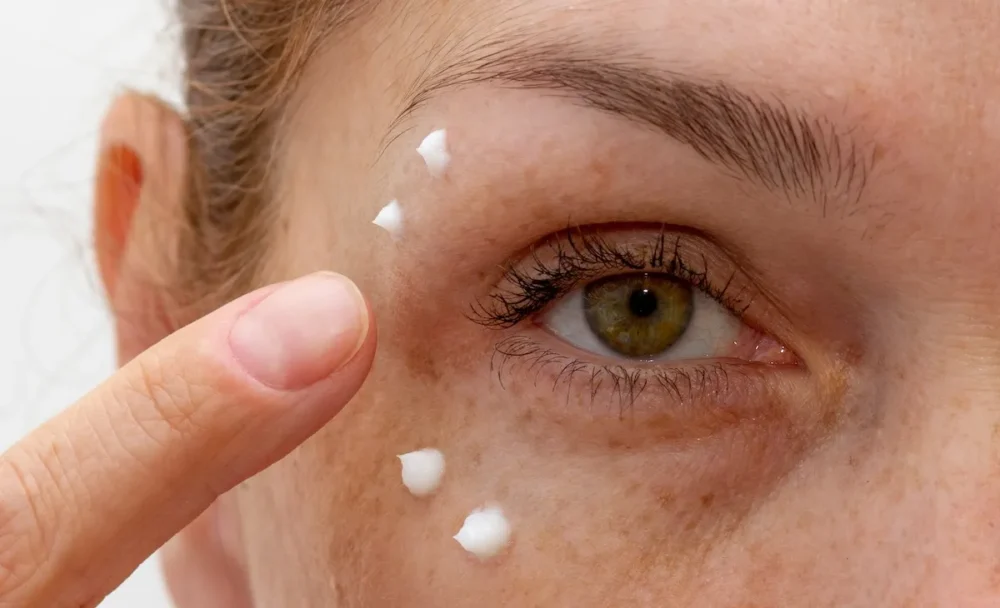
Note: eye creams rarely contain SPF. Combine with a daytime facial sunscreen, otherwise retinol will be wasted in the sun.
A conscious choice that rejuvenates your gaze
Choosing the right eye cream after fifty is really an investment in yourself. It’s not about fighting age, but about consciously caring for your skin, which has already been through a lot and deserves more than a random product from a sale. Once you understand what your skin needs (retinol, peptides, proper hydration), the choice becomes easier than you think.
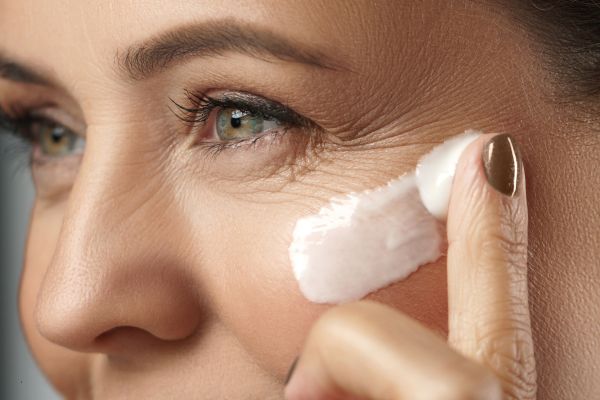
The coolest thing about all this is that you can really see the results. Not overnight, of course, but after a few weeks, a glance in the mirror might pleasantly surprise you. Think of your cream as a daily routine that simply works, without grand promises or marketing fireworks.
And that’s basically it. You have the knowledge, you have specific ingredients to look for, and you even have a few suggestions to try out. Now all it takes is consistency, because no cream will work if it just sits unused in the bathroom.
Janina






Leave a Comment