

Ranking of professional foosball tables – top 5 ITSF brands
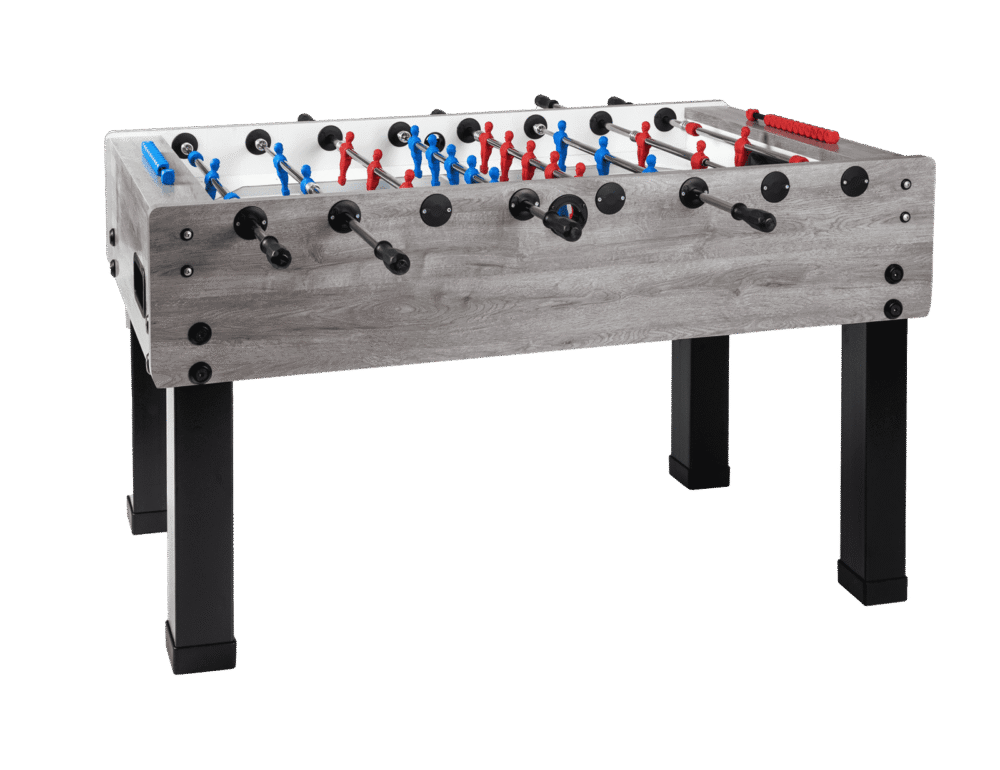
ITSF (International Table Soccer Federation) recognizes five official tables: Bonzini, Garlando, Roberto Sport, Tornado, and Leonhart. This is not a random list, but the strict minimum for global competitions. Each of these tables plays differently, requires a different technique, a different style. And that’s exactly why the choice matters.
Why does choosing the right table matter?
Professional foosball tables are not eight-hundred-zloty toys from the hypermarket. This is equipment that weighs half a ton, costs four thousand and up, and changes the way you play. The differences between models are significant. Bonzini features hard, heavy balls and demands precision. Tornado focuses on speed and aggressive play. Roberto Sport strikes a balance between technique and dynamism. Garlando? More control than power. Leonhart combines European ease with American durability.
In Europe, ITSF tables can be found in clubs, offices, and sometimes in the homes of people who take foosball seriously. The market is growing, and so are the tournaments. This ranking highlights the differences between brands, the models available in Europe, and what actually sets the playing styles apart. Preferences are subjective, but the ITSF standard and the availability of local distributors provide a solid starting point.
Ranking of professional foosball tables
When you see “professional table” in the description, it’s not just marketing. There are specific parameters that separate tournament equipment from something for a family gathering.
ITSF homologation and what does it mean?
Most important: the ITSF (International Table Soccer Federation) certificate. This is not a sticker for decoration. A table with homologation meets strictly defined tournament standards: dimensions, figure weight, goal height, even ball hardness. Why does this matter? Because a player training on an ITSF table can go to any tournament in Europe and find identical conditions. The ball bounces the same way, the rods are the same length, the figures are balanced identically. If you train on non-homologated equipment, you’ll face an unpleasant surprise at competitions.
Dimensions, weight, and rods
A full-size table is usually 121-140 cm long and about 70-80 cm wide. Weight? From 70 up to even 100+ kg for models made of solid wood and steel construction. A heavy table is a stable table. It doesn’t bounce during intense play.
Bars are divided into:
- Telescopic (do not protrude from the other side) – safer, no risk of injury.
- Through (traditional, go all the way through) – more common at European tournaments.
Well-balanced figures, ball or bushing bearings, and precise rod guidance are essential for ball control.
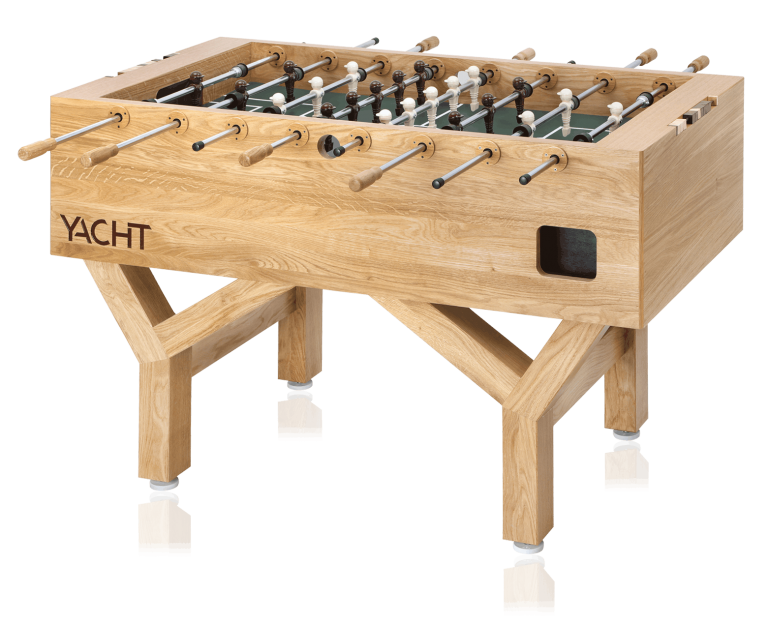
The playing field should be made of tempered glass or high-quality laminate. A smooth surface, uniform bounce, precisely fitted rails and goals.
Goalkeeper configuration and variants
Classic division: 1 goalkeeper figure (the French /German system) or 3 figures (Italian/American). Each style changes tactics and defensive techniques.
Additionally: outdoor tables (moisture-resistant), coin-op models for venues (coin slot), or versions for home use. Professional doesn’t always mean tournament-grade; it can mean “seriously designed.”
Our ranking and justification
We focused mainly on ITSF certification (a prerequisite), build quality, durability during intense play, versatility for different playing styles, and recognition in European leagues. There is no absolute truth here, as preferences are highly regional: Tornado is the gold standard in the USA, Bonzini reigns in France as a babyfoot icon, while Garlando and Roberto Sport dominate more broadly across Europe. Our ranking is an attempt at a “global” compromise.
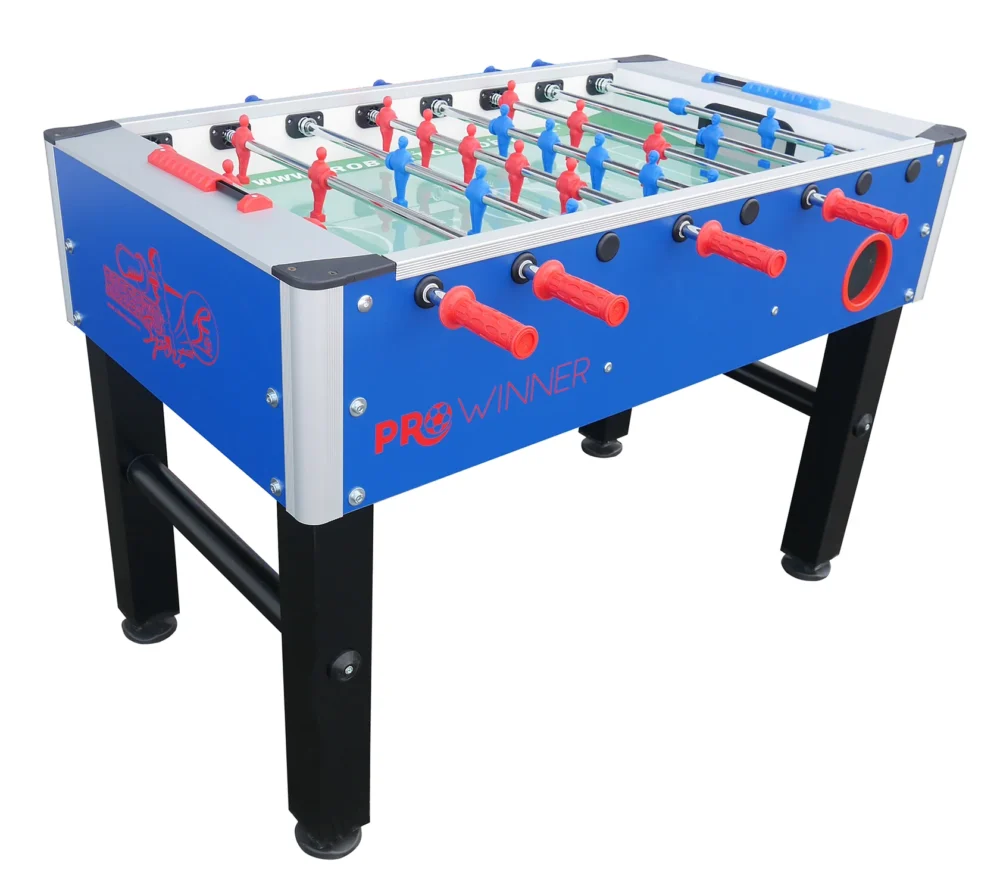
Ranking of 5 brands
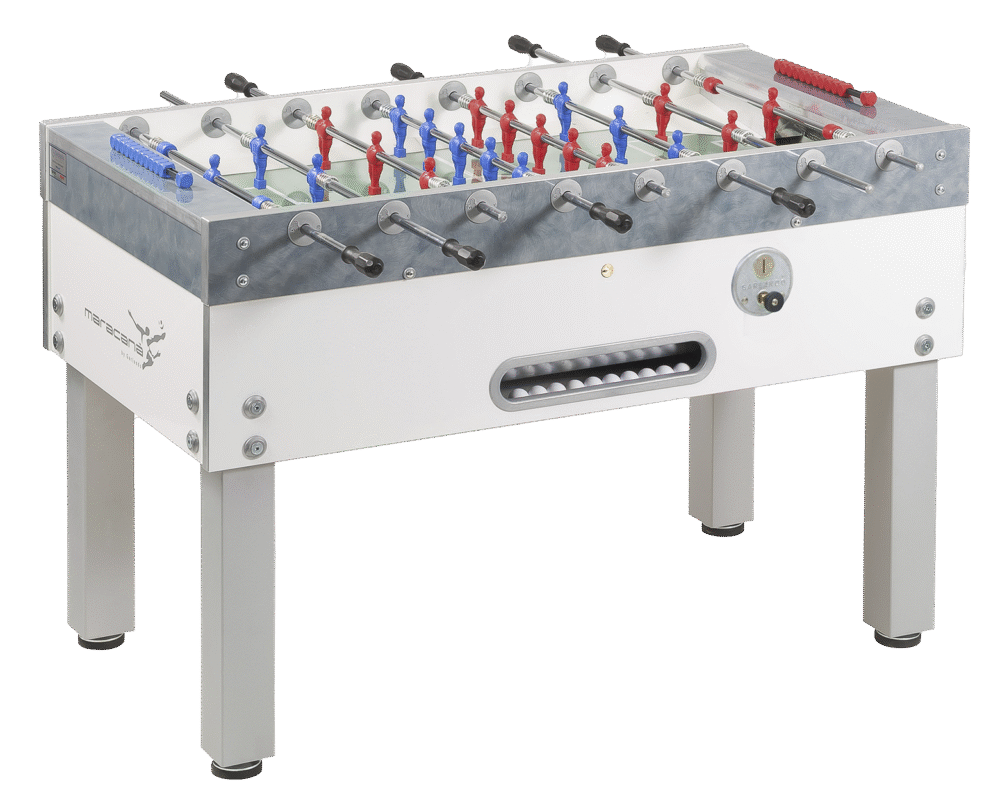
- Garlando – versatility and accessibility in Central Europe put it at the forefront. It performs well both in fast-paced play and in controlled matches, making it the most popular choice in Polish leagues.
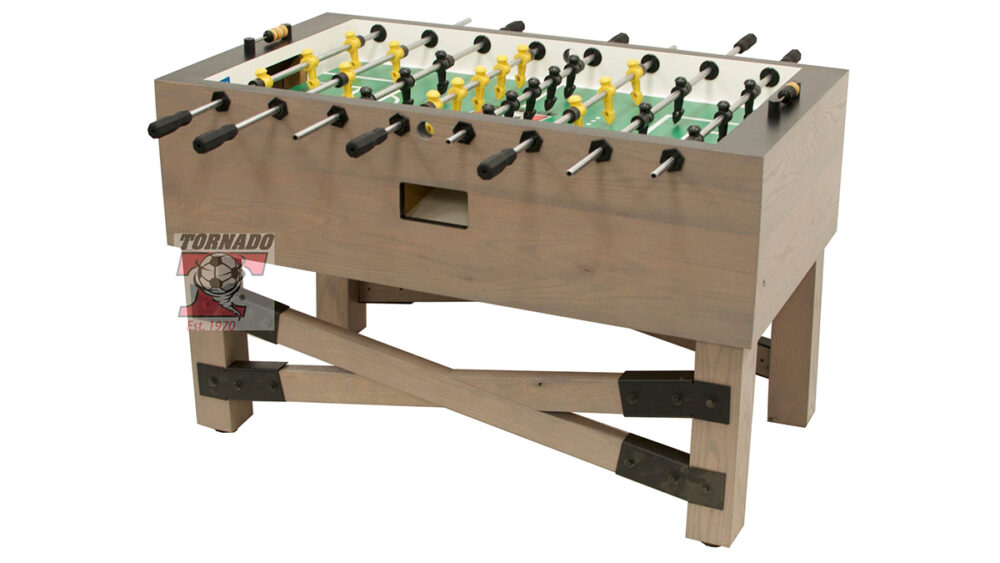
- Tornado – precision and lightning-fast pace, pure American style. If you’re looking for a table for fast-paced action and technical play, this is your specialty.
- Bonzini – French craftsmanship and an emphasis on ball control. Heavy figures and a smaller playing surface make this a style for patient players.
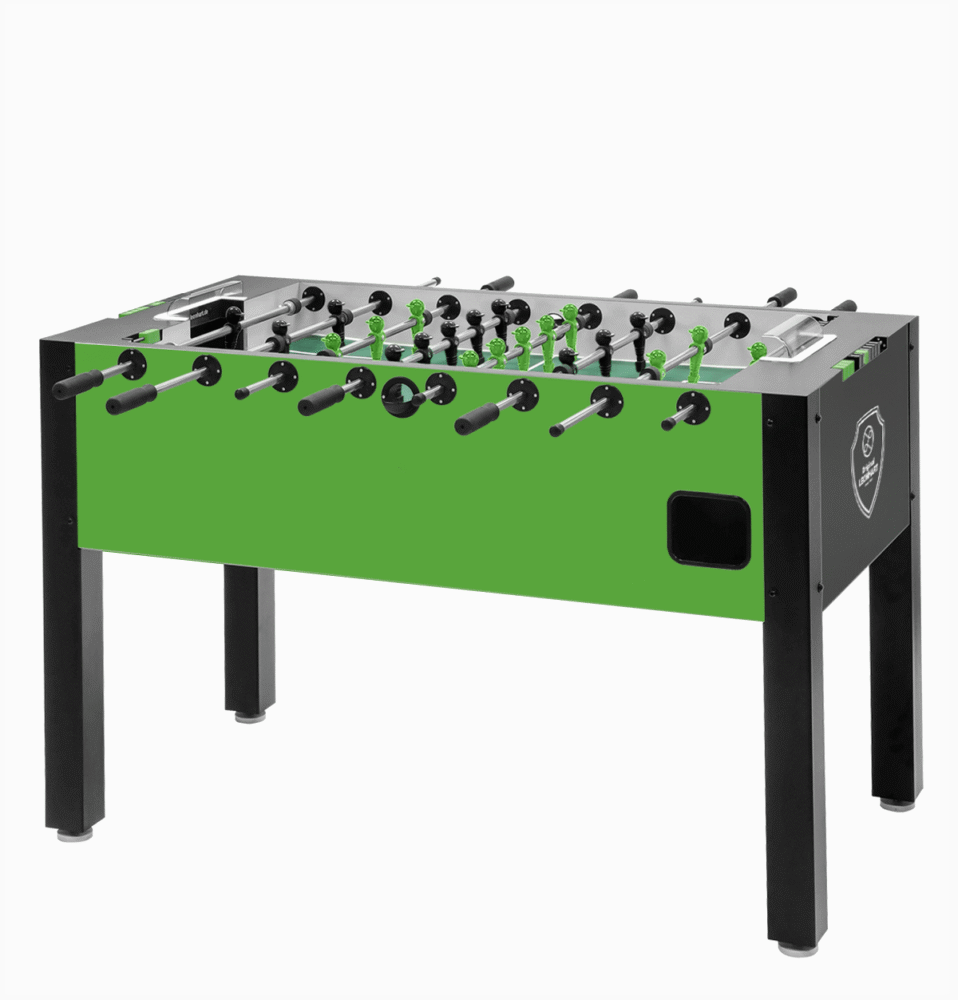
- Leonhart – German reliability and sturdy construction, popular in Germany and Eastern Europe. Balanced style.
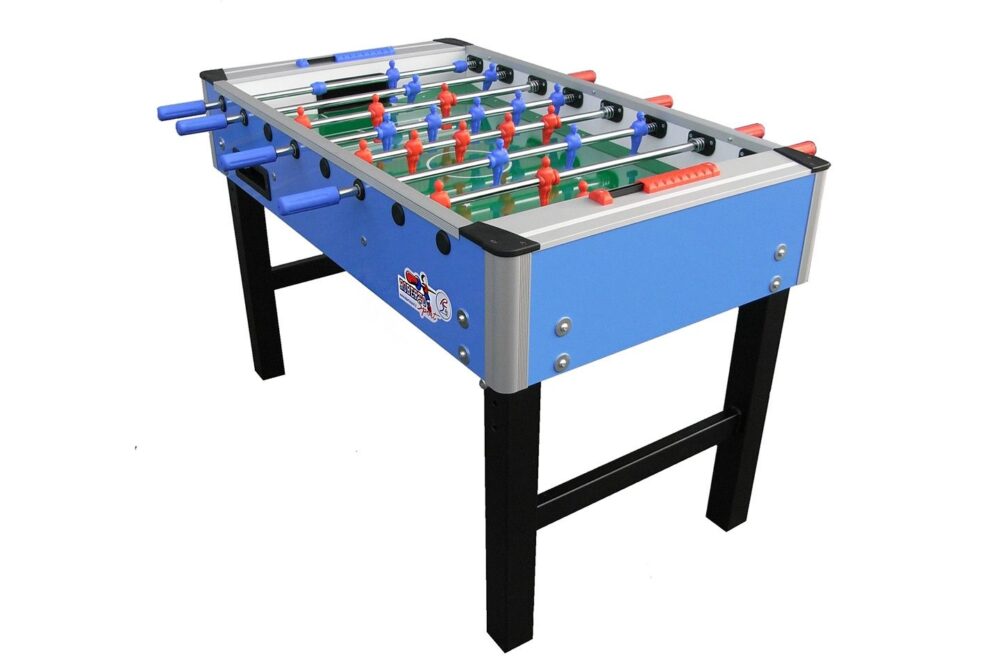
- Roberto Sport – Italian quality in a more affordable version. A good compromise between speed and control, although somewhat less common at top tournaments.
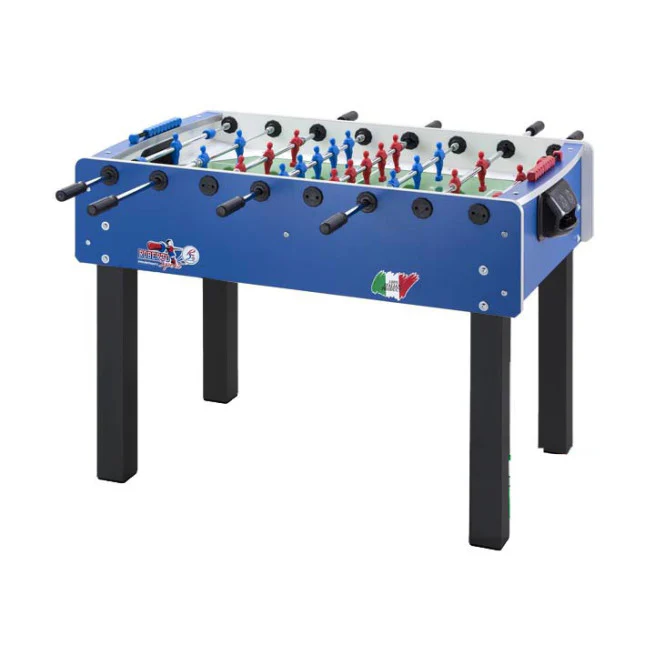
Remember, this ranking is based on a compromise. In practice, the choice often depends on which table is used in your league.
Differences in play styles
Choosing a table is not just a matter of budget; it’s also about the gaming culture you acquire along with it. Each of the four main ITSF styles has its own character and encourages slightly different habits at the table.
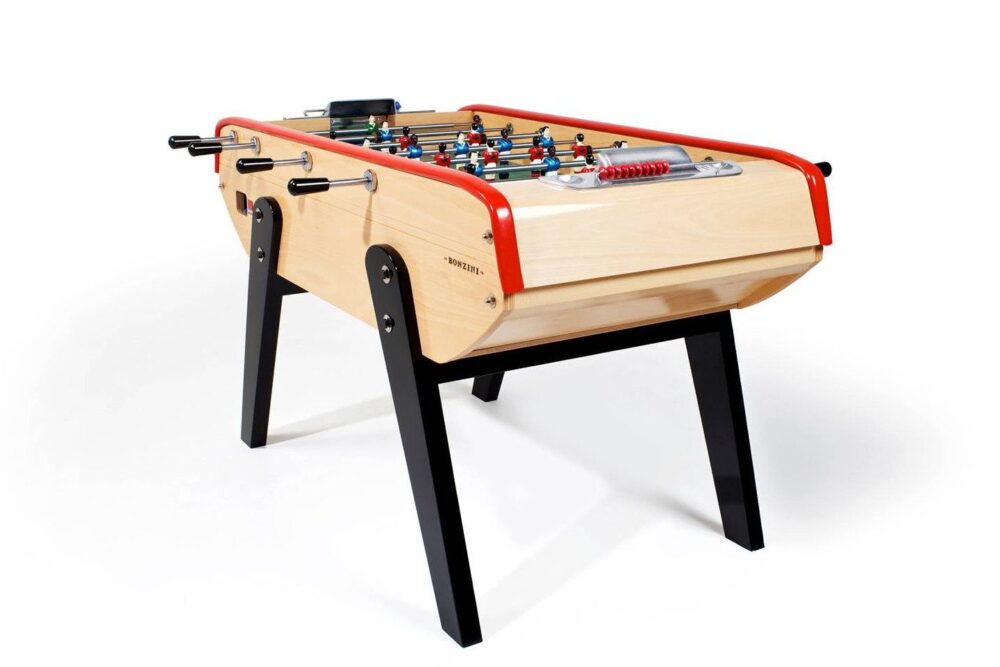
How the style of the table shapes the game
French style (Bonzini) is above all about control and “Babyfoot,” as they say in France. Heavier rods, a slightly grippy surface, single goalie. The game is slower, focusing on technique and passing. In contrast, the Italian style (Garlando, Roberto Sport) strikes a balance between speed and control, often featuring a three-man goalie, which offers more defensive options and changes the geometry of shots. The ball moves faster than on the French table, but you can still “cook” it.
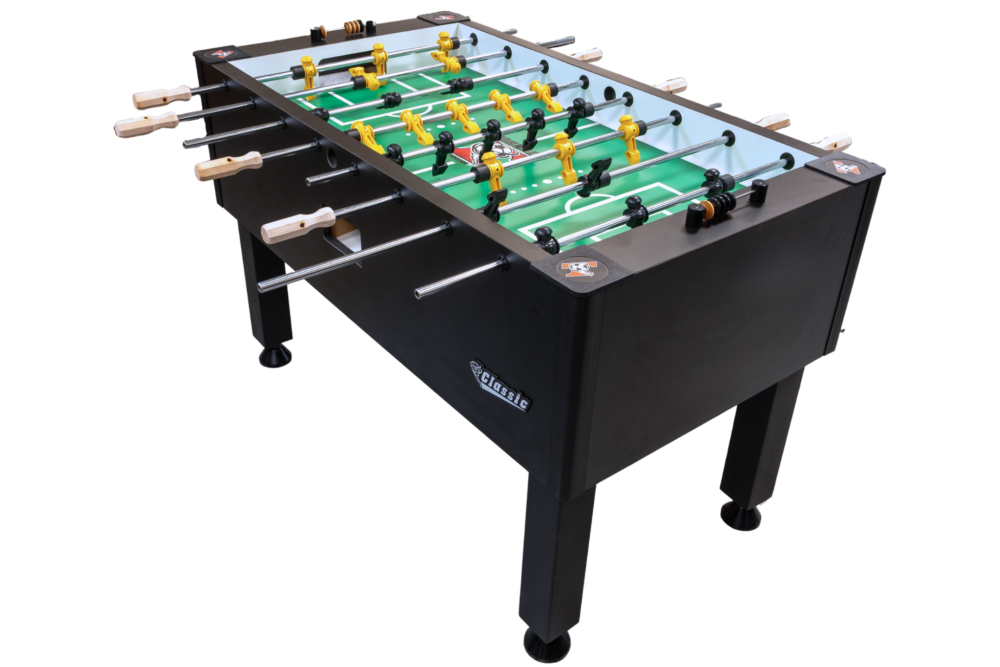
American (Tornado) means maximum precision and responsiveness. Lightweight rods, a glassy or low-friction laminate surface, and bank shots bounce off at perfect angles. The pace? Brutal. In France, they’ll say it’s not football, it’s ping-pong, but in the USA, Tornado is simply the “gold standard.” German (Leonhart) focuses on stability and construction weight, telescopic rods (safer, don’t go through to the other side), and solid materials. Technical play, no fireworks, but predictable.
Preferential disputes and practice
Regional habits are persistent. In Europe, more and more ITSF tournaments are played on Tornado, but amateurs often choose Garlando or Bonzini because “that’s how it used to be played.” Telescopic rods are the European safety standard (especially with children), while through rods are the American classic. One goalie or three? In France and Germany, it’s usually one; in Italy and the USA, three. This changes the angles, defense, and backfield attack tactics. Neither option is “better,” just different.
Five paths to mastery
Choosing a professional table is a decision that will stay with you for years. Bonzini with its precise mechanics, the versatile Garlando, the fast Roberto Sport, the tank-like Leonhart, or the iconic Tornado. Each of these brands represents a slightly different philosophy of play, a different style, a unique approach to what top-level foosball truly is.
The truth is, there’s no such thing as a perfect table. There’s only the one that’s perfect for you, for your playing style, for the place where you’ll put it. Professionals argue about these differences all night long, because they really do matter. But at the end of the day, only one thing counts: do you feel like this is your table?
The rest is just a matter of training and hours spent with the ball. Choose wisely and keep playing.
Miki
Luxury Blog editorial team


Leave a Comment