

Have luxury cosmetics replaced handbags? 7 beauty trends that define luxury in 2026
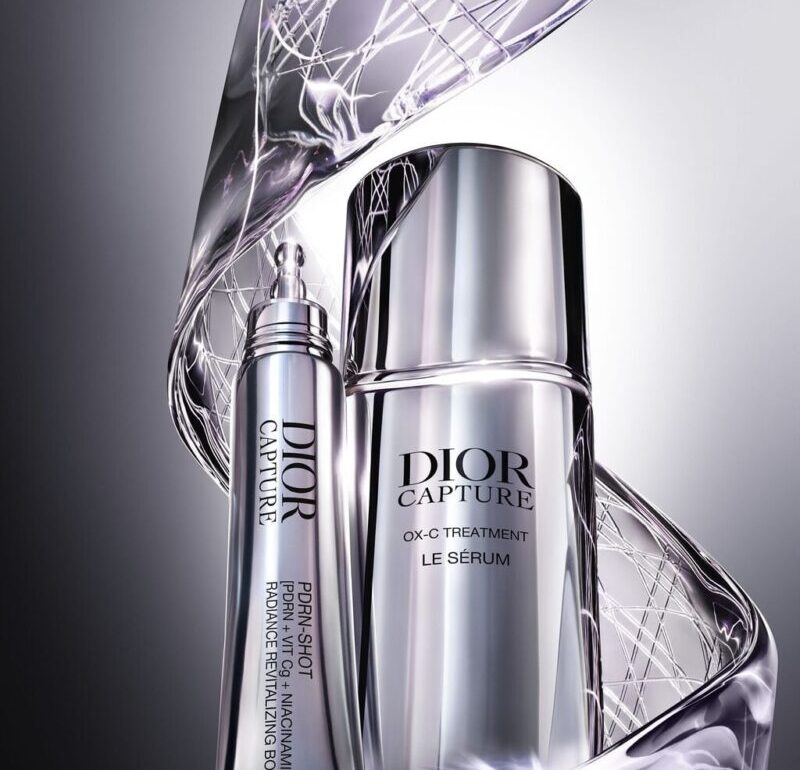
For years, luxury was primarily a matter of ownership. A good handbag, watch, or car served a practical purpose, but what they communicated to others was just as important. Now, a lot is changing. Have luxury cosmetics replaced handbags? Or perhaps the trend of caring for the body stems from increased awareness and the need for self-care? Which beauty trends are currently dominating, and what do they signify?
Luxury cosmetics have not replaced handbags, and there is no reason to believe they will do so anytime soon. However, they are increasingly competing with them for consumers’ money, attention, and emotions. The reason is interesting: a cosmetic can be much more easily incorporated into the new definition of luxury, where well-being, self-care, personalization, and the quality of everyday experience become more important than status display.
Have luxury cosmetics replaced handbags, and what holds value today?
The luxury market is currently undergoing a period of correction after several years of very intense growth. In November 2025, Bain & Company and Altagamma published the 24th edition of the Luxury Goods Worldwide Market Study. According to the report, global spending on luxury goods and services in 2025 was expected to reach around €1.44 trillion, essentially remaining at the previous year’s level. At the same time, the personal luxury goods segment—which includes, among others, fashion, leather goods, watches, and jewelry—shrank by about 2 percent to €358 billion. Bain pointed out the growing issue of perceived value, significant price increases, and customer fatigue with the offerings of the largest brands.
This is an important moment, because for some time the luxury business was able to raise prices much faster than it increased sales volume. The strategy worked as long as the customer accepted the assumption that a higher price automatically means greater value. Today, this is being questioned more and more often.
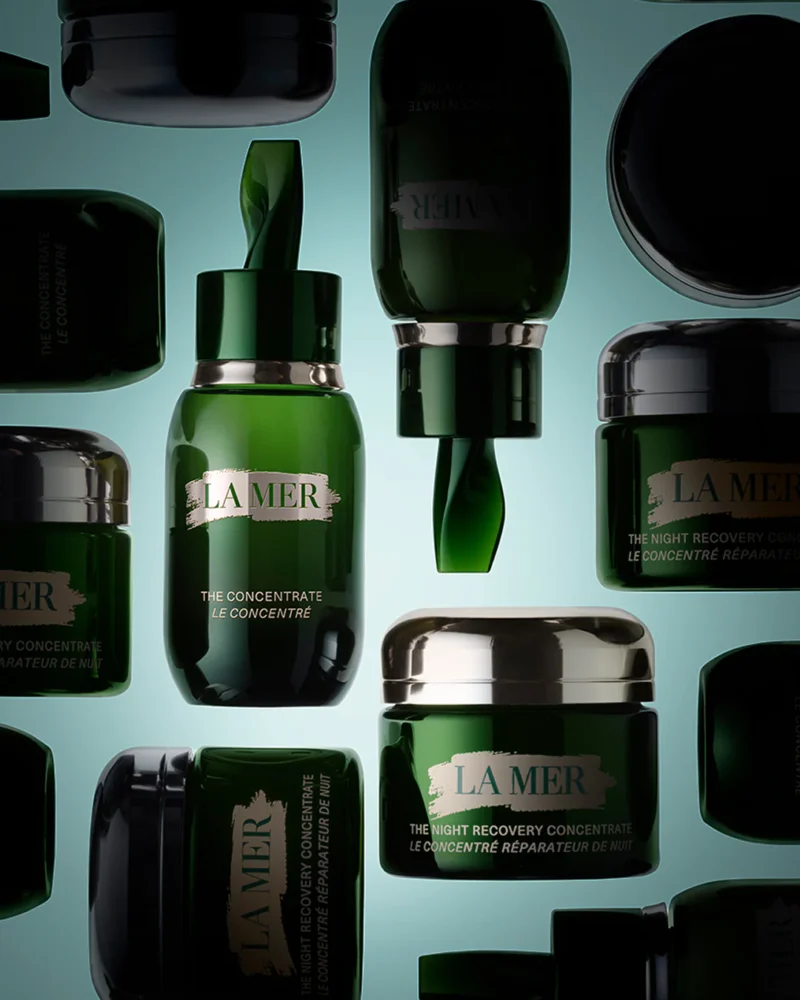
A consumer who bought a luxury handbag a few years ago doesn’t necessarily need another one. If its price has increased significantly in the meantime, the purchase may no longer seem like an obvious way to treat oneself. It’s not about a lack of money. It’s about a change in the criteria for evaluation.
The question arises: what exactly do I get in return for this expense?
And this is exactly where beauty holds an exceptionally strong position.
The handbag remains a symbol, luxury cosmetics are part of everyday life
A luxury cosmetic has the advantage that it can be used every day. A cream, serum, perfume, or makeup product doesn’t have to be a purchase reserved for a special occasion. On the contrary, they are part of a morning or evening ritual. The high price is then easier to justify, as the product doesn’t just sit in the cupboard but regularly provides a specific experience.
In August 2026, Reuters described the results of a study by Oliver Wyman and the Tax Free World Association, which clearly illustrates this shift. Among affluent Chinese consumers, 37 percent declared their intention to increase spending on prestige beauty over the next 12 months. In contrast, for leather goods, it was only 4 percent. The authors of the study point out that beauty is perceived as a category that is easier to justify. It has a lower entry threshold, products are regularly used up and repurchased, and buying them can be associated with self-care.
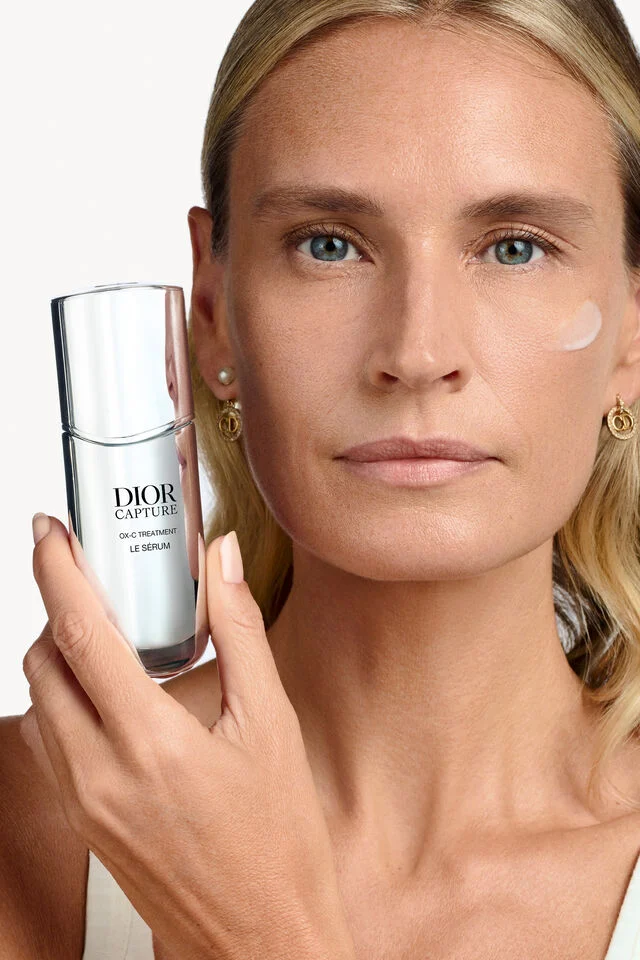
This does not mean that the Chinese consumer chooses a cream instead of a handbag in a straightforward sense. It is more accurate to say that in times of greater financial caution, she may limit the purchase of a very expensive durable good, but still wants to enjoy luxury. In such cases, she moves to a category where she can buy a top-tier product without incurring a cost comparable to purchasing a Barkin bag.
This is a mechanism long known in the economics of consumption, but today it takes on new meaning. The old “lipstick effect” was based on small pleasures during tougher times. The current shift goes a step further: the consumer not only looks for a cheaper way to experience luxury, but also redefines what is worth a luxury price.
Is luxury becoming more personal?
In June 2026, McKinsey published the report State of Luxury: US and China outlook, based on a survey of over 2,000 luxury customers in the United States and China. One of the key findings is that an emotional connection with the brand has become a more important factor in its appeal than traditionally understood status. Customers are increasingly choosing brands that align with their identity, values, and aspirations. At the same time, experiences are increasingly competing with products for a share of the money spent on pleasures.
This explains very well the development of luxury skincare.
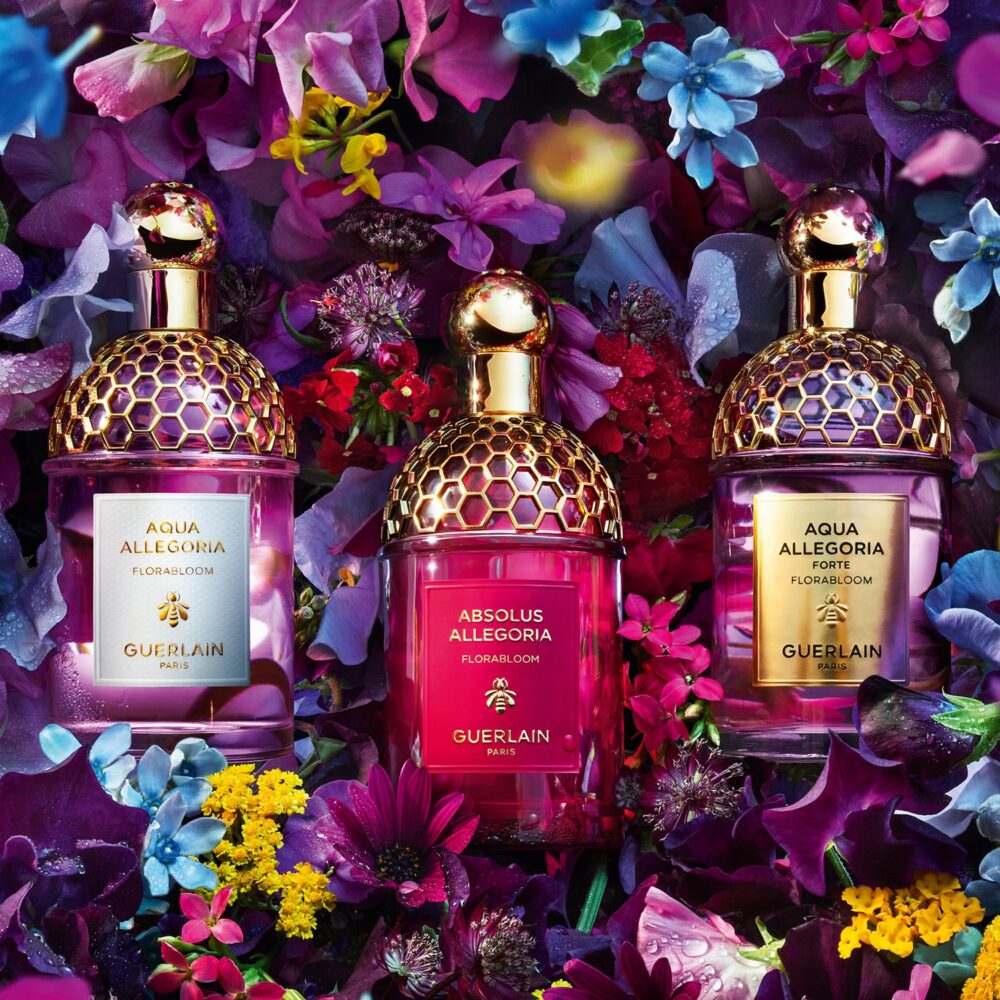
The psychology of self-care is important here. Taking care of yourself doesn’t have to mean making major decisions about your health or lifestyle. It can also be a way of signaling to yourself that your own needs matter. A premium product fits well into this mechanism, as it allows you to combine functionality with an emotional reward.
Is the change in trend also visible in Europe?
In Europe, the process unfolds differently than in China. There is no equally strong shift in spending from leather goods to luxury cosmetics here. However, the market itself is much more mature. This does not mean, however, that the European consumer is sticking to the old model of luxury.
Reports on the European market indicate a trend toward greater selectivity and purchasing caution. In the latest luxury analyses, Europe is among the regions where consumers and tourists are spending more carefully, while markets such as the United States and the Middle East are showing greater dynamism. At the same time, the global luxury market remains vast, and Bain forecasts a return to growth in 2026.
7 beauty trends that define luxury in 2026
1. Beauty is becoming increasingly intertwined with health
The line between beauty and health is becoming blurred. The development of biomarkers, diagnostics, and a holistic approach is increasing interest in areas such as skin health, metabolism, sleep, and stress. As a result, luxury now means not only a product, but also access to knowledge, data, and solutions tailored to individual needs. A gift we give ourselves every day.
2. Personalization is becoming the standard
Personalization goes beyond choosing a cosmetic for your skin type. More and more often, it takes into account age, environment, climate, lifestyle, skincare history, and specific skin concerns. AI can further change the way needs are diagnosed and products are discovered, increasing the importance of individually designed solutions.
3. Anti-age gives way to longevity
Communication is shifting from “fighting aging” towards skin longevity — long-term maintenance of skin health and condition. This is part of the broader healthy aging trend, where the goal is not so much to hide age, but to support vitality, appearance, and well-being in the long run.
4. Fewer products, but of higher value
Skinimalism encourages limiting the number of products, but not necessarily expenses. The consumer is more selective and more willing to pay extra for products considered effective, high-quality, and well-suited. As a result, the value of each individual product becomes more important than the breadth of the routine.
5. The product also sells an experience
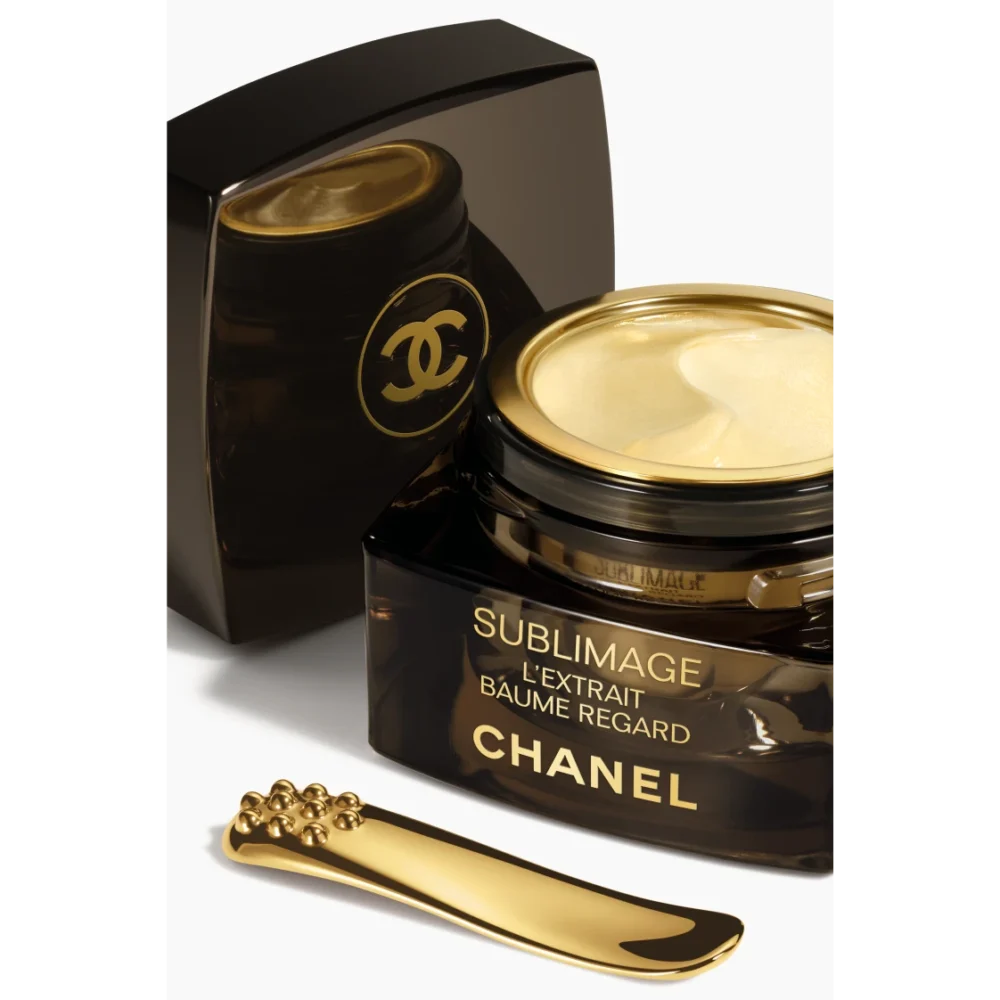
In the premium segment, the value of a cosmetic product is shaped not only by its ingredients and claimed effects, but also by its texture, scent, packaging, method of application, and ritual. Ingredients such as gold, pearls, or caviar therefore serve both symbolic and sensory functions. Luxury beauty combines functionality with experience.
6. Beauty integrates with wellness
Skincare, treatments, supplementation, perfumes, sleep, relaxation, and healthy aging are increasingly forming a single wellness ecosystem. For luxury beauty, this means a shift from a single aesthetic effect towards a comprehensive approach to appearance, health, and well-being.
7. Technology increases the value of the expert
AI and diagnostics can automate analysis and personalization, but at the same time, they increase the importance of the human who can interpret the data and translate it into recommendations and care. In premium services, the advantage may therefore be built not by technology alone, but by the combination of technology with the specialist’s expertise, continuity of relationships, and individual attention.
Luxury doesn’t disappear. It changes location
All these trends lead to a similar conclusion. We are not witnessing a simple replacement of the handbag with a cream. The luxury consumer has not lost interest in fashion, jewelry, or accessories. There is still very strong demand for rare, collectible, and recognizable items.
However, the justification for some purchases is changing.
That’s why a luxurious cream with gold, caviar, or advanced ingredients is not just another example of an overpriced cosmetic. It’s part of a bigger shift. The market is trying to answer the question of what the modern consumer expects from luxury when they no longer need another status symbol.



Leave a Comment