

The best restaurants in Budapest – top 10 for 2026
Budapest in 2026 is no longer just about goulash and langos. There are now around 36 Michelin-recommended restaurants in the Hungarian capital, including 6-7 with stars (although none with three stars yet). Stand has remained the city’s only two-star address since 2022. The numbers may seem modest compared to Vienna or Prague, but that’s exactly where the charm lies: each venue has its own distinctive story.
Why does Budapest feed the imagination?
What makes the city a culinary destination in its own right? Seasonality and local suppliers are no longer just marketing buzzwords—chefs truly visit farms around Lake Balaton. Wines from Tokaj are making a comeback, and the classic “napi menü” (set of the day) shares tables with fine dining-style tastings. Value for the guest? In our ranking, you’ll find both white tablecloths and atmospheric bistros from the Time Out list, because the true image of Budapest is precisely this imperfectly matched mosaic of flavors.
How was our top 10 created?
When selecting the ten best restaurants in a city that boasts several hundred venues, from bistros to Michelin-starred fine dining establishments, it was essential to prioritize reliability. That’s why I relied on three main sources, each weighted differently.
Sources and weights
Michelin Guide Hungary 2025/2026 served as the foundation, as its ratings are consistent and transparent. Since the first Hungarian star (Costes, 2010), the system has stabilized and today Budapest has around 36 Michelin recommendations, including 6-7 starred establishments. Stand has held two stars since 2022 and remains the only two-star restaurant in the city; no venue in Hungary has yet earned three. I also included the Green Star and Bib Gourmand symbols, which indicate sustainability and good value for money.
The second source was Time Out Budapest and local food blogs, which are better at spotting new trends, such as the growing plant-based offerings or hotel fine dining. The third is Google and TripAdvisor, where consistently high ratings (from 1,000 to 5,000+ reviews at popular venues) confirm the impressions.
Selection criteria
Apart from the stars, diversity mattered: modern Hungarian, Jewish-Hungarian, fusion. The key was the coherence of the entire experience, meaning:
- quality of the cuisine (ingredients, execution, creativity)
- level of service (not pushy, but competent)
- card win matched to the menu
- availability (ease of booking, though top spots require planning)
- value for money
I also checked for updates for the 2025/2026 season, as some venues have changed their concept or head chefs. As a result, the list combines icons with interesting new spots that are truly worth visiting.
The best restaurants in Budapest – top 10
Budapest is a place where goulash meets molecular gastronomy, and pre-war cafés stand side by side with rooftops serving fusion cuisine. It may sound like marketing talk, but it’s simply the result of centuries of blended influences and several decades of intense restaurant scene development.
From paprika to fine dining
The flavors of Hungary are a tapestry of unexpected influences. Paprika, now a national symbol, arrived with the Ottoman Turks in the 16th century, along with techniques for stuffing vegetables. The Habsburgs added French methods, sour cream, and schnitzels. The famous goulash only became an icon in the 19th century, when the nobility needed something distinctly Hungarian to counter Austrian dominance. Then came the golden age of cafés (turn of the 19th and 20th centuries), Gundel building bourgeois cuisine from 1910, and later… the communist era and canteen-style simplifications that froze culinary ambitions for decades.
Trends that shape the capital’s taste
The true renaissance began after 1989. A return to craftsmanship (mangalica, Tokaji), ruin bars as an urban phenomenon, and finally Michelin: the first star in 2010 for Costes, since 2022 a full guide for Hungary, and Stand with two stars from the same year. Today in Budapest you see:
- modern reinterpretations of goulash and somlói (sometimes unrecognizable)
- wine lists from 200+ labels, mainly local
- Green Star and genuine commitment to sustainability
- an explosion of plant-based options (not just for vegans)
- Nikkei rooftops and hotel fine dining
- Time Out Market as a gastro hub with several concepts under one roof
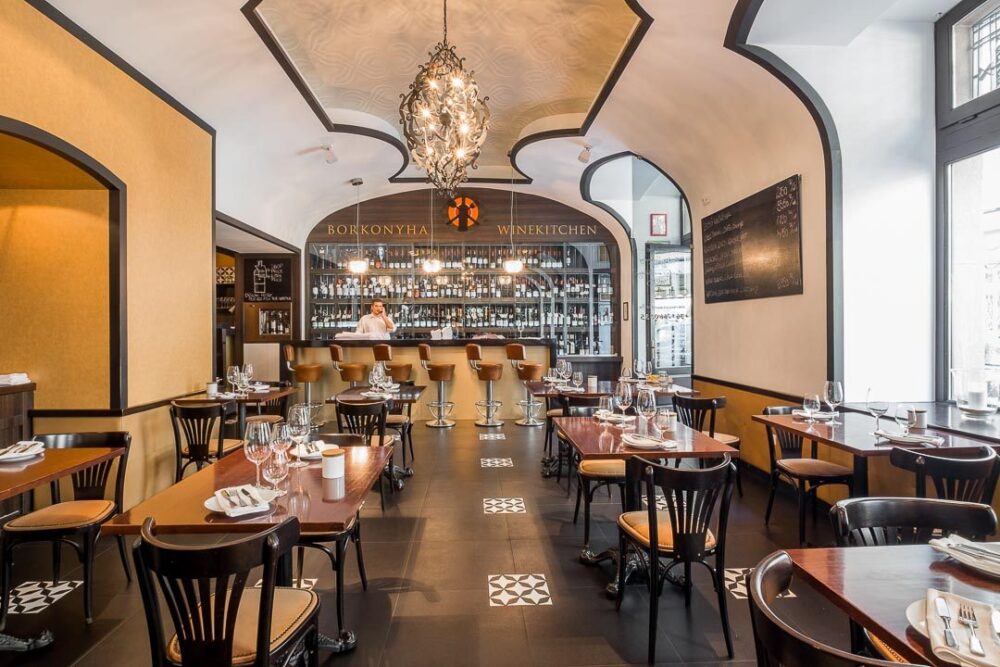
Honestly, what has been happening in the capital over the past five years is an acceleration that’s hard to keep up with, let alone describe. The Top 10 ranking below shows just how wide the range of possibilities is today.
Top 10 restaurants in Budapest
Below are places worth booking right now. Some require planning a month in advance, while others can welcome you as soon as this evening.
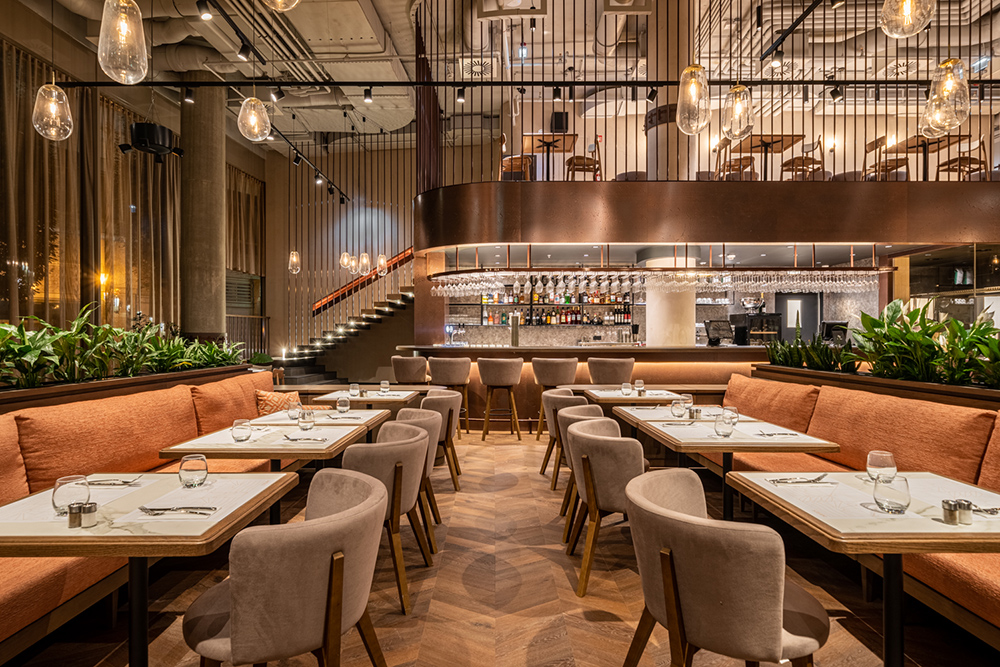
- Stand (2*) – the only two-star venue in Budapest. Tamas Széll and Szabina Szulló serve a creative tasting menu based on Hungarian products; expect €150-250+ for the full experience.
- Costes (1*) – the first Hungarian restaurant to earn a Michelin star (since 2010), still going strong. Sophisticated signature cuisine, around €100-180 for the menu.
- Borkonyha Winekitchen (1*) – a wine list featuring over 200 selections and a cuisine based on local seasonal ingredients. Tasting menu €120-200.
- essência – Tiago & Éva (1*) – a Portuguese-Hungarian combination that really works. Intimate, warm, around €100-150.
- Babel (1*) – Carpathian influences, wild game, foraging. Unconventional flavors for €110-180.
- Rumour by Jenő Rácz (1*) – chef’s table concept, intimate, only a dozen or so seats. Book in advance; €150-220.
- Salt (1* + Green Star) – Nordic-Hungarian fusion with an emphasis on sustainable products and foraging. €120-190, worth it for the zero waste philosophy.
- Rosenstein Vendéglő – classic Jewish-Hungarian cuisine without stars, but with soul. Goose, kugel, a family atmosphere. Main courses €10-18, generous portions.
- Beerstro 14 – a steakhouse with high ratings and no pretensions. Meat, beer, simple happiness. €12-22 per dish.
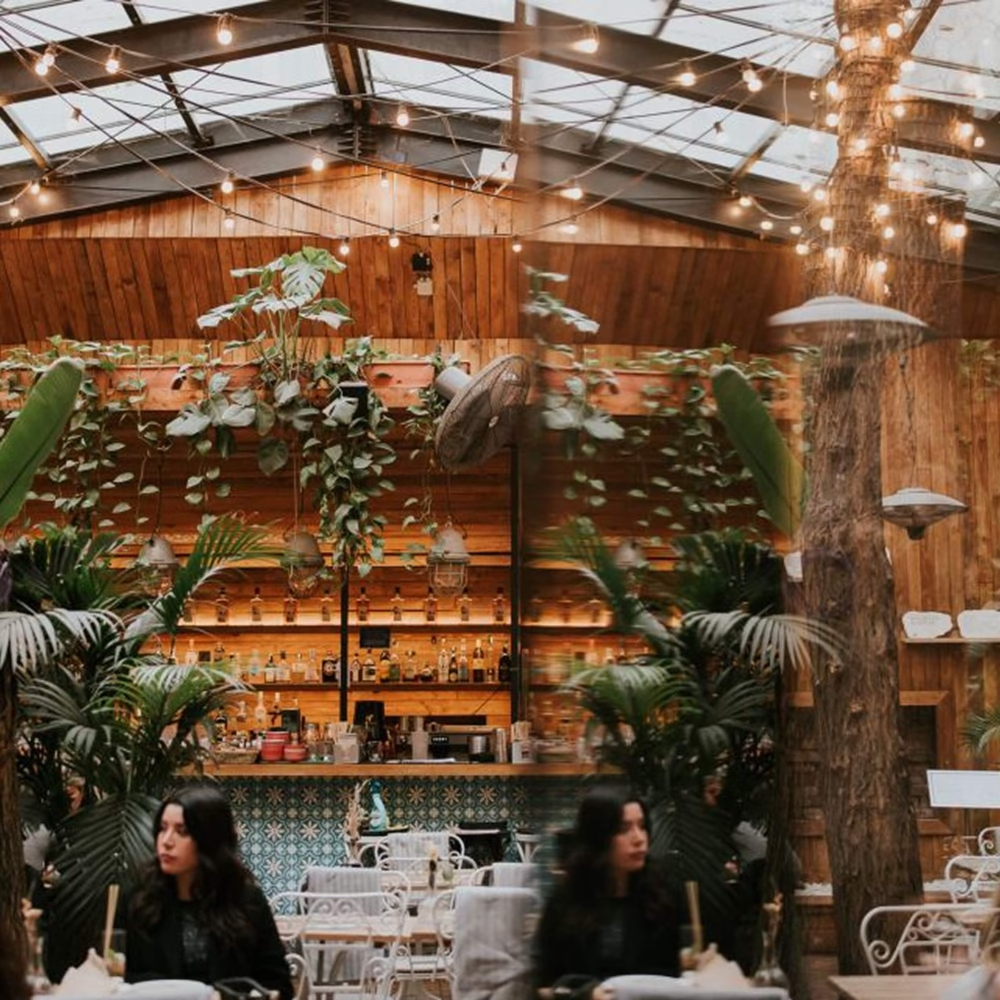
- Mazel Tov – a popular casual spot in the Jewish Quarter, perfect for relaxing after a full day of sightseeing. Mediterranean menu, courtyard with string lights, €10-20.
Check for seasonal menu changes, especially at starred establishments. Spring and autumn often bring the most interesting selections.
How to eat in Budapest?
In Budapest, you can enjoy an incredible goulash for next to nothing or spend a fortune on a tasting menu. But even the best restaurant is pointless if you can’t get a table or show up in slippers where everyone else is wearing blazers.
Reservations and dates
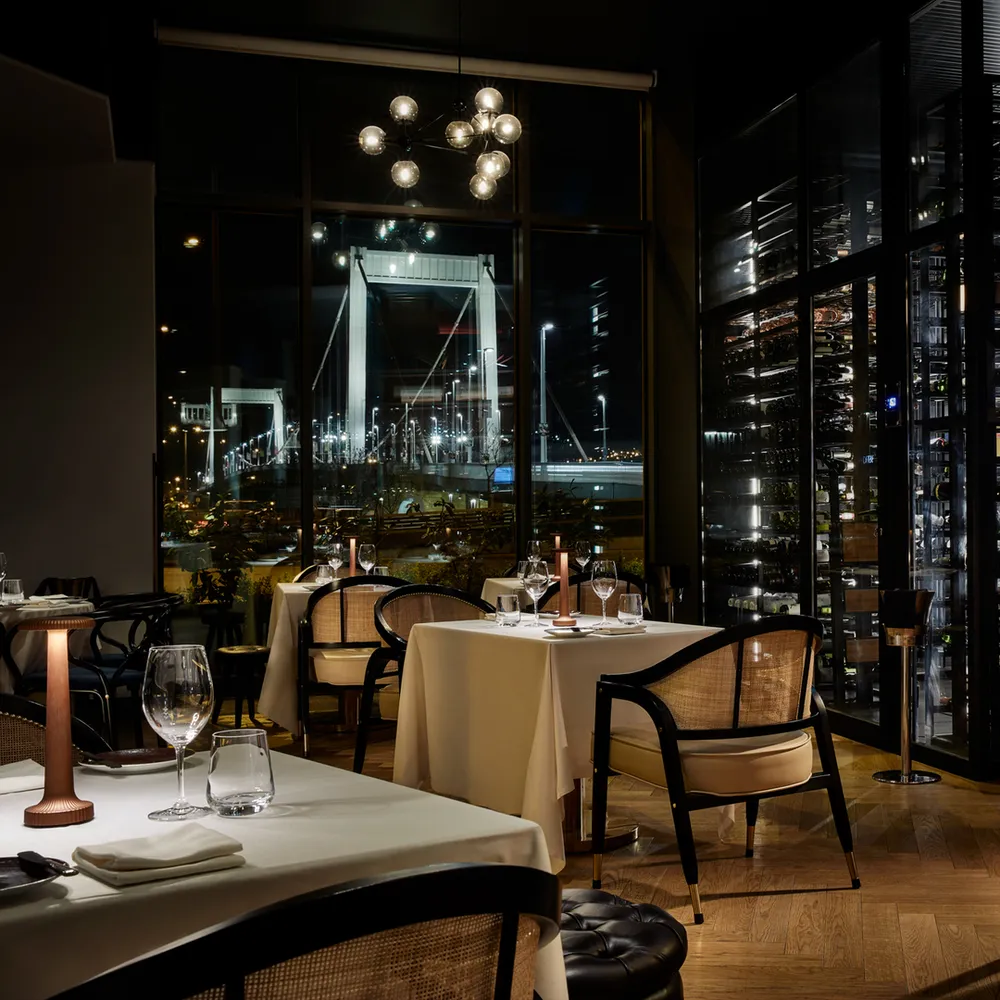
Book starred places like Costes or Stand at least 2-3 weeks in advance, especially for an evening on the weekend. Check their official websites or call directly (some don’t work with apps). Popular casual spots near the Basilica? Here, a few days is enough, but on Friday evening you still might not be lucky.
Lunch windows are shorter and it’s easier to get a table. So if you want to try an expensive place for less, look for the “napi menü” (set lunch menu), often at half the price of the evening menu.
Budget and sensible choices
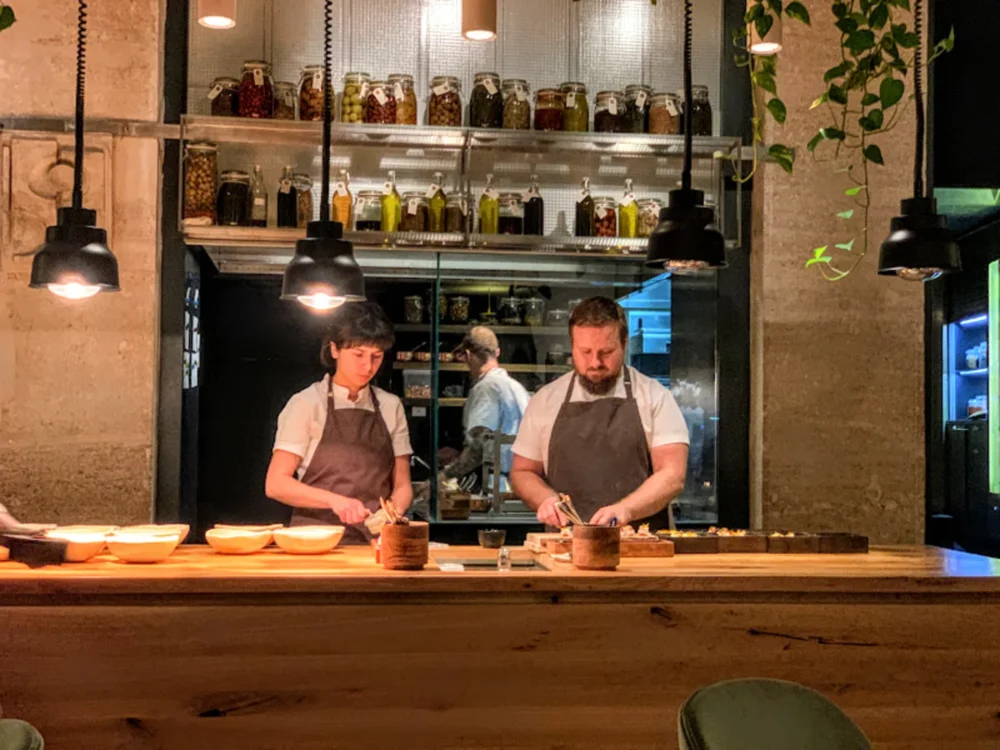
Casual bistro or ruin bar? You can expect a main course to cost around €10-20. Fine dining is a different league: tasting menus start at €100 and easily reach €250+, and if you add wine pairing, the price goes up even more. Chef’s table or a rooftop with a view may cost extra.
Vegetarians and people without alcohol now have it much easier than five years ago. Non-alcoholic pairings are appearing in an increasing number of top venues.
Dress code? In fine dining, the smart casual dress code applies (long trousers, a shirt, but you don’t need to wear a tie). In casual places, you can come as you like, as long as you don’t look like you just came from the beach.
If you don’t have time for reservations but want to try different flavors quickly, check out Time Out Market Budapest or do a round of ruin bars in the Jewish district. The atmosphere there is relaxed, the food is good, and you’ll find a table without stress.
The taste that lingers
Budapest brings together what is most important in the culinary world, namely authenticity intertwined with openness to change. Traditional goulash and langos coexist here alongside modern interpretations that respect grandmothers’ recipes but are not afraid to experiment. That’s exactly why, after returning from Budapest, the taste of these dishes lingers in your memory for a long time.
The city doesn’t try to be another Paris or Copenhagen. It has its own rhythm, its own rules, and a confidence that lets it set its own terms instead of chasing trends. Hungarian cuisine is evolving, but it does so in its own way, without haste or artificiality.
Restaurants featured in this list perfectly embody this approach. Here, food is not just fuel or Instagram content, but a way to tell the story of a place that remembers and respects its roots.
Michael 8






Leave a Comment