

The most important polo tournaments in the world – a fan’s guide
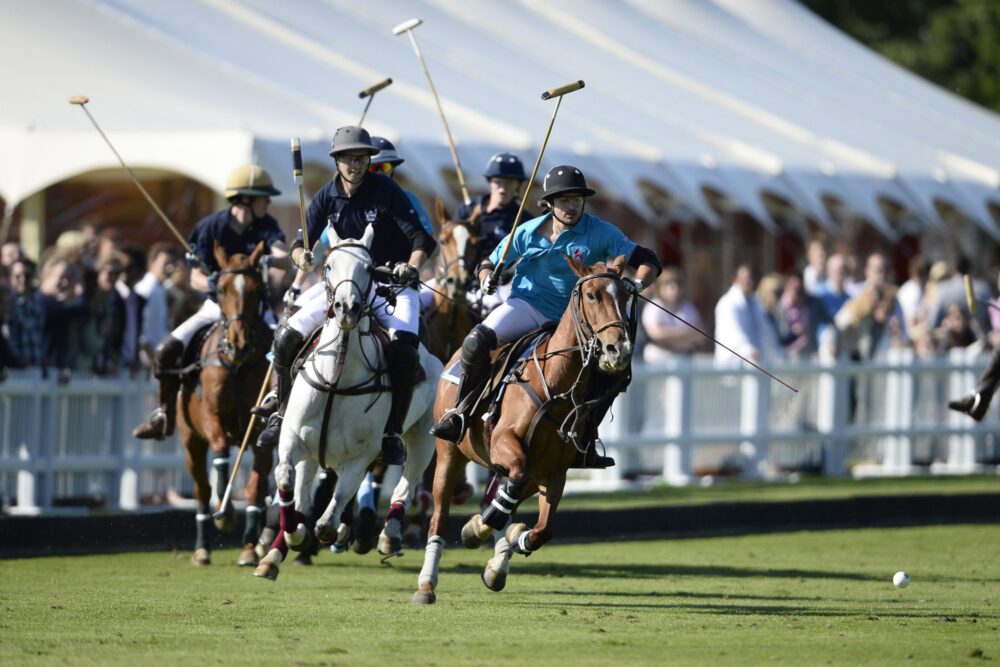
Polo is more than just a sport. It’s a competition between the best players with handicaps reaching 10 goals (the highest possible rating), but also a fashion show, networking opportunity, and a lifestyle. Celebrities fill the stands at the Queen’s Cup in Windsor, while the Argentine Open in Palermo, known as the “cathedral of polo,” attracts 30,000 spectators for a single final match. Behind all of this are organizations such as FIP (International Polo Federation), AAP (Argentine Polo Association), USPA, and HPA, which set the tone for tournaments and uphold standards.
And now, real highlights await us. The FIP World Championships 2026 will take place in Dubai, while the British Open will celebrate its 70th anniversary also in 2026. The excitement is building, the calendar is filling up, and we intend to show you how it all works from the inside.
The most important polo tournaments in the world
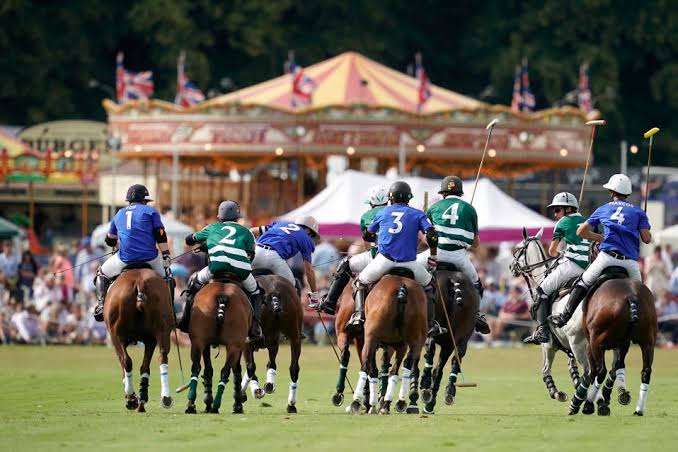
Before you start cheering, it’s worth understanding the basics, because otherwise a score of 12-9 won’t mean anything to you. Polo is a team sport in which 4 players compete against 4, and the match is divided into chukkers (about 7 minutes each). Usually, we play 4-8 chukkers, depending on the level of the tournament. Horses are changed every chukker, sometimes every 2, because the animals get tired.
Handicap and teams
The handicap in polo ranges from -2 to 10 goals per player. The better the player, the higher the handicap. You add up the handicaps of all four players to get the team’s level (e.g., 18, 24, 36 goals). If one team has a total handicap of 20 and the other 18, the stronger team starts with a minus of 2 goals. A simple mechanism to level the playing field.
Tournament levels
We divide tournaments according to handicap thresholds:
- Low-goal – up to approx. 8-10 goals (amateurs, developmental)
- Medium-goal – 10-15/18 goals (semi-professional)
- High-goal – 17-22+ goals (elite)
- Open/elite – teams up to a total of 40 goals (Argentine Open, US Open)
Top teams are currently playing in the 22-40 range, which means all ten-goal matches or close to it.
World Cup FIP format
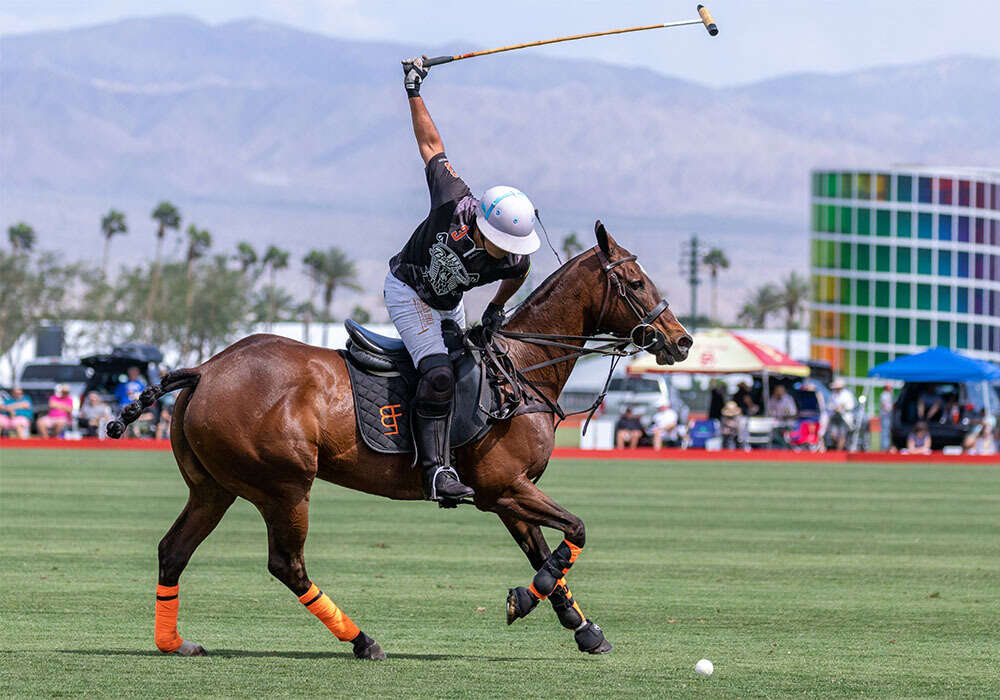
The World Championships use a limit of 10-14 goals for the entire team. Interestingly, the horses are drawn before the match to level the playing field. Unique fair play mechanism that forces players to adapt, not just rely on having the best mounts.
Elite open club tournaments
“Open” tournaments in polo are something different from standard league matches. Here, it’s all about prestige and handicap: the best of the best can play, regardless of nationality, as long as the club fields a team at the required level (often 22-40 goals). They are organized by the AAP (Argentina), USPA (USA), and HPA (United Kingdom), and each of these tournaments is the highlight of the season.
Argentine Open, or the cathedral of polo
Since 1893, the Campo Argentino de Polo in Palermo has been known among players as the “cathedral of polo.” In 2025, the 132nd edition was held. La Natividad La Dolfina won the final 17-13 and achieved the full Triple Crown ( Hurlingham, Tortugas, Palermo in a single season). Coronel Suárez has 25 titles, La Dolfina already more than 16, and Adolfo Cambiaso has won the Triple Crown five times. This is a record that will likely stand unchallenged for a long time.
U.S. Open and British classics
U.S. Open (since 1904) is now played in Wellington at the National Polo Center. In 2025, La Dolfina Tamera defeated La Dolfina Catamount 12-8, giving Cambiaso his tenth title. In the United Kingdom, two tournaments reign supreme: the Queen’s Cup (since 1960, Guards Polo Club in Windsor, sponsored by Cartier) and the British Open ( Cowdray Gold Cup, since 1956). And, in 2026, Balanz Capital won the Queen’s Cup, where Cambiaso already has 10 victories. Cowdray is currently celebrating its 70th anniversary, with the edition ongoing*.
| Tournament | Organizer | Place | Launch year | Last champion/result* |
|---|---|---|---|---|
| Argentine Open | AAP | Palermo | 1893 | La Natividad La Dolfina 17-13 (2025) |
| U.S. Open | USPA | Wellington | 1904 | La Dolfina Tamera 12-8 (2025) |
| Queen’s Cup | HPA | Guards (Windsor) | 1960 | Balanz Capital (2026) |
| British Open | HPA | Cowdray | 1956 | 70th edition in progress (2026) |
*Status as of 2026; check for updates before your trip.
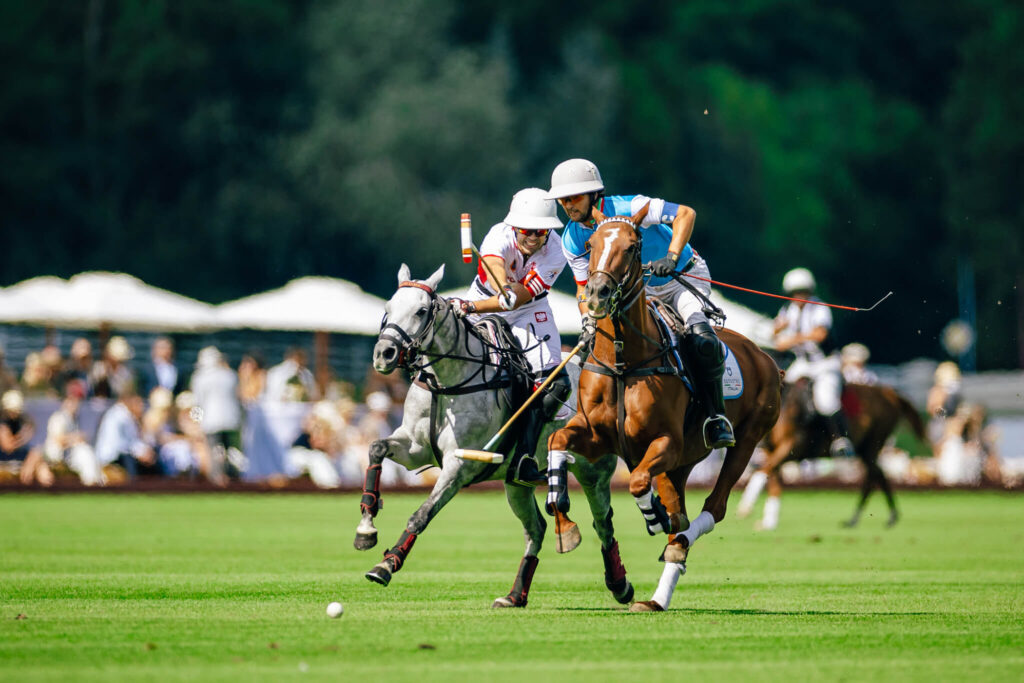
These four events set the rhythm of the global high-goal season and reveal who truly rules the world of polo.
World Championships and the national team scene
FIP – the global guardian of discipline
The Federation of International Polo (FIP) is something like FIFA for our sport. It was founded in 1982 by Argentinian Marcos Uranga, and the real breakthrough came in 1996-1998, when the International Olympic Committee officially recognized it. The mission? To develop polo on all continents and (a dream still alive) someday return to the Olympic Games.
World Cup format: 10-14 goals and drawn horses
The FIP World Championships began in 1987 in Buenos Aires and immediately opted for something different than club opens. The 10-14 goal handicap format levels the playing field, but the real game-changer is the horse draw. Each team receives a pool of horses to use, which eliminates the advantage of wealthier nations. Usually, 8 national teams reach the finals, competing in a group and knockout system.
The most recent title? Spain defeated USA 11-10 after overtime in 2022 (Wellington, Florida). The next edition is scheduled for Dubai 2026, where the Americans have already secured qualification in the preliminaries.
Medal tally (men, up to 2022):
- Argentina – 5 titles
- Brazil – 3
- Chile – 2
- USA, Spain – 1 each
Europe and Poland on the FIP map
In 2025, Sowiniec Polo Club will host the 15th European Championships. A historic edition for the Polish polo community. This shows how the FIP is shifting the sport’s gravity beyond traditional markets. It’s also worth mentioning that in 2022, Argentina organized the first Women’s World Championship, so the international stage is finally opening up to everyone.
New markets, media, and the future of polo
Polo is not standing still and goes far beyond the traditional centers in England or Argentina. New markets and formats are changing the landscape of the discipline, and broadcasts on ESPN or Global Polo allow fans around the world to watch tournaments. Dubai, Miami Beach, and even Poland. These places are appearing more and more frequently in players’ calendars.
Dubai – winter high-goal hub
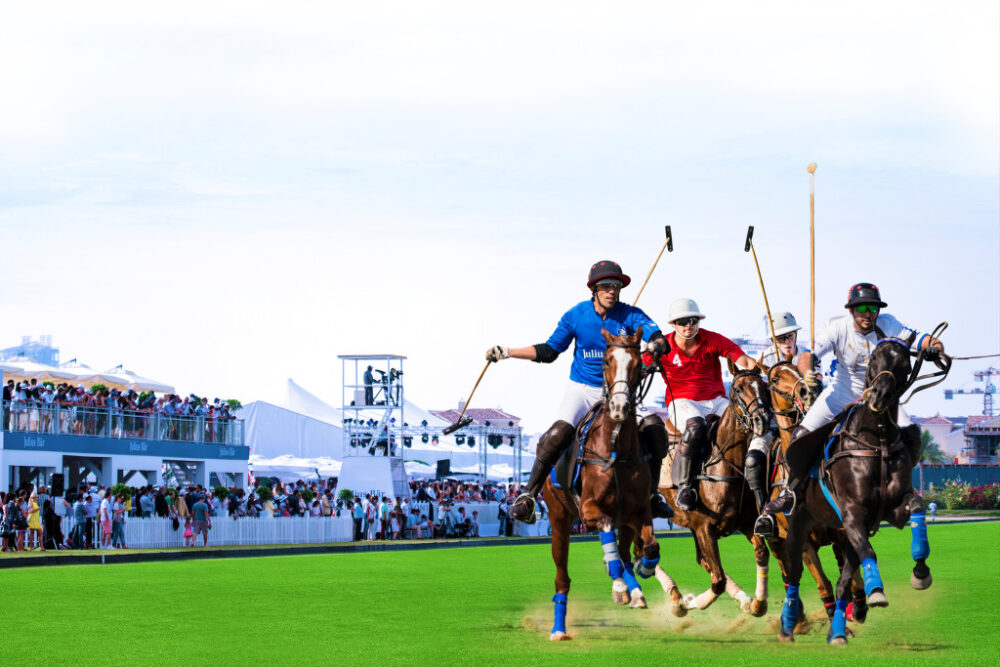
Dubai Polo Gold Cup Series is now one of the key events of the winter season. Al Habtoor Polo Resort hosts several tournaments ( Gold Cup, Silver Cup), attracting stars from Argentina and the finest horses. The Middle East has become a hub for players seeking sunshine and a high level of play between December and March. It’s not just about the matches, but also networking, sponsors like Cartier and St. Regis, and the media impact that allows Dubai to compete with Palm Beach for the title of winter polo capital.
Beach polo – a show on the sand
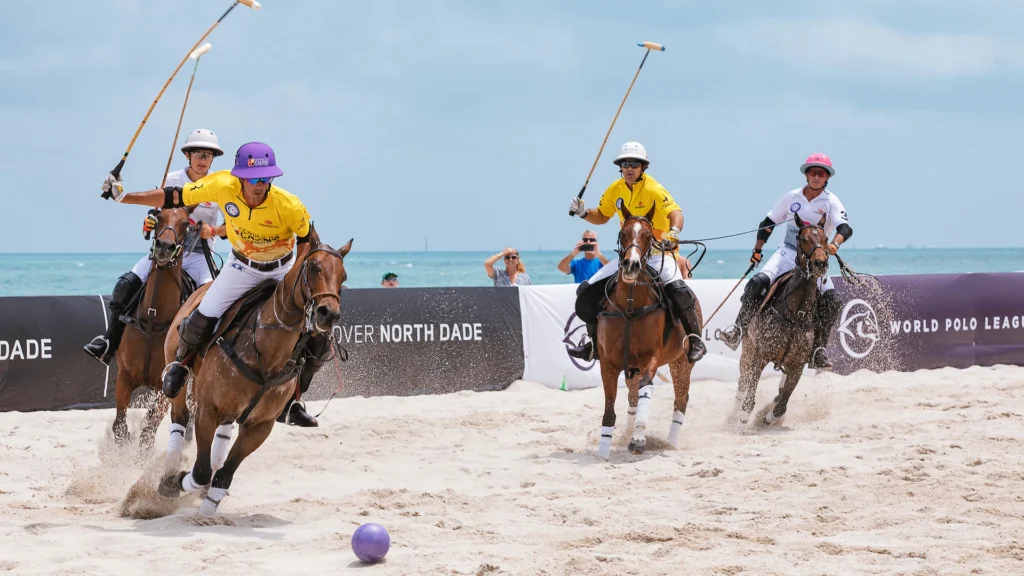
Miami Beach Polo World Cup is a format that combines sport with a beach spectacle. In 2026, the 20th edition will take place, and the tournament attracts crowds of spectators and over 120 horses. Playing on sand requires a different technique, but it creates a unique atmosphere. Matches by the ocean, a casual vibe, and accessibility for an audience that normally wouldn’t visit a traditional club.
Poland and CEE – new points on the map
Since the 1990s, polo has been making a comeback in Central Europe. In Poland, clubs in Sowińiec and Buksza are developing, organizing the Maciej Ziemski Memorial, and the 2025 European Championships in Sowińiec could be a breakthrough for the sport’s visibility. The tourism effect is also growing, as guests combine polo weekends with discovering the region.
Trends and challenges (as of 2026):
- Greater role for women and juniors after the Women’s World Championship 2022
- Globalization of events (Asia, CEE)
- Sustainable horse welfare, the potential of AI in game analysis
- Cost barriers and Argentina’s dominance in top handicaps
- Discussion about the return of polo to the Olympics (historically paused 1939-2024)
Partners such as U.S. Polo Assn. and St. Regis build the event brand, which attracts new fans.
Between Tradition and the New Wave
When we look through the polo tournament calendar, we see an interesting puzzle. On one hand, there are the timeless classics in Argentina and England, which have endured for decades and refuse to give ground. On the other, more and more events are emerging in Dubai, China, or the Caribbean, attracting sponsors and media with their fresh appeal. But honestly? It’s not a life-or-death battle at all.
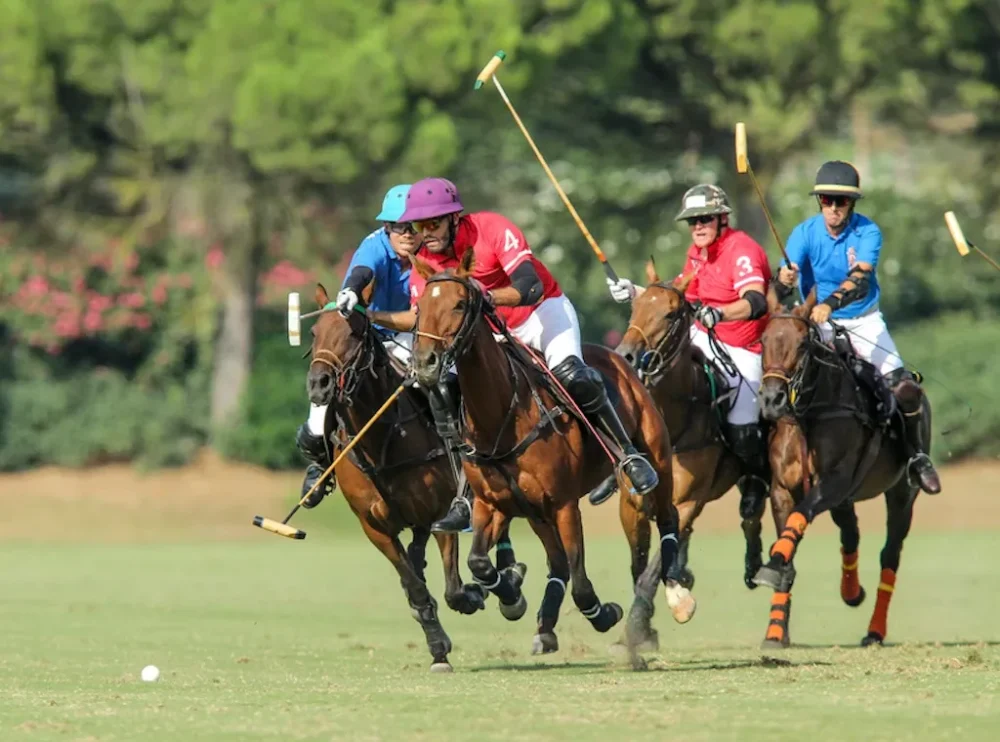
The truth is that both worlds complement each other. Traditional tournaments give polo legitimacy and depth, while the new ones open doors to markets that no one thought about ten years ago. Fans can now follow the season virtually all year round, jumping between continents. It truly changes the way we experience this sport.
Polo wins when it respects its roots, but isn’t afraid to experiment. A simple rule that, so far, works.
Mayk
Luxury Blog editorial team





Leave a Comment