

How to Arrange a Living Room in the Provencal Style – A Practical Guide
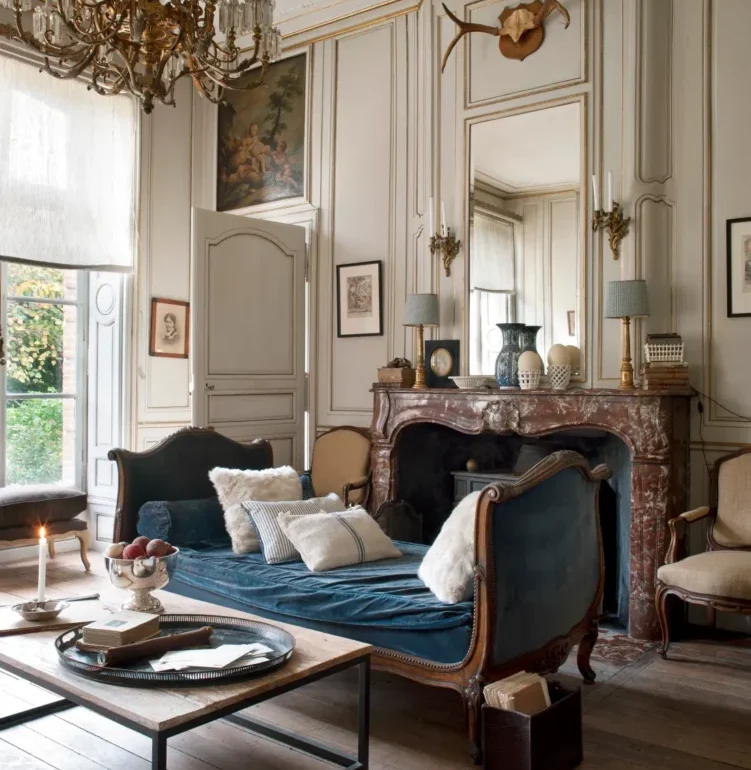
Imagine a lavender field under a tawny, warm sky, limestone walls of farmhouses and wooden shutters bathed in soft light. There’s something soothing about this image, even if you live on the fourth floor in Poznań. That’s exactly what a Provençal living room is all about: romantic simplicity meets subtle elegance, but without unnecessary frills.
Why does Provence suit Polish living rooms?
This style combines a light palette with natural materials and furniture that looks authentic (not the plastic “aged” kind from the supermarket). The result? Bright, cozy spaces that work even in small apartment blocks. In the 2025 and 2026 seasons, there is talk of a “neo-Provencal” trend: sustainable wood, sage green instead of the clichéd lilac lavender, linen beige, and a generous dose of restraint in decorations. Interiors gain more air and fewer plastic details.
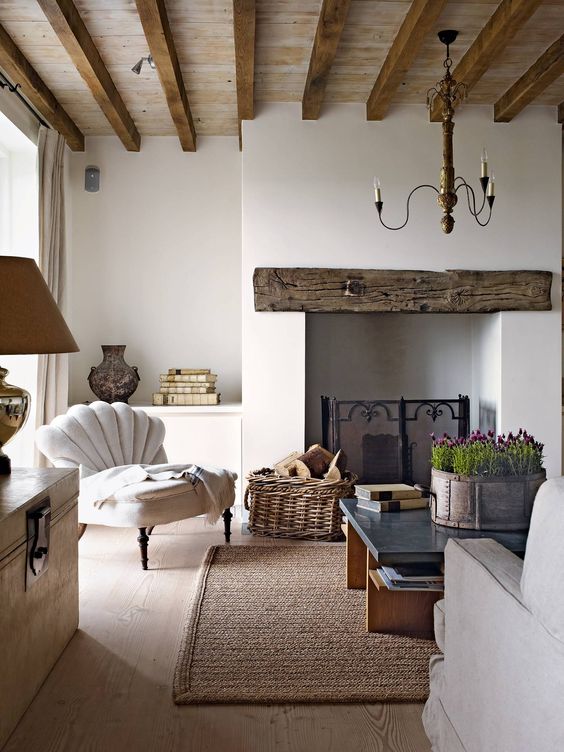
Further in the article, we will go through a specific color palette and materials, furniture layout, textiles, accessories, and layered lighting. Step by step, without resorting to generalities. Because ultimately, it’s all about natural light and natural textures that do the job without screaming for attention.
A palette that sets the mood
Provençal interiors are, above all, a play of light and naturalness. Colors do not dominate here; instead, they create an atmosphere of tranquility, as if the walls and floors wished to give way to the life that fills the space.
Color base and accents for 2026
The foundation is warm whites: vanilla, creamy, ivory shades. Add to that beiges and écru, which visually enlarge the living room and reflect natural light. Pastel accents add character, but without overdoing it:
- lavender and delicate violet,
- sky blues,
- mint and olive green,
- powder pink,
- light gray and sand.
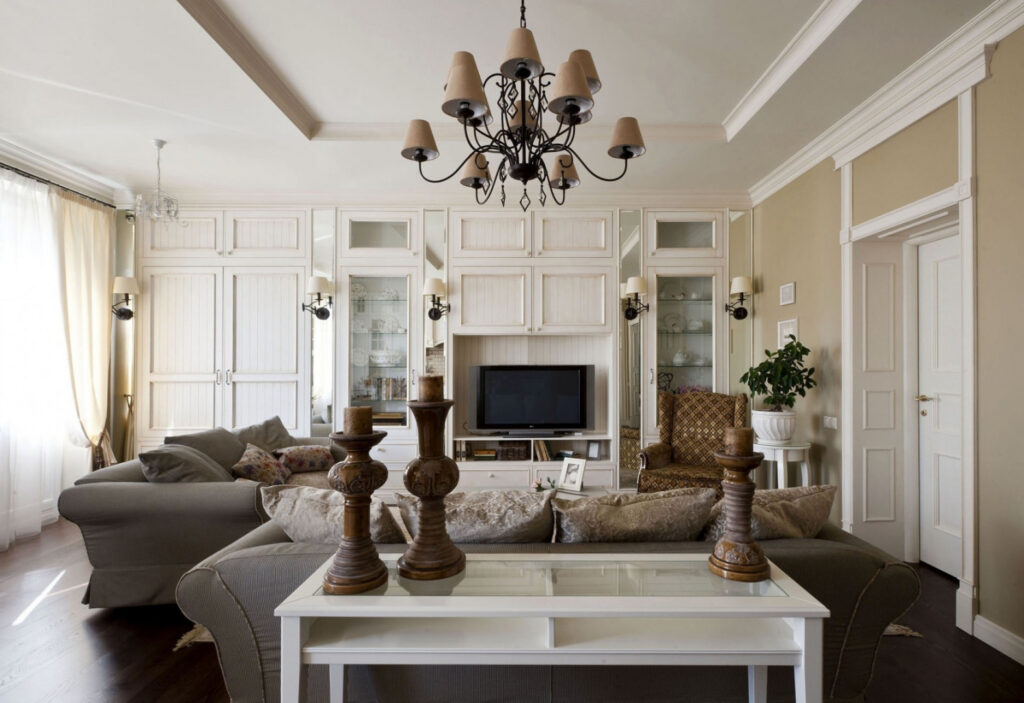
The 2026 trend, known as “neo-Provencal,” moves away from sweet pastels. Nuanced greens ( sage, eucalyptus, olive), linen beige, and cream come into play. Less candy, more authenticity. The rule of moderation applies.
Natural materials and finishes
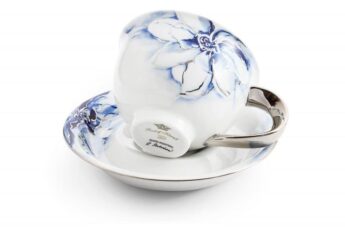
Wood should be light, whitewashed, with visible knots and abrasions, as if it has its own history. Linen, cotton, wicker, and rattan are essential. Stone and terracotta work especially well on floors. Ceramics (Moustiers, Vallauris) and wrought metal details add authenticity.
Walls? Lime plaster or matte paint in warm whites. The floors are light oak boards or terracotta.
The starting budget is roughly 200–400 euros for paint and 300–1000 euros for flooring or beams, of course depending on the quality and scope of work. It’s worth starting with the basics; the rest will come with time.
How to arrange a living room in the Provençal style?
Furniture in a Provençal living room are not just pieces, but carriers of the entire atmosphere. Look for furniture made of solid wood—walnut and oak work best. Whitewashed surfaces or natural patina give them that distinctive vintage look. Curved legs, delicate carvings on the fronts, wrought handles—these details make all the difference. Importantly, authentic signs of use look better than artificial abrasions from furniture stores. If you come across an old chest of drawers with real wear, you’ve found a treasure.
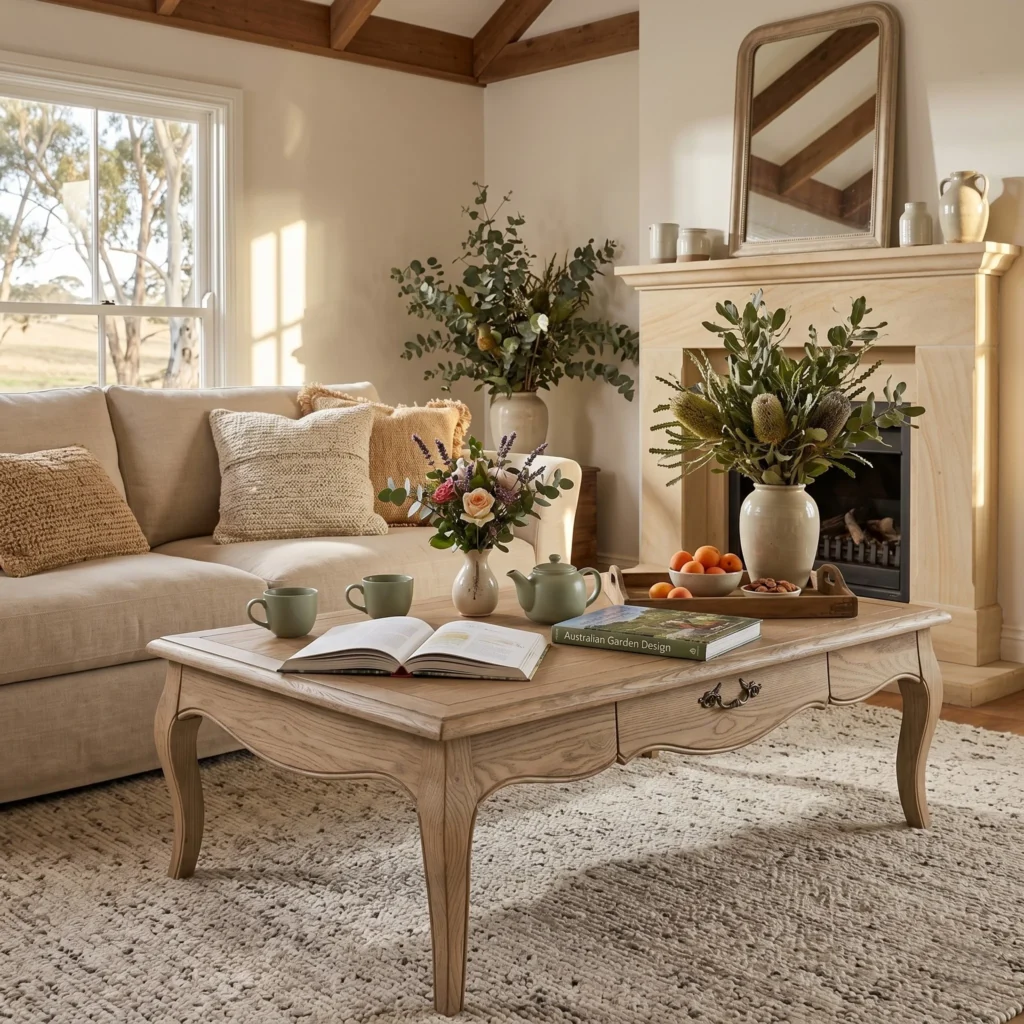
The fireplace serves as a natural focal point of the living room. If you have one, arrange the sofa and armchairs facing the hearth, with a coffee table in the center to create an intimate conversation area. No fireplace? A mantelpiece with a console and candles works similarly. Sofas upholstered in natural linen, armchairs with faded floral patterns — everything should invite you to sit down. A display cabinet for porcelain by the wall, a console table under the mirror in the hallway.
Historical names can serve as inspiration: radassier (Provençal sofa), armoire (imposing wedding wardrobe), pétrin (dough chest). You don’t need to look for originals from the 18th century—a modern interpretation is enough.
Solutions for small living rooms
In compact spaces, choose lighter forms. Furniture with open, visible legs visually lightens the interior. A large mirror in a decorative frame enlarges the room and reflects light. Maintain clear transitions between zones—don’t fill every corner to the brim.
The trend for 2026 is moving towards cleaner lines and fewer “sugary” details. Opt for unique craftsmanship instead of mass production, but without losing that Provençal warmth.
Textiles and decorations
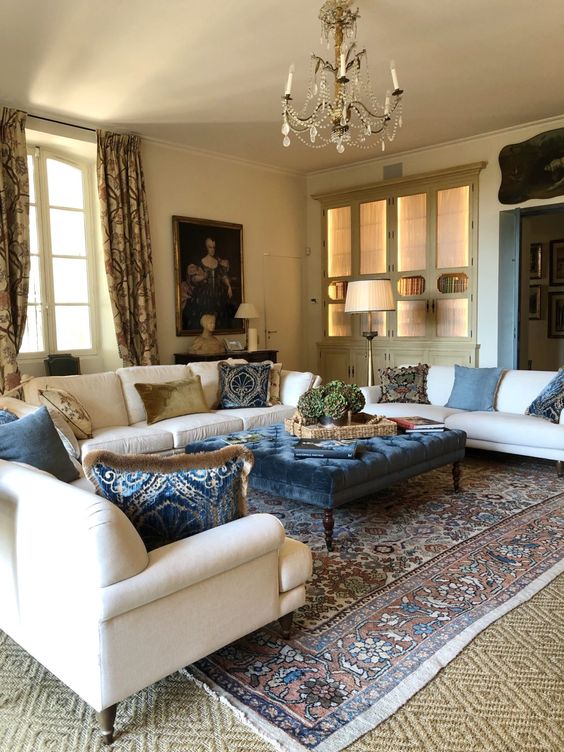
In a Provençal living room, it’s the textiles that create that distinctive, cozy atmosphere. Linen and cotton prevail, ideally in natural shades of white, beige, blue, or lavender. Curtains should be light and airy, often slightly wrinkled (that’s not a flaw, it’s a feature!). You can enliven cushions and throws with patterns: tiny florals, classic vichy checks, or thin stripes. Importantly, don’t use everything at once—choose a maximum of two motifs.
Boutis and fabric layering
It’s worth discovering the “boutis,” a traditional quilted throw from Provence. This is hand-stitched quilting that you can add to your sofa or armchair as an extra layer. It doesn’t have to be an antique—contemporary versions work just as well. You can layer fabrics: a throw on the backrest, cushions in various sizes, a linen coverlet. But here’s the catch: remember moderation, as it’s easy to cross the line into overwhelming kitsch.
Decorations and greenery without excess
Mirrors in light, slightly aged frames will visually brighten the living room. Ceramics ( especially Moustiers or Vallauris) look great on shelves, as do wicker baskets. Paintings with Provençal landscapes or botanical prints add character, but just a few pieces are enough—no need for a whole gallery.
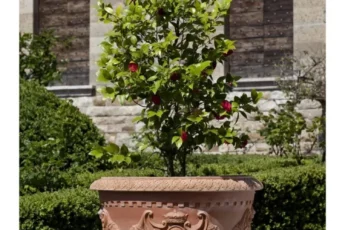
You introduce greenery selectively: pots with rosemary, thyme, maybe a single lavender. Dried bouquets in a jug make a nice touch. Just be careful not to let lavender motifs dominate the interior; plastic accessories and an excess of distressed finishes are a shortcut to kitsch. Layering is good, but it should be thoughtful.
Light that paints the interior
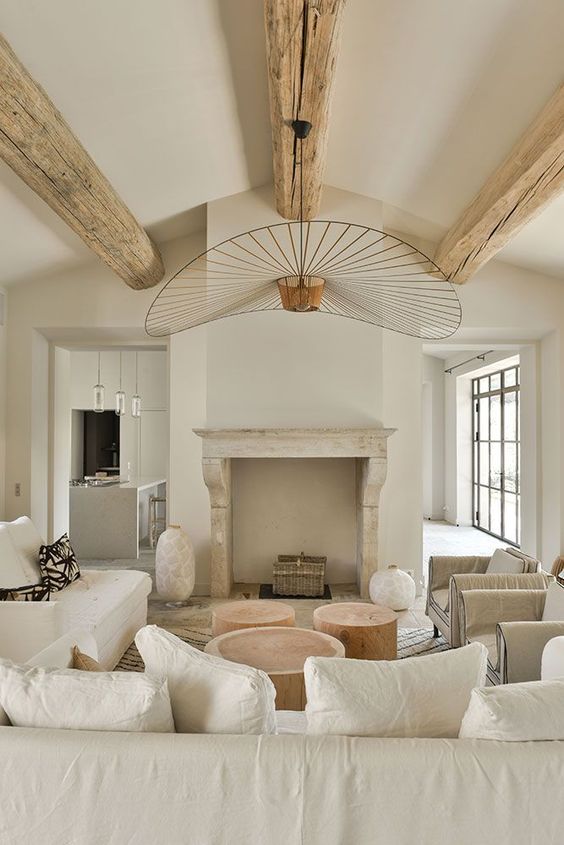
In a Provençal living room, light is not an accessory. It is the foundation of the entire interior, something that determines whether the space truly breathes with southern lightness or merely looks like an attempt at styling. Without the right light, even the most beautiful furniture and fabrics won’t come to life.
Daylight and the effect of mirrors
Nothing can replace natural light. Large windows, preferably uncovered or dressed with light linen or cotton curtains, are essential. Heavy drapes block the effect of freely flowing rays that give the interior its character.
Mirrors placed opposite the windows multiply the light, visually enlarging the living room. It’s a practical trick, not just a decoration. Bright surfaces of walls and furniture enhance the effect, reflecting the rays and dispersing them throughout the entire room.
Layered lighting plan
In the evening, a well-thought-out arrangement of artificial light sources is needed:
- Main lighting: chandelier, either wrought or crystal, as a central accent, slightly decorative but not overdone.
- Indirect lighting: wall sconces made of frosted glass or ceramic, softly scattered along the room.
- Spot sources: table and floor lamps with linen or ceramic lampshades, placed next to a reading chair or beside the sofa.
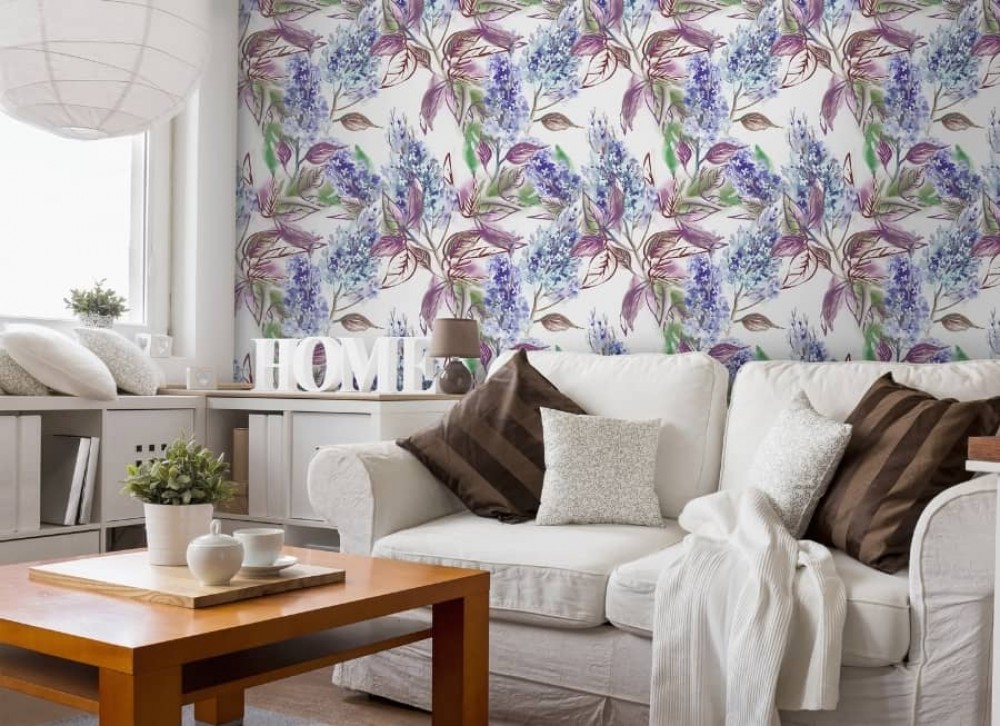
The key is a warm color temperature of around 2,700 K, which evokes the luminous afternoons of Provence rather than a cool fluorescent light. Different sources allow you to create a scene, switching between reading and relaxing by candlelight (which enhances the mood, though adds little functionally).
Choose durable, artisanal frames. In 2026, understated elegance and moderation in crystal embellishments matter.
Provençal harmony at your fingertips
The Provençal style is really a way of thinking about space, not a shopping list to be completed. Once you understand that it’s about balancing simplicity and warmth, not about buying more lavender cushions, everything becomes easier. It’s a combination of light, natural materials, and colors that don’t shout, but rather whisper of southern France.
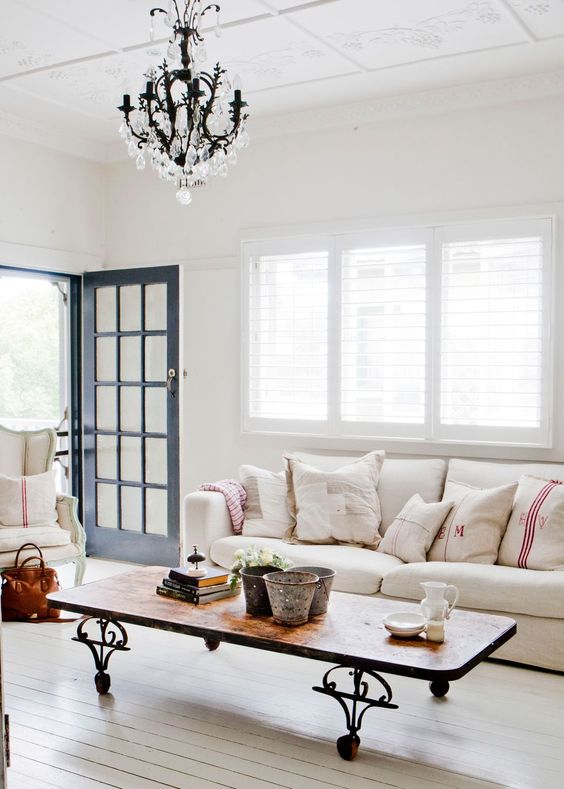
The best part about all this? You don’t have to change your entire living room at once. Light paint on the walls, a few linen fabrics, maybe a vintage wooden table found at a flea market. You start with one change and see how it feels. Provence isn’t a sprint, it’s a stroll.
And that’s exactly why this style works, even if you live in an apartment building in the city center. After all, it’s all about creating a place where you simply want to be.
Anna 90
editorial team Lifestyle & Products
Luxury Blog




Leave a Comment