

Cristal Champagne: history, style, prices, and special editions
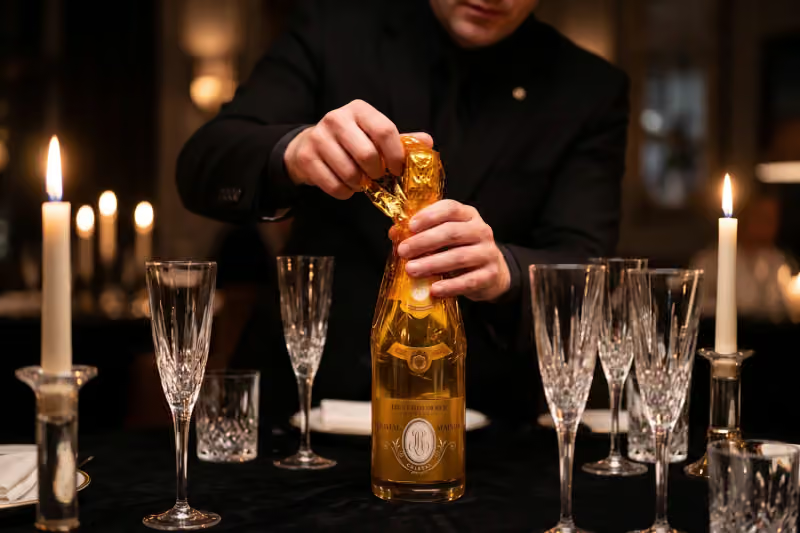
A transparent bottle with a flat bottom, a gold label. This is Cristal champagne, created in 1876 for Tsar Alexander II, who feared assassination attempts even in a bottle of champagne. Today, that same clarity, wrapped in cellophane to protect against UV rays, is synonymous with absolute luxury.
In 2026, there will be a double anniversary: 250 years of Maison Louis Roederer (founded in 1776) and exactly 150 years of the “legendary Cristal champagne.” It’s a perfect moment to revisit this story. But there’s another reason. Since 2012, all the fruit for Cristal has come from biodynamic cultivation, which in the world of grand cru is like a silent earthquake. Today, Cristal combines minerality, precision, and finesse with an ecological boldness that few prestigious houses would dare to pursue.
This is a vintage Brut, produced only in the best years. Not mass production, not a compromise. Cristal remains a topic of conversation because it has not bowed under the weight of its own legend. It evolves, but remembers where it came from. From the Romanov court to pop culture, from Paris to rap music videos. And it still tastes like the transparent idea of luxury.
From the Romanov court to pop culture
Cristal has journeyed from the tsar to the rapper, and in fact, these two worlds are not as far apart as they might seem. Both are connected by the same code: exclusivity, a display of status, and, to be honest, a touch of provocation.
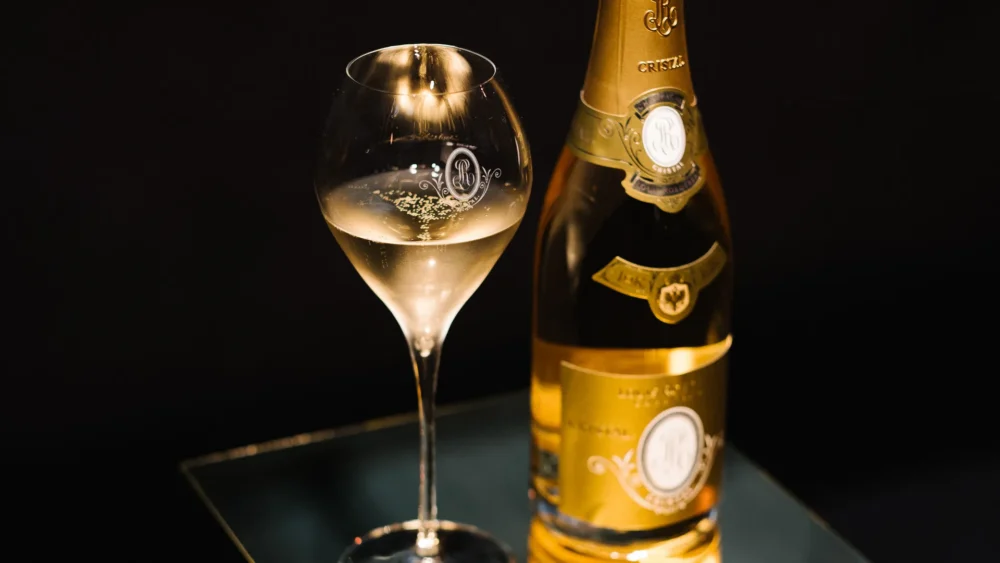
Cristal milestones
- 1776: Louis Roederer establishes a Champagne house in Reims.
- 19th century: About one third of the production goes to the Russian court, including Tsar Alexander II.
- 1876: A private cuvée for the tsar in a transparent bottle with a flat bottom and a gold label. Security (no concave bottom where it’s easy to hide a charge) and prestige in one.
- 1917: The Bolshevik Revolution interrupts trade with Russia.
- 1945: Cristal’s commercial debut after the war, available to a new elite. The golden cellophane wrapper now protects against UV.
- 1974: Jean‑Claude Rouzaud introduces Cristal Rosé, a pioneering rosé with a refined “infusion” of the skin.
- 1990–2000: Hip-hop discovers Cristal. Mentions by Jay-Z, 50 Cent, and Tupac transform the tsar of champagne into a symbol of new wealth.
Controversy and icon status
2006 brought turmoil. A statement to The Economist about hip-hop’s “unintended attention” sparked a boycott announced by Jay-Z. The Maison issued several conciliatory statements, but honestly, in the long run, neither sales nor prestige suffered. Cristal remained an icon of luxury on both sides of this cultural divide.
2026 will bring a double anniversary: 250 years of the Maison and 150 years of Cristal. Anticipated tastings and special editions will remind us that some things endure everything.
How is Cristal made?
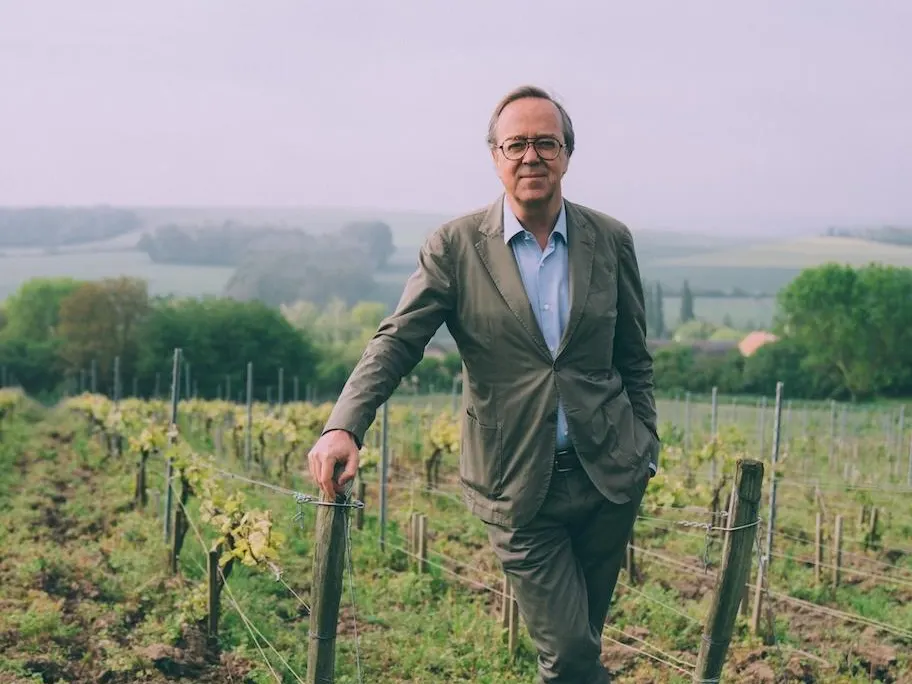
Cristal is made exclusively from grapes grown on plots classified as Grand Cru and Premier Cru, mainly from Côte des Blancs, Montagne de Reims, and Vallée de la Marne. For decades, Louis Roederer has been acquiring the finest parcels and, since 2012, has switched to biodynamics, at least for Cristal. Harvest? Only by hand, of course.
Blending and vinification
Cristal is a blend of vintages, produced only in the best seasons. The typical composition is:
| Ingredient | Participation |
|---|---|
| Pinot Noir | 55-65% |
| Chardonnay | 35-45% |
| Malolactic fermentation | often overlooked |
| Fermentation | partially in wood |
Parcel vinification means that each plot matures separately, and only later do the winemakers create the final blend. The absence of full malolactic fermentation (the second fermentation that softens acidity) preserves freshness, while partial use of wood provides structure without overwhelming toastiness.
Ripening and parameters
Cristal Brut matures for at least six years on the lees in the cellar, then waits at least another eight months after disgorgement. Dosage (added sugar) is just 7-10 g/l, practically Brut Nature in the world of luxury champagnes. The alcohol content hovers around 12-12.5%.
Taste? “Crystal” purity really makes sense. White fruits (apple, pear), citrus, white flowers, a delicate toastiness. The perlage is very fine, almost hypnotic. And longevity: 20-30 years, sometimes even more if stored under proper conditions.
The transparent bottle with a flat bottom and gold UV wrap is not just a decoration, but a visual identifier that Cristal has carried since the 1870s. Even on the shelf, it looks different from anything else.
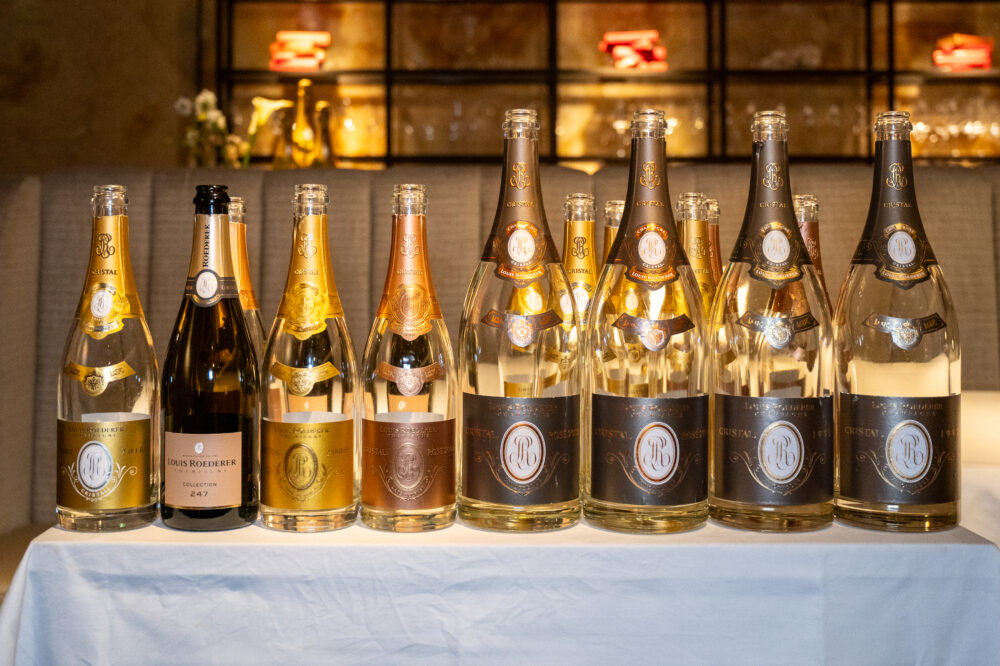
Special editions and annuals making headlines worldwide
Louis Roederer launched special programs to showcase the different facets of Cristal and prove that this champagne can age beautifully. And they actually succeeded.
Cristal Rosé
The first edition was released in 1974, but since then there have been only about 25 editions. Rare? Absolutely. The whole process is based on so-called infusion, meaning a long, cool maceration (5-10 days) and co-fermentation with Chardonnay juice. It sounds simple, but it requires precision to extract color and tannins without bitterness. Old Pinot Noir from Aÿ provides that characteristic salinity and structure, while Chardonnay from Avize and Le Mesnil adds finesse. The result is delicate, almost shy compared to other rosés.
Late Release and poignetage technique
Let’s take the 2008 vintage as an example, which spent about 13 years on the lees. Just before disgorgement, they use poignetage, which means shaking the bottles to stir up the sediment and enrich the texture with umami notes. Usually, we also get a lower dosage, which sharpens the profile. This is not a champagne for a quick pop, but rather for contemplation.
Vinothèque and vintages on the critics’ lips
Vinothèque are library vintages disgorged after 15-20+ years (sometimes even longer). Examples: 2004, 1997, 1995. They mature sur lattes, then sur pointe, and finally under cork. The result? Freshness blends with pastry complexity and salty minerality. Quantities are ridiculously small.
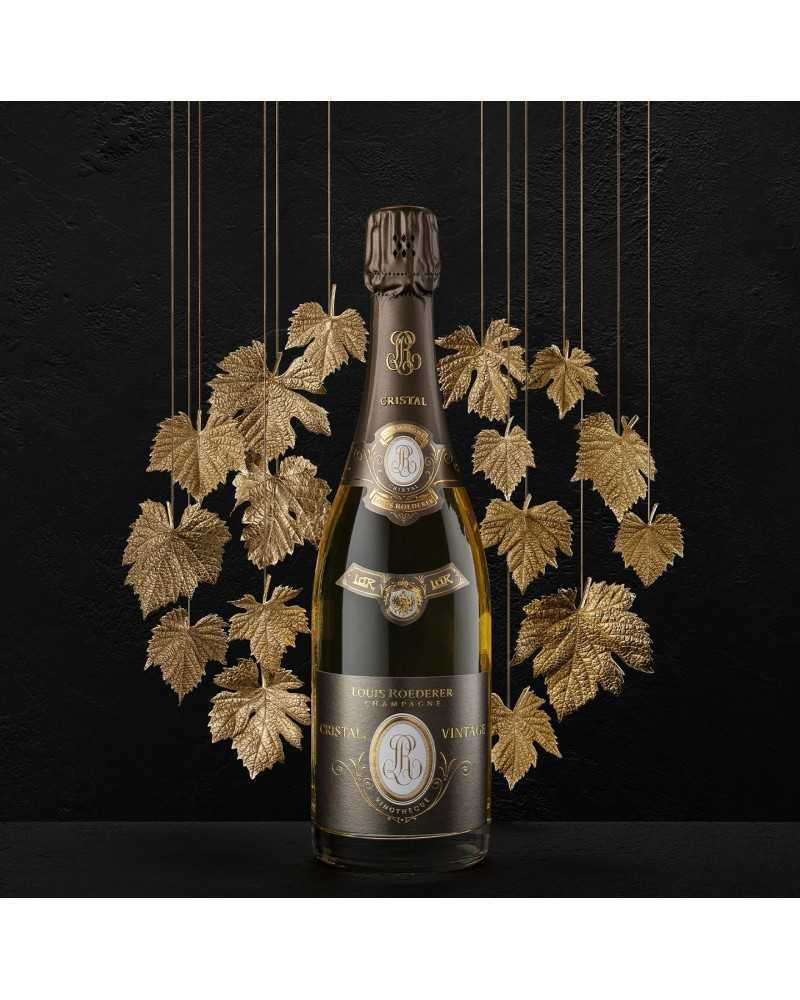
From the most recent vintages, 2016 received 100 points from Jeb Dunnuck for its finesse and salinity, while 2015 was more mature and opulent. And 2018 (57% PN, 43% Ch, partial barrel) shows the influence of warmer years: earlier harvests, an emphasis on preserving freshness. The climate is changing, Cristal is trying to keep up.
Prices, availability, and collecting
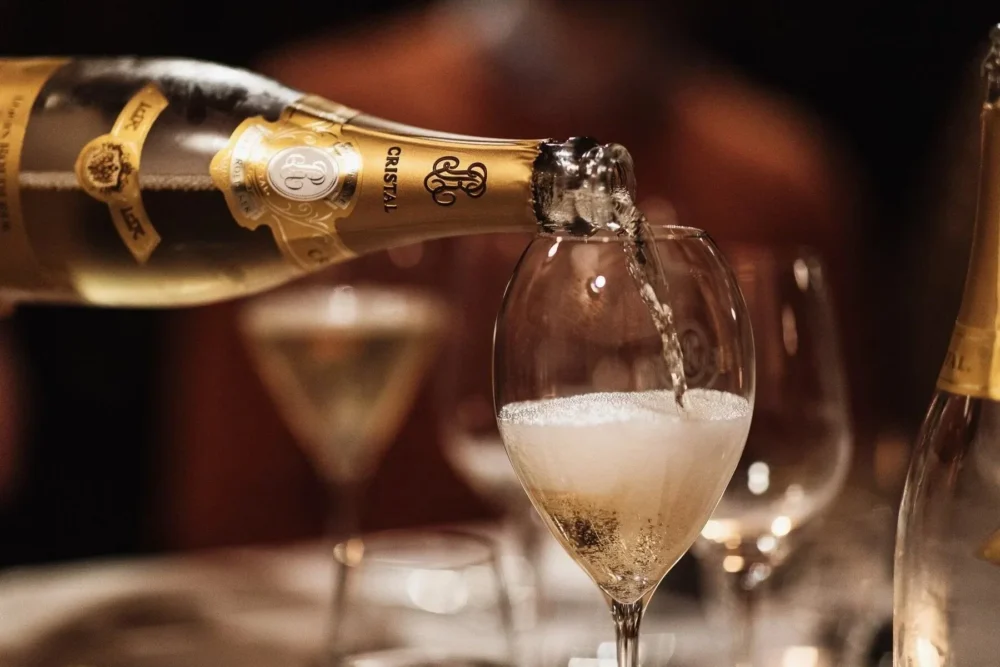
Alright, let’s get down to specifics. The latest vintages of Cristal in a standard 750 ml bottle start at around $300, but you’ll more often pay $400–600, and the median price at the end of 2026 (including taxes and duties) hovers around $371. That’s quite a lot, right? Large formats like the 1.5 L magnum can push the price even higher, and at auctions, older vintages break records. Here we’re talking about a completely different price league.
Scale and channels of accessibility
Rodzierre produces Cristal in limited quantities. In the mid-2000s, about 300,000–400,000 bottles were released annually; by 2010, production had increased to around 800,000, but the exact numbers today remain a secret. One thing is certain: it is still an exclusive product. By contrast, the global champagne market in 2024–2025 amounted to around 266–271 million bottles, valued at €5.7–6.5 billion. The prestige segment, dominated by Cristal, has proven more resilient to slowdowns than the lower-priced categories.
Where to buy? Official distributors and reputable sellers are essential. Singapore Airlines once received the 2015 vintage exclusively in premium class, which only boosted demand and recognition.
Collectible potential and storage
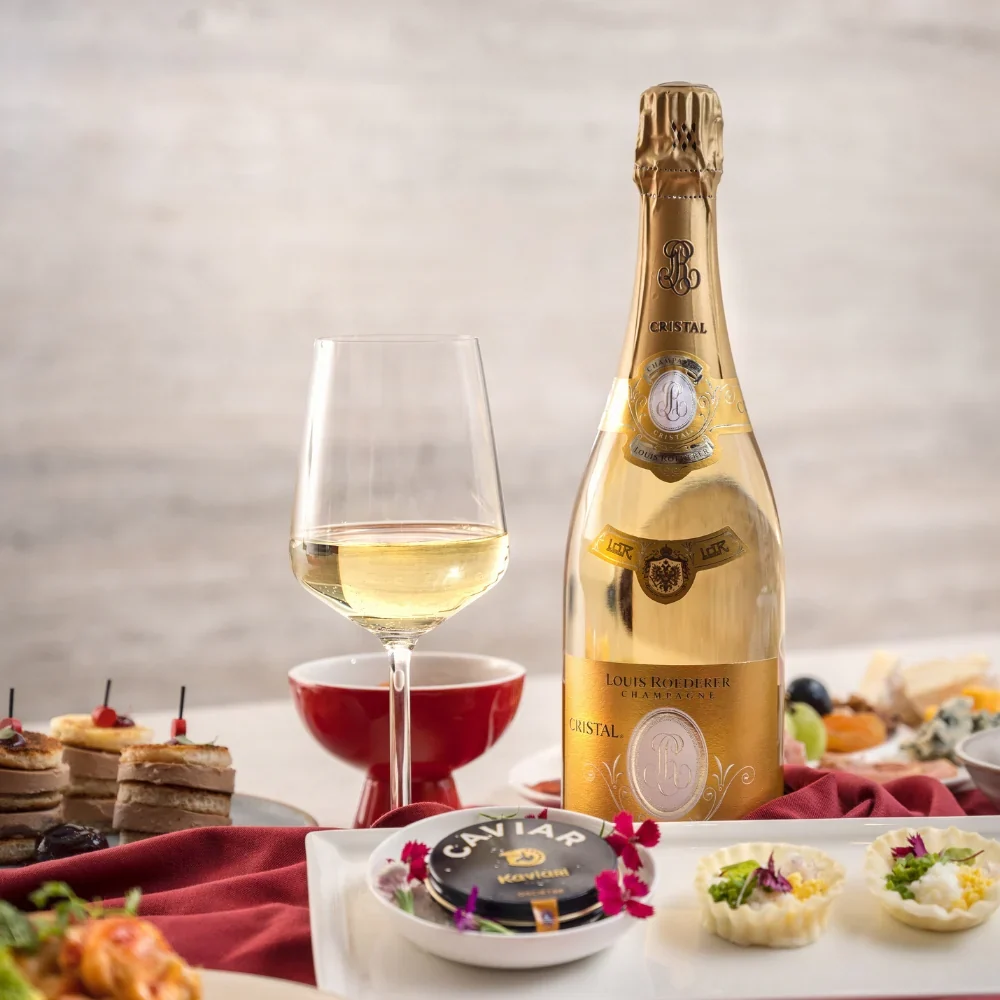
Cristal matures peacefully for 20-30+ years if you store it properly. Rare vintages and large formats command price premiums, so collectors especially seek documented provenance. I don’t give investment advice, but I know one thing: without proper storage (temperature, humidity), even the best vintage will lose its qualities.
Crystal-clear balance of tradition and modernity
Cristal is a case where history does not necessarily weigh towards the future, but rather harmonizes with it. The Louis Roederer house knows how to be proud of its heritage without allowing that heritage to turn the champagne into a museum exhibit. They maintain traditional methods where they make sense (fermentation in oak vats, working with their own vineyards), but they also experiment with cuvée and adapt styles to contemporary palates. This is not a rigid clinging to the past, but a conscious drawing from it.
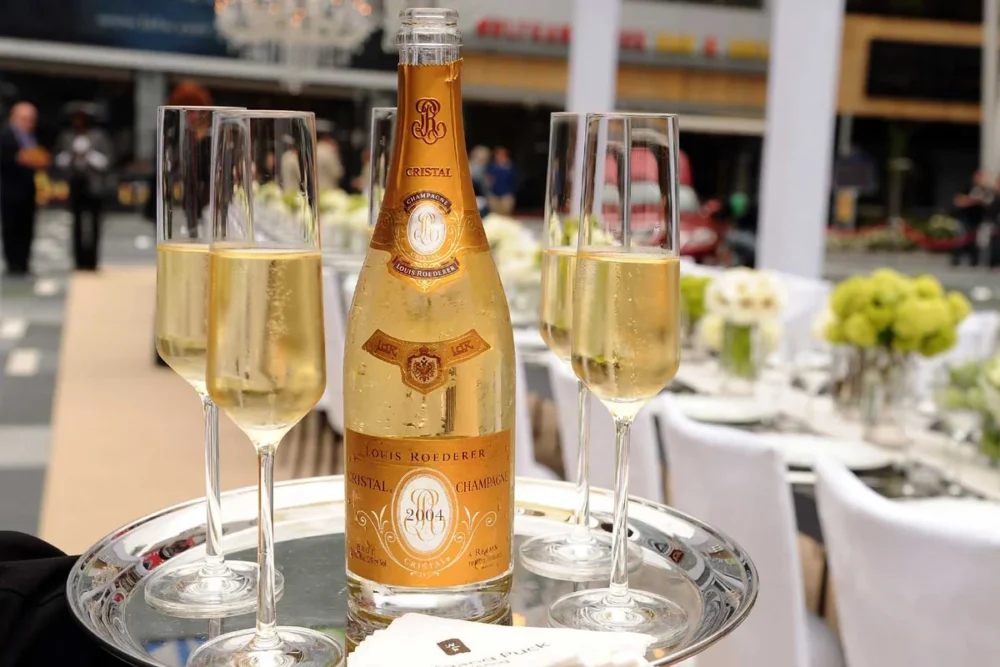
And that’s exactly why Cristal still matters. It’s not a relic of the Belle Époque, but a champagne that has simply stayed true to itself, even as the market around it went wild. Prestige? Certainly. But above all, a taste that doesn’t have to prove anything except that it’s good.
Regg M.
editorial lifestyle / Luxury Blog



Leave a Comment