

Chesterfield style – timeless quilting classic
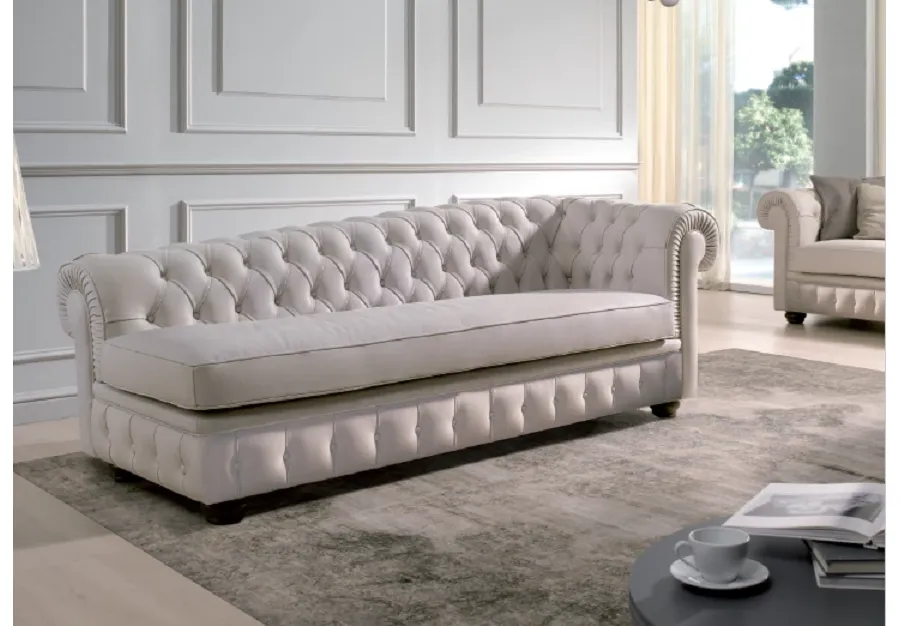
Over 250 years and still instantly recognizable. Chesterfield is the archetype of English elegance, created in 18th-century England and somehow refusing to leave the stage. Deep tufting, rolled armrests, symmetrical profile—just one look at that distinctive silhouette and you know exactly what it is.
What is the Chesterfield style and why has it fascinated generations?
Maybe it’s because this style doesn’t follow trends, it simply is. It works in minimalist spaces as well as classic libraries. The 2026 trends suggest neutral fabrics and eco-friendly materials, so Chesterfield once again adapts to the times without losing its character.
Fun fact from the other hemisphere: in Canada, ” Chesterfield ” is sometimes used as a general term for a sofa, regardless of style. A bit like xerox for a photocopier.
In the following sections, we will show which design features define a true Chesterfield, where the name comes from, how to recognize an original, and in which interiors this style truly shines. Because, as always, the devil is in the details—and here, there is certainly no shortage of them.
How to Recognize a Chesterfield: Features, Materials, and Proportions
Are you wondering what makes a sofa a true Chesterfield? Not every tufted piece of furniture deserves this name. A genuine Chesterfield has distinctive features that cannot be mistaken for anything else.
Signature of form and details
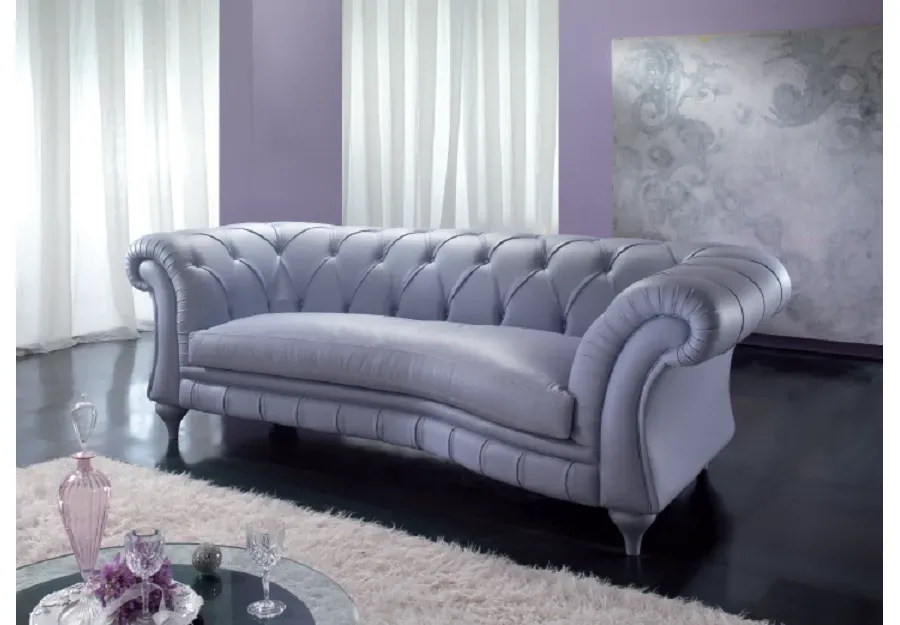
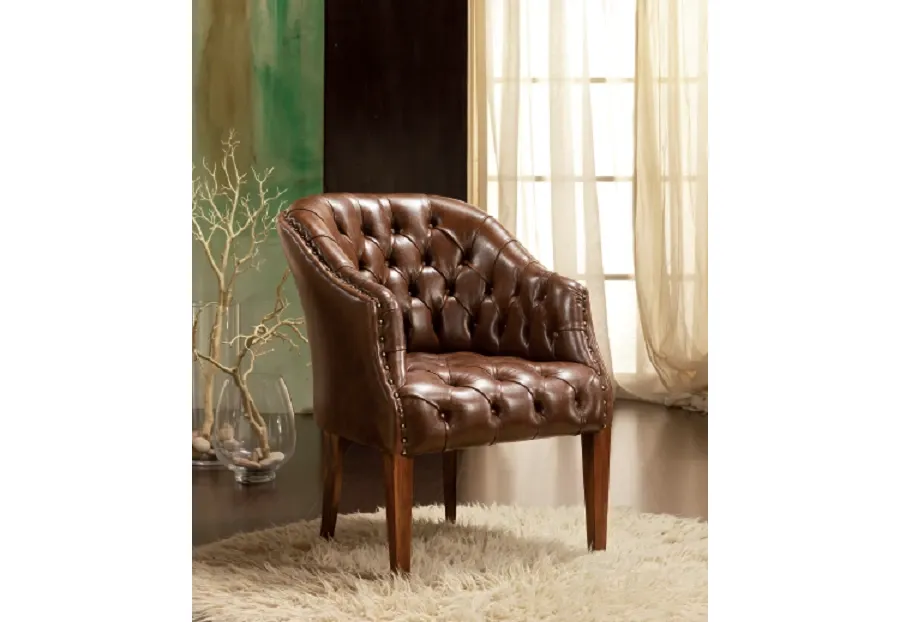
The most important element? Deep button-tufting, which covers not only the backrest but also the armrests and sides. These rolled armrests (scroll arms) are positioned exactly at the height of the backrest, creating one smooth line. The high back contrasts with the low seat, giving this sofa a unique profile. At the base, you’ll often see decorative nails ( nailhead trim) and distinctive low legs—traditional bun feet or casters, as if taken straight from the 19th century.
Materials? The classics are aniline or semi-aniline leather, although velour, velvet, and plush also have their place. Nowadays, performance fabrics, vegan leather, and recycled materials are appearing. The frame should be made of kiln-dried hardwood; oak or ash is standard.
Dimensions and proportions in practice
The dimensions of the Chesterfield are quite predictable. Take a look:
| Furniture | Width | Depth | Height | Seat height | Main seat |
|---|---|---|---|---|---|
| 2-seater sofa | 140-160 cm | 85-95 cm | 75-90 cm | 45-50 cm | approx. 56 cm |
| 3-seater sofa | 180-210 cm | 90-100 cm | 79-85 cm | 45-50 cm | approx. 56 cm |
| Armchair | approx. 112 cm | approx. 92 cm | approx. 82 cm | 45-50 cm | approx. 56 cm |
Key proportion? The seat height to its depth is roughly 1:1. The overall height to seat height ratio is about 1:1.5. These numbers give the Chesterfield its distinctive silhouette.
History and Evolution of the Chesterfield
Legend has it that the fourth Earl of Chesterfield, Philip Dormer Stanhope (1694-1773), was the one who uttered the famous words:
“Give Mr. Dayrolles a chair”
Apparently, he asked his craftsman to create a deeply tufted sofa with a high backrest that could serve as a comfortable seat for guests. The truth is that the origin of this story remains quite a myth. There is no hard evidence, but the name “Chesterfield” appears in the Oxford English Dictionary as early as 1800 as a term for a sofa.
Milestones: from gentlemen’s clubs to Freud’s office
The patent for spiral springs from 1828 changed everything, as suddenly a sofa could be truly comfortable, not just impressive. In the 19th century, the Chesterfield became a permanent fixture in London gentlemen’s clubs, and the British Empire spread this style all over the world. Victorian women loved it for its elegance, men for its masculine character.
In the 20th century, it appeared in Sigmund Freud’s office as the famous psychoanalytic couch. It was on this very piece of furniture that patients revealed their deepest secrets.
Revival in the 21st century
Today, it returns in lighter constructions, new fabrics, and bolder colors. It’s no longer just leather, brown, and heavy. Designers play with the form, keeping the quilting and buttons, but the rest? Surprisingly contemporary.
Where it works best: applications and arrangements
Chesterfield is a piece of furniture that can transform an interior from “nice” to “wow.” But where should you place it to really make it stand out?
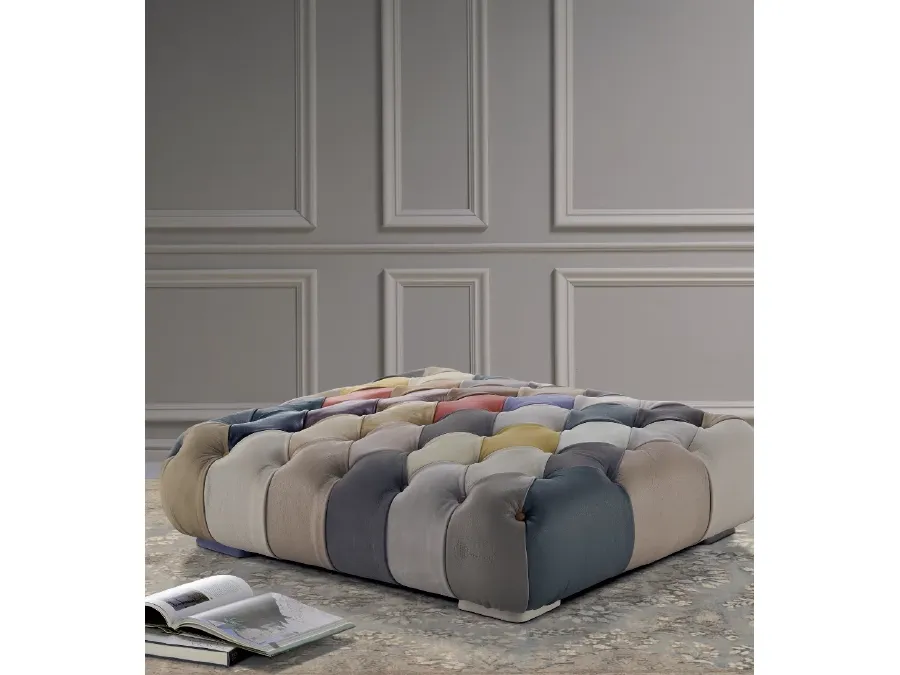
Where does it shine?
In the living room, the Chesterfield naturally becomes the king of the space. A dark leather sofa instantly raises the bar of elegance, especially when paired with a bookshelf and warm lighting. Home office? Here, a Chesterfield armchair is a classic that adds gravitas without stiffness.
But that’s not all. In Europe, we are increasingly seeing quilted bed headboards inspired by the Chesterfield style, especially in bedrooms with a glamour vibe. It’s a simple way to add character to a bedroom without overcrowding it with furniture.
Commercially, this style reigns supreme in hotel lobbies, clubs, and exclusive lounges. There, durability and a prestigious appearance matter most, and Chesterfield has both of these qualities in its DNA.
Combinations of materials and colors
Now to be specific, because style is one thing and combinations are another:
- Industrial: graphite velvet or dark leather, paired with exposed brick on the wall, metal lamps in matte black, a solid oak coffee table with a metal frame
- Glamour: creamy or powdery velvet, gold or brass accents (table legs, mirror frames), white marble tabletop, lighting with crystal elements
- Vintage with an edge: bottle green or burgundy velvet, patterned cushions, Persian-style rug, dark-toned wooden furniture
Remember that the Chester silhouette is massive. You can balance it with light, slender forms (e.g., a glass coffee table, metal chairs with thin legs) or emphasize the weight of the composition by adding equally strong elements. Both approaches work—you just need to choose your direction.
Materials, quality, and how to distinguish the original from an imitation
An authentic Chesterfield is an investment distinguished from a cheap imitation by several key features. And you don’t have to be an expert to spot them.
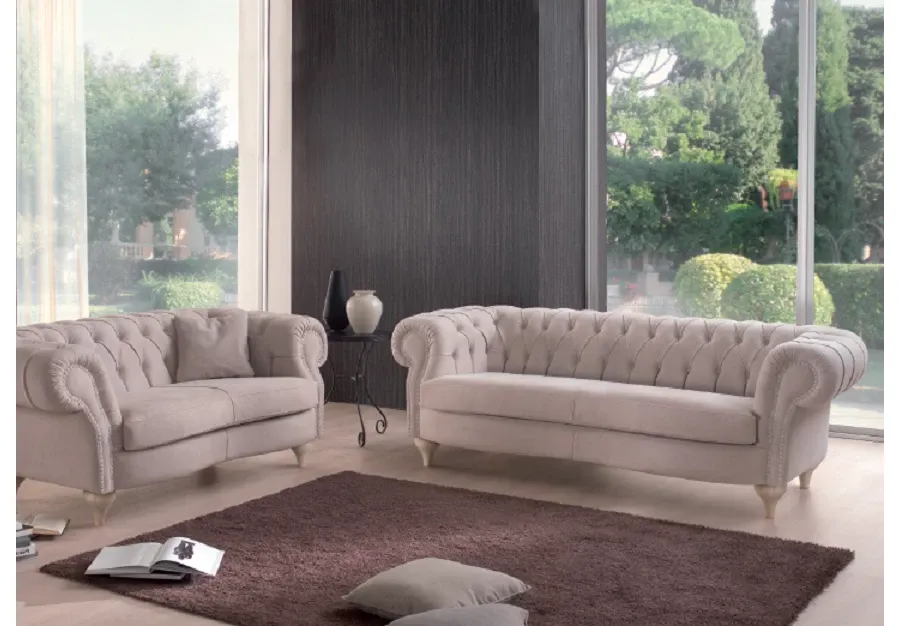
Quality under scrutiny
Genuine aniline or semi-aniline leather is essential. Soft, breathable, and over time it develops a patina that adds character. If you opt for fabric, velour, velvet, or plush should be densely woven and pleasant to the touch. Alternatives? Vegan leather and performance fabrics are improving in quality, especially those made from recycled materials, but this is still a niche premium segment.
Frame made of dried oak or ash, steel springs (not rubber straps), sturdy mortise and tenon joints with wood glue. This lasts for decades. Hand tufting creates that characteristic, gently irregular rhythm of buttons and folds. You can see micro-differences in spacing, slight asymmetries. That’s the beauty of craftsmanship.
Original or imitation? Quick test
A fake gives itself away immediately:
- Buttons in a perfect line, spacing too even (machine-made)
- Stiff leather or eco-leather with a plastic scent
- Decorative nails self-adhesive, not hammered in
- No noticeable springs under the seat
- Sewing without any micro-irregularities
Renowned manufacturers offer up to 25 years warranty on the frame and 10-12 years on the leather. Examples? In the UK: Timeless Chesterfields, Chesterfield Sofa Company, Sofas by Saxon. These are not rankings, but you can check their offers and compare warranties.
Trends 2026 and beyond: colors, forms, sustainable choices
The classic is making a comeback, but with a new face. In Polish homes and hotels, we’re witnessing a true renaissance of quilting, only in a much more relaxed form. Here’s what’s trending now:
- Neutral fabrics – gray linen and creamy velvet replace heavy, dark leather. Lighter, fresher, more Scandinavian.
- Bold colors – bottle green, deep navy, even burgundy plum. An accent that doesn’t shout.
- Eco-materials – recycled fabrics, vegan leather (next-generation synthetic leather), FSC-certified wood for frames. Sustainable design is no longer a fad, it’s the standard.
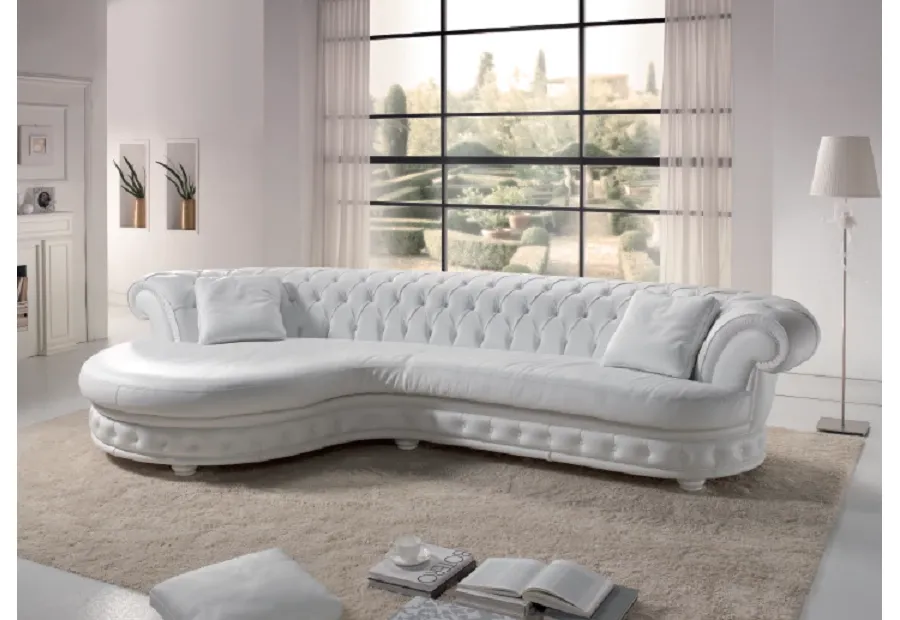
- Sectionals and chaises – because who said Chesterfield is just a classic three-seater? Modular designs are taking over small apartments.
- Tight-back versions – flat backs without tufting on the reverse, ideal for hotels and commercial spaces.
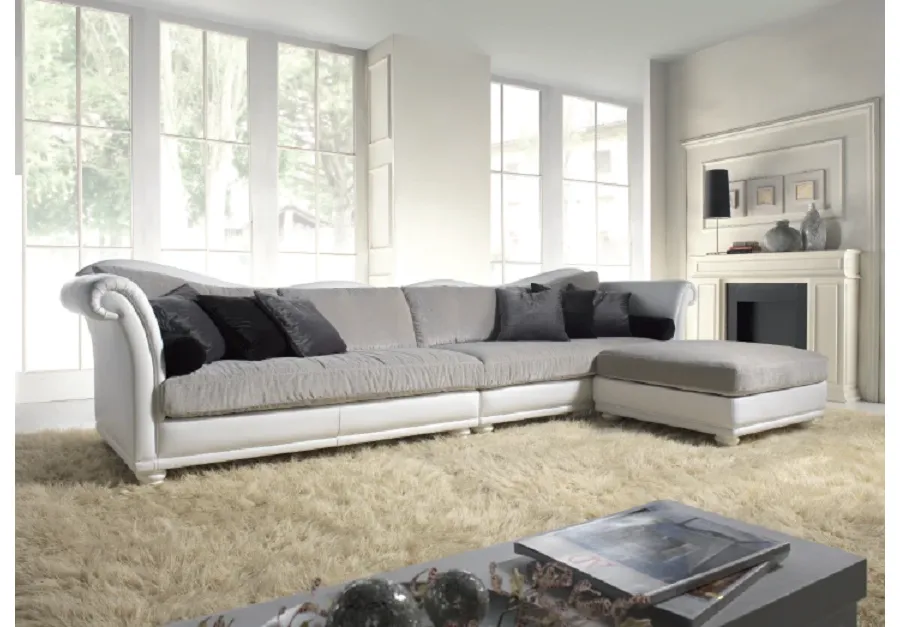
The global furniture market in 2026 is expected to reach around $834 billion ( CAGR of approximately 5.4%), so we are talking about a truly large scale.
Directions on the horizon
What’s next? It looks promising. Maximalism is coming in the form of patchwork fabrics (several colors of velvet on one sofa), modularity tailored to studio apartments, and an even greater use of renewable materials. We’re also seeing mid-century influences, with slimmer, wooden legs instead of massive spheres, which adds a sense of lightness.
Chesterfield evolves, but never loses its soul. The tufting remains, as it’s part of its DNA. Only the packaging changes.
Classics that work for us today
Quilting and leather in a 21st-century living room? It works better than you might expect. Chesterfield fits perfectly into that moment when we stop chasing every novelty and start looking for things with character. Classic forms soften the sterility of modern interiors, adding warmth without becoming overly decorative.
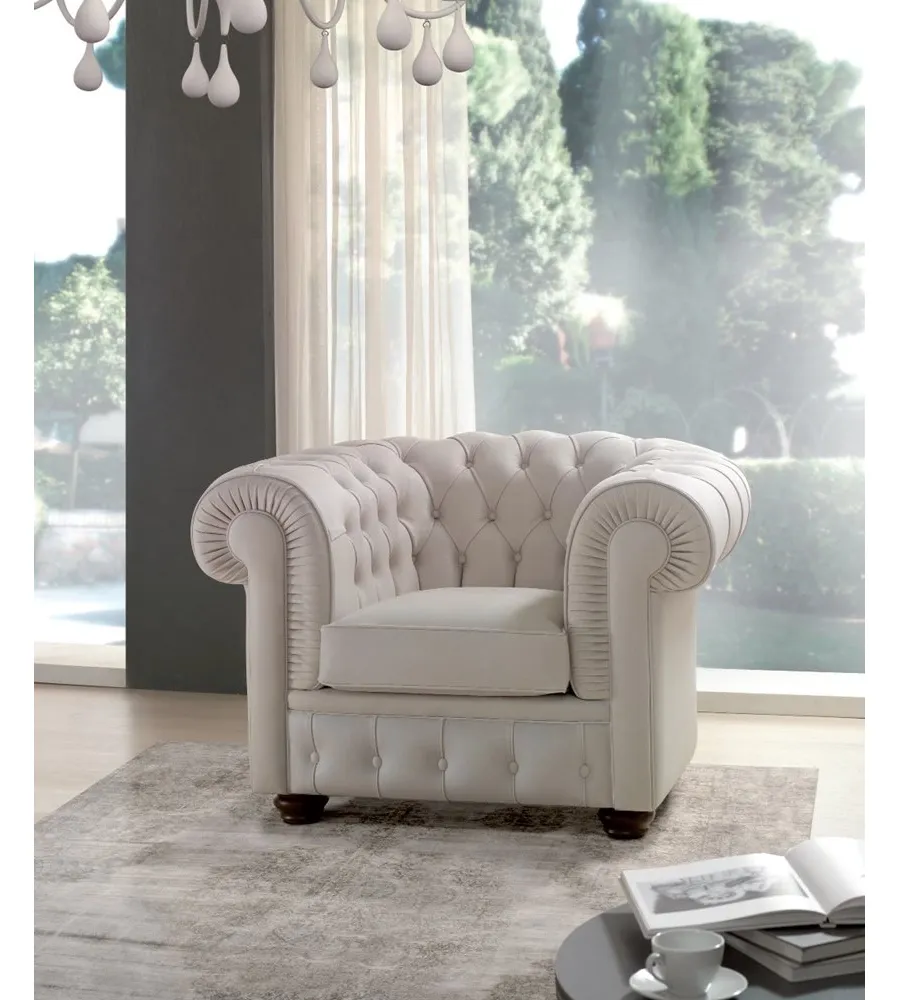
Interestingly, it is minimalist arrangements that best highlight the beauty of this furniture. The clean lines of contemporary architecture create the perfect backdrop for the quilted details and deep leather colors. They do not compete with each other, but rather complement one another.
Maybe that’s the whole art—to surround yourself with objects that don’t tire you out. Chesterfield simply exists, without shouting, without apologizing for its appearance. And somehow, it works.
Stewart
lifestyle editorial team
Luxury Blog



Leave a Comment