

The best cutlery brands in the world – top 5
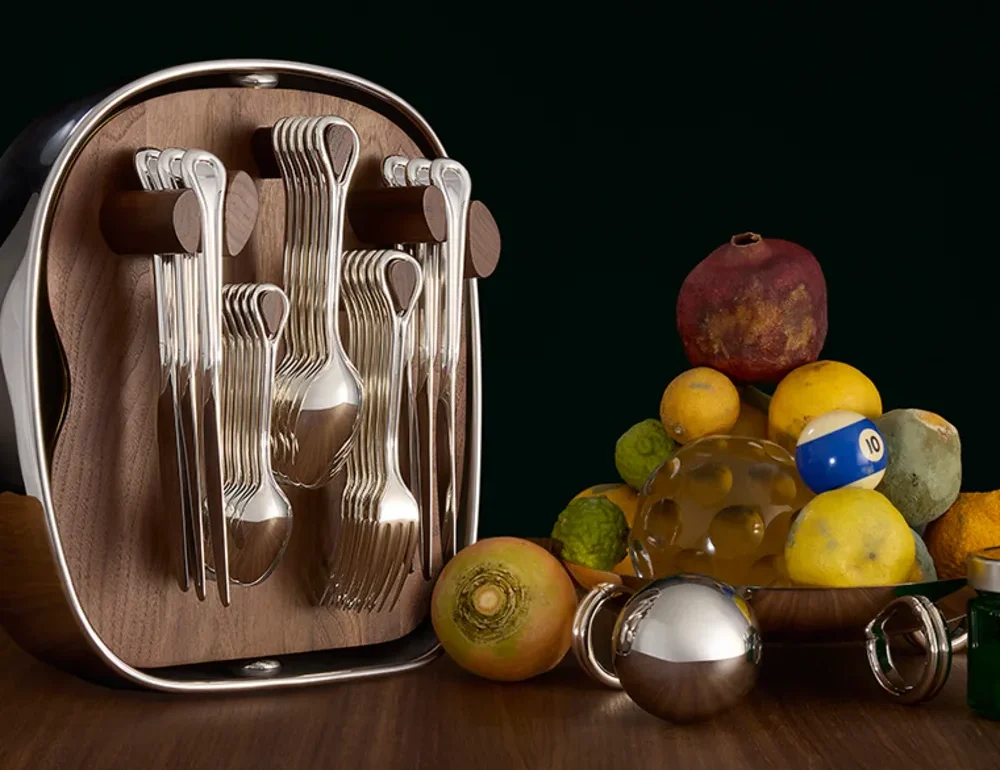
“In rankings and expert opinions, French and German brands dominate.” This is no coincidence. We are talking about jewelry houses that have been creating table silverware for aristocracy and the world’s finest hotels for generations. Their cutlery is more than just eating utensils.
Why luxury cutlery is a league of its own
Top-quality materials are essential: sterling silver 925 or 950, silver-plated copper base, 18/10 stainless steel with chromium and nickel. But the real difference lies in the handcrafted artistry. Every piece is shaped, polished, and finished by masters who have spent years perfecting their craft. The result? The weight in your hand, the balance, the way the metal reflects light. You feel it from the very first touch.
Where do these cutlery pieces live every day? Palaces in Versailles, billionaire yachts, Michelin restaurants, hotels like Ritz Paris or Burj Al Arab. Places where prestige is the standard, not the exception.
In this article, you will discover the top 5 brands that define this world: Christofle, Puiforcat, Ercuis, Odiot, and Robbe & Berking. Each of them has its own history and unique character, which we will describe in detail shortly.
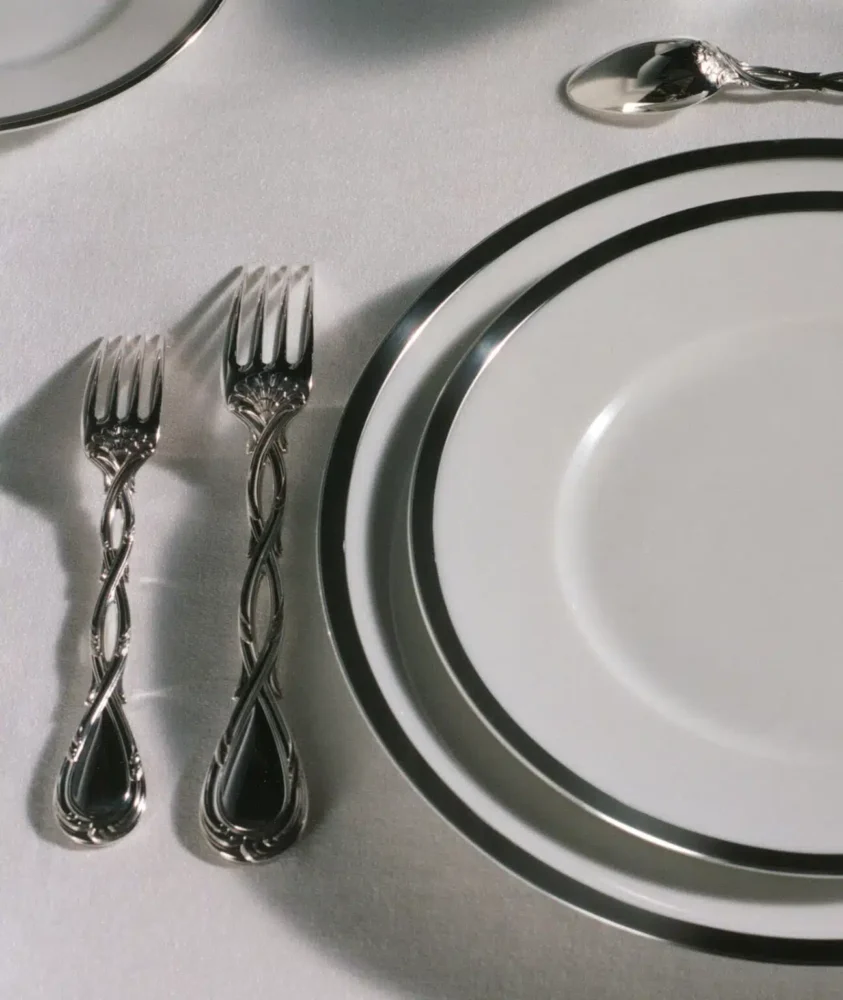
The best cutlery brands in the world
Alright, so how can you actually tell that cutlery is true luxury and not just expensive marketing? There are a few solid criteria that separate the absolute top from the premium segment.
Materials and finishes that define class
Let’s start with the basics. 925 silver (sterling) is an alloy containing 92.5% pure silver and 7.5% copper for durability. 950 silver takes it a step further, with more pure metal and an even better shine. Silver-plated cutlery? That’s usually a steel base coated with a layer of silver—they look great, but after years of use, they may need polishing.
On the other hand, 18/10 steel (18% chromium, 10% nickel) is a material for those who want luxury without the fuss. It withstands the dishwasher, doesn’t tarnish, and is practically everlasting. But beware, not all steel is created equal—top brands use additional surface treatments that provide a mirror finish and resistance to fingerprints.
Hybrid solutions are also interesting: steel with resin inlays, PVD coatings (gold, black, brown), custom laser engraving. It’s no longer just a tool—it’s something on the verge of jewelry.
Balance, ergonomics, and durability in practice
This is where craftsmanship begins. Manual or semi-manual edge polishing, weight control (heavier cutlery usually feels better in the hand), testing the balance of each piece. The “Manu Factum” philosophy, made by hand: it’s not just a slogan, but an approach to production where people actually touch and assess every set.
The best brands offer guarantees for decades, sometimes even “for generations.” Because they know their product will last. And that’s exactly what sets cutlery costing 5000 PLN apart from those costing 500.
Top 5 luxury brands
At the top among luxury cutlery manufacturers reign four French houses and one German giant. It is there, in Parisian workshops and the Flensburg atelier, that sets are created to adorn the tables of the world’s most prestigious residences.
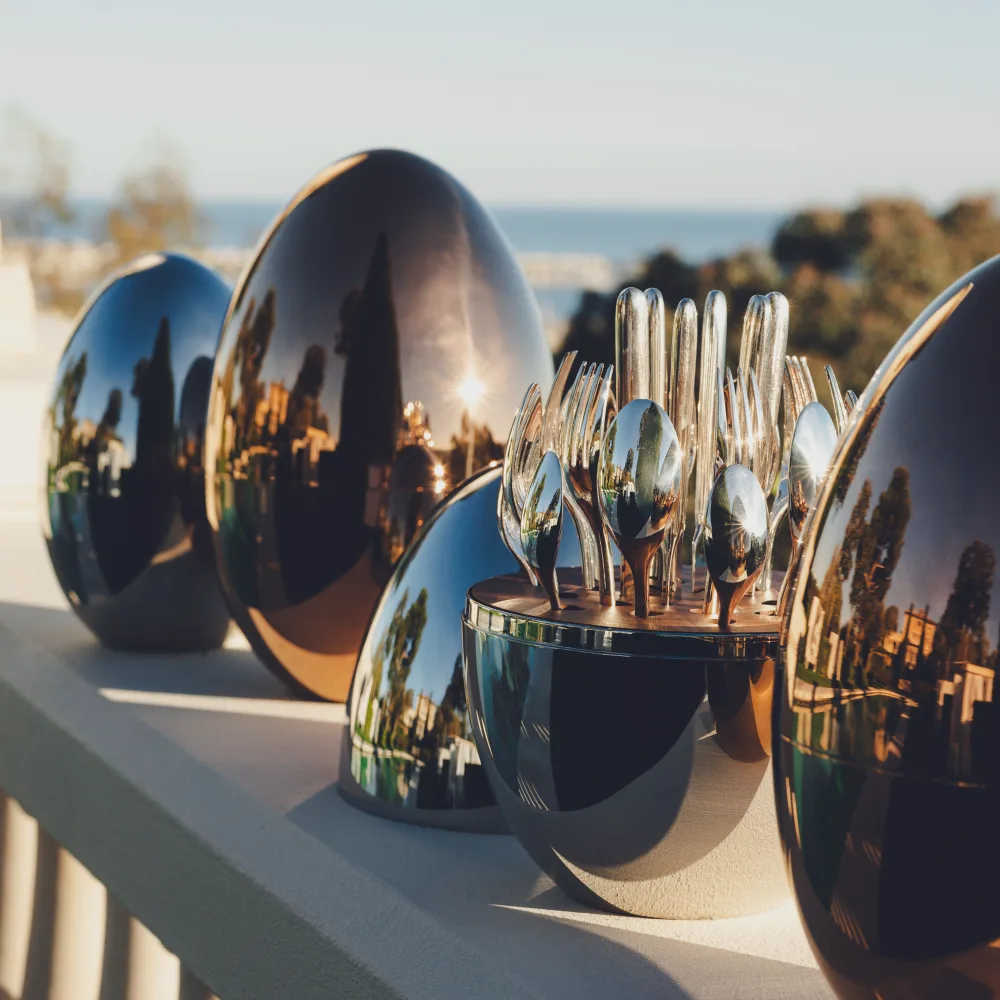
Christofle was founded in 1830 in Paris, and twelve years later the brand introduced the revolutionary electroplating technology. Thanks to this innovation, silver-plated items could rival the quality of pure sterling. The Malmaison and Mood collections combine classic lines with modern finishes, while options for gilding or engraving allow for complete personalization. Christofle supplied Napoleon III and the European elite.
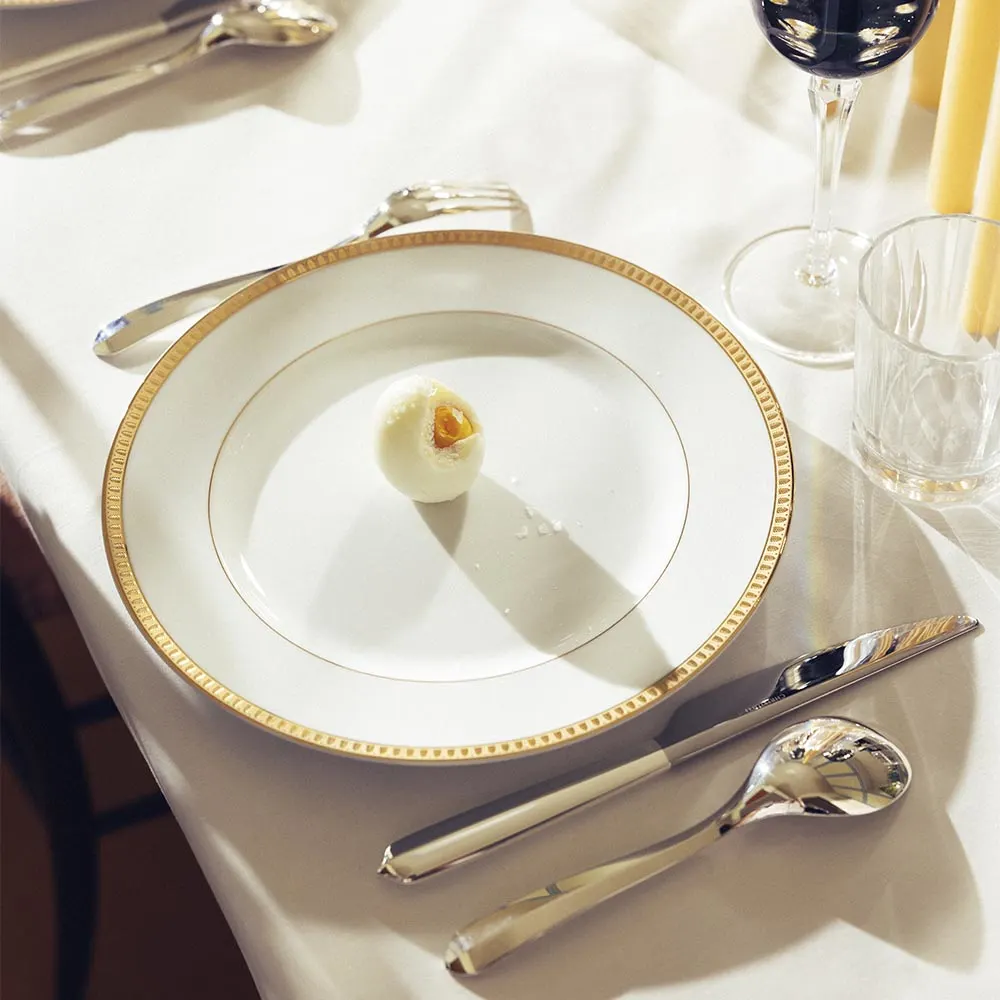
Puiforcat has roots dating back to 1820, although it was Jean Puiforcat who brought true fame to the house during the Art Deco era. His minimalist, architectural forms are genuine functional sculptures. The Cannes (1928), Chantaco, and Royal collections demonstrate how geometry can meet elegance.
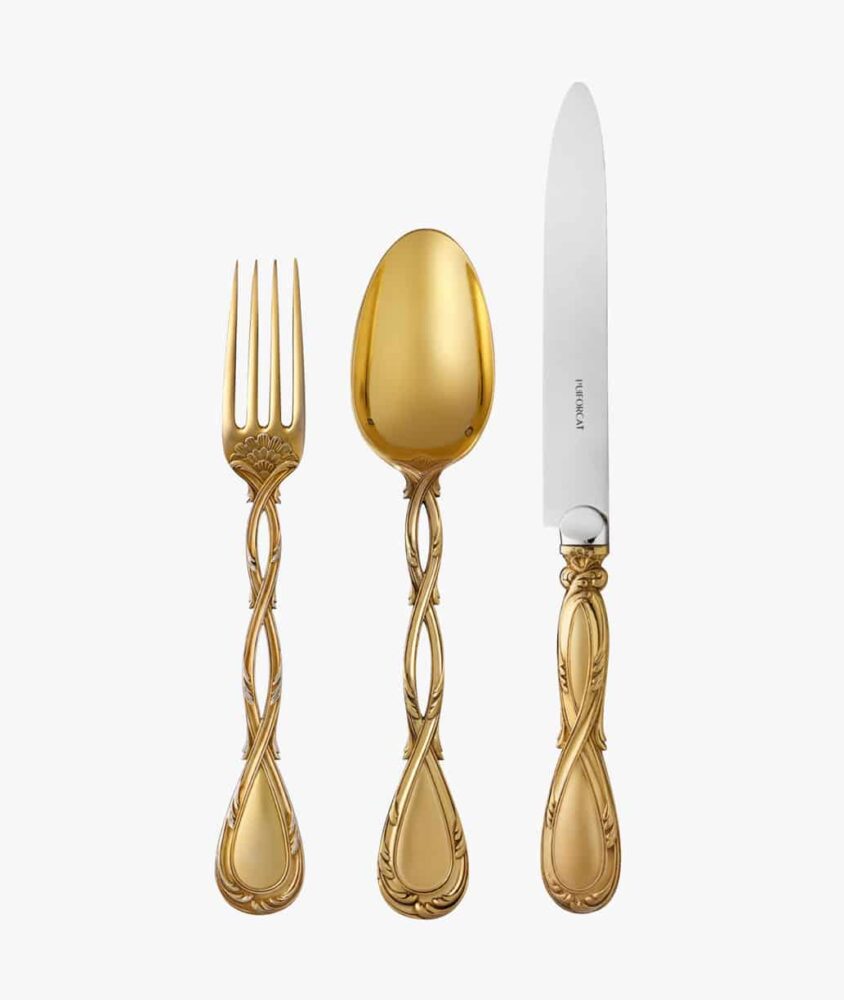
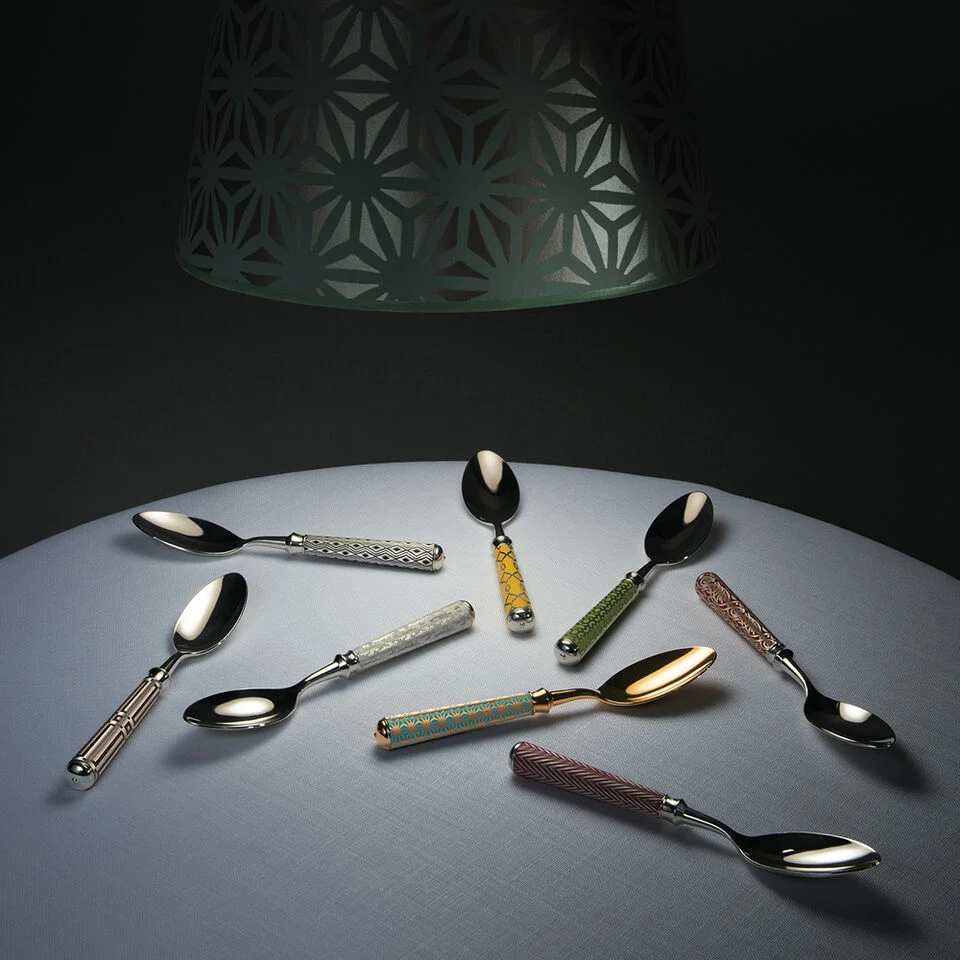
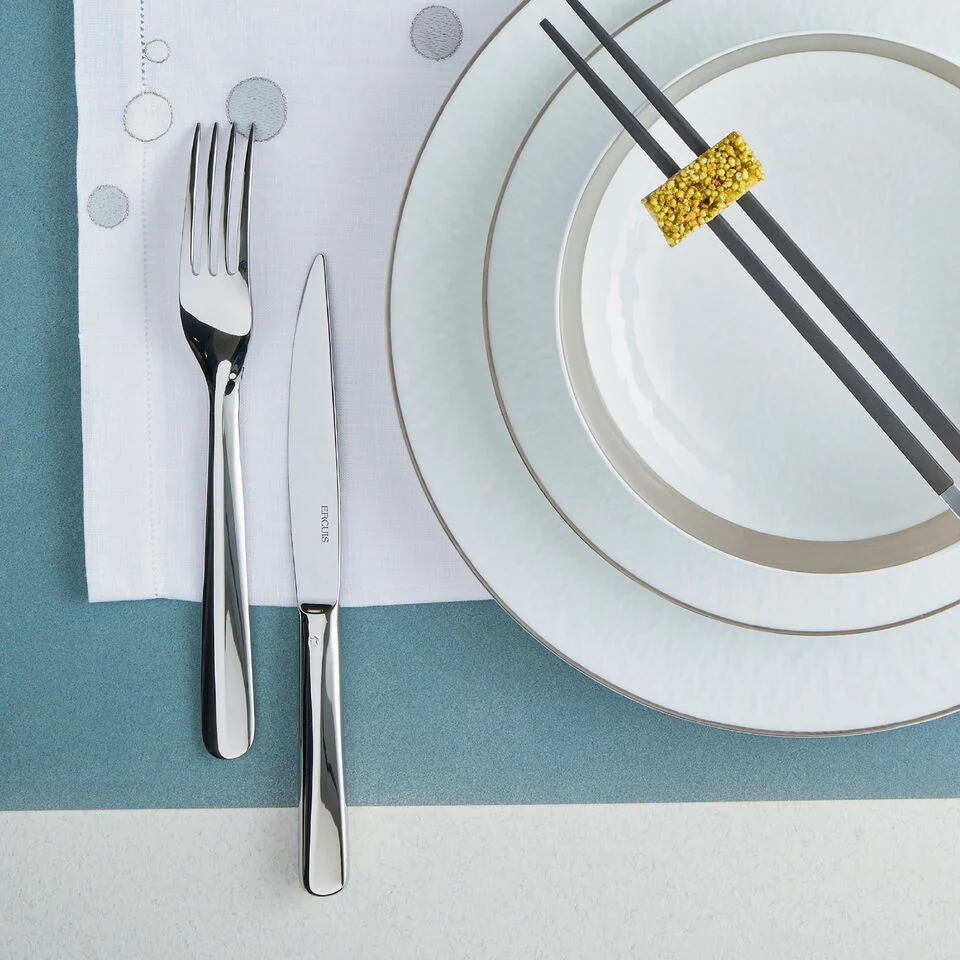
Ercuis was founded in 1867 and specializes in classical motifs and decorative Art Deco patterns. The Du Barry and Arts Décoratifs Paquebot collections offer silver-plated, sterling, and steel options, providing a wide range of price points.
German precision and the oldest manufactory
Odiot is the oldest on the list, founded in 1690. It fulfilled commissions for Louis XV and Napoleon, using only 950 sterling silver. The Trianon, Jacqueline, and Demidoff collections are the epitome of palatial opulence.
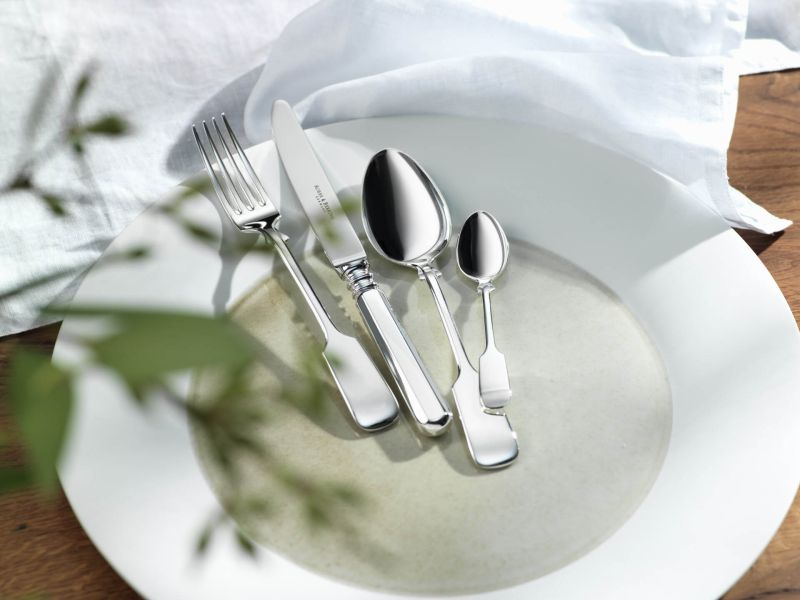
Robbe & Berking was founded in 1874 in Flensburg. Today, it is the world’s largest producer of silver cutlery, operating under the motto “Manu Factum” (handmade). The Metropolitan collection, released for the 150th anniversary, finds its way onto yachts and into exclusive residences.
Each of these brands has its own distinct identity, but only by matching the style to a specific context will you be able to choose the perfect set.
Style, occasion, and prestige
The style of cutlery is more than just the pattern on the handle—it’s essentially the brand’s entire DNA, which either fits the context or completely ruins the atmosphere. Odiot with Versailles-inspired ornaments won’t work at a minimalist dinner in an art gallery, while modernist Puiforcat will look out of place in a palace ballroom.
Classicism and the etiquette of fine dining
Ornamental motifs, meaning all those baroque flourishes and relief details you’ll find at Odiot or in the Malmaison collection by Christofle, are a natural fit for historic residences and diplomatic dinners. Here, ceremony, tradition, and the kind of prestige built over centuries truly matter. Palace interiors and grand reception halls with high ceilings and gilded accents simply call for cutlery that harmonizes with this aesthetic.
Modernism and architectural forms
On the other hand, you have Puiforcat, which operates with geometric precision and clean lines. This is equipment for Art Déco interiors, modern galleries, or residences designed by architects who think in terms of form and light. Here, it’s all about reduction to the essence, so any ornamental extravagance is out of the question.
Professional hospitality and the sea
In rankings and expert opinions (including those from hotels such as Ritz Paris and Burj Al Arab), French and German brands prevail. Ercuis fits perfectly into the repertoire of premium hotels and white-glove service, combining classic style with Art Déco without excessive theatricality. On yachts, Robbe & Berking comes into play again, as the marine environment demands durability and moisture resistance while maintaining craftsmanship precision.
Stylistic consistency is key. It’s not about using the same thing everywhere, but about consciously matching the brand’s character to the place and occasion.
Why this is not the same as collectible luxury
The difference lies in the purpose and scale of craftsmanship. These popular brands focus on functionality, durability, and affordability (relatively). The luxury top 5 is all about applied art, limited editions, and meticulous hand-finishing. It’s also worth noting the importance of transparency: some premium brands manufacture in Asia, which doesn’t have to be an issue if the quality is right and the producer is open about it. Honest “Made in…” communication builds trust more than marketing evasions.
A sense of tradition meets the precision of tomorrow
Luxury cutlery is more than just tools for eating. It is a way in which craftsmanship passed down through generations merges with modern standards of finish and functionality. When you hold a fork from Christofle or Robbe & Berking in your hand, you feel this balance—a connection between what once was and what is now.
Brands that have endured for decades, or even centuries, don’t rely solely on tradition. They develop it, adapt it to contemporary demands, without losing the soul of the product. That’s exactly what makes these cutlery pieces worth their price and allows them to remain in families for years.
A good cutlery set is an investment in something lasting. And that’s probably the best answer to the question of why it’s worth reaching for true luxury.
Steff
editor Lu




Leave a Comment