

Luxury watches as an investment – which ones really appreciate?
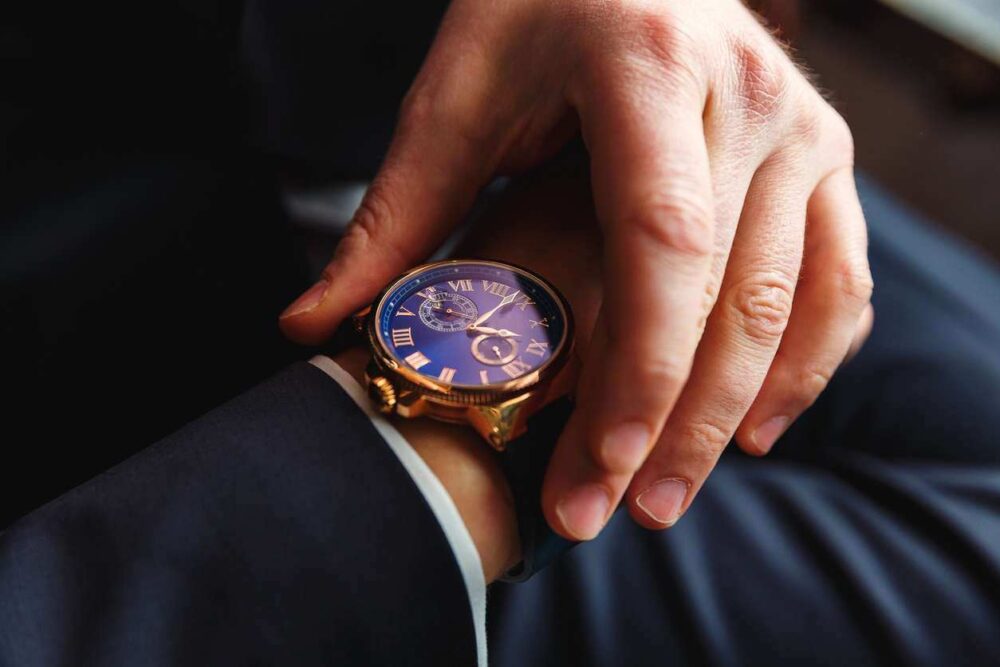
Selected Patek Philippe or Rolex models can gain 50-100% in value over a decade, sometimes even more. The Big Three (Rolex, Patek Philippe, Audemars Piguet) are considered the most reliable entry point, although even here, success depends on the specific model, condition, rarity, and demand trends. The luxury watch market is an unregulated, selective, and highly sentiment-driven space.
What sets a watch apart from stocks or an ounce of gold? You can wear it. This hedonic benefit makes the investment part of your everyday life, not just an entry in your portfolio. You wear your capital on your wrist, while also enjoying the craftsmanship, prestige, and design. This is the so-called passion asset, combining emotion with return potential.
After the 2020-2021 boom came a correction. Investors are starting to look for more stable opportunities, avoiding hype-driven models and focusing on proven classics. The topic is therefore especially relevant now, as the market has cooled enough to allow for rational thinking. Next, we will take a closer look at the principles, risks, and time horizon of such an investment.
Luxury watches as an investment
Let’s start with one thing: a watch is not a tech company stock. There are no guaranteed profits, quarterly reports, or spreadsheets with forecasts here. The value of a luxury timepiece rises (or falls) according to its own rules, and understanding the mechanics of this market is absolutely fundamental.
What really drives valuations?
Five factors determine whether your watch will be worth more in ten years:
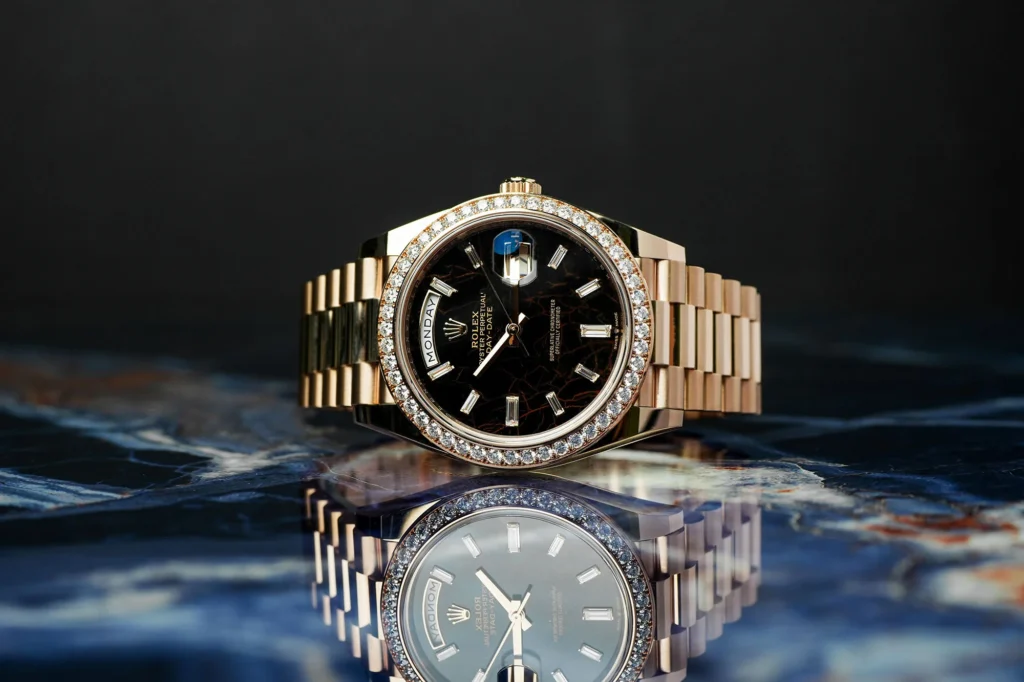
- Brand and model – The “Big Three” ( Rolex, Patek Philippe, Audemars Piguet) dominate the secondary market. Other brands may grow, but slowly and uncertainly.
- Condition – the difference between “unworn” and “well-worn” is often 20-30% of the price.
- Rarity – limited editions or discontinued items have a natural supply advantage.
- Provenance – a watch with a history (previous owner, certificates, original box) is simply worth more.
- Materials and mechanism – platinum, gold, mechanical complications (tourbillon, perpetual calendar) build value.
Risks and horizon
The watch market is unregulated and has low liquidity compared to stocks or real estate. Prices can fluctuate by tens of percent within a year, especially following the speculative peak of 2021-2022. There are also specific risks involved: counterfeits (increasingly sophisticated), theft risk, servicing costs (a movement overhaul every 5-7 years can cost up to two thousand euros), as well as taxes on resale in certain jurisdictions.
Investment horizon? Usually long-term. Patience and knowledge are your best tools. But there’s something here you won’t find in a stock portfolio: emotional utility. You wear your investment on your wrist, you enjoy it, and at the same time, it (might) increase in value.
Market 2025-2026
It’s hard to make sensible investment decisions without knowing what the entire market looks like. Size, dynamics, and the geography of demand — all of these factors affect the liquidity and potential profits of a particular watch.
Size and growth rate
The luxury watch market in 2025 is estimated at around 45-50 billion USD, with CAGR forecasts for 2025-2030 hovering around 4-5%. Does that sound modest? Maybe, but the key here is the pre-owned segment, which is growing much faster, already reaching over 30 billion USD annually. It’s in the pre-owned watch market where the most is happening, as that’s where people look for deals and proven models with a history of value.
From Boom to Stabilization
The pandemic triggered a frenzied surge. The peak occurred around March 2022, when prices for some models skyrocketed by 80-90% above MSRP. Then came a correction: 2023-2024 saw declines of even 30-40% in the sports segment. Now, in 2025 and 2026, we’re seeing stabilization and a more mature market, with demand selectively returning to trusted names.
Pre-owned and CPO
Trust in the secondary market is growing thanks to CPO (Certified Pre-Owned) programs:
- Rolex CPO – official two-year warranty on selected pre-owned models
- Richemont with Watchfinder – certification and authenticity guaranteed
- Online platforms (Chrono24, Hodinkee Shop) – price and history transparency
- Phillips, Sotheby’s house auctions – set benchmarks for collectors
Geography? Asia-Pacific and the Middle East are driving the market, while the “Big Three” ( Rolex, Patek Philippe, Audemars Piguet) account for the vast majority of liquidity and real value growth. These are the brands fueling demand and entering the mainstream of alternative investments first.
Models that are gaining in value
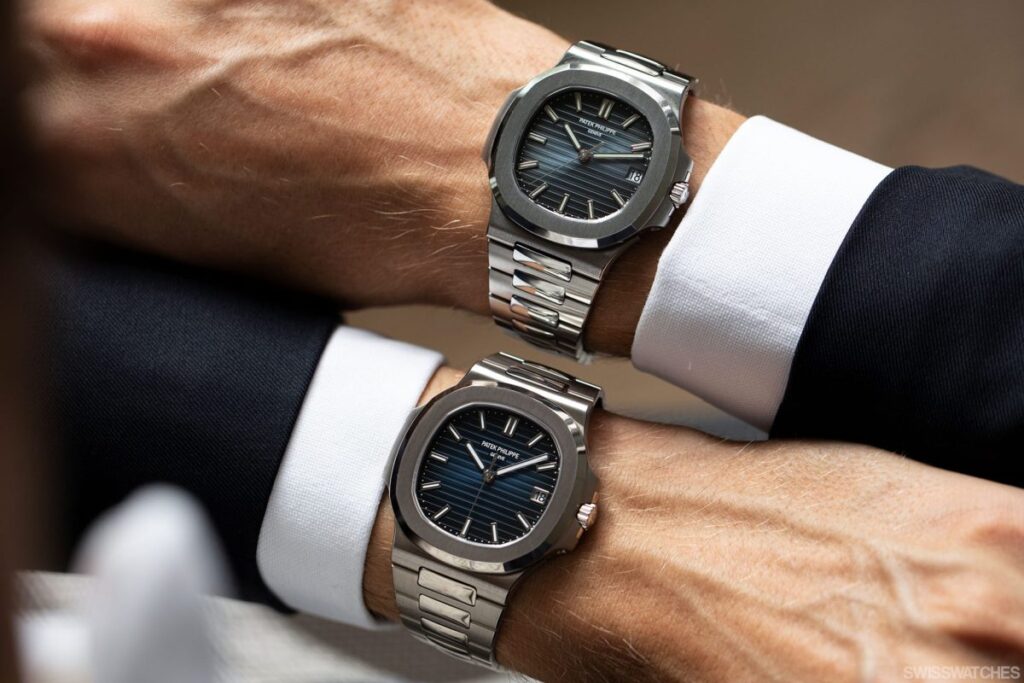
When we talk about watches that truly appreciate in value, three players stand out above the rest: Rolex, Patek Philippe, and Audemars Piguet. This is no market secret; it’s simply that specific models from these brands are breaking appreciation records.
Rolex
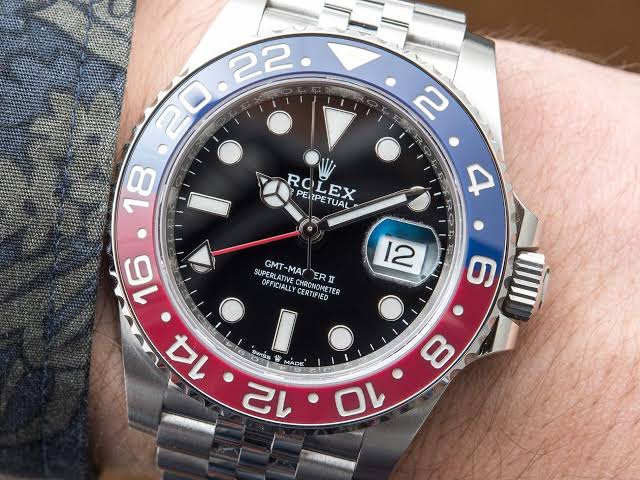
Daytona is a kingdom of its own. Take reference 116500LN (steel, ceramic bezel): since 2010, its value has increased by 358%. Madness? Maybe, but demand still exceeds supply. GMT-Master II “Pepsi” (126710BLRO) even more: +506% in the same period. Submariner is a classic that practically never loses value, and vintage models can be surprising. Rolex’s biggest advantage? Liquidity. You’ll sell it faster than most other brands.
Patek Philippe and Audemars Piguet
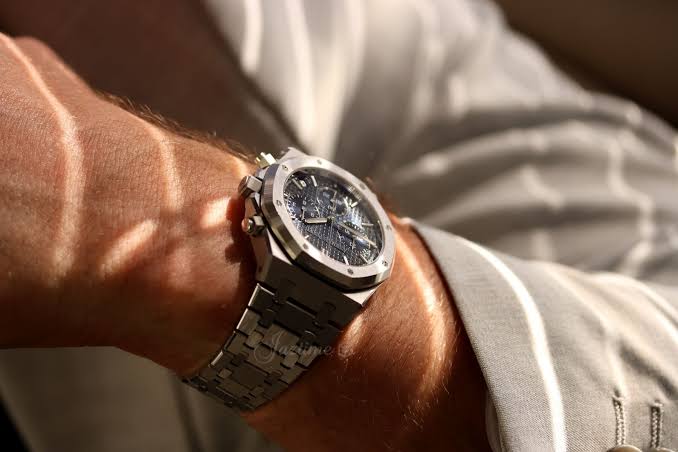
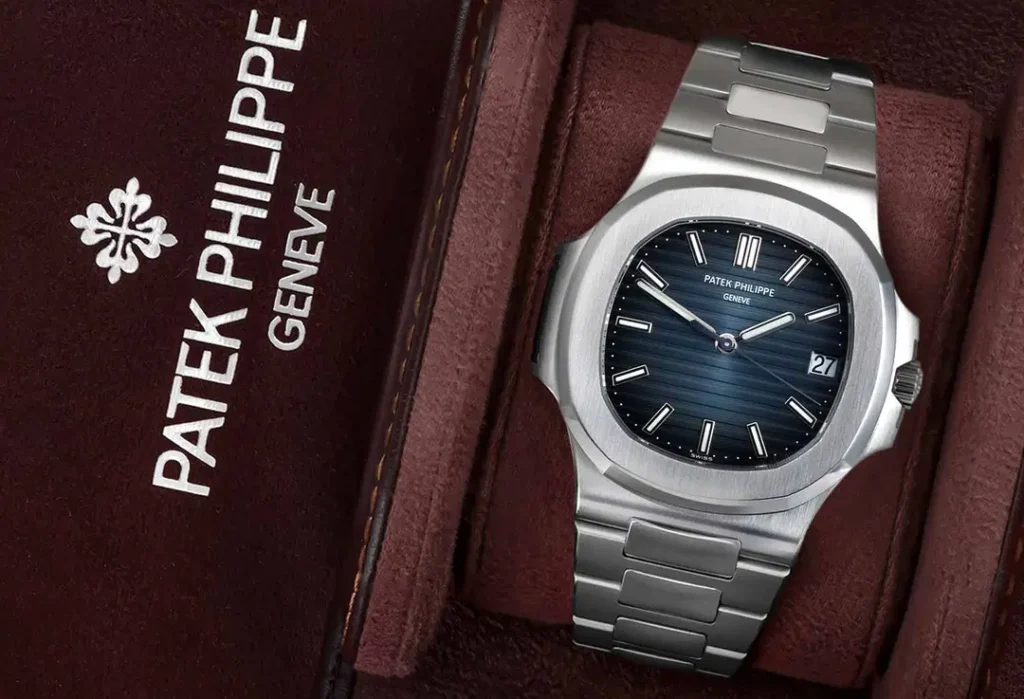
Nautilus 5711/1A in steel is a legend. Discontinued, it now costs multiple times its retail price. The version with the Tiffany Blue dial sold for $6.5 million in 2021. The Royal Oak Jumbo from AP (15202ST) is a similar story, with selective availability driving prices up. Paul Newman Daytona once sold for around $17.75 million, so we can see where the top of the collector’s market lies.
Other noteworthy
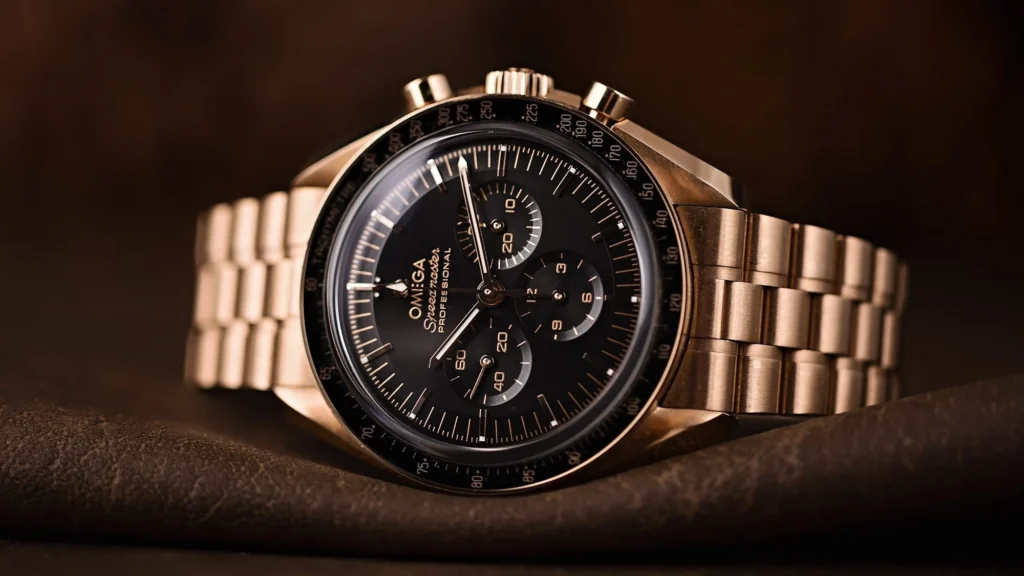
Omega Speedmaster “Moonwatch” is a solid choice with NASA history. Richard Mille? Some models sell at a significant premium over retail, though the market is more niche. Cartier Tank or JLC Reverso are appreciating more slowly, but steadily, especially vintage pieces in good condition.
Important disclaimer: appreciation is not guaranteed. Condition, rarity, provenance—all matter. Numbers look beautiful in retrospect, but the future? No one can be one hundred percent certain.
Purchase, authenticity, and exit
The decision of where you buy your watch affects both the price and the risk of counterfeits. Sometimes it’s worth waiting in line at an authorized dealer, while other times it’s better to go straight to the secondary market.
Where to buy?
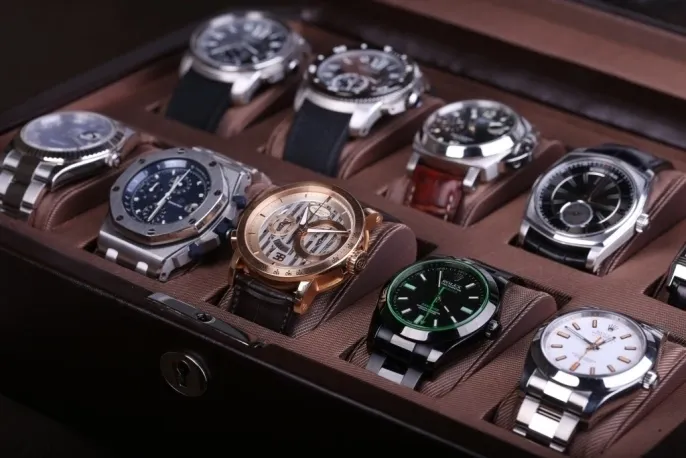
Authorized dealers (AD) offer certainty, but for “hot” models (that famous green Submariner or Nautilus), the wait can be months, if not years. The secondary market provides instant access: auction houses ( Phillips, Christie’s, Sotheby’s) are excellent for rare pieces, while platforms like Chrono24 or Bob’s Watches are great for standard ones. Richemont launched Watchfinder, Rolex has the CPO (Certified Pre-Owned) program, which increases trust in pre-owned pieces. Grey market? Lower prices, but you need to know what you’re doing.
Authenticity and safety
The basics are a complete set of documents: box, papers, service history. Check the reference and serial numbers, and compare them with the manufacturer’s databases. Fakes are getting better, so for larger amounts it’s worth paying an independent expert for verification. Buy from a trusted seller with reviews, and avoid offers that are “too good to be true.”
Service, storage, and the moment of sale
The watch in the safe, insurance up to date. Service every 5-10 years at an authorized service center (otherwise you’ll lose value). “Unworn” condition with protective film increases the price, but don’t overdo keeping it in the box—collectors appreciate patina on vintage pieces. Selling? Rare models go to auction, standard ones through platforms or back to the dealer. Remember taxes and commissions (auctions take 15-25%), calculate your actual profit before making a decision.
Between passion and rate of return
The watch market demonstrates something that stock or crypto investors sometimes forget: emotions have a price, quite literally. Often, it’s simply luck and timing, not some profound knowledge of the market.
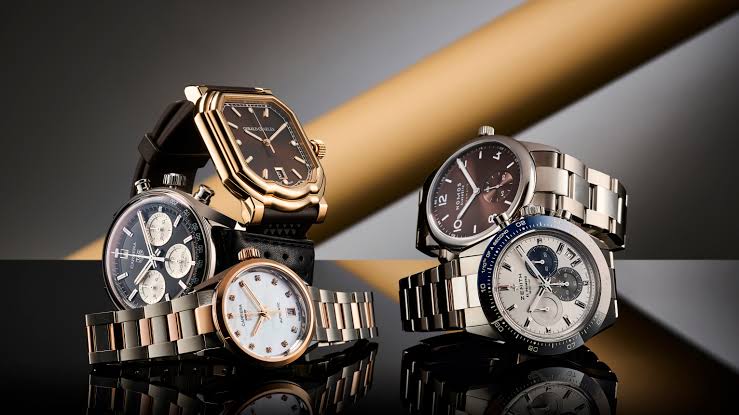
But that’s exactly why luxury watches are interesting as an investment. It’s not an Excel sheet with forecasts—it’s something you wear on your wrist and actually enjoy. If after five years you make a 10% profit, great. If you break even, well, you had a nice watch for five years. It’s worse if you lose 30% and kept it locked in a safe the whole time because “it’s an investment.”
The most important lesson? Buy something you enjoy wearing. That way, even if the market crashes, you won’t regret it.
Endy 78
editorial team




Leave a Comment