

Caviar ranking – how to choose and what not to miss
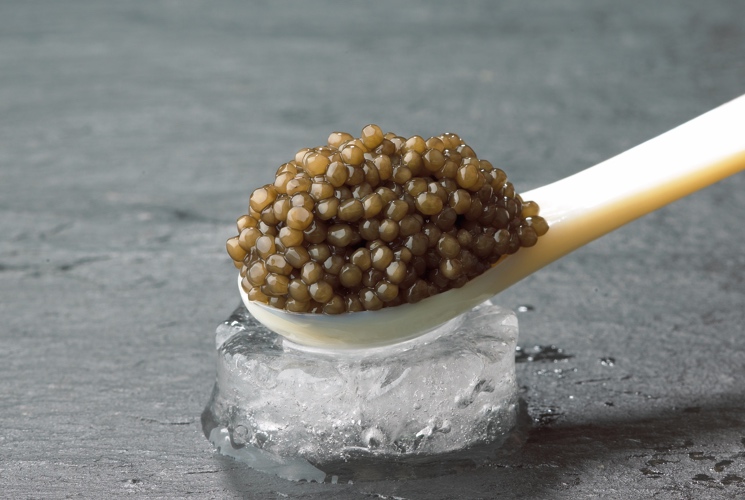
Aquaculture now accounts for about 93% of the world’s caviar production, with China alone supplying around 260 tons annually, which represents approximately 35% of the global supply. In July 2026, TasteAtlas updated its list of the best caviars, with Petrossian taking the top spot and Polish Antonius Caviar ranking sixth with a score of 4.8/5. The scale is significant, and the topic clearly remains vibrant.
There is no single official list. Some rankings show what Europeans buy most often (here, price and availability matter the most), while others focus on what experts consider the best in terms of quality. In practice, the ” caviar ranking ” in Europe is more of a patchwork of different perspectives than one definitive verdict.
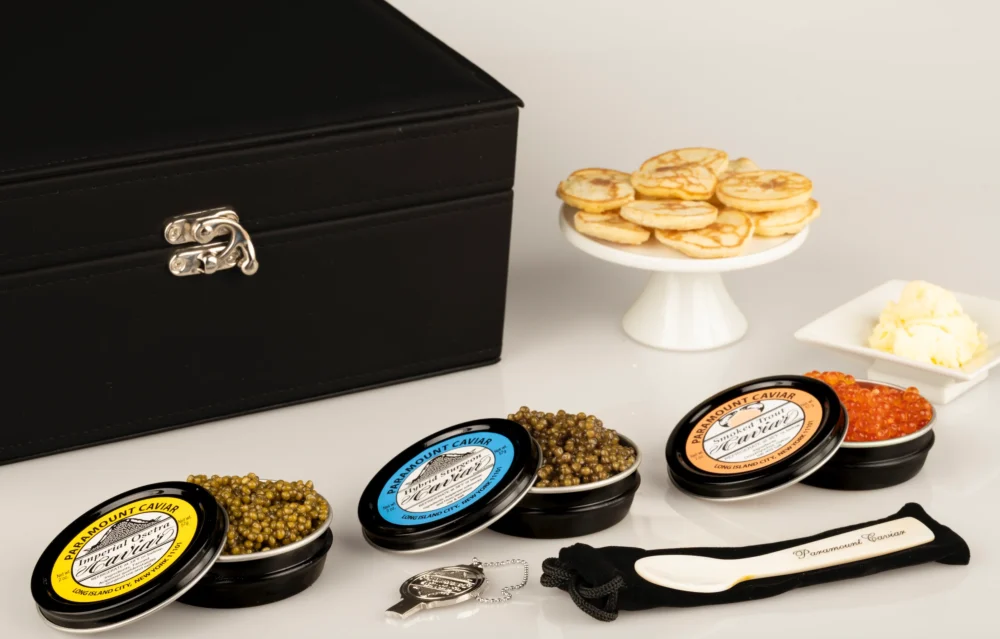
Next, you will see what criteria to use when evaluating, where to find reliable sources, and how to shop consciously.
Caviar ranking
If you want to understand why one caviar costs several hundred zlotys while another is just a fraction of that price, you need to know the criteria used by professional rankings and tasters. It’s not black magic, just specific parameters.
Three Ts
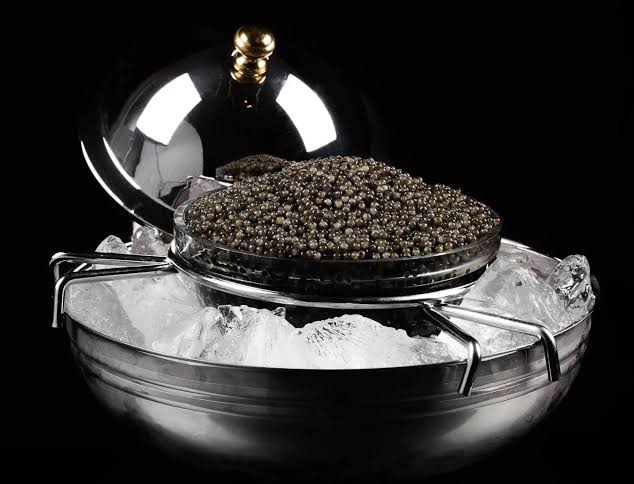
In the world of caviar, the “three T’s” rule applies (Taste, Texture, Tone), and these are exactly what the best rankings are based on. Taste means a pure, delicate flavor with no trace of bitterness or metallic aftertaste. Texture refers to the firmness of the grains, the moment they pop on the tongue (that characteristic “pop”), and a creamy consistency. Tone is all about visual harmony: an even color throughout the batch, a natural sheen without dullness or discoloration.
| Criterion | What to look at | What disqualifies |
|---|---|---|
| Taste | Pure marine aromas, delicate saltiness | Bitterness, metallic aftertaste, acidity |
| Texture | Firm grains, “pop”, creaminess | Diluted, compacted, lacking elasticity |
| Tone | Even color, natural shine | Discoloration, dullness, lack of uniformity |
Malossol and grade
The term “Malossol” (approx. 3-5% salt) is a mark of quality. Less salt requires perfect raw material and results in better texture and aromas. Pasteurized products (longer shelf life) lose delicacy, so rankings favor non-pasteurized versions. Grade depends on grain size, color, and firmness. The larger, lighter, and more uniform the grains, the higher the grade.
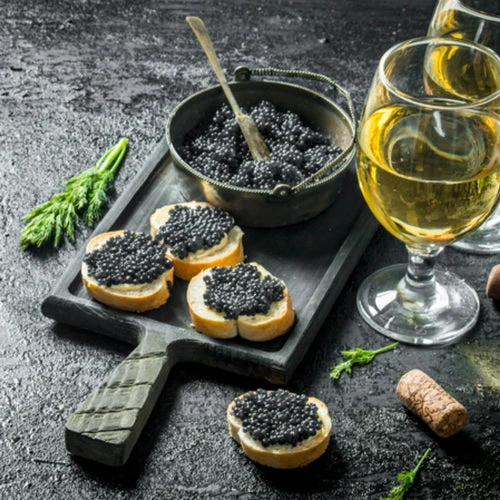
Also remember the distinction: black sturgeon caviars (Beluga/Huso huso, Osetra/A. gueldenstaedtii, Baerii/A. baerii, Sevruga, Sterlet, Kaluga, White sturgeon/A. transmontanus) are a completely different category from “red” salmonid roes or imitations (capelin, lumpfish, dyed herring). Rankings often mix these groups, making comparisons difficult.
The sustainability aspect also matters: aquaculture with batch tracking, IFS/BRC-type certifications at producers, and CITES compliance (mandatory for sturgeon) are the modern standard of high quality.
Ranking sources
Caviar rankings are created in various places and for different reasons. There is no single “official” list, as each source measures something different. Sales platforms show popularity and availability, flavor aggregators assess tasting quality, while caviar houses build prestige through selection and maturation.
TasteAtlas and caviar houses
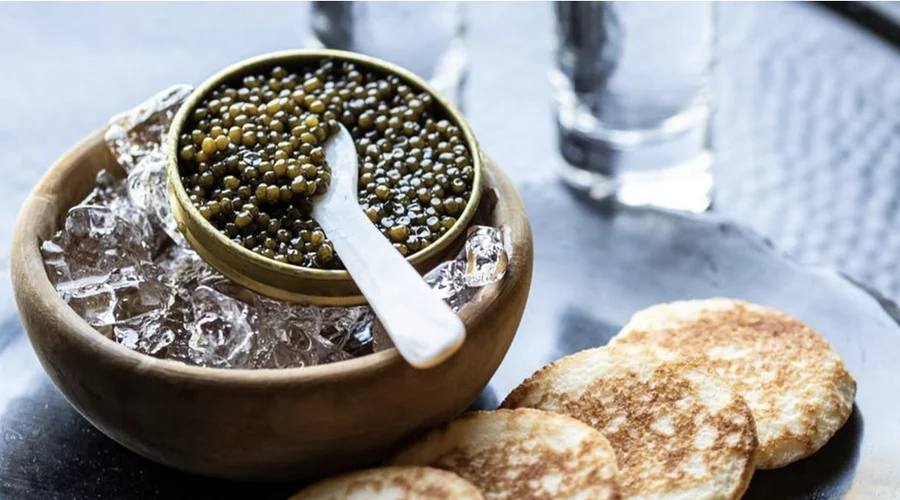
TasteAtlas (data from July 2026) aggregates ratings from food enthusiasts and professionals. In first place is Petrossian, the legendary brand operating since 1920. The Polish Antonius Caviar ranks sixth with a score of 4.8/5, showing that domestic producers are truly excelling. Kaviari, Prunier, and the Spanish Riofrío (organic) are also highly rated, while Osetra and Beluga caviar average around 4.2 points.
Caviar houses influence rankings through the way they select roe, mature it, and ensure quality consistency. Their brand becomes a guarantee that experts take into account in their evaluations.
| Source | What it measures | Examples 2026 | For whom |
|---|---|---|---|
| Allegro | Popularity, sales | Vodnyj Svit (capelin), imitations | Buyers seeking availability |
| TasteAtlas | Flavor ratings | Petrossian #1, Antonius #6 (4.8/5) | Tasters, enthusiasts |
| Caviar houses | Prestige, selection | Kaviari, Prunier, Riofrío | Premium clients |
Types of caviar and flavor profiles
Once you know which sources are trustworthy, it’s worth understanding what actually distinguishes the different types of caviar. It’s not just a matter of price or prestige—each variety has its own flavor profile and texture, suited to different occasions and tastes.
Black sturgeon:
This is where the real journey through flavors begins. The most important types:
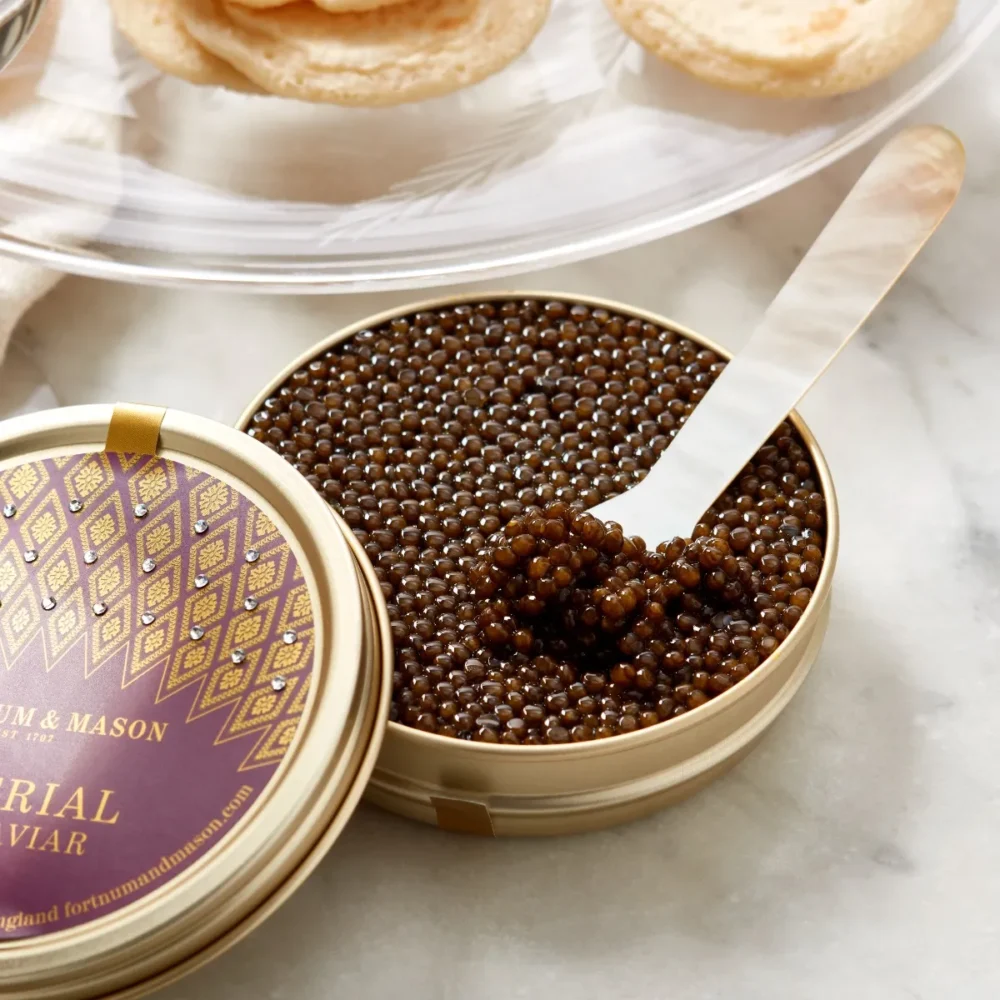
- Beluga (Huso huso): grains 3-4+ mm, creamy texture, buttery and delicate flavor. Prestigious, but not always the most complex—rather subtle.
- Osetra (Acipenser gueldenstaedtii): firmer grains, nutty notes, often with a hint of sweetness. A more complex profile than Beluga, with a wide range of colors from light gold to brown.
- Baerii (Acipenser baerii, Siberian): earthy, nutty, versatile in use. Good flavor consistency, smaller grains than Osetra.
- Sevruga/Sterlet: the smallest grain among the prestigious varieties, with a more intense and pronounced taste of the sea.
- White sturgeon and hybrids: diverse profiles, often combining traits of the parent species.
Red and imitations
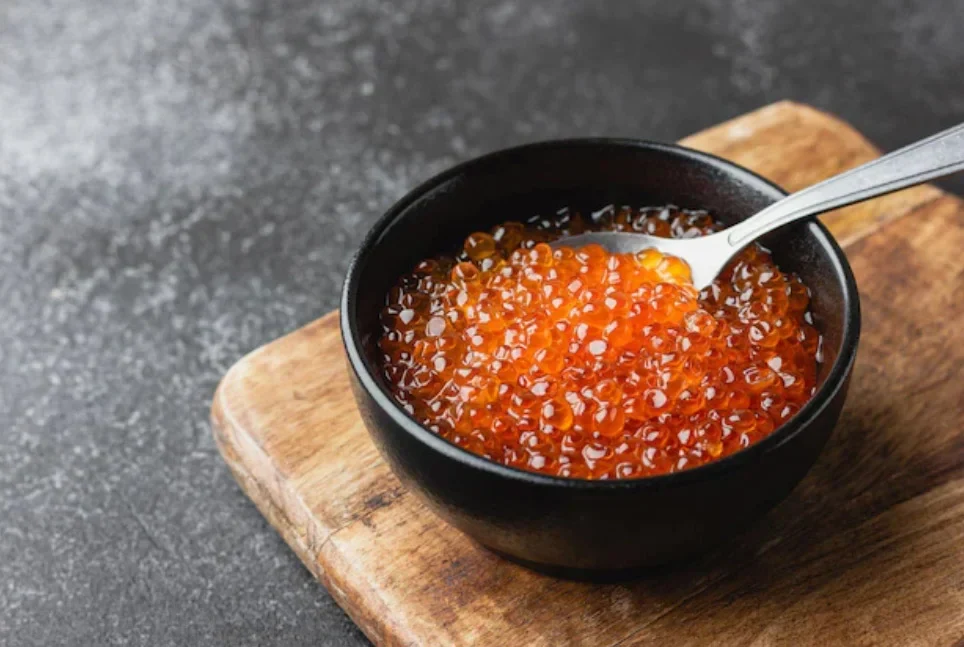
Salmon caviar (keta, pink, sockeye) has larger, firm grains and a sweet-buttery profile. A completely different category than sturgeon, but great for everyday use. Imitations like capelin or lumpfish? Often more heavily salted, colored, with a simpler taste, but they have their place in the kitchen, especially as a decoration. You just need to know what you’re buying.
Smart shopping
The label says it all. Really. If you’re buying sturgeon caviar or paddlefish caviar, look for the CITES code—this is a mandatory international marking that tracks origin, species, and batch. Without it? Either you have an imitation, or something went wrong in the supply chain. Quality certificates like IFS or BRC appear with reputable producers and are a good sign that the farm takes traceability seriously.
What to read on the can?
Check information about the species (e.g., Acipenser baerii), country/farm of origin, packing date, and processing method. “Malossol” means lightly salted: a quality standard. Pasteurization extends shelf life but changes the texture; non-pasteurized is a more delicate product, often more expensive. Grain grade (size) may be given numerically or descriptively. Beware of “black” roe from non-sturgeon fish colored with dyes—if there is no CITES and the price is suspiciously low, it’s probably not sturgeon.
How much does it cost and where to buy?
The approximate range for 100 g looks roughly as follows:
| Category | Range (USD/100 g) | Attention |
|---|---|---|
| Imitations/red caviar | 10-50 | salmon, trout, capelin |
| Black sturgeon | 50-200+ | Baerii, Gueldenstaedtii, Transmontanus |
| Beluga/premium | 200-500+ | rare, limited batches |
| Almas (extremum) | up to 30,000 EUR/kg | absolute top |
In Europe, shop at reputable delicatessens or directly from producers. What’s important? Always a cold supply chain, a complete label, and a clearly visible expiration date. Marketplaces? Okay, but only sellers with reviews and full documentation. Counterfeits are a real problem, so if something seems too good for the price, it’s probably fake.
Between myth and label
Rankings of caviars are a tool, not a verdict. The best lists combine objective criteria (species, origin, freshness) with market context, but the final choice is always yours. Transparent product descriptions, certifications, and clear information about farming methods often say more than a spot on the list. From exclusive white sturgeons to accessible farmed caviars, the market is changing: modern aquaculture is no longer a compromise, but a standard of quality. It’s no longer a choice between legend and reality, but a conscious decision based on reliable knowledge.

The ranking ends when you translate this knowledge into your own taste. The prestige of a brand cannot replace the flavor that truly suits you. What matters is what you feel on your palate, not what appears on the label.
Mark
editorial team
Luxury Blog





Leave a Comment