

The best sushi in New York – top 10 restaurants 2026
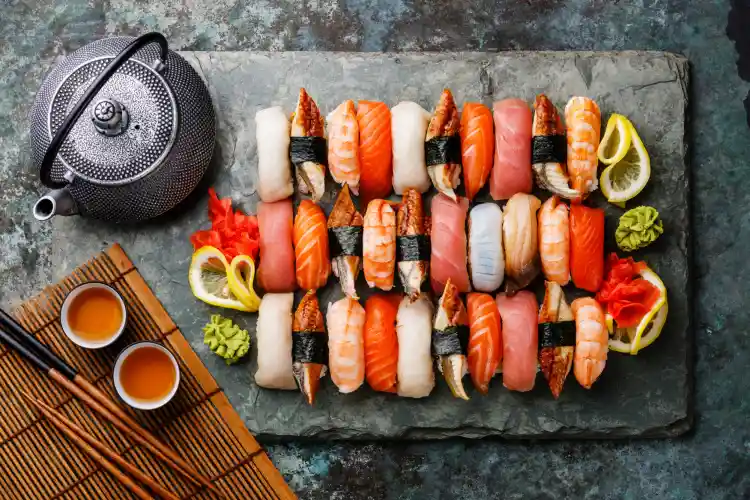
In New York, you’ll find around 1,000 sushi spots, but that doesn’t mean they’re all in the same league. The price range for an omakase menu? From $98 at solid neighborhood bars to over $1,000 for a seat at the counter with a chef who ferments tuna for 21 days. It’s this very range that makes NYC the most fascinating sushi scene outside of Japan.
Michelin reshuffled the deck in the 2025/26 season (Sushi Sho with three stars is just the beginning), and a new generation of sushiya is focusing on fermentation, wild rice, and local catches instead of just chasing bluefin from Tsukiji. Reservations via Resy or Tock can disappear in 90 seconds, but not every top spot plays by this system.
Our ranking combines the elite with alternative approaches, without any talk of “authenticity.” Below you’ll find specific selection criteria, profiles of the top ten places, and practical tips on how to plan your visit without wasting your budget.
The best sushi in New York: criteria, sources, and standards
We compiled this ranking between February and May 2026, using five main sources: Michelin Guide New York, Eater NY, Time Out NY, The Infatuation, and The Sushi Legend. In addition, we relied on our own visits and conversations with people who have spent hundreds of hours at these counters. The goal was to capture a snapshot of the scene at a specific moment, without mixing opinions from two years ago with what’s happening now.
With whom and on what basis we made comparisons
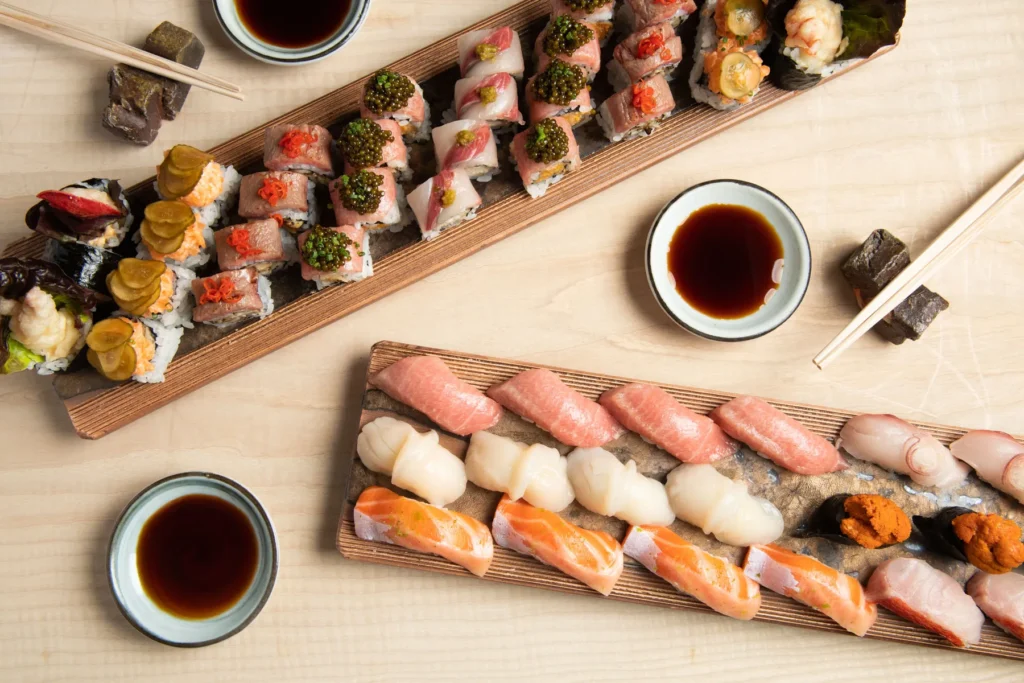
In addition to guidebooks, we aggregated reviews from experts (chefs, sommeliers, critics) and checked the menu’s currency as of May 2026. The benchmark is the Edomae standard: shari served at around 90-100°F (warm to the touch, not cold), fish aged (kohada in vinegar for at least 3 days, tai matured for several days), sourcing mainly from Toyosu and Hokkaido, often with 3 flights per week. We also looked at techniques, binchotan, fermentation, and the balance between rice and fish.
What does quality mean in Edomae
Apart from the product, the entire experience at the counter mattered:
- Omakase rhythm: 15-25 bites served at a steady pace, without pointless small talk.
- Pairings: sake (junmai daiginjo, kimoto), natural wine, sometimes cocktails.
- Service: the master reads your pace, explains the fish without a lecture.
- Diversity: hikari mono, toro, uni, kohada, anago – a full spectrum.
We divided the venues into three categories: takeout (30-50 USD), neighborhood à la carte (50-150 USD), and luxury omakase (200-1,000+ USD). Each has its own criteria, but consistency in execution was important everywhere.
Top 1-5: omakase temples and icons of the NYC scene
This is where the real extreme ride through New York sushi begins. These five places are the absolute pinnacle, where the ticket price starts at around $190 and can easily climb to $650 for an evening. But you get more than just fish and rice.
Sushi Sho (3 E 41st St, Midtown) is run by Keiji Nakazawa and holds three Michelin stars. Pricing? From $450 and up. The New York Times called this place “the sushi counter of the moment,” and for good reason: fermentations, rare species like mehikari, a strict no-photos policy. You come here for the experience, not for Instagram.
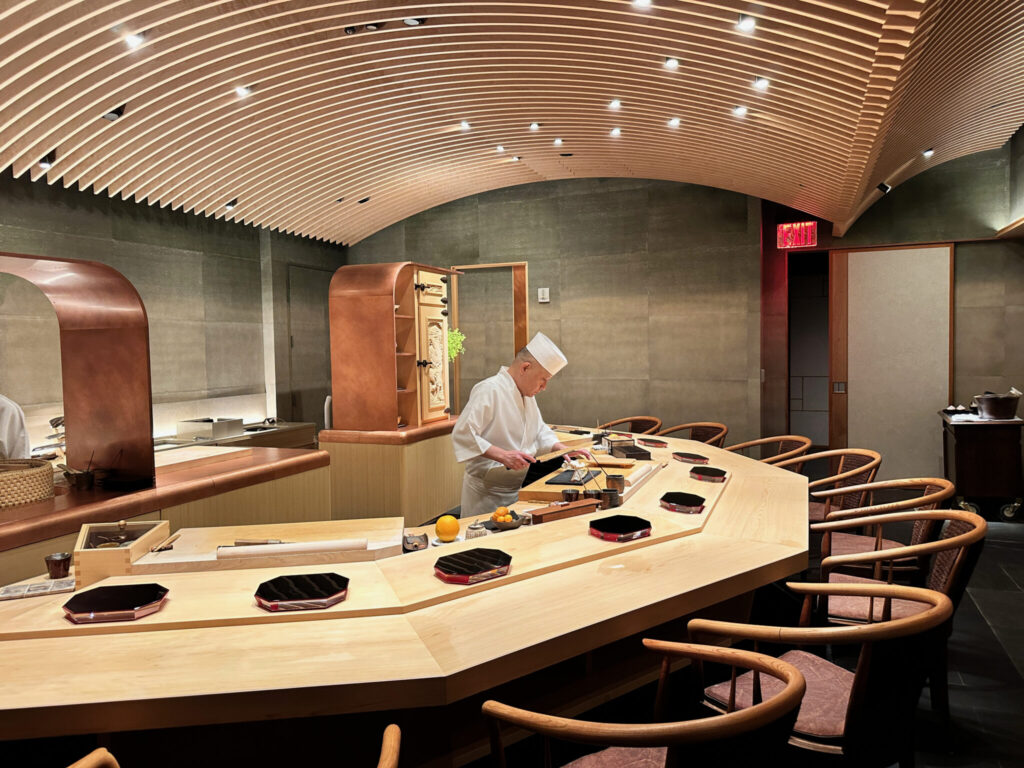
Sushi Nakazawa (23 Commerce St, West Village) belongs to Daisuke Nakazawa, a disciple of the legendary Jiro. Around $190 at the counter, fish imported from Japan, rated 5/5 by Time Out. The most accessible option on this list, though “accessible” is a relative term.
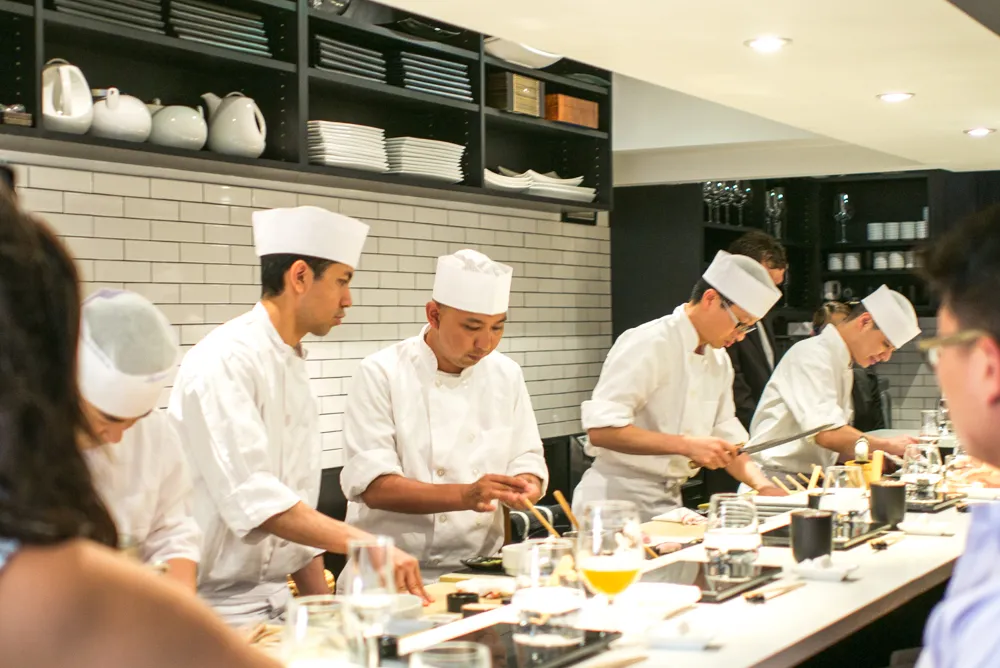
Sushi Noz (181 E 78th St, UES) and Noz 17 (458 W 17th St, Chelsea) are two interpretations of the vision of Nozomu Abe and Junichi Matsuzaki. The first location costs around $550 and holds 2-3 stars, while the second is about $195 for 7 counter seats with 1-2 stars. Temple-like atmosphere, binchotan charcoal, zero compromises.
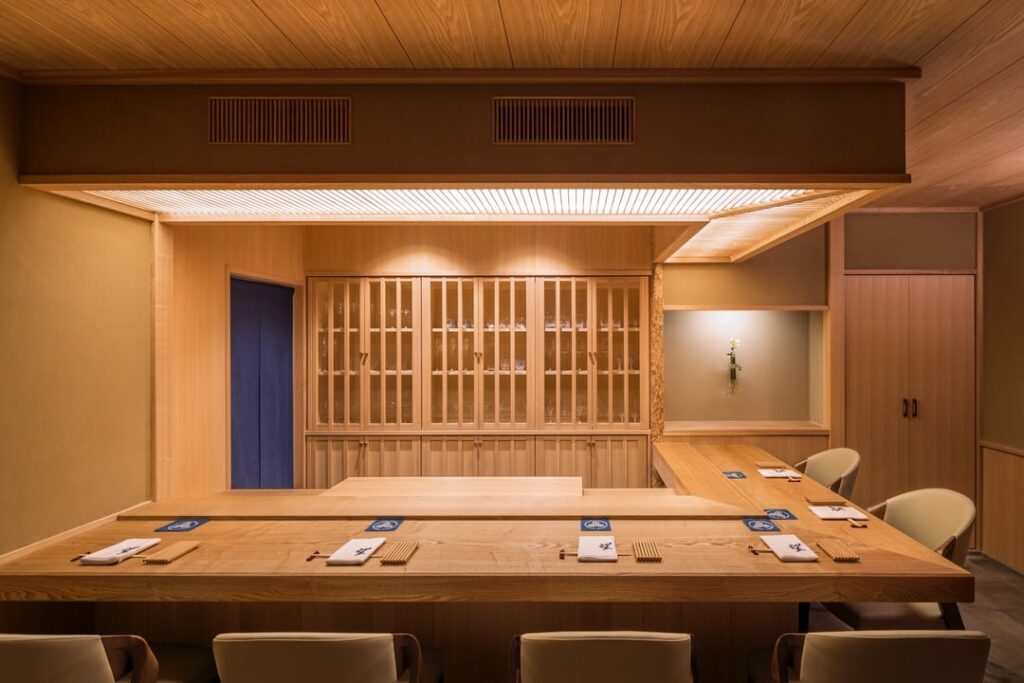
Yoshino (342 Bowery, Noho) is run by Tadashi “Edowan” Yoshida. Menu $500–648, Michelin star, 8.9/10 rating from Infatuation. Here you’ll find French accents: caviar, truffles, fusion at the highest level.
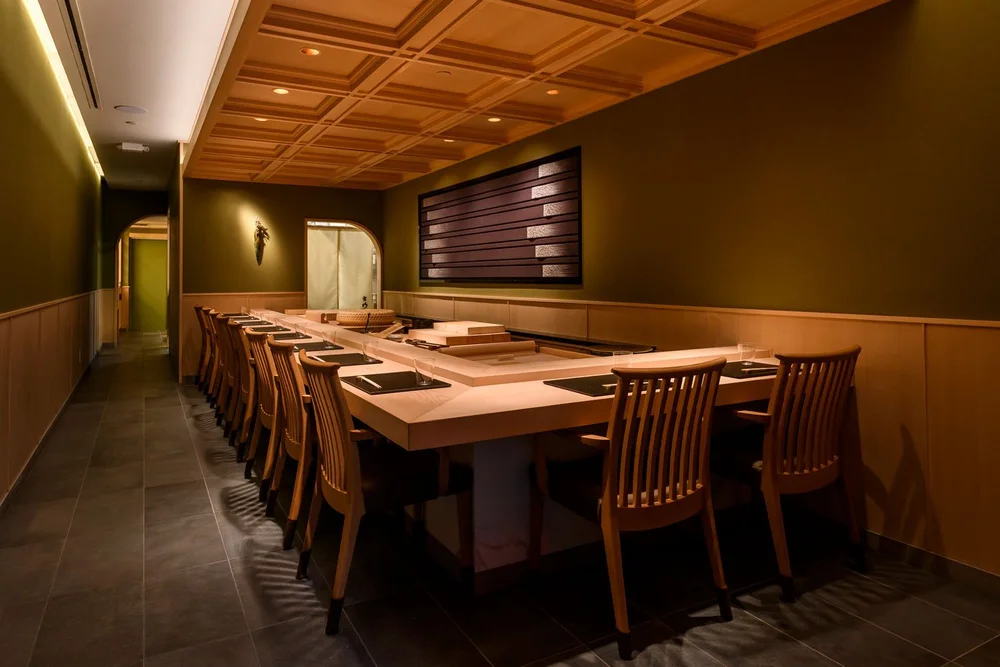
Shion 69 Leonard (69 Leonard St) rounds out the top five with a price of around $480 and a rating of 8.8/10. The butterfish in ponzu is something you’ll remember for a long time. Service perfected down to the last detail.
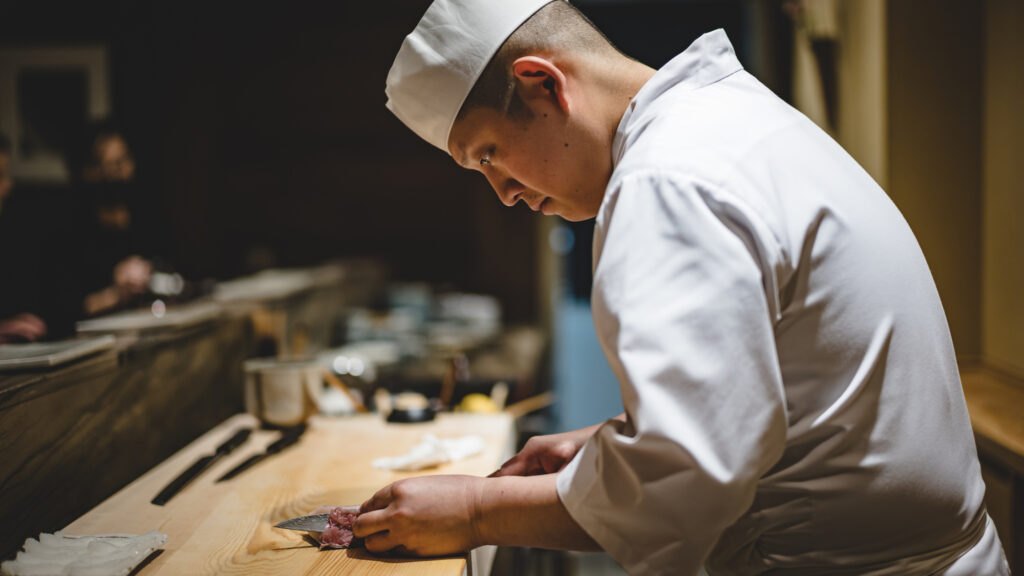
Each of these places represents a different philosophy, from the purist Sho to the avant-garde Yoshino. Diversity at the highest level.
Top 6-10: legends, debuts, and alternative approaches
Places 6-10 offer a great lesson in how diverse New York sushi can be. From counters costing half a thousand dollars to sustainable à la carte options for $50. Let’s take a look at specific chefs and their approaches.
Jōji (One Vanderbilt, near Grand Central) is the debut of George Ruan, who previously worked at Masa. Omakase ranges from $295 to $410, Michelin star, and a hinoki counter. Elegance on a high floor, close to the station. Sushi Yasuda (204 E 43rd St), on the other hand, is a legend—Naomichi Yasuda has run this place for years and offers omakase for $130–$170. One of the oldest experiences of its kind in NYC, still maintaining its high standards.
Takeda (566 Amsterdam Ave, Upper West Side) is Yukihiro Takeda and his Edomae for about $280. The fish comes from Toyosu, but the chef experiments, for example, with soba-maki as an innovation. Sushi Ichimura (412 Greenwich St, Tribeca) is a price extreme: about $475 for omakase with rare fish from Hokkaido and Toyosu. Eiji Ichimura plans to close the venue after August 2026, so this is the last call.
Finally, Rosella, an alternative approach: fish from North America (halibut, arctic char), à la carte for about $50. A score of 8.8/10 on The Infatuation shows that you can make great sushi without importing from Japan. The diversity of approaches in this top five speaks for itself.
Prices, reservations, and trends 2026
Planning a visit to a New York sushi restaurant is a bit like putting together a puzzle. On one hand, you have the elite segment, where the bill easily exceeds $300 per person, and at places like Masa or Noz, it approaches $1,000. On the other hand—and here’s the good news—the middle segment is growing the most: venues in the $100–$200 range. That’s where the most is happening, because this price point is no longer reserved just for the elite.
Reservations? For top spots like Sushi Ginza Onodera or Yoshino, you have to book through Resy or Tock, often months in advance. Some places release tables at midnight exactly 30 days ahead, and they disappear within minutes. Kanoyama and Seki sometimes accept walk-ins, but it’s a gamble.
Looking for budget options? Check out:
- Sushi 35 West – omakase to go for about $120, quite decent
- Sendo – sets for $33-48, classic style without fireworks
- Sushi On Me – approx. 99 USD with unlimited sake, a more party-like atmosphere than a ceremony
What drives the scene in 2026
November 2025 brought a small earthquake: Masa dropped from three to two Michelin stars, while Sho was promoted to three. Sushi Noz faced accusations of shrinking portions, although the place still draws crowds. On the horizon are upcoming openings: Miura, Sushi Yoshitake NYC, and Sushidokoro Mekumi, all slated for 2026.
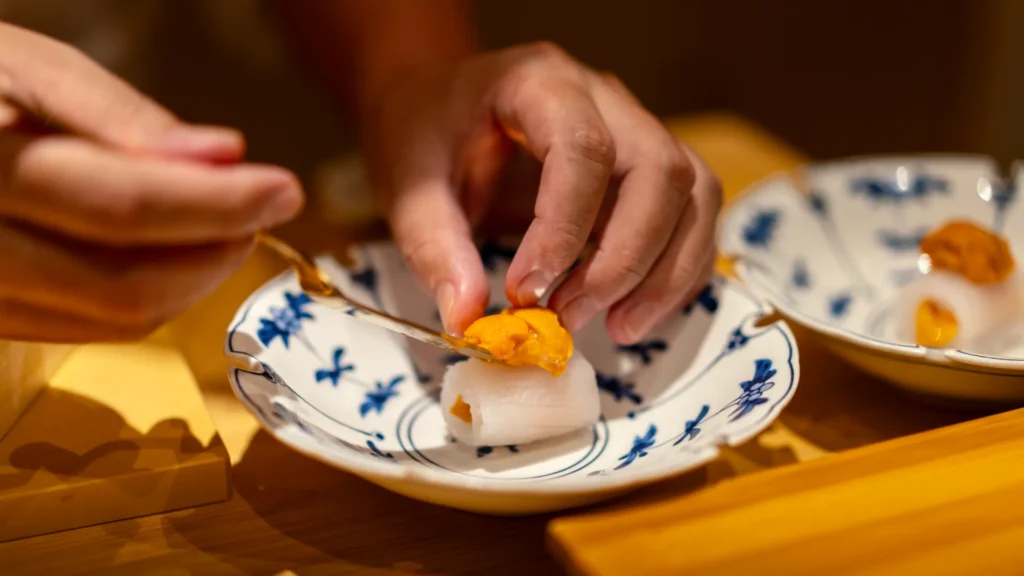
When it comes to trends, Asian fusions (Korean-Japanese, Southeast Asian inspirations) are gaining momentum. Rosella focuses on sustainable local fish, fermentation, and binchotan grilling. It seems that the $100–$200 segment has stabilized, and this is where the most interesting competition will take place. The NYC market isn’t slowing down, it’s just transforming.
What really sets these addresses apart?
In New York, the best sushi isn’t just nigiri served on hinoki. It’s a combination of craftsmanship (often honed over years in Tokyo), access to ingredients from Toyosu and Tsukiji, and the entire reservation ritual, which itself becomes a filter for quality. Michelin can’t keep up here, because the places we’re talking about often change character faster than the guide can review them. What really matters is whether the chef has a story, whether the menu changes with the seasons, and whether you can even manage to get a table.
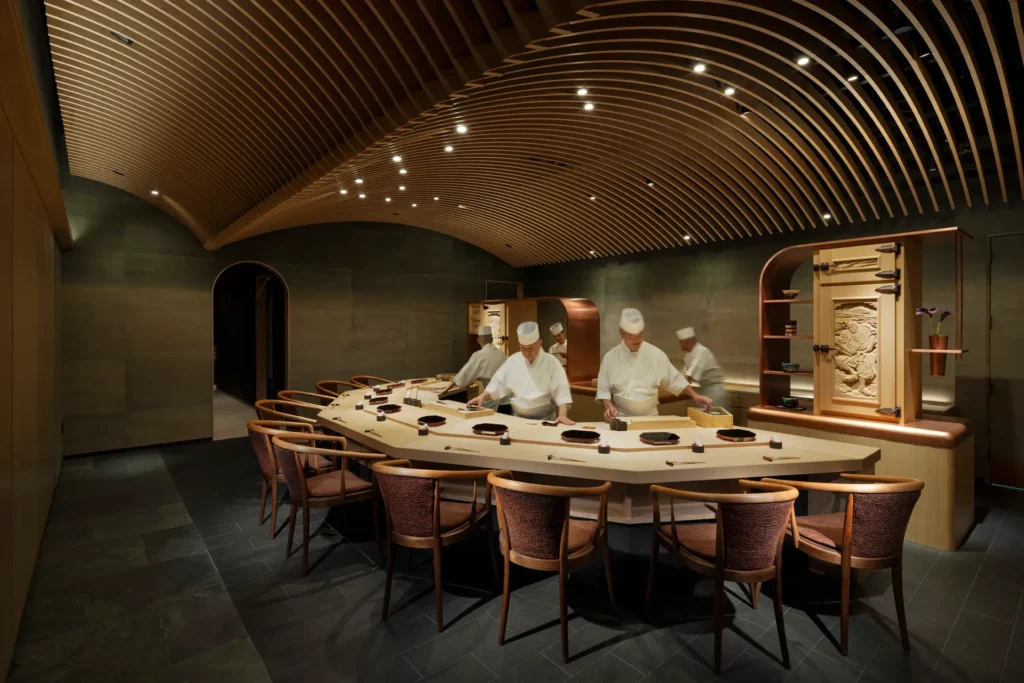
That’s why the ranking covers both the classic Edomae approach ( body-temperature rice, one-bite nigiri), as well as places that break conventions, because NYC is an environment where tradition meets new ideas without losing respect for the form.
In the end, if you know where to look and how to book, the omakase experience in 2026 can truly surprise you. Even if you’ve dined in Ginza.
Sommi
lifestyle editorial team
Luxury Blog



Leave a Comment