

Why Hermès Never Goes Out of Style – Craftsmanship, Rarity, Value
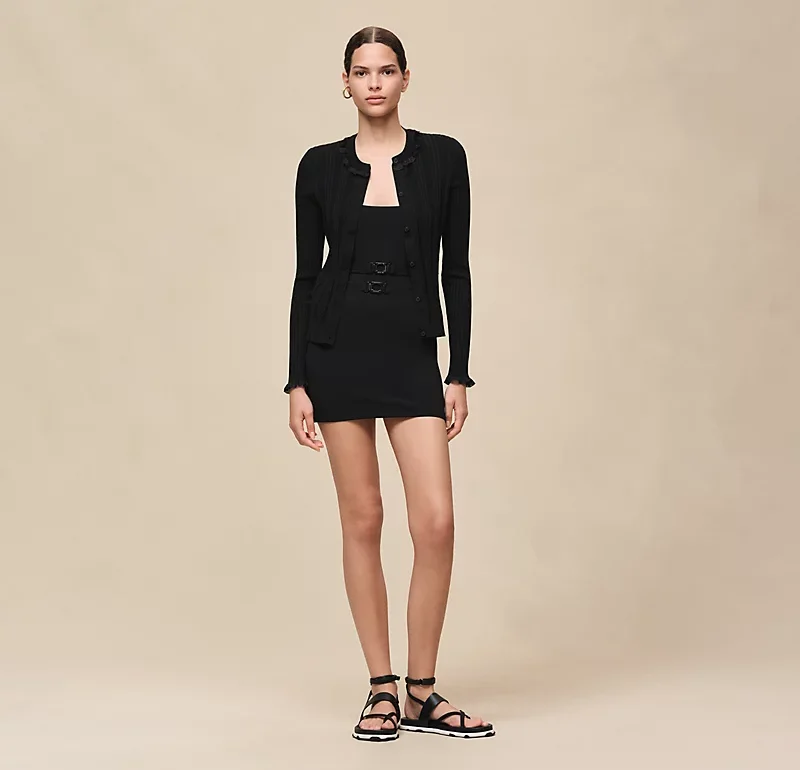
While most fashion houses are struggling with a market slowdown, Hermès closed 2025 with revenues of €16 billion (+9% LFL) and an operating margin of 41%. Fourth quarter? +10% LFL. First quarter of 2026? Another €4.1 billion and +6% LFL. While competitors are looking for savings, Hermès simply keeps growing.
The secret lies in something that Vogue describes as a “product policy instead of an image policy.” Hermès doesn’t chase trends. It creates items that will last for decades. It doesn’t invest millions in celebrity campaigns, but rather in artisan workshops and top-quality materials. It doesn’t try to sell a lifestyle; it sells a specific item that will be just as good now as it will be in 30 years.
Why Hermès never goes out of style – luxury that never ages!
Birkin or Kelly are the result of this philosophy, not its goal. They were not created to generate media buzz. They were created because someone needed a practical, beautiful bag. Iconic status came later, on its own.
What made this strategy work in the first place? Where did this approach come from? How does Hermès manage scarcity without losing customers? And what do the numbers say when we dig into the details? More on that below.
Hermès Heritage
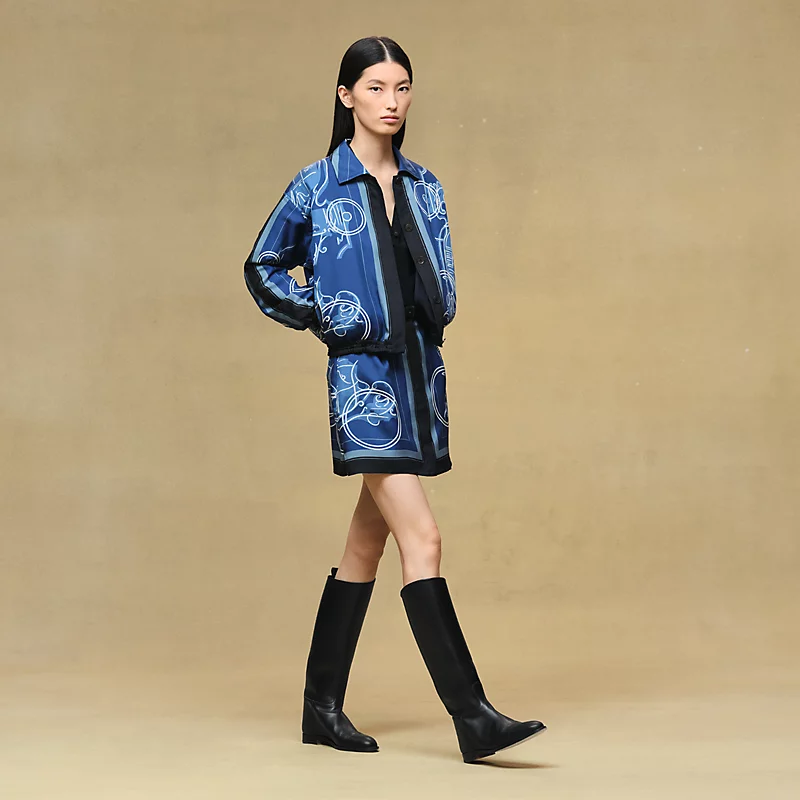
The history of Hermès begins in 1837, when Thierry Hermès opens a workshop in Paris making harnesses and saddles for the European aristocracy. As early as 1867, his products win an award at the Exposition Universelle, and the imperial court in St. Petersburg orders exclusive equipment. In 1880, the company moves to 24, rue du Faubourg Saint‑Honoré, where it still operates today.
Interestingly, it is the equestrian roots that have shaped the DNA of the brand: the precision of the stitching, the quality of the leather, and the respect for the time required to achieve perfection. But Hermès has never been stuck in the past.
| Year | Event |
|---|---|
| 1837 | Thierry’s workshop in Paris |
| 1880 | Moving to Faubourg Saint‑Honoré |
| 1922 | The first handbags with a leather zipper |
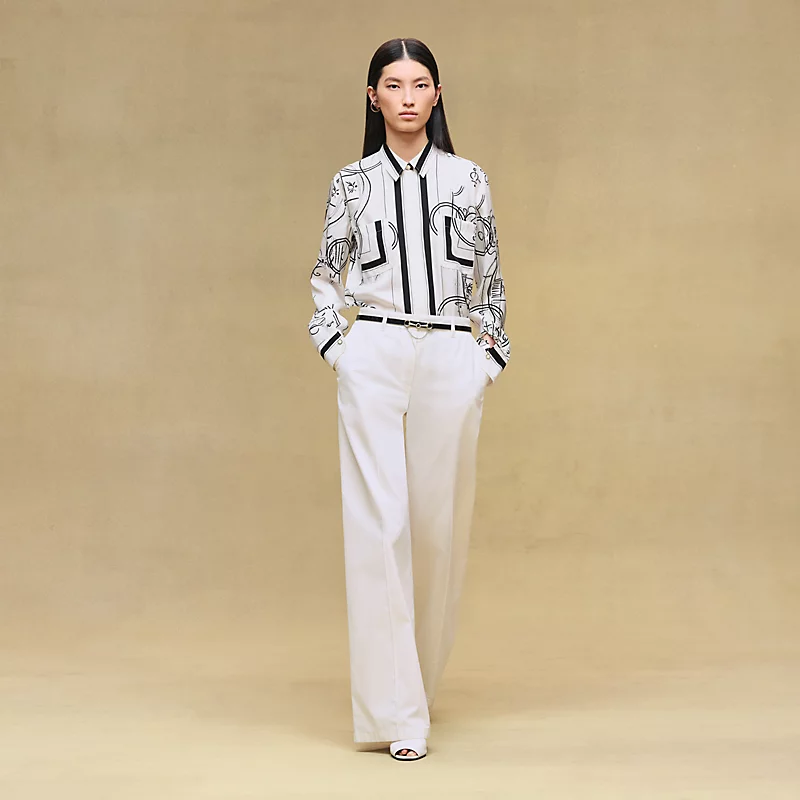
| 1937 | Debut of silk scarves |
| 1956 | The birth of the “Kelly” after the photo of Grace Kelly in |
| 1984 | Jane Birkin meets Jean‑Louis Dumas, the Birkin is created |
| 1993 | IPO with subscriptions exceeding by 34 times |
| 2020 | Rouge Hermès debut (cosmetics) |
These models, Kelly and Birkin, are not just handbags. They are symbols of the continuity of a family vision: Axel Dumas (sixth generation) now leads the strategy, Pierre‑Alexis is responsible for the collections. The company employs thousands of artisans in workshops across France and has not handed over control to any conglomerate. It is precisely this continuity that builds credibility, which cannot be bought with money.
Craftsmanship and rarity in practice
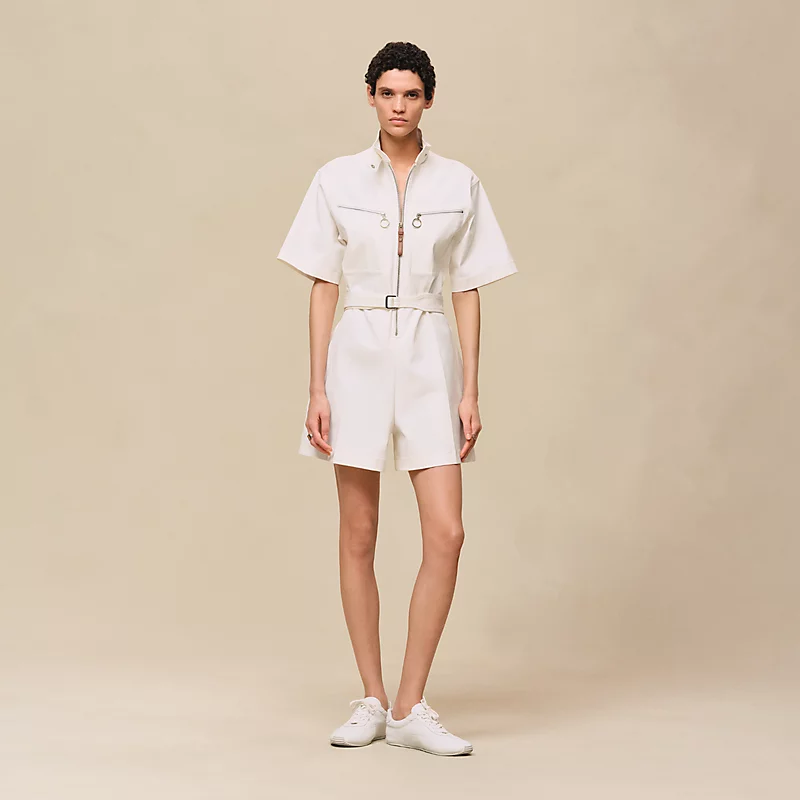
Hermès operates according to a simple principle: few artisans, long production times, zero compromises. Around 60 workshops in France employ about 7,000 artisans, each of whom crafts a single bag from start to finish. No assembly line. Creating a Birkin or Kelly requires 15–25 hours of pure work, using hand saddle stitching that eliminates the need for machines. The leather comes from their own tanneries, mainly in Annonay. This explains why you can’t simply “produce more.”
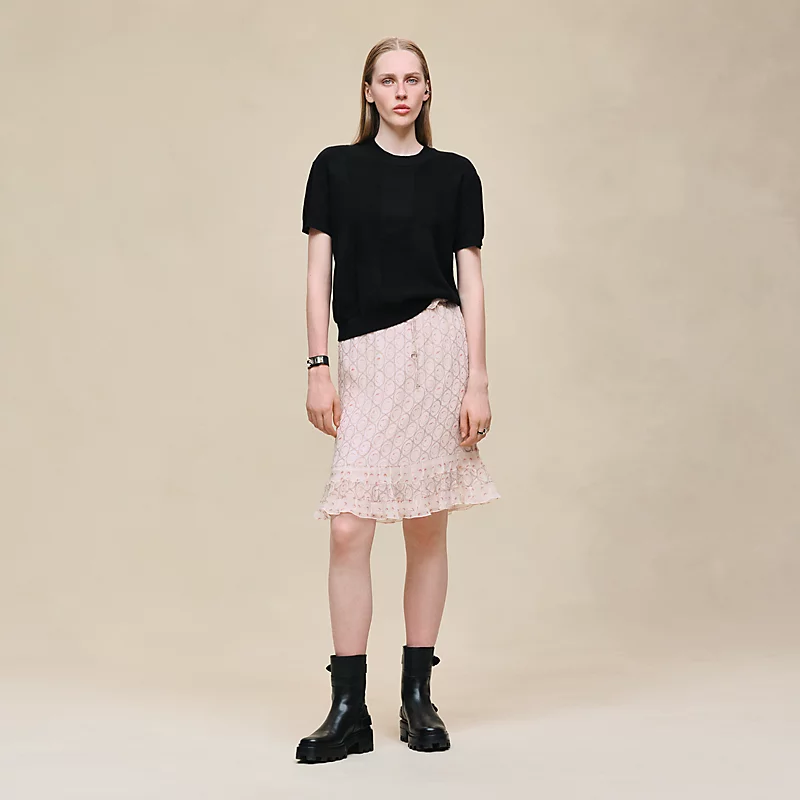
Rarity is managed cynically and very deliberately. Even VIPs have limits, usually 2 Birkins per year. The rest have to wait. Waiting list? A real thing, not a marketing ploy. Distribution is about 300 own boutiques, so control is absolute. And it works.
Numbers that confirm the advantage
In 2025, Hermès achieved revenues of €16 billion (+9% LFL), with an operating margin of 41%. The leather segment alone grew by 13%, Q4 delivered +10% LFL, and Q1 2026 reached €4.1 billion and +6% LFL. Prices are rising by 6-7% annually in 2025 /26, and no one bats an eye.
| Metrics | Value |
|---|---|
| Revenue 2025 | €16 bn (+9% LFL) |
| Operating margin | 41% |
| Growth of the leather segment | +13% |
| Number of workshops | ~60 (France) |
| Own boutiques | ~300 |
| Annual price increase | 6-7% |
On the secondary market, Birkin and Kelly account for 25-28% of the brand’s revenue, but their resale value is 1.4-2.2x the retail price (Rebag/Bernstein data). Kelly Mini II? An increase of +282% compared to retail. Over the past decade, Birkin has grown by 92% (AMR). This is a pure Veblen effect—the higher the price, the greater the desire. Innovation is happening too: Victoria with Sylvania mycelium leather (MycoWorks) since 2021, and the 23rd workshop opened in 2024. Market capitalization? Over €250 billion in 2025. The strategy is working.
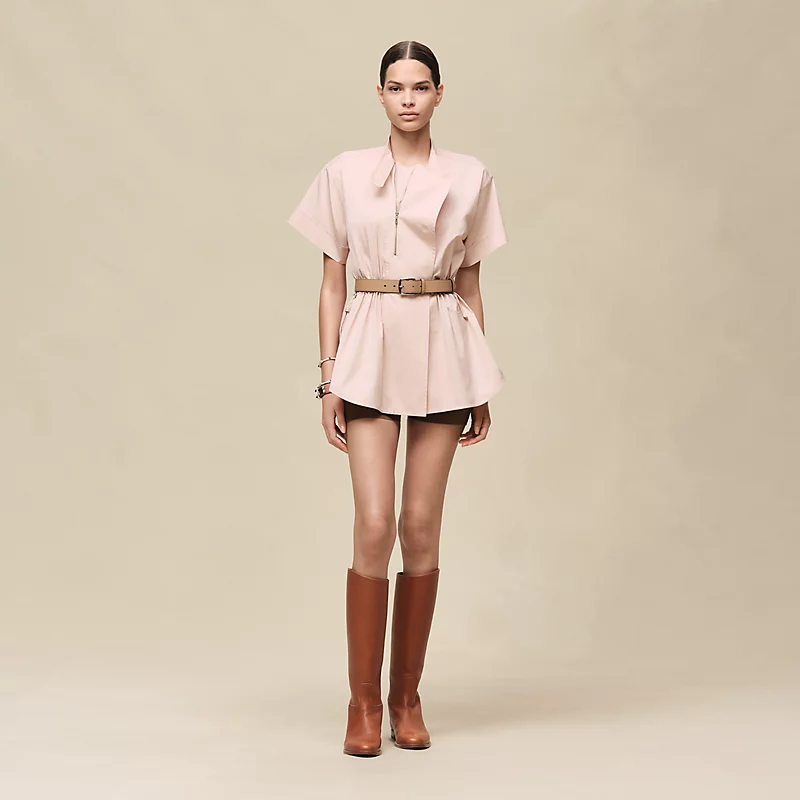
Timelessness as an advantage for tomorrow
Hermès proves that a true luxury brand doesn’t have to chase trends—it can simply ignore them. While competitors redesign their collections every season, the French brand has been producing almost identical models for decades, and that’s exactly why their value keeps rising. It’s a paradox that works—a whole philosophy built on repetition instead of innovation.
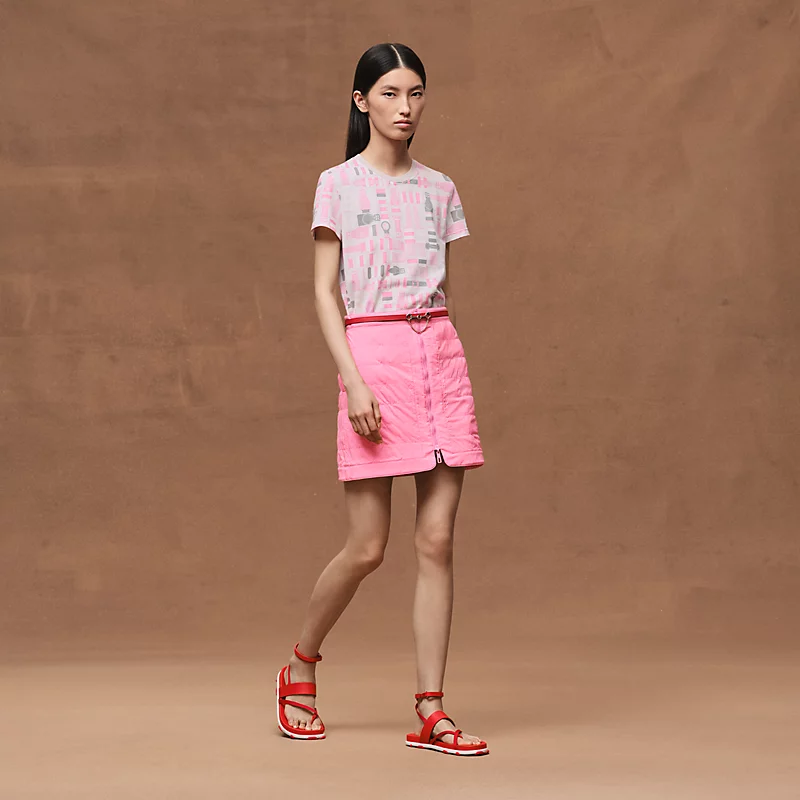
In a world where fast fashion has taught us to throw away clothes every six months, Hermès offers the opposite. An investment that makes sense not only financially. You buy once, wear it for a lifetime, and pass it on to your daughter. And it is precisely this predictability that has become the brand’s greatest advantage.
Ann
editorial staff




Leave a Comment