

Ranking of museums in Florence – top places, numbers, and tips
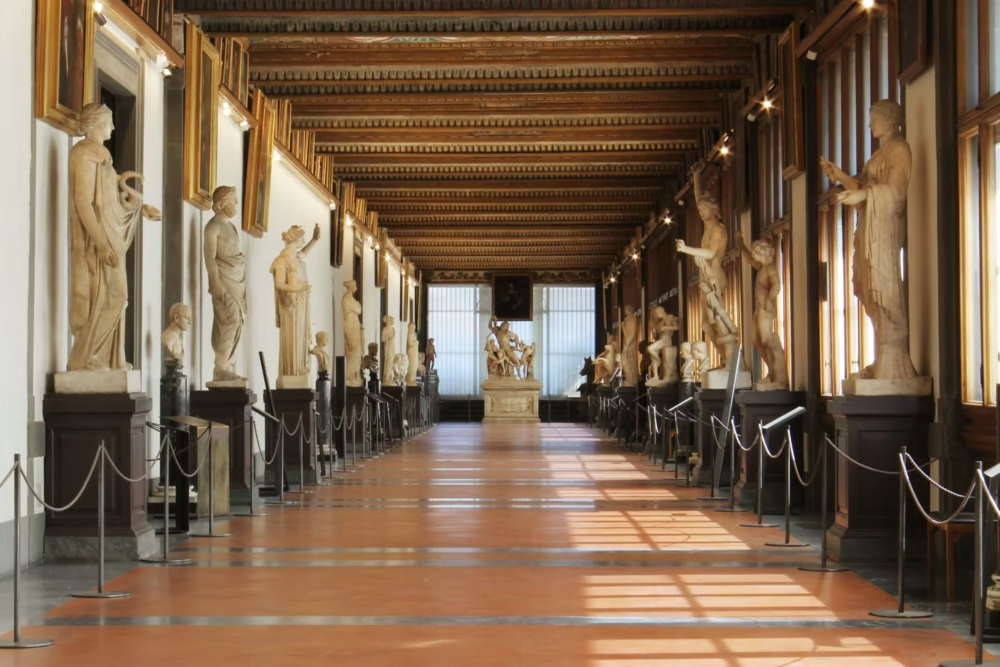
Today we decided to write for you a ranking of museums in Florence. Did you know that in 2024, the Gallerie degli Uffizi was visited by 5.29 million people, making these famous galleries the second most visited among all paid state museums in Italy? Impressive? Absolutely. But that’s just one address out of more than 70 museums and galleries operating in Florence alone. The cradle of the Renaissance is a city where something truly remarkable awaits you at every turn: frescoes, sculptures, paintings. The problem is, such abundance can be overwhelming.
Most tourists face a choice they simply cannot rationally analyze. When you add the crowds (overtourism here is not just an empty slogan, but the reality of queues and packed halls), it turns out that what you really need is a concrete plan. A reliable museum ranking helps with exactly that: it points out what is truly worth seeing, what you can skip without regret, and how to avoid peak hours.
In the following part of this article, you will find an overview of the most important sources of rankings, a concise list of TOP places, and practical tips that will help you explore wisely, without stress and unnecessary miles on your feet.
Ranking of museums in Florence
There is no single, authoritative ranking of museums in Florence. What you find online are primarily lists based on popularity, visitor reviews, and subjective assessments of the significance of the collections. Each source has its own approach and limitations.
Where do lists of the best museums come from?
The most common rankings come from several types of sources:
- TripAdvisor and Google Reviews (tourist reviews, often dominated by major attractions)
- Travel guides such as Rough Guides, Condé Nast Traveller, Lonely Planet (editorial team’s subjective selection)
- Aggregators like Avygeo, The Tour Guy (a mix of data and reviews)
- Italian tourist and cultural portals (sometimes more niche places)
The range of lists can vary widely: from TOP 3 “must-see” to compilations of 15-18 museums divided into categories (Renaissance painting, sculpture, science, contemporary art).
What criteria really matter?
Most rankings combine several indicators:
- Attendance (official data from the Italian Ministry of Culture shows who has the most visitors)
- Historical and artistic significance (what is in the collection, how important it is for the history of art)
- User ratings (stars, reviews, comments)
- Availability (opening hours, online booking options, crowds)
Problem? A museum with 2 million visitors a year is not always a better experience than an intimate place with 50 thousand. Popularity and artistic value do not always go hand in hand. That’s why rankings should be treated as a starting point, not a final verdict.
Top 10 museums in Florence
Choosing the 10 most important museums in Florence is a bit like trying to pick pearls from a whole chest full of jewels. But that’s exactly the point, isn’t it? The list below is based on attendance, recurring recommendations in guidebooks, and what you simply must see.
Top 3 not to be missed
1. Uffizi Gallery – the largest collection of Italian Renaissance paintings in the world; in 2024, it was visited by 5.29 million people. Botticelli, da Vinci, Michelangelo – it’s all here.
2. Galleria dell’Accademia – that’s where Michelangelo’s David stands, period. Attendance of 2.19 million in 2024 speaks for itself. Plus, a surprising collection of historical musical instruments.
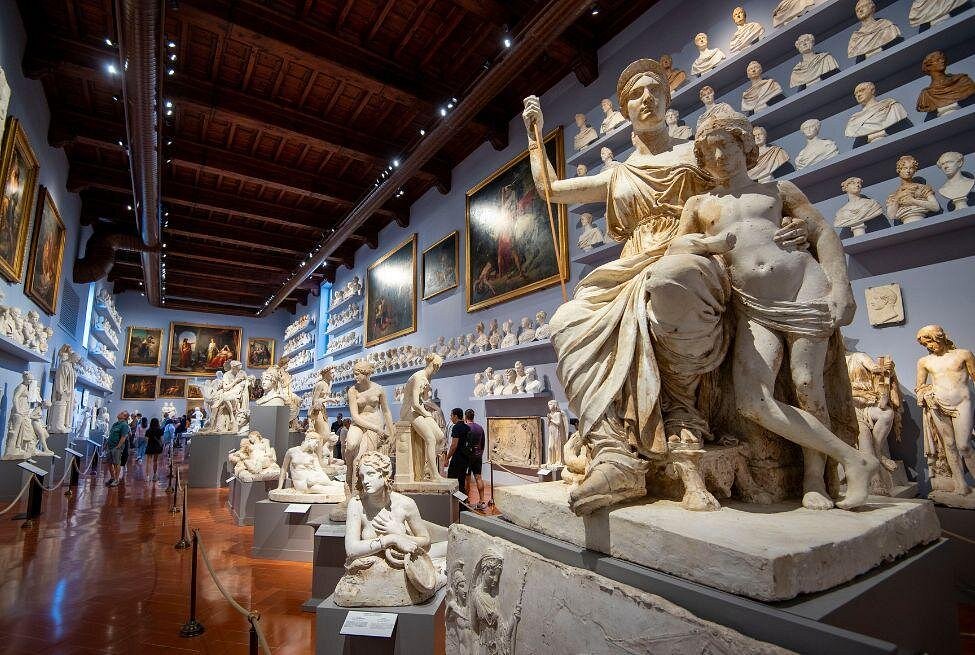
3. Museo Nazionale del Bargello – the equivalent of the Uffizi, but for sculpture. Donatello, Cellini, early Michelangelo. Fewer crowds, more tranquility.
Places 4-10
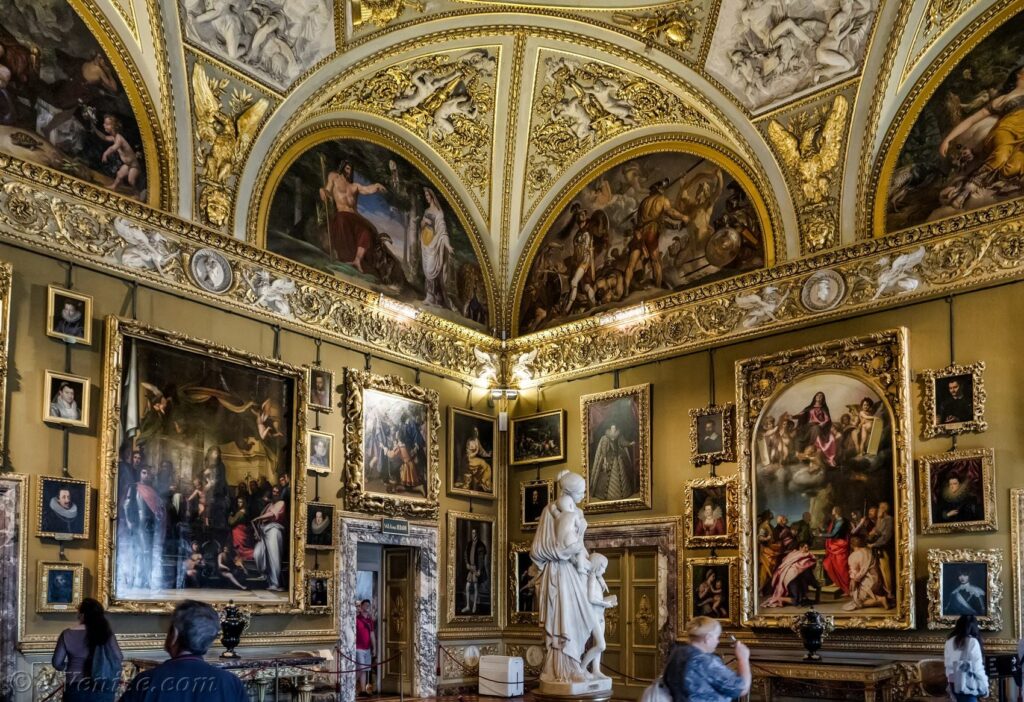
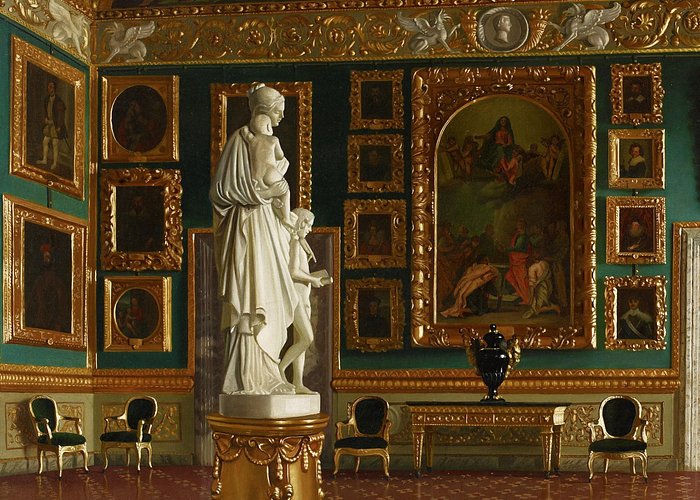
4. Palazzo Pitti (Galleria Palatina) – Renaissance Medici palace with a painting collection.
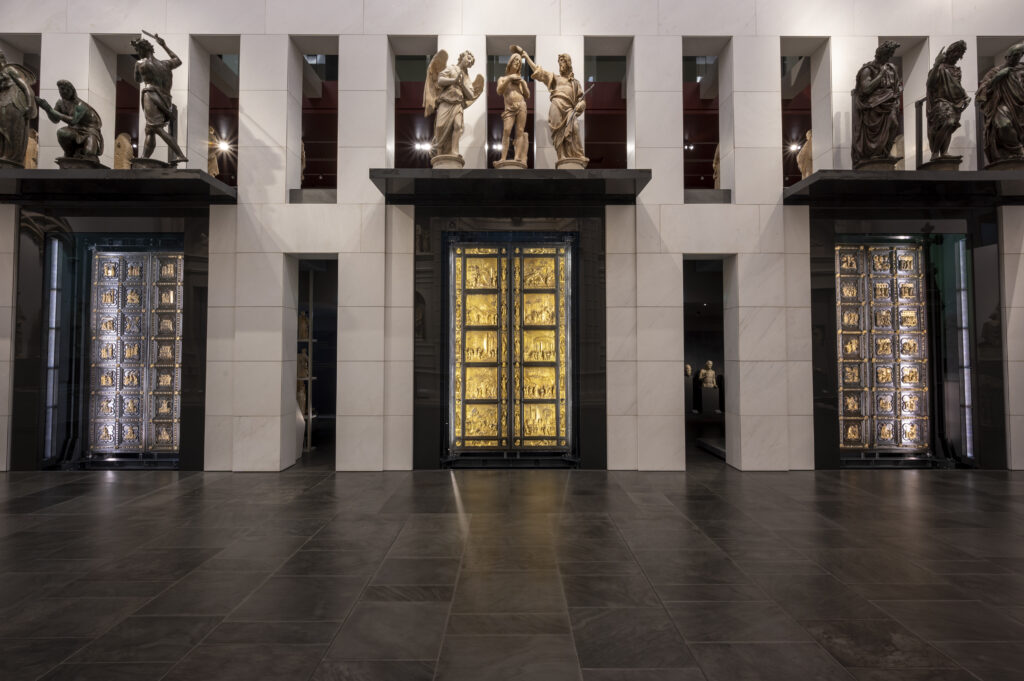
5. Museo dell’Opera del Duomo – originals from the cathedral complex, including Ghiberti’s original doors.
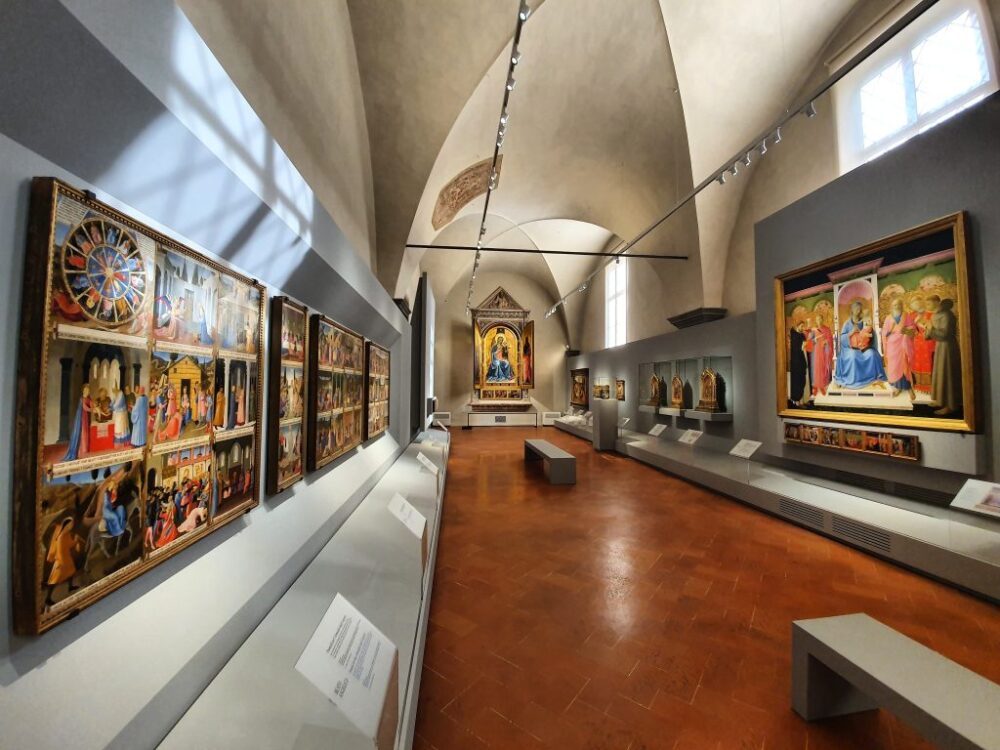
6. Museo di San Marco – Fra Angelico’s frescoes in the monastic cells.
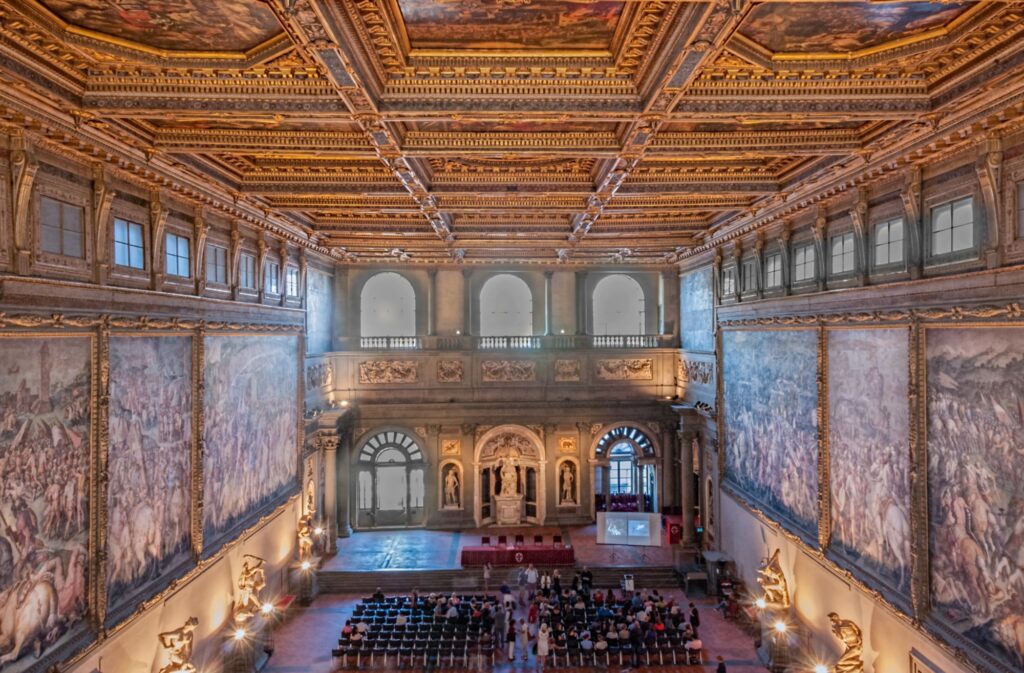
7. Palazzo Vecchio – historic council halls and Medici apartments.
8. Museo Galileo – scientific heritage, instruments, Galileo’s telescopes.
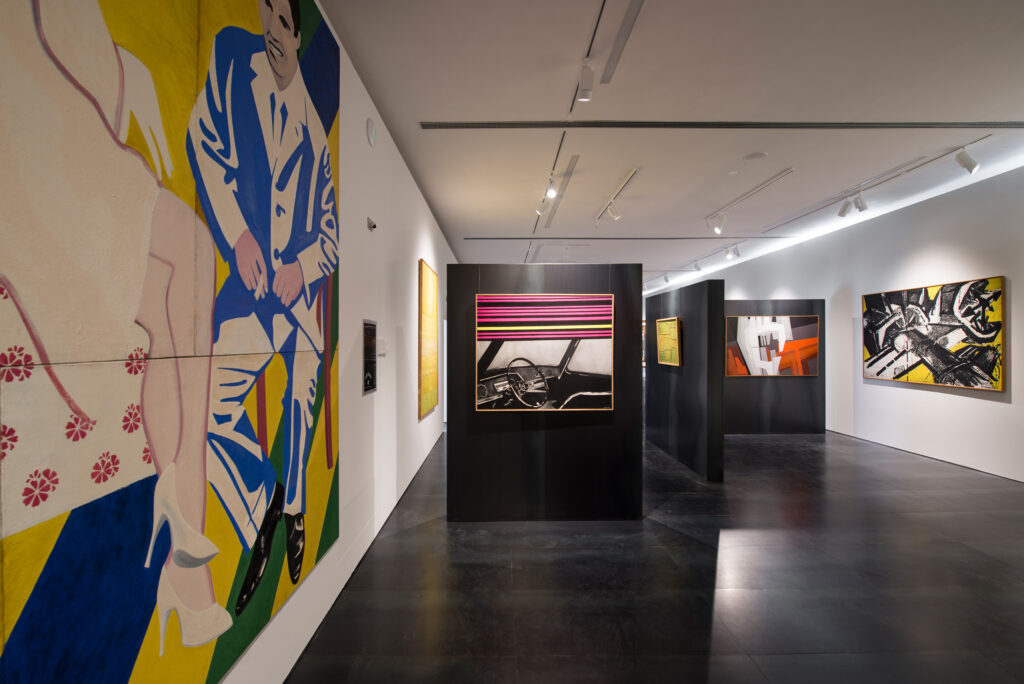
9. Museo Novecento – Italian art of the 20th century.
10. Museo Stibbert – eclectic collection of armor and militaria.
This is, of course, a subjective choice. If you love painting, the Uffizi and Accademia will be at the top. Are you fascinated by science? Galileo will rank higher. Adjust the ranking to suit yourself, not the other way around.
Tickets, prices, and when to go
Good planning for visiting Florence’s museums is the difference between hours spent in lines and a relaxed sightseeing experience. In 2026 , a few rules really save you time and stress.
Prices and reservations, or how much does it cost
Approximate ticket prices are as follows:
| Museum | Ticket price | Notes |
|---|---|---|
| Uffizi | 25-29 € | timed-entry reservation is practically mandatory during the season |
| Accademia | 16-20 € | crowds at Dawid, worth going in the morning |
| Palazzo Pitti | 16-22 € | combined tickets with Boboli Gardens |
In peak season (April–October), booking online with a specific entry time is not an option, but a necessity. Without it, you could lose half a day waiting in line for the Uffizi.
Free days and combined tickets
The first Sunday of the month offers free entry to state museums, but expect crowds like at a concert. There are also special occasions, for example, on March 8th, women get free admission to selected places. It’s worth checking the calendar before your trip.
Combined tickets save money: the Duomo complex (dome, bell tower, baptistery) is a single ticket for several attractions. Uffizi usually takes 2–4 hours, so on the same day you can combine it with Palazzo Vecchio or Pitti, if you still have the energy.
Morning hours right after opening? Definitely fewer people. And always, truly always, book online in advance.
What’s new 2024-2027
Florence has truly bounced back after the pandemic. In 2024, the Uffizi was visited by 5,294,968 people, generating revenue of around €61.9 million. The Accademia recorded 2,189,103 visitors, and the Bargello 720,470. Palazzo Strozzi broke its own record in 2025, reaching 384,176 guests. These numbers are not just statistics—they genuinely affect what your visit will be like, how long you’ll spend in line, and how crowded the galleries will be.
A new vision for Uffizi
In January 2024, Simone Verde took over as director of the Uffizi with the motto “Futuro nell’Antico.” Starting from June 2026, he plans to rearrange the Botticelli rooms so that ” Primavera ” and “The Birth of Venus” will hang opposite each other. This is meant to create a more intimate experience, although with the current crowds it’s hard to imagine how this will work in practice.
Investments and new locations

The years 2026-2028 will see a major renovation of the Uffizi, Pitti, and Boboli, with a budget of around €50-58 million. Plans include air conditioning, new spaces, and nighttime openings. The Vasari Corridor is set to receive over 50 new busts along the stretch over the Ponte Vecchio (2026). In spring 2027, MUNDI, the National Museum of the Italian Language in Santa Maria Novella, is scheduled to open. A year earlier (2026), the Museo dell’Acqua, dedicated to the Arno River and the 1966 flood, will be established.
There were some problems. Overtourism is a constant topic in directors’ statements, incidents with selfies (2025), protests by ticket-selling staff (2026), heatwaves, and the need for better crowd management. It’s clear that the city is seeking a balance between revenue and the quality of the visitor experience.
Between masterpieces and the crowd
Comparing all these places, you notice a certain pattern. The Uffizi Gallery attracts crowds because it has Botticelli. The Accademia works similarly with David. But the Bargello or Palazzo Pitti offer equally valuable works with much less crowding. It’s not always a matter of the quality of the collection, but rather the museum’s brand and the power of marketing.
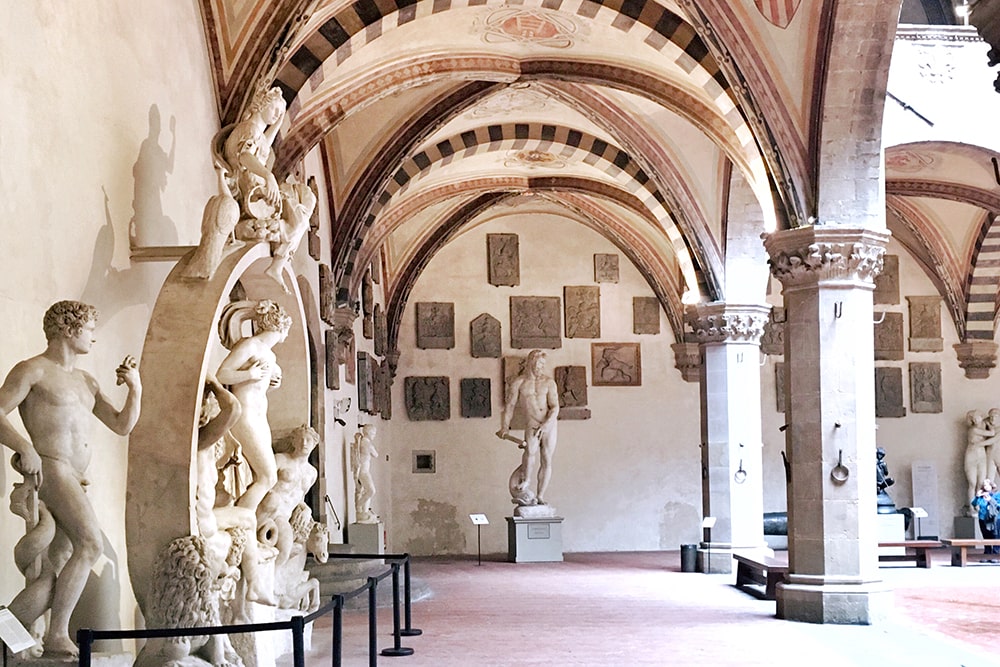
Florence has one advantage over most cities: even its second-tier museums would be gems anywhere else. So if you avoid the crowds, you’re not missing out on the value of sightseeing. On the contrary, sometimes you gain the peace needed for a true encounter with art. It’s a bit paradoxical, but the popularity ranking works in reverse to the comfort of your visit.
So choose consciously. Not based on what everyone recommends, but on what you’re truly looking for.
Nicollett 89
editorial lifestyle Luxury Blog






Leave a Comment