

Where to Eat Well in Paris – A Tried and Tested Culinary Guide
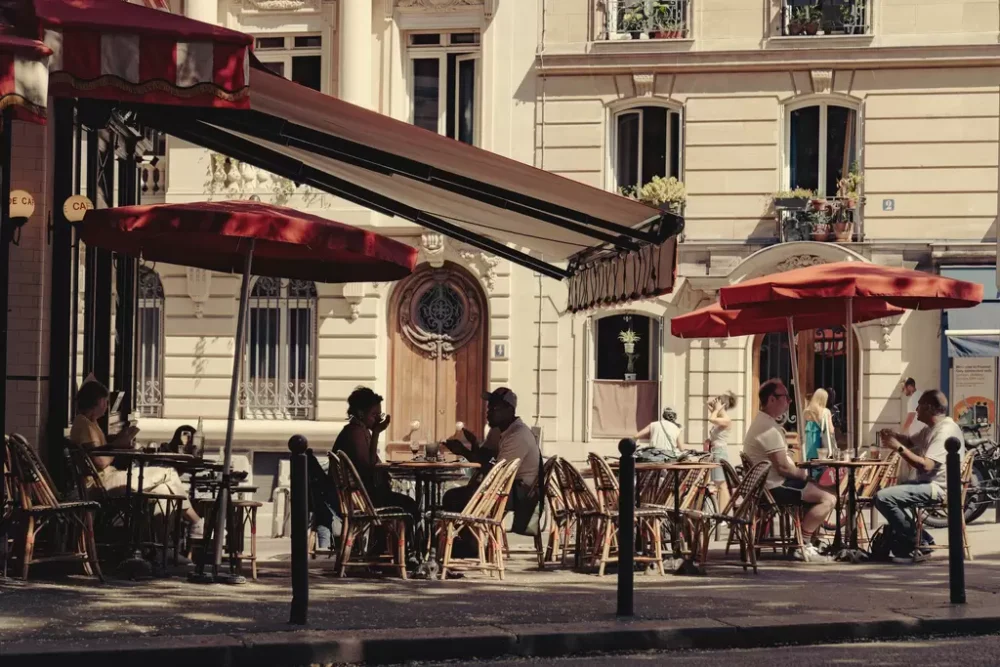
Paris is a city where food is not just fuel—it’s almost an obsession. As you walk the streets, you smell fresh croissants at six in the morning, see lines for oysters on Sunday afternoons, and hear arguments about which bouillon offers the best value for money. That’s why today I’m going to tell you Where to Eat Well in Paris. Numbers? Sure. There are about 15,000–17,000 restaurants, cafés, and bars for just under 2.2 million residents, which means roughly 9.8 venues per thousand people. It sounds abstract, but in practice, it means that within a five-minute walk from anywhere, you can choose between a historic brasserie and Vietnamese pho, Japanese omakase and Moroccan tagine.
This guide is not another “top 10” list. Here, you’ll get a brief context to help you understand why the Parisian table looks the way it does, an up-to-date overview for 2026 (who earned stars, who lost them, what’s trending now), a map of styles and budgets with specific names, and practical rules to avoid tourist traps. Because Paris can be just as wonderful as it is frustrating if you don’t know where to go. Global influences: Italian pasta, Japanese knives, Vietnamese broths, North African spices. This isn’t an add-on—it’s the city’s integral metabolism. And that’s exactly why Paris tastes unlike anywhere else.
A brief history of the Parisian table
The modern restaurant, as we know it, was born right here. In 1765-1766, Mathurin Roze de Chantoiseau opened a place in Paris serving restorative broths, advertised as “restaurants” (something that restores strength). The name caught on. Of course, people had eaten out before, but this was the first business built around the idea that dining could be an experience, not just a way to satisfy hunger.
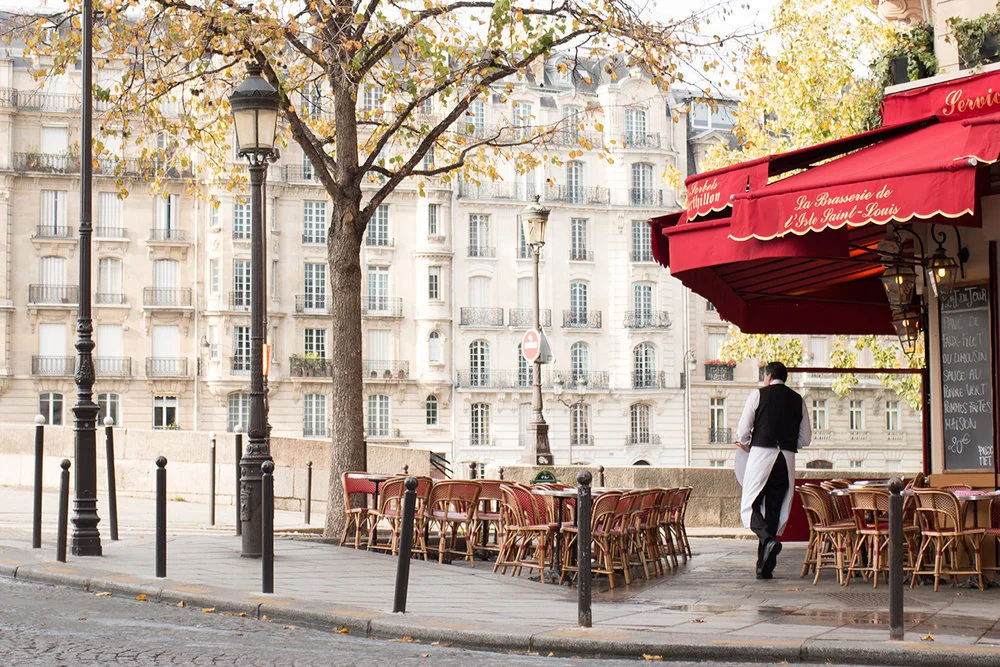
The real boom came after the French Revolution. Aristocrats’ chefs suddenly had to look for work, so they opened their own establishments. The numbers speak for themselves: around 300-500 restaurants by 1804, over 2,000 by 1834. Palais-Royal became the city’s culinary epicenter.
The 19th century marked the democratization of the table. Large brasseries and inexpensive bouillons began to appear (Pierre-Louis Duval launched a chain in 1855). Food was no longer a privilege.
Then came the milestones that shaped what you see today:
- 1900: the beginning of the Michelin Guide
- 1970s: nouvelle cuisine, lighter cooking
- 1990-2000: bistronomy (Yves Camdeborde opened La Régalade, gastronomy in a bistro)
- 2010: UNESCO inscribed the ” French gastronomic meal” on the heritage list
Paris combines tradition with constant evolution. This is the foundation on which the entire modern culinary landscape has grown.
Paris 2026 on a plate
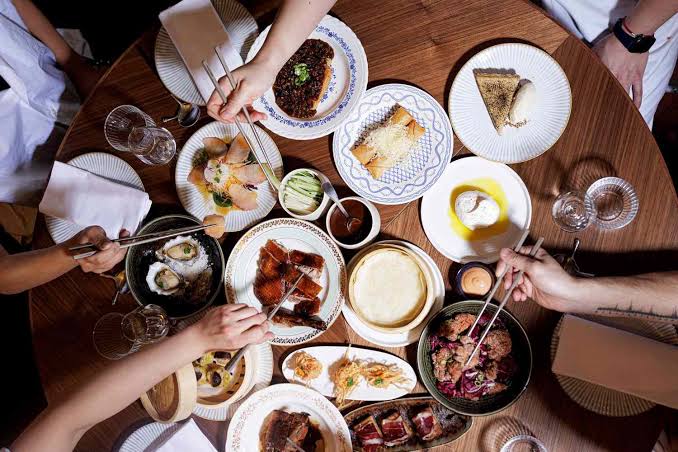
In 2026, Paris boasts 127 Michelin-starred restaurants. The breakdown is as follows: 9 establishments with three stars ( ), 20 with two (). Tokyo has more overall, but Paris still maintains a high density and a level of prestige that’s hard to surpass. Interestingly, the guide brought significant changes. The biggest surprise was the legendary L’Ambroisie dropping from *** to **. On the other hand, promotions to two stars were awarded to, among others:
- Hakuba
- Virtus
- Alliance
There are also 11+ newly awarded one-star restaurants: Jin, Prévelle, Irwin, Monsieur Dior by Yannick Alléno, Zostera, and others. It’s clear that the guide now responds to changes faster than it used to.
Trends that shape the taste of Paris
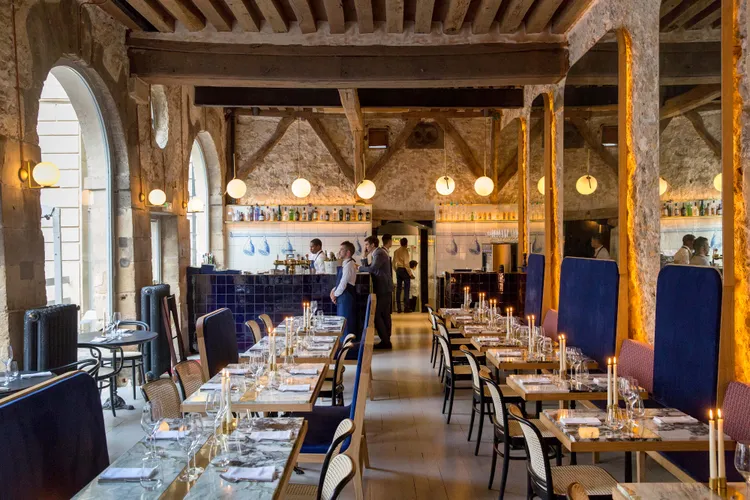
The mastery of sauces is making a comeback (broths, jus, sabayons), but in a light, transparent form, as if newly rediscovered. French-Japanese fusion is no longer an experiment; it has become standard in many places. Vegetal cuisine is on the rise (inspired by à la L’Arpège), concise bistronomy menus prevail, and hyper-seasonality is a requirement, not a whim.
Diversity is also impressive: about 1,020 Italian restaurants, ~765 Japanese, ~420 Chinese. Many of them combine French classics with local techniques. And that’s exactly what makes Paris in 2026 taste different than it did five years ago. These numbers are impressive! And I realize that visiting all these places is impossible…
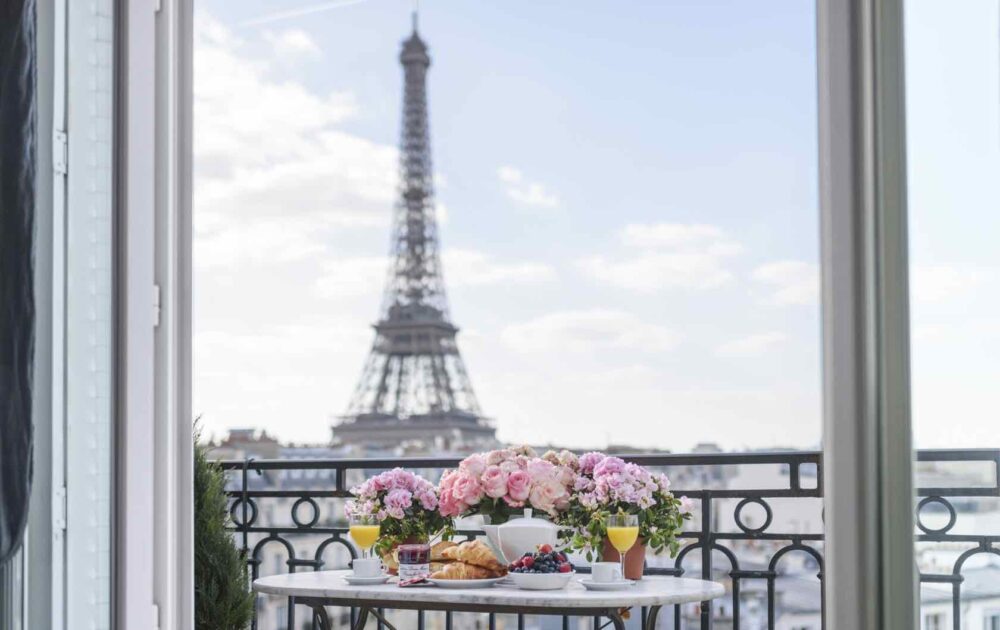
Where to eat in Paris?
Paris caters to all budgets, from student allowances to evenings that cost a month’s salary. The key is to match your expectations to the venue and not to skip the cheaper options, as that’s often where the food tastes most authentic.
Budget and classics
Bouillons are historic workers’ canteens, now grand halls with mirrored walls, where classic French dishes (beef bourguignon, confit de canard, tarte Tatin) cost €12-18. Bouillon Chartier near Grands Boulevards is an icon from 1896, always crowded and a bit noisy, but honest. Bouillon Pigalle in the 9th arrondissement offers a similar experience. Brasseries (Bofinger, La Coupole) play in a higher price league, serving seafood on crushed ice, perfect for a Sunday lunch.
Every day and on the go
Le Marais is a center of cutlery-free pleasures. L’As du Fallafel makes the city’s most famous falafel (there’s a line on weekends, but it’s worth it), and right next door Miznon serves pitas with cauliflower or steak. Breizh Café (several locations) has the best Breton galettes and crêpes. Bakeries? Du Pain et des Idées by Canal Saint-Martin ( pain des amis, pistachio escargot) or any place where the pastries smell of butter. Marché des Enfants Rouges, the oldest covered market, offers Moroccan tagine, Japanese bento, and Lebanese mezze all under one roof.
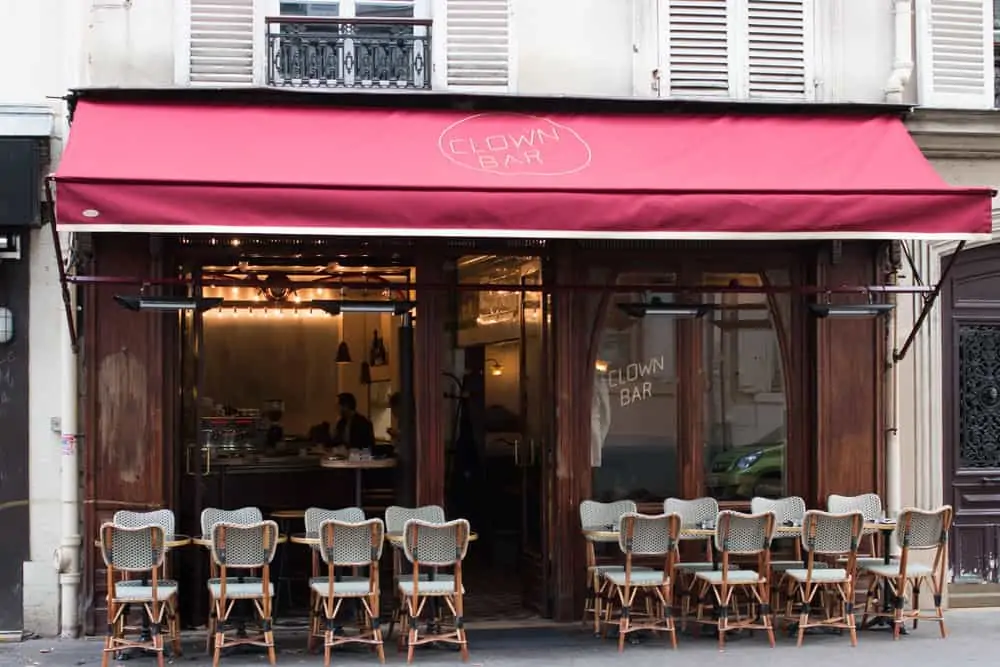
From bistronomy to haute cuisine
Bistronomy (bistro plus gastronomy) is a Parisian specialty of recent years: creative cuisine without stiffness. Frenchie on Rue du Nil requires reservations weeks in advance. Vantre in the 11th combines excellent natural wine with simple, well-prepared dishes. Soces (Saint-Germain) specializes in seafood from Brittany. You can open fresh oysters at the JUSTE bar or at the counter of Le Stella in Batignolles.
Fine dining means Arpège by Passard (the vegetable benchmark of three stars), Plénitude at Cheval Blanc, Alléno Paris at Pavillon Ledoyen, Kei, or Le Cinq at George V. If you prefer omakase, Hakuba offers some of the best in Europe. It’s all about the experience and precision, not just the food.
Mix styles throughout your stay. Breakfast at a bakery, lunch at a bouillon, bistronomic dinner—this is the best recipe for experiencing Paris on a plate.
How to eat like a Parisian?
A few basic rules will make your life much easier in Parisian restaurants. And honestly, some of them are just common sense, but others might surprise you.
Reservations, bill, etiquette
At top spots and Michelin -starred restaurants, book weeks or even months in advance. TheFork, Resy, or booking directly by phone will help you. The bill always includes ” service compris “, meaning service is already included. Tips? Optional—leave a few euros for truly excellent service. Want to save money? Ask for “eau du robinet,” tap water—it’s completely legal and free. Dress code usually means smart casual; in “palace” restaurants, sometimes a jacket is required.
Cleverly and responsibly
Looking for a deal? Choose the “menu du jour” or “formule midi” at lunchtime—it’s often half the price of dinner. Heading outside the very center (eastern districts) offers better value for money. Watch out for traps: areas around the Eiffel Tower or Montmartre may tempt you with the view, but prices can bite and the staff can be aggressively “tip-oriented.” Always check the menu and reviews in advance.
Larger establishments are required to offer leftovers in a doggy bag, so don’t hesitate to ask. Apps like Too Good To Go or Phenix help you grab food at lower prices and reduce waste. Look for the “green star” or Ecotable labels if you care about eco-friendly choices.
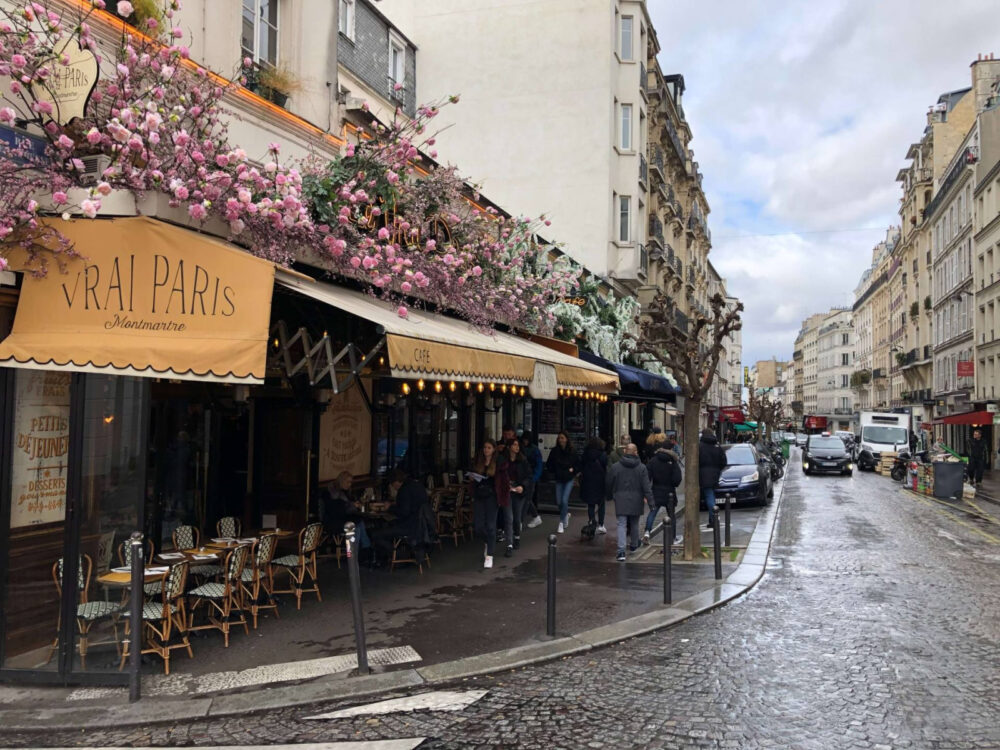
The taste of Paris lingers longer
Paris is a city that stays in your memory not just because of its monuments or the atmosphere of its boulevards. Above all, it’s the flavors that come back to you in the most unexpected moments. The scent of fresh butter in a croissant you buy somewhere near Rue de Rivoli. Salted caramel from a small patisserie in Montmartre. These are things you never forget.
Good news? You don’t have to be an expert or spend a fortune to feel it. Paris is generous to those who want to eat well, no matter the budget. Sometimes the best taste memories happen by chance, at a bistro table that looked ordinary.
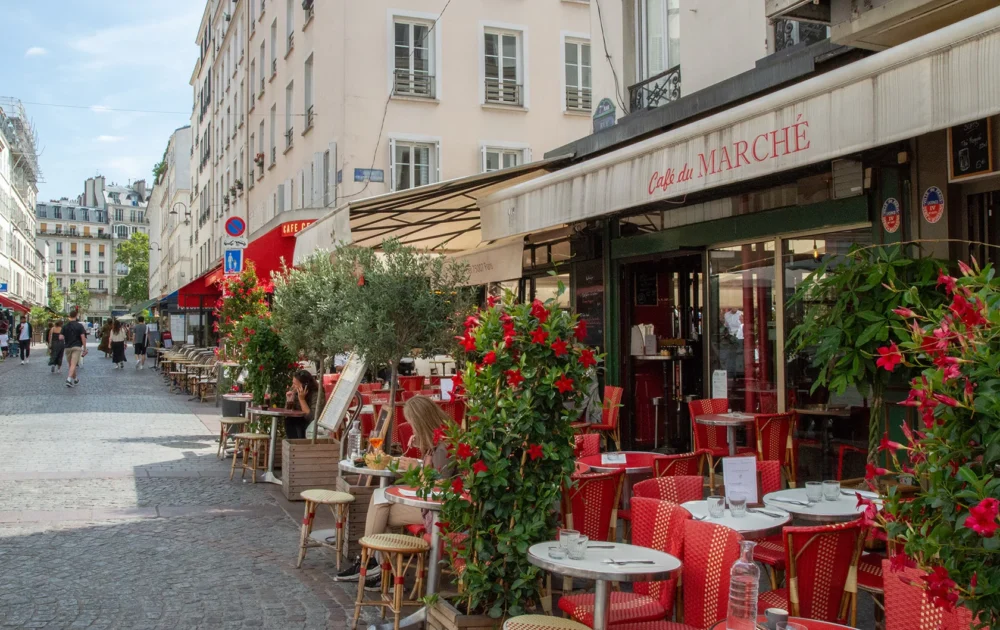
And that’s exactly what this whole culinary adventure is about. It’s not about a list of the best restaurants, but about letting the city feed you. Because the taste of Paris is something you take with you long after you return home.
It surprises me every time I discover a new dish. That’s why there’s always something new and more exciting than yesterday!
Manueel
Luxury Blog editorial team






Leave a Comment