

Longevity residences. Do luxury properties extend life?
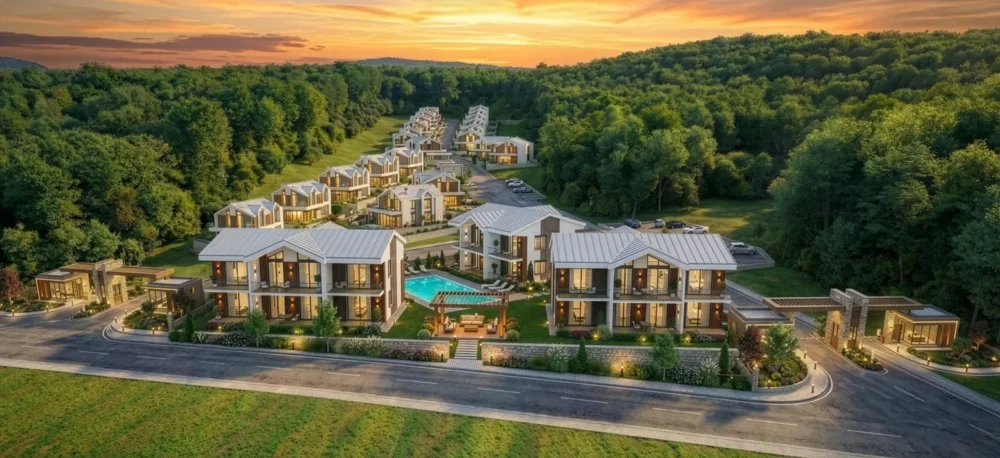
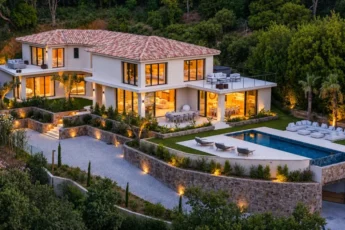
Luxury is no longer defined solely by a prestigious location, impressive architecture, and a private spa. Increasingly, it also encompasses access to preventive care, diagnostics, and health services. Longevity residences are an emerging trend in the premium market, where the home is designed to support not only comfort but also the health and vitality of its residents. Can a luxury property truly extend your life? Or is this just a passing trend?
What are longevity residences?
Longevity residences are properties designed to support the health and well-being of their residents. They combine a home, regeneration-friendly architecture, access to greenery and physical activity with medical consultations, diagnostics, and individualized preventive programs.
However, this is not a uniform, formally defined market category. Some projects focus on a healthy living environment. Others, meanwhile, integrate private residences with a wellness resort or clinic.
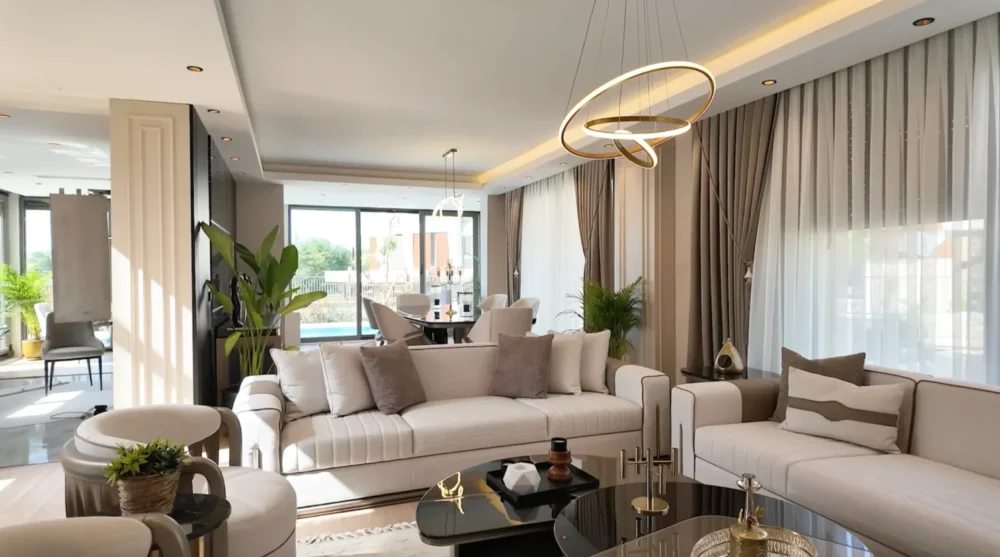
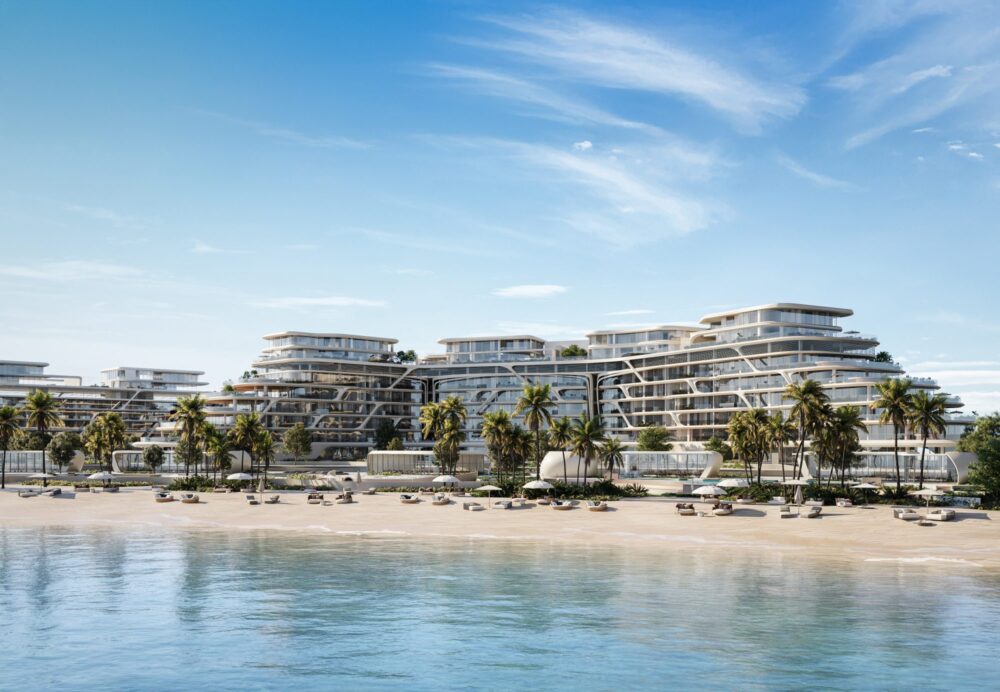
It is worth distinguishing wellness real estate, that is, the broad real estate market focused on health and well-being, from longevity residences, which place greater emphasis on prevention and maintaining vitality. This trend became a focal point for the industry during the Wellness Real Estate & Communities Symposium, organized by the Global Wellness Summit on May 12, 2026, in New York. Among the projects discussed was the Canyon Ranch resort in Austin, planned with 134 private residences and an offer focused, among other things, on longevity.
Does a home improve health? What does science say
The question “does a home improve health?” has a scientific basis. The World Health Organization (WHO) indicates that housing conditions affect health and life expectancy. Factors such as air quality, temperature, humidity, mold, noise, and the availability of space all play a role.
Equally important is the environment: greenery, safe walking paths, opportunities for physical activity, and conditions that foster social interaction. Architecture can facilitate activity. However, it is worth emphasizing that it does not guarantee it on its own.
There is, however, not enough evidence that living in a specific longevity residence in itself extends life. Access to advanced diagnostics, a sauna, or a private trainer does not necessarily equate to proven improvements in health outcomes.
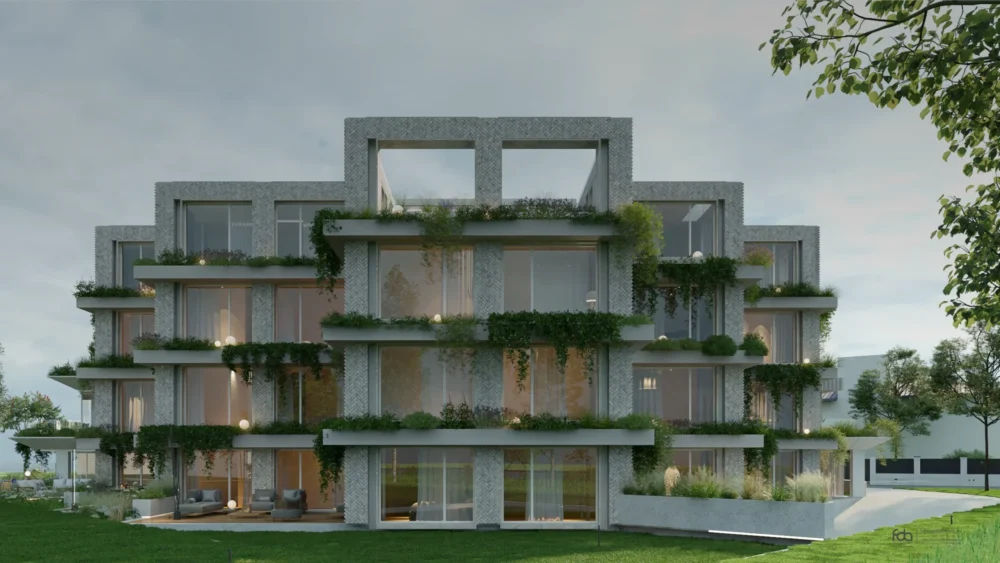
The most important concept is healthspan – the number of years lived in good health. According to Eurostat, the average life expectancy in the EU was 81.5 years in 2024. Meanwhile, in 2023, the estimated number of years lived in good health was 63.3 years for women and 62.8 years for men. This difference helps explain why prevention and maintaining fitness are becoming an important element of premium real estate offerings.
The wellness real estate market is growing. How big is the potential?
According to the Global Wellness Institute, the global wellness real estate market reached a value of approximately $548.4 billion in 2024. The Institute forecasts growth to around $1.114 trillion by 2029. Between 2019 and 2024, the market grew at an average annual rate of 19.5 percent.
In Europe, its value increased from around $46 billion in 2019 to $126.4 billion in 2024, corresponding to an average annual growth rate of approximately 22.4 percent.
The trend is clear: health is no longer just an add-on like a pool or gym. The home is meant to improve it.
Longevity real estate – a new trend in the real estate market in Europe
The data concerns the entire wellness real estate market, not exclusively luxury longevity residences. Currently, there are no comparable statistics that would allow for a precise determination of the size of this particular segment. Nevertheless, more and more such offerings are appearing on the market and, importantly, they are quickly disappearing, giving buyers hope for prestige, comfort, and a long, healthy life.
Italy: a home designed with health in mind
In 2026, Wallpaper described the collaboration between the Italian brand Visionnaire, the network of clinics The Longevity Suite, and the studio Luca Dini Design & Architecture. Among the announced projects was a villa in Porto Cervo, Sardinia, with an area of approximately 1,200 m², as well as design concepts in other locations, including Warsaw.
The concept includes natural light, air and water quality, noise reduction, and solutions that support regeneration.
Spain: Oakmont in Marbella
Oakmont is a project combining a luxury hotel, private residences, and preventive medicine services. According to the Spanish daily Cinco Días, the investment is expected to include 140 hotel rooms and 28 private residences. Its value has been estimated at 260 million euros. The opening is scheduled for the third quarter of 2029.
The average accommodation price is expected to exceed 1,000 euros. However, this is not the purchase price of a residence. The project demonstrates how healthcare services can become the foundation of a luxury hospitality and residential model.
In Europe, branded residences are also developing—these are properties associated with hotel and service brands. However, not all of them qualify as longevity investments: a private spa or gym does not replace a genuine preventive care offering.
Global examples: from resorts to city apartments
Tri Vananda, Phuket. The project combines a multigenerational residential community, villas, biophilic design, and the announced Clinique La Prairie wellness resort. The resort was scheduled to open in November 2026. The fundamental question concerns which services are available to property owners and which require additional payment.
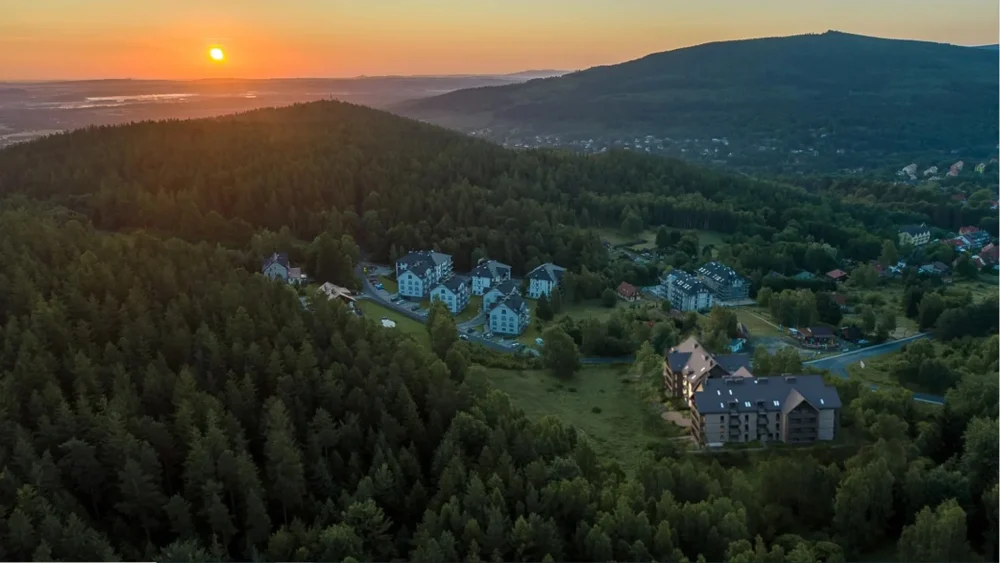
Canyon Ranch Austin, Texas. The project combines private homes with wellness resort infrastructure. According to the official offer, home prices start at $3.8 million. The concept includes access to recreational facilities and health services. However, before purchasing, you should check the exact scope of membership and additional costs.
One High Line, New York. The residential complex associated with the Atria Health and Research Institute offers a model in which diagnostics and prevention are an urban amenity. According to The Wall Street Journal, apartments cost between approximately $3–50 million. Meanwhile, membership in Atria costs $20,000–75,000 per year. These are separate expenses and not an automatic part of the apartment price.
Examples show three models: living near a health resort, residences within a larger wellness community, and urban apartments with access to medical services.
How much do longevity residences cost?
There is no single reliable price list for this segment. Prices depend on location, standard, size, and range of services.
Homes at Canyon Ranch Austin start at $3.8 million, while apartments at One High Line have been offered at prices reaching $50 million. Medical membership can mean an additional tens of thousands of dollars per year.
In Europe, not all of the discussed projects disclose their sale prices, which makes it difficult to determine the range of market prices.
When purchasing, you need to separately assess the
Is it worth investing in longevity real estate?
The development of wellness real estate creates an interesting environment for investment, but does not guarantee profits. The Global Wellness Institute points to a potential price premium of 10–25 percent for wellness-oriented properties compared to similar assets. This is an estimate for a broad market category. Factors supporting investment may include an attractive location, a recognizable operator, interest in preventive care, and access to services that set the project apart from the competition.
Risks include high maintenance costs, a limited group of potential buyers, dependence on a medical operator, and the possibility that part of the price is based on a marketing promise rather than the lasting value of the property.
Before making a purchase, it is worth checking whether health services are included in the price or require a subscription, what their medical basis is, and whether they can be maintained regardless of changes in the project’s management structure.
Longevity residences can be an interesting option for long-term investors, but the decision should be based on an analysis of the specific property, costs, and the local market, rather than solely on the popularity of the trend.
Luxury residences with medical services – are they here to stay in architecture?
The wellness real estate market is growing, and Europe is one of its most dynamic regions. However, the longevity segment itself remains young, diverse, and difficult to measure precisely.
There is no evidence that purchasing such a property in itself extends life. The most valuable projects will be those that can demonstrate real health benefits, clearly define the range of services, and ensure their continuity.

Leave a Comment