

Who wears Hermès bags – celebrities, collectors, and new trends
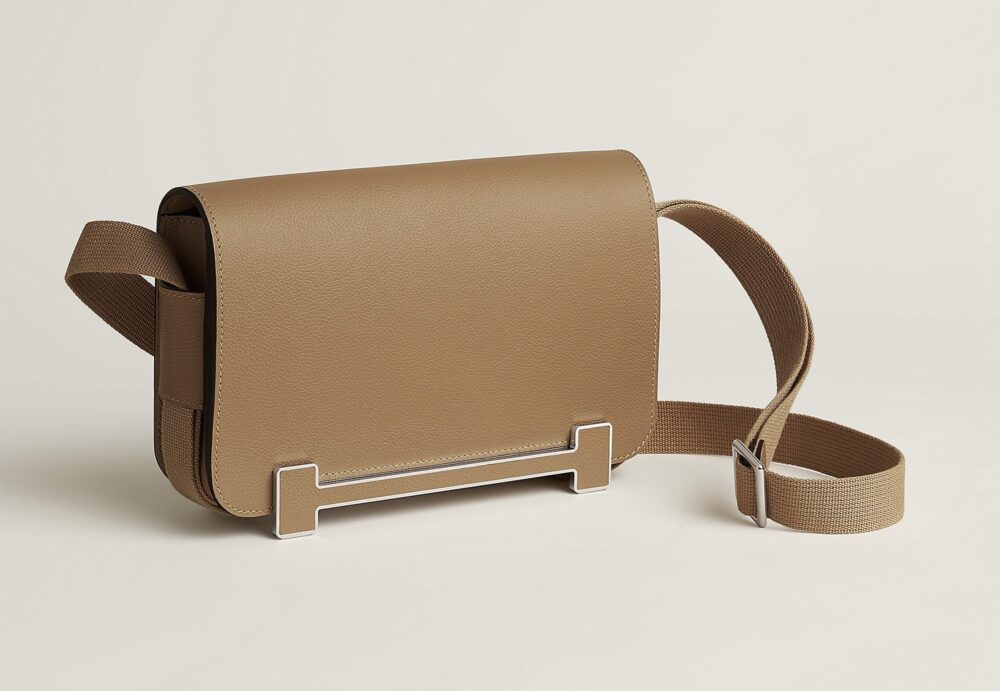
July 2025 brought a record that swept through the entire world of fashion and art. The original Birkin once owned by Jane Birkin was sold at auction for “€8.58 million.” This is the most expensive handbag in history. And suddenly the question ” who carries Hermès bags? ” stopped being just a curiosity and became something more, because these are now the most coveted luxury accessories in the world.
Birkin and Kelly are not just status symbols. They also represent craftsmanship (each one is made by a single artisan, by hand, over 18-25 hours) and scarcity, which means that obtaining them legally in a boutique can take from a year to over six years. Selective offers, waiting lists, no guarantees. And the prices of these classics increase by 7-10% annually, which further fuels interest. There’s even a trend called ” Man Birkin “, meaning men carrying the women’s model as a statement of style and nonchalance.
Next, you’ll see who actually carries these bags, both around the world and in Poland. You’ll discover where their exclusivity comes from, as well as the realities of pricing and resale value.
How is Hermès exclusivity born?
The exclusivity of Hermès is not marketing, but a carefully considered process spanning decades. Each bag passes through the hands of a single craftsman, and the legendary status of the Kelly and Birkin began with ordinary, human moments.
From Sac à Dépêches to Kelly
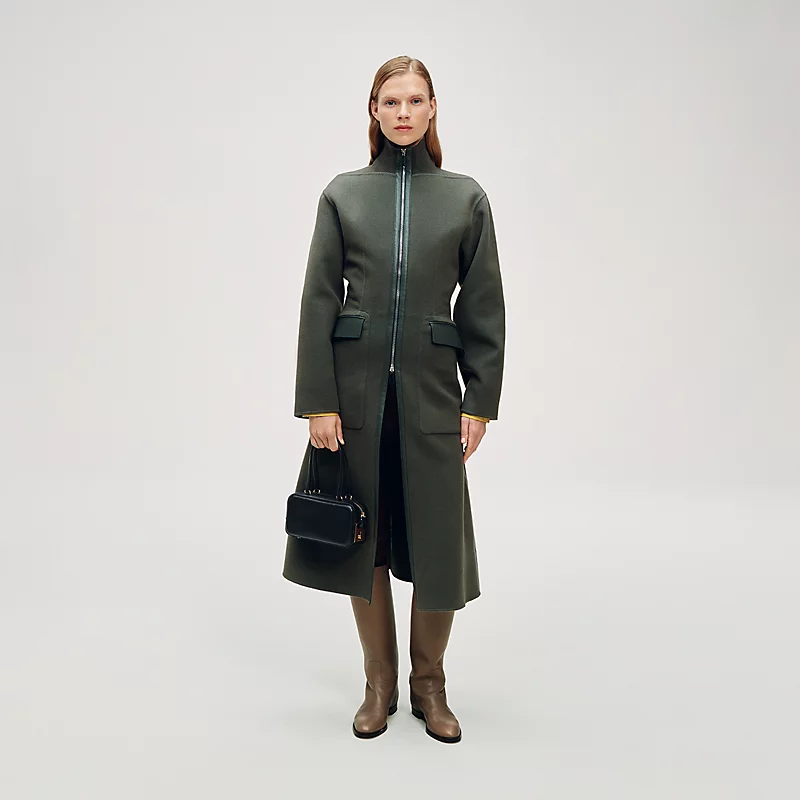
The prototype was created back in the 1930s as the “Sac à Dépêches,” a practical document bag. The breakthrough? A 1956 photograph showing Grace Kelly using it to shield her pregnant belly from the paparazzi. The image went around the world. Hermès officially renamed the model “Kelly” only in 1977, but culturally, the Princess of Monaco’s surname had been associated with it two decades earlier. Today, each Kelly requires about 680 stitches and 18–25 hours of work, sometimes much more for exotic versions.
The fate, sketch, and birth of the Birkin
Jane Birkin was sitting next to Jean-Louis Dumas, the head of Hermès, on a plane. Her wicker basket fell apart, and her belongings spilled onto the floor. Dumas sketched on an air sickness bag the idea for a bag that would combine elegance with spaciousness. This is how the Birkin was born, a model with a more relaxed structure than the Kelly, but just as labor-intensive (at least 18 hours). Ironically, in 2016 Jane Birkin requested her name be removed from the Nile crocodile version after controversy over animal welfare. Hermès responded by auditing the farms, the issue was resolved, but this moment showed that the story of these bags is still being written.
Craftsmanship and supply control
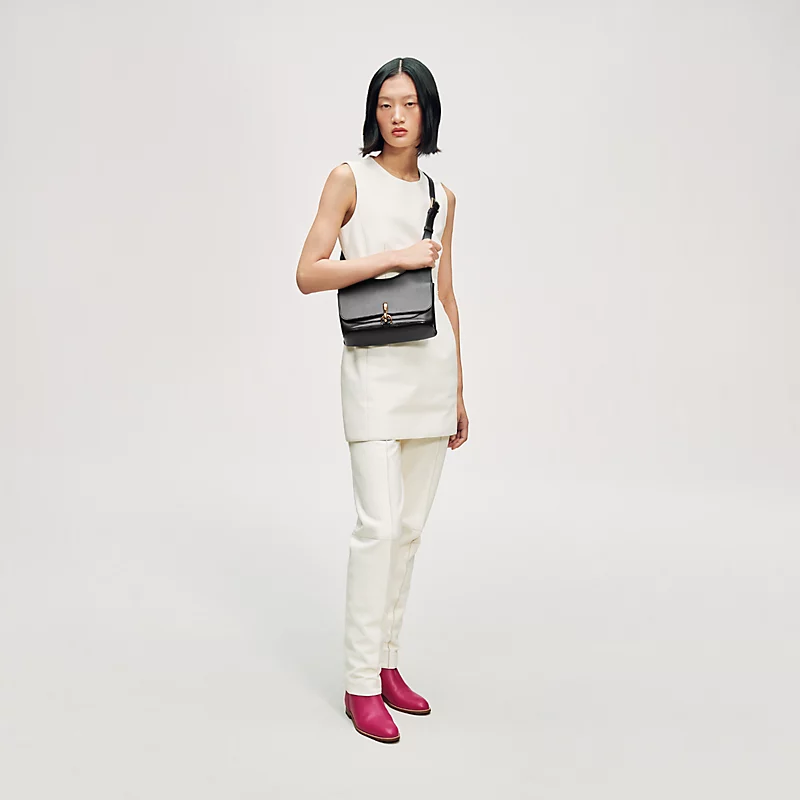
One artisan, one bag, from start to finish. That’s the rule. Training an artisan takes 18 months, sometimes longer. Materials? Togo (grained calfskin, the most popular), Epsom (stiffer), Swift (smooth), Barenia (naturally tanned). Exotics: Niloticus, Porosus (crocodiles), or the rare Himalaya (gradient dyeing). Over 70% of products are made in France, workshops grow slowly, in a controlled manner (Loupes will open in 2026). Hermès increases production by 6-7% annually, no more. This is no accident, it’s a strategy. They currently employ around 25,000 people globally, but every new pair of hands needs time to learn. The shortage doesn’t disappear, because there’s no reason to eliminate it.
Who wears Hermès bags?
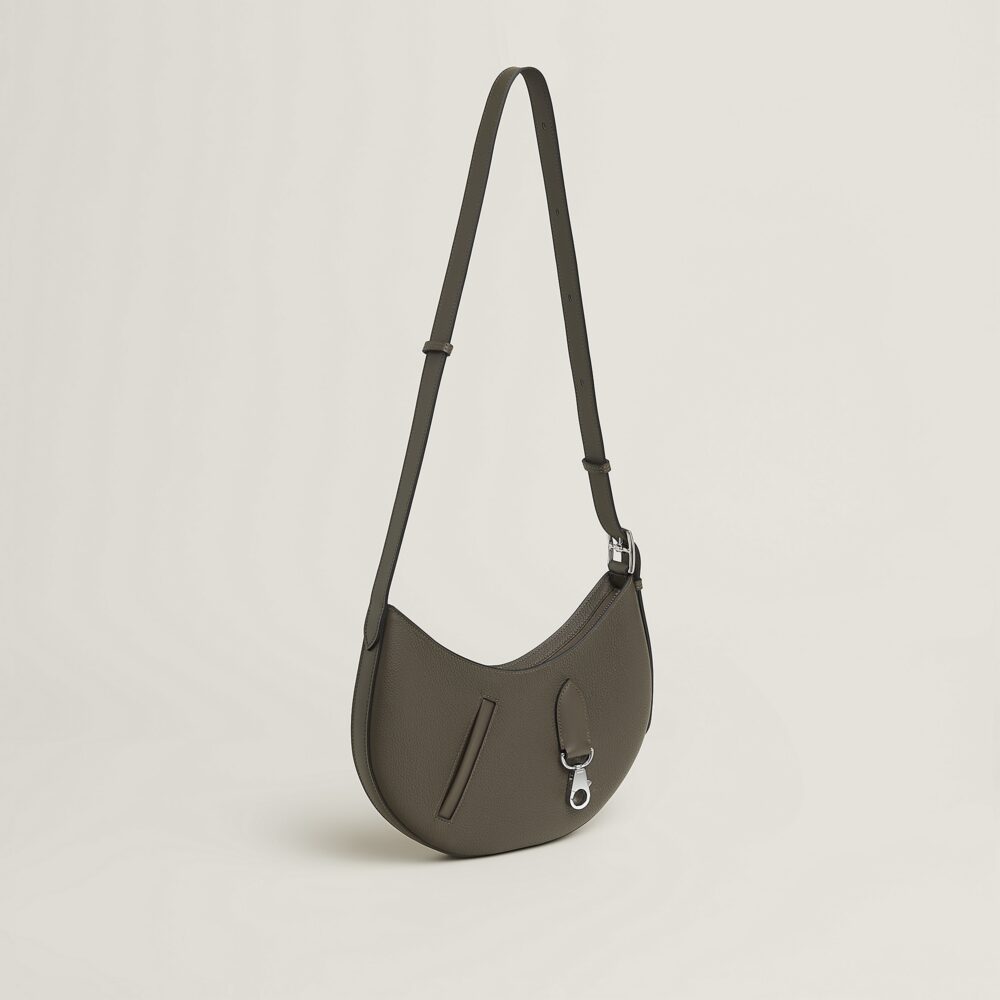
Hermès bags are a favorite wardrobe accent of the global elite, but there are also people who own dozens or even hundreds of them. Singaporean collector Jamie Chua boasts over 200 Hermès models in her closet, and what about Victoria Beckham? According to the media, she has around 100 Birkins. A collection of this scale is almost a full-time hobby.
Pop culture stars with Birkin and Kelly
The Kardashian‑Jenner clan regularly appears with Hermès bags, with dozens of pieces featured on their Instagram. Cardi B has publicly shown off more than 20 Birkins, Jennifer Lopez has been wearing them for years, Kate Moss has her favorite pieces, and Lady Gaga pairs them even with her most extravagant stage outfits. Boxer Floyd Mayweather (yes, a man) buys several Kelly models at once, showing that these bags have moved beyond the classic women’s dress code.
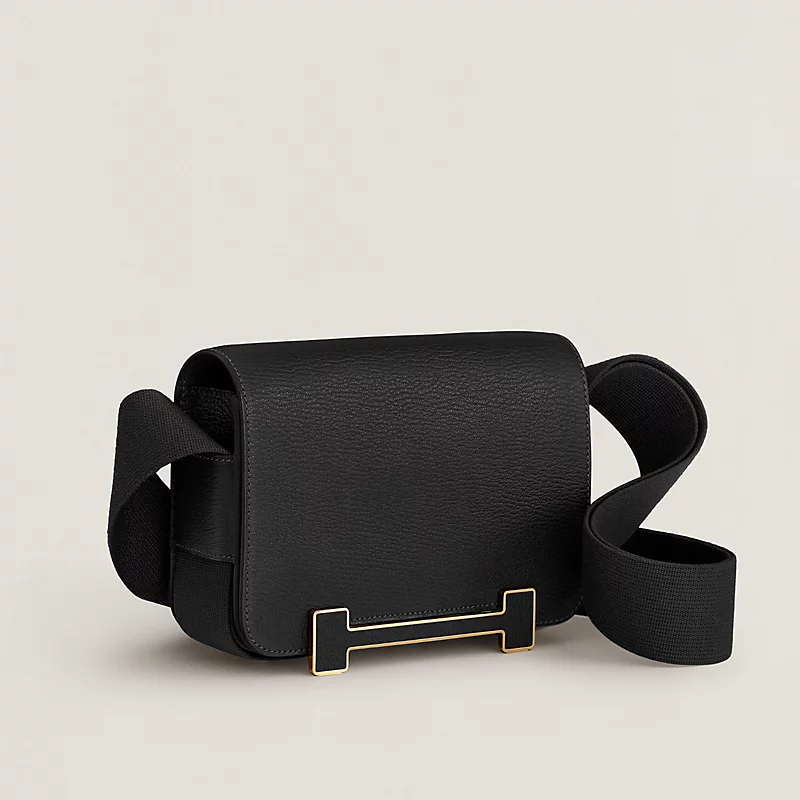
“Man Birkin”
More and more names from the world of men’s fashion and sports are appearing with a Birkin or Kelly in hand. This is no coincidence and not a passing whim.
Surnames that are visible from Birkin
Timothée Chalamet probably made the biggest splash by bringing the Mini Kelly to red carpets, Travis Scott carries the Birkin 35 through airports (status + practicality in one), David Beckham and Lionel Messi are seen with dark-colored models while traveling. Erling Haaland has showcased his collection on Instagram, Drake owns several pieces, as does Pharrell Williams. Contexts? Mainly:
- airports and business trips (where function meets prestige),
- “tunnel fits” of athletes before matches,
- front row during fashion weeks,
- everyday streetwear looks in Los Angeles or New York.
Status, practicality, and the storytelling of style
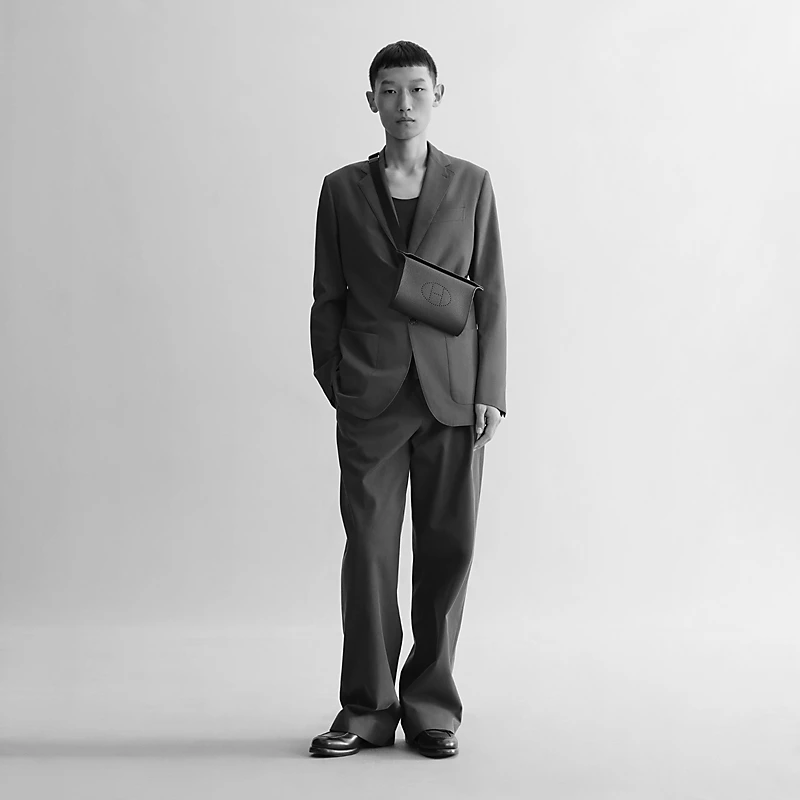
A few years ago, a Hermès bag in a man’s hand was considered exotic. Now, it’s becoming a normal part of the image, especially among Gen Z and younger millennials. The trend is growing globally and right now (2024- 2026), it’s shifting from niche to mainstream. For many men, it’s no longer just about status, but also a tool for building a personal style narrative. A bag says something about you before you even open your mouth. And it’s clear that luxury houses have finally noticed this.
Prices, availability, and resale value
Paying several thousand dollars is just the beginning. The real challenge is getting into the game at all.
How much will Birkin and Kelly cost in 2026?
Below are the basic price ranges for the most popular configurations (Togo leather, classic colors):
| Model and size | Retail price ($) | Retail price (€) |
|---|---|---|
| Birkin 25 | ~13,500 | ~9,600 |
| Birkin 30 | ~14,900 | ~10,600 |
| Birkin 35 | ~16,300 | ~11,600 |
| Ostrich (exotic) | 27,000+ | 19,200+ |
| Crocodile | 47,000–66,000+ | 33,500–47,000+ |
Exotics make up less than 10% of production, so they are already a rarity in themselves.
How does access work?
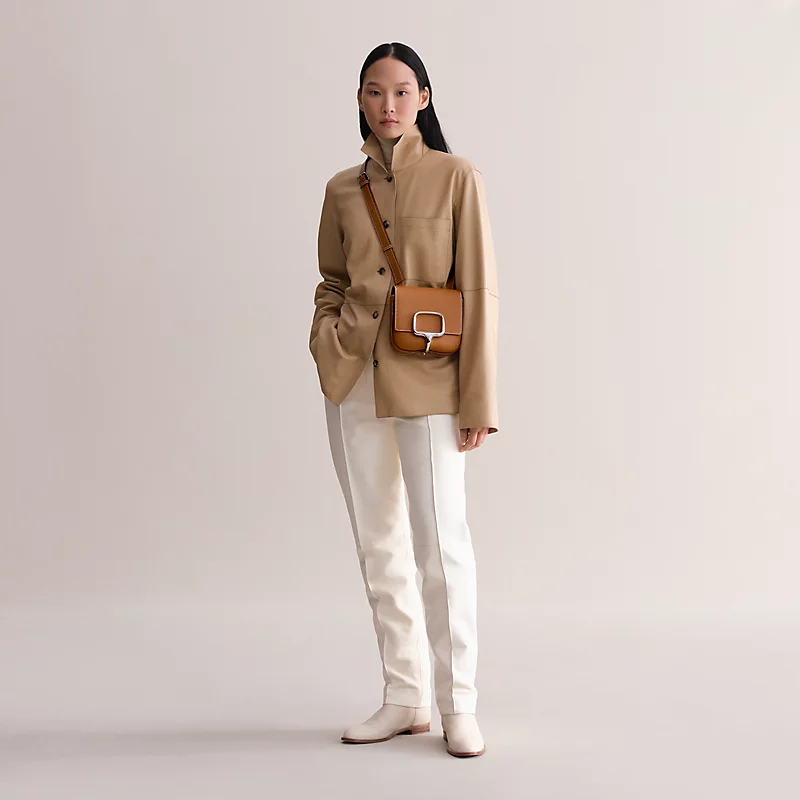
In theory, you get put on a waiting list and wait. In practice? From one to six years, and sometimes you never get an offer at all. Hermès uses a quota system, which collectors describe roughly like this: about two Birkin or Kelly bags per client per year. And that’s if you already have a purchase history.
This is where the famous “prespend” comes in. Want a Birkin? First, buy a few scarves, a belt, jewelry. Show your loyalty, and maybe at some point you’ll get the offer. It’s not an official policy, but accounts from boutiques confirm the pattern.
Resale and auction records
On the secondary market, popular Birkin configurations easily reach 100-200% of the retail price. Reports from resale platforms indicate that Hermès retains about 138% of its value, which far exceeds the competition. Birkin +92% over the decade (industry data).
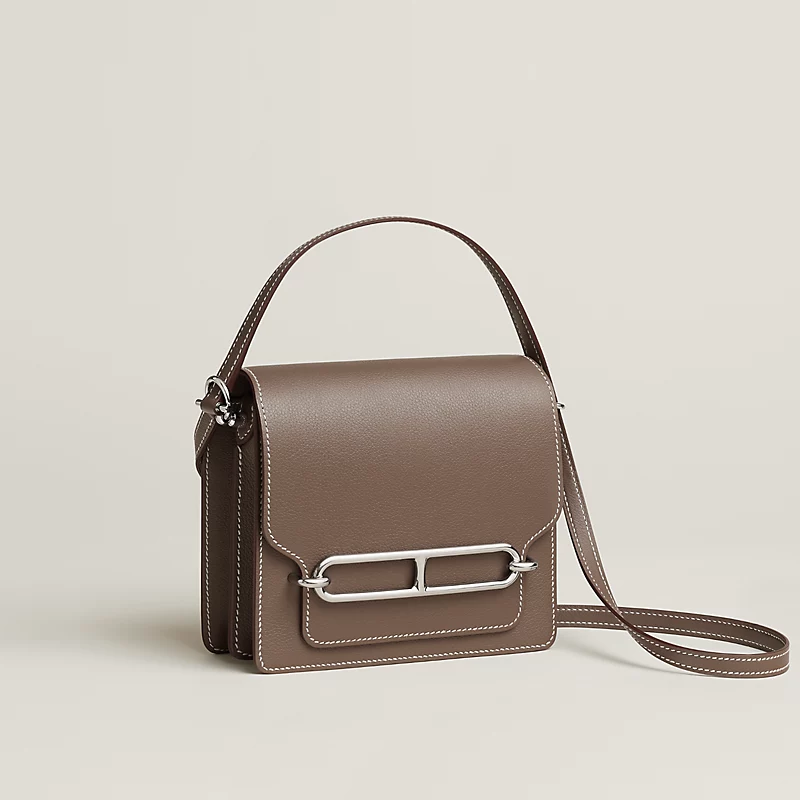
Auction records? The Jane Birkin prototype was sold in July 2025 for €8.58 million. “Himalaya” with diamonds: €300,000-450,000 $__TAG_END_0__. These aren’t everyday purchases, but they show how the top of the market works.
Of course, premiums vary depending on the condition, color, and type of leather. The counterfeit market is huge, so without professional authentication, it’s better not to take the risk.
When an icon says more than a logo
The Hermès bag stopped being just an accessory to an outfit long ago. It has become a language of its own, a way to communicate status without words—a gesture both subtle and eloquent at the same time. A Birkin on your shoulder says more than a business card in your wallet, and a Kelly in your hand replaces an entire résumé. It’s fascinating how an object can serve as a social code, recognizable only to those in the know.
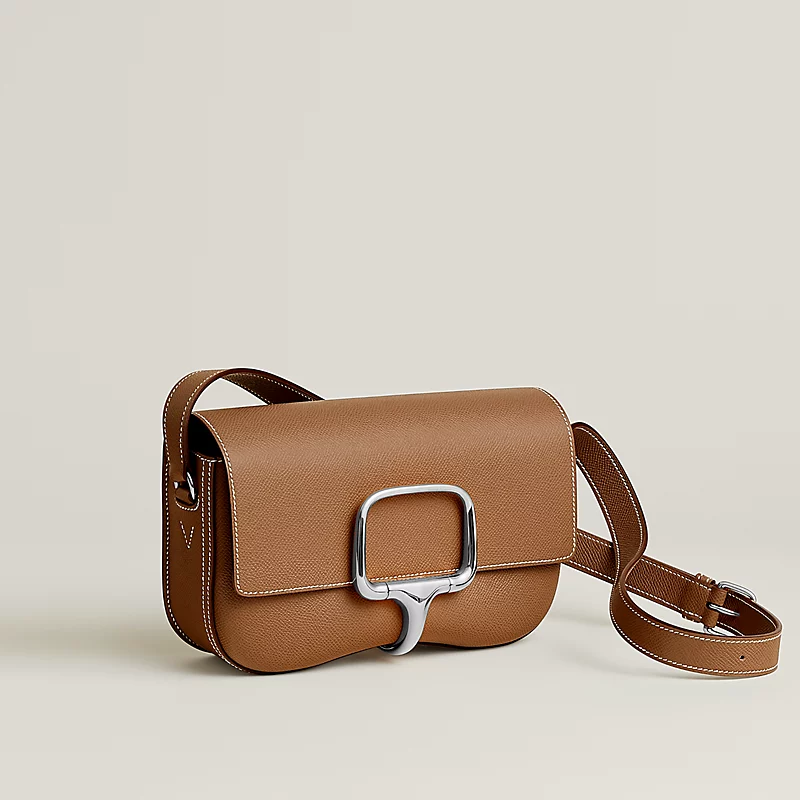
And that’s exactly why these handbags fascinate both collectors and celebrities. It’s not just about luxury or craftsmanship. It’s about belonging to a world where details mean everything, where quality always triumphs over quantity. Hermès doesn’t need flashy logos, because their icons are recognized by their shape, proportions, and leather quality.
In fact, owning a Birkin or Kelly is not just a financial investment. It’s a ticket to a club whose membership requires no declaration, yet is instantly recognizable. And perhaps that’s exactly what makes these bags so desirable.
Mia oi99
editorial fashion / Luxury Blog




Leave a Comment