

How Burberry Created the Iconic Trench Coat – From Gabardine to Icon
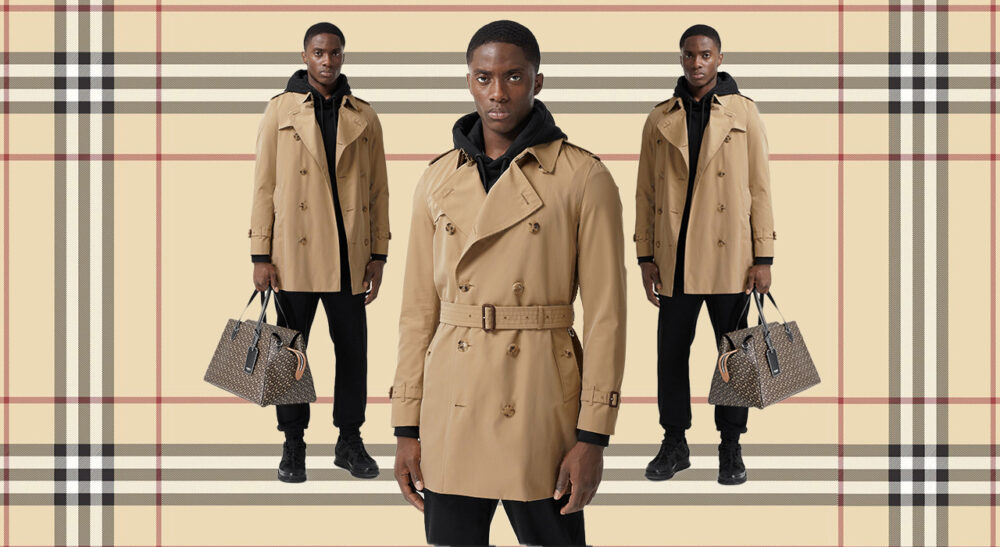
Gabardine, invented in 1879, has achieved something most fabrics can only dream of: it has become an icon. Today, as Burberry celebrates over 170 years in business, their trench coat is more than just a coat. It is a symbol of something greater.
Why does this coat still define style?
Let’s take the campaign from 2026, ” The Trench, Portraits of an Icon “, photographed by Tim Walker. Pop culture icons in the classic trench coat, each in their own way. And you know what? It works, because this cut truly suits everyone. Function met military heritage and high fashion here, creating something recognizable around the world.
A single Heritage Trench consists of about 80 components, 120 processes, and roughly 4 hours of sewing. It sounds complicated, but the result is simple: a coat that protects against rain and looks good both in London and in Warsaw.
Next, you’ll see how this design has evolved over the decades, what exactly this iconic cut consists of, and what its modern interpretations are. Because the history of the trench coat is the story of how a military invention became a wardrobe must-have.

From gabardine to the trenches
Thomas Burberry opened his store in 1856, but the real breakthrough came two decades later. In 1879, he patented gabardine, a revolutionary material that was waterproof yet allowed the skin to breathe. Sounds trivial? In the 19th century, this was technology on par with Gore-Tex.
Key moments in the development of the trench coat
Here are the most important dates to remember:
- 1856 – Thomas Burberry founds the company
- 1879 – invention of gabardine (official patent in 1888)
- 1912 – the Tielocken appears, the predecessor of the classic trench coat
- 1914-1918 – the British War Office orders coats for officers; epaulettes, D-rings, and protective flaps appear
- 1920s – introduction of the iconic Burberry Check lining
- 1972 – opening of the factory in Castleford
- 1999 – name change from “Burberrys” to “Burberry”
- 2009 – the “Art of the Trench” campaign
- 2022+ – the era of Daniel Lee
- 2026 – planned Tim Walker campaign for the brand’s 170th anniversary

By the way, the myth about D-rings: no, they were not designed for hanging grenades. Practical? Yes. Military? Also. But grenades are an urban legend.
The dispute over authorship and the path to pop culture
Aquascutum also competes for the title of trench coat inventor and honestly, both brands developed similar solutions in parallel. After both world wars, the coat made its way to civilians, and Hollywood ( Bogart, Hepburn) did the rest. The rest is history you know from movies and the streets of London.
How did Burberry create the iconic trench coat?
Gabardine is not just any canvas, right? Thomas Burberry invented it in 1879 as a densely woven twill, impregnated before weaving, not after. This makes the fabric breathable while still repelling water. Since around 2024, the Heritage Trench has been made from 100% organic cotton, which sounds great, although some of you might wonder whether this affects its legendary water resistance. But Burberry says it works.
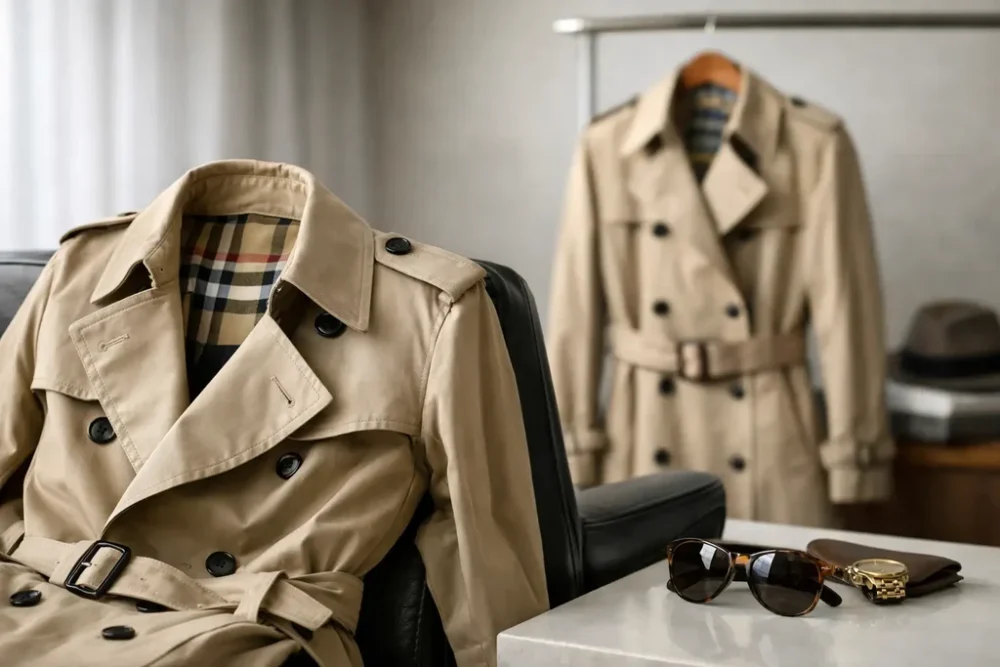
Gabardine is the heart of the trench coat
This fabric is fundamental. In fact, there are several variants, such as tropical (lighter) or structured (stiffer), but the classic trench coat is always made from the standard, tightly woven gabardine from Yorkshire. The fabric comes from a factory in Keighley, and the finished coats have been sewn in Castleford since 1972. The entire Heritage Trench consists of about 80 components, around 120 production processes, and roughly 4 hours of work. Up to 270 hand stitches go into the collar alone. I’m not kidding.
Details that make a difference
Now specifically, what makes a trench coat look like a trench coat:
| Detail | Original function |
|---|---|
| Epaulettes | Military rank insignia |
| D-rings on the strap | Hanging equipment |
| Gun flap (gun flap) | Protection of the shooter’s right shoulder |
| Raglan sleeves | Greater freedom of movement |
| Straps on the cuffs | Pressing before the rain |
The Burberry Check lining appeared in the 1920s as the brand’s signature. The colors? Classic honey beige, black, coal blue. Simple, timeless. And it’s been working for decades.
Today and tomorrow: trench coats
Today, Burberry offers several trench coat variants, each with a different cut and purpose. There’s the classic Kensington (the simplest one, with a straight silhouette), Chelsea (a bit more fitted), Waterloo (longer, more dramatic), Camden (car coat, shorter), and Mayfair (cropped trench jacket, perfect for spring). Materials? Tropical gabardine, structured gabardine, and sometimes leather or fur.
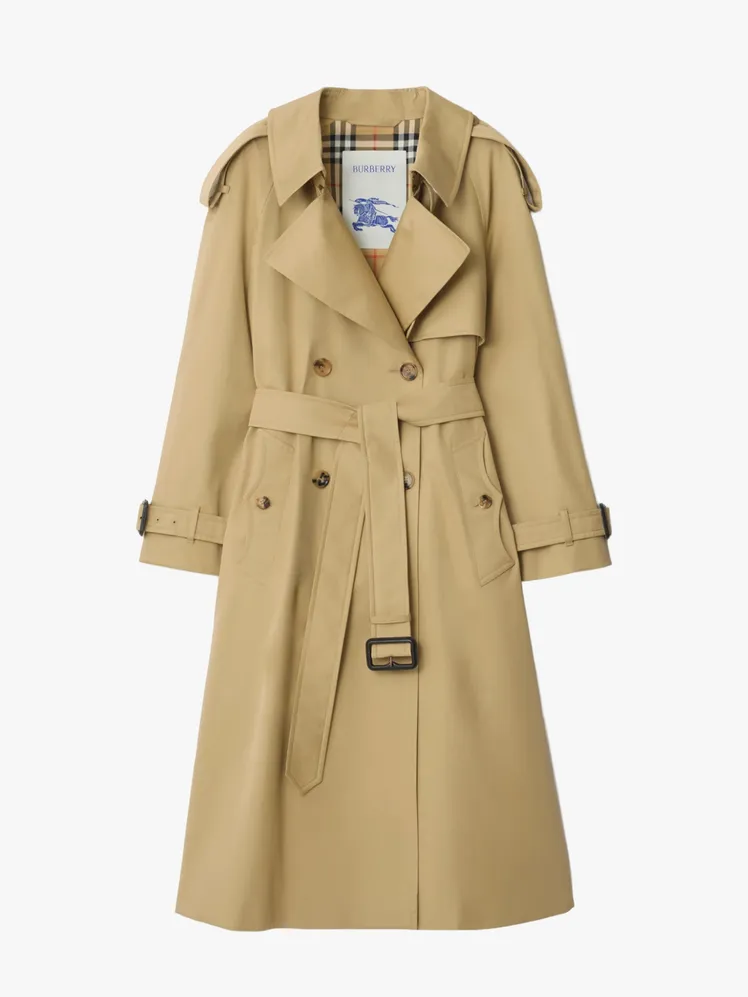
Interestingly, the Trench Bespoke program allows you to design your own coat from scratch:
- Gabardine color: honey, black, coal blue
- Lining: classic Check, Equestrian Knight, or silk
- Buttons, embroidery, monograms (your initials, if you wish)
ReBurberry is an aftercare service, which means cleaning, repair, and re-proofing of your trench coat. The coat can last for decades if you take care of it.
Prices and culture today
Heritage trenches usually cost $2,050–2,850, but higher-end or bespoke versions can reach $4,000–13,000+. It’s an investment, not an impulse purchase.
The 2026 campaign “The Trench, Portraits of an Icon” (photographed by Tim Walker) showcased the trench coat on Kate Moss and Kendall Jenner. Daniel Lee, the current creative director, introduced wider sleeves, a fuller skirt, and ruffled collars, sometimes even knit trenches. Market signals? Outerwear and scarves accounted for 45-46% of e-commerce sales during selected periods in 2025. The trench coat is still going strong.
An icon between function and style
The Burberry trench coat has endured for decades because it has never been solely about function or solely about appearance. It is a blend of craftsmanship, heritage, and the brand’s ability to tell its own story in a way that resonates with new generations. Gabardine still protects against the rain, but the possibility of personalization, limited collections, and its status as a cultural icon make every trench both a shield against the weather and a canvas for self-expression.
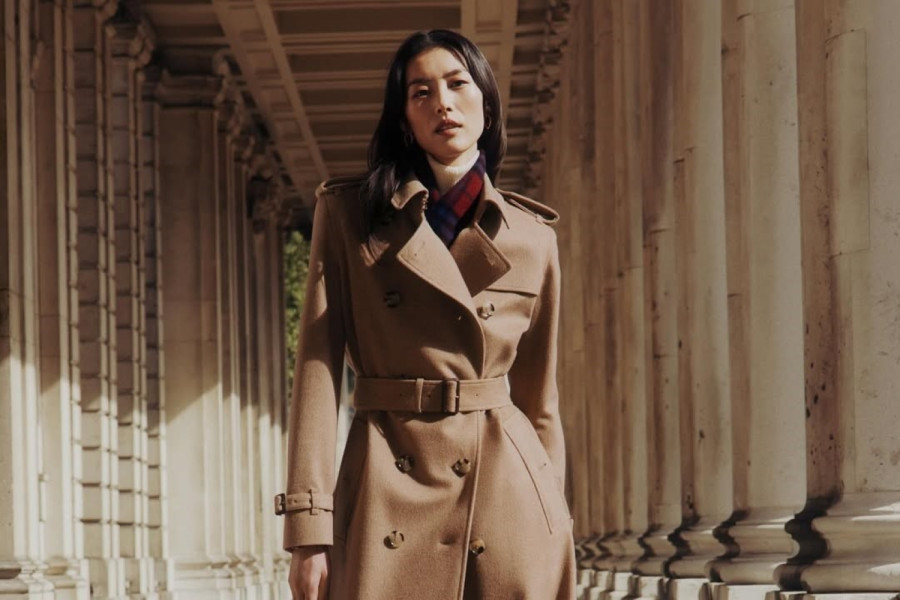
And that’s exactly why you still wear it, right? Because it’s not just a coat.
Mariie
editorial fashion
Luxury blog




Leave a Comment