

How long do the finest cuvées mature?
The term “cuvée” comes from the French word “cuve” (fermentation vat) and in the world of sparkling wines today means more than just a blend. It is a selection of the highest quality, a carefully composed mix of base wines that together create the style and character of a prestige bottle. In the traditional method, the same as in Champagne, Franciacorta, or European wineries with growing ambitions, it’s not just about what goes into the bottle. Time matters.
How long do the finest cuvées mature?
The best cuvées mature for 5–15+ years on the lees (sur lie, en tirage), far longer than the minimum legal requirements. It is this stage, quiet and slow, that builds aromatic complexity, creamy texture, and depth that cannot be faked. The growing importance of premium styles, lower dosage, and increasingly frequent decisions to delay release (later release after aging) mean that time has become a key marker of quality. In Champagne, Cava, and even in the domestic market, producers know: patience in the glass is not a luxury, it’s a strategy. We’ll get to the specific minimums and real calendars in a moment, but first, it was necessary to establish what we’re actually talking about.
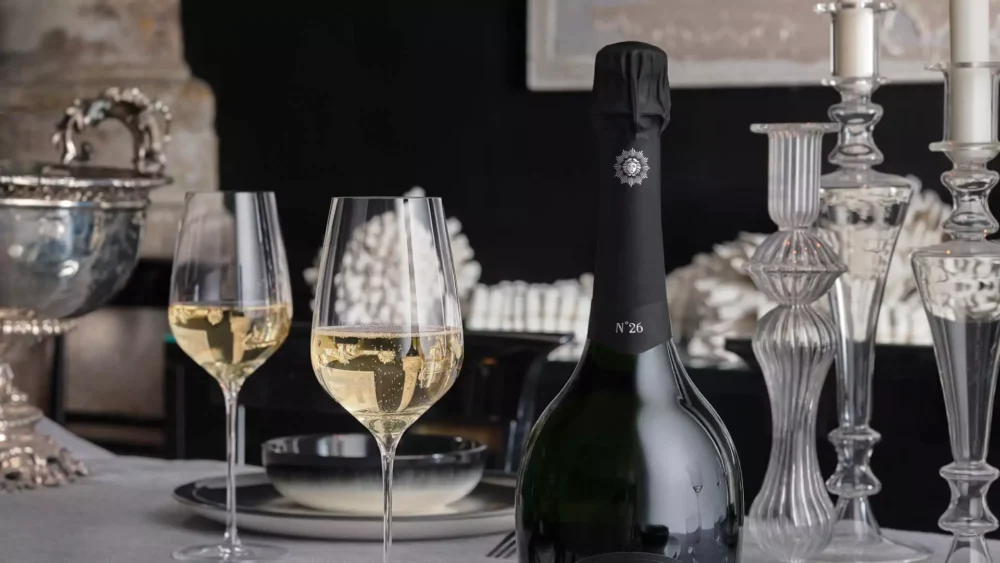
How long does it take?
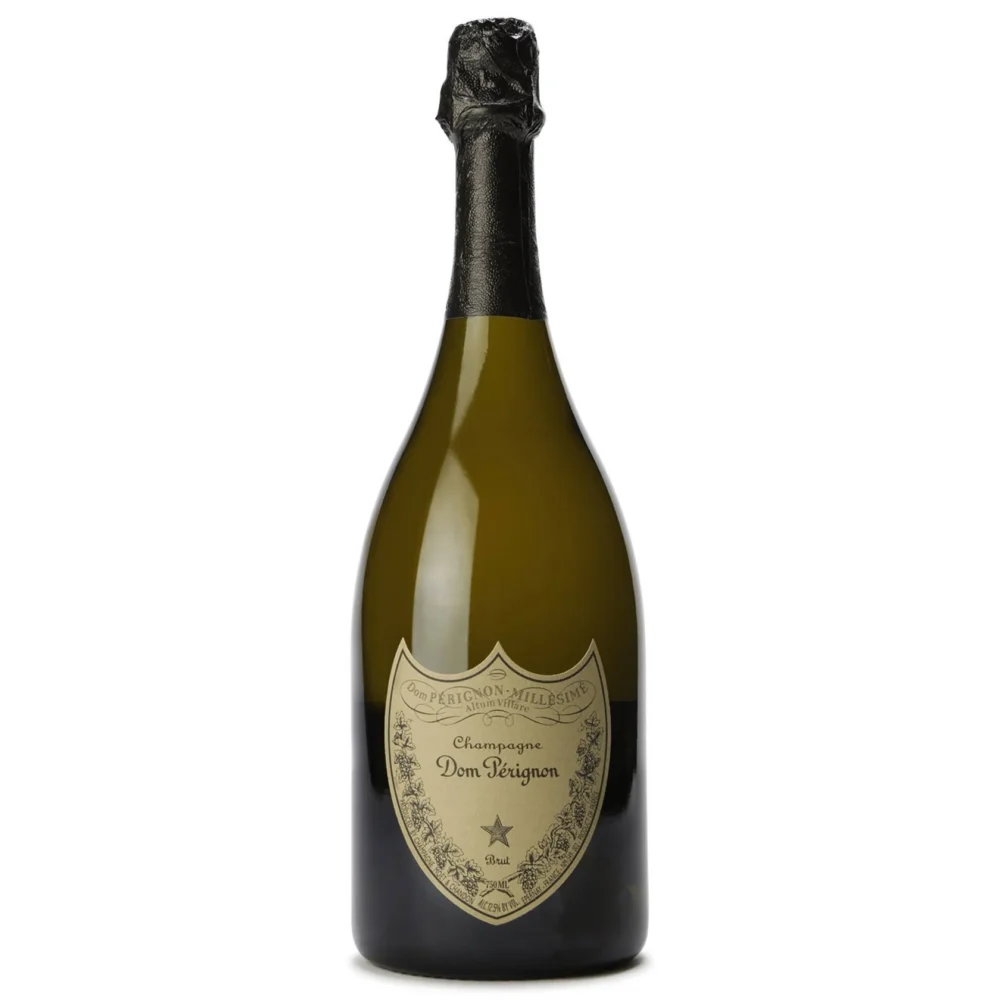
The legal minimum is one thing, but what Dom Pérignon or Salon actually do is a completely different story. The AOC regulations for Champagne are clear: NV ≥ 15 months, vintage ≥ 36 months (Champagne AOC). In practice, most houses age even their non-vintage cuvée for around 18-24 months, because shorter autolysis doesn’t give enough character. But true prestige cuvée? That’s a whole different league: 5-15+ years on the lees, and sometimes even longer.
Icons and Their Calendar
Dom Pérignon P1 ages for about 8 years before it hits the market. P2? Easily 15-20+ years. Salon typically keeps its cuvée for around 10 years, Devaux Cuvée D for a minimum of 5 years, Iron Horse Tête de Cuvée about 7-8+, and Laurent‑Perrier Grand Siècle (a blend of several vintages) matures over many years, often exceeding a decade.
In Italy, Franciacorta has stricter regulations: NV 18 months (Rosé/Satèn 24), millesimato 30, Riserva up to 60 months. Ca’ del Bosco Cuvée Prestige usually ages for about 25-28 months. Spanish Cava? Standard ≥ 9 months; Reserva ≥ 15-18 months; Gran Reserva ≥ 30 months.
| Category | Minimum/period | Example |
|---|---|---|
| Champagne NV | 15 months | often 18–24 months |
| Champagne Vintage | 36 months | prestigious 5-15+ years |
| Franciacorta Riserva | 60 months | Ca’ del Bosco ~25-28 months |
| Cava Gran Reserva | 30 months |
The difference between the legal minimum and what major players do is enormous.
What are the benefits of prolonged contact with the lees?
When a bottle of champagne rests in the cellar for years, something fascinating happens inside. After the secondary fermentation, the yeast has done its job and… dies. Their cell walls slowly break down, releasing mannoproteins, amino acids, and polysaccharides. This is autolysis. It may not sound impressive, but the effects in the glass? That’s where the magic begins.
How time changes the mousse and aroma
Prolonged contact with the lees develops characteristic notes:
- Toasty warmth, brioche straight from the bakery
- Delicate hazelnuts, almonds
- Honey accents, sometimes ripe fruit
- Depth that a young cuvée simply lacks
But it’s not just about the aroma. Mannoproteins stabilize CO₂ bubbles, creating a “finer, longer-lasting mousse.” The texture becomes “more silky,” and the wine fills the mouth differently. The difference between 15 and 60 months on the lees? You can feel it from the very first sip.
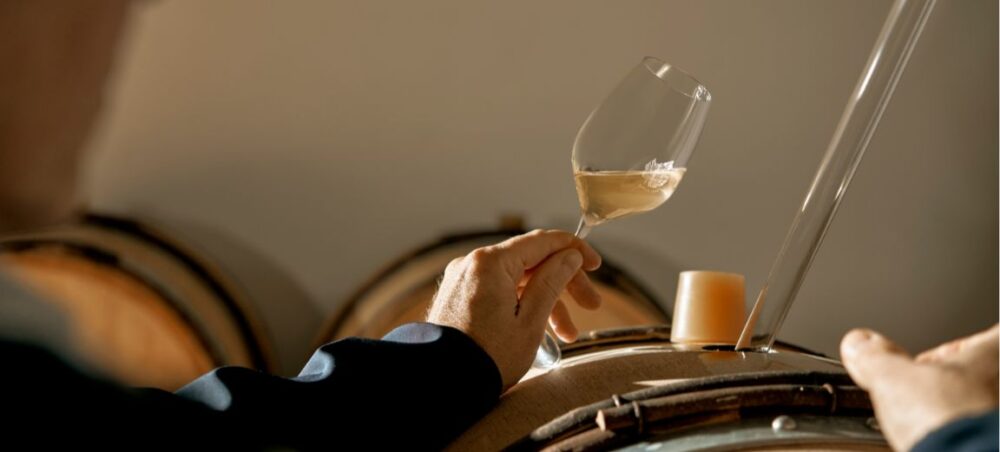
Magnum matures more slowly (greater volume, less oxygen in relation to the wine), and pH and acidity also play a role. After disgorgement, top bottles can continue to evolve for 10, 20, or even more years under ideal conditions. The wine continues to live on, just more calmly. And more intriguingly.
The taste of time captured in bubbles
The difference between twelve months and ten years is not just numbers in the regulations—it’s an entirely different world of sensations in the glass. Minimum aging periods are enough to create something suitable for a toast, but true cuvées need time to tell their story. And you can sense it from the very first sip.
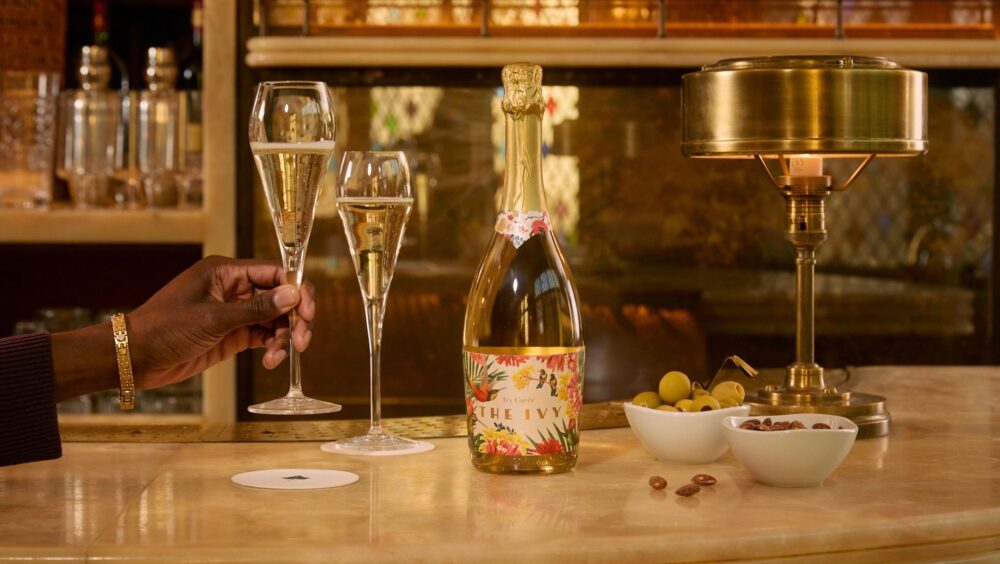
That’s why it’s sometimes worth reaching for a bottle that has matured for years, not just months. Not always, because honestly, not every occasion calls for it. But when such a moment comes? Then the taste of time truly makes a difference.
Axell
Luxury Blog editorial team


Leave a Comment