

What is the “Burberry check”?
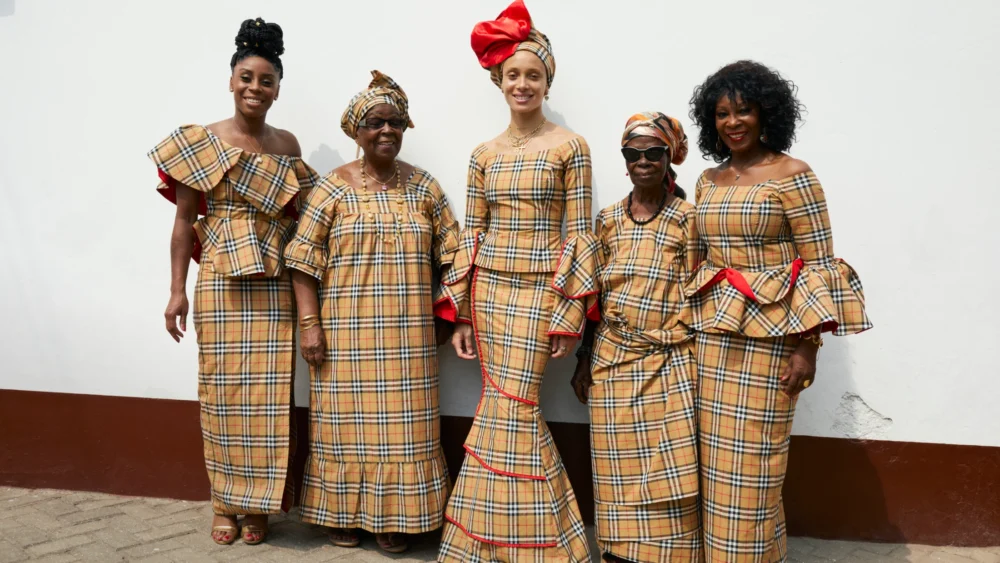
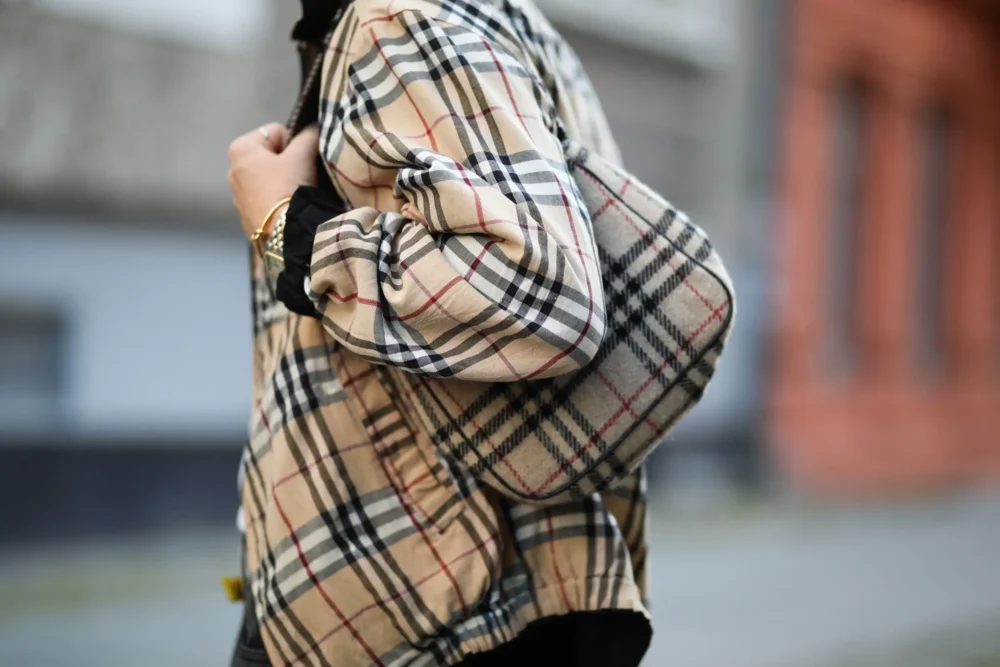
The Burberry check is one of the most recognizable and most frequently counterfeited patterns in fashion history. Just a glance at that beige background with its distinctive lines and you instantly know what you’re looking at.
What is the “Burberry check”?
This is a registered tartan pattern of the brand, known by several names: Burberry Check, House Check, Nova Check, or Haymarket Check. Simply put, it is a “corporate tartan,” a signature pattern that has become the house code of the fashion house.
Visually, it looks like this:
- beige background (officially “archive beige” or camel)
- black, white, and red lines forming a geometric arrangement
- a symmetrical pattern that repeats in a rhythmic grid
- the proportions of the lines are carefully balanced so that the check pattern is recognizable at any scale
For many people, this check pattern is a symbol of British luxury and artisanal heritage. It has appeared in pop culture so often that it has crossed the boundaries of the fashion world and become something more than just a pattern on fabric. It is visual shorthand for “Burberry,” an icon in its own right.
How to recognize an original Burberry check?
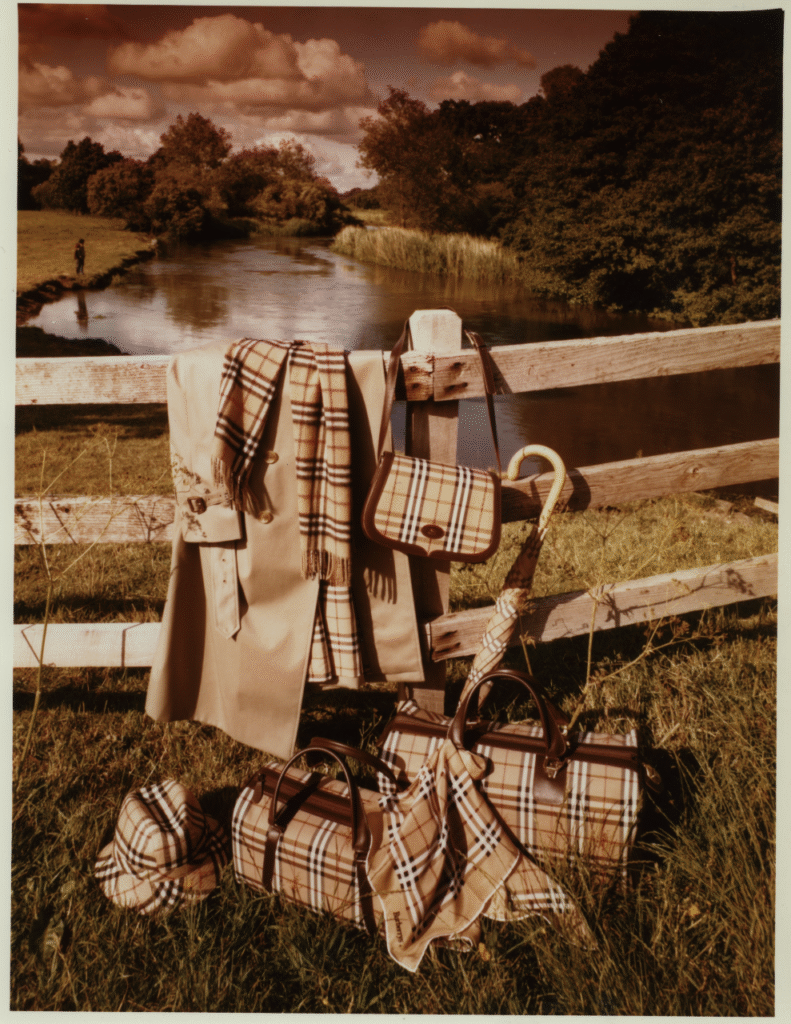
The original Burberry check is set against a light beige-camel background ( officially referred to today as “archive beige”), crossed by vertical and horizontal stripes in black, white, and red, sometimes with a touch of gray. The symmetrical pattern and precise intersections of the lines are a hallmark that is difficult to replicate without access to the proper weaving techniques.
The pattern goes by several names: Burberry Check, House Check, Nova Check, Haymarket Check, each referring to a slightly different color variation or use. In the Scottish Register of Tartans, it is listed as “Burberry (Genuine)”, ref. 440, category: corporate, dated around 1920 (STA ref. 1239). Importantly, the check is protected as a trademark, and Burberry actively enforces its IP, having won a case against counterfeits in China in 2020.
Original vs. counterfeit
| Feature | Original | Counterfeit |
|---|---|---|
| Fabric | Cashmere, wool, gabardine | Polyester, synthetics |
| Lines | Sharp, even, precise | Blurred, uneven |
| Seam alignment | Perfect grille fit | Shifts, misalignments |
Burberry cashmere scarves are woven in Scotland on traditional looms, and you can feel it in the quality. Today, the check pattern appears on trench coat linings, scarves, umbrellas, and bags, always with attention to detail.
History and controversies surrounding the grille
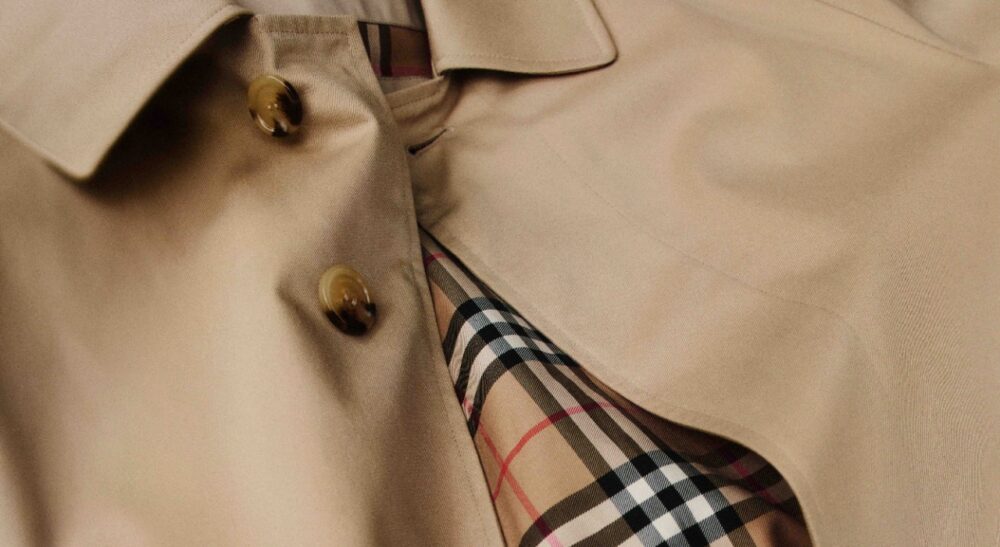
The Burberry check has had a fascinating career over the decades. It began modestly, in the 1920s, as the lining of the legendary trench coats. No one could have predicted then that this beige-black-red pattern would become an icon recognized all over the world.
| Year/period | What happened |
|---|---|
| ca. 1920 | Check as the lining of a trench coat |
| 1967 | Parisian boutique, reversed coats in the display |
| The 70s. | Cashmere shawls are now available for sale |
| The 80s/90s | “Sloane Rangers”, ready-to-wear |
| Early 2000s. | “Chav era”, bans in pubs |
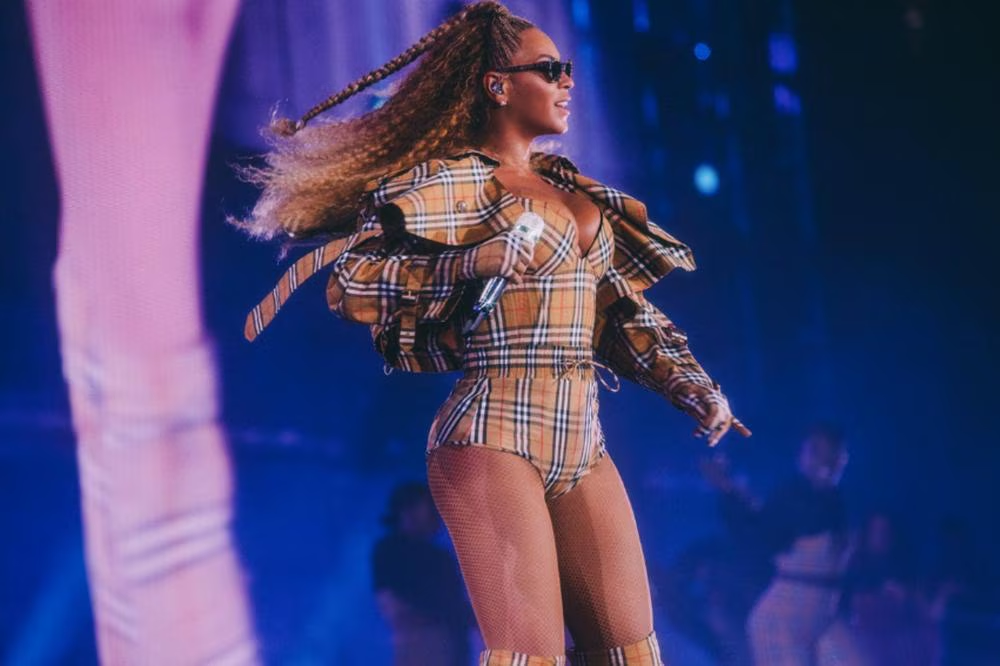
| 2017-2022 | Riccardo Tisci, streetwear, Beyoncé and Rihanna |
| Since 2022 | Daniel Lee, slants and new color palettes |
Crisis and return
At the beginning of the 21st century, the brand faced a problem. The check pattern, once a symbol of pride, began to be associated with “chavs,” a British youth subculture from housing estates. Danniella Westbrook, photographed head to toe in the check (including her baby stroller), became the unintended face of the crisis. Pubs and clubs banned entry in Burberry. The response? Christopher Bailey limited the check to just 5% of the collection and withdrew baseball caps.
The comeback arrived with Riccardo Tisci, who infused streetwear energy. Collaboration with Vivienne Westwood, stars like Billie Eilish and Bella Hadid in check. Daniel Lee went further: bias cuts, new colors (olive, rust, blue), “rainbow check” in support of LGBTQ+. The check pattern is once again living its own life.
Why does this check pattern still say more than the logo
The Burberry check has endured for decades because it needs no explanation. It’s a kind of visual shorthand that works faster than any logo. You see that distinctive pattern and immediately know what it’s about, even if you’re not particularly interested in fashion. It’s this very recognizability that allowed the brand to move its logo into the background.
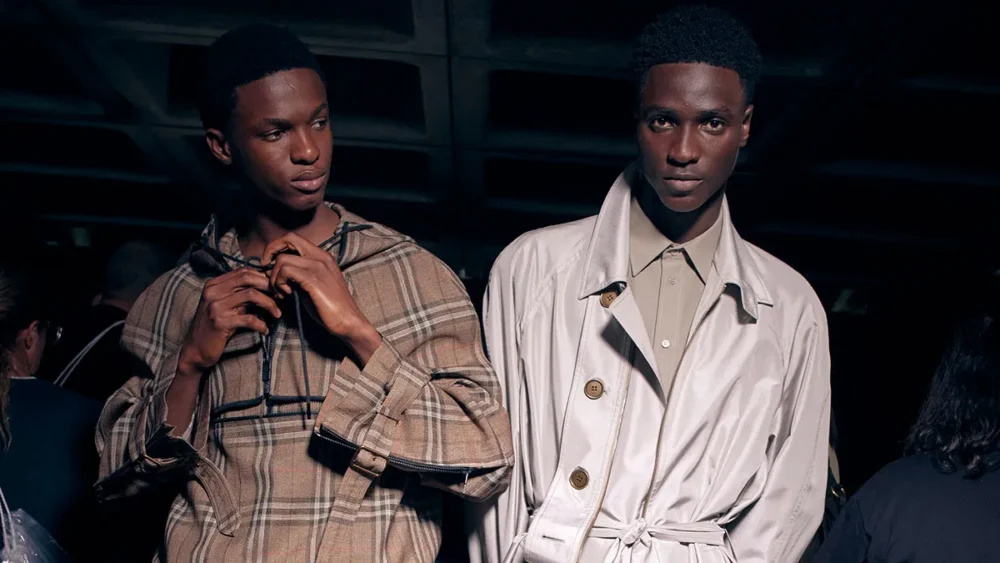
Interestingly, plaid has achieved something that few patterns can boast: it has become part of culture, not just fashion. It appears in movies, on the streets, in memes. People wear it because they know others will understand this code without a word. And that is precisely where its strength lies.
Lara
editorial fashion Luxury Blog



Leave a Comment