

What is Lake Como famous for – beauty, luxury, and heritage
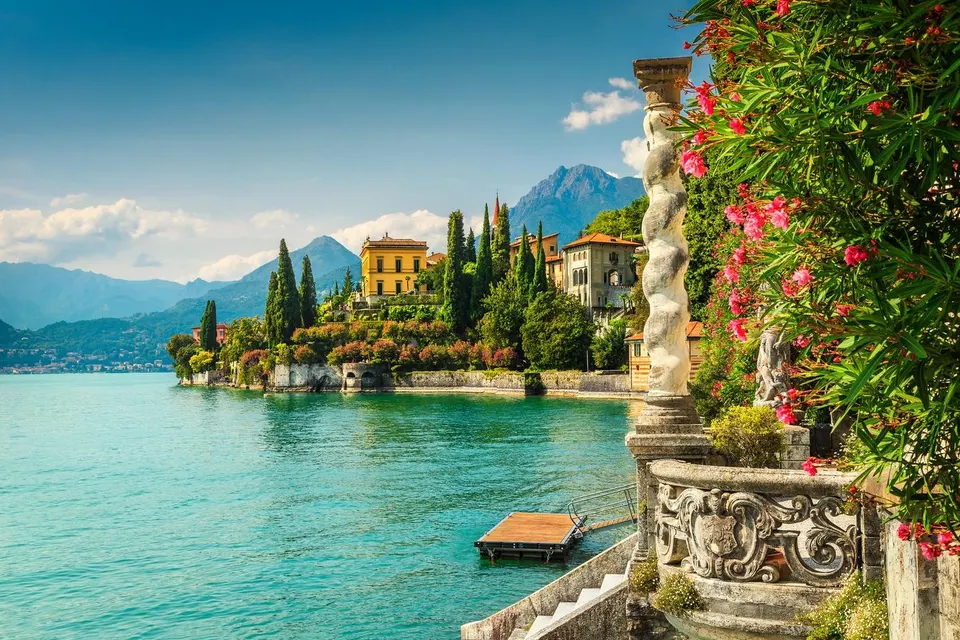
“The deepest lake in the Alps (410-425 m) and the third largest in Italy (146 km²).”
Lake Como is located about 40-45 km north of Milan, and its distinctive inverted Y shape means that the view from each shore is different. But numbers are one thing. What truly sparks the imagination is something much harder to measure.
Why does Como capture the imagination?
I think it’s about this combination: majestic Alps descending straight into the blue water, elegant villas hidden in lush gardens, boats threading through the bays. Como has become synonymous with Italian elegance and romance, a symbol of la dolce vita. It’s no wonder that celebrities choose this place for their residences, and directors return here with their cameras.
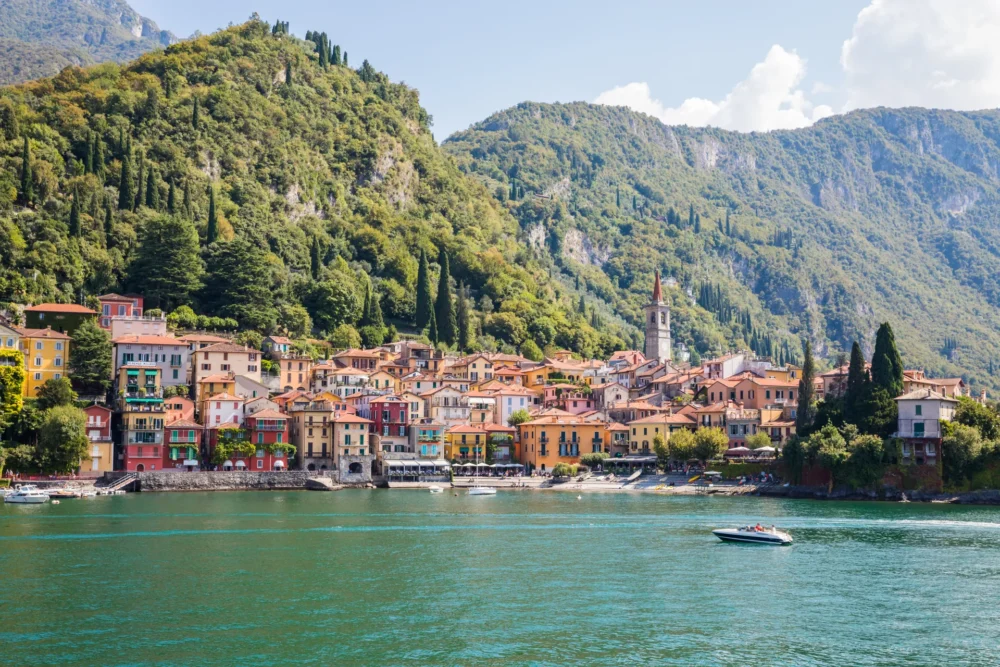
The topic is especially relevant right now. In just the first eight months of 2024, the provinces of Como and Lecco recorded over 4 million tourist visits. This doesn’t surprise me at all.
Next, we’ll take a closer look at the specifics: how geography shapes the microclimate, which plants grow here, and why this place is exceptional in terms of nature. Because behind all this elegance, there’s more than just a beautiful view.
What is Lake Como famous for?
It’s hard to find a lake with a more recognizable shape. Seen from above, Como resembles an upside-down letter “Y”, with its three arms reaching deep into the Alpine slopes. It looks a bit like a branching waterway that couldn’t decide which direction to flow.
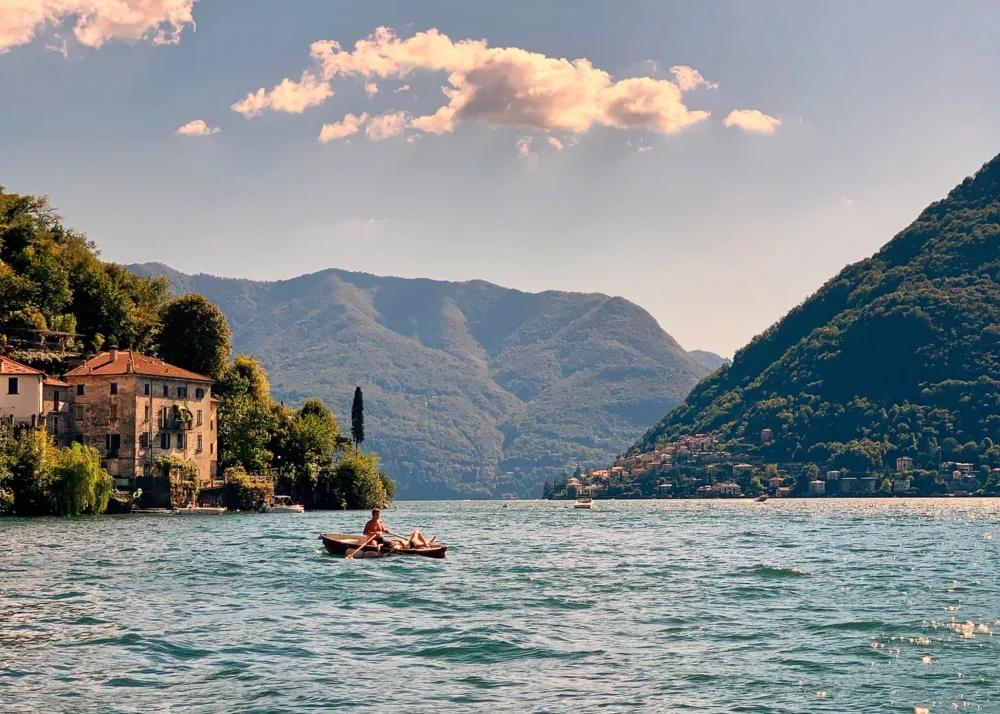
Shape and three arms of Lario
This fork is not a coincidence of topography. The lake is divided into three distinct branches: Ramo di Como (southwest), Ramo di Lecco (southeast), and Ramo di Colico (north). The dividing point is Bellagio, the spot where the water literally decides its direction. This unique layout creates an extraordinary variety of landscapes, with each branch having its own microclimate and character.
Numbers that impress
Basic parameters of Como demonstrate the scale of this body of water:
- Area: 146 km²
- Length: approximately 46-51 km (depending on the branch)
- Width: up to 4.5 km
- Coastline: approximately 160 km
- Maximum depth: 410-425 m (average about 154 m)
- Water volume: approximately 22.5 km³
Interestingly, Como is a cryptodepression. The bottom of the lake lies below sea level.
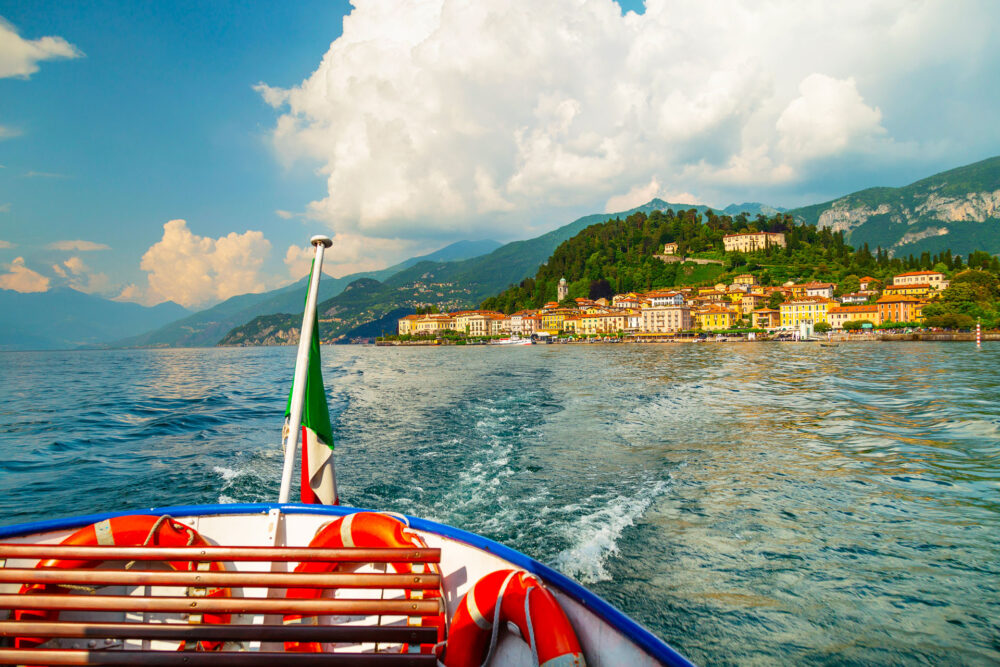
Microclimate, winds, and life on the water
The main inflow and outflow of the lake is the Adda River, and the Mera also flows in. The water retention time is about 5.5 years. The only island is Isola Comacina. In summer, the water warms up to around 24°C, which moderates the local temperatures. The winds here have their own names: breva blows from the south, tivano from the north. A network of ferries and hydrofoils connects the main towns, and traffic on the water is an inseparable part of the landscape.
From Lacus Larius to the Grand Tour
Lake Como has enjoyed its fame for over two thousand years. And it must be admitted that few places can boast such a long history of being a hot spot.
Antique and the beginnings of renown
The ancient Romans called it “Lacus Larius” (hence today’s name “Lario,” which you’ll hear from locals). In 59 BC, Julius Caesar founded “Novum Comum” here, meaning new Como, and the place immediately became fashionable. Pliny the Younger, the great Roman writer and administrator, owned two villas by the lake. He named them “Comedia” and “Tragedia,” depending on their character and location. In his letters, he praised the views and climate so highly that we can consider him the first influencer of Como.
Grand Tour and the birth of the silk brand
The Middle Ages were turbulent (the destruction of Isola Comacina in the 12th century), but the Renaissance brought a revival of villas and gardens. The true flourishing came in the 17th–19th centuries, when Como became part of the Grand Tour route. Aristocrats from all over Europe had to visit here. At the same time, the silk industry was developing, putting Como on the map of global fashion. Today, around 800 companies in the Como district continue this tradition.
Modern milestones
The 20th and 21st centuries have added further layers of history:
- 1945 – capture and execution of Mussolini in Giulino di Mezzegra
- 2003 – Sacro Monte di Ossuccio is added to the UNESCO list
- 2015 – unveiling of “The Life Electric” by Daniel Libeskind, a monument in honor of Alessandro Volta
All of this together creates a legacy that today attracts both history enthusiasts and seekers of luxury.
Villas and gardens of Como
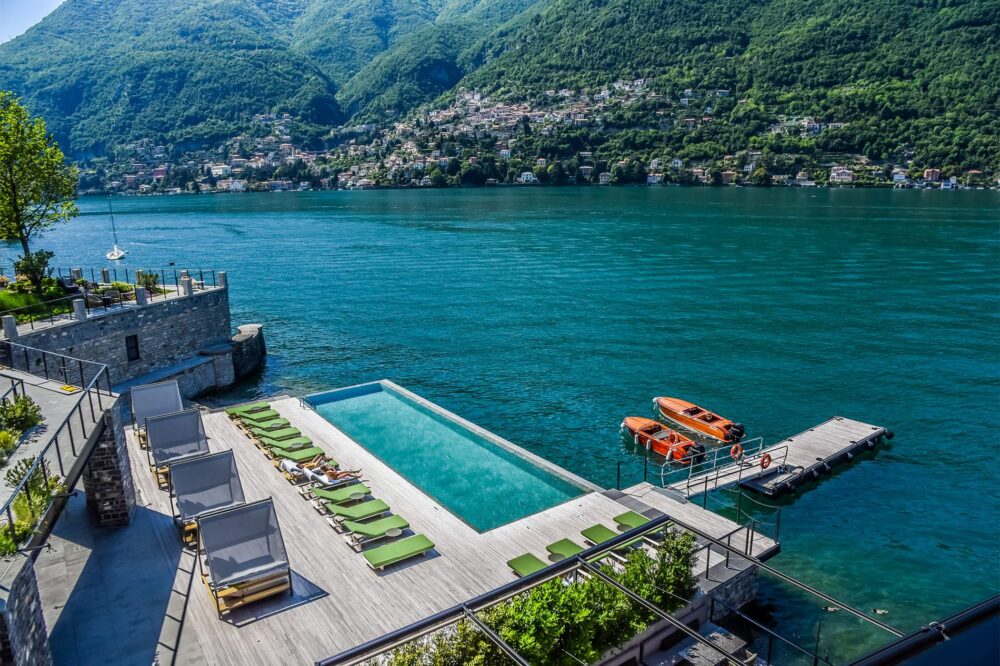
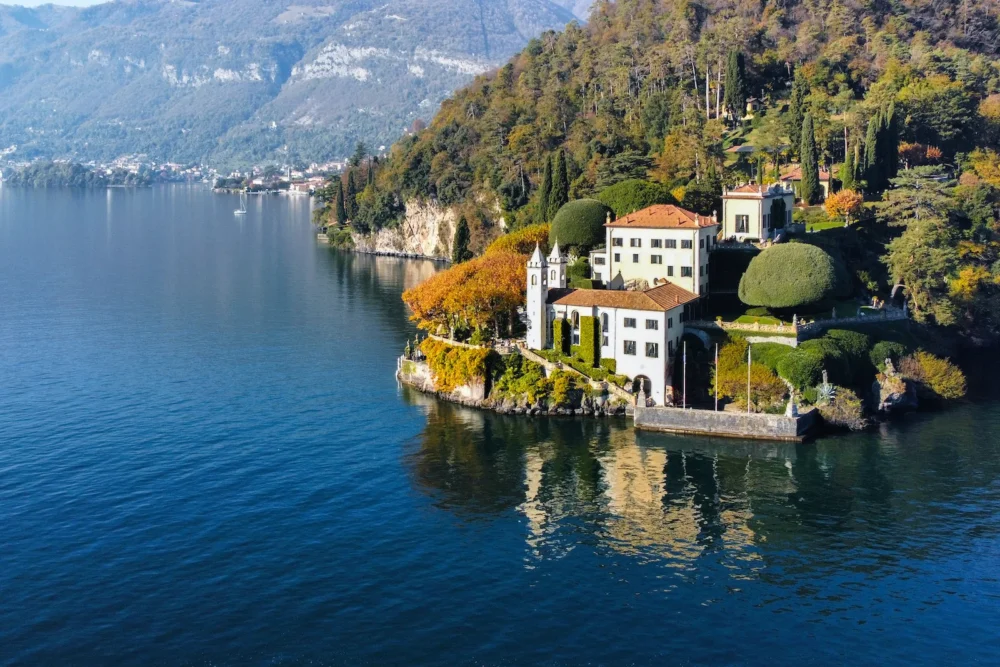
Villas on Lake Como are more than just grand buildings. They are, in fact, theatrical stages where architecture and nature perform together, and every terrace and step leading to the water seems designed with the perfect view in mind. The mild microclimate allows plants that wouldn’t survive elsewhere in Lombardy to thrive here without difficulty.
The most famous villas on Lake Lario
A few sites stand out in particular:
- Villa del Balbianello (Lenno) – belongs to FAI, accessible only during designated time slots and with a daily entry limit; famous for its waterfront balustrade and stairs descending directly into the lake.
- Villa Carlotta (Tremezzo) – a botanical garden with azaleas, rhododendrons, and an art museum; it is one of the most popular ferry stops.
- Villa Olmo (Como) – neoclassical, often used for exhibitions; free entry to the park.
- Villa Monastero (Varenna) – over 2 km of terraced gardens stretching along the shore; a former monastery.
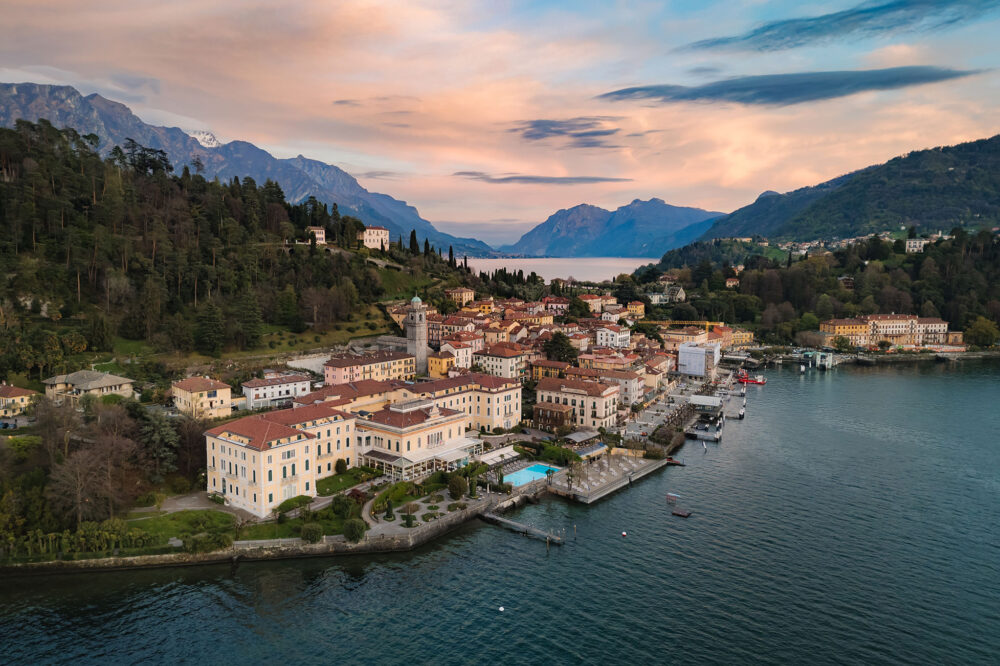
- Grand Hotel Villa Serbelloni (Bellagio) – a private hotel, but visible from every arm of the lake; embodies the opulence of the 19th century.
Microclimate and gardens full of exoticism
The garden styles here blend Italian Renaissance designs (geometry, boxwood) with 19th-century English landscape parks. Thanks to the warmth of the lake basin, palms, cypresses, olive trees, oleanders, and even agaves and bamboos grow here. Bellagio, located at the “fork” of the lake, boasts the most attractions and makes the best use of this botanical diversity.
How to travel responsibly?
Most villas require a ticket (10-15 EUR), and some require advance online reservations, especially during peak season (April-October). Villa del Balbianello limits daily entries and does not allow spontaneous visits on weekends. It’s worth checking the hours and availability before your visit to avoid disappointment. The architecture and landscape together create something that’s hard to capture in a single photo.
La dolce vita today
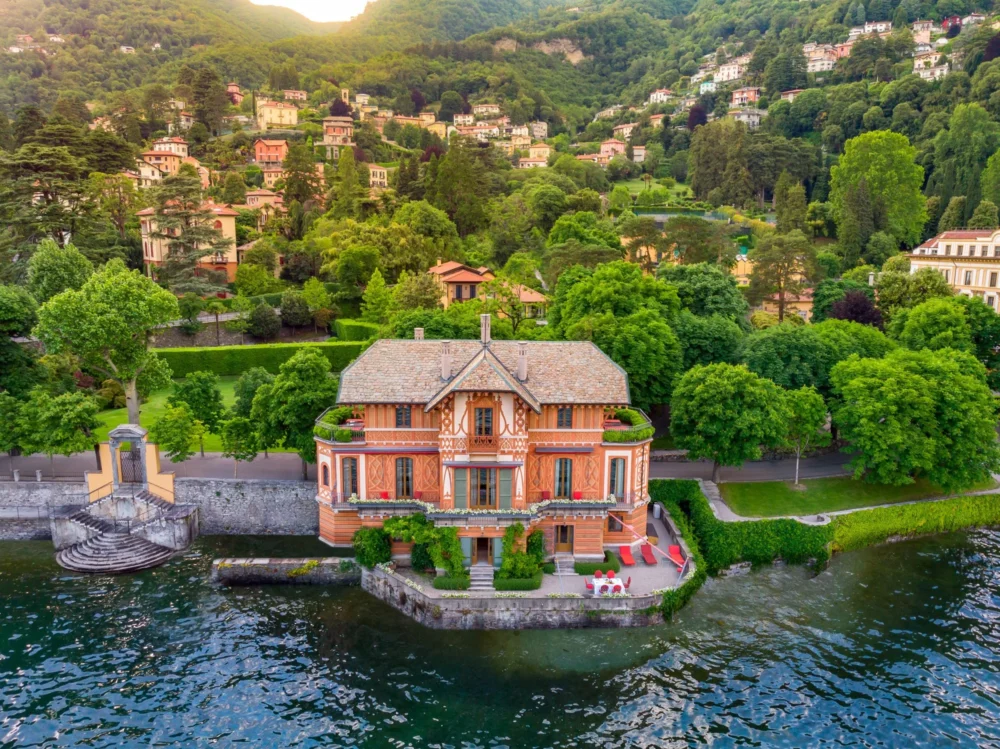
When George Clooney bought Villa Oleandra in Laglio in 2002, he probably had no idea he was about to start an avalanche. And yet, here we are. Today, Lake Como is not just a view — it’s a symbol, a branding bullseye thanks to cinema and celebrity residences.
Clooney became the unofficial ambassador of the region, followed by others: Madonna, Richard Branson, Sylvester Stallone. Each name gives the market another boost. Villas by the shore? Now they exceed 100 million euros each. In Lierna, prices per square meter reach 150,000 euros. It’s like buying luxury by the gram.
Stars, hotels, and big numbers
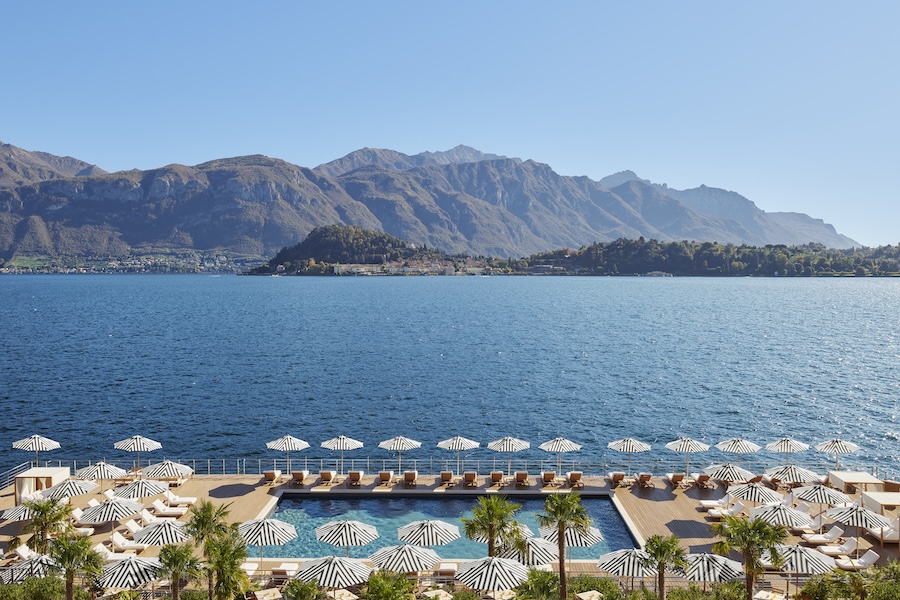
Hospitality responds to demand: “The Lake Como Edition” in Cadenabbia (opening 2026) and “Ritz-Carlton Lake Como” in Bellagio are signals that the ultra-luxury segment is not slowing down. The statistics speak for themselves: over 4 million tourist presences from January to August 2024. An impressive number.
But it’s not just hotel guests. Day-trippers are on the rise: buses, selfies at Villa Balbianello, a quick return to Milan. Como is turning into an Instagram backdrop.
The price of popularity
And this is where the friction begins. Locals are protesting, and the authorities in Como are planning a fee for day-trippers. Villa del Balbianello has already introduced entry limits to cool things down. Popularity comes at a price, both literally and figuratively.
Maybe it’s not a crisis, but rather growing into a new role. The lake, once a refuge for the elite, is now facing mass adoration. And it’s searching for a balance between splendor and protecting what makes people come here in the first place.
A legacy that obliges
When I think of Como, I see a whole that holds together thanks to balance. Nature created an alpine lake in breathtaking surroundings, Renaissance architects added villas and gardens, Hollywood filmmakers brought glamour, and the local community is now trying to keep it all under control. It’s a fame that both inspires and demands responsibility, as every season brings new challenges related to the number of tourists and maintaining ecological balance.
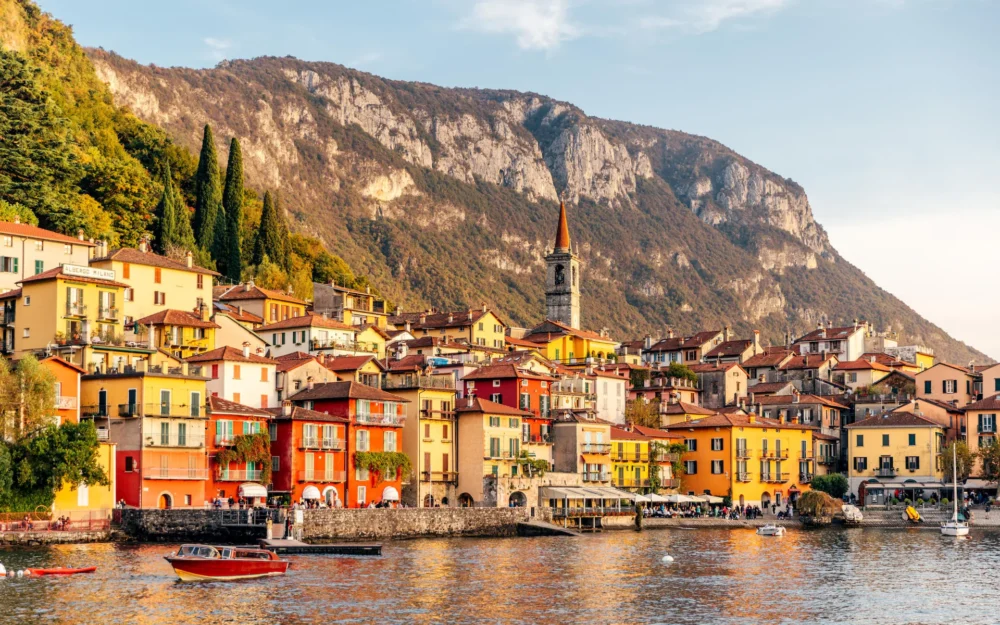
Como is a kind of template for European resorts, an example of how cultural heritage can coexist with luxury, provided that someone keeps an eye on the boundaries. The Lombardy region sees this as a model solution, while other Alpine lakes watch closely.
The true beauty of Como reveals itself when you’re actually there, standing on the pier, and you sense something more than just a postcard view all around you.
Lena X
lifestyle editorial team
Luxury Blog




Leave a Comment