

The best bathrobe – which material to choose?
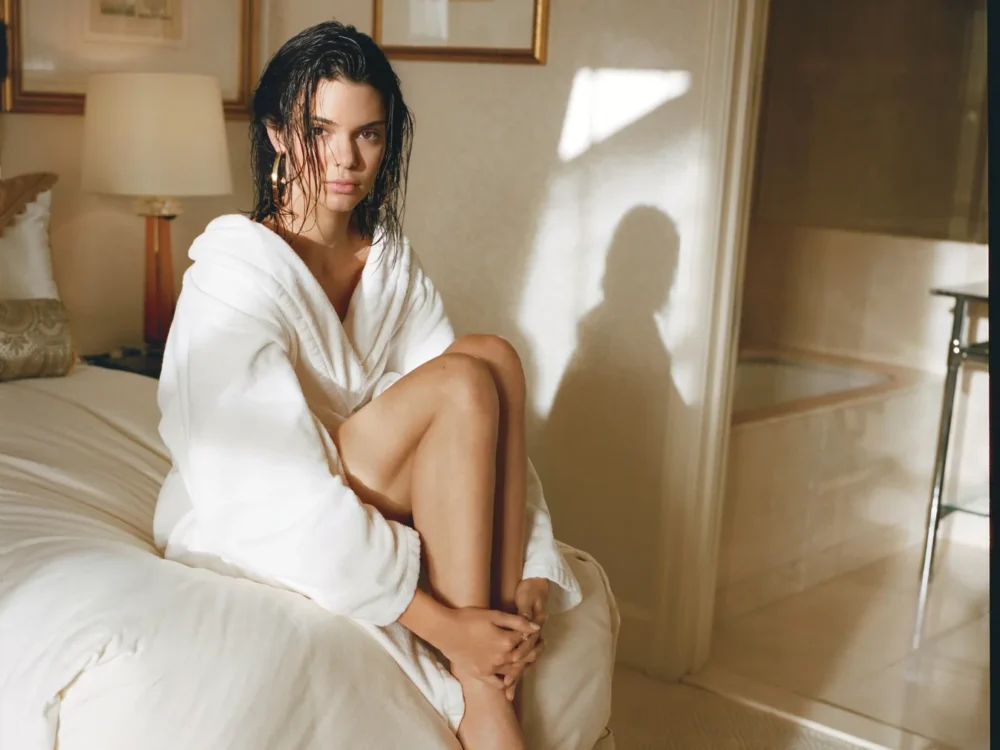
The morning doesn’t begin with coffee, but with the first touch of fabric on your skin—a soft, almost imperceptible moment that sets the tone for the entire day. The best robe is therefore not just an accessory in your wardrobe, but a personal comfort zone—something between luxury and everyday necessity. In the world of home fashion, the material takes center stage, determining not only aesthetics but also functionality. And choosing the right fabric is an art of balancing comfort, seasonality, and your own style.
The best bathrobe – what weight?
The weight of a bathrobe is one of those parameters that, at first glance, may sound technical, but in practice, it determines your everyday comfort even more than the fabric composition itself. It’s the weight that decides whether the material will be light and breathable or rather thick and enveloping. The higher the weight, the heavier and more “hotel-like” the bathrobe feels, and the better it retains warmth, which is especially useful after a bath or on chilly mornings. On the other hand, a lower weight provides a sense of freedom and lightness, making the bathrobe more suitable for warmer months.
In practice, choosing the weight is a decision about what kind of comfort suits you best on a daily basis. Lower-weight models are more mobile, dry faster, and are easier to wear for longer periods without feeling overheated. The heavier high-quality ones, on the other hand, create a distinct sense of coziness, which for many people is an essential part of their home relaxation ritual. The best bathrobe is therefore not just a matter of material, but also of how it responds to your needs at different times of the day.
Cotton
Cotton is considered the cornerstone of home wardrobes for a reason. Its greatest advantage is its natural quality, which translates into comfort even when worn for many hours. The skin can breathe, it doesn’t overheat, and the fabric itself doesn’t cause irritation, making it a safe choice even for those with sensitive skin. That’s why luxury women’s bathrobes are so popular!
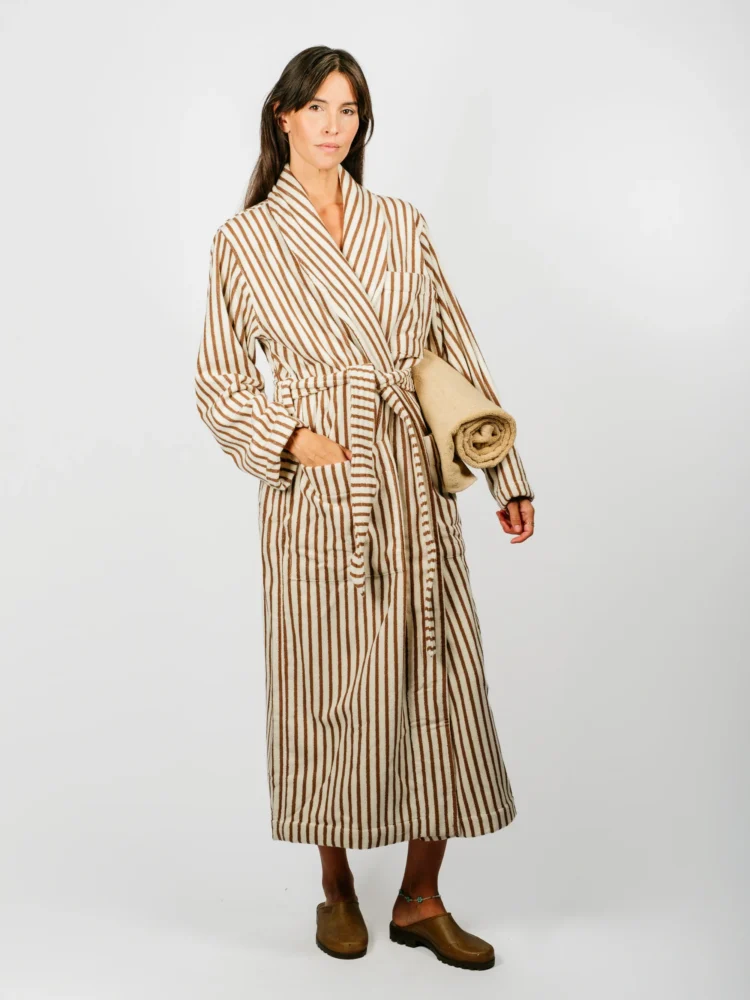
In practice, however, cotton is not just one material, but a whole range of possibilities that significantly affect the final experience. A terry cotton bathrobe, with its characteristic looped texture, absorbs moisture perfectly and is ideal right after a bath. This is an almost hotel-like choice, associated with softness and warmth. On the other hand, waffle cotton, lighter and more breathable, offers a subtle compromise between functionality and lightness, making it perfect for warmer months. There is also satin cotton, which, thanks to a special weave, acquires a delicate sheen and smoothness, introducing a touch of elegance without sacrificing its natural properties.
Silk
Silk is a premium fabric that exists on a completely different level of comfort. It doesn’t just touch the skin—it fuses with it, creating the sensation of an almost second, more refined layer of the body. Its thermoregulatory properties make it useful all year round, which in practice means one thing. In summer, it provides a pleasant cooling effect, while in winter it subtly retains warmth. The best silk robe is therefore not a seasonal whim. It’s a thoughtfully chosen wardrobe piece that adapts to changing needs without requiring compromise.
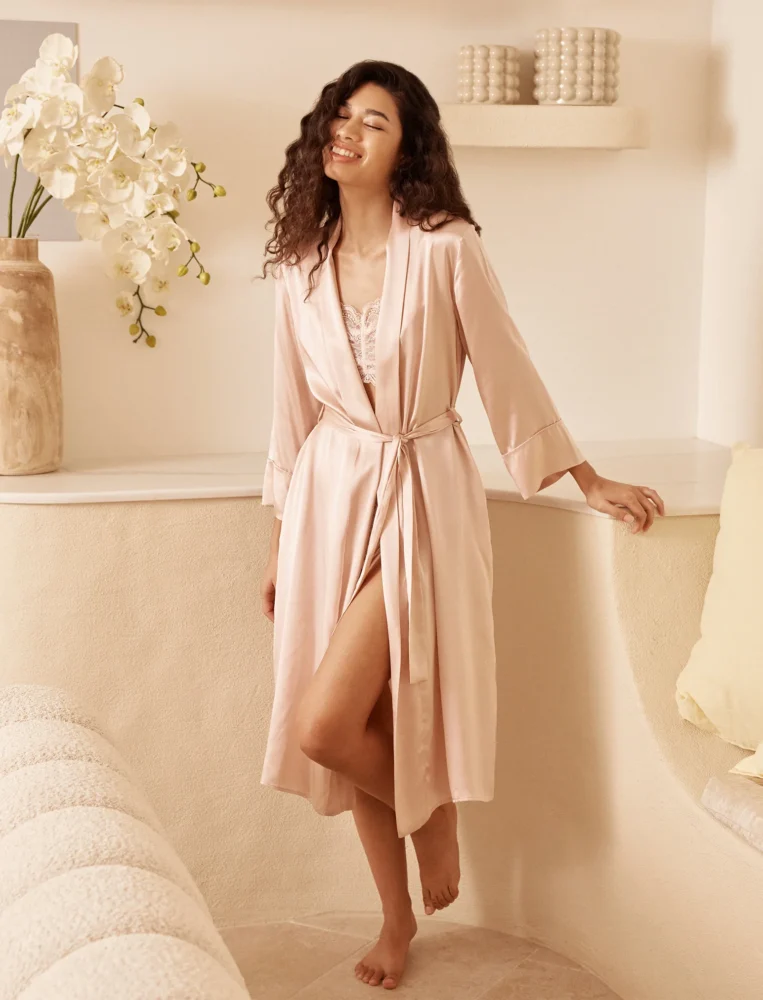
High-quality silk, especially mulberry silk, is distinguished by its exceptional fiber smoothness and resistance to color fading. Even over time, it retains its original character—provided it is properly cared for. And here lies the other side of this fabric: silk does not forgive negligence. It requires gentle washing, avoidance of high temperatures, and no contact with harsh chemicals. It is more prone to creasing and damage than cotton or microfiber, making it a material for those willing to devote a bit more time to its care.
Velour and fleece
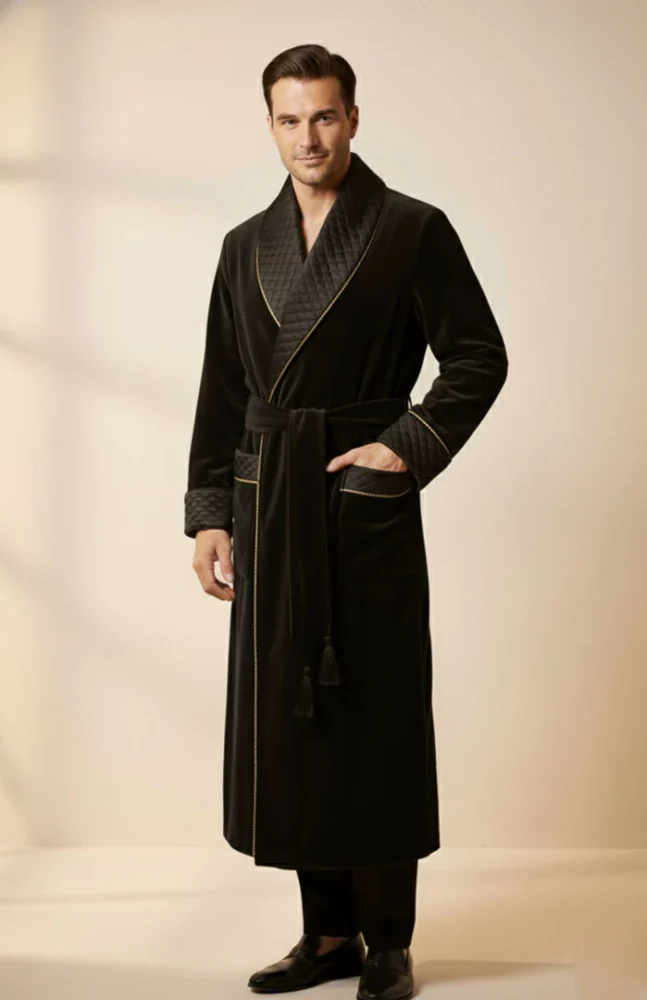
There are materials designed to provide an immediate sense of comfort. Velour brings a touch of elegance to this category that is hard to find in other soft fabrics. Its distinctive, slightly shiny surface beautifully reflects light, adding depth and sophistication to the silhouette. At the same time, it is pleasant to the touch and relatively heavier, which enhances the feeling of being wrapped up. Fleece, on the other hand, is a response to purely practical needs—lightweight, quick-drying, extremely warm, and easy to care for. It doesn’t crease, doesn’t lose its shape, and withstands frequent washing well, making it an ideal choice for everyday wear.
The difference between them is therefore not limited to appearance, but encompasses the entire user experience. Velour is chosen by those who want to combine comfort with aesthetics and do not give up elegance even in the privacy of their own home. Fleece, on the other hand, appeals to people who value functionality and ease of use above all else. The best bathrobe in this category is the one that suits a specific scenario: an evening with a book under a blanket, a chilly morning by an open window, or a lazy afternoon with no plans.
The best linen bathrobe
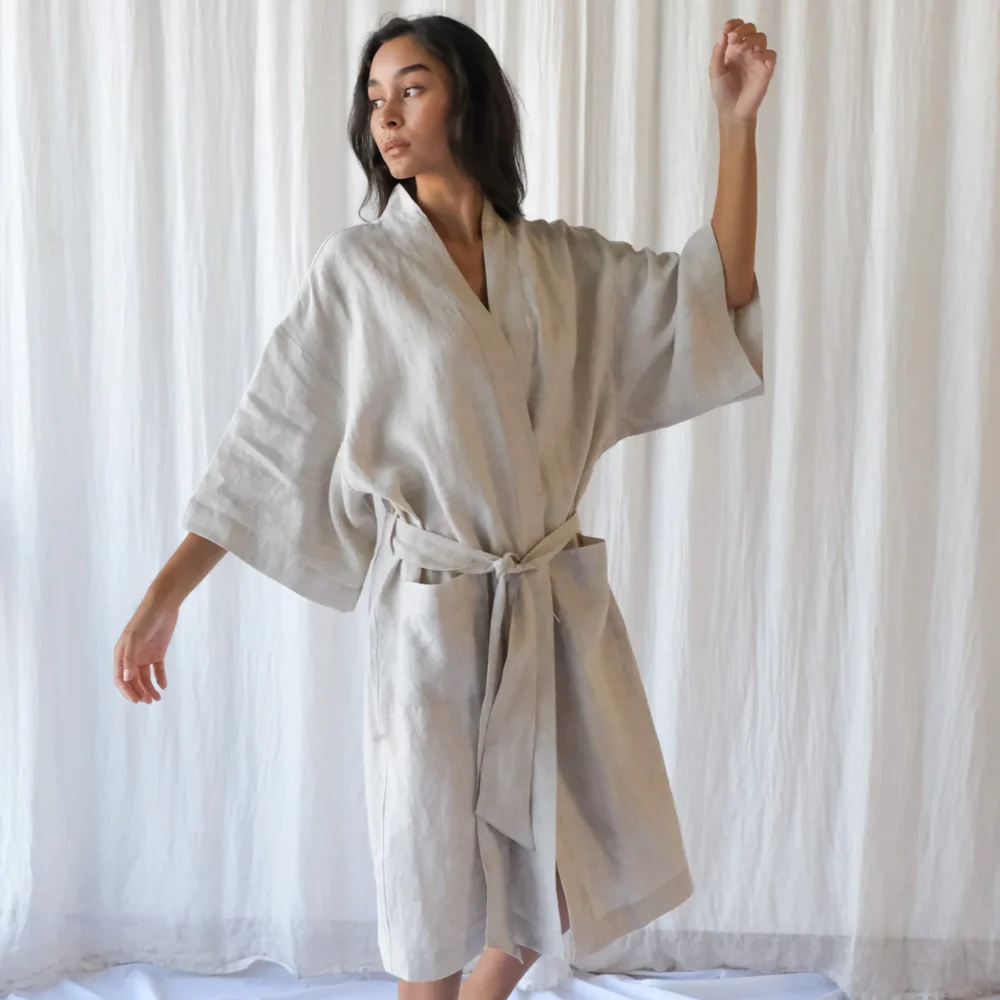
Linen has something primal about it—as if it’s closer to nature than other fabrics and doesn’t try to hide it. It doesn’t immediately envelop you in softness; instead, it gradually wins you over with its lightness and breathability. This is a material for those who choose comfort that matures over time rather than instant gratification. Linen handles temperature perfectly —its breathability makes it indispensable on warmer days, and its ability to wick away moisture enhances comfort even during heatwaves. What’s more, this fabric has antibacterial and antistatic properties, which means it stays fresh for longer. The characteristic, slightly irregular texture of the fabric isn’t a flaw but a signature feature. It’s precisely this that creates the aesthetic of natural imperfection, so highly valued in the modern approach to fashion.
Over time, linen changes along with its user. With every wash, it becomes softer and more pleasant to the touch, without losing its durability. It’s a material that doesn’t wear out quickly but matures, gaining character. However, it does require some care. It wrinkles easily and doesn’t always look “perfect.” Choosing a linen bathrobe is therefore a decision to move away from perfection in favor of authenticity and comfort.
Microfiber
Our final suggestion is a material that perfectly adapts to everyday needs—fast, practical, and free of sentimentality. It is made from extremely fine synthetic fibers, much thinner than human hair, making it incredibly lightweight while still being surprisingly effective at retaining warmth. The best microfiber bathrobe doesn’t feel heavy or overwhelming, even though it genuinely provides a noticeable sense of coziness.
Although microfiber is sometimes seen as less noble than natural materials, modern technologies have significantly changed its perception, and today it is considered trendy and stylish. What sets it apart is its ability to quickly respond to everyday use. The material dries in an instant, which is extremely important, especially if the bathrobe is used frequently, for example after a shower or workout. It doesn’t retain moisture the way thicker cotton does, so it stays fresh for longer. Additionally, it is resistant to deformation and does not lose its shape even after many washes, making it a choice that lasts for years.
Is the best bathrobe the warmest bathrobe?
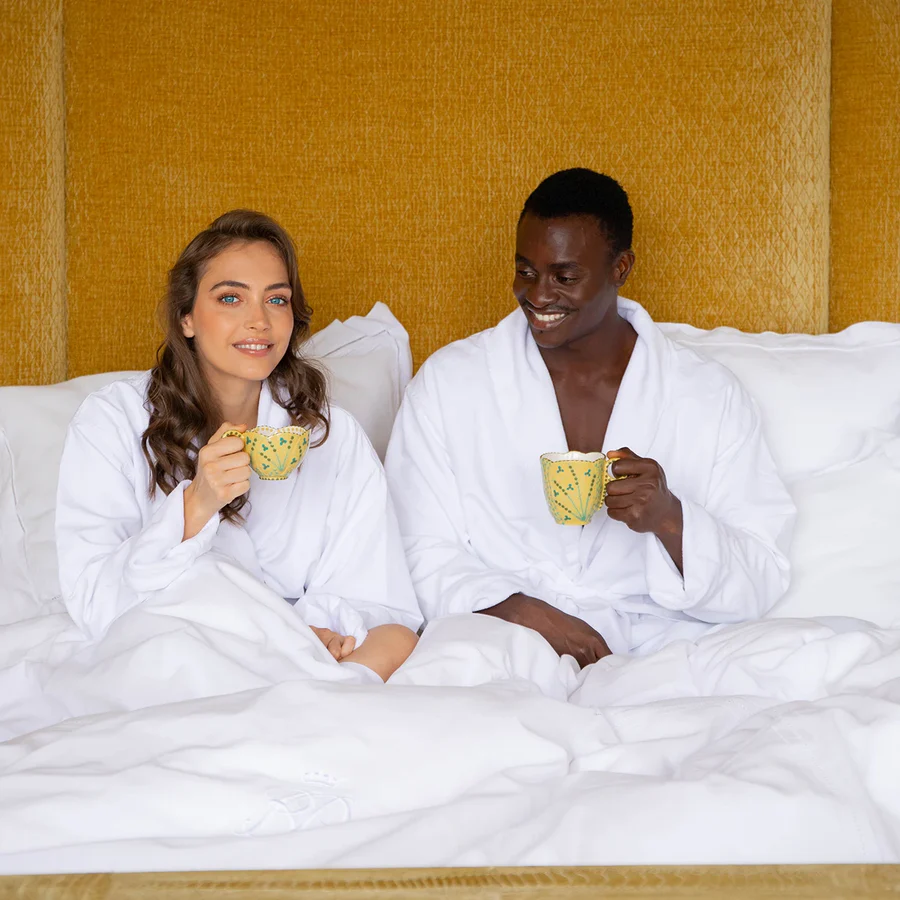
What material is best for a bathrobe if you care about thermal comfort? The warmest bathrobes are those that can trap as much insulating air as possible close to the body, creating a soft barrier between your skin and the surrounding chill. In this category, thick terry cotton bathrobes and fleece models reign supreme, as their structure is excellent at retaining heat. Terry cloth acts like a soft, highly absorbent towel with a dense weave, which immediately gives a feeling of coziness. Fleece, on the other hand, takes insulation a step further—it’s lighter, yet very effective at maintaining body temperature.
However, it’s worth remembering that “warmest” doesn’t always mean “best” in every situation. Very thick luxury bathrobes can provide too much warmth during an active morning or in heated rooms. That’s why the choice often comes down to your lifestyle and when you most often reach for a bathrobe. For some, it will be a winter cocoon after a long day; for others, a light layer of comfort between sleep and daily life. In both cases, one thing is key – the fabric should work with your body, not against it.




Leave a Comment