

Is Balmain part of Dior?
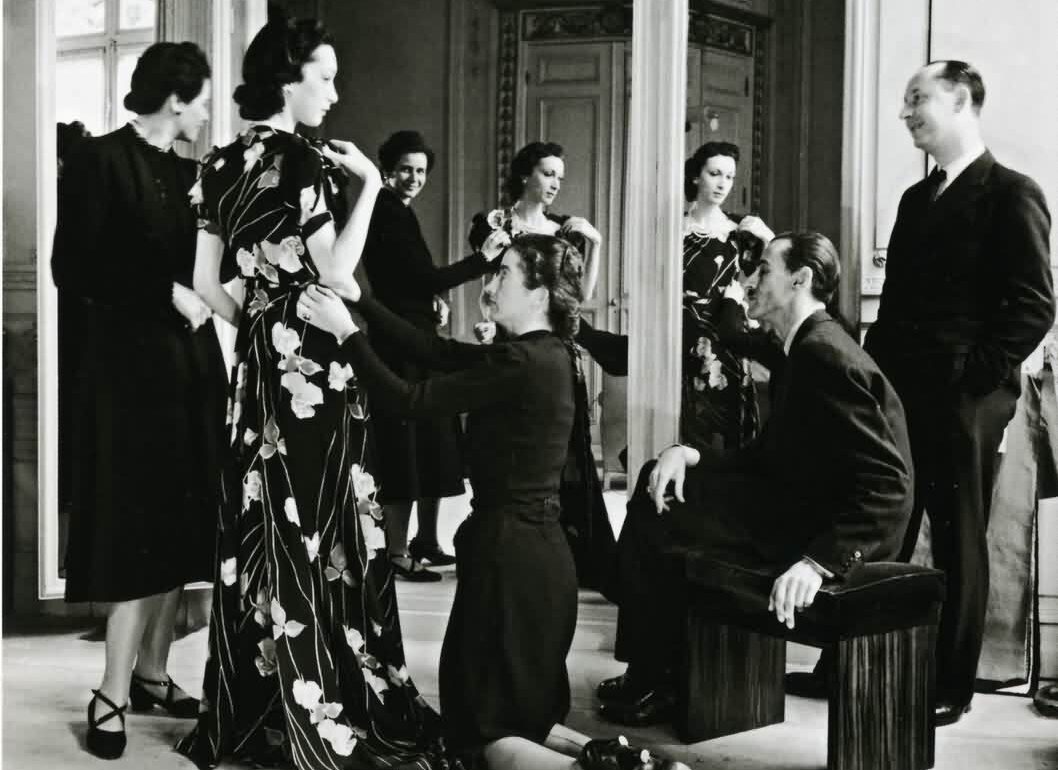
In the fashion world, questions often arise about the connections between various fashion houses. One such question is: Is Balmain part of Dior? Both brands have a rich history and a significant impact on global fashion. Their founders, Pierre Balmain and Christian Dior, played key roles in shaping French haute couture after World War II. Despite some historical ties, today they are separate and independent fashion houses.
Is Balmain part of Dior?
Balmain was founded in 1945 by Pierre Balmain, while Christian Dior opened his fashion house a year later, in 1946. Before gaining fame on their own, both designers worked together at Lucien Lelong’s Parisian fashion house during World War II, which often leads to the mistaken assumption that their brands are still connected today. Balmain is not part of Dior—these are two separate and independent fashion houses that, although they share French roots and were established almost at the same time, have developed along completely different paths.
In reality, Balmain and Dior now operate under completely different ownership structures. Balmain is currently owned by the Qatari investment group Mayhoola for Investments, which also owns other luxury brands such as Valentino. Dior, on the other hand, belongs to the powerful LVMH conglomerate (Moët Hennessy Louis Vuitton), the world’s largest luxury goods group, chaired by Bernard Arnault. Although both brands play a key role on the global fashion stage and often compete for the attention of the same clientele, they have no formal ties or capital connections. Their distinct aesthetics, marketing strategies, and artistic identities highlight their independence and unique places in fashion history.
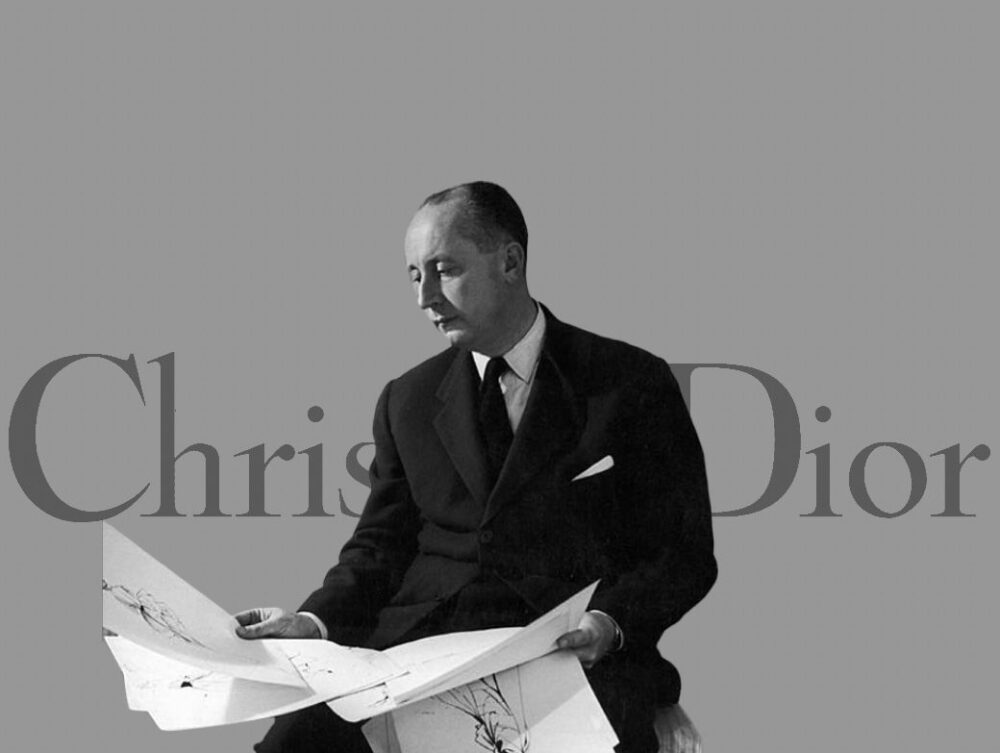
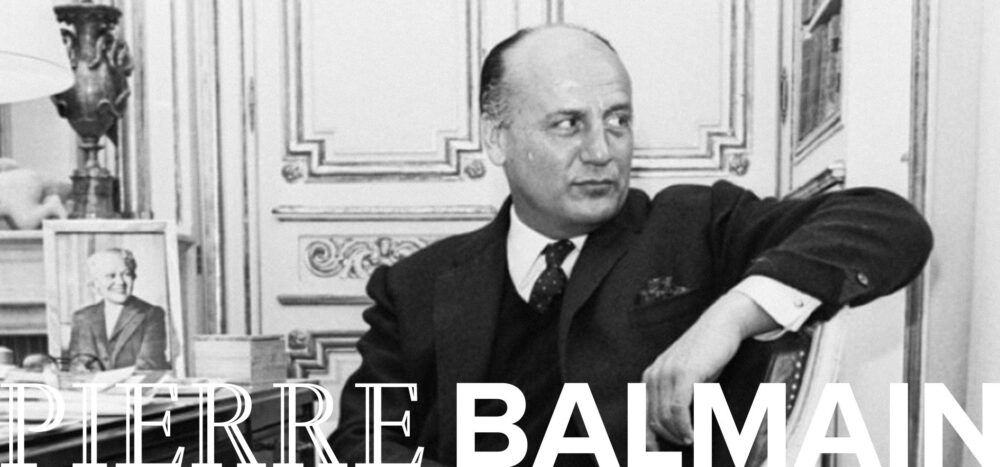
History and Connections Between Balmain and Dior
Pierre Balmain and Christian Dior worked together at Lucien Lelong’s fashion house. These were difficult times of occupation, during which Parisian fashion had to contend with numerous restrictions—both material and political. Despite the challenging circumstances, Balmain and Dior, as young and talented designers, collaborated on collections. Their aim was not only to uphold the French tailoring tradition, but also to maintain its prestige on the international stage. Their creative partnership during this period marked the beginning of a long-lasting friendship and mutual respect.
After the war ended, both designers decided to go their separate ways and founded independent fashion houses. Balmain in 1945, and Dior a year later, in 1946. Their brands achieved tremendous success almost immediately. This contributed to the revival of French haute couture, becoming a symbol of postwar elegance and luxury. Although their professional paths diverged, their shared past at the Lelong house remains an intriguing historical thread, permanently etched in the history of fashion.
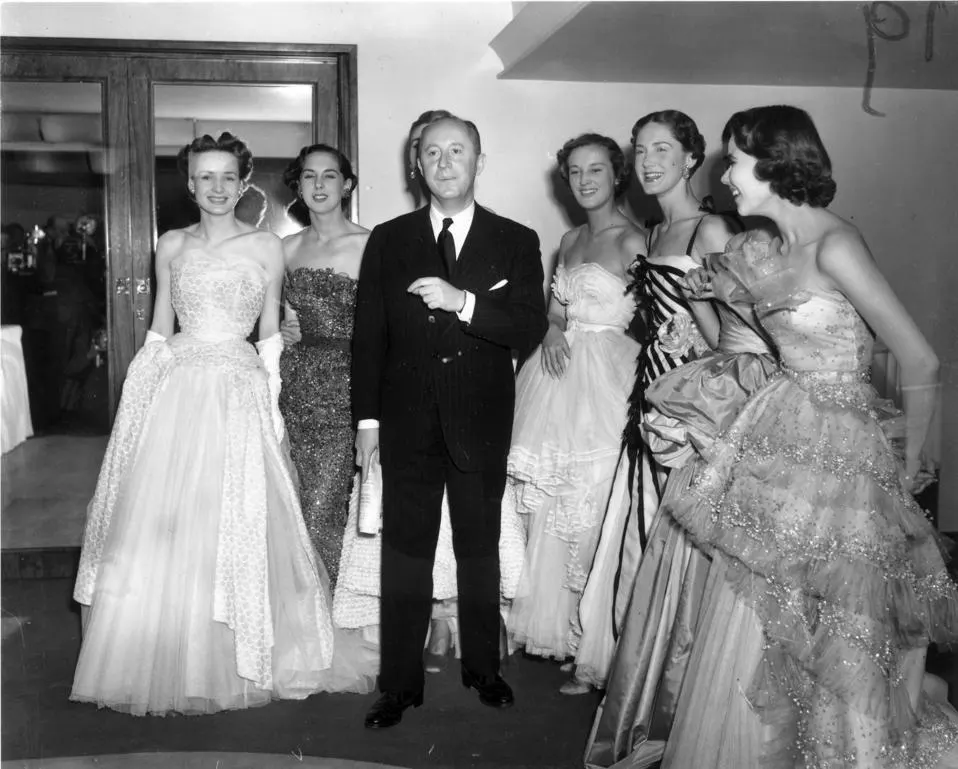
Fashion icons, two different legacies
Balmain and Dior were founded almost simultaneously and emerged from the same cultural circle of postwar Paris. Over the years, however, they have developed completely different approaches to design, aesthetics, and communication with their audiences. Both brands draw from the rich French heritage of haute couture, yet each interprets it on its own terms. Dior focuses on classicism, finesse, and timeless feminine elegance, while Balmain opts for boldness, modernity, and daring forms, often with a touch of theatricality.
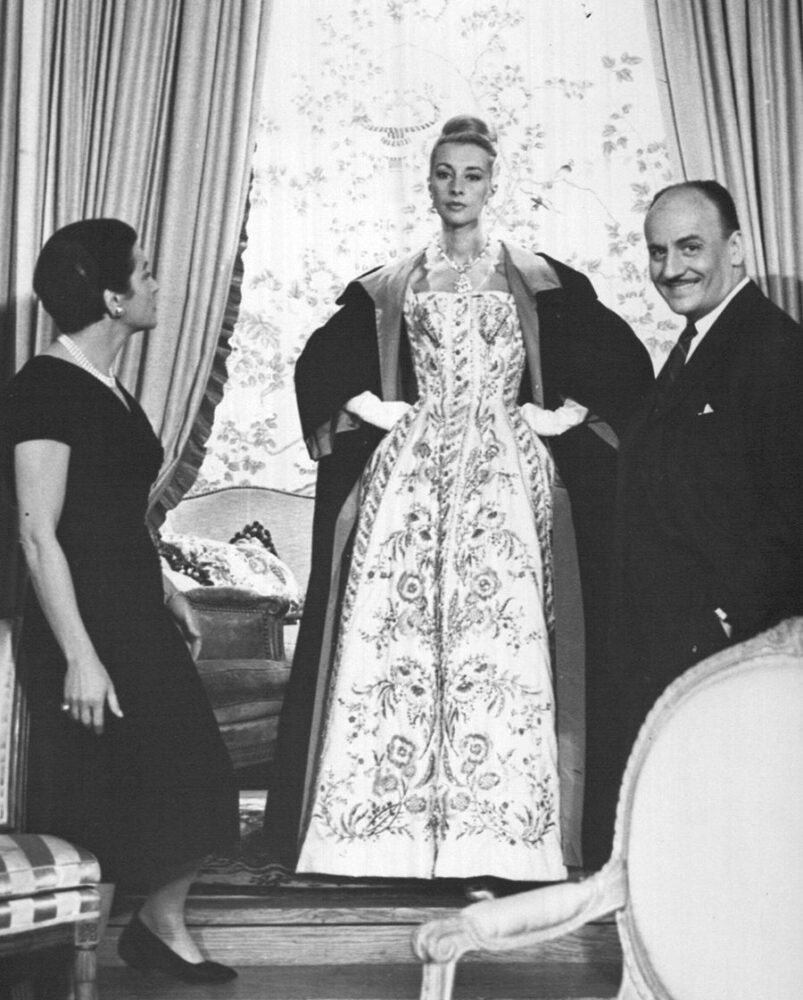
These differences are evident not only in the designs, but also in media strategies, the selection of ambassadors, and the way each brand is present in popular culture. While Dior maintains a certain distance and an air of sophistication, Balmain boldly collaborates with pop culture stars and influencers, creating an energetic and more direct identity. Despite their shared roots, today they are two distinct worlds, each representing different—yet equally influential—visions of luxury and contemporary fashion.
Different visions of luxury
Although both Dior and Balmain are symbols of the highest quality, prestige, and refined craftsmanship, their approach to luxury differs significantly—both in terms of aesthetics and brand philosophy. Dior consistently emphasizes timeless elegance, subtle grace, and classic forms that highlight femininity and the nobility of materials. Its designs are balanced, sophisticated, and deeply rooted in the tradition of French haute couture.
Balmain, on the other hand, boldly explores the boundaries of form, silhouette, and visual expression. This brand is unafraid of taking risks, embracing intense embellishments, futuristic inspirations, and controversial motifs. As a result, its collections often evoke strong emotions and resonate with the modern, self-assured audience. Both brands appeal to different customer groups, offering unique and thoughtfully crafted aesthetic experiences. Dior embodies classic, understated elegance, while Balmain captivates with a bold, dynamic, and often provocative narrative that responds to the rhythm of contemporary culture.
The modern fate of both brands
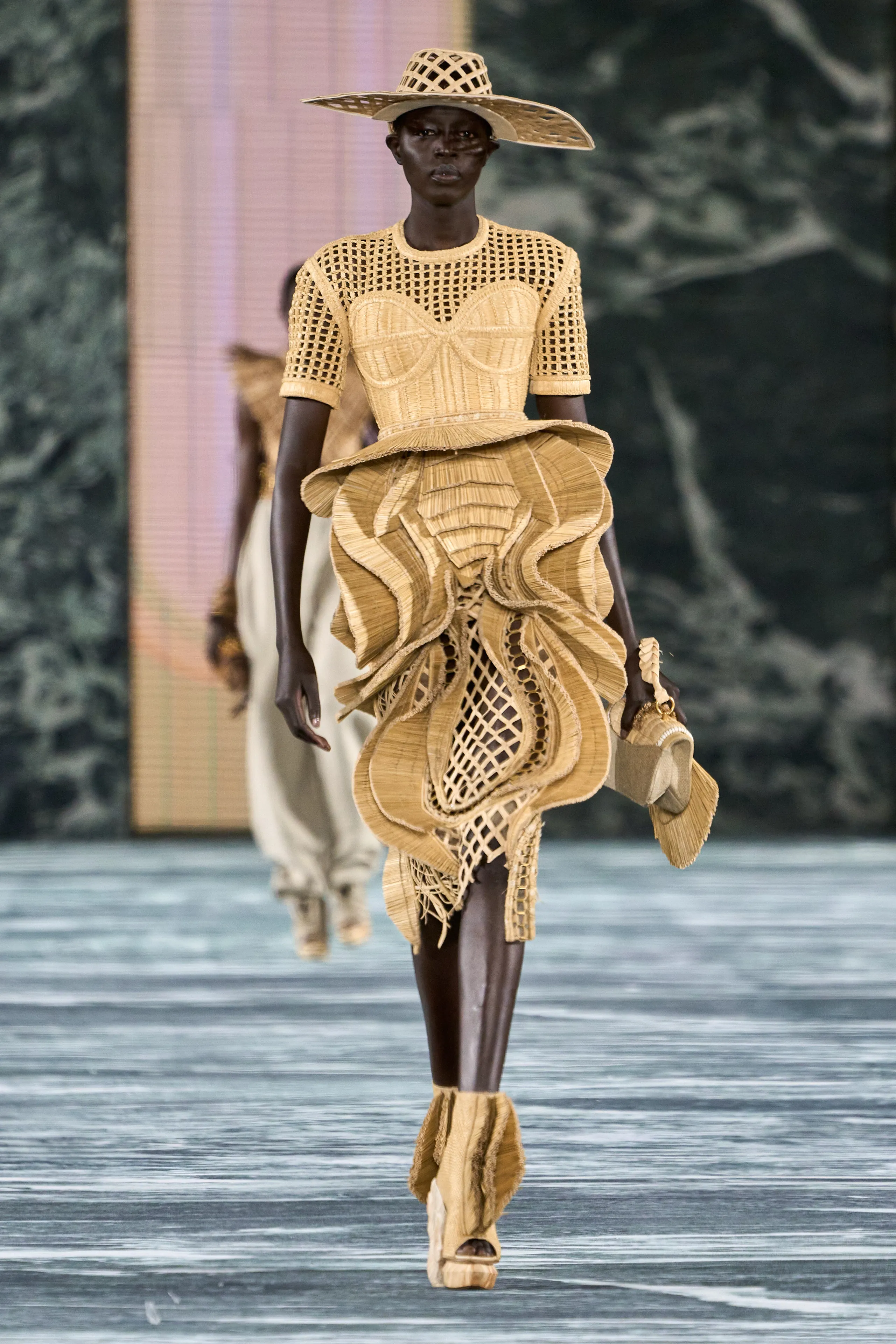
Today, Balmain and Dior continue to operate as independent and distinctly differentiated entities in the fashion world. Under the creative direction of Olivier Rousteing since 2011, Balmain has gained immense popularity thanks to its modern, often provocative designs that perfectly align with the aesthetics of the social media era. Rousteing’s style is characterized by sharp lines, lavish embellishments, and strong pop culture influences, effectively capturing the attention of a younger, global audience.
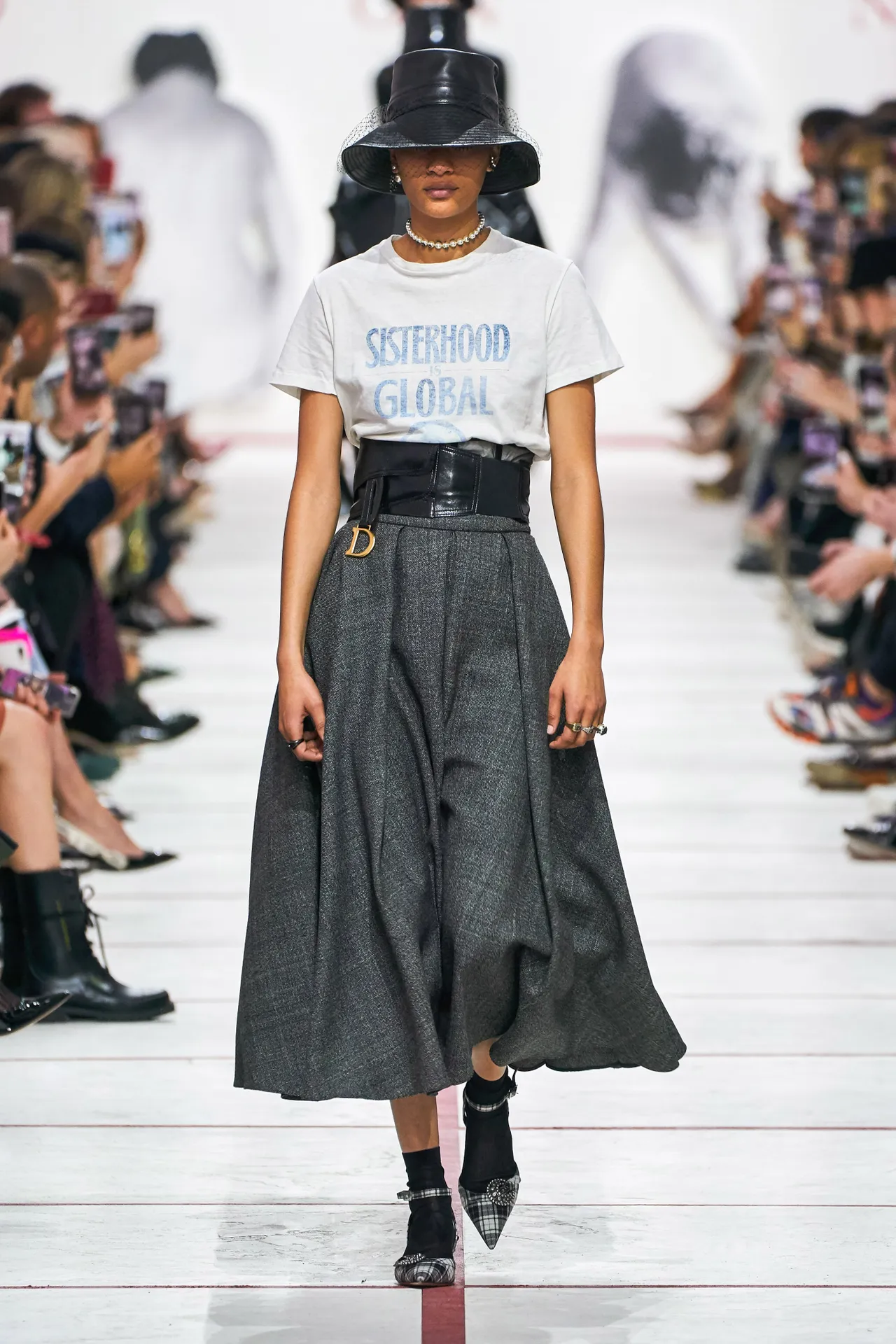
In turn, Dior, led by Maria Grazia Chiuri—the first woman to hold the position of creative director in the brand’s history—remains true to its tradition of elegance, finesse, and feminine strength. In her designs, Chiuri often references social and feminist themes, while seamlessly blending Dior’s heritage with a modern sensibility. Both brands, though stylistically distinct, remain leaders in the luxury fashion industry. They continually redefine their place in the market and respond to the needs of contemporary audiences. Their influence extends far beyond the runway—they shape not only trends but also the way fashion comments on reality. Thanks to this ability to adapt and stand out, both Dior and Balmain maintain a unique position in the world of global culture.
Independent paths in the world of fashion
Although Pierre Balmain and Christian Dior shared a professional history and a relationship based on mutual respect and friendship, their careers took different paths. The fashion houses they founded developed independently of each other. Each brand built its own identity and established a distinct stylistic language that eventually became its signature.
Currently, Balmain and Dior are two strong and distinct fashion houses. They operate under different ownership structures, have their own creative teams, and take different approaches to customer communication. Both brands are rooted in the tradition of French haute couture. However, their aesthetic visions and business strategies reflect entirely different priorities and values. This has allowed both to maintain their uniqueness and strong positions in the global fashion market.





Leave a Comment