

The most renowned architectural studios in the world
In the world of science, technology, and art, renowned architectural studios deliver groundbreaking design solutions that shape the landscape of modern metropolises. These prestigious design institutes, often with decades of heritage and international reach, set the standards for innovation, durability, and functionality. Thanks to a holistic approach to design, the most famous architectural firms in the world create structures that harmoniously blend with their surroundings and communities.
Their designs, often created in response to complex urban challenges, reflect a deep commitment to research and development. This approach enables them to create spaces that foster sustainability and enhance user well-being. In today’s article, we will introduce the world’s most renowned architectural studios and take a closer look at how they define and redefine global architecture.
The most renowned architectural studios in the world
In the realm of global architecture, the most renowned studios are those at the forefront of engineering innovation and aesthetic vision. Their achievements are not merely about creating uniquely designed structures. They are also the result of a profound understanding of social, economic, and ecological context.
Leading architectural firms have completed projects that have become icons of modernity, shaping the way we think about architecture. Their works, often the result of interdisciplinary collaborations, push the boundaries of materials and form while responding to dynamic social needs. Their portfolios feature both spectacular skyscrapers and social projects, together creating a mosaic of contemporary design.

TOP 10 most famous architectural studios in the world
The world’s most renowned architectural studios stand out for their integration of art with modernity and bold concepts. They transform urban landscapes and enrich spatial experiences.
- Gensler: Headquartered in San Francisco, California, Gensler is often ranked as the world’s leading architectural firm, boasting impressive revenues and a wide network of offices in 48 cities. Their reputation is built on projects such as Incheon International Airport in South Korea and the Shanghai Tower in China.
- Nikken Sekkei: This leading Japanese architectural firm, founded in 1900, has completed over 25,000 projects. One of their most significant works is the Tokyo Skytree, the tallest television tower in the world.
- IBI Group: Founded in Toronto, this company has been operating since 1974 and holds a strong international presence with 60 offices. Their projects span various sectors, including healthcare, education, and urban planning.
- RSP Architects: With over 50 years of experience, RSP Architects is headquartered in Minneapolis. The firm serves a large global clientele, including governments, educational institutions, and healthcare organizations. Their notable projects include Nakheel Mall in the UAE and The Oberoi in Gurgaon, India.
- AECOM: This is an American company providing services in architecture, engineering design, and construction management. It is one of the largest players on the global market, with projects in over 150 countries.
- Perkins+Will: This is an American architectural firm known for its focus on innovation and sustainable design. Perkins+Will’s portfolio includes a wide range of projects, from schools and hospitals to high-rise office buildings and urban planning developments.
- HDR Architecture: This company specializes in designing healthcare facilities, scientific laboratories, and federal buildings. It is known for its user-centered approach. HDR Architecture is also a leader in sustainable design, creating energy-efficient and environmentally friendly buildings that result in healthier and more productive spaces for communities.
Top 3 European Architectural Studios
- Foster + Partners: This is a British international architectural firm founded by Norman Foster in 1967. The company is renowned for its modern approach to sustainable design, with many iconic projects to its name. Among them are the Willis Building skyscraper in London, the Reichstag building in Berlin, and Apple’s new headquarters in Cupertino.
- BIG (Bjarke Ingels Group): This Danish architectural firm was founded by Bjarke Ingels in 2005. Renowned for its innovative design approach, BIG combines pragmatic, economical, and environmentally responsible solutions with sociological and urban analyses. The firm creates architecture that is both functional and visually optimistic. By bringing a fresh perspective to traditional architectural forms and functions, the group has earned international recognition for its projects. Their work often sets new standards for public, residential, and commercial spaces.
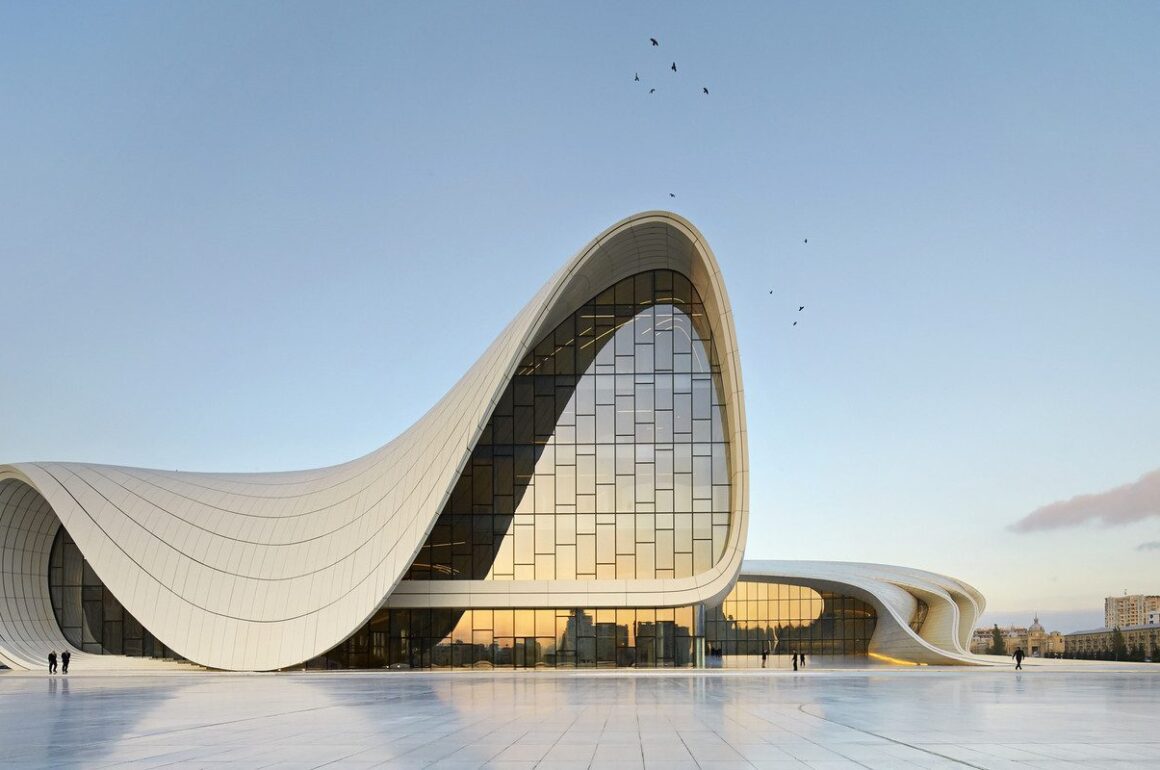
- Zaha Hadid Architects: The firm founded by the late Zaha Hadid, the first woman to receive the prestigious Pritzker Prize. Zaha Hadid Architects is renowned for its futuristic and dynamic style. Its projects, such as the Heydar Aliyev Center in Baku and the London Aquatics Centre, are recognized worldwide.





Sustainable and Eco-Friendly Design in Architecture
Sustainable and eco-friendly design in architecture is not just a trend, but a necessity. It addresses global challenges such as climate change and environmental degradation. Sustainable architecture aims to minimize the negative impact of buildings on the natural environment by conserving resources and integrating harmoniously with the surroundings.
The key to sustainable design is a holistic approach that begins at the concept stage and extends throughout the entire building design cycle. Designers employ innovative solutions such as energy-efficient systems, renewable energy sources, and green roofs. These solutions not only reduce the carbon footprint but can also benefit users, for example, through lower energy bills.
Effective water management, the use of local and sustainable materials, as well as promoting a healthy indoor microclimate are further pillars of sustainable architecture. Such buildings strengthen the relationship between people and the places they inhabit, creating spaces that are not only functional but also inspiring.
However, genuine care for the environment requires more than just advanced technologies. It calls for a shift in mindset and values among both designers and users. Education and ecological awareness are essential for promoting sustainable architecture.


How culture and location influence architectural studio designs
Culture and location are key factors shaping the vision and operations of the world’s leading architectural studios. Local traditions, materials, and socio-historical contexts are woven into the fabric of their projects, resulting in distinctive design and a unique work philosophy. These studios often draw inspiration from the surrounding culture, allowing them to create architectural works that harmoniously coexist with their environment and reflect local heritage. Moreover, geographic location influences the availability of materials, climate conditions, and user needs, which determines design methods and the approach to sustainability.
Using Zaha Hadid Architects as an example, the studio’s work is defined by fluid forms and a futuristic approach that reflects the global, multicultural backdrop of metropolises like London. Under the leadership of Zaha Hadid, the firm became known for creating buildings that were both works of art and feats of engineering, pushing the traditional boundaries of architecture.
Meanwhile, the architectural firm Perkins+Will, deeply rooted in American architectural culture, focuses on a humanistic approach to design. In doing so, it promotes sustainable development and healthy living environments. Their projects often reflect the local context and are designed to maximize the use of natural resources and foster social inclusion.
Meanwhile, the Danish firm BIG, led by Bjarke Ingels, exemplifies how Scandinavian aesthetics and pragmatism can be combined with innovative solutions. Their design approach is deeply rooted in the local context. At the same time, it remains open to global influences, enabling the creation of universal solutions that address worldwide challenges.
The most renowned architectural studios in the world stand out for their innovation and ability to create iconic, functional buildings. Culture and location not only influence the aesthetics and functionality of their projects, but also shape the philosophy and working methods of architects, resulting in the creation of valuable and lasting spaces for communities around the globe.







Leave a Comment