

Ranking of Horse Races in Europe – Top 10 for 2026
October 2026. The Prix de l’Arc de Triomphe in Paris awards a total purse of €5 million, the Grand National at Aintree offers £1 million to the winner, and Royal Ascot is set to break more records with over £10.65 million planned for the June meeting (the entire year at Ascot totals £19.4 million). We’re talking about real money here and viewership counted in hundreds of millions globally. European horse racing is no longer a local pastime; today, it is an international business and sporting stage at the highest level.
Yes, the UK and Ireland still dominate with tradition and prize pools, France holds its position thanks to the Arc and Longchamp. But something is changing. Germany is modernizing its tracks, the Italian Derby attracts Arabian studs, and Poland’s Służewiec is building a reputation in Central Europe. A ranking makes sense right now because the prestige hierarchy is evolving faster than ever.
In this article, you’ll find a clear top 10 of European races for 2026. We’ll show what determines the ranking (purse, history, international field), distinguish between flat and jump races, and provide specific dates and amounts. No unnecessary theory—just the facts that will help you understand where the true heart of European turf beats.
Ranking of horse races in Europe
There is no single universal, official ranking that covers all horse racing events in Europe. This is not a football league with a simple points table. Our ranking was therefore created as a synthesis of several sources: historical prestige, prize pool size, the quality of international starting fields, ratings from organizations such as Longines or IFHA, as well as media attention and cultural impact.
Criteria
The comparison is based on three pillars. First, tradition and prestige (the Arc de Triomphe or the Epsom Derby are races that have made history in the sport). Second, the prize pool amount in 2026: the Arc is around €5 million, the Epsom Derby and King George VI are £2 million each, the Irish Derby about €1.25–1.5 million, the Deutsches Derby €650,000, and the Grand National £1 million. And, thirdly, the quality of the field. The top races attract horses from several countries, sometimes even from the USA or Japan.
Sources and frameworks
We take into account the classifications of the BHA (British Horseracing Authority), France Galop, Irish IHRB, and the European Pattern Committee, which grants black-type status (Group 1 on the flat, Grade 1 over jumps). The IFHA publishes international handicap rankings, which help compare the level of horses from different continents. The scope covers flat races (most often 1,000–2,400 m, sometimes longer) and jumps (3,200+ m). We provide currencies in local form (euro, pounds), as prize pools change annually depending on sponsors.
Top 10 races in Europe
Now let’s get down to specifics. We’ve gathered ten races that really matter, from Paris to Warsaw.
Places 1-3
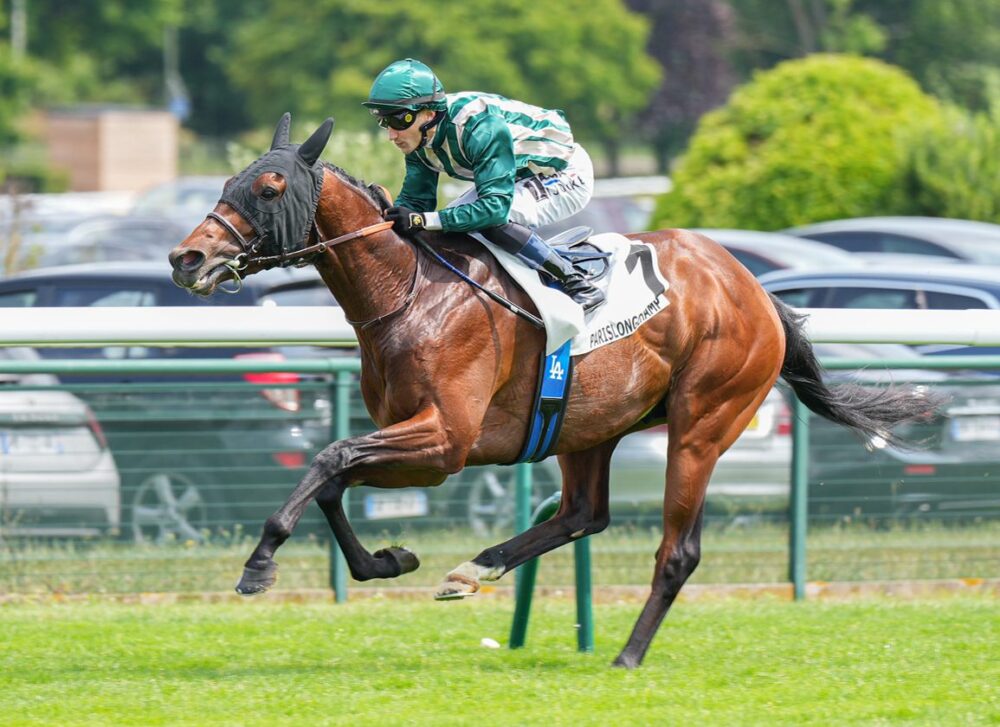
- Prix de l’Arc de Triomphe – ParisLongchamp (France), flat, 2,400 m, €5 million; the winner takes about €2.857 million. This is the undisputed king of the autumn, the World Cup of Thoroughbreds.
- Epsom Derby – Epsom Downs (United Kingdom), flat, approx. 2,400 m, £2 million (2026). The oldest classic, 3-year-olds, a legend of British breeding.
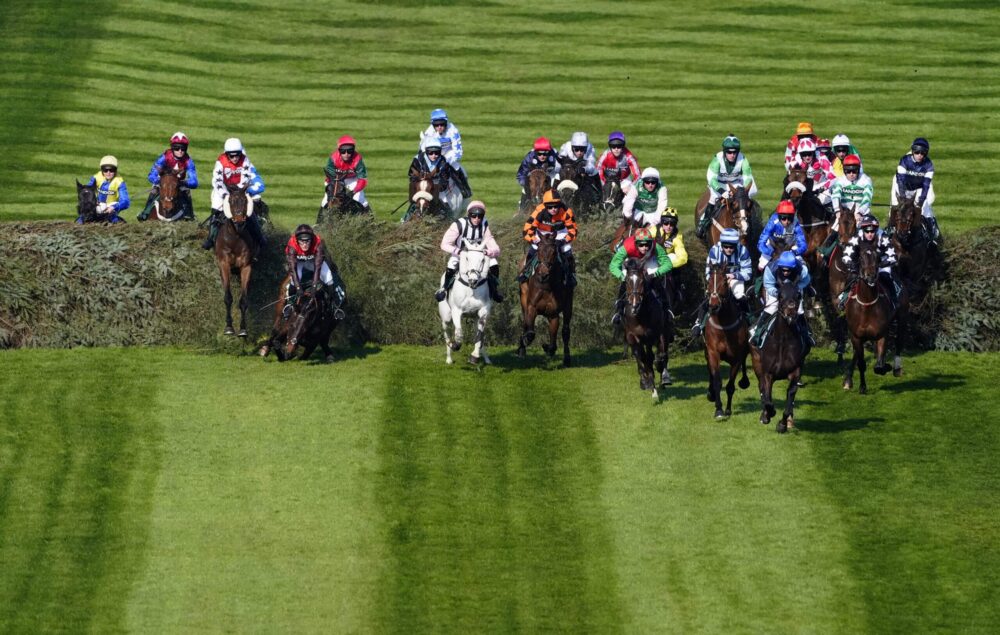
- Grand National – Aintree (United Kingdom), steeplechase, approx. 4 miles 2½ furlongs, £1 million; 30+ obstacles, handicap. The world’s toughest race, a true spectacle.
Places 4-7
- Cheltenham Gold Cup – Cheltenham (United Kingdom), jumps, approx. 3 miles 2 furlongs+, £625,000-£650,000. Festival in March, the best chasers at the distance.
- Gold Cup (Royal Ascot) – Ascot (United Kingdom), flat, stayers; the Royal Ascot 2026 meeting has a total purse of £10.65 million+, with the Gold Cup being the heart of the week.
- Irish Derby – The Curragh (Ireland), flat, approx. 2,400 m, €1.25–1.5 million. Ireland’s answer to Epsom, often with a higher-rated field.
- King George VI and Queen Elizabeth Stakes – Ascot (United Kingdom), flat, approx. 2,400 m, £2 million (2026). July, all-aged, a clash of generations.
Places 8-10 and a Polish touch
- Prix de Diane – Chantilly (France), flat race, 3-year-old fillies, classic. French elegance, the female equivalent of the Derby.
- Deutsches Derby – Hamburg-Horn (Germany), flat, approx. 2,400 m, €650,000. Germany delivers solidly, a classic for 3-year-olds, understated quality.
- Wielka Warszawska – Służewiec (Warsaw, Poland), flat, Listed (black-type), approx. 520,000+ PLN. Our “Polish Arc”, the best we have, regional-level ambition.
The list shows that racing Europe is truly a mosaic: from millions of euros to hundreds of thousands of zlotys, but everywhere the sport is at a high level.
How to read European races?
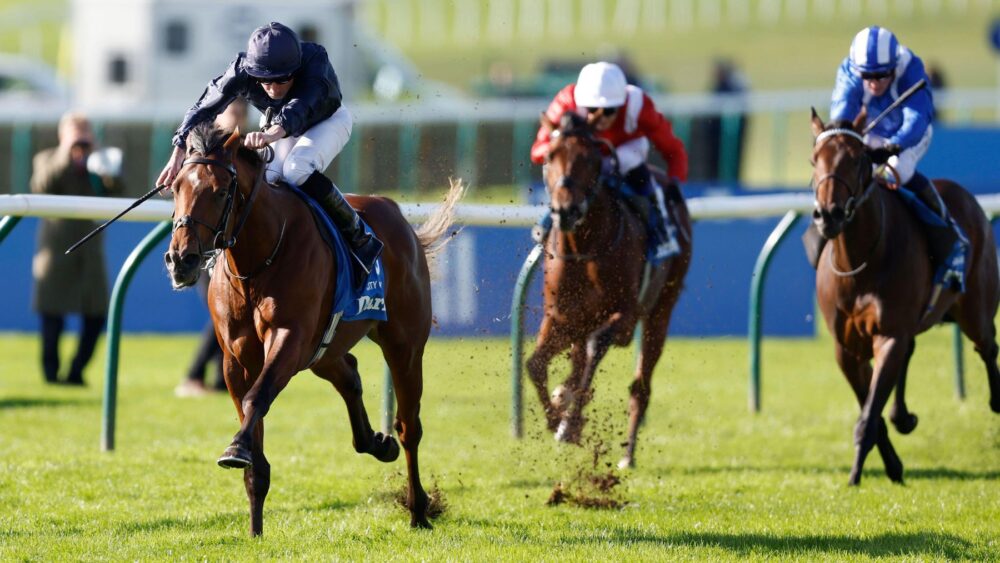
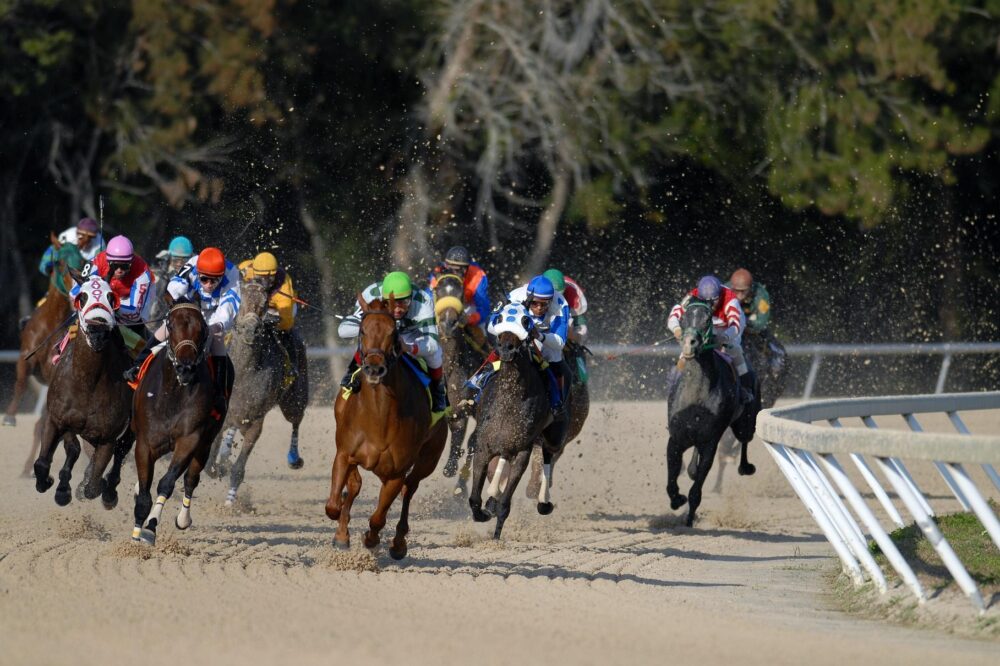
If you see abbreviations like Group 1 or WFA in the race program, don’t worry—it’s simpler than it looks. The basic distinction in Europe is flat racing versus jumps. Flat races are run on a level track (grass or all-weather surface), with distances ranging from 1,000 to over 3,200 meters. Jump races involve obstacles (hedges, ditches), often longer courses, and a completely different technique.
Classes and weights
Here is the hierarchy: Group 1 are the championships, the top tier. Then there’s Group 2, Group 3, and Listed. All these statuses are so-called black-type, awarded by the European Pattern Committee. In practice, this means that a horse running in such a race gains breeding value, even if it doesn’t win.
Weights work in two ways. Weight-for-age (WFA) is a system where each horse carries weight according to its age and sex (mares receive an allowance). A handicap, on the other hand, levels the playing field by assigning weights based on ratings, so theoretically everyone has similar chances.
Tracks and surfaces: what affects the result
Most European tracks are turf, left- or right-handed, sometimes undulating (Epsom is a classic example in this regard). Organizations such as BHA in the United Kingdom, France Galop, or the Irish Horseracing Regulatory Board (IHRB) oversee regulations and classifications. All-weather surfaces appear mainly in winter or at selected venues. The profile of the track can change everything, so it’s worth checking whether a horse prefers a particular type.
Money, attendance, and the digital revolution
The 2025/2026 season brings changes that are most noticeable in the prize purses. Prix de l’Arc de Triomphe maintains its position with a pool of around €5 million, but the British scene has accelerated significantly. The Epsom Derby enters the 2026 season with its prize fund raised to £2 million, as does the King George VI and Queen Elizabeth Stakes, also at £2 million. The Grand National holds steady at £1 million, while the Cheltenham Gold Cup hovers around £625,000–£650,000. Royal Ascot demonstrates the true scale: total prize money at Ascot 2026 is £19.4 million, with Royal Ascot alone offering over £10.65 million. These are not minor increases; this is a clear signal that British racing aims to compete on a global level.
Poland? Służewiec in the 2026 season operates with a budget of around €2.8 million. The Wielka Warszawska, now with Listed (black-type) status, offers a prize pool of about 520,000+ PLN. It’s a growing profile, though still modest compared to Western powerhouses. But it’s important to remember that black-type status itself is a ticket to international attention.
Audience, streaming, and welfare threads
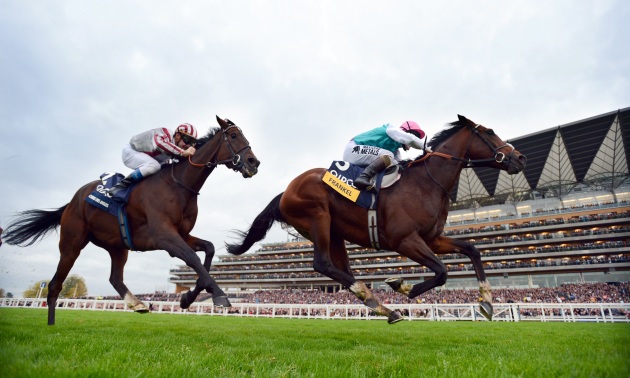
Attendance is returning after the pandemic, especially at festivals. Cheltenham Festival is breaking records for both audience numbers and prize pools. Royal Ascot attracts tens of thousands, creating an atmosphere that no screen can replace.
On the other hand, digitalization is changing the way fans consume sport. Streaming of races, advanced form analysis using AI (at least in theory), live data. This is now standard. The dominance of trainers such as Aidan O’Brien in Ireland shows how strong international fields influence competition.
Horse welfare reforms? Ongoing. The discussion is gaining momentum, especially in show jumping, but for now most changes are declarations and gradual adjustments to veterinary regulations.
One tradition, many paths to glory
Racing Europe may differ in details and schedules, but it is united by something more than just horses and tracks. It is this blend of tradition and modernity that continues to draw crowds, whether we’re talking about Epsom, Chantilly, or Warsaw’s Służewiec. Each of these tracks has its own soul, its own rituals, and its own vision of what racing truly means.
Interestingly, the ranking here is not just a list of prestige. It is rather a map of diversity, where classic meets innovation, and big money meets local engagement. The question is: what are you looking for as a viewer? Royal elegance, sporting excitement, or perhaps an atmosphere that brings generations together?
Either way, the 2026 season will be an opportunity to see it with your own eyes. Each of these tracks is waiting.
Jann
lifestyle editorial team
Luxury Blog





Leave a Comment