

Is Axel Arigato considered a luxury brand?
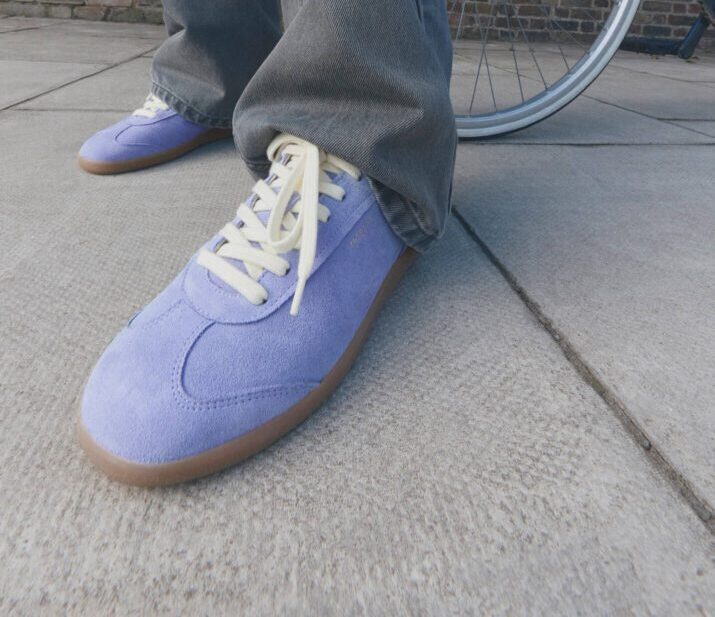
Classic Nike or Adidas sneakers usually cost between $100 and $200. Meanwhile, high-end models like Common Projects or Lanvin start at $500 and up. Axel Arigato lands right in the middle: their flagship Clean 90 is around $325, while the Eris goes up to $450. And this is exactly where the debate begins.
Wikipedia calls the brand a ” luxury Swedish fashion house “, but most retailers and industry media use terms like premium, “affordable luxury,” or simply “mid-tier.” This isn’t just a matter of semantics, because the label determines who the brand actually competes with and who its customer is.
Is Axel Arigato considered a luxury brand?
Axel Arigato was founded in 2014 as a Swedish project blending Scandinavian minimalism with Japanese aesthetics. They mainly sell direct-to-consumer ( their own e-commerce + a few flagship stores), release limited drops, and organize community events like pop-ups and workshops. In other words, the brand consciously “democratizes” luxury sneakers, filling the gap between mass-market and true high-end.
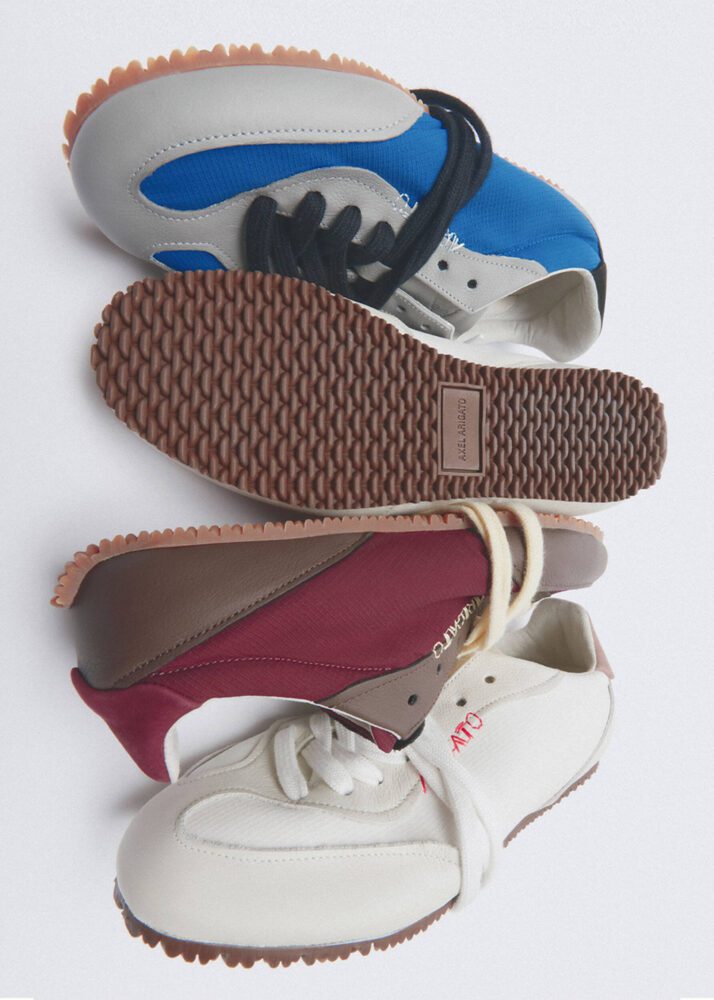
photo: axelarigato.com
The question is: does this middle-ground position mean they offer affordable luxury, or are they simply a great premium brand? To answer that, you first need to understand what actually makes a brand luxurious.
How is luxury defined and where does Axel Arigato stand?
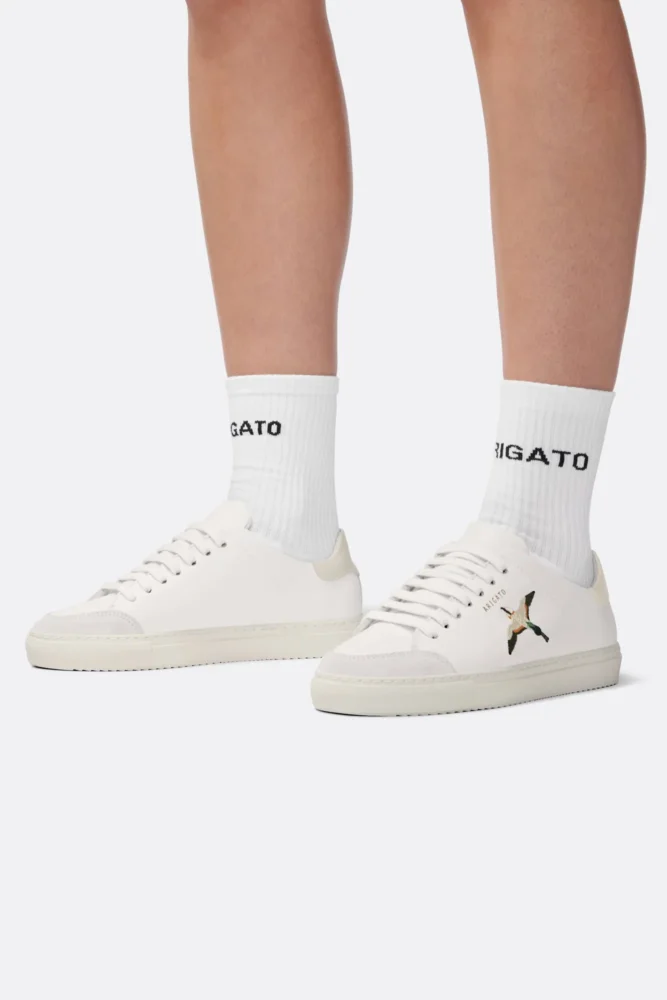
photo: axelarigato.com
The debate over the Axel Arigato label is not accidental. To understand where the brand truly stands, you need to look at the hard criteria of luxury and compare them with the Swedish brand’s offering.
Luxury criteria in practice
Luxury in the traditional sense means specific attributes. Haute-luxe sneakers often start at $800–1,000 and up ( Gucci, Louis Vuitton, Hermès). Add to that decades of heritage, limited rarity, and high margins. Top-level craftsmanship, often handmade.
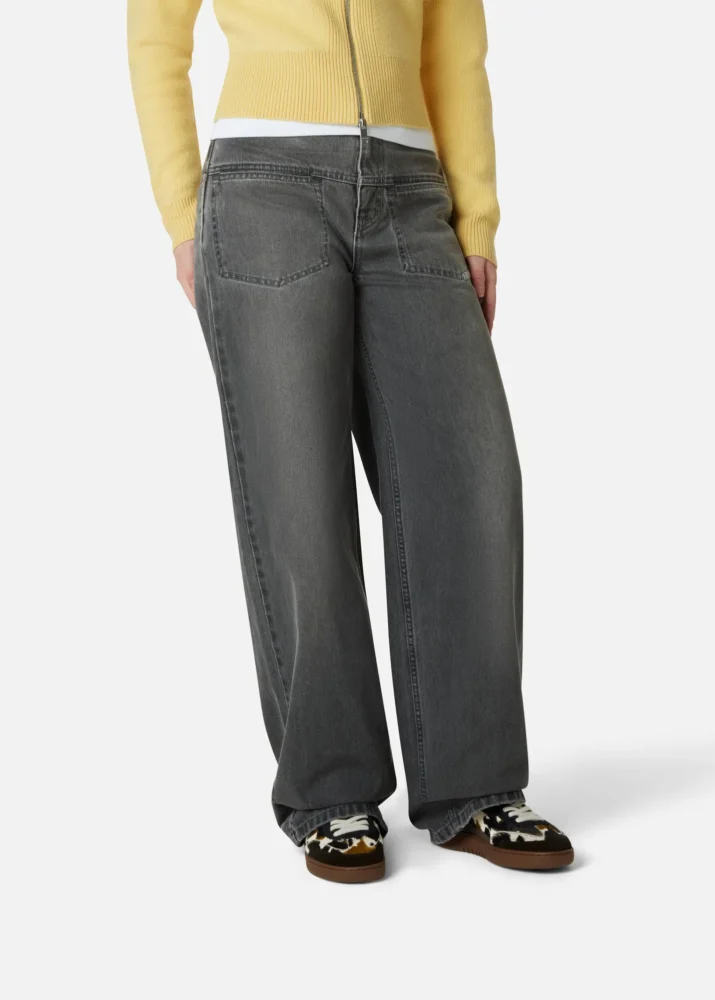
photo: axelarigato.com
Axel Arigato stands out completely differently:
| Criterion | Axel Arigato |
|---|---|
| Price | 325-450 USD (Clean 90 ~325, Eris ~450) |
| Heritage | Brand from 2014 |
| Availability | Wide, online and in-store |
| SEO | Premium streetwear |
Axel Arigato positioning: premium instead of haute-luxe
Quality? Yes, solid. Leather from Italy and Portugal with LWG certification, soles with at least 20% recycled content, production in Portugal and Italy. The philosophy “Built on curiosity, driven by connection” emphasizes minimalist design and the community around the brand.
But honestly, that doesn’t put them next to Hermès. The brand isn’t generally considered luxury in the strict, traditional sense. It’s more like premium streetwear, aspirational sneakers for people who want quality without the ultra-luxury price tag. Affordable luxury? Yes. Haute-luxe? No.
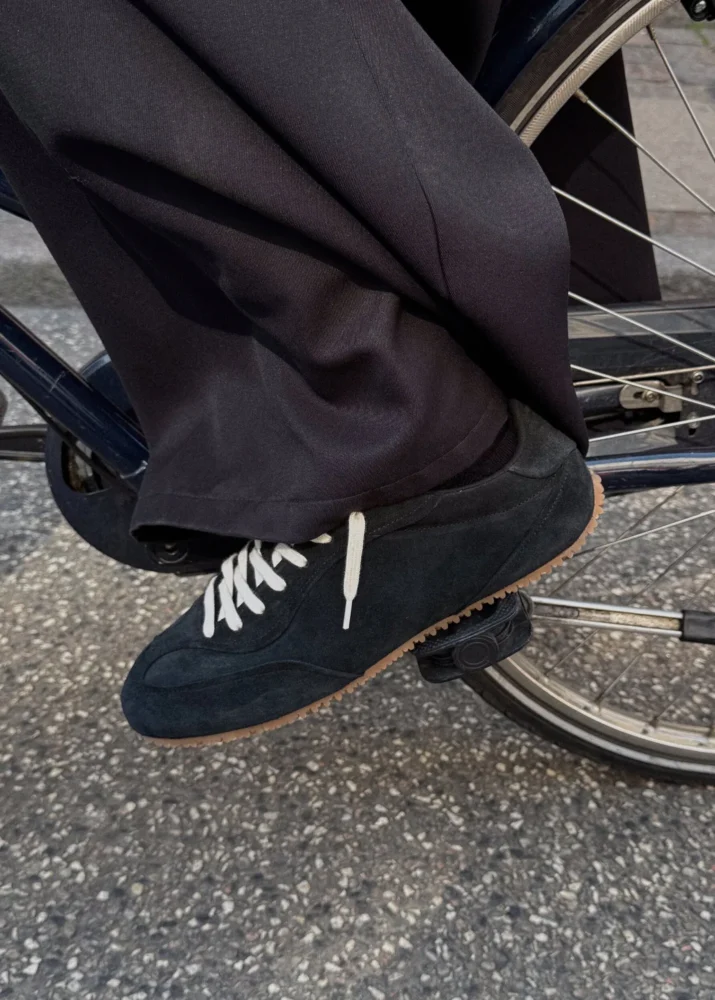
photo: axelarigato.com
Prices, channels, growth, perception
The numbers speak for themselves. In 2020, the Eurazeo fund invested EUR 56 million, which already suggested a certain level of interest from major players. Revenues rose from EUR 77 million (2022) to over EUR 90 million in 2024, with a target of EUR 100 million. This is solid growth, but not as spectacular as with ultra-luxury brands.
| Year | Event | What does it mean |
|---|---|---|
| 2020 | Eurazeo: 56 million EUR | Serious capital, not an exit |
| 2022 | Revenue 77 million EUR | Medium scale for premium |
| 2023 | Collab with Mulberry | Prestige, but not tier-1 |
| 2024 | 16 stores, NYC SoHo | Cautious expansion |
| 2026 | CEO Frédéric Serrant (ex-Adidas) | Sports background, not luxury |
Distribution? DTC plus wholesale in 250+ locations (Selfridges, Nordstrom, Harrods, Ssense). High availability, which reduces exclusivity.
How the market sees Axel Arigato
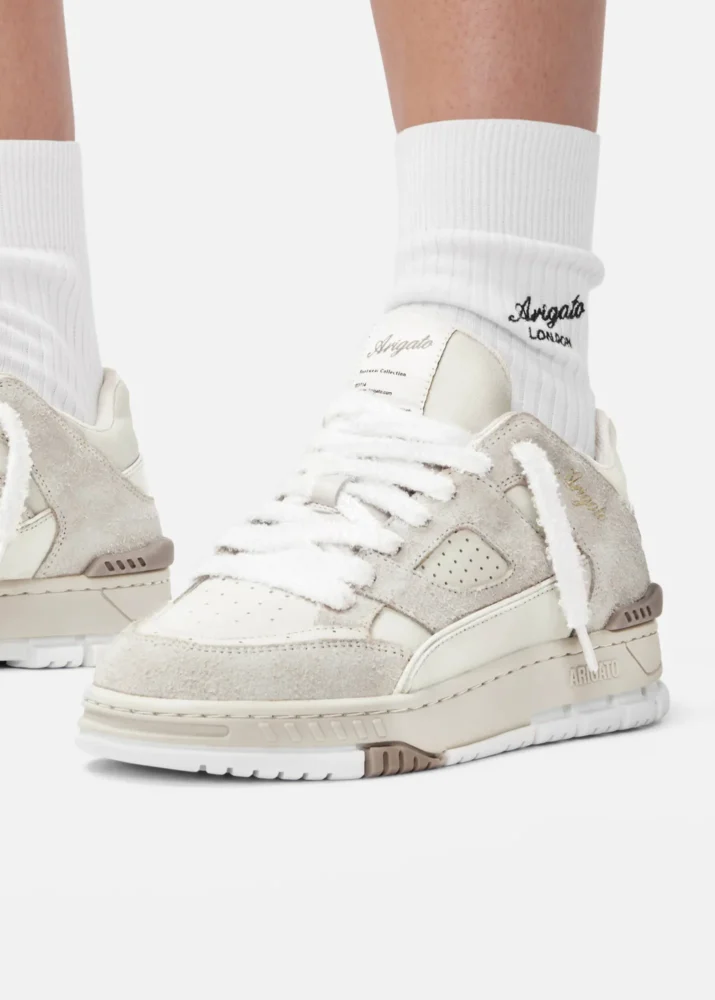
photo: axelarigato.com
Wikipedia calls them a “luxury Swedish fashion house,” but in practice:
Positive signals: IG ~1 million followers, presence in top department stores, Clean Cup Sneaker as an icon of minimalism.
Criticism: Trustpilot around 3.6/5 (not great), reviews like “mid-tier” or “cheaper alternative to Common Projects.” No recognition among the ultra-luxury elite.
Growth profile and channels confirm the premium/affordable luxury segment, nothing more.
Where does luxury end?
The line between luxury and premium isn’t defined by price, but by what you actually get in return. Axel Arigato hits that sweet spot where you stop overpaying for a name and start paying for real quality. This is the category for those who want something better than mass-market, but don’t need gold logos or boutiques with red carpets.
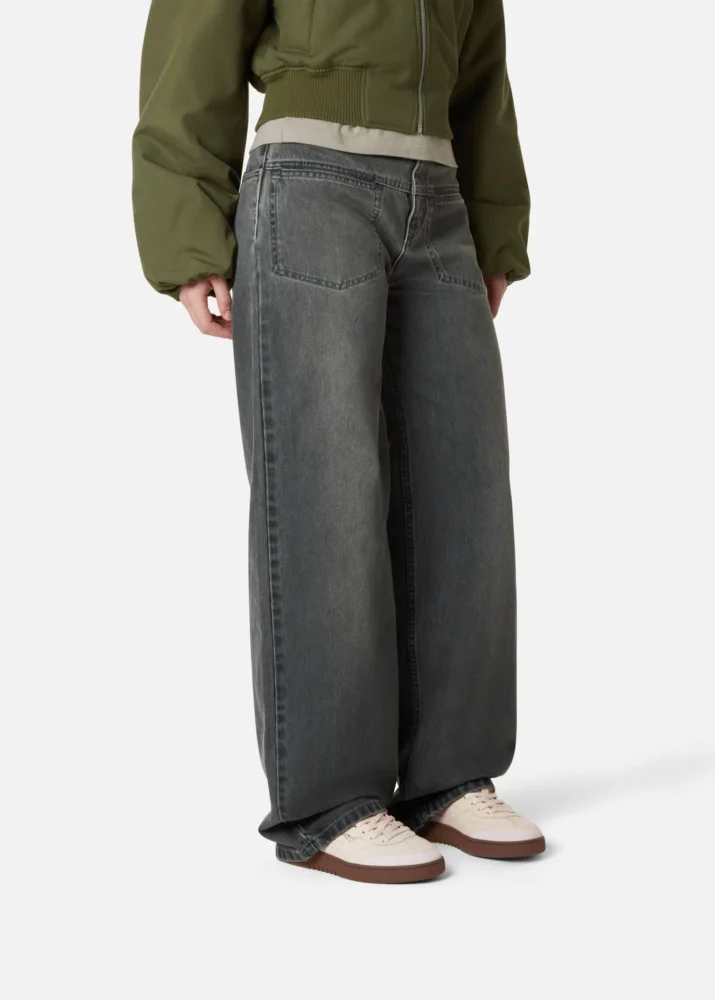
photo: axelarigato.com
In practice, this means shoes that look great, feel comfortable, and don’t require a loan. The brand proves you can create a premium product without inflating the price with artificial scarcity or marketing hype. Smart premium is exactly that: a conscious choice, not a display of wealth.
Snorr




Leave a Comment