

The most elegant stiletto brands – a premium guide
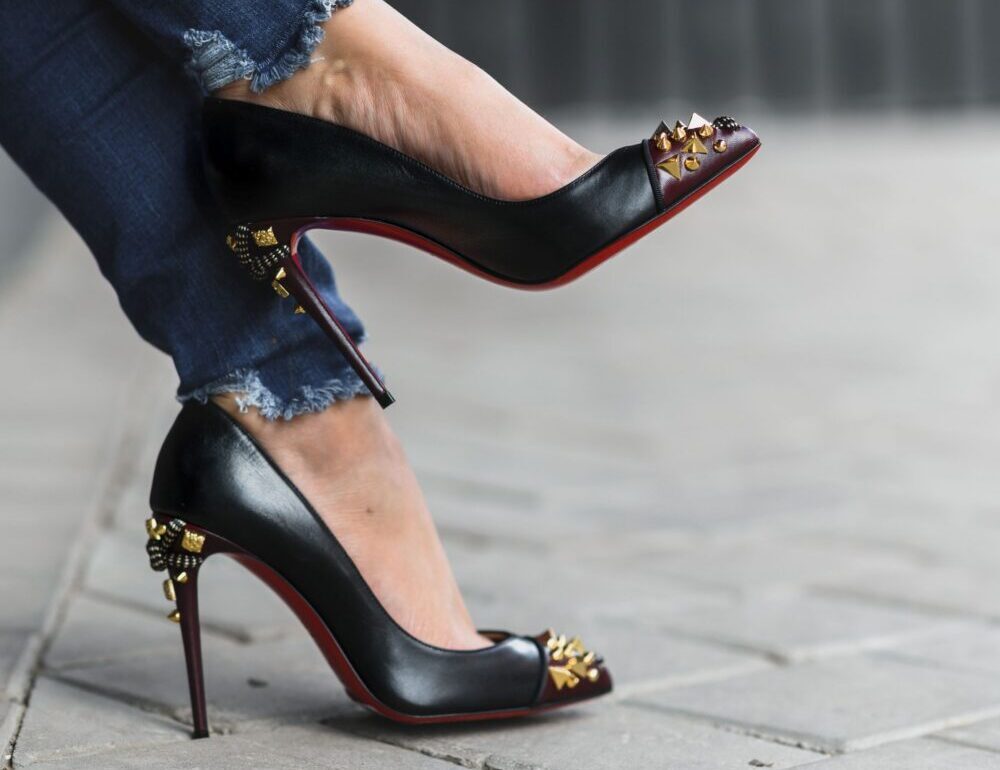
The global high-heeled footwear market is now worth over USD 42 billion and is growing at a rate of about 5.2% per year — and the premium segment, though narrower, drives this growth much more strongly than average models. Why do stilettos evoke such strong emotions and desire? Because they are not just shoes — they are a cultural code of elegance that still works.
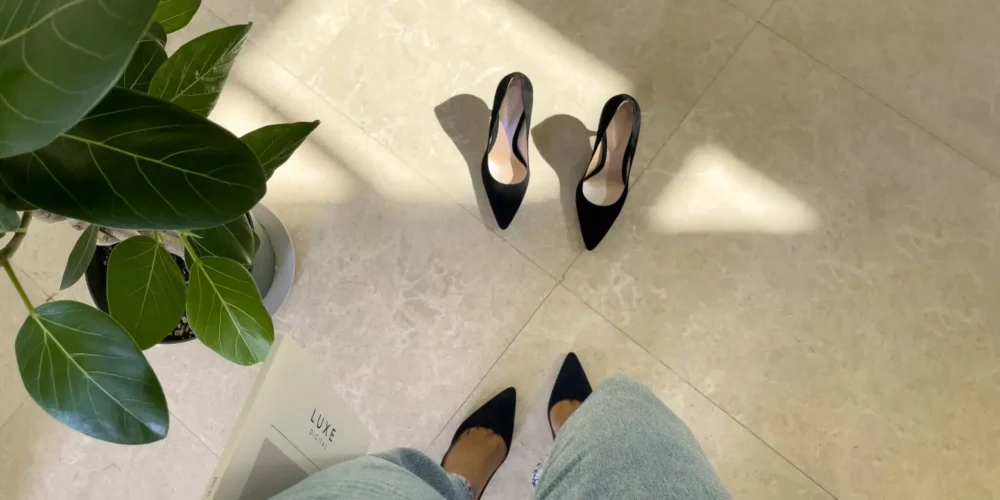
photo: luxe.digital
The most elegant stiletto brands – why these brands matter
When we say “elegant high heel brands for women “, we mean several things at once:
- Sophisticated design – lines, proportions, and details you can recognize from afar
- The best materials – genuine leather, suede, satin (no synthetics)
- Precise craftsmanship – hand-finished details, stable 8-12 cm heel, perfect balance
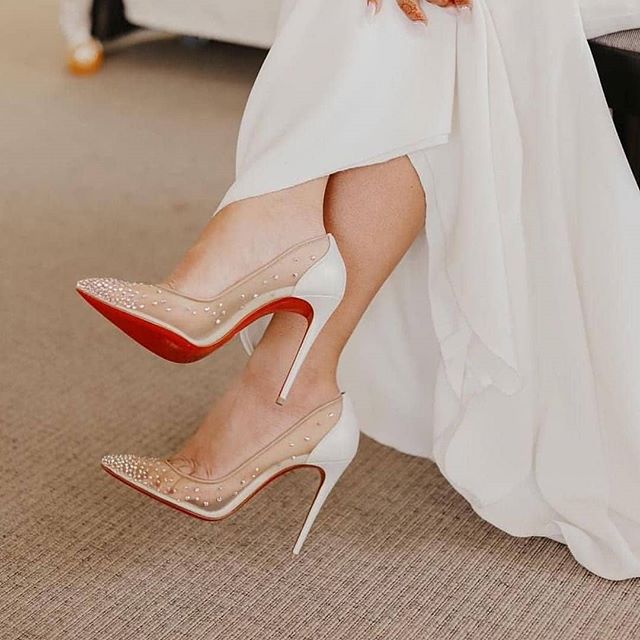
photo: luxity.co.za
Heels transform the silhouette – they elongate the legs, straighten posture, and influence the way you walk. And they give that sense of confidence that’s hard to replicate. It’s no coincidence that women reach for them in moments when they want to feel “more” – more elegant, more noticeable, more themselves.
Today, heels stand at the intersection of luxury and contemporary trends: the growing premium e-commerce sector, increasing interest in sustainable fashion, and hybrid models (comfort + style). We’ll go on to show the history of this footwear, specific brands, and practical tips – but let’s start with why we’re talking about them in the first place.
Oh, and here you’ll find the most exclusive women’s heels
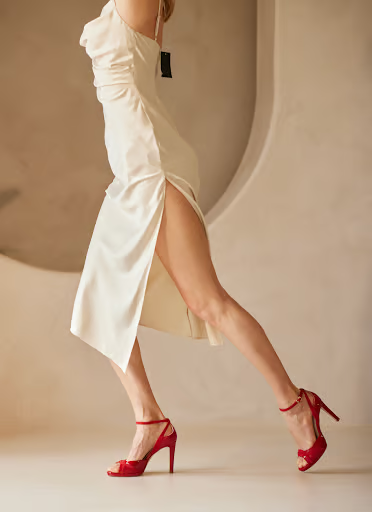
photo: shefinds.com
From the royal court to the red carpet – a brief history of high heels
From Persian riders to Louis XIV
The stilettos you know today actually began as… men’s riding boots. In the 15th–17th centuries, Persian riders wore heels as high as 10 cm — they helped keep their feet in the stirrups while riding. France adopted the trend thanks to Louis XIV, who introduced red heels to his court in 1670 (he was short, so he needed every extra centimeter). It wasn’t until the 18th century that women began to wear heels — among the upper social classes, of course.
The birth of the modern stiletto in the 20th century
The true revolution came in the mid-20th century. Roger Vivier designed the first stiletto heel in 1950—needle-thin, with a diameter of just 7-10 mm. Earlier, in 1938, Salvatore Ferragamo patented the cork platform (which was a brilliant solution during wartime material shortages). And Christian Dior, with his “New Look” in 1947, made stilettos a symbol of femininity.
| Year | Event | Designer/Brand |
|---|---|---|
| 1938 | Patent for a cork platform | Salvatore Ferragamo |
| 1947 | “New Look” Collection | Christian Dior |
| 1950 | The first stiletto heel | Roger Vivier |
| 1971 | Debut of the stiletto collection | Manolo Blahnik |
| 1992 | Red soles | Christian Louboutin |
The 1950s–2000s were the era of icons: Charles Jourdan with patent leather stilettos, Manolo Blahnik (1971), Jimmy Choo (1996), and those famous red soles from Louboutin in 1992.
Polish paths to elegance in high heels
In Poland, after the war, state-owned factories such as Krakus in Kraków operated. The transformation of the 1990s brought a boom of Polish premium brands – after 2010, many of them gained recognition in foreign markets. Technological evolution? From wooden heels to metal ones, to orthopedic insoles and 3D printing.
The most elegant global stiletto brands – overview and distinguishing features

photo: blog.shoespausa.com
At the top of the elegance pyramid stand a few iconic brands that have defined luxury in heels for decades. Vogue, Forbes, and industry experts have pointed to the same set of names for years—though, of course, the ranking is subjective and depends on whether tradition, innovation, or red carpet presence is what matters most.
French and Italian kings of elegance in heels
Christian Louboutin – those red soles are recognizable to anyone, even someone completely uninterested in fashion. The French house sells around 25 million pairs annually, with an average price of €700–1,200. Jimmy Choo focuses on sparkle and crystals, perfectly matching the flash of cameras—which is why the brand is present at virtually every gala. Manolo Blahnik (Spanish, but based in London) owes much of its popularity to Sex and the City and the iconic Hangisi buckle model.
From Italy, we have Gianvito Rossi —minimalist lines, perfect comfort—and Casadei, where futuristic design and bold geometry take center stage. Aquazzura is a younger brand (founded in 2011), but already found in celebrities’ wardrobes thanks to refined details and a rich color palette.
Luxury as an investment – prices and prestige
The average price range for these brands is $800–1,500 per pair. For many women, this is an investment purchase, not an impulse buy — heels are worn for years, and classic models (like the Valentino Rockstud or two-tone Chanel pumps) never go out of style. The Oscars, Met Gala, Cannes — these are the places where these brands build their status, and pop culture cements their legend.
Polish brands of elegant high heels – local luxury on a global level
Not only Paris and Milan define elegance in heels — the Polish footwear market is now worth over 10 billion PLN annually, and the premium stiletto segment, though still a niche, is gaining momentum. Interestingly, we are exporting more and more high-quality shoes, while domestic brands are increasingly focusing on handcrafted finishes and leathers from renowned Italian tanneries. This shows that local luxury can truly compete with global standards.
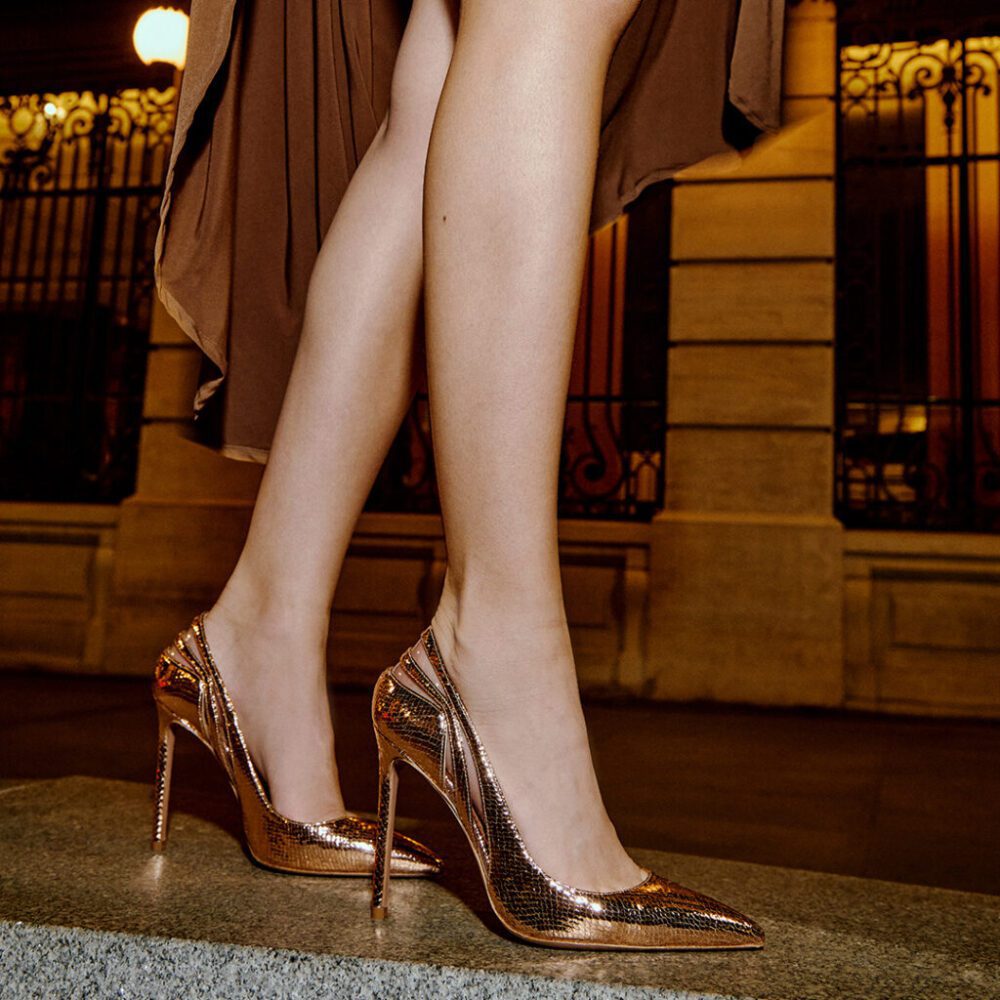
photo: weselectdresses.com
RISK, Apolonia, RSHE and Balagan – the new face of local elegance
It’s worth getting to know a few names that are changing the Polish footwear landscape:
- RISK made in Warsaw – hand-stitched stilettos, Italian leather, minimalist design with an edge
- Apolonia – combines elegance with a sustainable approach to production, with attention to environmental footprint
- RSHE – pure minimalism, understated lines, perfect for the office and an evening out
- Balagan – transparently displays production costs, uses leather from Poland and Italy, prices range from 300-900 PLN (fairly, with no hidden markups)
These brands not only offer high quality—they do so in a more ethical way and often at more affordable prices than Western fashion houses.
How to choose truly elegant high heels – quality, comfort, and sensible luxury
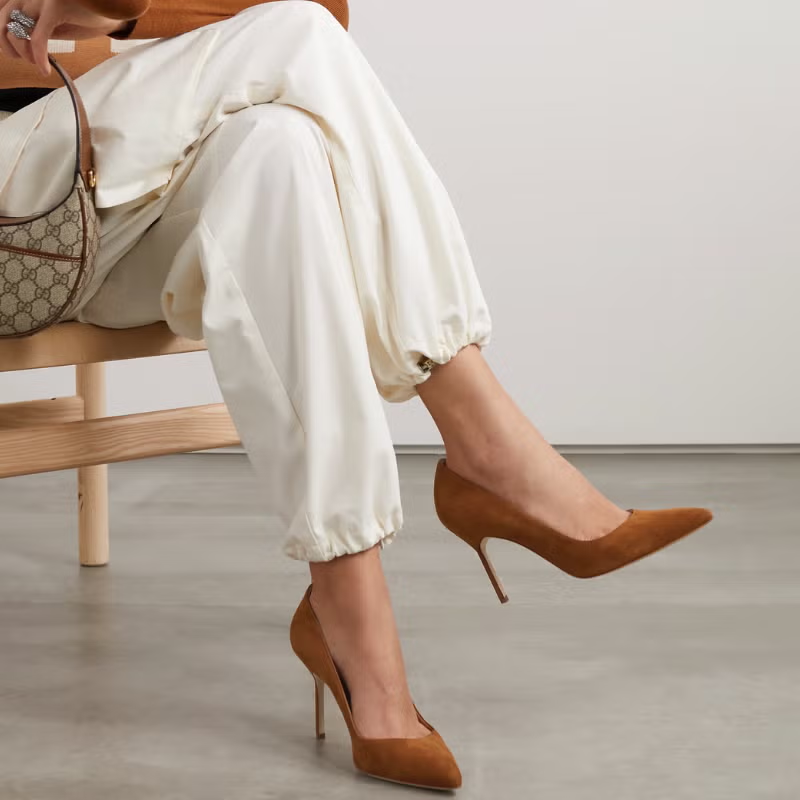
photo: rankandstyle.com
Spectacular stilettos in a shop window are one thing, but the reality after three hours at a party is something else entirely. Appearance, comfort, foot health, and ethical shopping—can you combine it all? Yes, if you know what to look for.
Heel height versus comfort and stability
Classic stilettos (diameter 3-10 mm, height 8-15 cm) look stunning, but require skill. Kitten heels (5-7 cm) are a compromise: elegance without extreme strain. Platforms add a few centimeters at the front, reducing the actual angle of the foot — they appear high, but are more comfortable to walk in. The difference between an 8 cm and a 12 cm heel? It’s not just 4 cm in height — it’s a radical change in pressure on the forefoot.
Materials that truly look elegant
Full-grain leather, suede, satin — these materials age beautifully and don’t end up looking like plastic after the first wear. Leather soles allow your feet to breathe, though they do wear out more quickly. Memory foam insoles (famous from Stuart Weitzman shoes) save your feet during extended wear — it’s worth checking if the brand offers them.
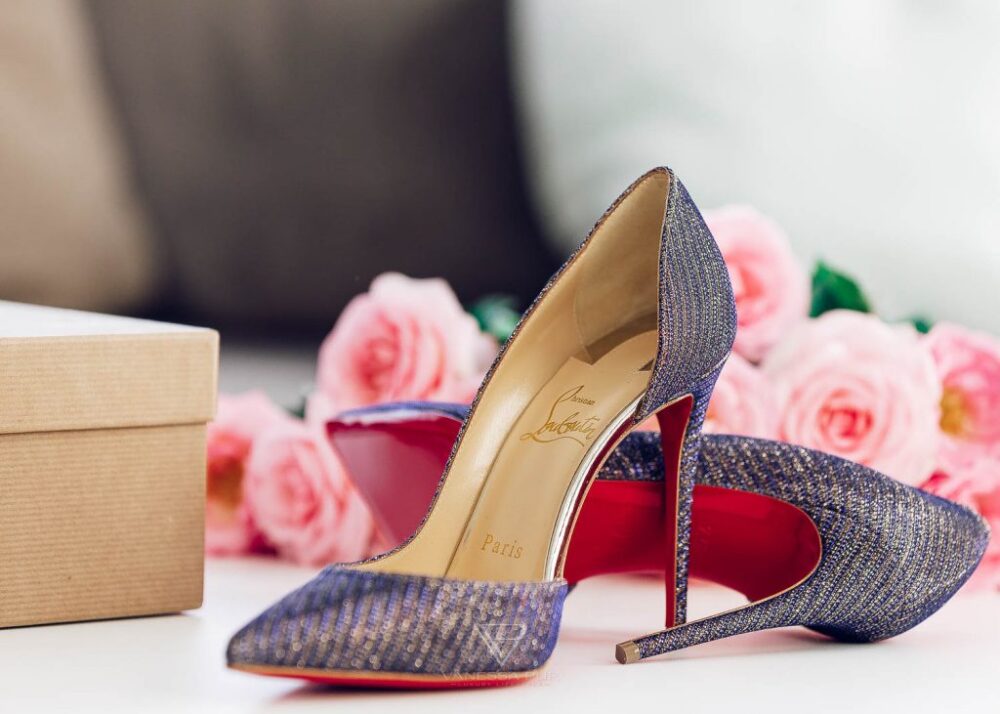
photo: pureglam.tv
Foot health, ethics, and price – a wise compromise
Heels over 10 cm increase pressure on the forefoot by up to 7× (Harvard Med 2024), and about 40% of regular high heel wearers develop bunions (Mayo Clinic 2023). Practical solutions? Rotate heel heights, use gel inserts, limit wear time.
Price matters too. Fast fashion = low quality + questionable production conditions. Premium brands (sometimes even vegan, like Stella McCartney) focus on transparent supply chains. It’s better to buy one good pair than three cheap ones that end up in the trash after a season.
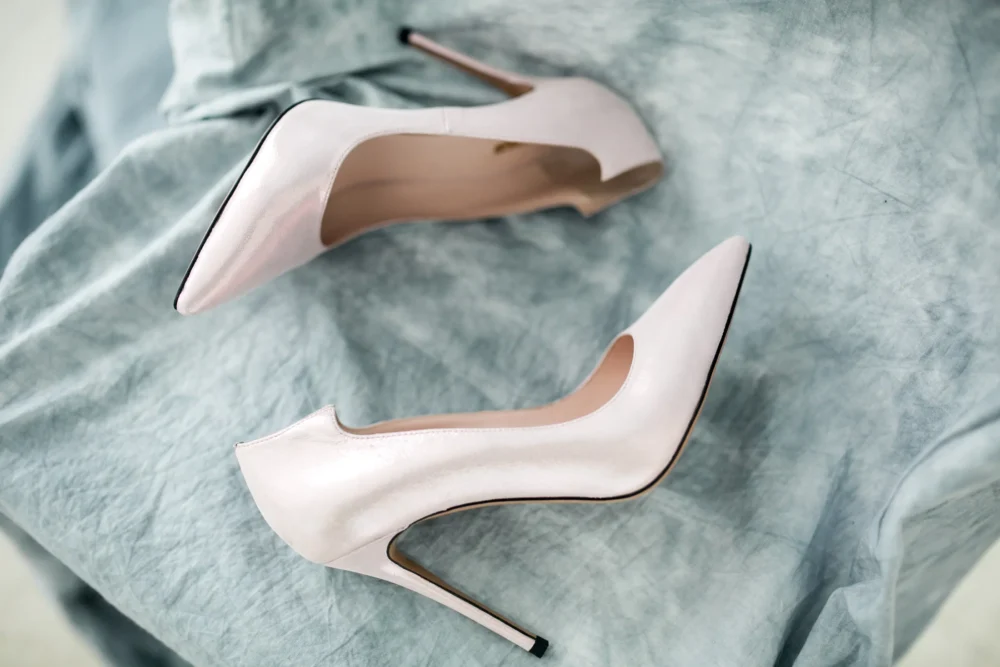
photo: pairietales.com
Your next pair of high heels – how to combine elegance with the future of fashion
Elegance in heels evolves, but its foundation remains the same – it’s about consciously investing in shoes that serve you for years, rather than chasing every trend. In the coming years, the high heel industry will undergo a significant transformation, so it’s worth knowing what’s ahead and how to use this knowledge when planning your wardrobe.
Trends that will define elegant high heels after 2026
Forecasts indicate that about half of the market could be vegan as early as 2026 – vegan materials are no longer a niche and are entering the mainstream of luxury brands. At the same time, more hybrids are emerging: pumps combined with sneakers, chunky heels in an elegant version, kitten heels as a practical alternative. Technology is also entering the living rooms – virtual AR try-ons, AI-designed heels, and 3D printing will allow for better shape customization to your foot. This is a huge convenience when choosing the perfect style and width.
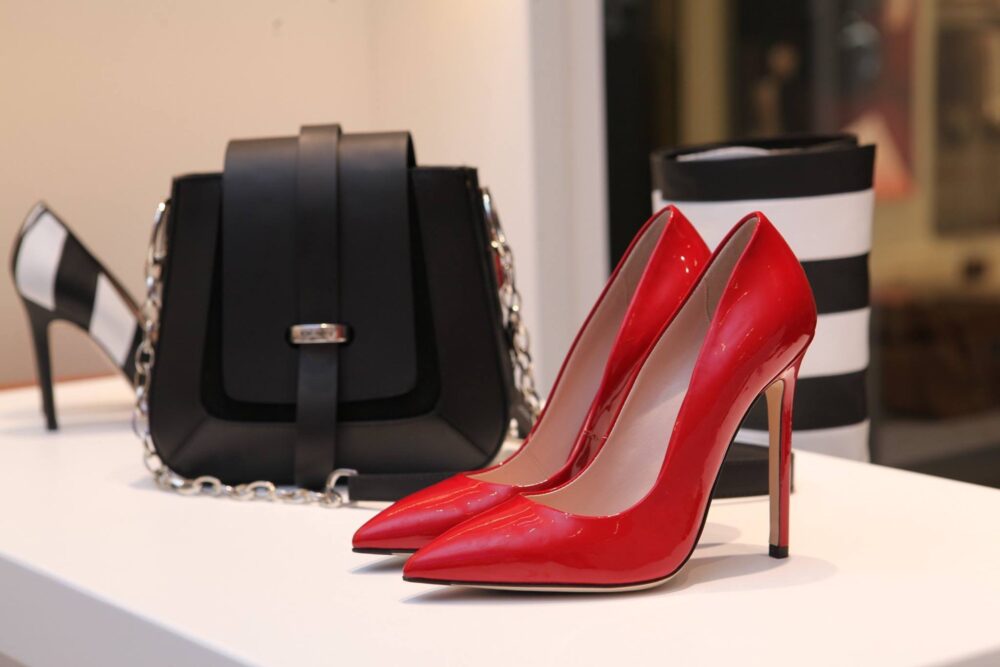
photo: elleblonde.com
Treat your heels as an investment in your image – buy less often, but better. At least, that’s how I see it.
Zosia
fashion editor
Luxury Blog





Leave a Comment