

The longest hotel in Europe was built in Poland
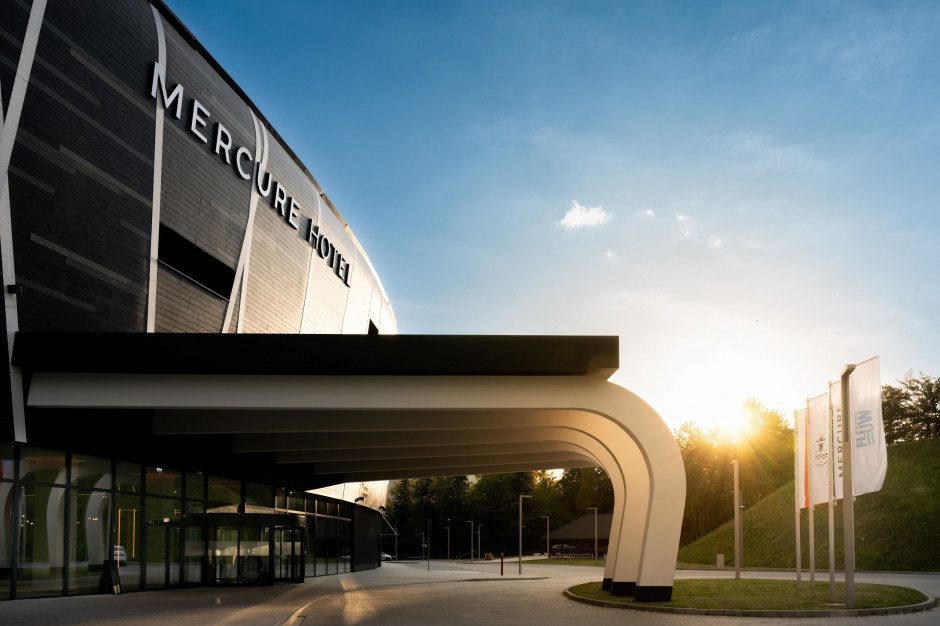
For some time now, the hotel industry in Poland has been developing very dynamically. The Gołębiewski hotel is being built in Pobierowo. In Gdańsk, a Marriott is opening on the exclusive Granary Island. Since September 9, the longest hotel in Europe has been open in the mountainous town of Szczyrk.
The Beskids are a beautiful place, now further enhanced by a unique building. What does the hotel look like and what are people saying about it? Is it an architectural gem, a prime example of successful revitalization, or a massive structure ruining the natural charm of the mountains?
The longest hotel in Europe – case study
Mercure Szczyrk Resort is a newly opened hotel in the Beskids. From the start, it has sparked mixed feelings among visitors and locals alike. Inspired by “eagle’s nest” architecture, the property stands out with its size and modern design. Despite comparisons to sound barriers or parcel lockers, the hotel attracts tourists. It offers extensive hotel and wellness facilities. And those views.
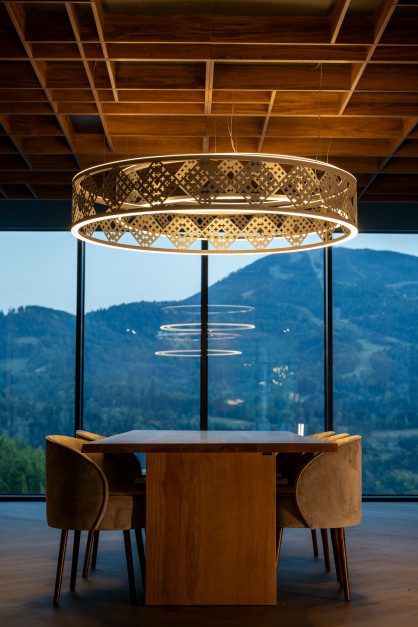
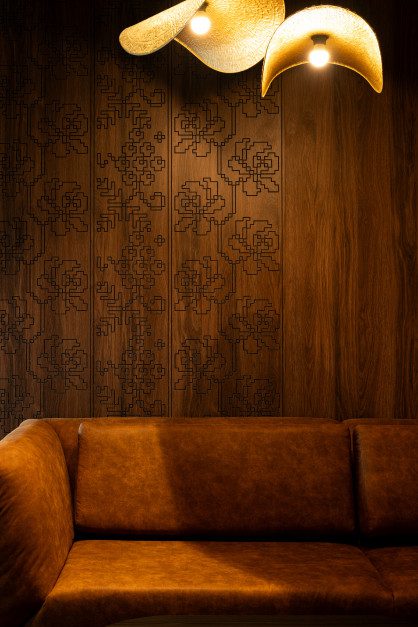
The hotel was built on the site of the former “Orle Gniazdo” resort, which was associated with Huta Katowice during the communist era. The designers chose to blend modernity with the historical spirit of the location. This resulted in an impressive hotel complex.
Key information, or the fact sheet
- Location: Szczyrk, Beskids, Poland
- Building length: 330 meters – the longest hotel in Europe
- Number of floors: 9
- Number of rooms: 447
- Conference capacity: Up to 1,200 participants
- Attractions for guests:
- Two restaurants and three bars
- Water park with pools, pool bar, SPA, wellness center
- Children’s zones
- Fitness center
- Infrastructure:
- Underground and above-ground parking for approximately 200 cars
- Use of renewable energy sources (RES), including 120 photovoltaic panels
- Architecture:
- Design: Pracownia ARC, Gronner&Rączka Architekci Sp.J.
- Architects: dr hab. inż. arch. Zbyszko Bujniewicz (Silesian University of Technology), mgr inż. arch. Paweł Rączk, mgr inż. arch. Marek Gronner
- Interiors: Q2Studio Architectural Office
- Investor: Private investor
The hotel’s opening on September 9, 2024, attracted significant attention despite the controversy surrounding its appearance. The property is a modern and exclusive spot on the tourist map of the Beskids. It aims to attract tourists as well as conference and event organizers. The goal is to revitalize this unique tourist area and give new life and energy to a forgotten, deteriorating resort.
Revitalization as a way to give the “Eagle’s Nest” a second life
The “Orle Gniazdo” complex in Szczyrk has a long history dating back to the communist era. It was built in the late 1970s for the employees of Huta Katowice. At that time, it was a symbol of leisure infrastructure for industrial giants. The resort itself became iconic. In its heyday, it attracted numerous guests and was an important spot on the tourist map of the Beskids. However, the 1990s brought many problems for the facility—technical neglect, lack of investment, and the general crisis of the political transformation all contributed to its gradual decline. The concrete giant, once a symbol of the socialist approach to leisure, began to resemble a relic of a bygone era. The lack of ideas for its further development only made matters worse.
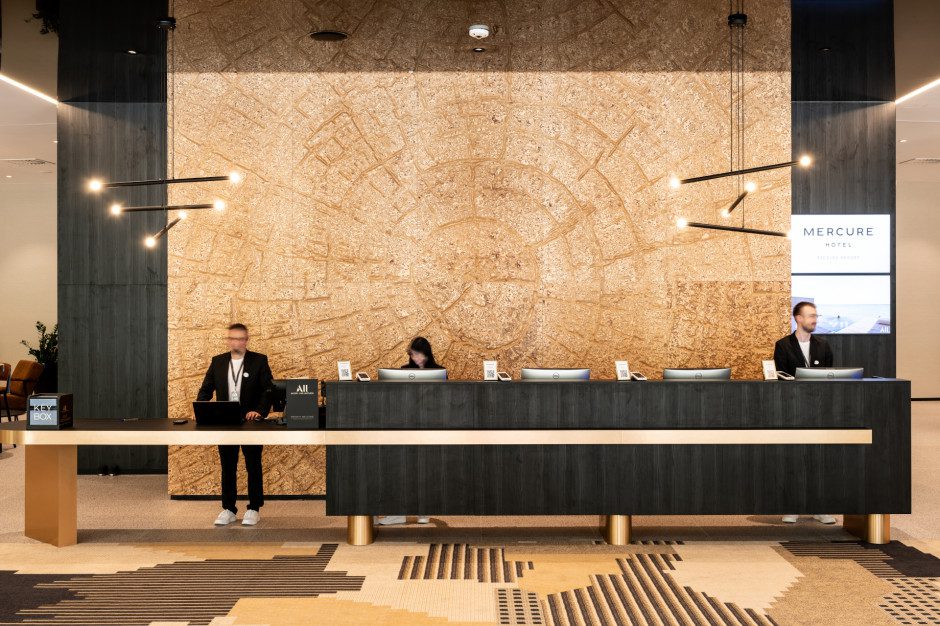
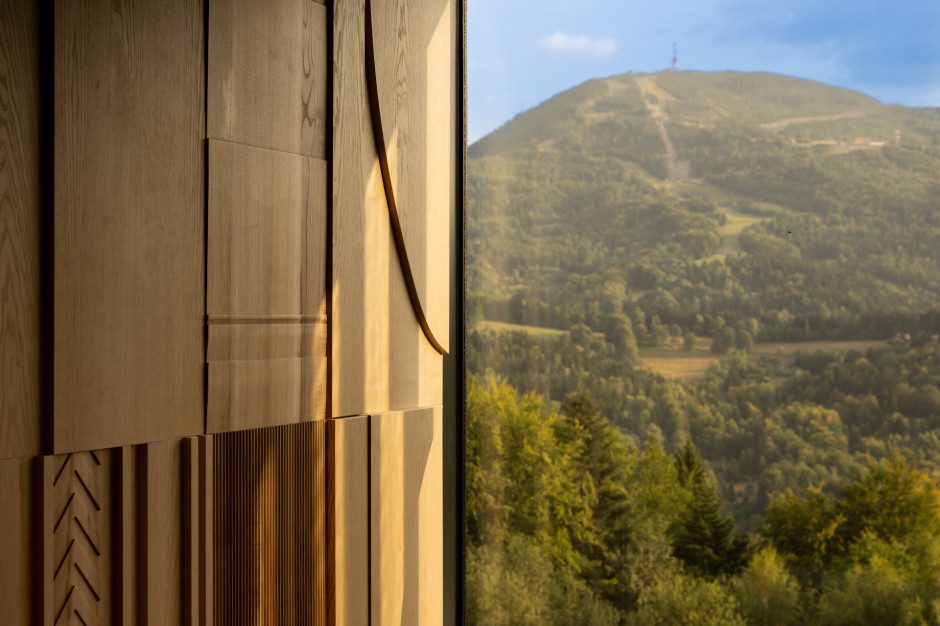
The construction of Mercure Szczyrk Resort on the foundations of the former “Orle Gniazdo” can be seen both as a revitalization and the creation of a new facility. Some floors have been integrated with the original building. However, the architects opted for an entirely new design and modern solutions, which have significantly transformed the character of the place.
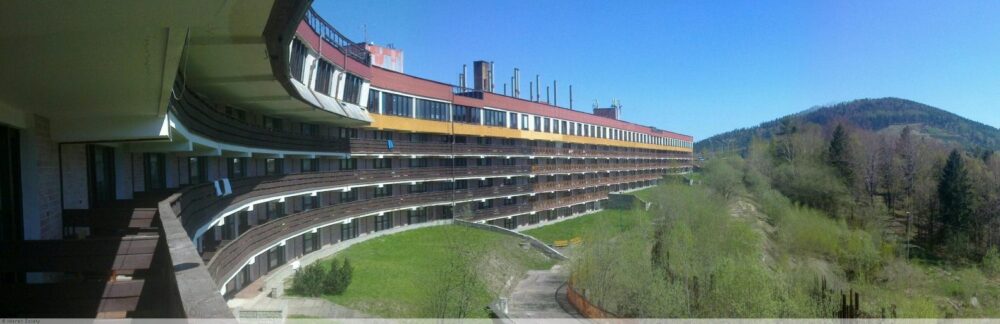
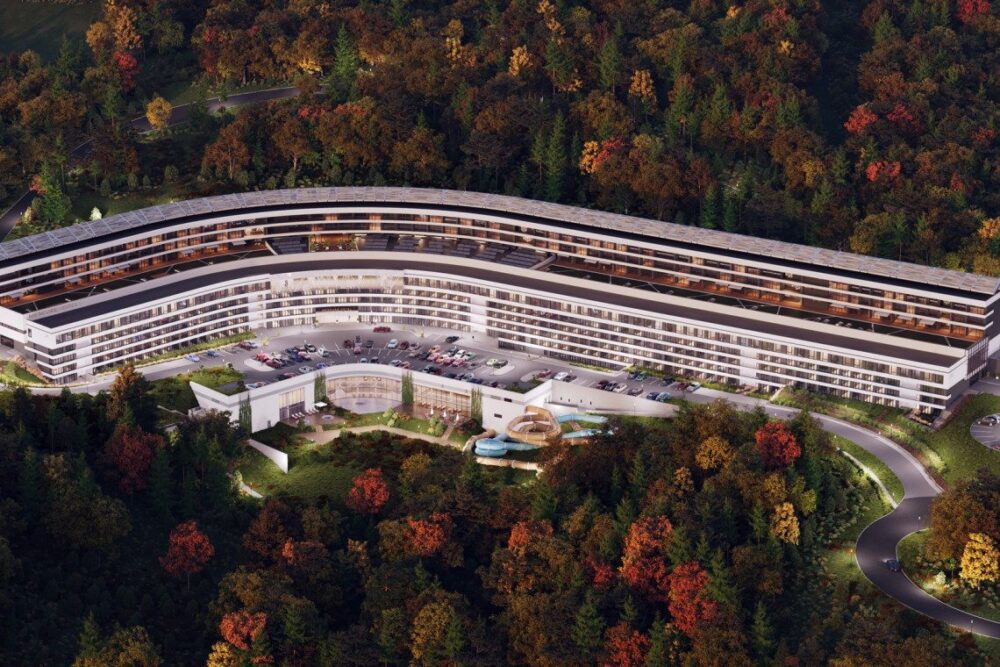
The longest hotel in Europe, photo: propertydesign.pl
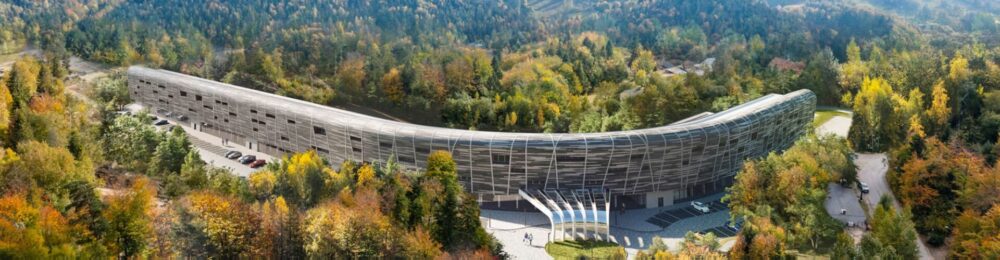
The longestin Europe draws on the historical significance of the “Eagle’s Nest,” especially in its symbolic architecture. Its design is inspired by the eagle’s nest itself. Every guest room offers a view of the picturesque mountains, highlighting the unique natural landscape that has been one of this place’s greatest assets for years.
Controversies and doubts
Does this investment have the potential to revitalize the region? Absolutely. Mercure Szczyrk Resort is already attracting the attention of tourists and conference organizers. Its comprehensive facilities could help boost local tourism. At the same time, whether the revitalization will be fully successful remains an open question.
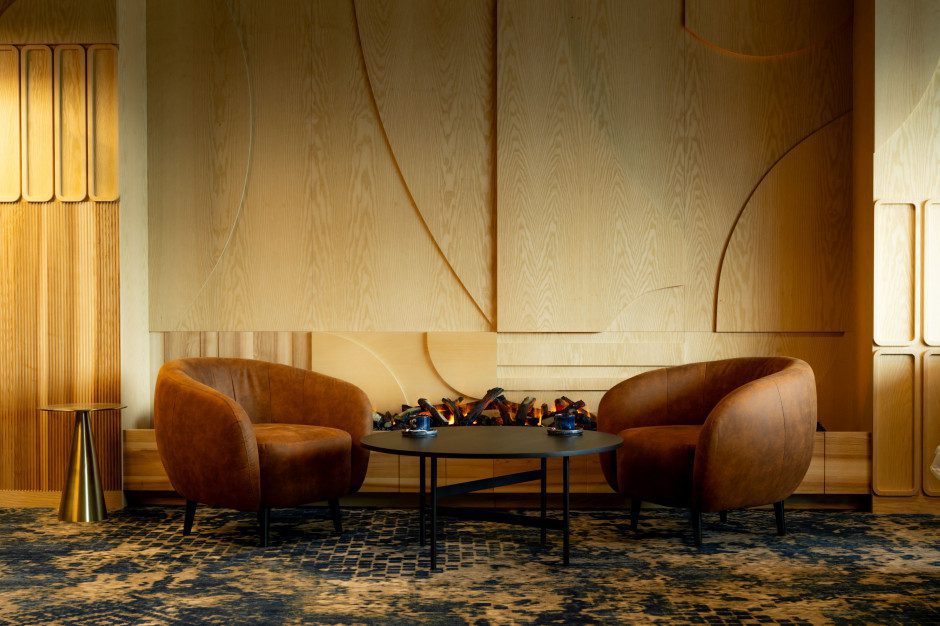
The construction of a modern hotel can attract new guests. However, the long-term impact on the region depends on how the site develops within the context of local infrastructure and tourist needs. Revitalization does not end with rebuilding the facility itself—it must fit into a broader development plan for Szczyrk and its surroundings to be considered truly effective. The impact on the local economy and community perception will be crucial. Without these, it is impossible to assess whether the investment has lived up to expectations.
Is the longest hotel in Europe an architectural masterpiece or a landscape eyesore?
Large hotels, such as the Gołębiewski mentioned in the introduction, are often accused of spoiling the landscape. Investors are suspected of destroying unique areas. Activists, environmentalists, and residents of tourist regions just as often see tourist facilities as an opportunity for regional development as they do a threat. Additionally, it is difficult to find information about LEED and BREEAM certifications. Currently, mainly office buildings are certified, although hotels are also seeking these certifications. This adds prestige and demonstrates the social and environmental responsibility of the investment.
It’s hard to find data on the longest hotel in Europe. That doesn’t mean the property isn’t eco-friendly or built with care for the environment and sustainability.
This property is sure to attract huge interest. Even now, just a few days after opening, it’s hard to find a reservation on Booking. Hotel Mercure Resort in Szczyrk will be much more than just a curiosity. Four stars mean prestige. It’s also the highest level of exclusivity, a creative approach to revitalization, and tremendous growth potential. Let’s hope the investment truly enriches the region without disturbing its natural charm.




Leave a Comment