

The history of the Balenciaga brand
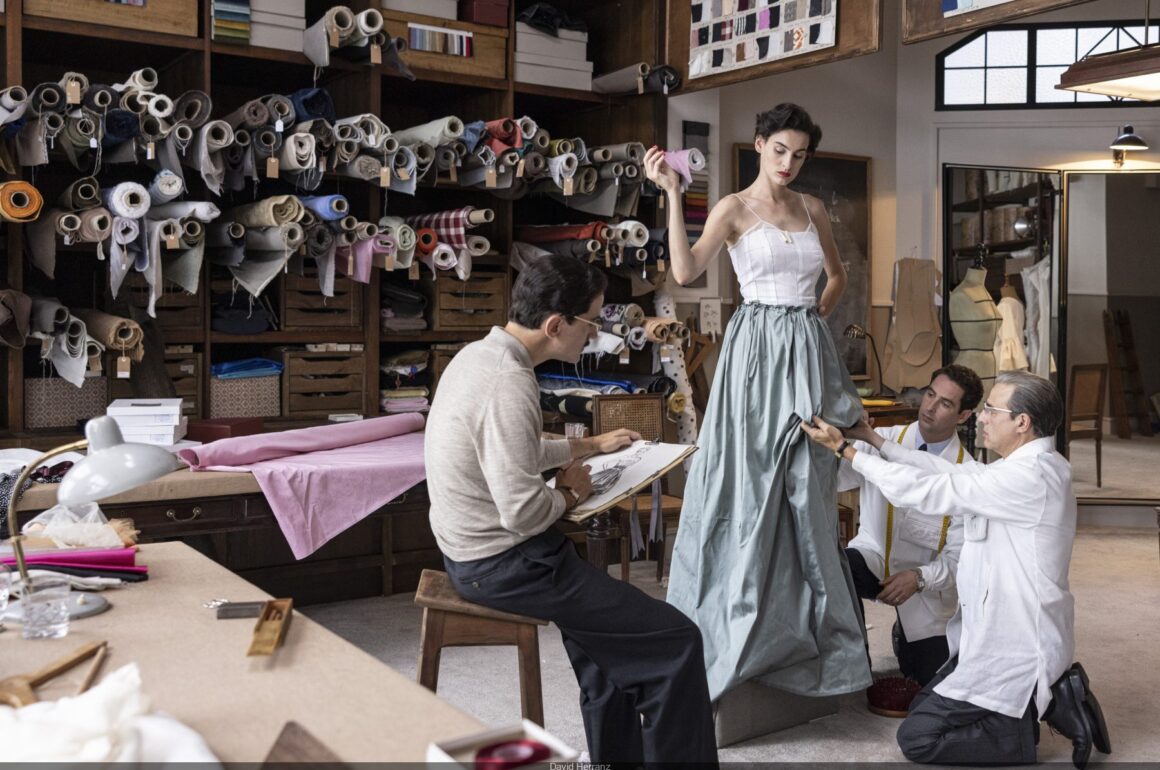
Balenciaga is much more than just a brand—it’s a legend in the fashion world, whose history has set trends and defined modern elegance for decades. Its roots trace back to a humble workshop in San Sebastián, Spain, where a young Cristóbal Balenciaga, fascinated by tailoring, began his journey into the world of fashion. From modest beginnings to global acclaim, the story of the remains an inspiration for both designers and fashion lovers around the globe. Despite changes in leadership and evolving trends, it has always stayed true to its roots, maintaining the spirit of innovation that made it a legend.
Chasing opportunity
The name Balenciaga is simply the surname of its founder. Cristóbal Balenciaga was born in 1895 and, according to the few available sources, grew up in a small seaside town in Spain. His first encounter with fashion came when, after his father’s death, his mother began working as a seamstress to support the family. Like most children of that era, he was self-taught. There were no fashion schools or formal education in design or pattern making at the time. Often, families living in poverty learned sewing from local churches through hands-on experience. Interestingly, throughout his entire career as a designer, Balenciaga never once sketched a design with pencil on paper. But inspired by his mother’s work, at the age of 12 he began his own journey into the world of fashion as an apprentice in the resort town of San Sebastian.
He founded his first fashion house in 1917, though not under the iconic name we know today, but rather using an abbreviation of his mother’s maiden name—Elisa. Some time later, in the 1920s, he opened a second boutique, this time in Madrid. However, in 1937, Balenciaga was forced to relocate to France due to the Spanish Civil War. It was in the fashion capital that he was hailed as the undisputed leader of French haute couture. His first fashion house on Avenue Georges V quickly became the most exclusive couture atelier in Paris, rivaling fashion houses such as the then- Dior.
The era of innovation
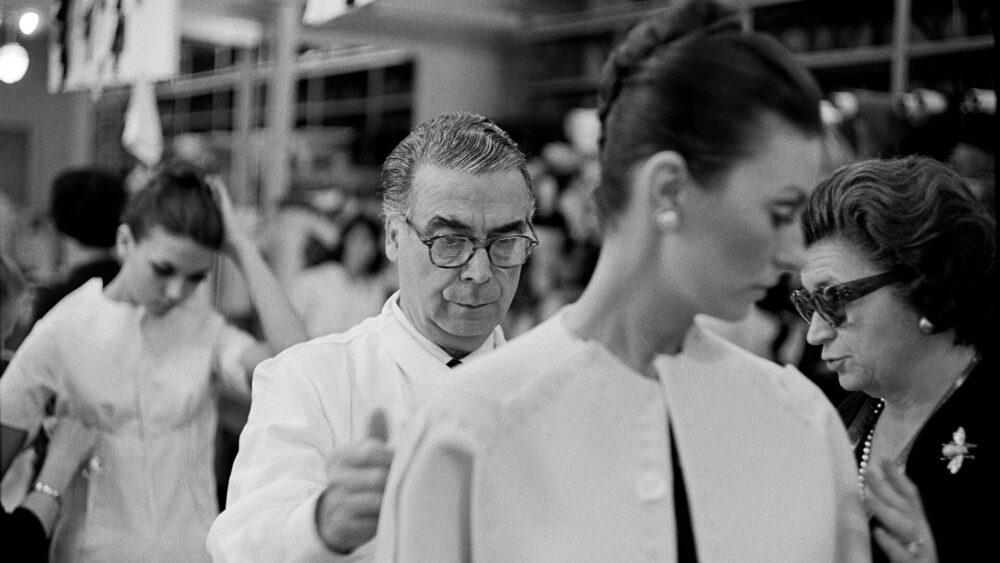
Starting at such a young age, his pattern-cutting and garment construction skills were exceptional. As we mentioned, instead of planning or sketching his designs, he began directly with the fabric itself. Moreover, he mastered the art of manipulating materials to fully unlock their potential. Impeccable craftsmanship was what set Balenciaga apart from brands like
Thus, Balenciaga not only demonstrated exceptional tailoring skills but was also a pioneer of new techniques and materials. He introduced innovations such as the use of synthetic fabrics, designing collarless jackets, and evening dresses with modern silhouettes that redefined the standards of elegance. However, it was not until the 1950s and 1960s that the designer reached the peak of his creativity. His bold designs, including the iconic sack dress and the cocoon coat, gained international acclaim and inspired generations of designers to come.
The history of the Balenciaga brand – heirs to the legacy
After several incredibly successful decades, in 1968 Balenciaga unexpectedly closed his fashion house. Sadly, he passed away just four years later at the age of 77. The news of the fashion empire’s closure shocked the brand’s clients, but it’s said that he himself believed there was no longer a true way to design couture. However, things turned out differently. In 1986, less than two decades later, a new era for Balenciaga began. One of the people responsible for this was Nicolas Ghesquière, known for breathing new life into Balenciaga from his very first s/s 98 show. Many of his creations remain iconic to this day, from the Patchwork dress to the Motorcycle Lariat bag.
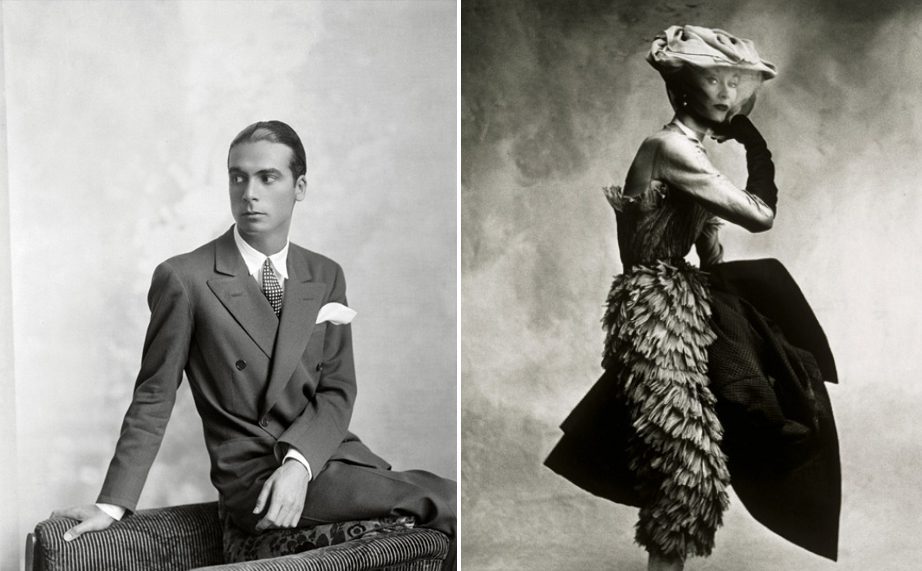
In 2001, the fashion house was acquired by Kering, now the owner of Saint Laurent, Alexander McQueen, and Bottega Veneta. In 2015, Demna Gvasalia was announced as the new creative director of Balenciaga, and he has been the talk of the industry ever since. He is also credited with helping to revive the brand in many ways, while preserving the artistic integrity of Cristobal’s cuts and silhouettes. Thanks to Demna, the fashion house was recognized as Kering’s fastest-growing brand in 2018.
He was the one who revived the house’s roots and couture during the 2020 show. This pivotal moment demonstrated that the brand was returning to its true heritage. And that’s because Balenciaga hadn’t produced a couture collection since the days of Cristobal himself. Demna thus seems to be a worthy successor to the brand’s legacy. We keep hearing about his next moves aimed at elevating Balenciaga to the heights of global fashion. Last year, at the s/s 23 show, he surprised the industry with his latest collaboration with Adidas, with athletes taking center stage.
The spirit of clothing
Today, Cristóbal Balenciaga’s influence remains evident in all of the fashion house’s creations, from prêt-à-porter to couture. His masterful techniques live on in every renowned Balenciaga collection. The brand continues to evolve and reclaim its unique identity, taking bold steps under Gvasalia’s leadership. From collaborations with the Simpsons to choosing Kim Kardashian as its latest muse, the fashion house is thriving just as it did in the 1950s. The brand’s history is not only a tribute to the past but also an inspiration for the future. The brand carries on the tradition of innovation and excellence that made it a fashion icon. By blending tradition with modernity, it constantly pushes boundaries and shapes trends, all while staying true to its roots.




Leave a Comment