Jacquemus – what kind of brand is it?
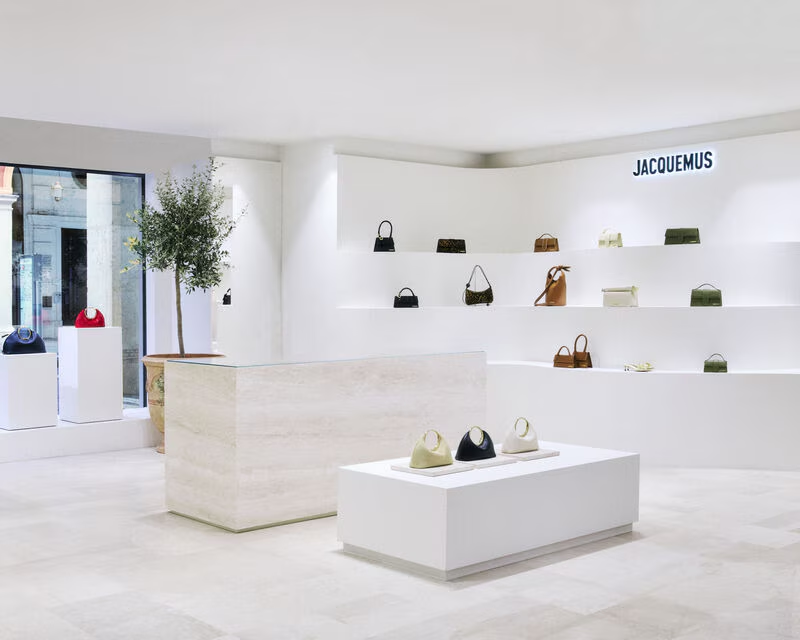
Imagine a carefree afternoon in Provence: plane trees cast shadows over a country road, hay smells of summer, a straw hat and a miniature ochre handbag rest on the table. It’s an image that instantly brings to mind Jacquemus, because Simon Porte Jacquemus has built more than just a fashion brand. He has created a visual story of Mediterranean lightness that spills across phone screens and draws sighs.
Why does Jacquemus capture our attention?
The French fashion house founded in 2009 in Paris doesn’t play by the classic rules of luxury fashion. Instead of exclusive salons and closed shows, Jacquemus organizes spectacles in lavender fields and on beaches. Instead of discreet elegance, it opts for oversized proportions, humor, and colors that scream “vacation!” Those Le Chiquito mini bags, barely fitting a lipstick? A viral hit recognized by anyone scrolling through Instagram. And when Beyoncé, Rihanna, or Kendall Jenner wear pieces from this brand, the reach grows on its own.
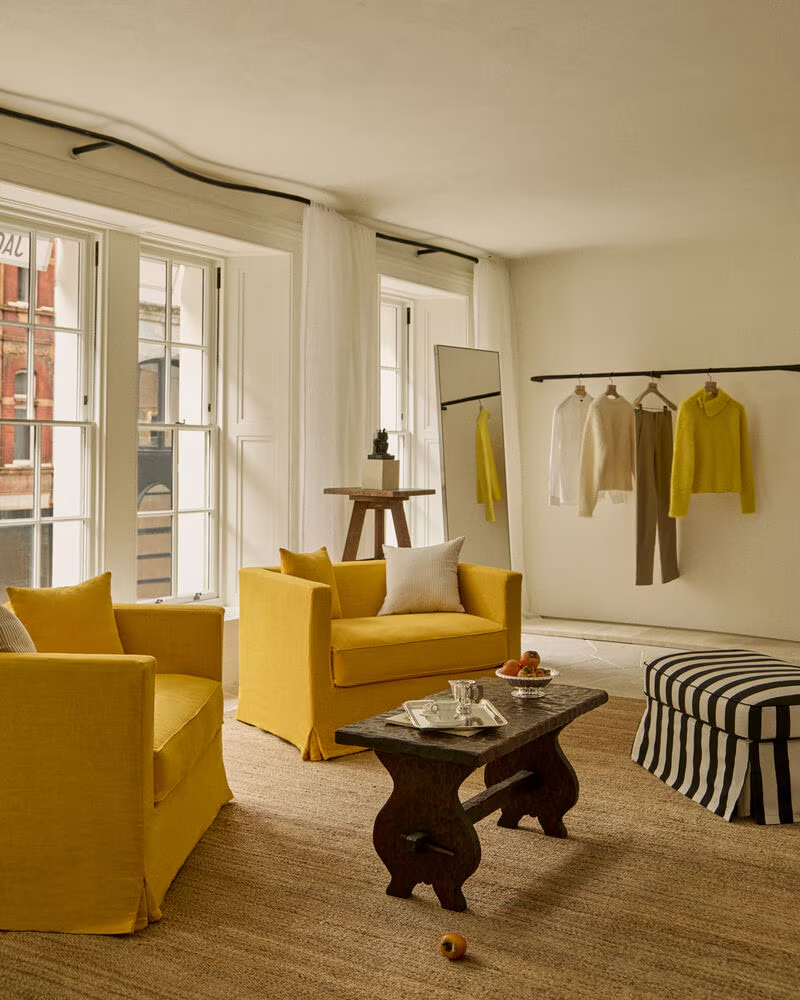
It’s the combination of sunshine and strategy. Emotional storytelling meets modern distribution and an understanding of what works on social media. That’s why everyone is talking about it.
Jacquemus – what kind of brand is it?
Simon Porte Jacquemus was born on January 16, 1990, in the Provençal town of Salon-de-Provence. According to family legend, as a child he once made himself a skirt out of a curtain, which turned out to be a fitting preview of his future career. After his mother’s death in 2009, 19-year-old Simon, who had just moved to Paris and dropped out of ESMOD fashion school, decided to launch his own brand. He named it Jacquemus, after his mother Valérie’s maiden name.
Key dates and milestones
Jacquemus’s journey is a series of bold moves and lucky breaks:
- 2010 – guerrilla actions in Paris, Tumblr and the French press begin to notice the young designer
- 2012 – Simon becomes the youngest designer accepted into the official Paris Fashion Week calendar
- 2014 – collaboration with La Redoute, which opened the brand to a wider market
- 2015 – The LVMH Special Jury Prize brings €150,000 and significant industry recognition
- 2017 – launch of the footwear collection
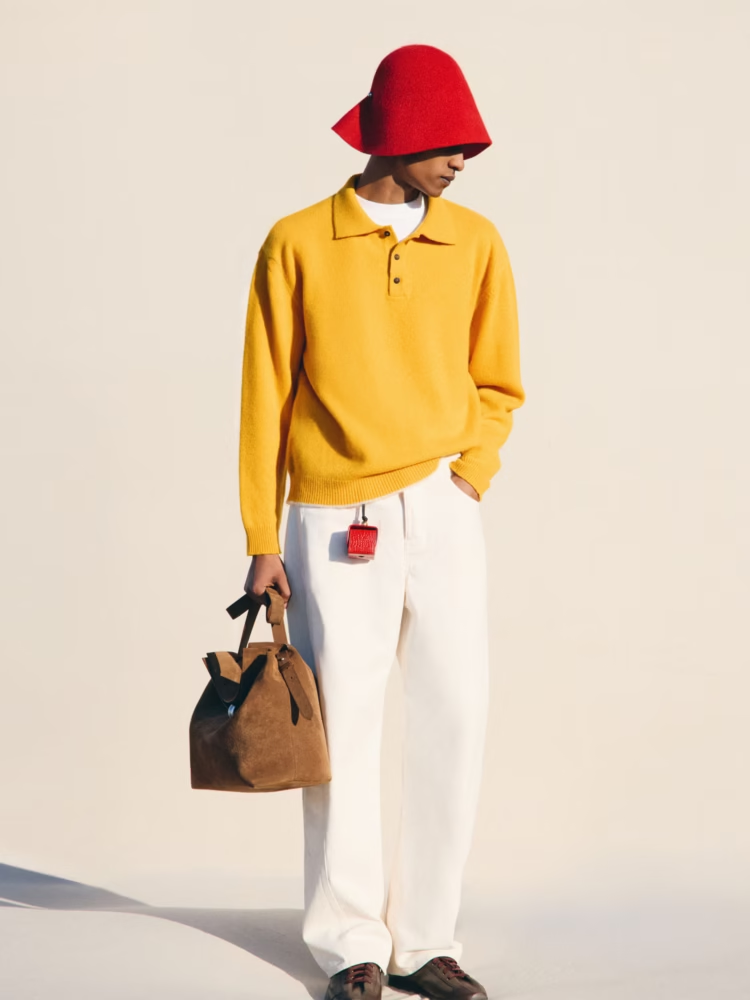
- 2018/2019 – men’s line and the iconic “Le Chiquito” bag, which sparked a craze for micro-accessories
Shows that defined the brand
In 2019, Jacquemus stopped presenting in the studio and moved to a lavender field in Provence. It was a breakthrough moment. The following seasons featured spectacles in a wheat field (during the pandemic), by the Canal in Versailles, or on the rocks of Capri at Casa Malaparte (FW2024). In 2026, “Le Paysan” with the “Le Valérie” bag will appear at the Orangerie of Versailles, and in 2027 SS “Le Bonheur” will arrive in Corsica, at Île-Rousse. The locations have become part of the brand’s DNA, just as important as the designs themselves.
DNA of aesthetics and product icons
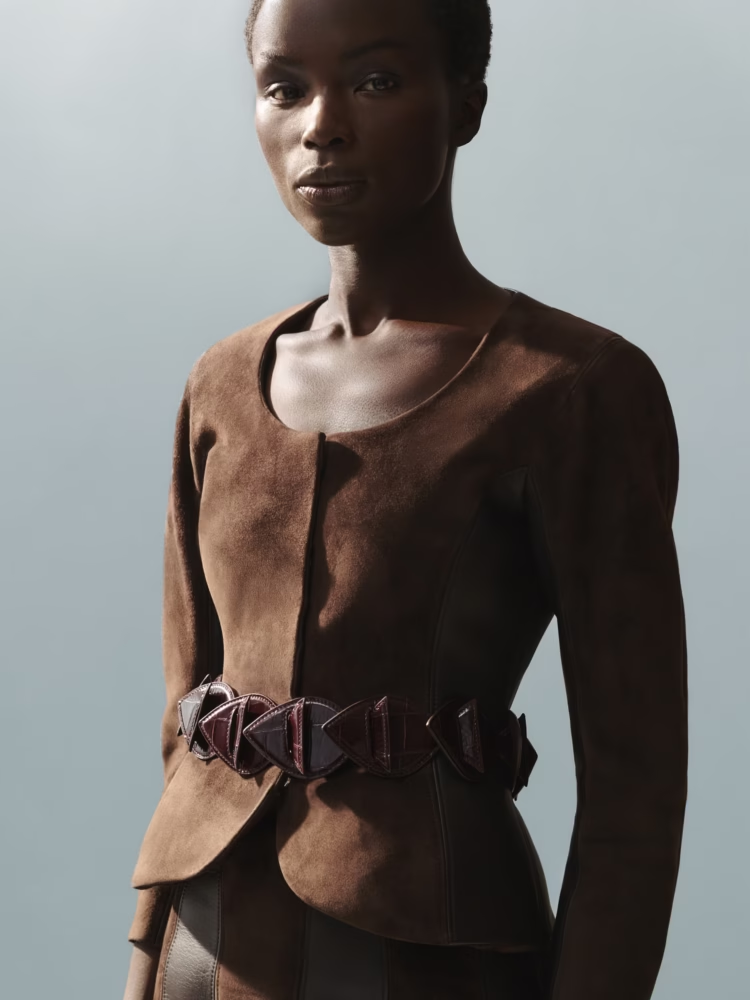
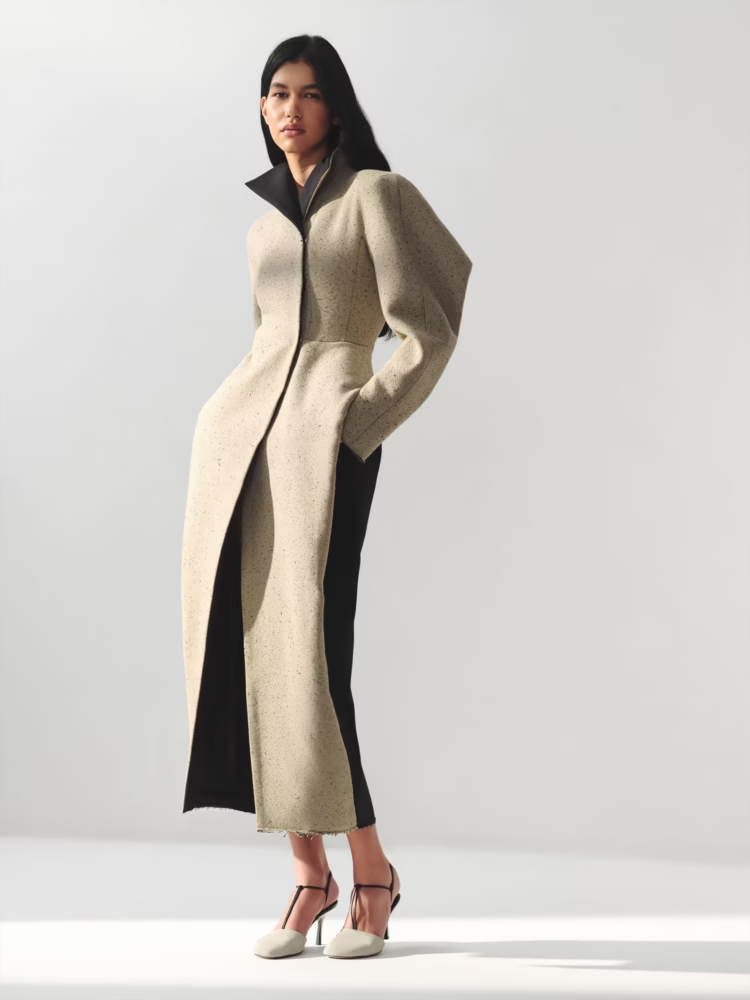
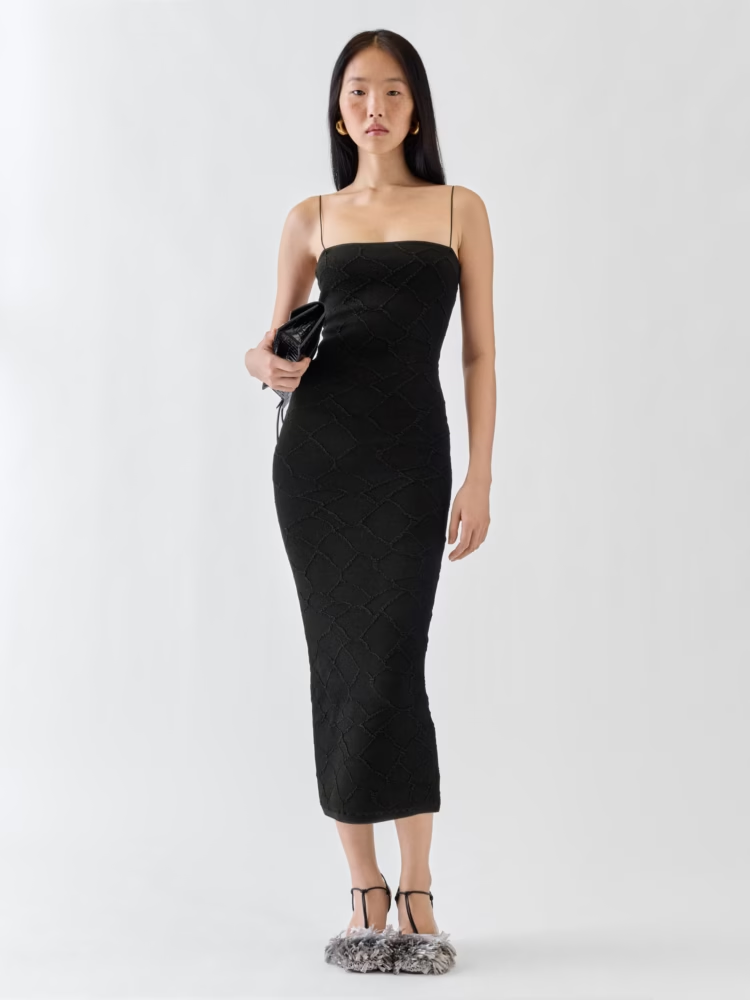
If you were to close your eyes and imagine Jacquemus, you’d probably picture something sun-drenched, as if straight from Provence. And that’s exactly the effect Simon tries to achieve: lightness, geometry, vibrant colors, and playful proportions, as if someone took the 1950s, cut them into pieces, and put them back together anew. Deconstructed garments, sculptural accessories, sometimes a hint of the ’80s. The result? You can spot a Jacquemus design from a mile away.
Distinctive features of the style
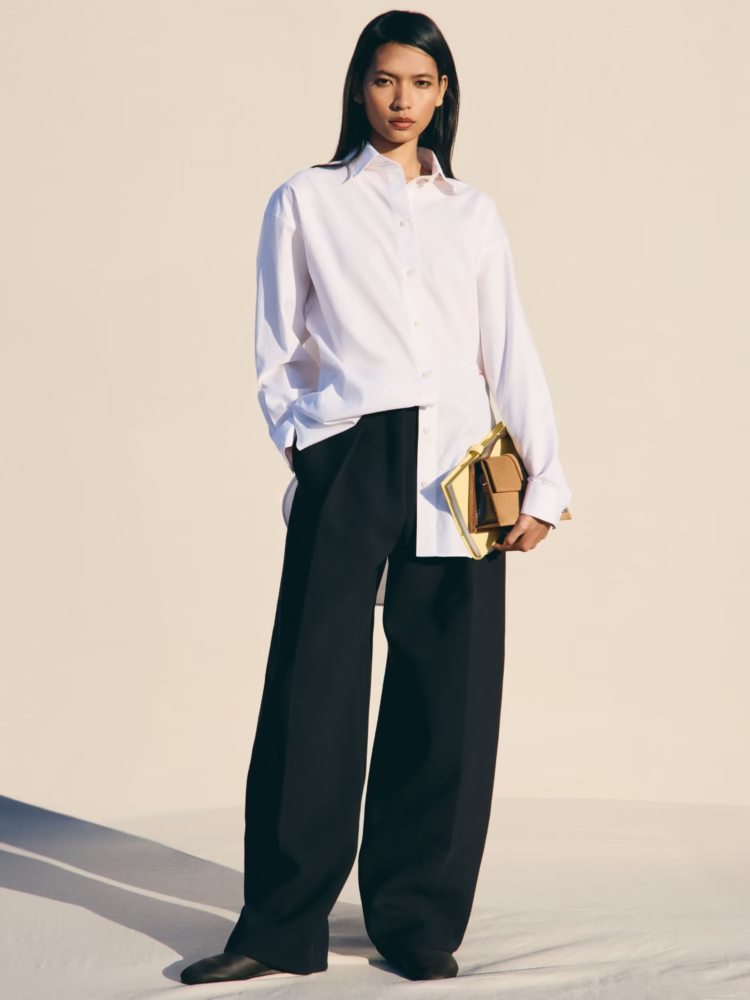
The Mediterranean narrative is the foundation. Nautical stripes, olive green, the blues of the Côte d’Azur. Simon likes to exaggerate with scale: either mega-oversized or toy-like miniatures. Materials are mostly natural (cotton, linen), sometimes shiny leathers. The cuts are simple, geometric, yet it’s in their simplicity that the artistry lies. RTW is produced mainly in Bulgaria and Romania, while most bags come from Italy, Portugal, or France.
Jacquemus bag icons
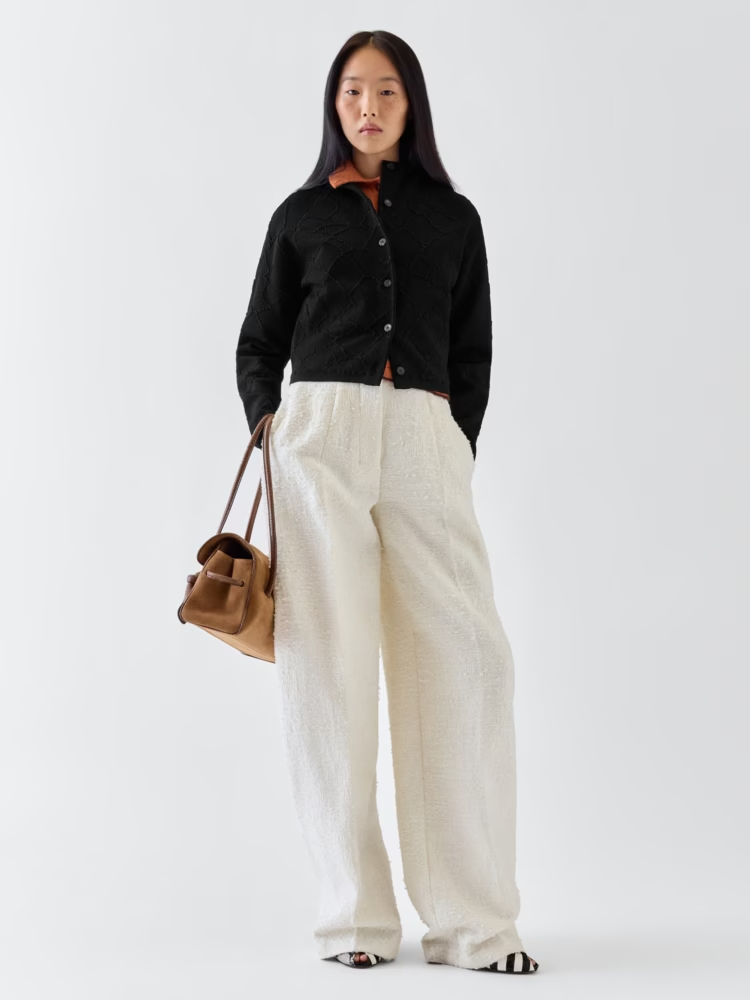
A few models have entered the collective consciousness:
- Le Chiquito – mini top-handle about 12 × 9 cm; an icon of the micro-bag trend; ~ $720-1,450.
- Le Bambino – a family of flap bags in various versions; ~$775–1,990.
- Le Valérie – a softer form, “Le Paysan” show in Versailles (2026), a tribute to Simon’s mother; ~ $1,990-2,630.
Accessories and footwear
Wide-brimmed hats, sculptural sandals, shoes with a rigid silhouette. The men’s and women’s lines officially launched between 2018 and 2019. Here too, you can see a love for contrast: either chunky buckles or delicate straps. In any case, if you spot something small, bold, and a bit absurd, there’s a good chance it’s Jacquemus.
How does a fashion house grow?
In five years, Jacquemus has gone from a niche brand to a global player with impressive numbers. Revenue? Around €11.5 million in 2018, then a jump to ~€100 million (2021), followed by ~€213 million (2022), and by 2023 already ~€280 million. A solid trajectory.
Revenue and sales model
The brand focuses on direct-to-consumer (DTC) sales, which once accounted for about half of its revenue. Average basket value? Somewhere between $400 and $450, meaning the customer spends a significant amount right away. This shows that people aren’t coming for small items, but for specific pieces from the collection.
Ownership, valuation, and management
Simon Porte Jacquemus holds about 98% of shares through his holding company, so he has full control. In February 2025, L’Oréal bought 10% for around €100 million (the partnership is to concern beauty), which implied a total valuation of nearly €1 billion. The Sandbridge fund acquired ~5% in 2026. Since 2025, the CEO position has been held by Sarah Benady. The holding company itself was valued at €576 million in 2025.
Boutique network and key collaborations
Flagship stores are emerging in strategic locations:
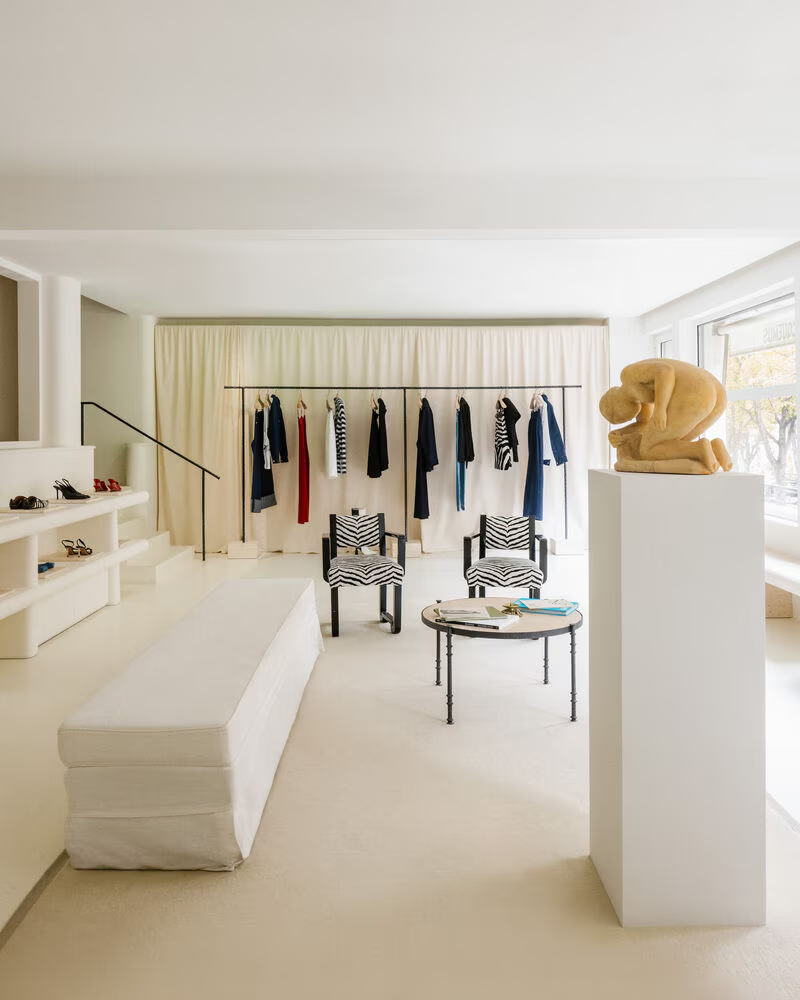
- Paris (Avenue Montaigne, 2022), London (New Bond), New York (SoHo), Los Angeles (Melrose)
- Miami Design District (September 2026, OMA project), Dubai, Abu Dhabi (Yas Mall, 2026)
- Saint-Tropez, Courchevel
Expansion plans include Mexico, Madrid, and strengthening presence in Asia (digital platform in China).
Collaborations are primarily with Nike since 2022 (J Force 1, Air Max, Humara, Moon Shoe, Après Ski, collaboration with FFF until 2026) and Timberland (2025-2026, “La Bateau” line). The brand is clearly testing different segments and audiences.
Image under scrutiny
Success on Instagram is one thing, but what lies behind the glossy aesthetic? The growing visibility of Jacquemus has also brought a wave of criticism, from doubts about product quality, to assessments of sustainability, and even high-profile image controversies.
Quality and responsibility
Experts and customers regularly point out issues with construction. The main complaints concern thin leather in premium handbags, peeling coatings, and weak stitching. An analysis of the ready-to-wear collection’s composition showed that in some seasons, over 75% of the materials were synthetics, which raises questions about value given the luxury prices. Complaints about after-sales service are also increasing: customers report problems with returns and claims, which spoils the post-purchase experience.
On the sustainability front, the brand received a “Not good enough” rating from Good On You. The reason? Limited supply chain transparency (RTW often from Bulgaria and Romania, bags from Italy, Portugal, France) and the lack of a consistent eco strategy. Amherd himself openly admitted that Jacquemus was not positioned as an eco-friendly brand, which at least sounds honest.
Controversies and public reactions
In 2026, the campaign at Mont-Saint-Michel sparked a storm: local activists accused the fashion house of commercializing heritage without the community’s consent or compensation. Previously, there had also been allegations of design borrowing from other creators. Additionally, the issue of homophobia (even though the brand officially supports inclusivity) periodically resurfaces in discussions.
The contrast is striking: on one hand, a high position in the Lyst rankings and massive ” social heat “, on the other, real concerns about durability, price, and ethics. Jacquemus remains beloved, but is increasingly scrutinized to see whether glamour goes hand in hand with quality.
Between the sun and strategy
Jacquemus is now much more than just a clothing brand from Provence. It’s an example of how an authentic vision and a consistent strategy can build a global phenomenon without the traditional tools of major fashion houses. Simon Porte Jacquemus has created a visual language you recognize in a split second: sun-drenched colors, minimalist forms, that signature sense of effortlessness. And it’s precisely this blend of personal story and thoughtful marketing that makes the brand work on so many levels at once.
Interestingly, Jacquemus has proven that it’s possible to be both aspirational and accessible at the same time. Not everyone will buy those iconic bags, but anyone can feel like part of that world through Instagram, viral campaigns, or collaborations with high street brands. It’s no coincidence that everyone is talking about it. The brand has hit the sweet spot where lifestyle has become more important than the product itself.
Or maybe that was the point all along, right?
Xennia Si
editorial fashion for Luxury Blog



Leave a Comment