

Is it worth investing in whisky?
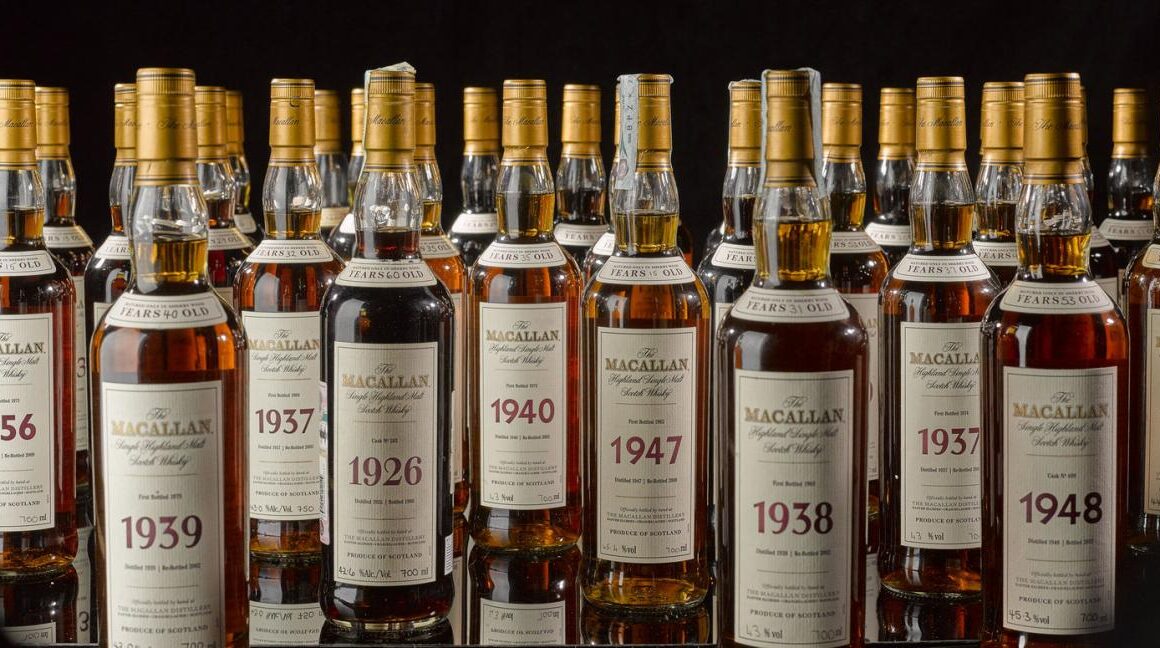
Whisky is a spirit with a long-standing tradition of production. The first mentions of the amber “water of life” date back to ancient times. The tradition of crafting flavorful, aromatic, and beautifully colored spirits is especially strong in Scotland and Ireland. There, each distillery boasts its own unique style and character. Some of their products are exceptional in taste. A few have achieved such prestige that the prices of certain bottles rival those of luxury cars. Is it worth investing in whisky, or is it just a passing trend, with bottles of amber liquor that are now worth a fortune soon to become worthless?
Is it worth investing in whisky – a passing trend or timeless value?
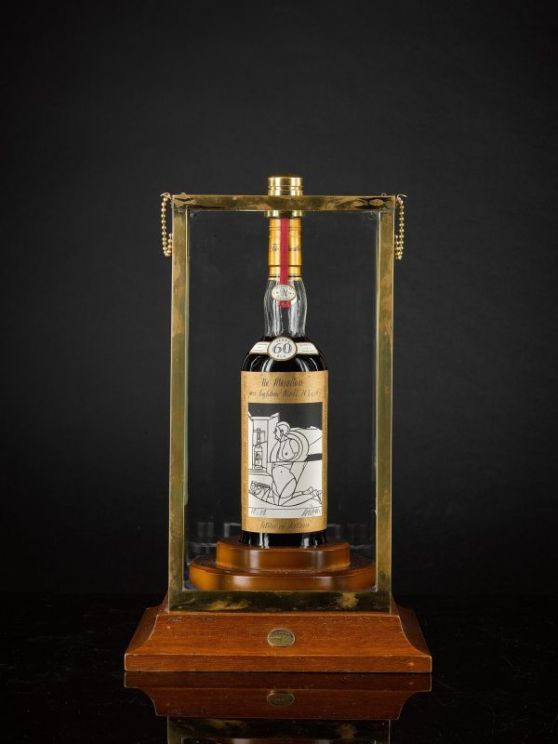
Auctions, both past and upcoming, at London’s Sotheby’s—where the collectible, exceptional, and one-of-a-kind The Macallan 1926 60 YO Valerio Adami was recently sold for an astronomical 10.85 million PLN—clearly demonstrate that whisky is far from an ordinary spirit. There’s a vast difference between a store-bought Ballantine’s and unique single malts from special casks, traditional distilleries, or limited editions.
Is it worth investing in whisky? Absolutely yes, although, as with any investment, you should first get to know the market well. To start, it’s a good idea to review some tips.
- Value appreciation: Over the past decade, the prices of rare and unique whisky bottles have risen significantly, making it an attractive form of investment.
- Value stability: Whisky is considered an asset with low correlation to traditional financial markets, which can help diversify an investment portfolio.
- Global market: Interest in whisky is growing worldwide, especially in Asian countries, ensuring steady demand and a global market for investors.
- Tradition and history: Whisky boasts a rich history and tradition, which adds cultural and emotional value, and can also attract passionate collectors and investors.
- Limited production: Many prestigious whiskies are produced in limited quantities, making them especially attractive to investors seeking rarity and uniqueness.
- Development of the investment market: The emergence of specialized investment funds and whisky market-tracking indices demonstrates the professionalization of this sector and the opening of new opportunities for investors.
- Inflation hedge: Some believe that rare and highly valued bottles of whisky can serve as a hedge against inflation, maintaining their value over the long term.
- Potential of technological applications: The development of technologies such as blockchain can help increase the transparency and authenticity of individual whisky bottles.
Investing in whisky
In the world of investments, where traditional assets like real estate, stocks, or bonds dominate, a new and exceptionally attractive player is emerging: whisky. What was once associated mainly with the pleasure of tasting has now become an object of interest for wealthy investors seeking new ways to diversify their portfolios. Unique bottles of spirits are increasingly appearing at auctions, and after purchase, they are stored in the safes of their new owners. The highest prices are fetched by single malt or single barrel whiskies, such as the aforementioned Macallan from 1926. It was bottled after 60 years of maturation, with each bottle featuring its own unique label designed and created by a renowned artist. The previous auction record was set by another bottle from the same distillery, the Macallan Fine&Rare 1926.
It’s hard to say what such a whisky actually tastes like. Legend has it, however, that one of the owners, after winning an auction for an extremely expensive Macallan from the same series, simply opened the bottle and drank the whisky. No doubt this connoisseur served his priceless spirit in exceptional glassware. Still, this approach has little to do with investing.
Whisky market dynamics
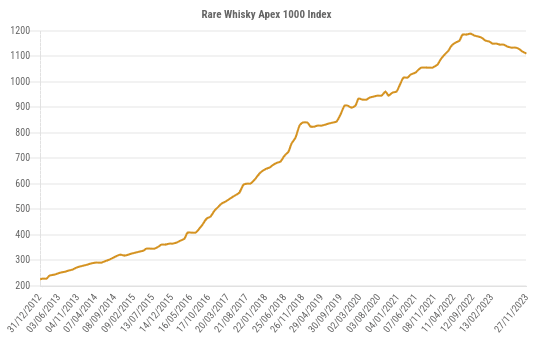
Looking at the past decade, there has been a remarkable increase in the value of whisky as an investment asset. Indices such as the Knight Frank Rare Whisky 100 Index have recorded gains of 582% over a 10-year period. These are figures that catch the eye of any investor seeking opportunities in the market. The raw numbers provide a clear answer to the question of whether investing in whisky is worthwhile.
What drives this dynamic
The growing popularity of whisky in Asian countries, along with steady interest in Europe and the USA, continues to drive demand upward. Many whisky producers, despite increasing their output, still struggle to keep up with global demand. It’s worth noting that distilleries also strive to ensure the whisky they produce and bottle offers exceptional value. This represents a completely different philosophy compared to, for example, the production of Jack Daniel’s.
From time to time, collector’s editions appear on the market. They are created in collaboration with artists or renowned photographers—with Macallan once again leading the way.
The Diageo Group has taken a different, innovative approach. Every year around the holidays, it releases a series of six or seven historic bottles. These come from unique casks, often legendary but from distilleries that no longer exist. It’s a beautifully curated collection with bespoke labels created by renowned artists. So it’s worth considering one of these bottles not only as an investment, but also as a gift.
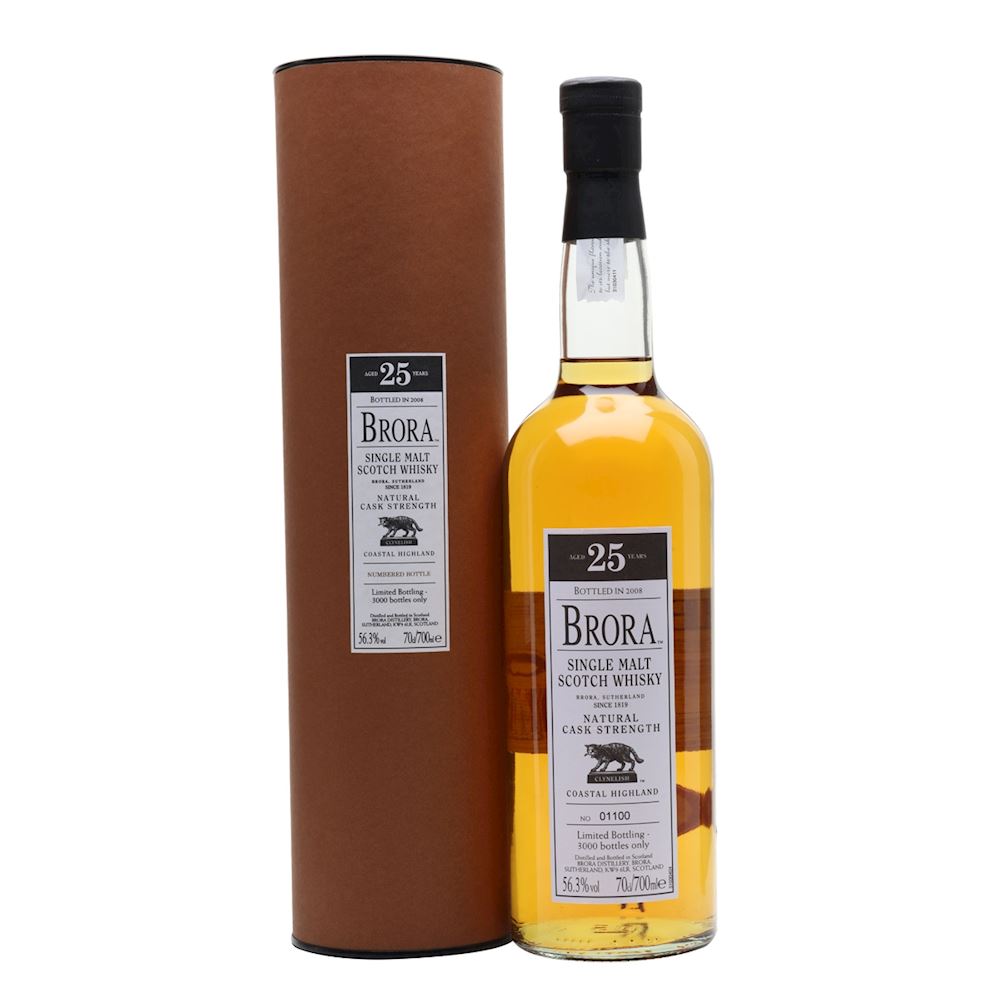
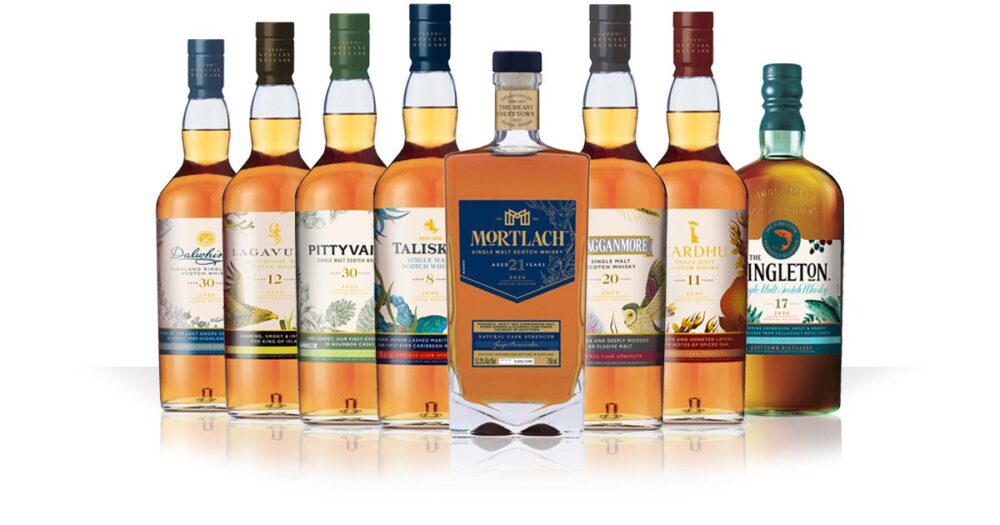
For example, a cask strength single malt bottle from Pittyvaich—a demolished distillery whose casks have been acquired by Diageo since 2020—has significantly increased in value. The same goes for bottles from the same collection from the now-closed Brora distillery, of which fewer than 3,000 bottles were released, and since 2016, the price of each has more than doubled. Is it worth investing in whisky? This example shows that it is; a collector’s bottle can also make a perfect gift for a newlywed couple.
The importance of data and analytics
In the world of investments, a thorough understanding of the market is key. Rare Whisky 101 has become a renowned source of information, providing detailed analyses and forecasts on prices and trends. Such indicators equip investors with the tools to make informed decisions, understand the value of individual whiskies, and assess their potential for growth.
New forms of investing
This phenomenon has inspired the creation of innovative investment solutions, such as the Single Malt Fund. These options allow investors to collectively invest in rare types of whisky. They open the doors to the world of premium spirits even for those with smaller capital.
Risk and Responsibility
Like any investment, whisky is not without risk. There is a threat of counterfeiting and shifts in consumption patterns, both of which can affect the value of individual bottles. That’s why it’s crucial to invest wisely, relying on solid data and thorough analysis.
The whisky market has become not only a place for connoisseurs but also an attractive arena for investors. Understanding its dynamics, relying on credible sources of information, and making informed investment decisions are fundamental.
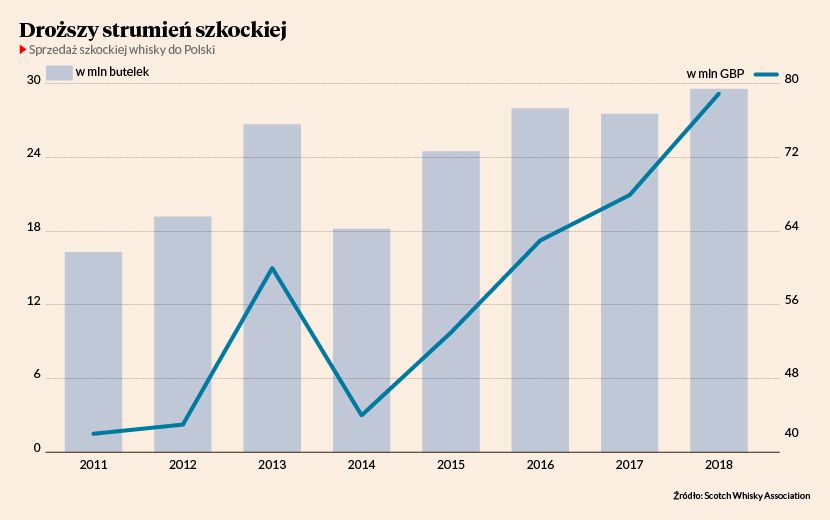
Investing in whisky is not just an opportunity for profit. It’s also a chance to discover the history, traditions, and culture associated with this exceptional spirit. For many, it’s a way to combine passion with business, while creating innovative and profitable investment strategies.
A brief guide: Is it worth investing in whisky and how to do it
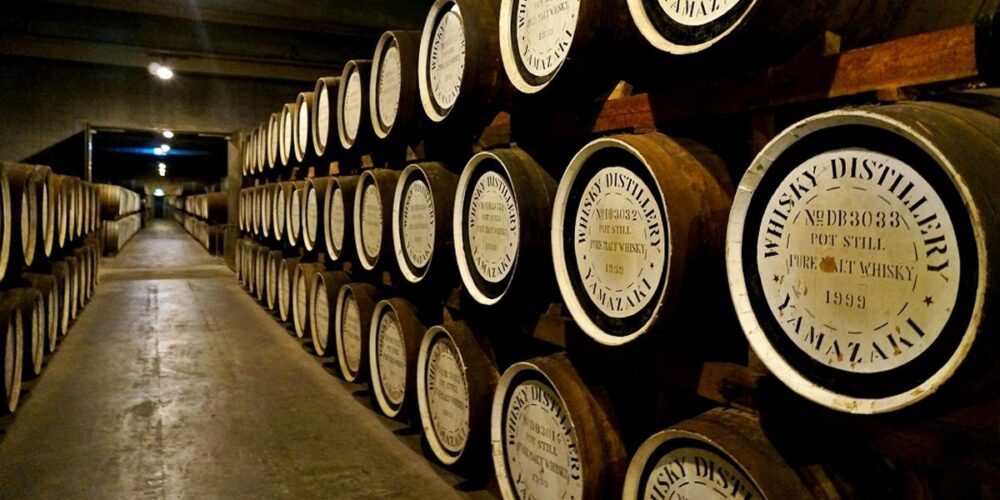
Not everyone can afford to buy a bottle of alcohol for 10 million zlotys. Nevertheless, the whisky market is not just about unique Macallans or the legendary Yamazaki from the Japanese Suntory distillery. As the Special Release series from Diageo perfectly demonstrates, every year you can purchase a bottle of whisky for just two or three thousand, often a unique spirit from closed distilleries, cask strength, with a custom label that will multiply in value after a few years of storage. It’s an excellent gift and a smart investment. However, just like with any investment, to put your money into alcohol, you need to understand the market and its specifics.
Here are some practical tips for beginner investors
- Education and understanding the market:
- Before you start investing in whisky, it’s worth learning about the different types. Take a closer look at its history, production regions, and the potential factors that can influence value.
- Setting your budget:
- Decide how much you are willing to invest. Remember, investing in whisky—especially rarer and older bottles—may require significant funds.
- Starting your collection:
- Begin by purchasing more accessible and affordable bottles to understand market dynamics and gain experience.
- Primary vs. secondary market:
- Bottles can be purchased both on the primary market (directly from the distillery) and the secondary market (at auctions, from dealers). Prices may vary depending on the source.
- Storage:
- Whisky should be stored in a dark place, away from heat sources and direct sunlight. Proper storage conditions will help preserve the quality of the spirit.
- Market monitoring:
- Regularly track prices on the secondary market, participate in auctions, and stay up to date with trends. This will help you understand the value of your collection and make informed investment decisions.
- Selling and Realizing Profits:
- If you decide to sell part of your collection, do so at the right time by monitoring the price and demand for individual bottles.
- Consider investing in investment funds:
- If you don’t want to invest on your own, consider putting your money into funds that specialize in whisky. This can be a less risky option for beginner investors.
- Shop with passion:
- Remember, investing in whisky is not just about cold calculations. Enjoy the search, discover new distilleries, and take pleasure in building your collection.
There’s no doubt that the answer to whether it’s worth investing in whisky is yes—and with a bit of effort and the right knowledge, you can build a collection of bottles whose value will only increase over time. It’s a unique and unconventional, yet truly fascinating way to invest your capital. Just remember not to accidentally drink your investment. Instead, you can sip on some alcohol-free whisky.




Leave a Comment