

How to check the authenticity of Armani – a reliable guide 2026
Counterfeit goods account for about 2.3% of global trade, which is around USD 467 billion in 2021. Sounds abstract? In 2024, goods worth approximately EUR 3.8 billion were seized in the EU alone, a 30% increase compared to 2022. This is no longer a small market margin.
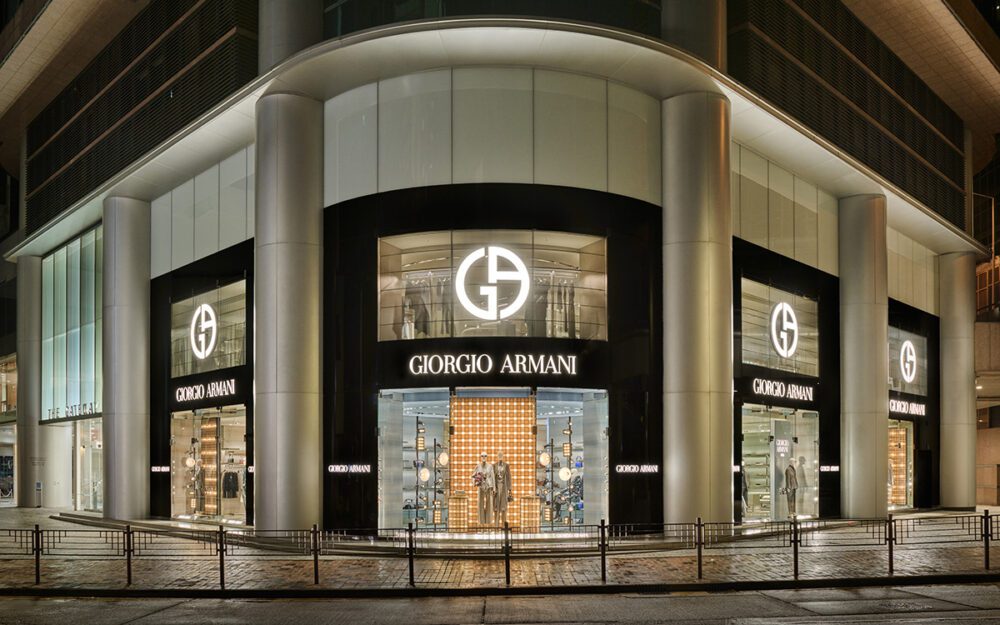
Giorgio Armani once said: “Actually, I am very glad that people can buy Armani – even if it’s a fake.” He meant the democratization of luxury, but today counterfeits are a different story. Especially when it comes to Armani, because luxury brands are the primary target for counterfeiters.
How to check the authenticity of Armani, see our guide!
What do you risk when buying a counterfeit?
- Health (perfumes may contain toxic substances, cosmetics — who knows what)
- Money (low quality means it won’t last the season)
- Certainty (you don’t know what you really got)
Good news? Technology is keeping up. Certilogo, the official partner of Armani, carried out over 1 million verifications in 2022 across 200+ countries. This shows that checking authenticity has become easier than you think.
That’s exactly why you need reliable tools. In the following sections, we’ll show you specifically how to use Certilogo and other methods so you can be sure of what you’re buying.
Official Armani Tools: Certilogo Step by Step
Since the S/S 2018 season, Armani has launched something that really makes things easier, the Certilogo system for most of its lines. Emporio Armani, EA7, and A|X received labels with a 12-digit CLG code or a QR code, which you can scan to check if the item is authentic. The rollout was expanded in F/W 2018-19, so newer items usually have this system. Giorgio Armani Collection is sometimes excluded, but this line rarely appears in suspicious listings anyway.
Where is CLG?
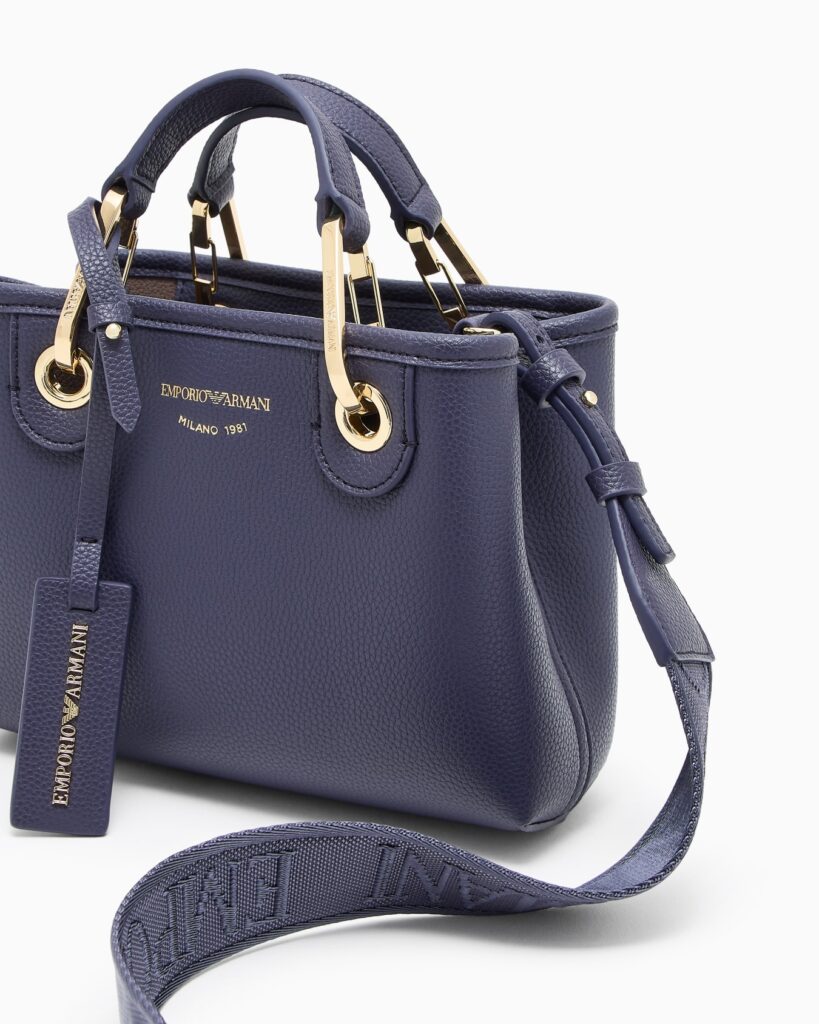
You first need to find this code. Check the inner labels (those sewn into the seam), care instruction tags, or paper hangtags—there you’ll find either a 12-digit CLG code or a QR code to scan. Once you have it:
- Go to the Certilogo website (available in 8 languages) or download the app.
- Scan the QR code with your phone or enter the 12-digit CLG code manually.
- The system will display the result – either confirmation of authenticity or a warning.
For online offers, there’s another cool trick: sellers can generate a “Virtual twin” or “Seal of Authenticity (SOA)”—a link that verifies the listing before purchase. You check whether the product in the listing has a digital twin before you transfer any money.
What does Certilogo confirm and what are its limitations
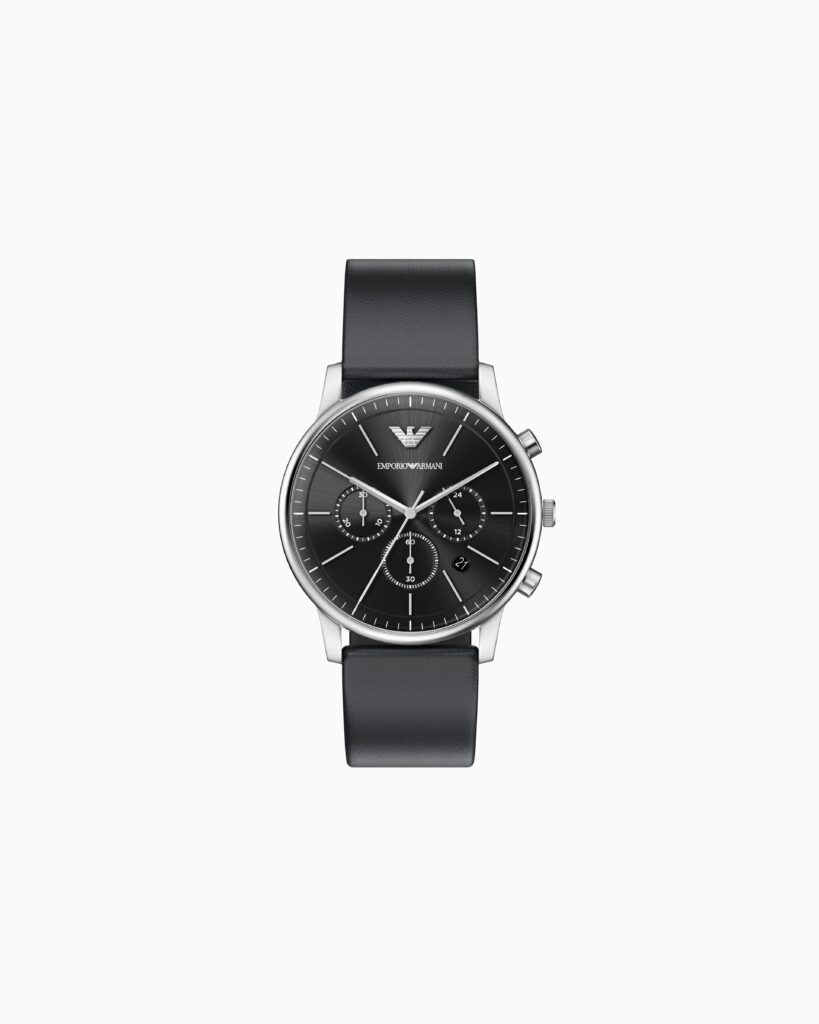
Emporio Armani watches ( manufactured by Fossil) have a separate system – ocr.certilogo.com/fossil-ea. The CLG code can be found on the bracelet clasp or the back of the case, so you may need to spend a moment searching for it.
But beware, the system has its flaws. It doesn’t support anything from before 2018, so vintage or older collections remain without official verification. Cloned tags are another issue—counterfeiters copy real codes and attach them to fakes. This works until someone reports the code and Certilogo blocks it, but in the meantime, several people might receive a false confirmation. So CLG is a solid starting point, not a one hundred percent guarantee.
Armani perfumes and cosmetics: batch code, packaging, safety
Armani perfumes do not have a universal QR code for verification (this is only used for clothing by Certilogo). Here, we check batch codes, which are printed on the packaging. Since the mid-1990s, L’Oréal (the owner of the Armani perfume license) has used 4-5 character alphanumeric codes, such as “38U60OG” or a similar format. Decoders like CheckFresh or Dolce.pl allow you to determine the production date, which helps assess the fragrance’s freshness. The older series from 1982-1994 sometimes have only 4 digits, so decoding can be more difficult.
L’Oréal batch codes: where and how to read them
The batch code is usually located on the bottom of the box or directly on the base of the bottle (embossed or on a white sticker). Enter it into the decoder and check if the production date matches your purchase. Perfume should be fresh (ideally within 3 years of production), although properly stored ones last longer. If the decoder does not recognize the code or gives a date from 10 years ago on a “new” product, there is a problem.
Sì as an example: what the box and bottle say
Giorgio Armani Sì is a good case study. The original has:
- embossed “Giorgio Armani” name on the box (tactile to the touch)
- the distinctive arch at the top of the atomizer
- a gold or red rim (depending on the version) perfectly set
- a white, slightly sticky sticker with the batch code on the bottom of the bottle
- projection and longevity of 6-8 hours (fakes evaporate after an hour)
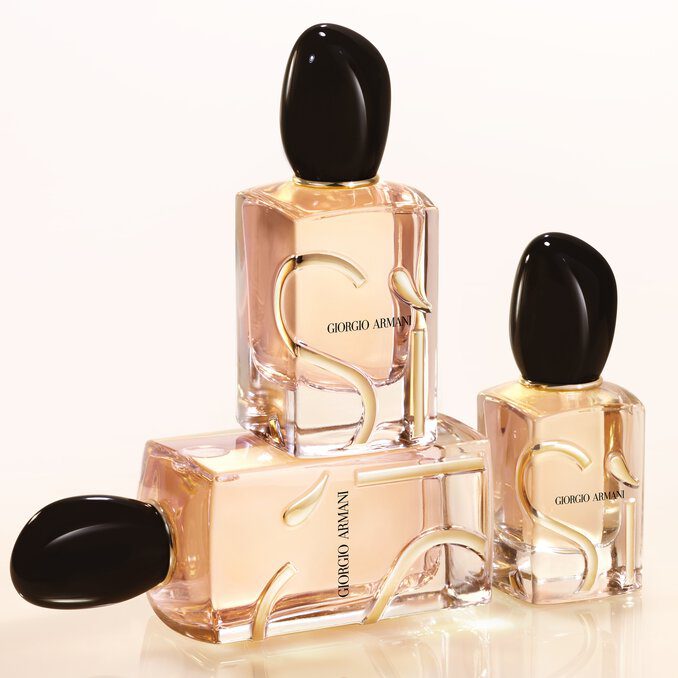
The color of the liquid should be uniform. If you notice cloudiness, sediment, or the scent is chemically sharp instead of smooth, that’s a red flag.
Safety warning
Counterfeit perfumes may contain methanol, phthalates, and other substances harmful to your skin or health. Differences in scent (shallow, synthetic) or unusual color are warning signs. Don’t take the risk.
A brief note: the absence of a barcode on the box may indicate a very old edition from before 1991, but in itself is not proof of counterfeiting. Vintage Armani does exist, though it is rare.
Manual quality control: clothing, handbags, and accessories
When you hold an Armani product in your hands, the quality should be noticeable from the very first touch. Even before you think about apps or codes, the item itself tells its story. Let’s see what to look for.
Labels and logos
Genuine Giorgio Armani products have labels from G.A. Operations S.p.A. (this has been the standard since 2002; earlier pieces may bear SiminT S.p.A.). The print on the label should be sharp, without smudging, and with even kerning between the letters. If you see A|X Armani Exchange with a “Made in Italy” label, that’s a red flag. A|X is almost always produced outside Italy, and more importantly: it never uses the eagle symbol. That is reserved for the premium line.
Sewing room, premium materials and details
Now, a specific checklist of what to check:
- Stitches: even, dense, with no protruding threads or double seams
- Buttons and snaps: engraving without plastic overlays, even logo
- Leather in handbags: soft, full-grain, without a chemical smell (counterfeits smell like plastic)
- Embossings: clean, deep, without smudges
- Internal tags: serial numbers clearly embossed, not ink-printed
Example from real life: original EA7 polo. The logo embroidery is dense, with no gaps between the stitches, and the knit is soft yet resilient. The label has clear lettering with no spacing errors. Compare with the online catalog; proportions must match.
That’s basically it. A good counterfeiter can fool the eyes, but rarely the hands.
Emporio Armani watches: numbers, certificates, and common pitfalls
Emporio Armani watches are a frequent target for counterfeits, so it’s important to know exactly what to check. Unlike clothing, where we have Certilogo on the label, here authenticity is confirmed mainly through serial numbers and documentation.
Serial numbers and documents: what needs to match
Every genuine EA watch has a 6-digit serial number engraved, usually on the case back or the bracelet clasp. This number must match exactly with the entry in the warranty booklet (typically valid for 2 years). The warranty card should include: the model designation (for example, AR2448), serial number, date of sale, and print security features (holograms, microprinting). If anything doesn’t match or the card looks like a home printout, that’s a red flag.
For several years, the Emporio Armani Watches line has been produced by Fossil, so you can use Certilogo support at ocr.certilogo.com/fossil‑ea. Sometimes you’ll find the CLG code on the clasp or on the back of the case. Not always, but it’s worth checking.
Warning signs and online verification
Physically, pay attention to a few things:
- Envelope weight – counterfeits are often lighter because they use inferior alloys
- Index prints – must be even, with no smudges or typos on the dial
- Bracelet quality – the original has no sharp edges, everything is smoothly polished
- Font discrepancies – compare the prints on the cap with the official photos from armani.com
A trap you can fall into: cloned labels and CLG codes. This works until Certilogo blocks a given number after reports. In recent years, customs authorities in Asia have seized huge batches of counterfeit watches, so the market is flooded with them. If the seller does not include a matching warranty card or avoids questions about the serial number, just walk away.
Where and how to buy: source, price, secondary market, and new trends
Let’s start with the most important thing: where you buy from. Armani boutiques, authorized resellers, and the official online store are a safe bet. Marketplaces and classifieds? Here you need to keep your eyes wide open. If the price seems “too good to be true,” it probably is. Counterfeits account for about 2.3% of global trade (around USD 467 billion in 2021), and the luxury sector is particularly vulnerable. That’s why counterfeiters know how to offer a “deal” designed to lure us in.

It’s worth remembering a few points:
- Check the seller’s account history – reviews, duration of activity
- Return policy – a trustworthy seller does not shy away from guarantees
- Photos vs. description – are they consistent, are the details visible?
- Market price – compare with official sources
- Contact the seller – avoid those who give evasive answers
The secondary market and technologies that help
Buying second-hand doesn’t have to be risky at all. Services like Real Authentication (specializing in Emporio Armani) or AI tools such as Entrupy are becoming increasingly popular. In 2024, it turned out that 8.4% of luxury items were either counterfeit or unidentified, so expert support is truly helpful. However, let’s treat them as assistance, not as the ultimate authority.
Trends? More and more online offers feature a “virtual twin” or Seal of Authenticity. The use of NFC and blockchain is also on the rise (direction for 2025+). In the EU in 2024, counterfeit goods worth around EUR 3.8 billion were confiscated, highlighting the scale of the problem. That’s why verification technology is evolving alongside counterfeiters’ methods. When buying, look for sellers who keep up with these changes and provide transparent proof of authenticity.
Authenticity as an investment in style and peace of mind
When we think about verifying the authenticity of Armani, it’s not just about avoiding financial loss. Above all, it’s an investment in your own peace of mind and self-confidence. Wearing items you know are genuine simply feels different. You don’t have that thought lingering in the back of your mind that someone might notice a fake.
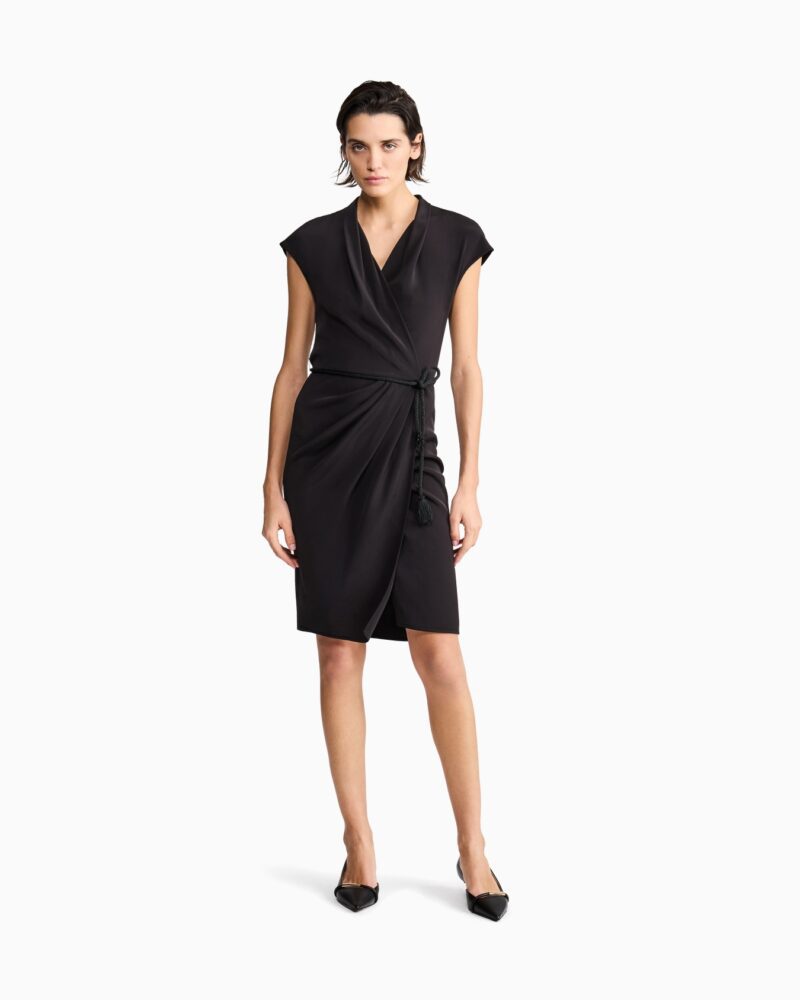
It is worth remembering that original Armani products also guarantee durability and quality craftsmanship. Counterfeits may look similar in photos, but in everyday use they quickly reveal their true nature. Over time, it turns out that paying a fair price for a certified product is simply a sensible decision.
Authenticity in fashion is a matter of respecting yourself and your own style. After all, it’s about wearing things that truly reflect our taste, not just a cheap imitation of it.
Stevv
Luxury Blog editorial team




Leave a Comment