

How much does the oldest wine cost? – Prices, records, and realities
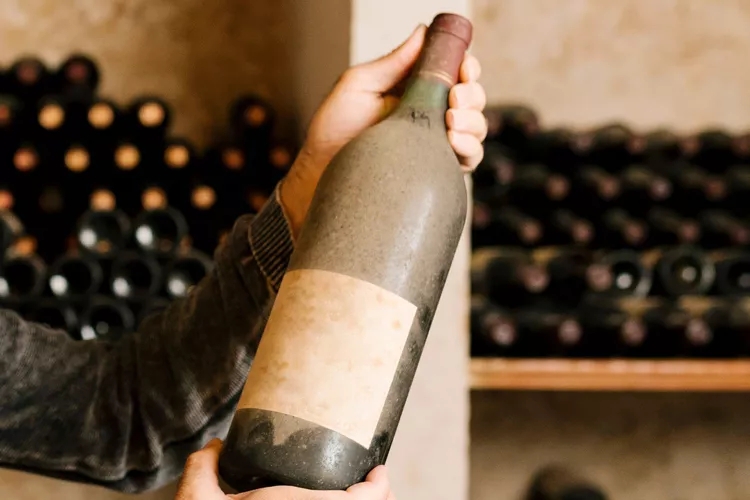
When you ask about the price of the oldest wine, you might mean a bottle sold for $120,000, a Roman museum vessel worth millions, or the Massandra collection that simply has never been appraised. The range is vast, because the term “oldest” itself means three different things.
It could refer to the oldest liquid preserved in a vessel (Speyer, 4th century AD, a priceless artifact), the oldest bottle sold at auction (Vin Jaune 1774, about $103,000 in 2018), or the oldest wine still drinkable (Madeira or Tokaji from the 18th century, ranging from $40,000 to $80,000 per bottle). Each category has its own price logic.
How much does the oldest wine cost and why is there no single price?
Interestingly, the price is almost never determined by taste. It is shaped by rarity, origin, the condition of the label, and the dynamics of the auction, where bidders’ emotions can drive the amount to twice the estimated value. As a result, the question about the cost sounds a bit like “how much does history cost.” It varies.
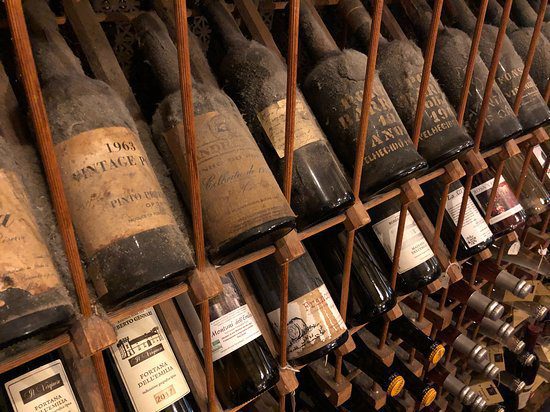
photo: tripadvisor.com
Below you’ll find precise definitions for each category, specific price records, and tips on how to distinguish an auction phenomenon from a collector’s antique.
Prices and records of the oldest wines on the market
When we talk about the oldest bottles on the market, we enter the range of $40,000–$120,000, depending on rarity and condition. Records? Well, those can be truly impressive. Here are some specific figures from documented sales:
| Wine/vintage | Auction house and date | Price |
|---|---|---|
| Vin Jaune d’Arbois 1774 (Anatoile Vercel) | Jura Encheres, 26.05.2018 | 103,700 € |
| Massandra Sherry de la Frontera 1775 | Sotheby’s London, 2001 | 43,500 USD |
| JCA & C Terrantez Madeira 1715 | Christie’s, 2016 | 39,000 USD |
| Imperial Tokay 1641 (Guinness WR) | Sotheby’s Geneva, 16.11.1984 | 1,250 SFr |
This Vin Jaune from Jura broke the record, although the other bottles from the same collection sold for €76,250 and €73,200. The buyers of Imperial Tokay are John A. Chunko and Jay Walker, which was entered into the Guinness Book of Records.
Rarity, origin, and condition of the bottle
The price of the oldest wine is always the result of several key factors working together. None of them operates in isolation.
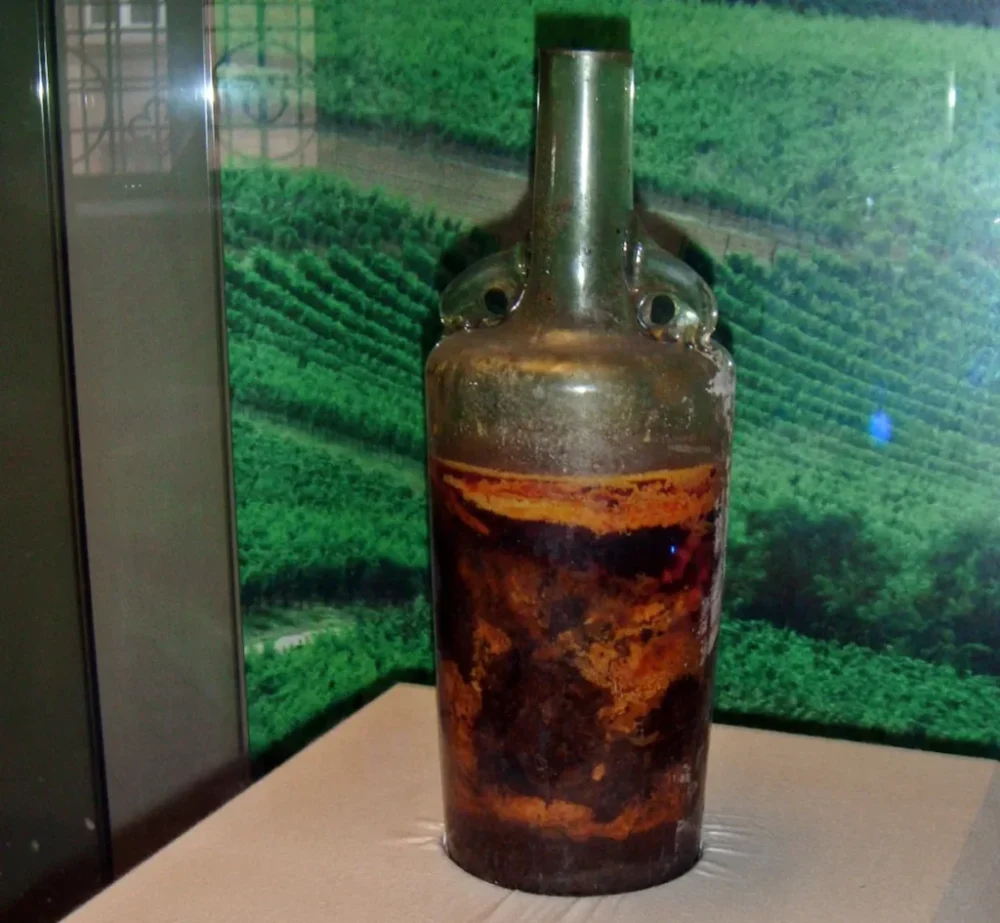
photo: thedrinksbusiness.com
Provenance and condition
Provenance, meaning the documented history of a bottle’s ownership, is fundamental. Continuity of documentation, certificates, original receipts, photos from the previous owner’s cellar—the more traces, the greater the trust. And the higher the price. Why? Because the market remembers scandals like the “Jefferson bottles” (supposed 18th-century wines belonging to Thomas Jefferson, which turned out to be forgeries). Since then, every serious buyer demands full documentation.
The condition of the bottle is the other half of the equation. The level of ullage, cork tightness, clarity of the capsule—everything matters. In old vintages, small details determine drinkability. A bottle stored for 200 years in cellars at a constant temperature is worth many times more than the same one with an unknown past.
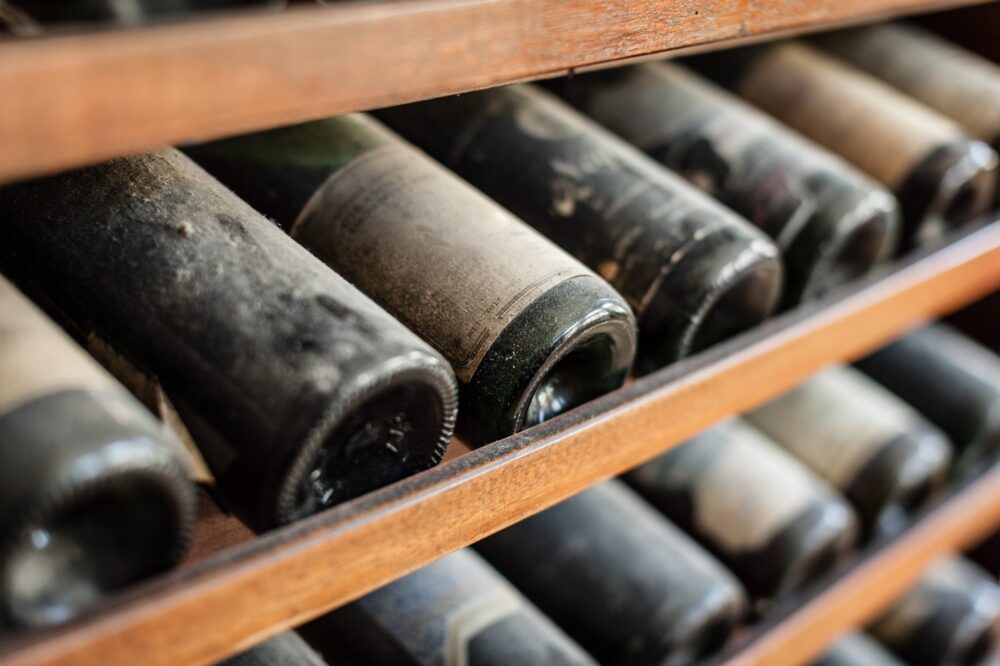
photo: europa.rs
Why do fortified wines last the longest?
The style of wine determines whether there will be anything left to drink after two centuries. Fortified wines ( Madeira, Sherry, Tokaji) and those with very high sweetness or acidity age much better than dry table wines. That’s why most of the oldest wines that are still drinkable today are fortified. Dry reds, even the finest, are rarely suitable for consumption after 200 years.
Rarity and the auction game
Historical context increases value – short vintages, wars, and natural disasters create scarcity. A classic example? In 2018, a bottle of Romanée-Conti 1945 was sold at Sotheby’s in New York for 558,000 USD. It’s not the oldest, but being the last vintage before the vineyards were uprooted made it ultra-rare.
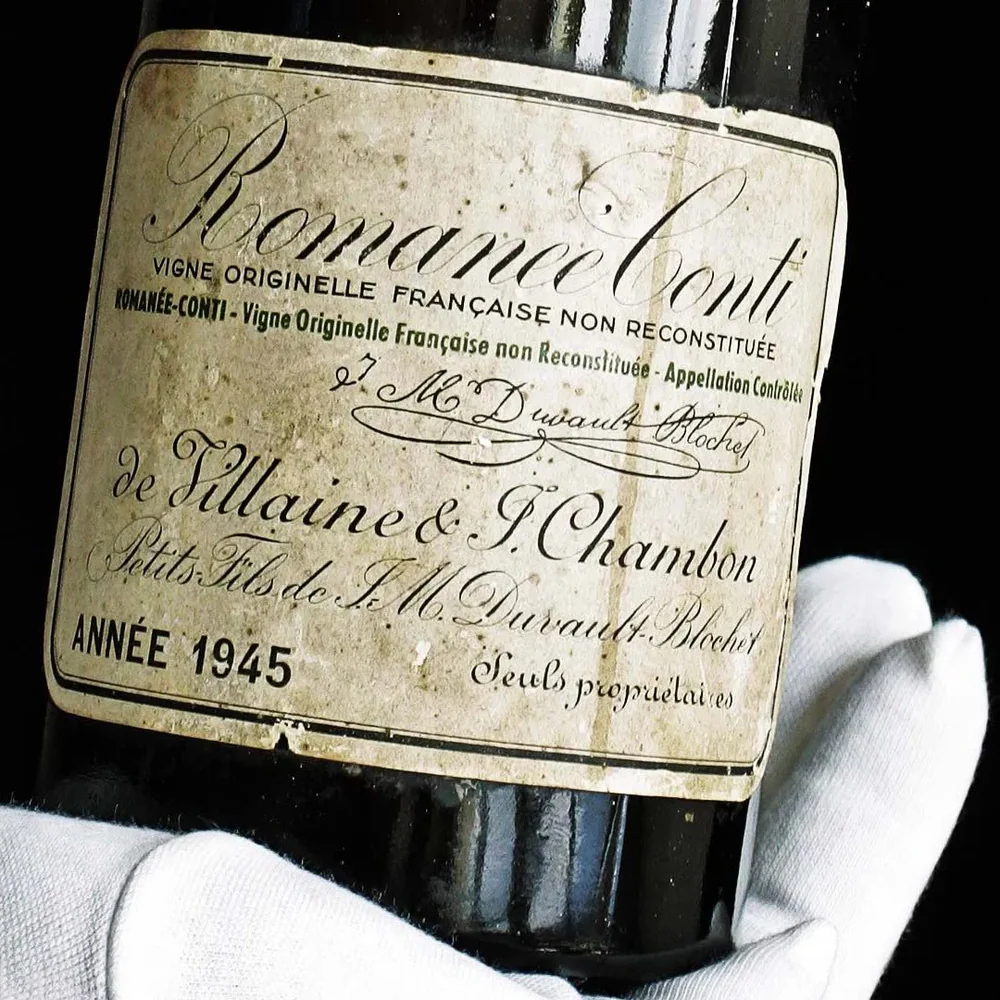
photo: corkframes.com
Auction dynamics add another layer. Houses like Sotheby’s or Christie’s attract competing buyers, especially from Asia since the early 21st century. Demand from this region has driven prices significantly higher. The final price? It’s often a matter of emotion between two people who truly want something.
Auction houses
If you are seriously looking for vintage bottles, start with auction houses that have a reputation to uphold. Sotheby’s and Christie’s regularly offer wines from the 19th century, while Jura Enchères specializes in Burgundies and rarities from the Jura region. The catch? You need to navigate their bidding system, know the provenance, and have patience.
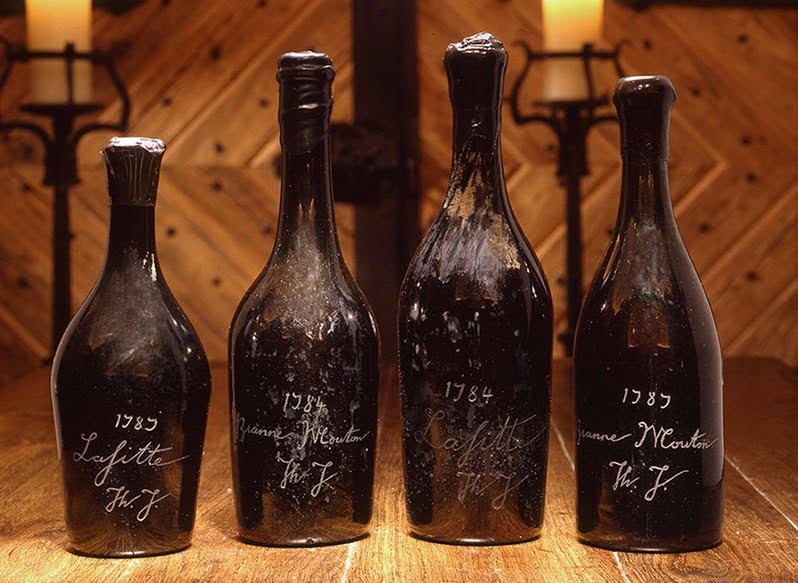
photo: oldest.org
An alternative is specialized dealers. Oldliquors.com, for example, offers Madeira from 1715 for around $49,000. Sounds simple, but here verification becomes your best friend.
Verification and transaction security
Before clicking “buy now,” check a few things:
- Provenance – complete documentation of origin, preferably including the names of previous owners
- Condition report – ullage (wine level in the bottle), cork condition, possible leaks
- Hi-res photos – label, cap, cork seen from different angles
- Certificates – if available, require confirmation from independent experts
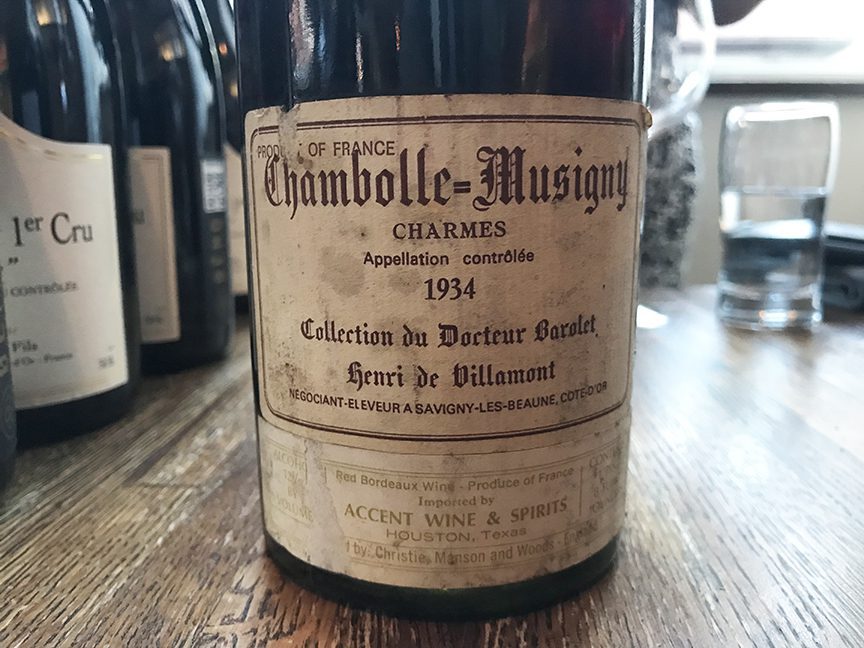
photo: dobianchi.com
Do you remember the “Jefferson bottles” case? Counterfeit wines allegedly belonging to Thomas Jefferson cost buyers millions. Since then, the market has become more cautious, but fraud still happens.
Transport is a separate issue. Insurance is absolutely essential, and the courier must understand what they are carrying. Personal pickup? The best option if you live in Europe.
Time in a bottle and the value of a moment
You see, the price of old wine isn’t just a matter of age. It’s a complex blend of history, rarity, provenance, and how much someone happens to want a particular bottle. A Bordeaux from 1945 might cost a fortune, but some forgotten table wine from the same era? It probably isn’t even drinkable anymore. What matters is the vintage, the producer’s reputation, the storage conditions, and how many bottles have survived to this day.
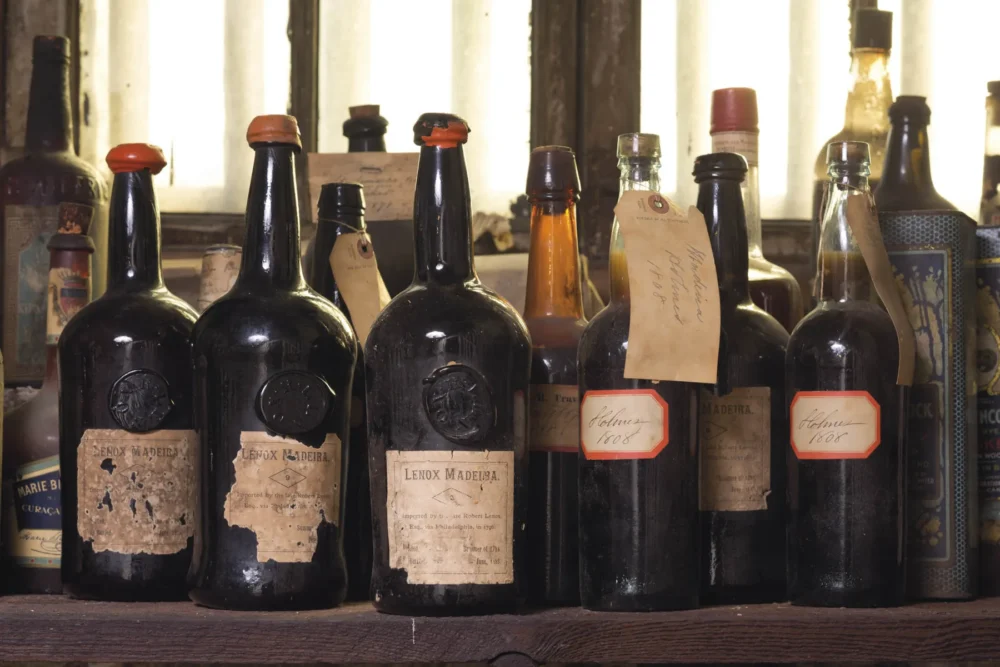
photo: bloomberg.com
That’s why the question ” how much does the oldest wine cost ” is a bit like asking about the price of the oldest car. It depends which one, right? Record-breaking auctions reach absurd prices, but most antique wines are either museum vinegar or curiosities for collectors who will never open them. Between these extremes lies a whole spectrum of possibilities.
In the end, we’re paying not just for the time in the bottle, but for the story it represents.
Jeffrey
investment editorial team




Leave a Comment