

Emporis Skyscraper Award — a prestigious architectural award
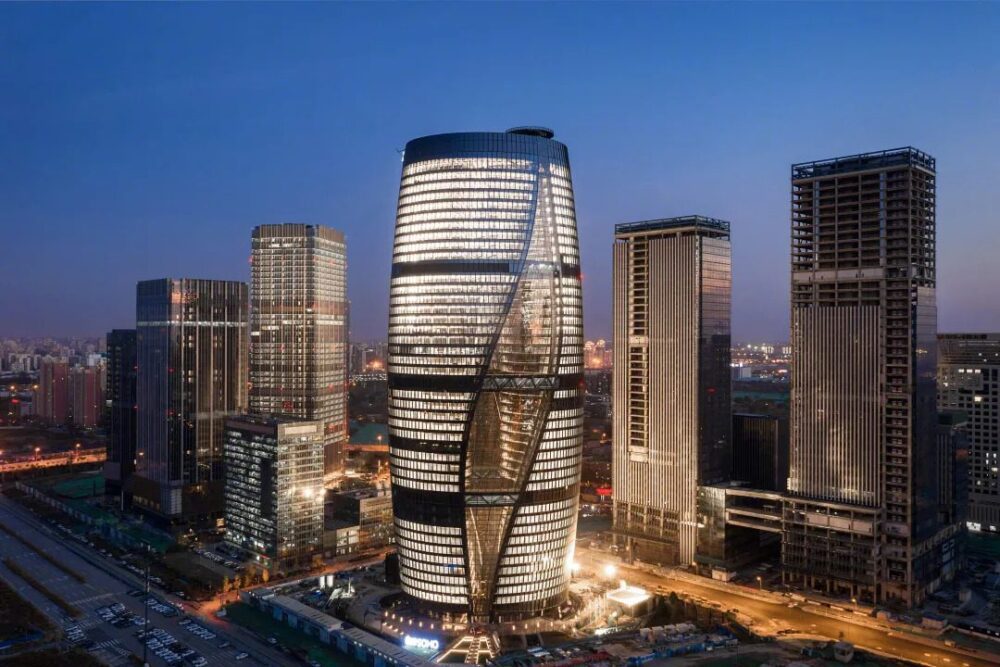
Awarded annually since 2000, this esteemed prize honors the world’s best skyscrapers, recognized for both their aesthetics and innovation. E mporis Skyscraper Award — a prestigious architectural prize is one of the most coveted distinctions in the field of architecture. With a focus on modern and sustainable solutions, this title has become a symbol of excellence in high-rise building design.
Emporis Skyscraper Award — a prestigious architectural award
The Emporis Skyscraper Award holds great significance for the architectural industry. It promotes modern and innovative solutions that inspire future projects. This award also impacts the real estate market by increasing the prestige of the awarded buildings and attracting investors and tenants.
What are the criteria for awarding the Emporis Skyscraper Award?
The Emporis Skyscraper Award is evaluated based on several key criteria. Above all, the jury focuses on the innovation of the projects and their contribution to the development of architecture. Another important aspect is aesthetics, which shapes the overall impression of the building. Additionally, the jury assesses how the building integrates with its surroundings and what significance it holds for the local community.
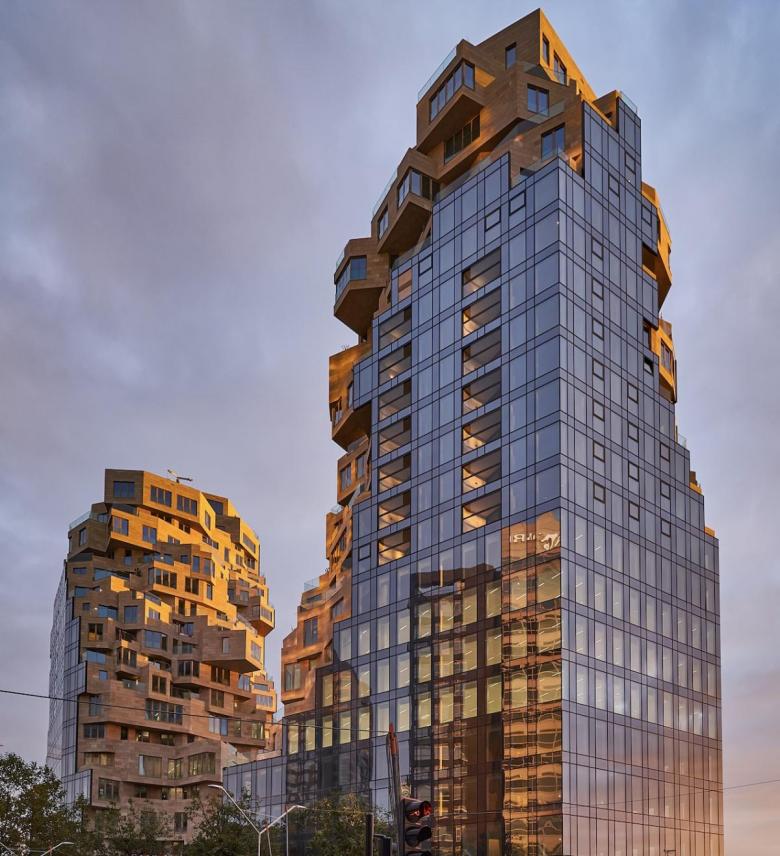
Award-winning skyscrapers often stand out for their advanced technologies that are revolutionizing high-rise construction. Examples include the use of modern materials, energy management systems, and smart technologies that enhance building efficiency and user comfort.
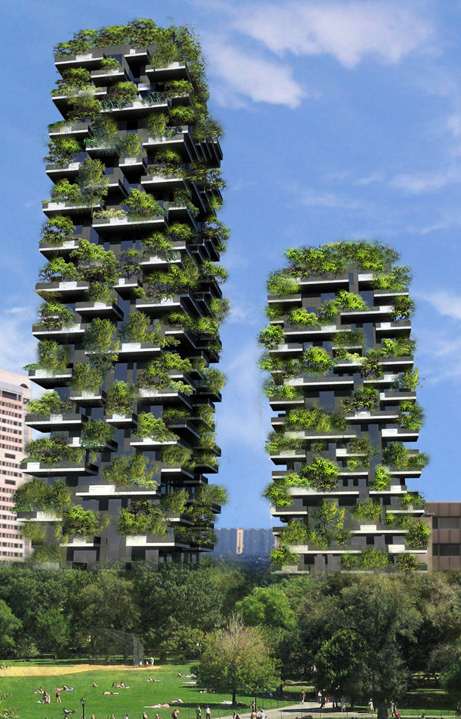
Sustainability is also becoming an increasingly important criterion in evaluating skyscraper projects. Award-winning buildings often stand out for their eco-friendly solutions, such as energy management systems, the use of renewable energy sources, or innovative water recycling systems. Examples like Bosco Verticale in Milan demonstrate how architecture can support environmental protection.
What is the significance of the Emporis Skyscraper Award for architects?
Winning the Emporis Skyscraper Award can have a significant impact on an architect’s career. This distinction opens doors to new projects, increases recognition, and elevates prestige within the industry. Many renowned names in architecture received their first major acclaim thanks to this award.
Skyscrapers that win the Emporis Skyscraper Award often have a significant impact on the development of the cities in which they are located. They can attract tourists, increase property values in the surrounding area, and inspire future urban projects. Examples such as The Shard in London or Taipei 101 in Taiwan demonstrate how high-rise architecture can shape the urban landscape.

What are the latest trends in skyscraper design?
The latest trends in skyscraper design are evolving in response to dynamic changes in technology, ecology, and society. Among the key trends are:
Sustainability
Designers are increasingly incorporating eco-friendly materials, renewable energy sources, and advanced resource management technologies.
The use of modern technologies
Building Management Systems (BMS) enable intelligent monitoring and control of energy consumption, lighting, air conditioning, and security. These technologies enhance user comfort and operational efficiency of buildings. Additionally, the use of advanced materials such as photovoltaic glass or carbon composites allows for the construction of lighter, more durable, and energy-efficient structures.
Spatial flexibility
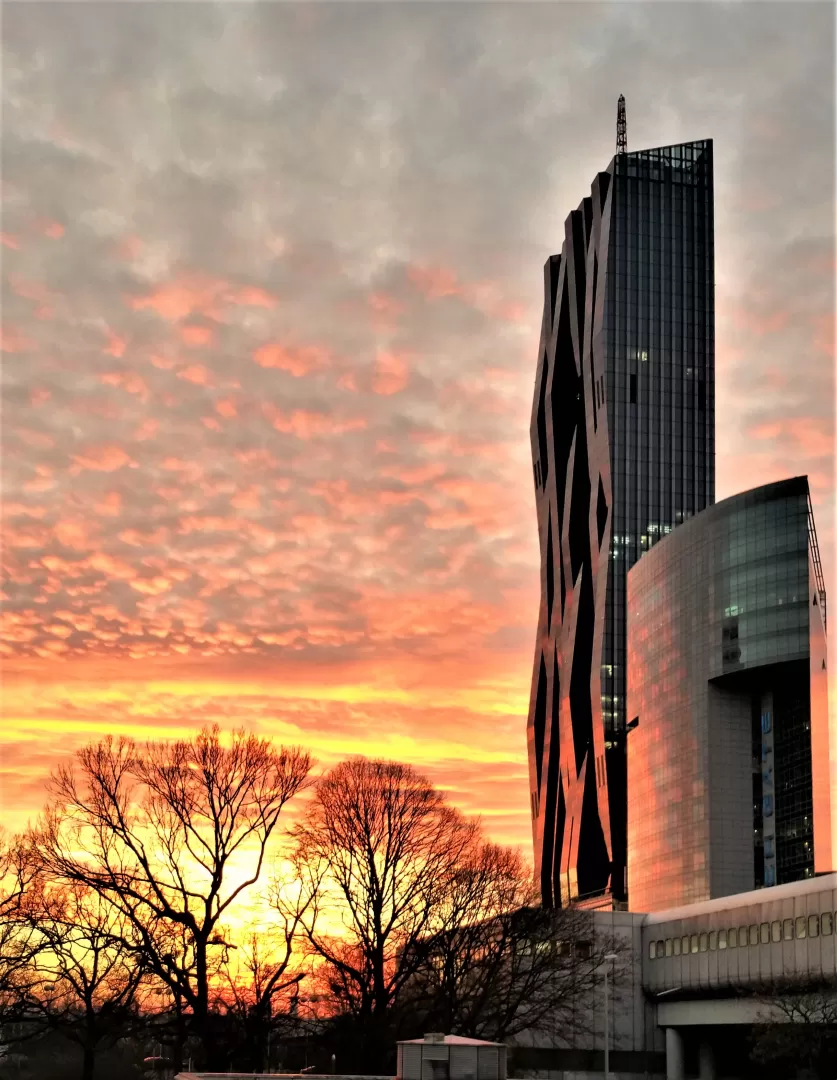
Spaces in skyscrapers are designed in a modular way, allowing for easy transformation of offices, apartments, or communal areas. Flexible interior arrangements promote better ergonomics, creativity, and productivity, while also providing greater adaptability in response to changing work conditions.
The concept of a “smart building”
The concept of the “smart building” is gaining popularity in skyscraper design. Intelligent buildings are equipped with advanced automation systems that allow remote control and monitoring of various building functions. Thanks to integration with the Internet of Things (IoT), skyscrapers can dynamically respond to users’ needs, optimize energy consumption, and provide a higher level of safety and comfort.






Leave a Comment