

Digital prestige and wealth. Are NFTs the future of luxury?
NFT tokens stormed into the online mainstream and quickly captured the hearts—and wallets—of people, especially the younger generation. It seems like it’s all over now. The fleeting trend lasted two years, and all that’s left in the digital wallets of NFT enthusiasts are unique but worthless scraps of code. However, the fact that we don’t hear much about non-fungible tokens at the moment doesn’t mean it was just a passing fad. While the NFT market is experiencing a capital drought, major companies are starting to invest in this technology with a clearly long-term perspective.
More and more aspects of our lives are gradually being recorded in digital form. We used to go out to the cinema; today, we “log in” to Netflix. We used to go shopping, but now we visit online stores. In the past, to have a conversation, we had to meet in person—now we’re in touch 24/7 through voice and text messengers. Fortunately, physical meetings haven’t become obsolete just yet, but—like it or not—everything seems to be heading in a direction where going out to a party, a get-together, or even for coffee won’t require leaving the house! This is thanks in part to the emerging technology of the metaverse (virtual reality), as well as NFTs.
New world, old rules. Metaverse users surround themselves with digital luxury
According to the NFTevening.com portal, the Decentraland metaverse is visited by 8,000 unique users every day. Meanwhile, the Sandbox metaverse recorded a digital population of 1 million unique users throughout 2022. And these aren’t the only platforms of this kind—Meta is also working on its own, which is even suggested by the company dropping the Facebook name as the umbrella for its conglomerate of major social media platforms, including Instagram, Facebook, and WhatsApp. Visionaries—such as Mark Zuckerberg, founder of Facebook—see the future in the metaverse. Exclusive brands are also taking notice, bringing their physical collections into the digital world. In fact, they’re even opening their own stores there!
Transferring real life into the virtual world means that people also bring their natural instincts with them. For now—and probably for a long time, if ever—we won’t be able to satisfy physiological needs in virtual reality. However, other needs can already be met there, such as the desire to stand out from the crowd or to own limited-edition or unique items. NFT technology has made it possible to secure uniqueness—making a digital item truly one of a kind.
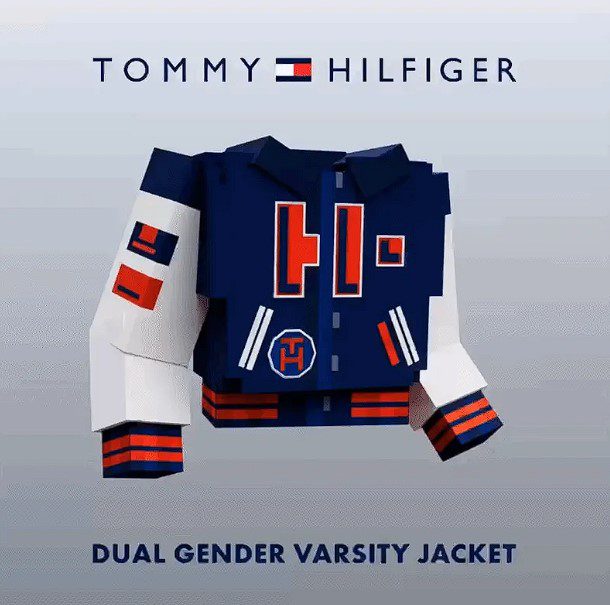
NFT token – secured by blockchain cryptography – can serve as a unique certificate of authenticity, the first truly unforgeable and genuinely unique one. The digital world makes it easy to assign it to a digital item it is meant to represent. That’s why various metaverses are seeing the arrival of numerous well-known, prestigious brands – from automotive and clothing to fashion and even banks! If a famous fashion brand sells one of its collections as an NFT, it can be digitally recreated. This means that avatars (characters) in the metaverse can be “dressed” in Nike or Adidas shoes, Hilfiger clothing, and carry a Louis Vuitton bag at their side.
Prestige hidden in code. Global brands are buying up “land” in the metaverse
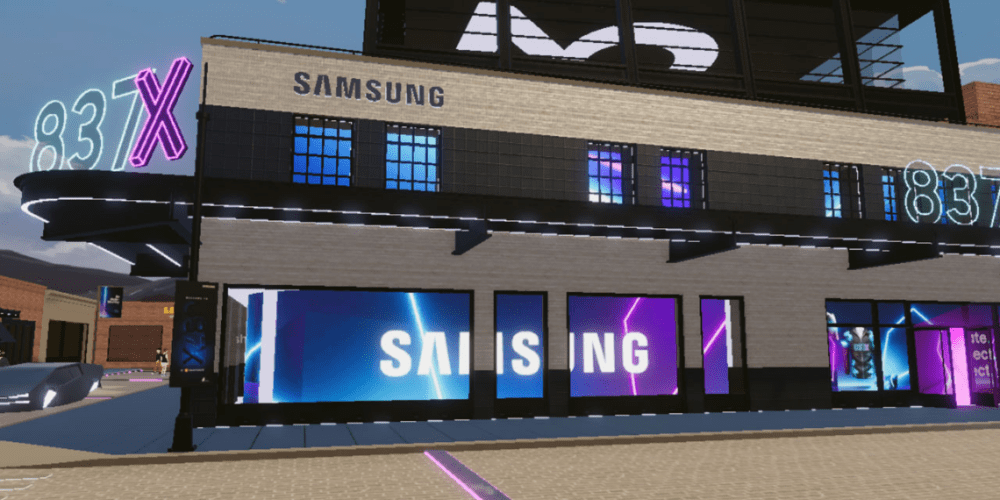
But that doesn’t really mean anything yet, does it? Well-known brands could have simply capitalized on the NFT and metaverse trend when it peaked around 2021–2022. However, the brands mentioned above—and many others—are now opening their own “brick-and-mortar” boutiques in various metaverses. Giants like Adidas, Gucci, Tommy Hilfiger, Nike, Burberry, and Louis Vuitton have already purchased plots in digital metropolises. The Korean tech titan Samsung has also acquired virtual retail space. The same goes for banks like JP Morgan and HSBC. NFTs of cars have even appeared in the metaverse, along with their digital counterparts—for example, Acura, the premium brand owned by Japan’s Honda Motors. Other brands, such as Ferrari and Lamborghini, have released or are planning to release NFT collections. In the future, it’s highly likely they’ll also open their own showrooms in the metaverse.
Certainly, not all “virtual worlds” will succeed. Many key players are still in the development phase—like the famous project by Mark Zuckerberg. However, it is clear that this is not just a passing trend, and the metaverse combined with VR, NFTs, cryptocurrencies, artificial intelligence, and other technological innovations have the potential to become part of our future landscape.






Leave a Comment