

Are copper pots healthy?
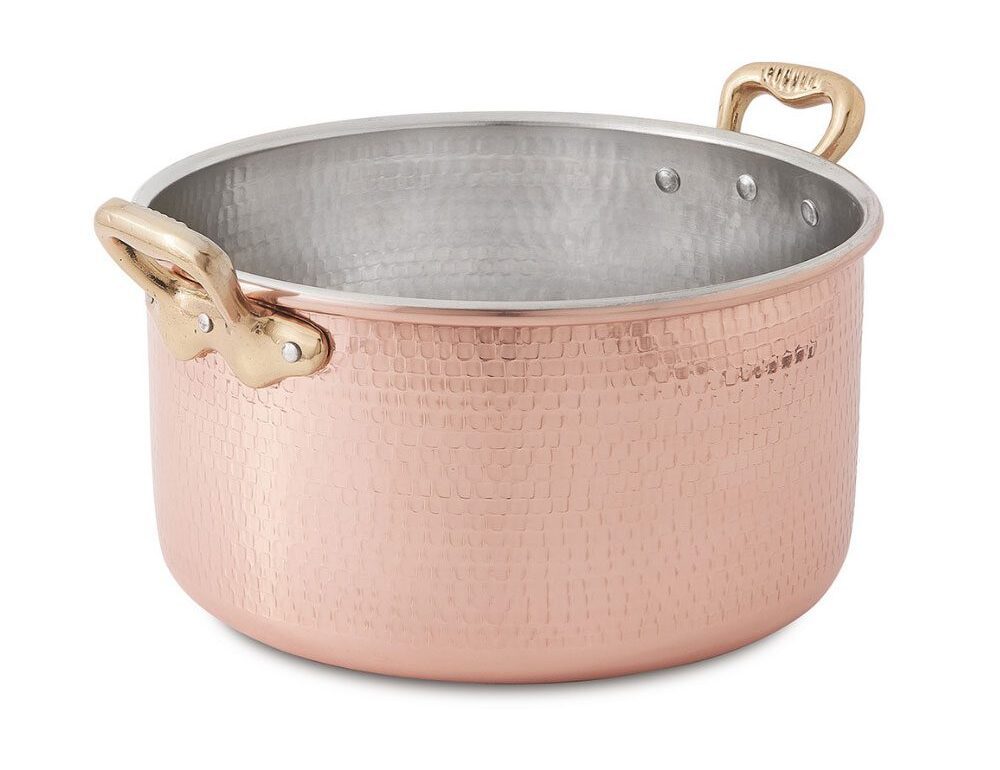
As it turns out, it’s not only what you cook and how you prepare your dishes that matters, but also what you cook them in. Are copper pots healthy? While Teflon was recognized as potentially hazardous some time ago, pans and pots made from natural materials continue to prove their positive impact on health. According to further studies published on the PubMed portal, cooking food and storing water in copper vessels is not only healthy but also has a very beneficial effect on bacterial flora. Research shows that copper containers prevent the growth of pathogens. But what does this mean for everyday use? Are copper vessels healthier than those made of steel or silver?
Copper in the history of humanity
Can you imagine the development of civilization without copper? This versatile metal has accompanied humanity for thousands of years. One could even say it has changed the face of the world. As early as the Bronze Age, when it was discovered that an alloy of copper and tin creates a harder and more durable material, humanity took a giant leap in technology—better tools, weapons, and ornaments began to emerge. Copper became a symbol of power and progress. Cyprus—the main supplier of this valuable resource in antiquity—even gave it its name (Latin cuprum).
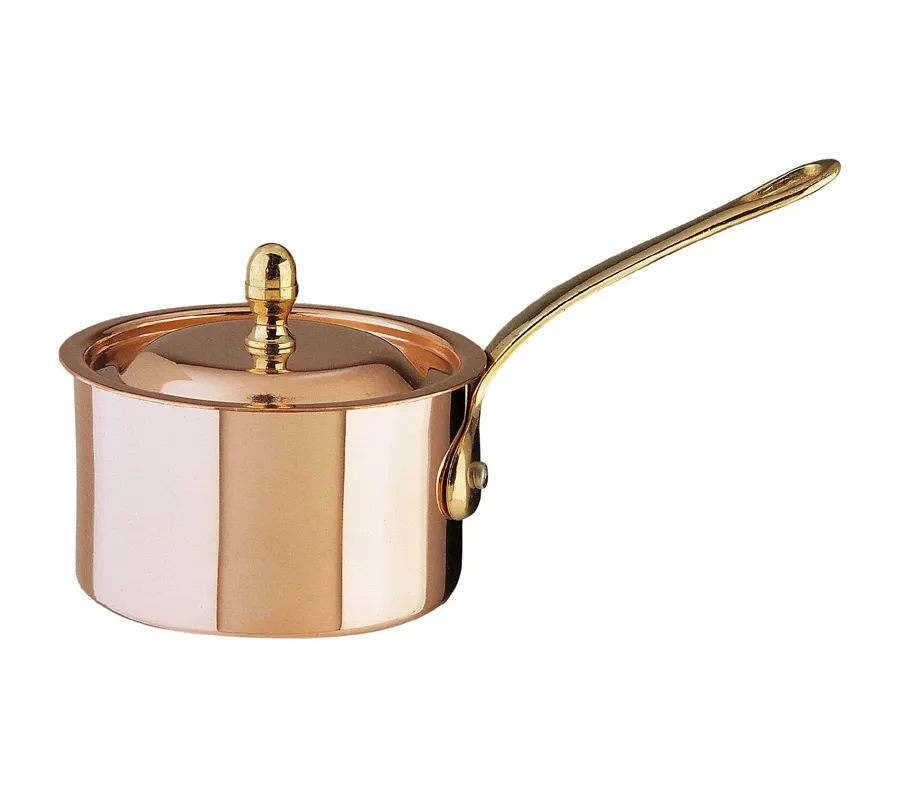
Without copper, there would be no monumental buildings topped with roofs made from its alloys, no magnificent statues, and no development of trade. Thanks to copper coins, trade gained new possibilities. Even today, in the digital age, copper remains irreplaceable—it conducts electricity, connects the world with cables, and drives technological progress. Isn’t it fascinating that a metal discovered thousands of years ago is still the foundation of our everyday lives? So when we wonder whether copper pots are healthy, we only need to consider humanity’s long-standing relationship with this element. The answer becomes obvious. And scientific research confirms it.
Are copper pots healthy? Scientific studies dispel the doubts
Copper cookware has been valued in kitchens around the world for centuries. Modern science is providing increasing evidence of their beneficial effects on health and the quality of prepared dishes. Research published in the Journal of Health, Population and Nutrition (2012) confirmed that copper has strong antibacterial properties. What does this mean? Thanks to these properties, it is extremely effective at eliminating pathogens such as E. coli and Salmonella. Experiments have shown that storing water in copper vessels for just 16 hours reduces the number of bacteria by more than 99%.
When comparing copper to other materials used in the kitchen, such as stainless steel and silver, studies have shown that copper neutralizes bacteria more quickly and effectively. Silver, while also possessing antibacterial properties, works at a slower rate. In contrast, stainless steel exhibits virtually no such qualities. At the same time, research indicates that using copper cookware is safe, provided it is used properly—for example, by avoiding cooking highly acidic foods in them, as this can lead to excessive release of copper ions.
Laboratory studies simulated the conditions of everyday use of copper pots. During these tests, the level of copper migration into food and water was monitored. The results confirmed that these amounts are minimal and remain within the limits set by the World Health Organization (WHO). Additionally, copper, as a trace element, is essential for the proper functioning of the body, supporting the immune system and metabolism.
So, are copper pots healthy? As is probably clear by now, they can be a healthy choice in the kitchen, provided they are used mindfully. Their unique antibacterial properties set them apart from other materials. This makes them not only practical but also beneficial for your health.
Copper – an essential element for health
Copper is a trace element that plays an important role in many biological processes in the human body. Its positive effects include:
- Energy production – involved in metabolic processes within the mitochondria.
- Collagen and elastin production – supports the health of skin, blood vessels, and connective tissue.
- Hemoglobin synthesis – supports oxygen transport throughout the body.
- Immune boost – has anti-inflammatory properties and supports the immune system.
- Antioxidant action – neutralizes free radicals, protecting cells from damage.
- Nervous system development – supports brain function and neural transmission.
- Maintaining heart health – regulates cholesterol levels and supports heart function.
Risks and effects of copper deficiency or excess
Copper deficiency can lead to anemia, weakened immune system, neurological disorders (such as difficulty concentrating), bone problems (osteoporosis), and heart rhythm disturbances. Symptoms can be subtle, which is why the deficiency often goes undiagnosed.
Copper overdose, although rare, can occur as a result of excessive exposure to copper (e.g., from contaminated water or supplements). Symptoms include:
- Short-term: nausea, vomiting, abdominal pain, and diarrhea.
- Long-term: liver and kidney damage, jaundice, neurological disorders (e.g. seizures), and symptoms resembling depression.
Both copper deficiency and excess require consultation with a doctor to avoid serious health consequences. Maintaining an appropriate copper level is very important for your health and well-being.
What should you pay attention to when cooking with a copper pot?
Cooking with copper pots is a true pleasure. However, it’s worth keeping a few rules in mind to fully enjoy their benefits. Copper conducts heat exceptionally well, making it perfect for dishes that require precise temperature control, such as sauces, creams, or caramel.
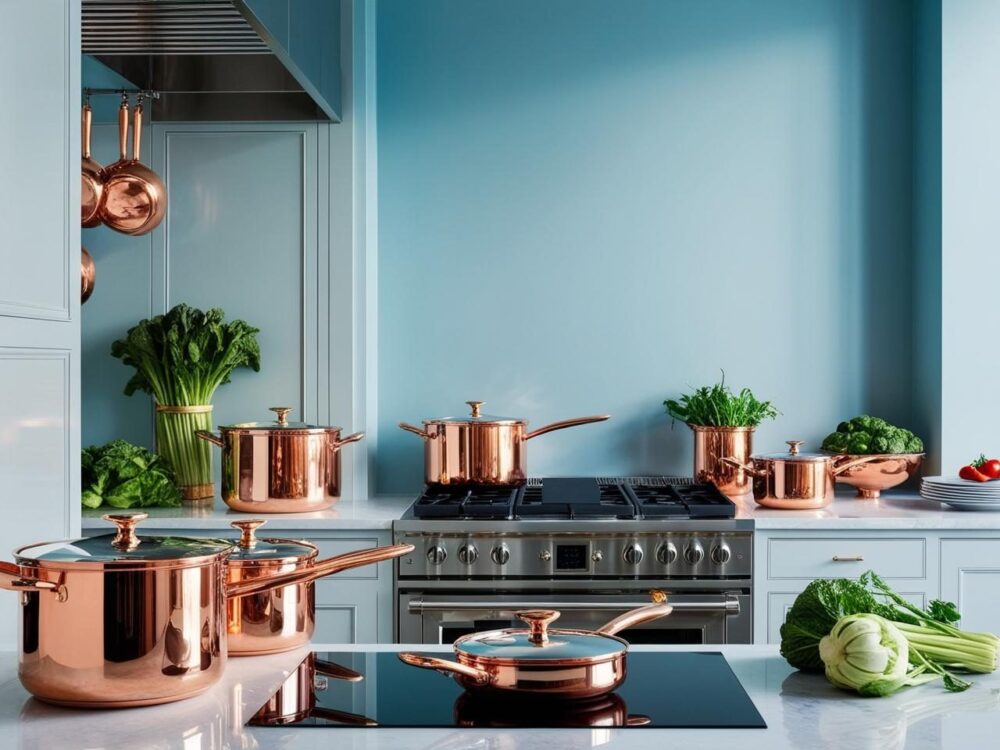
However, you should avoid storing acidic foods in them, such as dishes with tomatoes, lemon, or vinegar. Contact with acids can cause copper to leach into the food, which in excess may be harmful. That’s why most modern copper pots are lined with a layer of stainless steel or tin, which prevents this risk. It’s also worth washing them by hand and avoiding harsh detergents to maintain their beautiful shine and functionality. Cooking with copper pots is not just a culinary art, but also a touch of luxury in your everyday kitchen! There’s really no need to wonder anymore whether copper pots are healthy—just start cooking. How?
How to cook with copper pots – chefs’ tips
Cooking with copper pots – is there anything better for culinary enthusiasts who value precision and exceptional taste? As many chefs, including Alain Ducasse, emphasize, “copper is the perfect tool, allowing you to control the temperature to the exact degree.” Thanks to its outstanding thermal conductivity, copper cookware is indispensable when preparing delicate dishes such as creamy sauces, risotto, or chocolate ganache.
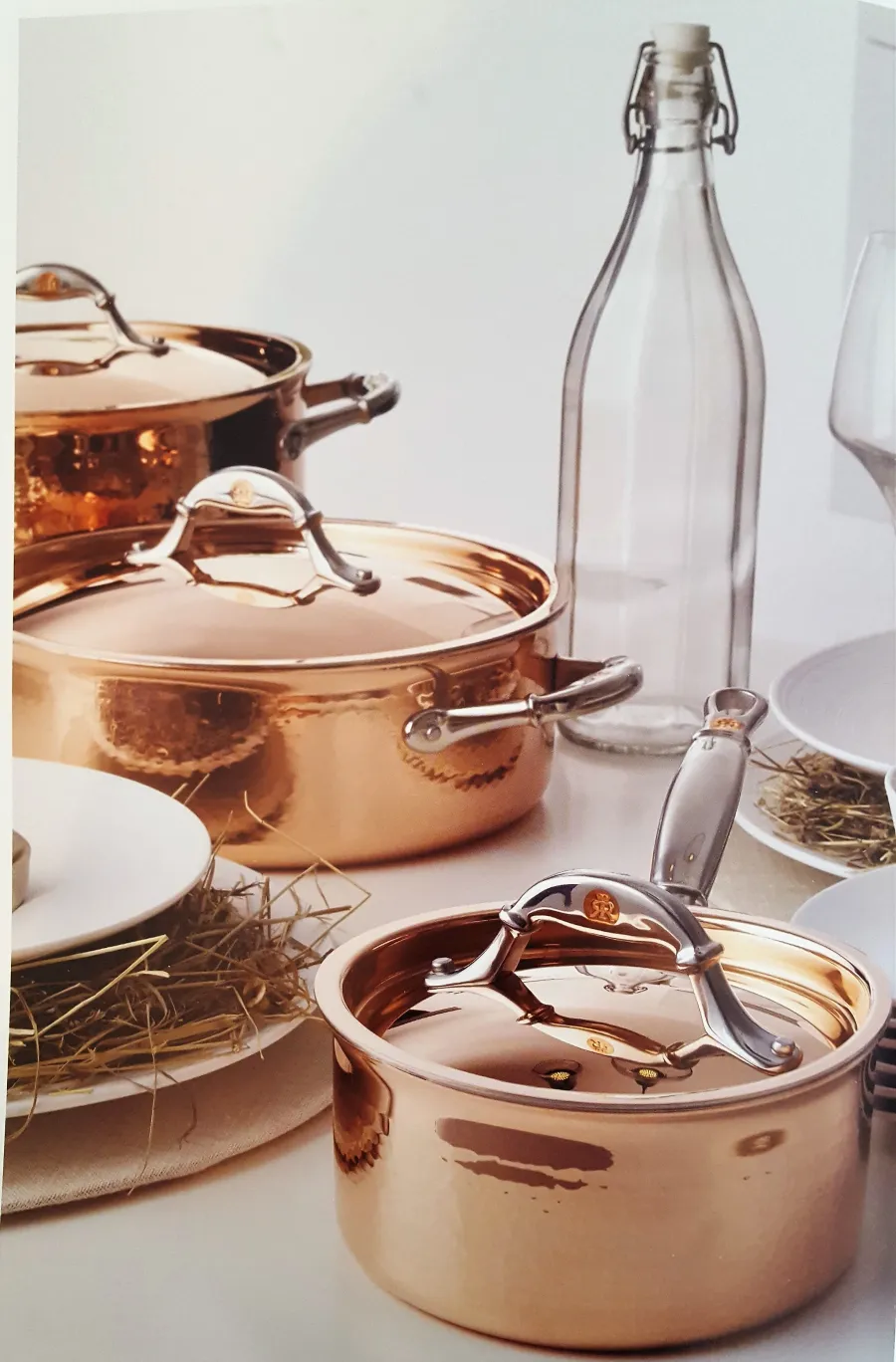
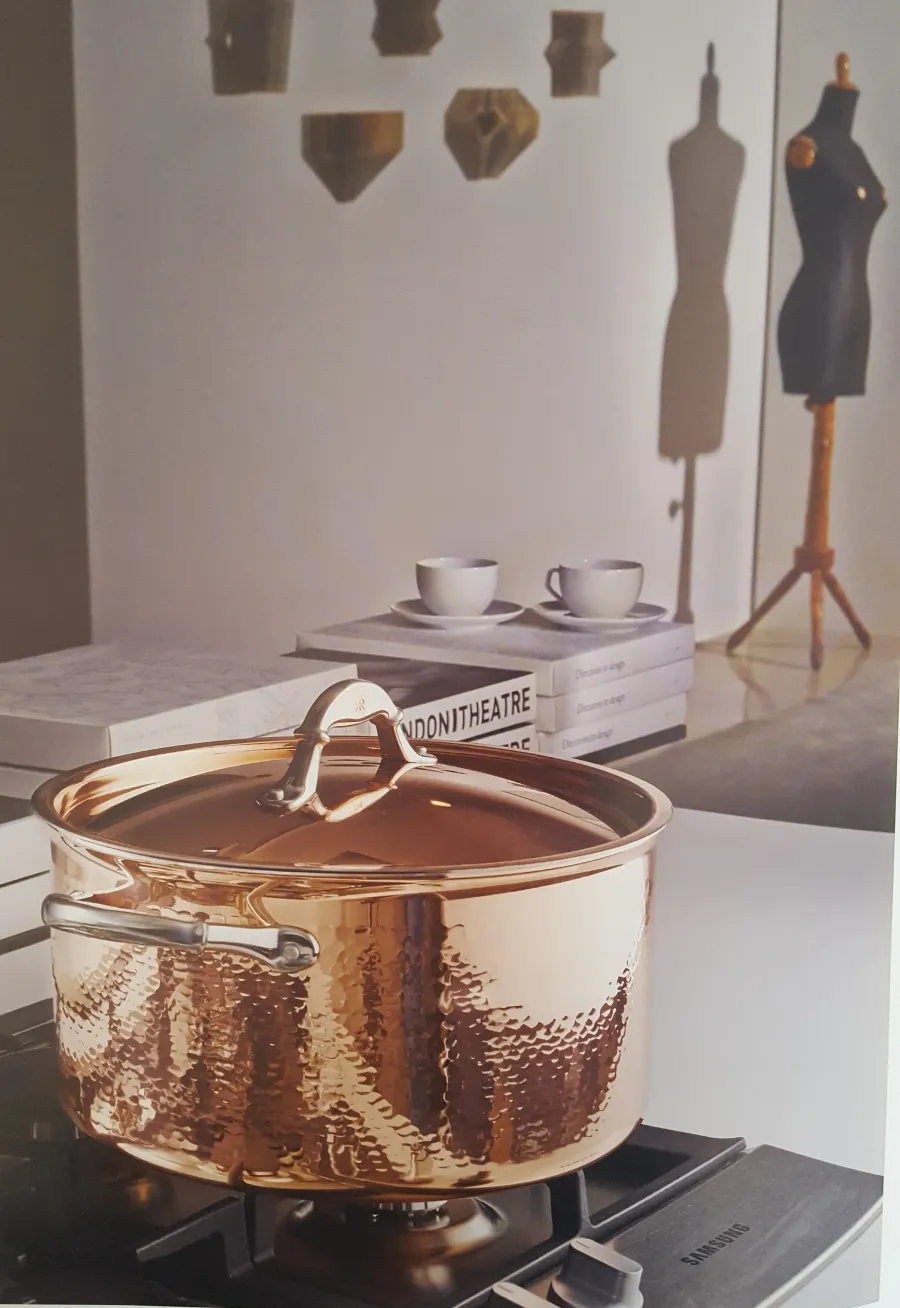
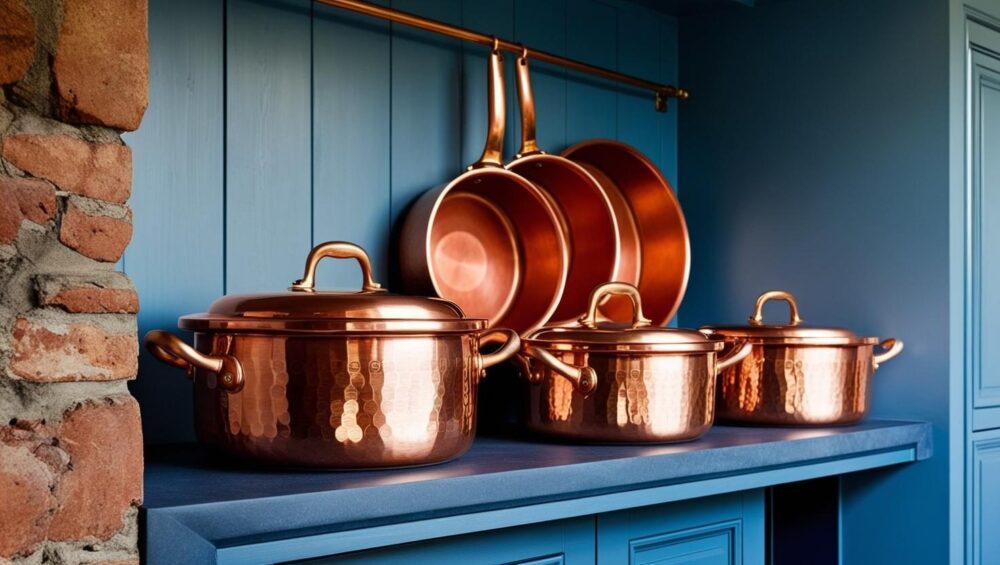

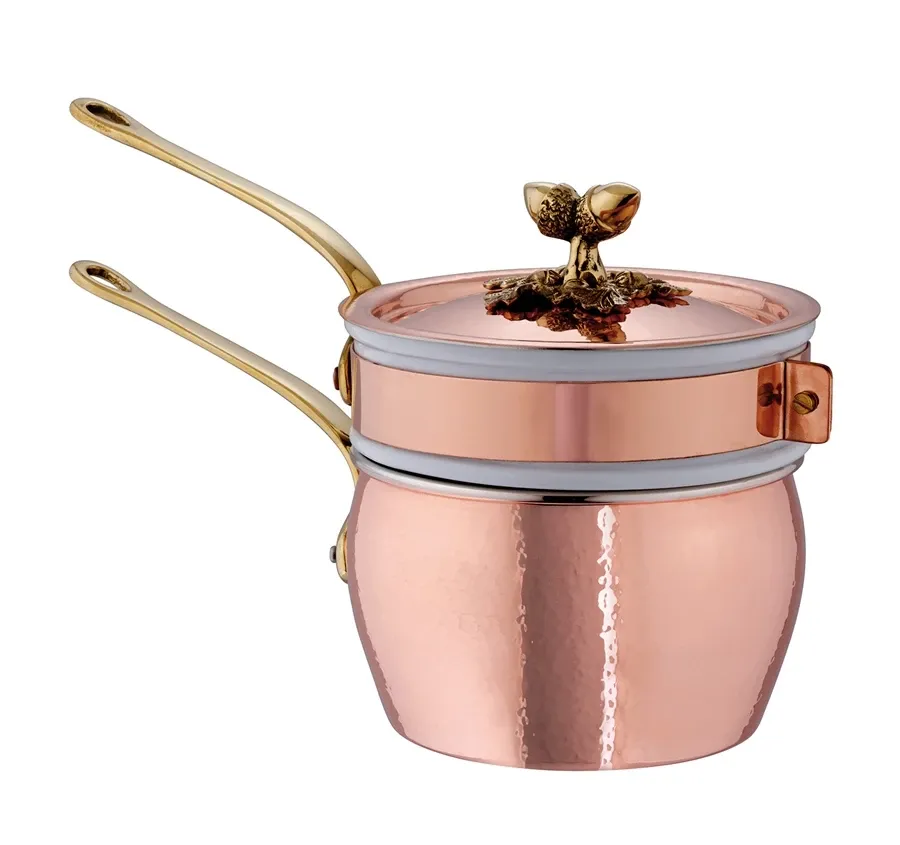
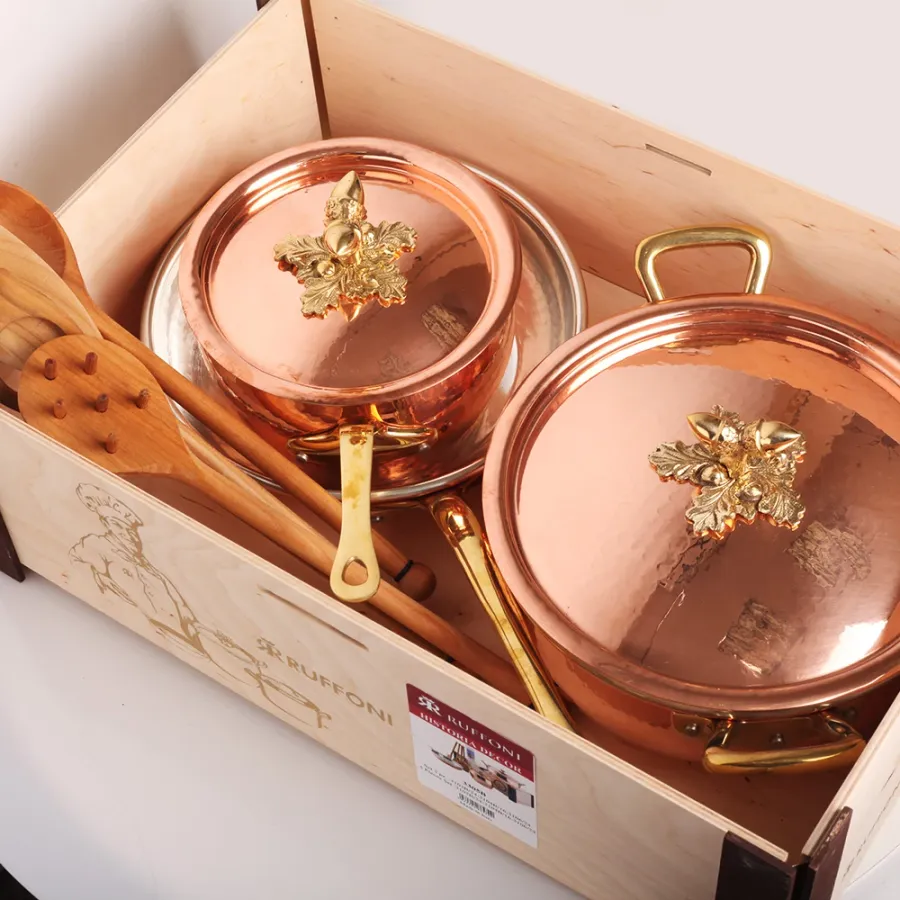
Experienced chefs also recommend them for caramelizing vegetables and searing meats. Even heat distribution ensures perfect texture and flavor. A key tip: always preheat the pot well before cooking, but avoid excessively high temperatures to prevent damaging the inner protective layer.
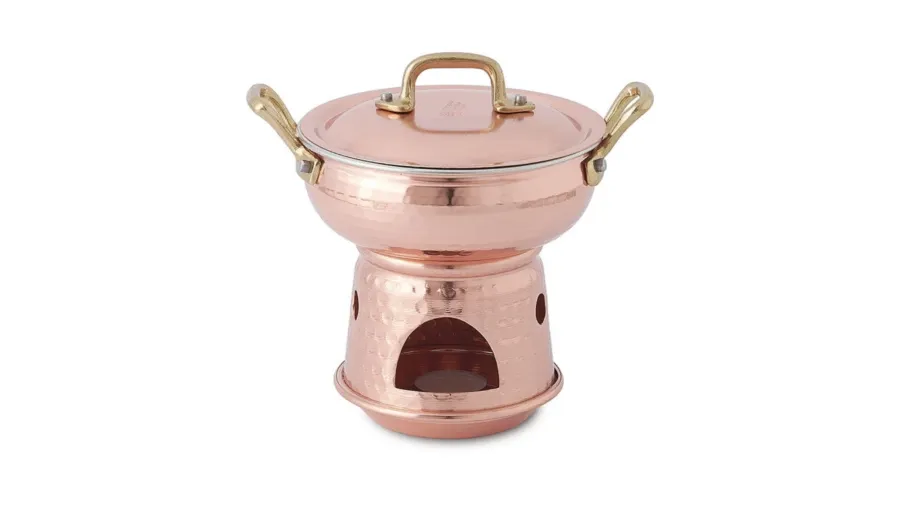
Gordon Ramsay suggests preparing classic hollandaise sauce in copper saucepans—their heat conductivity minimizes the risk of curdling. For dessert enthusiasts, copper pots are the perfect choice for making homemade candies or preserves. Remember to wash them by hand after cooking and polish them regularly to maintain their beautiful shine—because cooking is also about aesthetics! And a kitchen equipped with copper cookware looks elegant and luxurious.
Healthy and stylish – the most beautiful copper pots and cookware
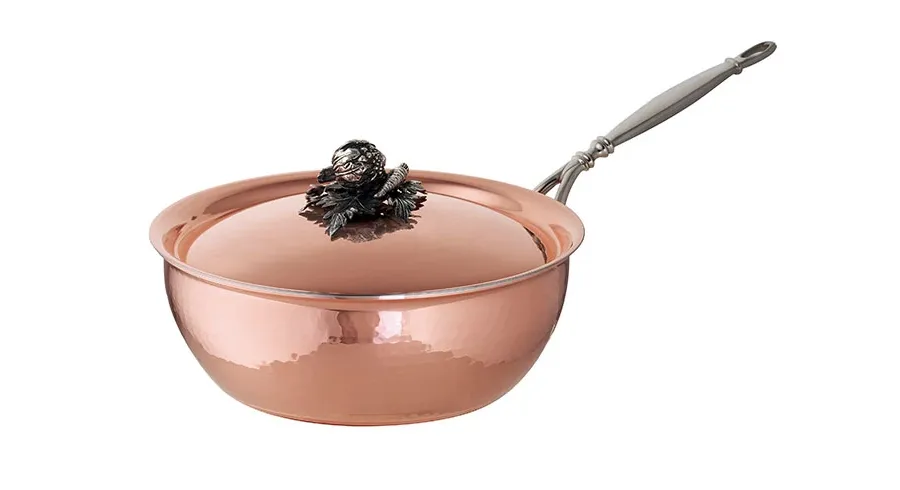
Copper pots are more than just cooking tools. They are often true works of art that adorn kitchens around the world. Crafted for centuries in traditional workshops in places like Italy, France, Spain, and India, copper cookware is not only elegant but also exceptional in terms of functionality.
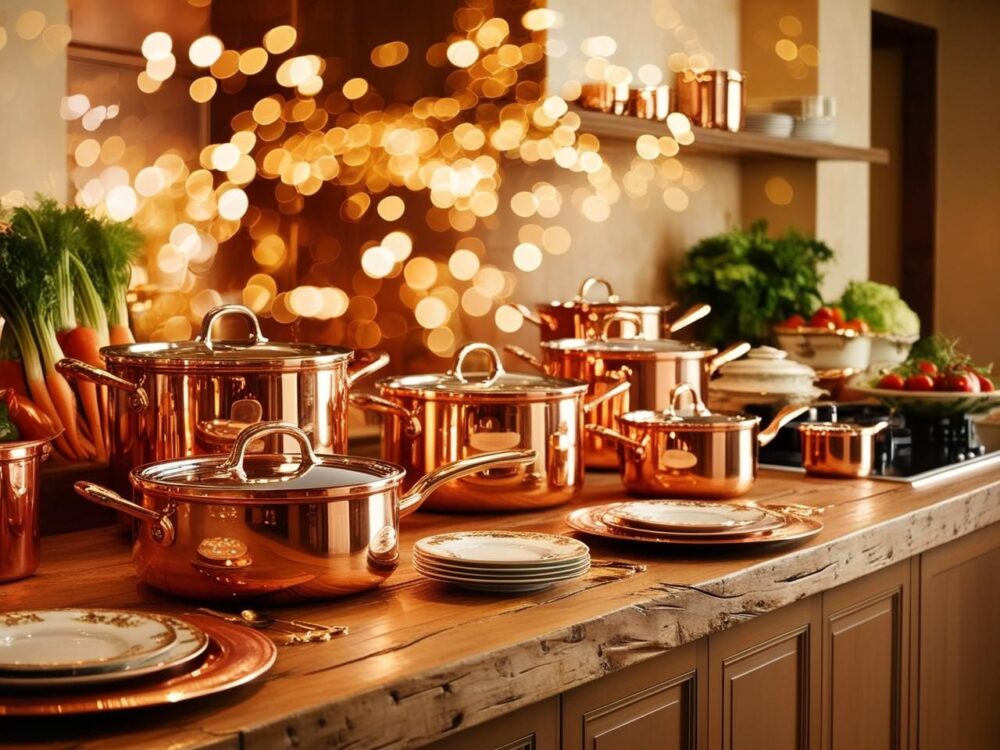
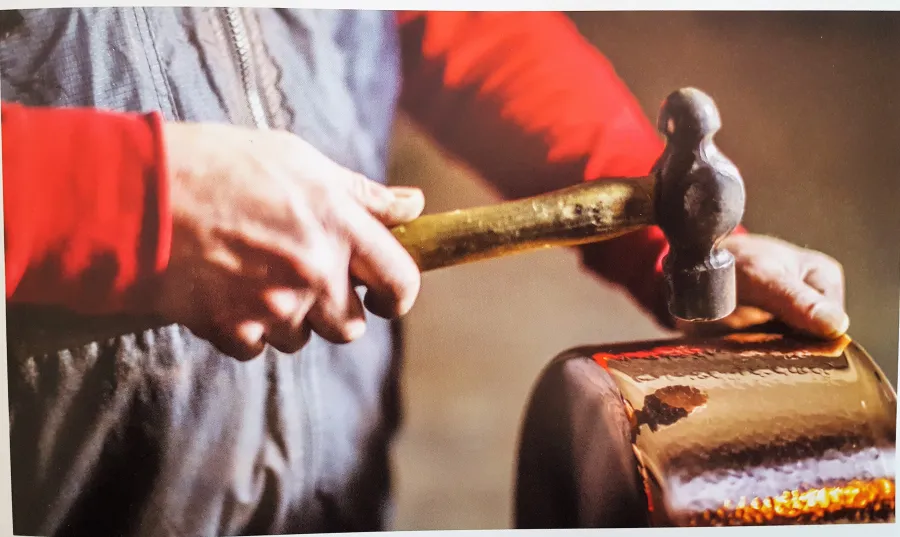
The best pots are handcrafted. Skilled artisans pay attention to every detail and ensure meticulous, precise workmanship. That’s why the question “are copper pots healthy?” should be answered in this context: when properly protected, they are absolutely safe, and their excellent heat conductivity ensures that dishes cooked in them retain their full flavor and nutritional value.
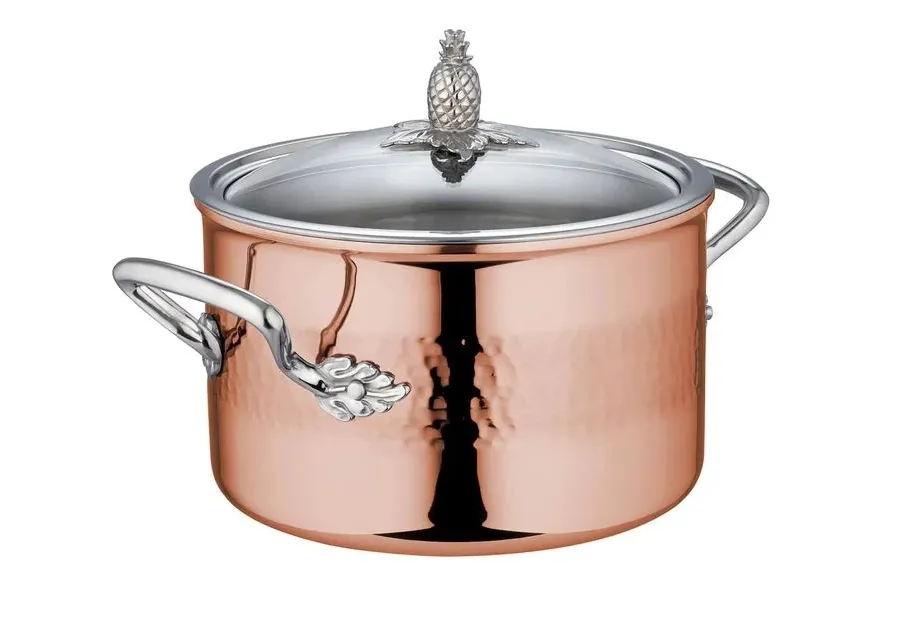
Such cookware fits perfectly in rustic kitchens, where it adds warmth and character, as well as in modern interiors, where it serves as a striking accent. Beautifully displayed on shelves, copper pots are not only practical but also aesthetically pleasing—they are an investment in elegance, health, and the quality of cooking.





Leave a Comment