

Will down jackets still be in style for winter 2025?

You’ll spot them on the street, in the subway, in every shopping mall—down jackets have become an almost mandatory part of winter life in Poland. And honestly, it’s easy to see why. We’re talking about outerwear that often weighs less than a kilo and a half, fits into a backpack, and on a freezing day keeps you warmer than any thick wool coat ever could. A down jacket (also known simply as a puffer) is filled with natural down—usually goose or duck—which insulates by trapping heat in microscopic fibers that create tiny “air cushions.”
Will down jackets still be in fashion in winter 2025?
And now the most important question: will puffer jackets still be in style for the 2025 /2026 season? The answer is: absolutely yes. Just take a look at the latest winter collections from premium brands and high street stores—puffer outerwear features in almost every one of them. What’s more, weather forecasts for winter 2025 predict colder months ahead, so the need for warm jackets isn’t going anywhere.

photo: switchbacktravel.com
From technical gear to fashion sensation
Do you remember those old, loudly rustling “duvets” that made you look like Michelin? Well, today’s down jackets are a completely different story. To understand how we arrived at today’s sleek, fashion-forward designs, it’s worth going back to the very beginning.
From Eddie Bauer’s Skyliner to Moncler and Canada Goose
It all really began in 1936, when Eddie Bauer—after nearly freezing while fishing—created the first commercial down jacket: the Skyliner model. It was a breakthrough. Previously, down was mainly used in sleeping bags, but Bauer showed that you could actually wear it.
In the 1960s and 70s, down jackets became a mountain essential—brands like The North Face and Patagonia were developing outdoor technologies. Fill power became the benchmark for quality—the higher, the better. Honestly, that’s when the whole technical language used by manufacturers today was born.
The real boom came in the following decades:
- 1970s-80s: Moncler (founded in 1952 for skiers) begins to establish itself as a luxury brand
- The 90s: Canada Goose enters the market with extreme jackets for polar explorers and filmmakers
- The down jacket is no longer just “gear” – it’s becoming a lifestyle statement
How the puffer jacket took over Polish streets since the ’90s
In Poland, the path was a bit different. In the 1990s, the first mass imports from Asia appeared—remember those cheap but warm puffer jackets from the markets? That was just the beginning. Then came the boom of chain stores: H&M, Zara in the second half of the 2000s suddenly started offering affordable styles.
Interestingly, at the same time, hip-hop culture in the West (2000–2010) made puffer jackets a streetwear staple—not just winter outerwear. The ethical question also emerged: who sources the down, and how? That’s when synthetic alternatives like PrimaLoft and Climashield gained traction—maybe not as warm as natural down, but controversy-free.
Polish brands ( 4F, Lancerto) since the 2010s have been combining functionality with current trends, adapting to the fact that Poles want to stay warm but also look good.
This whole evolution—from technical gear for mountaineers to a luxury wardrobe essential—paved the way for what we have today: the puffer jacket as a fashion must-have, not just practical protection against the cold.
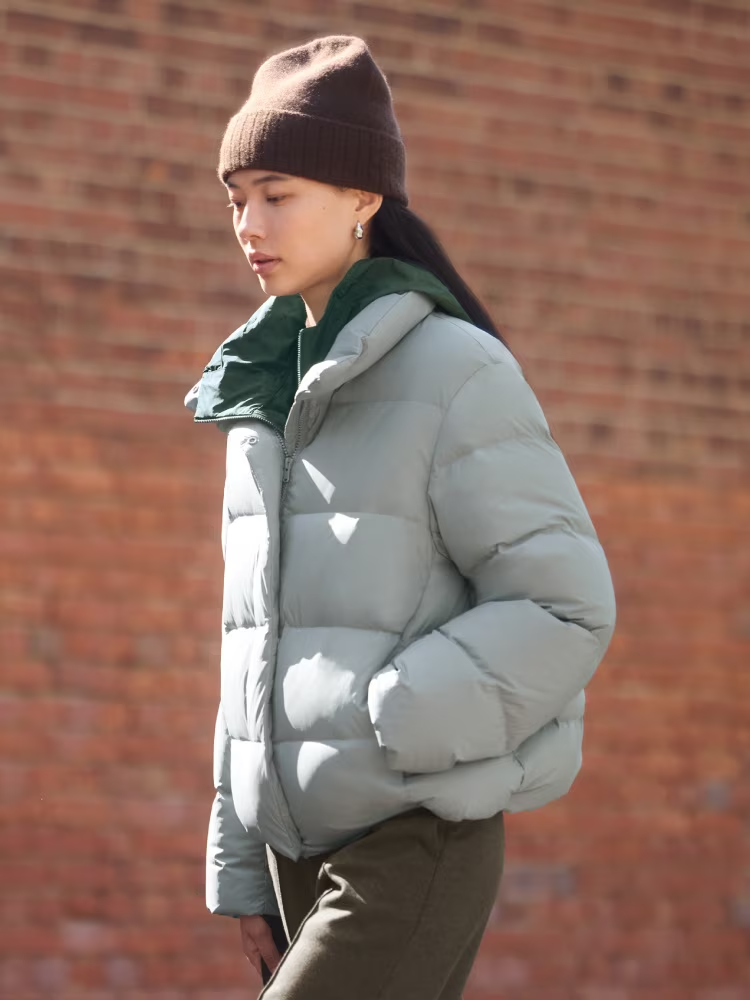
photo: uniqlo.com
Winter 2025/2026 trends – styles, colors, and brands
The streets of Polish cities in winter 2025 look different than just a few seasons ago. Everywhere you look, there are long, cocooning puffer jackets that—honestly—have nothing in common with the boring, shapeless outerwear of the past. Now, they’re a true statement piece, as runways already showed last fall: from Balenciaga and Moncler to Gucci for the FW25/26 season. And I see it with my own eyes—something is changing.
The trendiest puffer jacket styles for winter 2025/2026
Long puffer coats dominate, often reaching below the knee—this “cocooning” trend is all about the desire to wrap yourself in a soft bubble of warmth. Oversized cuts with huge hoods and structural quilting clearly move away from the sporty jacket look. Lancerto, Moncler, and even Zara have opted for midi styles that pair just as well with a dress as with casual trousers. Meanwhile, Ozonee —a brand that announced a “new energy of quilting” in November 2025 (entry from 27.11.2025)—showcased jackets with oversized, almost architectural stitching. This is not the same down as before.
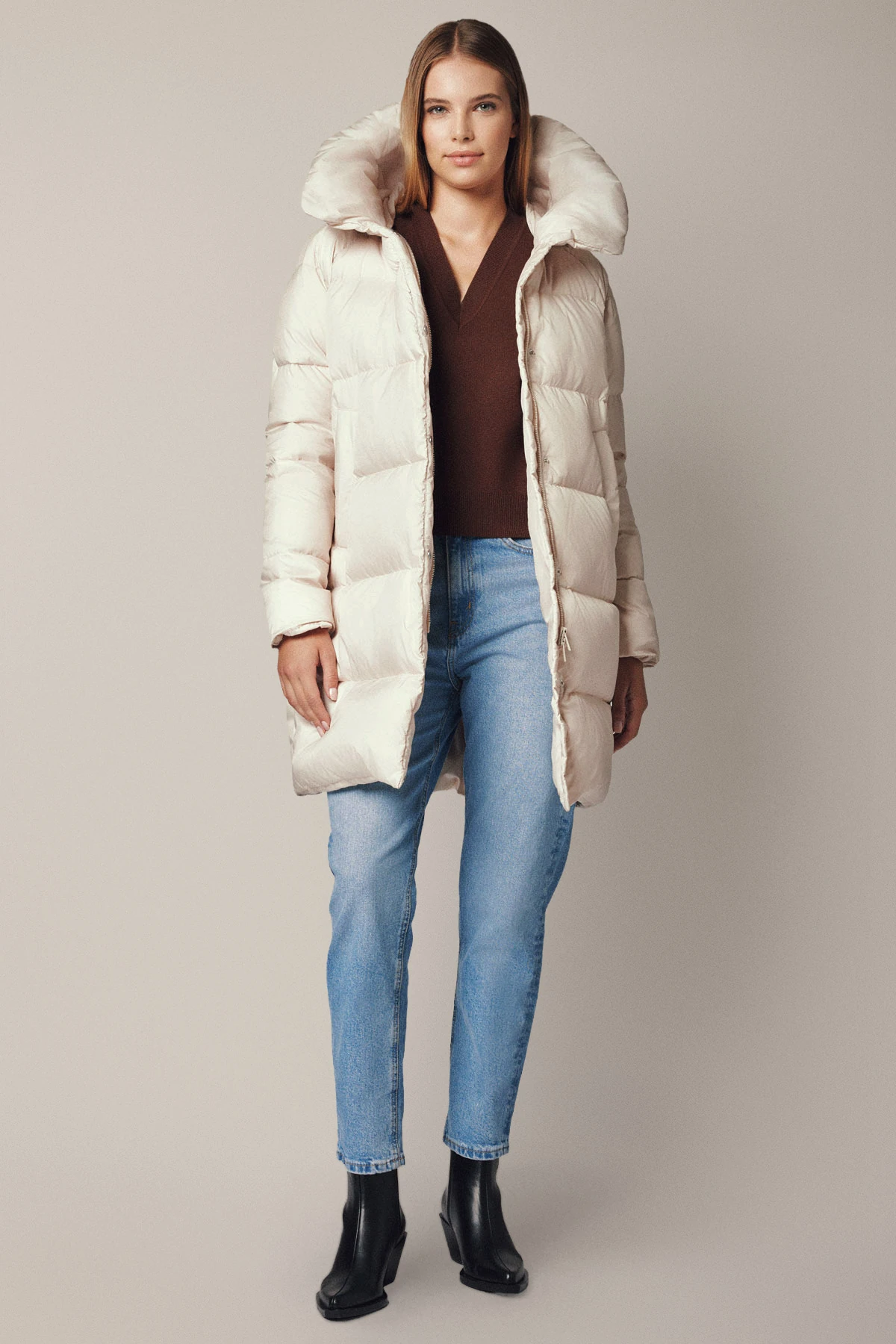
photo: lancerto.com
Seasonal colors: browns, earthy tones, and more
The color palette for winter 2025/2026 is clearly leaning toward nature. Browns, caramel, chocolate, khaki—all the shades Pantone dubbed Mocha Mousse for 2025. Columbia Amaze Puff and Gucci collections fit perfectly into this earthy aesthetic. Of course, classic black is still present (and likely always will be), but I’m also seeing bolder accents—burgundy, bottle green, muted navy pinks. It’s hard to say whether this is already mainstream or still a niche trend, but there’s definitely more of it appearing in shopping malls.
Brands and models that set the trends
| Trend | Description | Sample brands |
|---|---|---|
| Long midi/maxi | Knee-length puffer jackets, often belted at the waist | Lancerto, Moncler, Zara |
| Oversized and structural quilting | Oversized hoods, geometric stitching | Ozonee, 4F |
| Material hybrids | Down + synthetic, waterproof membranes, faux fur trims | 4F, Renee, Columbia |
| Recycling and eco-down | Models made from recycled polyester and polyester waste | H&M Conscious Patagonia |
| Earthy and brown tones | Mocha, caramel, khaki | Gucci, Columbia, Modivo Runway |
How to choose and style a puffer jacket for winter 2025
You’re standing in front of a rack of puffer jackets, wondering: long or short? Oversized or fitted? Classic black, or maybe brown this time? It’s not just about staying warm—you want to look good, feel comfortable, and avoid regretting your choice in three weeks. And ideally, your puffer should actually fit your lifestyle. Let’s break it down.
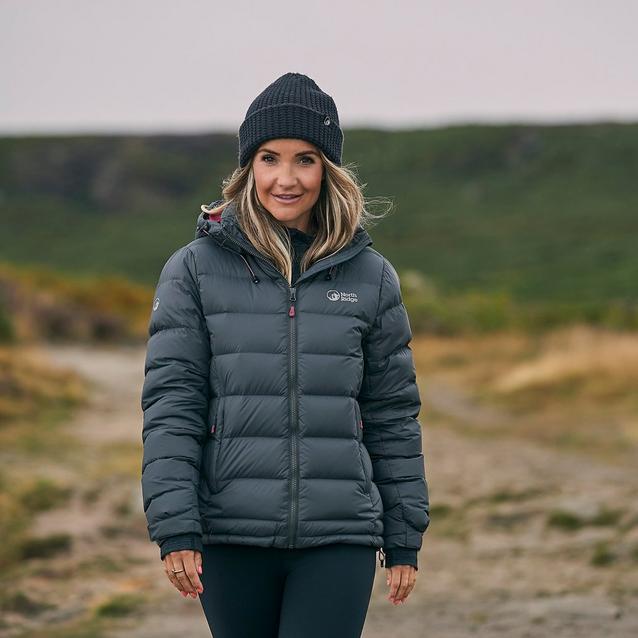
photo: standardwool.uk
Length and cut – how to match your puffer jacket to your day
If you’re rushing to catch the bus every day, waiting at the stop, and walking a few blocks— a knee-length or midi puffer coat is your best bet. It keeps your legs warm, blocks the wind from sneaking under your jacket, and in the office, you won’t look like someone who still can’t warm up. Do you work at a desk and lead a mostly sedentary lifestyle? Midi length is perfect for you.
A shorter style, on the other hand, makes sense if you drive (trust me, a long puffer bunches up on the seat), lead an active lifestyle, or simply prefer a more sporty, urban vibe. Shorter jackets also add energy to your silhouette—especially if you’re petite, they won’t overwhelm your frame.
The cut isn’t just about taste—it’s also about the layers you wear underneath. Oversized is the “cocooning” trend— that cozy, wrapped-up feeling that’s still going strong for winter 2025. But a word of caution: if you’re petite or only wear thin sweaters underneath, a mega-oversized fit might swamp you. In that case, opt for a moderately loose or classic, slightly tailored cut—not tight, just a bit slimmer.
Have wider hips? A puffer ending at the waist will visually balance them out. Broad shoulders? Go for a style without exaggerated quilted details around the shoulders.
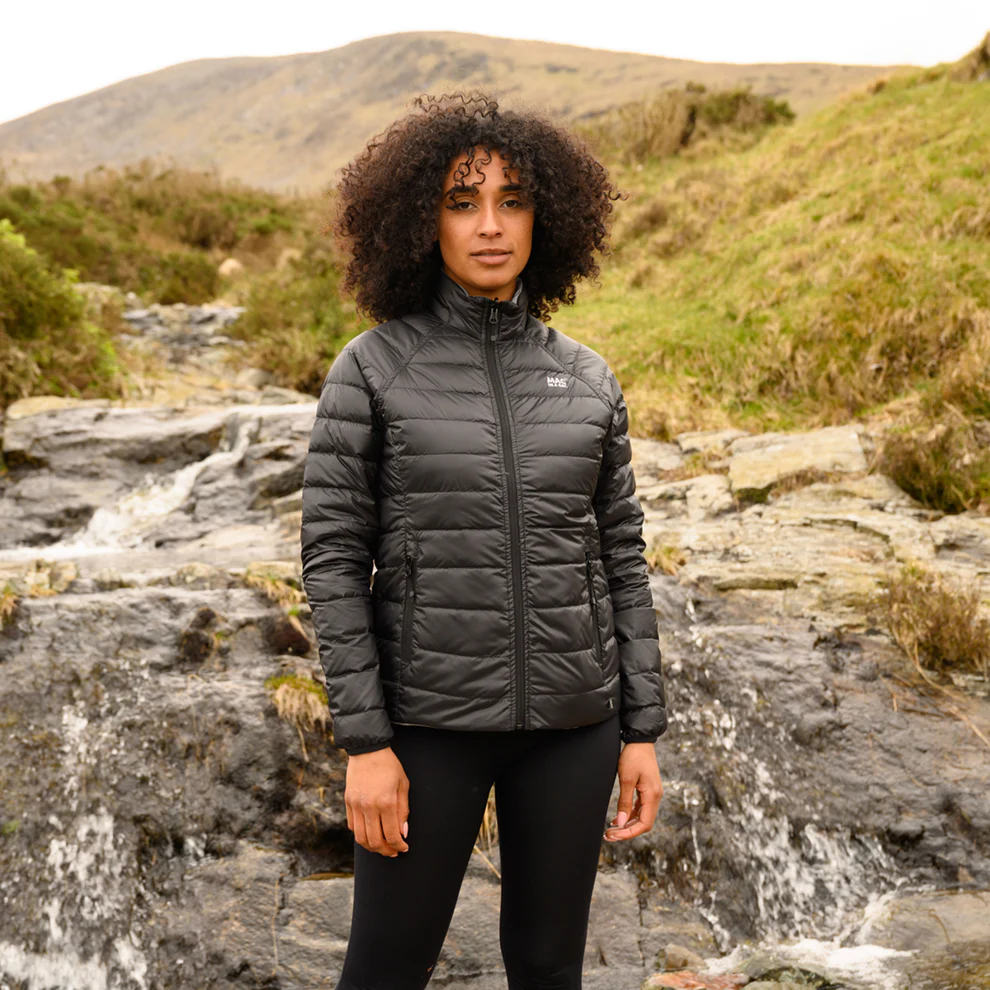
photo: macinasac.com
Which puffer jacket colors will stay in style after the 2025 season
Browns, caramel beiges, khaki—these colors are everywhere right now and look fantastic, especially against a winter backdrop. If you already own a black jacket and want something fresh, this is the perfect time to try earthy tones. They go with almost everything: black, white, denim, even navy.
But (and this is important)—if you’re buying a puffer for years, not just one season, black and navy are still the smart investment. They never go out of style, hide minor stains, and you can style them endlessly. Olive green also has that timeless quality if you want something in between.
Light beiges and creams? Beautiful, but they require some care—winter can get messy. Unless you’re the type who’s diligent about cleaning.
Three tried-and-true puffer jacket outfits for freezing days
Need something concrete? Here are ideas that simply work:
- The “warm and simple” look: midi puffer jacket + wool turtleneck (preferably cashmere, if your budget allows) + straight mom jeans + heeled Chelsea boots. A classic that never gets boring. Add a cashmere scarf and you’re all set.
- Streetwear with comfort: an oversized puffer jacket (preferably in brown or black) + black leggings or skinny jeans + chunky platform sneakers or chunky boots. A crossbody bag and you’re ready to hit the city.
- Chic for the cold: long puffer coat (navy or black) + knee-length knit sweater dress + tall boots
Responsible fashion – the ecological and ethical side of the puffer jacket
Would you like to wear a trendy puffer jacket, but can’t shake thoughts of geese, factories in Asia, and yet more tons of plastic ending up in the oceans? I know it’s not the most comfortable question, but more and more of us—especially women—are facing this dilemma. Looking good in winter is one thing, but being able to sleep soundly with a clear conscience is another matter entirely.
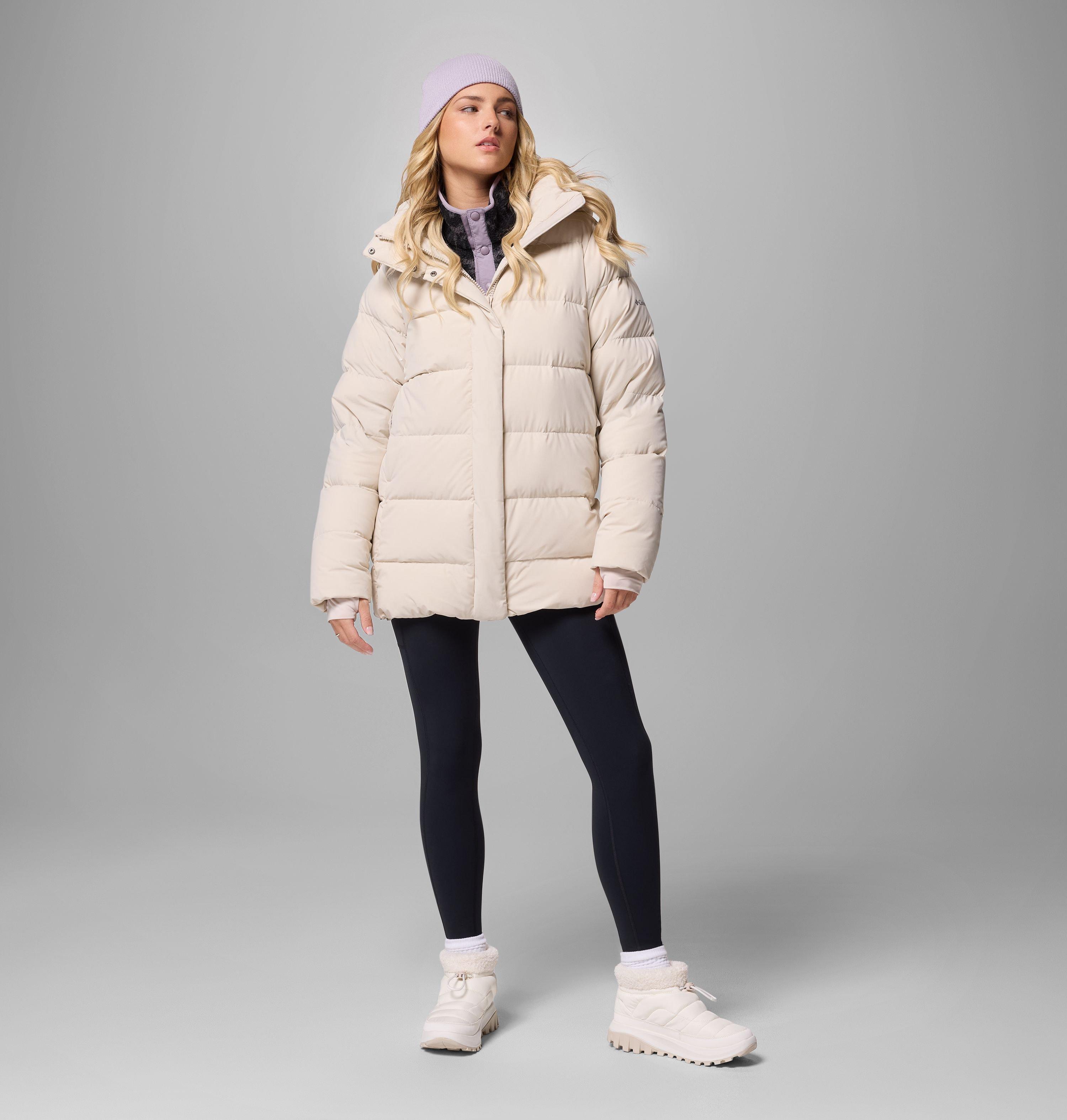
photo: columbia.com
Natural down vs. synthetic – which is truly more eco-friendly?
Let’s start with the tough side: natural down. Yes, it’s warm, light, and springy—sounds perfect. The problem is, behind every filling there’s a goose or a duck. And that’s where the moral minefield begins. The practice of so-called live-plucking —pulling feathers from live birds—though officially banned in the EU, still happens in some places. Natural down production in Europe is declining (partly due to these controversies, partly due to rising costs), so more and more raw material is being imported from countries with less strict regulations.
Fortunately, there’s the RDS, or Responsible Down Standard—a certificate confirming that the down comes from farms that respect animal welfare. If you’re buying a jacket with natural filling, check the label. No such mark? Think twice.
And what about synthetics? Synthetic down—usually made from recycled polyester—is now a serious competitor. The advantages?
- great for allergy sufferers (no dust mites or natural allergens)
- easier care – you can machine wash without worry
- often less expensive than natural down
- you don’t harm animals
Interestingly, as many as 70% of consumers say they prefer synthetic filling —mainly for ethical and practical reasons. Of course, synthetic material is still plastic, so let’s not pretend it’s completely eco-friendly. But at least recycled polyester gives PET bottles a second life instead of creating new waste.
Second-hand stores and recycling: giving your puffer jacket a second life
Honestly, the most eco-friendly down jacket is the one… that already exists. Fast fashion in winter clothing is a real plague—we buy a cheap jacket for the season, throw it out after a year because it falls apart or simply gets boring. Yet a good down jacket can last for years.
That’s where second-hand shops and platforms like Vinted come in. I don’t know if you’ve noticed, but down jacket transactions on these sites are on the rise—people are reselling their jackets en masse because they take up space in the closet or they just want a style change. It’s a great option: you get a branded piece for a fraction of the price, and at the same time you’re not creating a new carbon footprint from production.
Sustainable fashion also means choosing quality that lasts. Instead of buying three cheap down jackets over five years—get one solid piece that will see you through many seasons. It sounds simple, but it does require a shift in mindset.
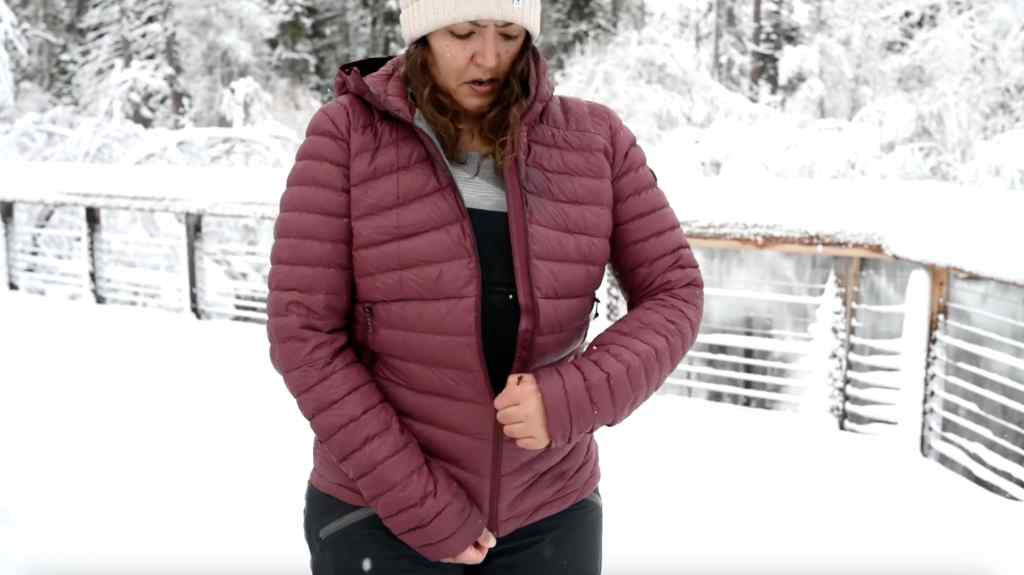
photo: outdoorgearlab.com
Five rules for responsible down jacket shopping
Alright, so how do you do it smartly? Here are a few tips I try to follow myself:
- Search for certificates – RDS for natural down, GRS (Global Recycled Standard) for recycled synthetics
- Read the ingredients carefully – don’t be fooled by marketing slogans, check the percentage of filling and the origin of the materials.
- Consider buying second-hand – seriously, Vinted and local consignment shops have hidden gems
- Take proper care—well-washed and properly stored down jackets will last you a decade
Down jacket after 2025 – what’s worth investing in today
The question is no longer “should I even buy a puffer jacket?” Now, we’re wondering which one to choose so it lasts not just one, but several seasons—and so we don’t find out next year that we’ve invested in something that went out of style with the end of winter. And honestly? The puffer jacket isn’t going anywhere.
Why puffer jackets are here to stay
It’s a combination of lightness, warmth, and functionality that’s hard to beat. Add to that the fashion factor—puffer jackets are now taken seriously, no longer just a last-resort accessory for ski trips. The global down jacket market is steadily growing, with Europe (including Poland) holding a strong position, prompting further industry investment. As a result, the designs keep getting better.
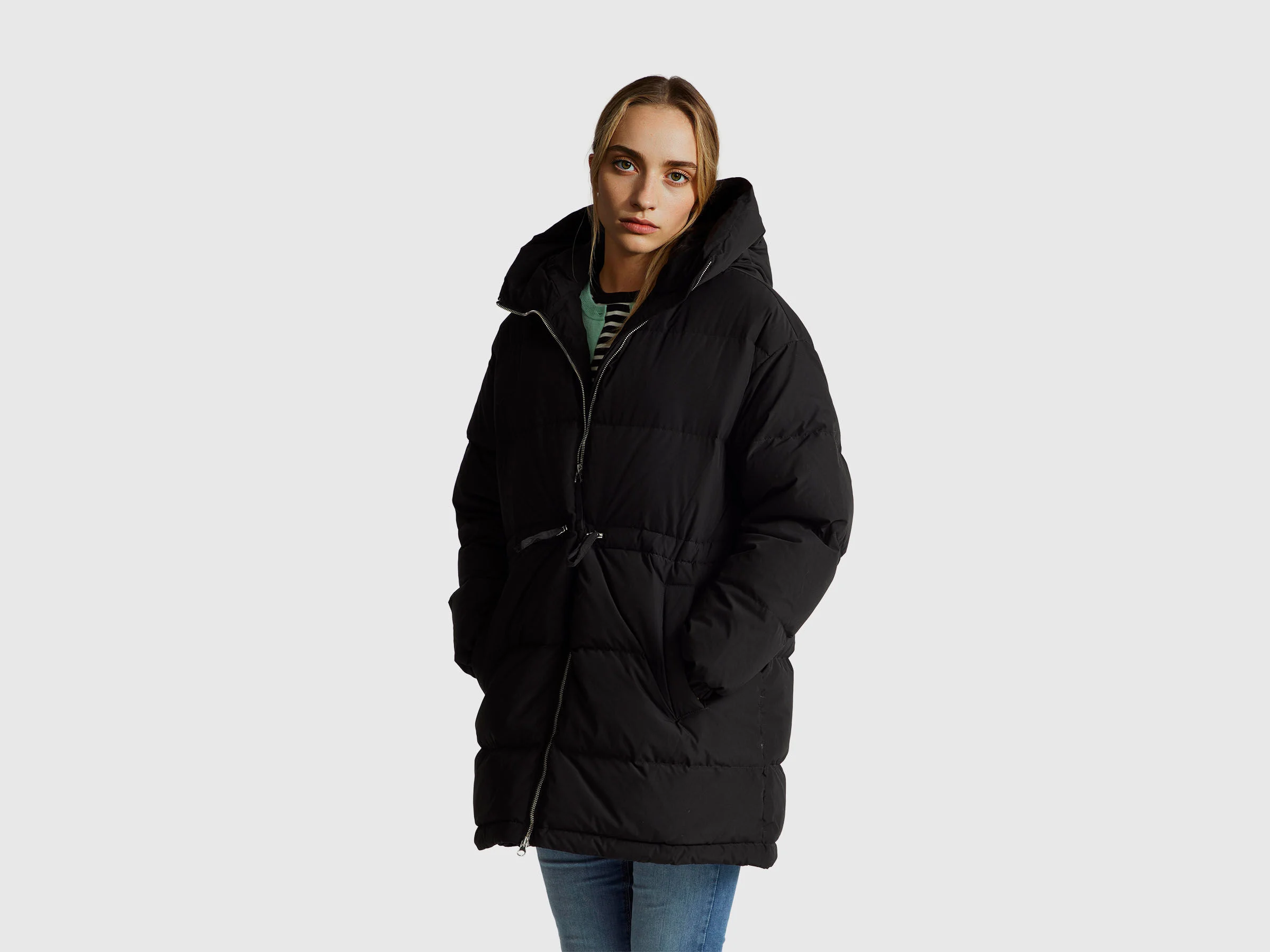
photo: pl.benetton.com
What will the down jacket of the future look like?
A few trends are worth keeping on your radar if you’re planning a long-term purchase:
- Material hybridization – traditional down will be increasingly combined with modern fibers (e.g., graphene for enhanced thermoregulation).
- Eco-synthetics – experts estimate that by the end of the decade, they could account for up to 80% of the market; they’re no longer just a cheap alternative, but a conscious choice.
- AI in design – personalization of cuts and colors algorithmically matched to body shape or climate (sounds like sci-fi, but some brands are already testing it).
- Oversized, yet elegant – loose, layered styles will remain, but will likely feature more refined lines and even lighter fabrics.
A conscious choice now will pay off later. It’s not about buying in bulk, but about making a smart decision—choosing a model that will stand the test of time both in terms of style and durability, lasting more than just one season.
Maya
fashion & lifestyle editorial team
Luxury Blog




Leave a Comment