

Why is Tiffany Co. so expensive? – from legend to luxury
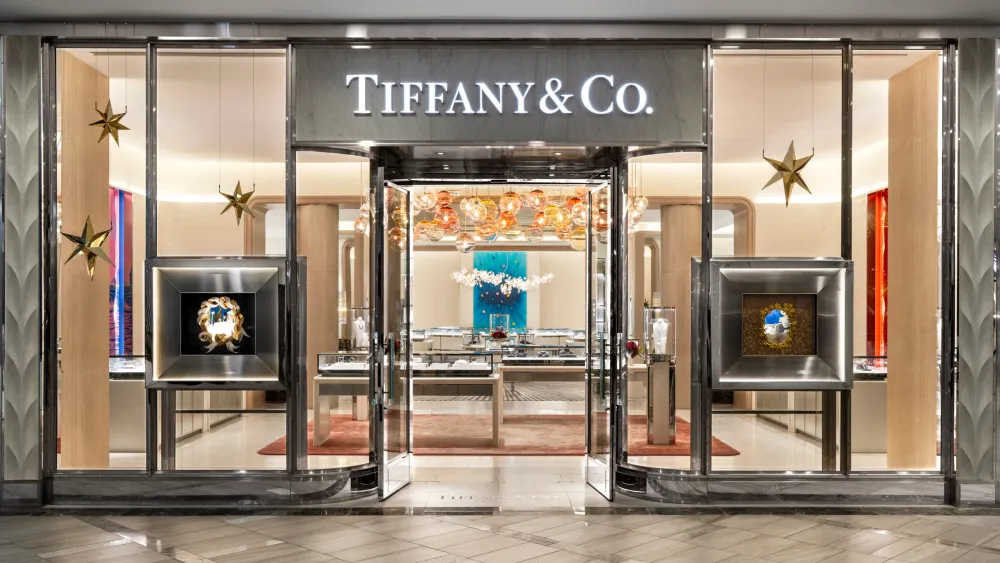
I hear the soft click of the lock as I lift the lid. That unmistakable shade of blue—Pantone 1837—fills my vision even before I glimpse what’s inside. It’s like opening a treasure chest, only these treasures are real.
When the 128.54-carat “Tiffany Diamond” sparkles under the lights, conversations in the salons fall silent. But my thoughts are elsewhere—on the fact that the box in my hands has become a symbol of aspiration for millions of women around the world.
I can’t remember the last time a piece of cardboard stirred such emotion in me. And yet, that’s exactly what’s happening. Tiffany Blue isn’t just a color—it’s a cultural code every one of us understands without a single word of explanation.
Why is Tiffany Co. so expensive? – the emerald glow of a legend
LVMH paid $15.8 billion for the brand in 2021. Fifteen point eight billion. But what exactly for? For the formula of that specific shade of blue, trademarked since 1845? For the name? Or perhaps for something far more elusive?
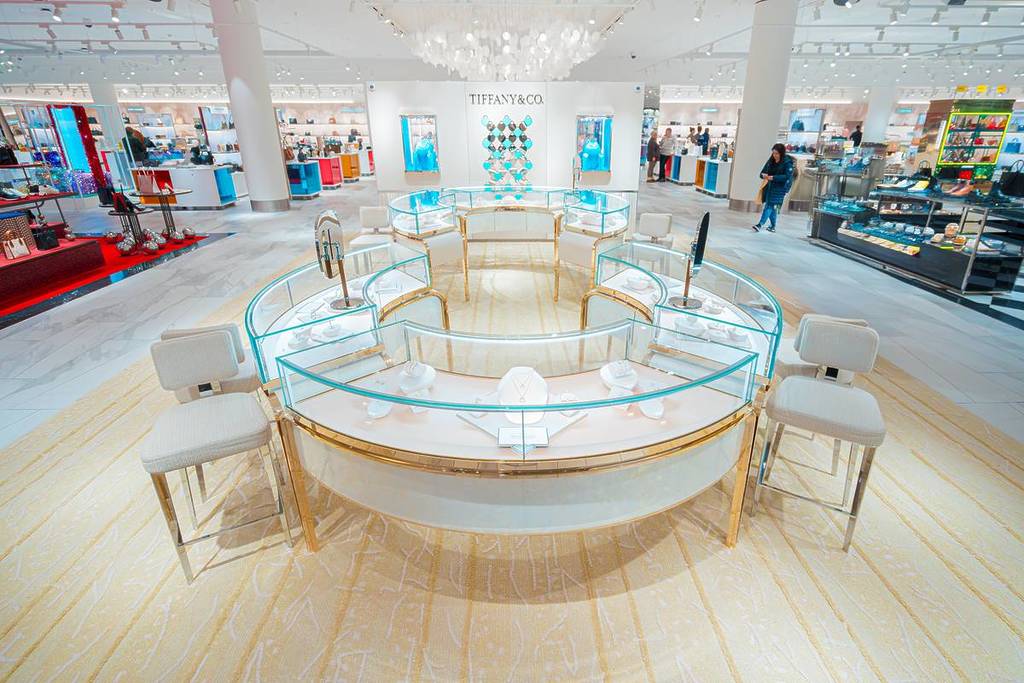
photo: secretmanchester.com
I sit here with this box, pondering the economics of dreams. Because that’s exactly what Tiffany is—a dream factory wrapped in luxury and tradition. Every box carries a story worth discovering.
– Why can a little blue box send a shiver of excitement through a woman living in the 21st century? – How did a jewelry brand become synonymous with American luxury, and does it still hold that status? – What lies behind those breathtaking prices, and are they justified? – What secrets are hidden within a company that has survived world wars, a stock market crash, and a pandemic?
I open this box not just to peek inside. I want to understand what we’re truly buying when we choose Tiffany & Co.
Heritage and brand history: from 1837 to the LVMH acquisition
The history of Tiffany & Co. is a fascinating journey spanning nearly two centuries, showing how a small New York company became synonymous with luxury around the globe.
| Year | Event | Meaning |
|---|---|---|
| 1837 | Charles Lewis Tiffany establishes the company as a stationery store | The beginning of a legend in New York |
| 1851 | Introduction of the English 925 silver standard | Standardization of jewelry making in the USA |
| 1853 | Name change to Tiffany & Co. | Focus on jewelry and luxury items |
| 1878 | Award for Excellence at the World Exhibition in Paris | International recognition |
| 1887 | Purchase of one third of the French Crown Jewels | Title “King of Diamonds” |
| 1886 | The introduction of the Tiffany Setting engagement ring | A revolution in diamond presentation |
| 1940 | Moving to the iconic store at 727 Fifth Avenue | An icon of commercial architecture |
| 1961 | Premiere of the film “Breakfast at Tiffany’s” | Global brand exposure in popular culture |
| 2021 | Acquisition by LVMH for $15.8 billion | A new chapter in the brand’s history |
For me, the most fascinating moment in the history of Tiffany was the 1851 decision to introduce the English 925 silver standard. Charles Tiffany was a visionary—he realized that the American jewelry market needed unified quality standards. Until then, each manufacturer used their own silver proportions in alloys, leaving customers uncertain about what they were actually buying.
This move had enormous consequences. Tiffany became the first American jewelry company to guarantee its clients that every silver item contained exactly 92.5% pure silver. Other companies had to follow suit if they wanted to compete. In practice, Tiffany set the standard for the entire industry in the United States.
Equally spectacular was the purchase of the French crown jewels in 1887. The French Third Republic decided to sell part of the monarchy’s treasures, and Tiffany acquired about a third of the collection. Among the acquisitions were diamonds that had once adorned the crowns of French kings and queens.
This transaction earned the company the title “King of Diamonds,” but more importantly, it cemented Tiffany’s position as a jewelry house on par with European dynasties. Suddenly, an American company owned stones with centuries of history. It was more than just business—it was cultural legitimacy.
I remember the first time I watched “Breakfast at Tiffany’s.” The 1961 film starring Audrey Hepburn changed the way the world saw the Tiffany brand. Holly Golightly standing in front of the Fifth Avenue windows became an icon, and her famous line “nothing very bad could happen to you at Tiffany’s” entered popular culture.
The film made Tiffany more than just a jewelry store for the elite. It became a place of dreams, a symbol of sophistication accessible to everyone—at least in their imagination. This shift in the perception of the brand was priceless in terms of building global recognition.
The acquisition by LVMH in 2021 for $15.8 billion closed a chapter in Tiffany’s history. After 184 years as an independent American company, the brand joined the French luxury goods giant. It was one of the largest transactions in the luxury goods sector.
This rich history explains why every item bearing the Tiffany name carries such value.
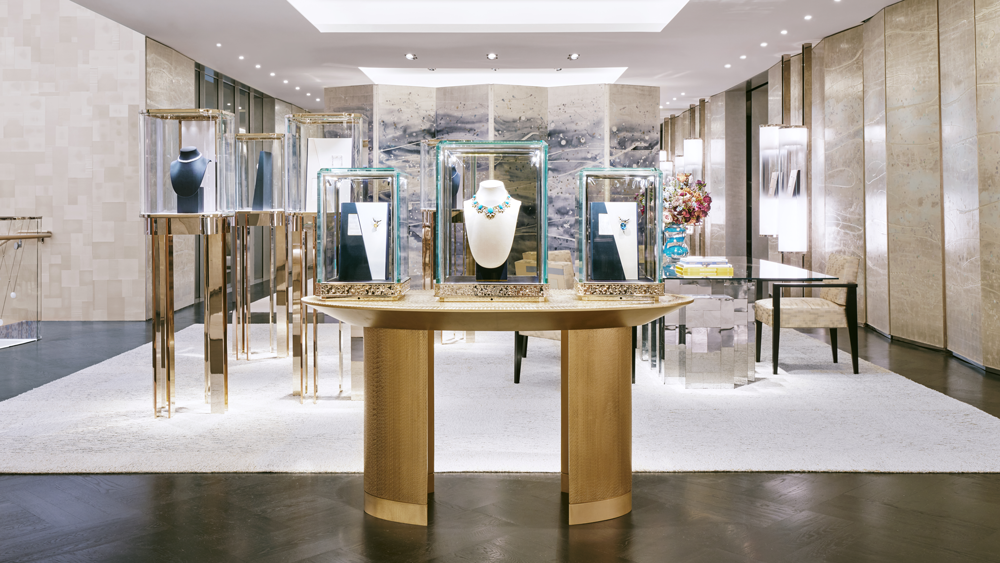
photo: obbreport.com
Materials and craftsmanship: top-tier diamonds and 2,610 hours of work
When you hold a Tiffany ring in your hand, you’re actually touching something that has undergone a selection process stricter than NASA’s recruitment. Only 0.04 percent of all diamonds worldwide meet this company’s standards—that’s roughly one stone for every 2,500 mined.
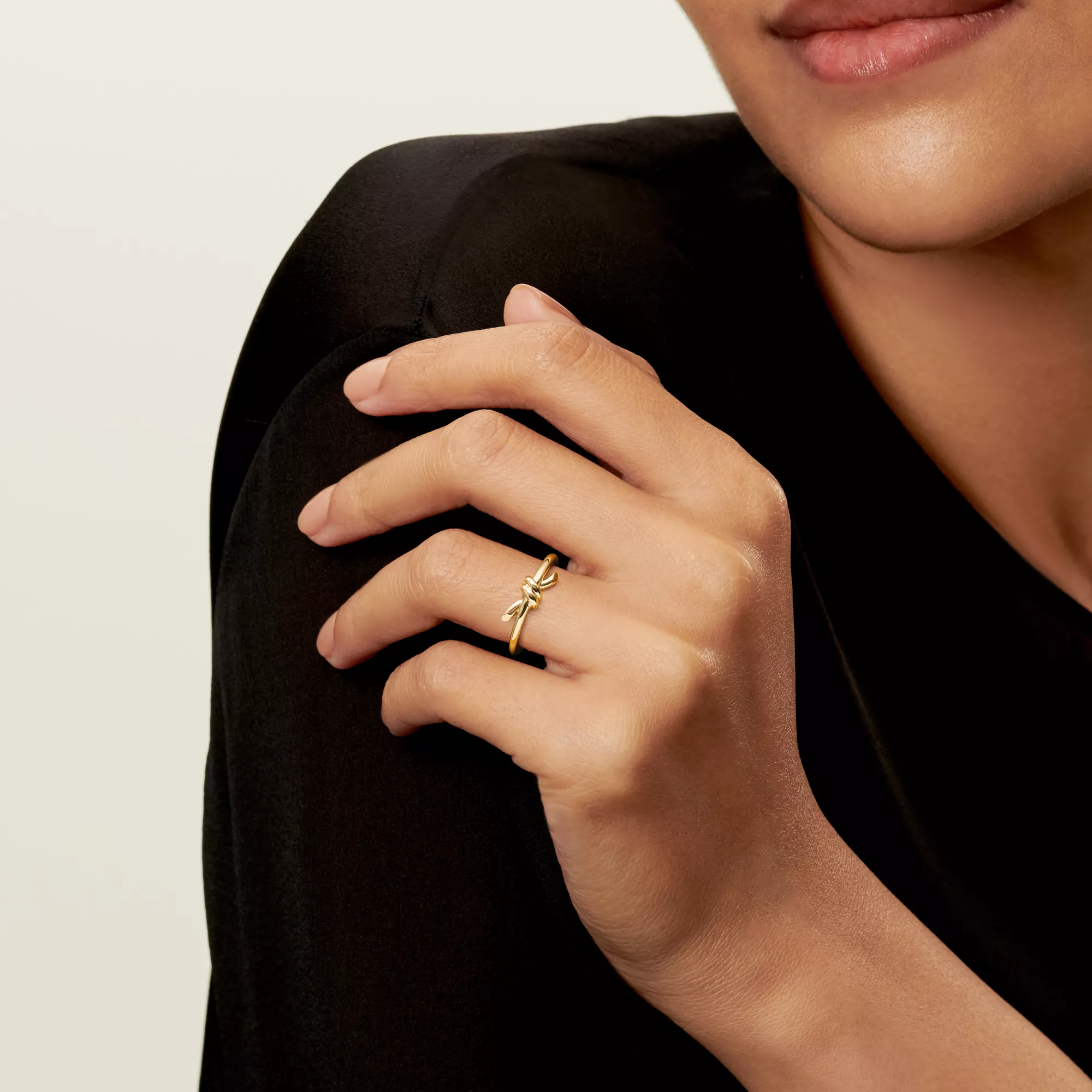
photo: tiffany.com
I remember once watching a documentary about the diamond selection process. It’s not like they just pick a pretty stone and set it. Every diamond goes through an evaluation system that’s far more rigorous than the standard 4C criteria used in the industry.
| Criterion | Tiffany | A typical market |
|---|---|---|
| Color | D-F (colorless) | G-J (acceptable) |
| Clarity | FL-VS1 | VS2-SI1 |
| Cut | Excellent+ | Very Good |
| Fluorescence | None-Faint | Medium allowed |
The craziest part is the number of working hours involved. I once learned the story of a necklace that required exactly 2,610 hours of work by several master jewelers. That means one person working eight hours a day would need over a year to complete it. Here’s how the process broke down:
• Designing and creating patterns – 240 hours
• Selecting and matching diamonds – 890 hours
• Crafting the metal structure – 780 hours
• Setting the stones and finishing – 700 hours
But you know what fascinates me most? That six-prong system they invented in 1886. It sounds simple, but it was a revolution. Before that, diamonds were set in metal sockets that covered most of the stone. The Tiffany Setting allowed light to enter the diamond from all sides, increasing its brilliance by about 40 percent.
Sometimes I think people don’t realize how much technology goes into what seems like a simple ring. Especially when they use the paillonné enamel technique—it’s truly intricate craftsmanship. They layer enamel and gold foil, then fire each layer at around 800 degrees Celsius. One mistake, and you have to start all over again.
This technique requires at least six firing cycles, each lasting about 45 minutes. In between, there are hours of preparation, applying new layers, and quality control. That’s why a single small element made with paillonné enamel can cost more than an entire piece of jewelry from a typical store.
Actually, everything I’m talking about here is pure physics and chemistry. No magic, no secrets—just precision, time, and the highest quality materials. Those are the factors that determine the price, though of course marketing and brand value are a whole different story.
Luxury marketing: the elusive value of the blue box
I stood in front of that legendary store on the corner of Fifth Avenue and 57th Street. I hadn’t even stepped inside yet, and I already knew this wouldn’t be an ordinary shopping experience. The Landmark—that’s what they call this Tiffany & Co. flagship—is a true temple of luxury. Every detail is intentional, every surface gleaming. And that’s when it hit me: I wasn’t just buying jewelry.
That blue box has its own Pantone number—1837. It sounds technical, but it’s a stroke of marketing genius. Tiffany patented this color, protecting it legally like a treasure. No one else can use exactly that shade. When you see that blue, you instantly know what it means. It’s no accident—it’s strategy.
The psychology of this color does all the work. Blue evokes the sky, calm, something infinite. But this particular shade? It carries a hint of exclusivity. People react to it emotionally, often without even realizing why.
“Lock in your love story with Tiffany Lock. A symbol of unbreakable connection that transcends time.” – @TiffanyAndCo
In Seoul, they recently pulled off something truly clever. The “With Love, Seoul” exhibition this November — they weren’t selling directly there. Instead, they created an experience. The “HeartSpace” installation by Krista Kim let people feel like part of the brand. You’d walk in, take photos, share them on social media. Pure experiential marketing.
This kind of strategy builds more than just brand awareness. It creates an emotional bond. The customer isn’t buying gold or diamonds — she’s buying status, prestige, a way to express herself.
The truth is, Tiffany’s markup far exceeds the cost of materials. A ten-thousand-dollar ring might contain gold and a stone worth two thousand. The rest? That’s the intangible value. The brand, the story, the prestige. Emotions that are hard to put a price on.
The customer pays for how she feels wearing Tiffany, not for how much the ring weighs.
Sometimes I think it’s a bit absurd. But I watch people’s reactions and see that it works. That little blue ribbon on the box can lift your mood for the whole day. That’s luxury marketing — selling dreams in material form.
Will this change? How do younger generations respond to these strategies? And what can we, as consumers, do about it?
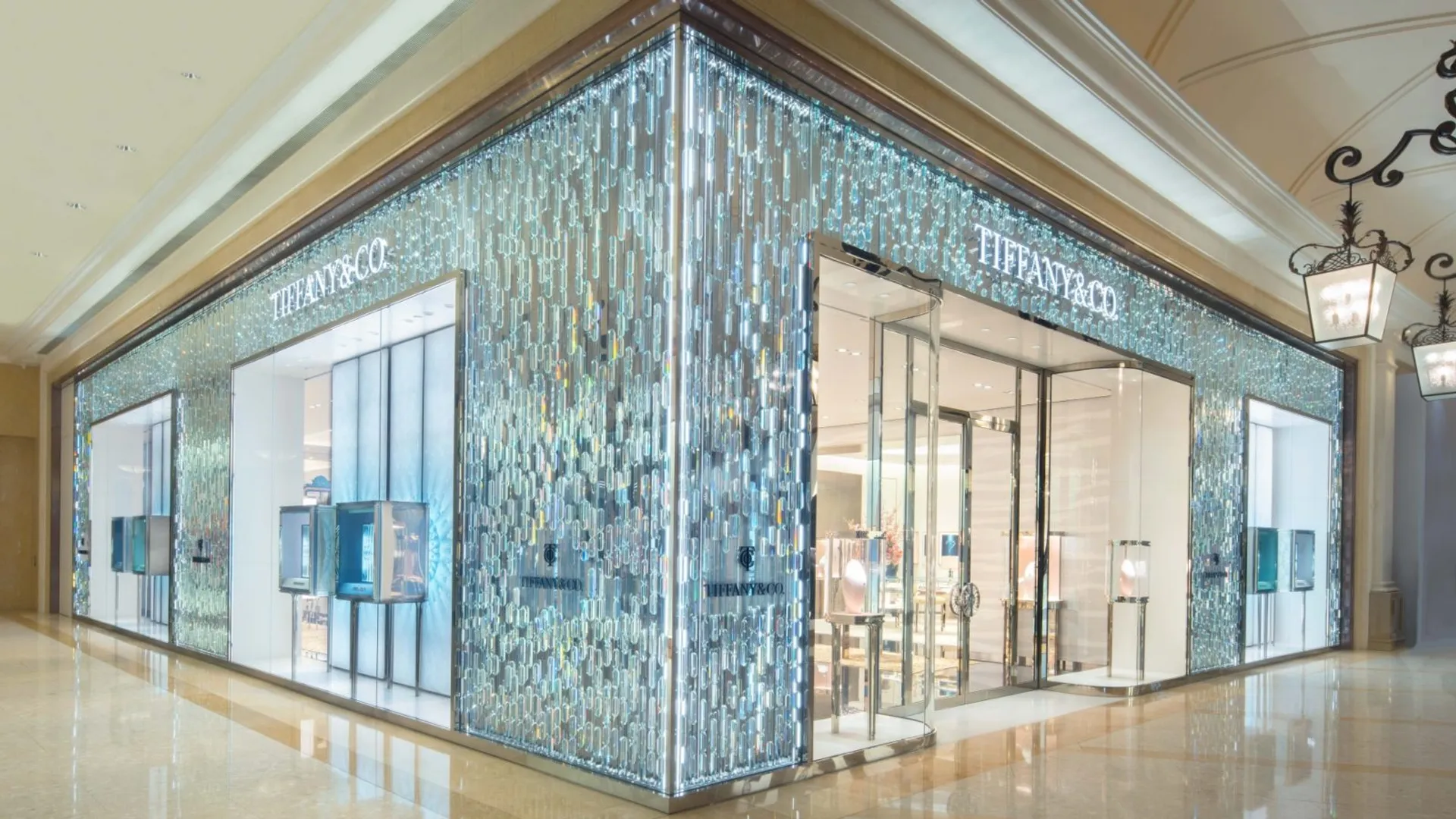
photo: prestigeonline.com
What’s next for the luxury icon? Your next steps and the future of Tiffany
Observing the changes at Tiffany & Co. over the past few years, I see one thing—luxury can no longer be detached from reality. The brand must address questions about sustainability, technology, and the authentic values of its clients.
LVMH data for 2024 shows that sales in Asia grew by 14.7 percent. This is no coincidence. Asian consumers are more open to innovation and conscious shopping. Europe should take note.
⚡ 2030 Forecast
The plan to introduce lab-grown diamonds will transform the entire industry. Prices of traditional stones may drop by 20–30 percent, but this is also an opportunity to democratize luxury. Digital VR exhibitions will become standard, and online personalization will replace some in-store visits.
Sustainability expert Maria Kowalska notes: “Tiffany has a chance to become a leader in responsible luxury, but it needs to move faster than the competition.”
I see a certain paradox here. The more luxury becomes digitally accessible, the more we value the physical experience. Perhaps that’s why Tiffany is investing simultaneously in technology and flagship stores.
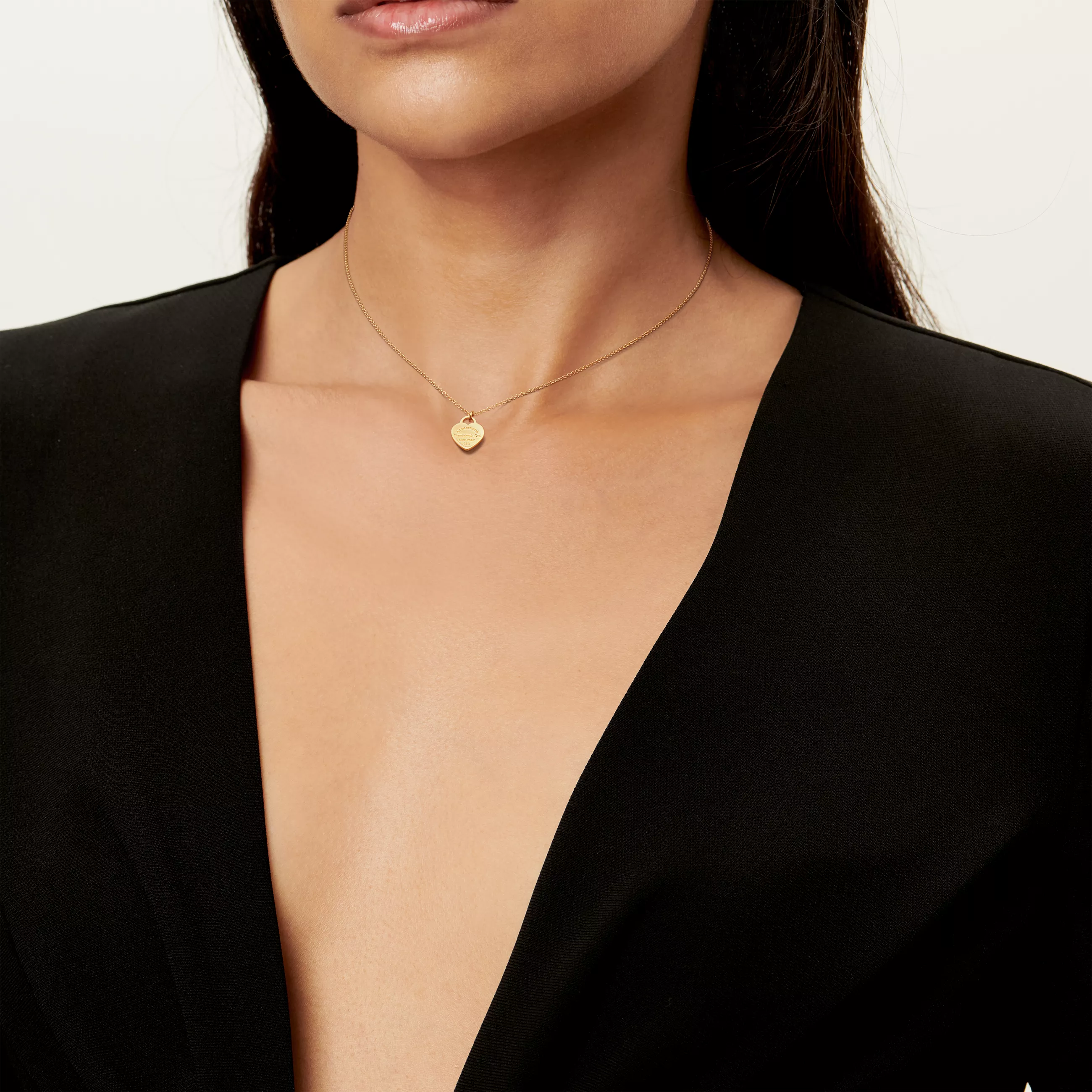
photo: tiffany.com
The brand’s future depends on its ability to blend tradition with innovation. It’s not about revolution, but evolution. As clients, we influence this direction—with our choices, questions, and expectations.
Twenty-first-century luxury is not just about beauty. It’s about responsibility, transparency, and authenticity. Tiffany can achieve this if it listens to its clients.
LARA UI
fashion & lifestyle editor
Luxury Blog





Leave a Comment