

Why are Moncler jackets so expensive?
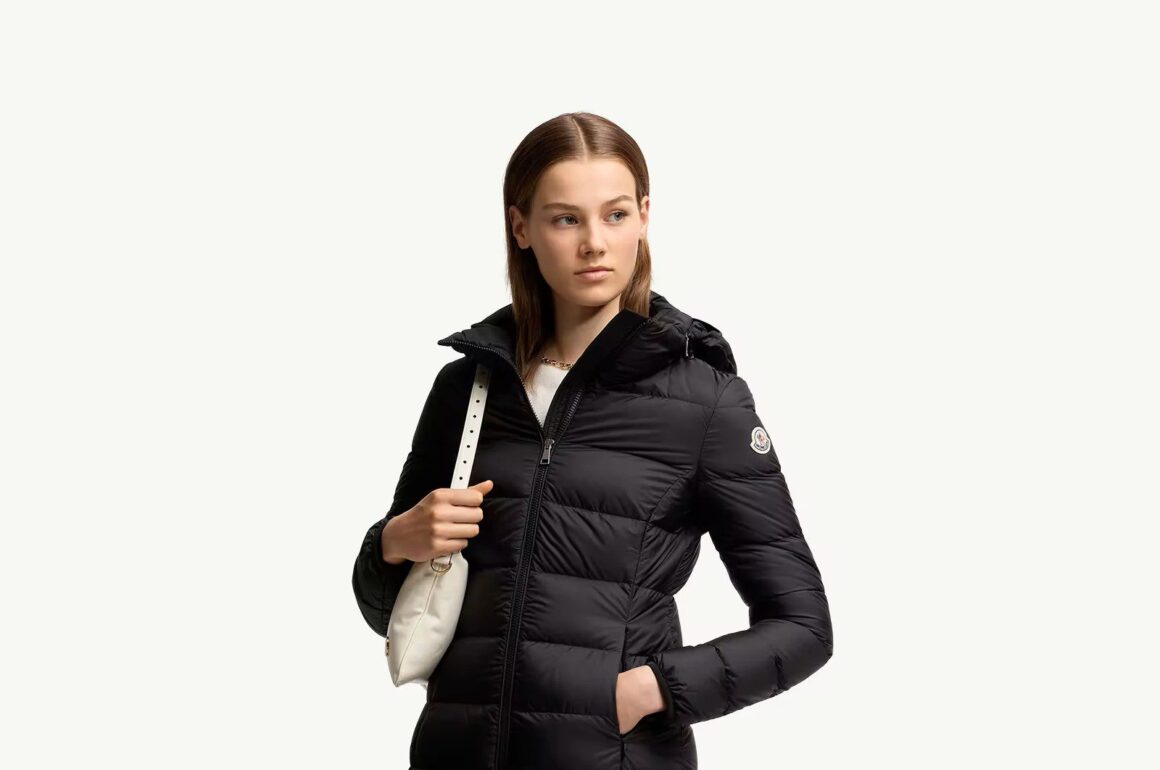
The Alps, 1954. A frosty morning, the K2 expedition checks their gear. None of the participants know yet that these down jackets will one day cost more than a month’s salary.
In fact, the story of Moncler began two years earlier, in 1952. René Ramillon founded the company in the small town of Monestier-de-Clermont. The name? A combination of the first letters of the town. As simple as it gets.
For decades, it was just an ordinary outdoor brand. Nothing more. Gear for mountaineers, skiers, people who truly needed warmth. But everything changed.
Why are Moncler jackets so expensive? – from an alpine refuge to the red carpet
The first breakthrough came on 12/30/2003 – Remo Ruffini took control of the brand. Suddenly, the same jacket that protected against the cold became a status symbol. The second milestone? The stock market debut on 12/13/2013. Price stopped being just a number—it became a statement.
Today, as I walk the streets of big cities, I see those distinctive quilted jackets everywhere. On students, businesspeople, influencers. The “Warmer Together” campaign from 2025 only fuels this trend. Each of these people is wearing a small fortune.
This phenomenon is both fascinating and irritating. How did ordinary down become a luxury? Why do we pay so much for something that, in theory, is just supposed to keep us warm?
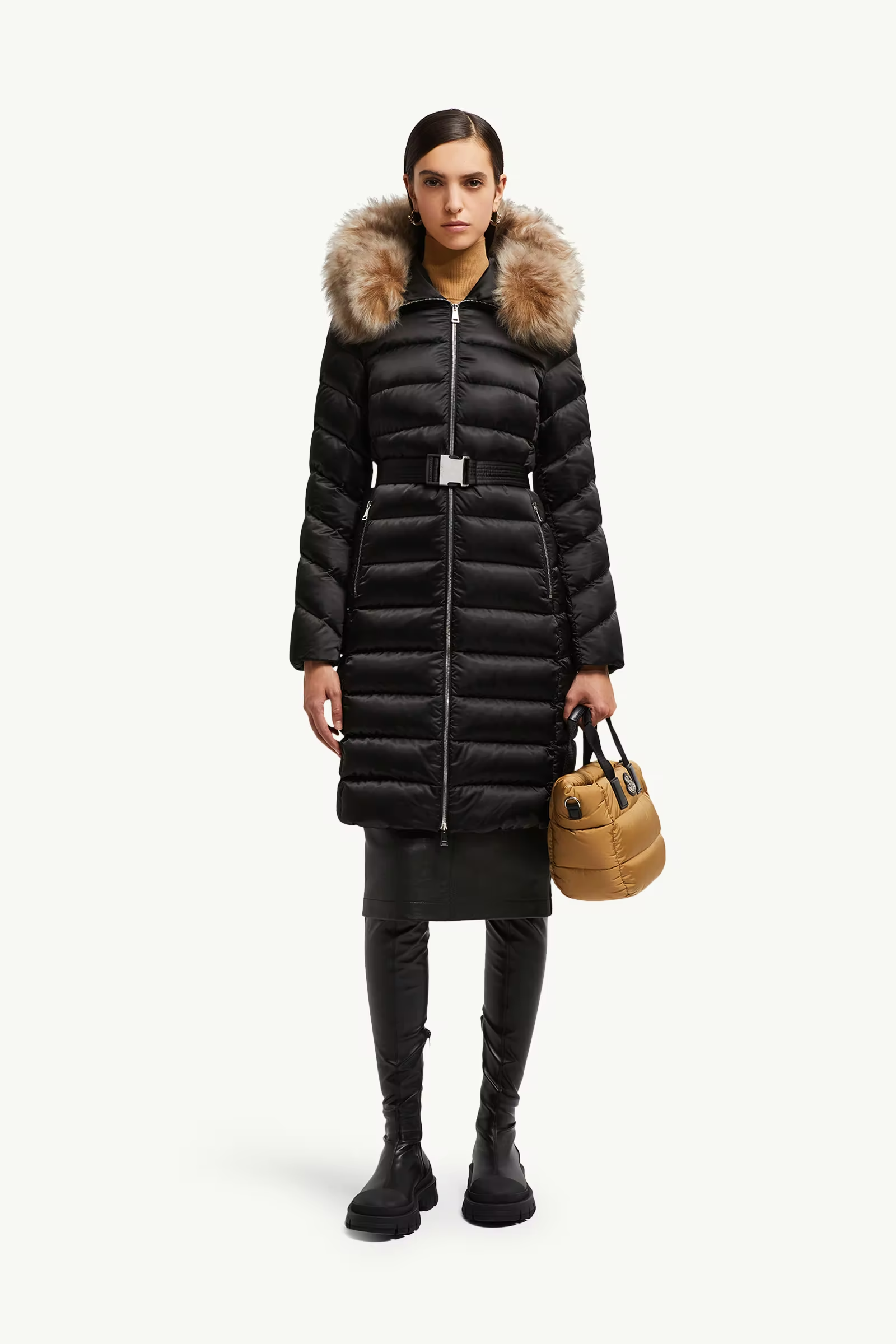
photo: moncler.com
In this article, you’ll find answers to three key questions:
- Does the technology really justify the price of these jackets?
- How did Moncler build a luxury strategy around a utilitarian item?
- Is owning a jacket like this an investment or an extravagance?
The truth is more complex than it might seem. On one hand, we have genuinely advanced materials and technology. On the other—the marketing that has transformed the perception of an ordinary down jacket.
Now that we know the origins, it’s time to take a look inside this quilted legend.
Premium materials and technology in practice
Premium down isn’t just marketing—it’s about specific parameters. When I mention a 90% down/10% feather fill with a fill power of 700-800, it may sound technical, but it boils down to something simple: warmth with minimal weight.
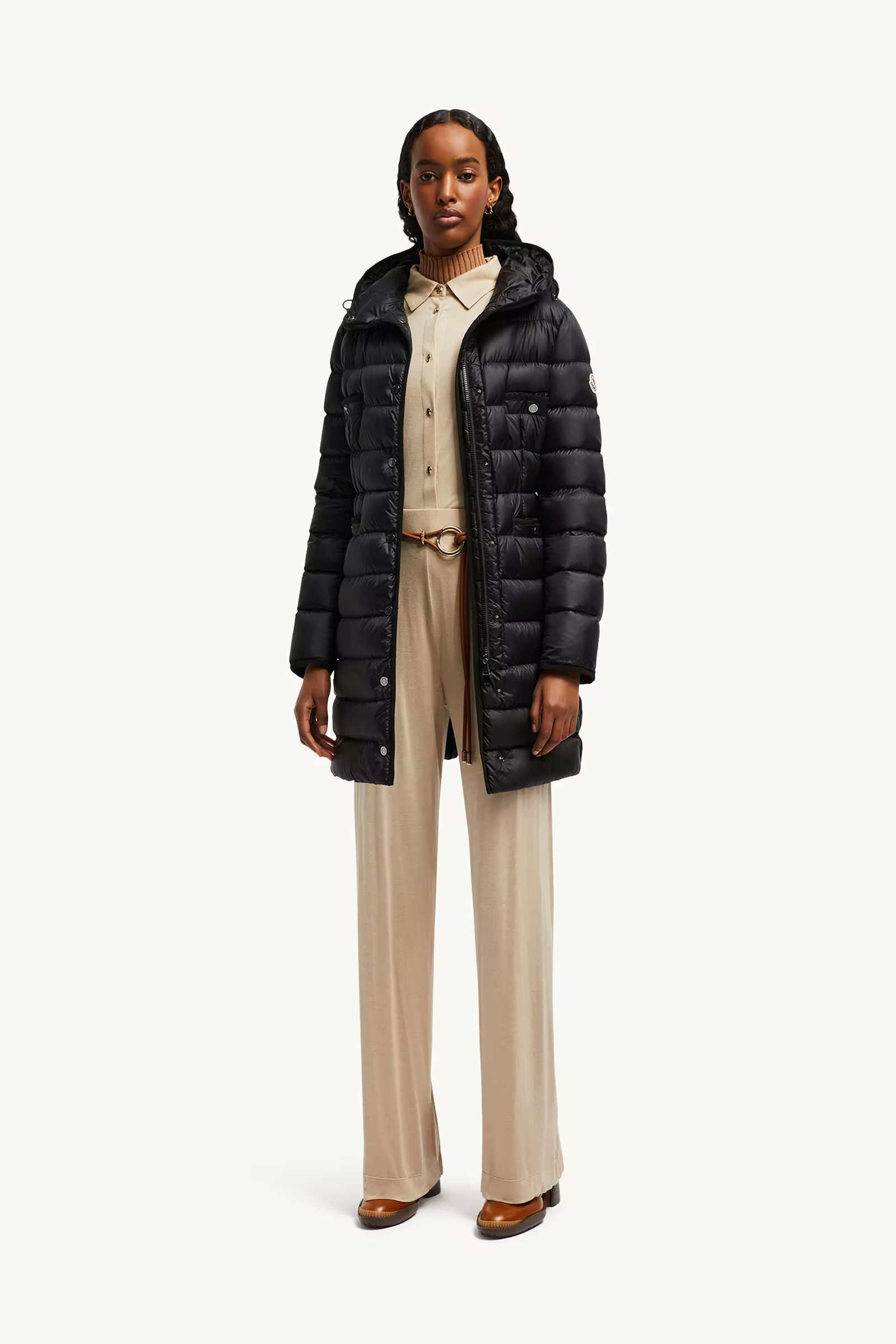
photo: moncler.com
Fill power refers to the volume occupied by an ounce of down after being compressed and then returning to its natural form. An 800 fill power means the down “springs back” to a greater volume, creating more insulating air pockets. That’s why a Moncler jacket weighing just 600 grams can be warmer than a standard jacket weighing one and a half kilograms.
| Parameter | Moncler | Standard jacket |
|---|---|---|
| Down/feather ratio | 90/10% | 70/30% |
| Fill power | 700-800 | 400-600 |
| Weight (size M) | 500-800 g | 1,500 g+ |
| Water resistance | 10,000 mm | 3,000–5,000 mm |
| Breathability | 5,000 g/m²/24h | 1,000–3,000 g/m²/24h |
A membrane rated at 10,000 mm water column might sound abstract, but picture this: sleet for six hours during a trek. A standard jacket will let moisture through after just 2-3 hours. Moncler will keep you dry all day, while its breathability of 5,000 g/m²/24h ensures sweat is wicked away.
Ethical down sourcing isn’t just PR—it’s about RDS (Responsible Down Standard) certification and full traceability from farm to finished product. No live-plucking, meaning no feathers are taken from living birds. Every batch of raw material is strictly controlled. It’s more expensive, but it guarantees quality and consistent performance.
I once saw a test in a climate chamber at -30°C. The Moncler jacket kept a thermal mannequin’s body temperature at 36.5°C for eight hours with minimal energy use. A competing jacket at a similar price? It dropped to 34°C after just four hours.
The difference in weight isn’t just about comfort. 800 grams instead of 1.5 kilograms means less strain on your back, greater freedom of movement, and easier packing. In your backpack, it takes up as much space as a sweater, not a second jacket.
The outer fabric is tested for 100,000 abrasion cycles. Standard materials last 20,000-40,000. YKK Aquaguard zippers with waterproof coating, seams that are welded, not just taped.
Technology is one thing, but luxury is also about emotion and strategy—which we’ll get to in a moment.
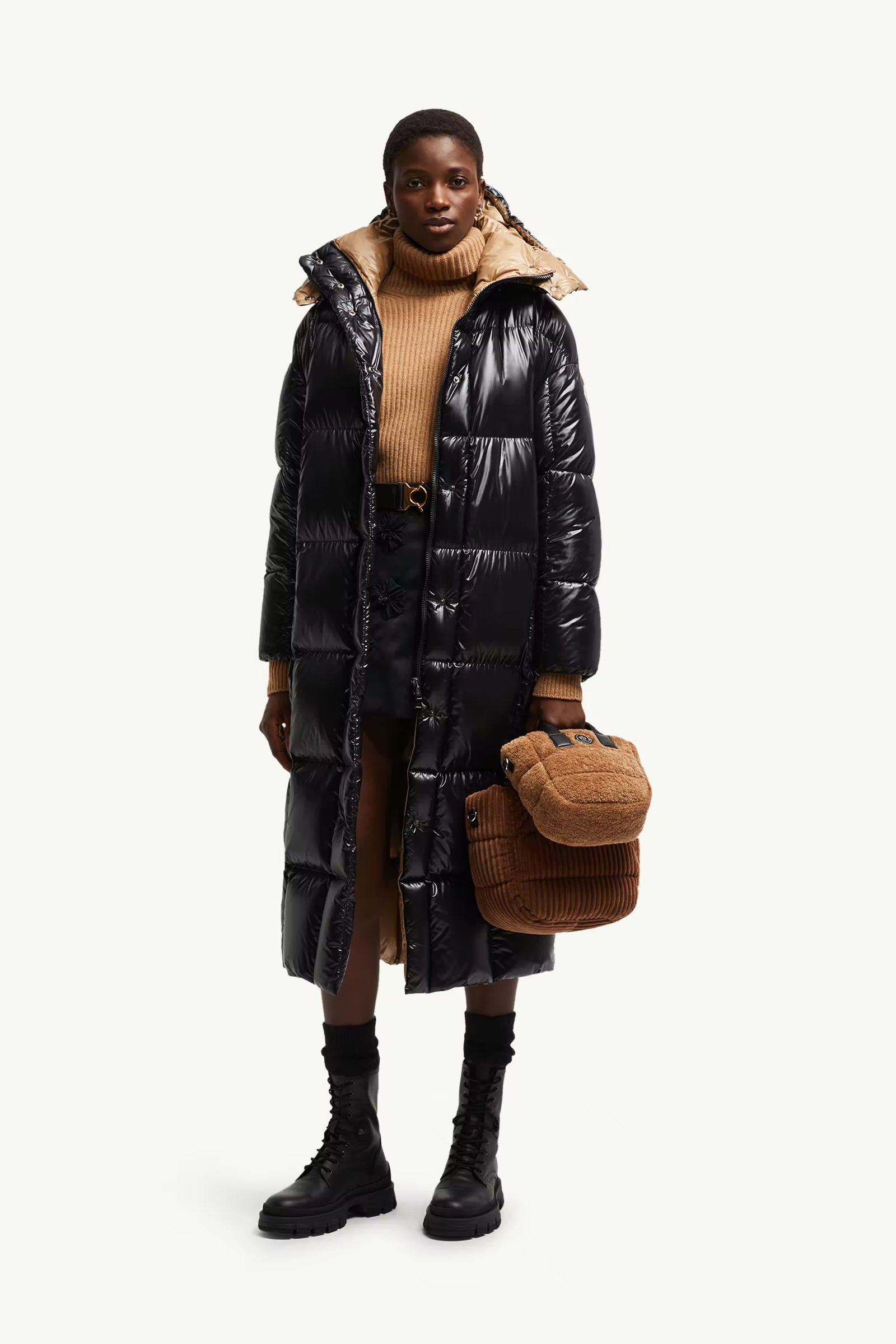
photo: moncler.com
Luxury strategy: marketing, limited editions, and prestige
It was like hunting a white stag. The limited Moncler x FRGMT jacket, only 150 pieces worldwide. I sat in front of my computer at 2:00 PM European time, refreshing the page every second. It disappeared from my cart twice before I finally managed to complete the purchase for 2,800 euros.
This is exactly how Moncler builds its luxury status—not through technology, but through exclusivity.
Drop culture as a psychological weapon
The “drop culture” model is a marketing masterstroke. Maya 70 released in 2023—only 70 pieces worldwide. FRGMT collaboration—150 jackets. These numbers are no coincidence.
The mechanism is based on FOMO—the fear of missing out. When you know something is available to just a handful of people, your brain instantly assigns it greater value. It’s no longer just a purchase; it’s an investment in belonging to an exclusive club.
Moncler deliberately limits supply, even though they could produce more. This control over availability is exactly what creates prestige.
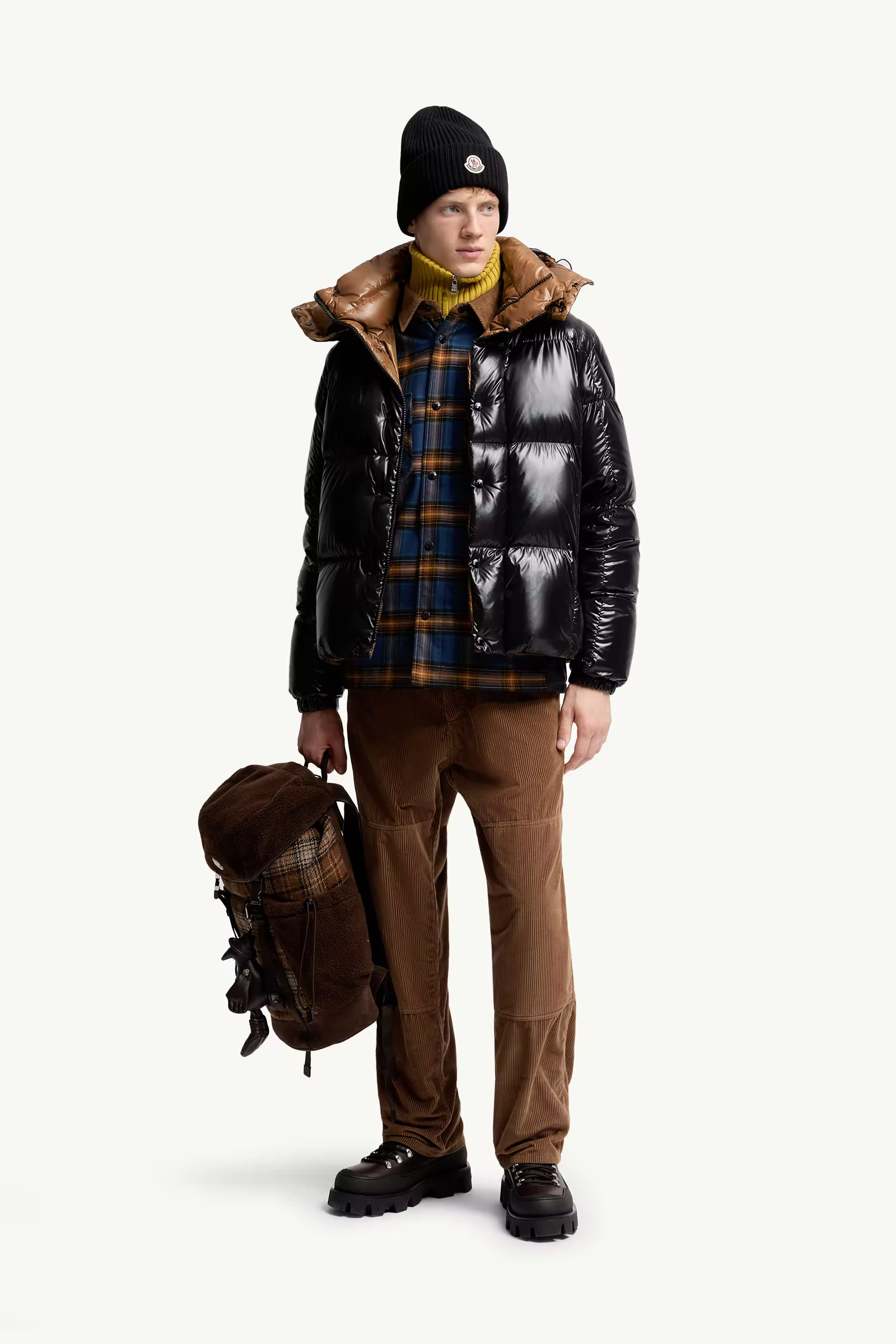
photo: moncler.com
High-profile collaborations as a catalyst for buzz
The collaboration with Sir Jony Ive planned for 2025 is already generating buzz. A post on X about this partnership received 1,200 likes within the first 24 hours. Palm Angels x Moncler from 2022? 850 likes, but more importantly—hundreds of reposts from influencers.
These partnerships are more than just products. They’re media events that position Moncler alongside Apple, high fashion, and innovation. Each collaboration sends a clear message: “We’re on the same level as global design icons.”
Ambassadors matter, too. They’re not paid to wear the jackets—they choose to wear them. That’s the difference between luxury and premium.
Expansion finance and heritage storytelling
2 billion euros in revenue in 2023. The acquisition of Stone Island in 2020 for 1.15 billion euros. These figures illustrate the scale of operations, but also the strategy.
Stone Island was the purchase of a streetwear culture, not just a brand. Moncler understands that luxury is not just about products—it’s about storytelling.
“We’re not selling jackets. We’re selling dreams, aspirations, and membership to something bigger than fashion” – Remo Ruffini, CEO Moncler
The storytelling around the 1954 K2 expedition runs through every campaign. They don’t talk about down fill power—they tell stories of conquering peaks and pushing boundaries. This heritage narrative justifies the price on a psychological level.
Every Moncler jacket is a piece of that legend you purchase along with the product.
But does all this aura, the collaborations, and limited editions actually translate into a real return on investment? Is it worth treating luxury jackets as financial assets?
The economics of ownership: cost over time versus resale value
Wait, let’s start with the basics. ROI in fashion isn’t just about how much you spent, but how much each wear of an item actually costs you. And this is where Moncler starts playing in a completely different league.
Cost per wear—it sounds like an MBA term, but in practice, it’s a simple calculation. Let’s say you wear a winter jacket an average of 90 days a year for 10 years. That’s 900 wears. A jacket costing 8,000 PLN comes out to about 8.89 PLN per wear. Suddenly, it doesn’t sound so scary, does it?
| Parameter | Budget jacket | Moncler | Difference |
|---|---|---|---|
| Starting price | 600.00 PLN | 8,000.00 PLN | +7,400.00 PLN |
| Lifespan | 3 years | 10+ years | +7 years |
| Cost over 10 years | 2,000.00 PLN | 8,000.00 PLN | +6,000.00 PLN |
| Cost per wear | 7.41 PLN | 8.89 PLN | +1.48 PLN |
Wait—I almost forgot the most important thing. Resale value. A classic Maya retains about 60% of its original price after five years of use on Polish resale platforms. That means your 8,000 PLN investment could come back as 4,800 PLN. Suddenly, the cost difference shrinks.
The secondhand market in Poland is growing by 15% annually, according to Infor.pl data from 2024. More and more women are treating luxury clothing as assets, not just expenses. Vintedy, Vinted, even local Facebook groups—you’ll find Monclers in good condition everywhere.
You know what surprised me most? That budget jacket for 600 PLN, replaced every three years, actually costs more than you think. Three jackets over a decade, plus zero resale value. And Moncler? Even if you sell it years later for half the price, your real cost of ownership drops to around 3,200 PLN.
Is investing in Moncler worth it? The last section will help you decide.
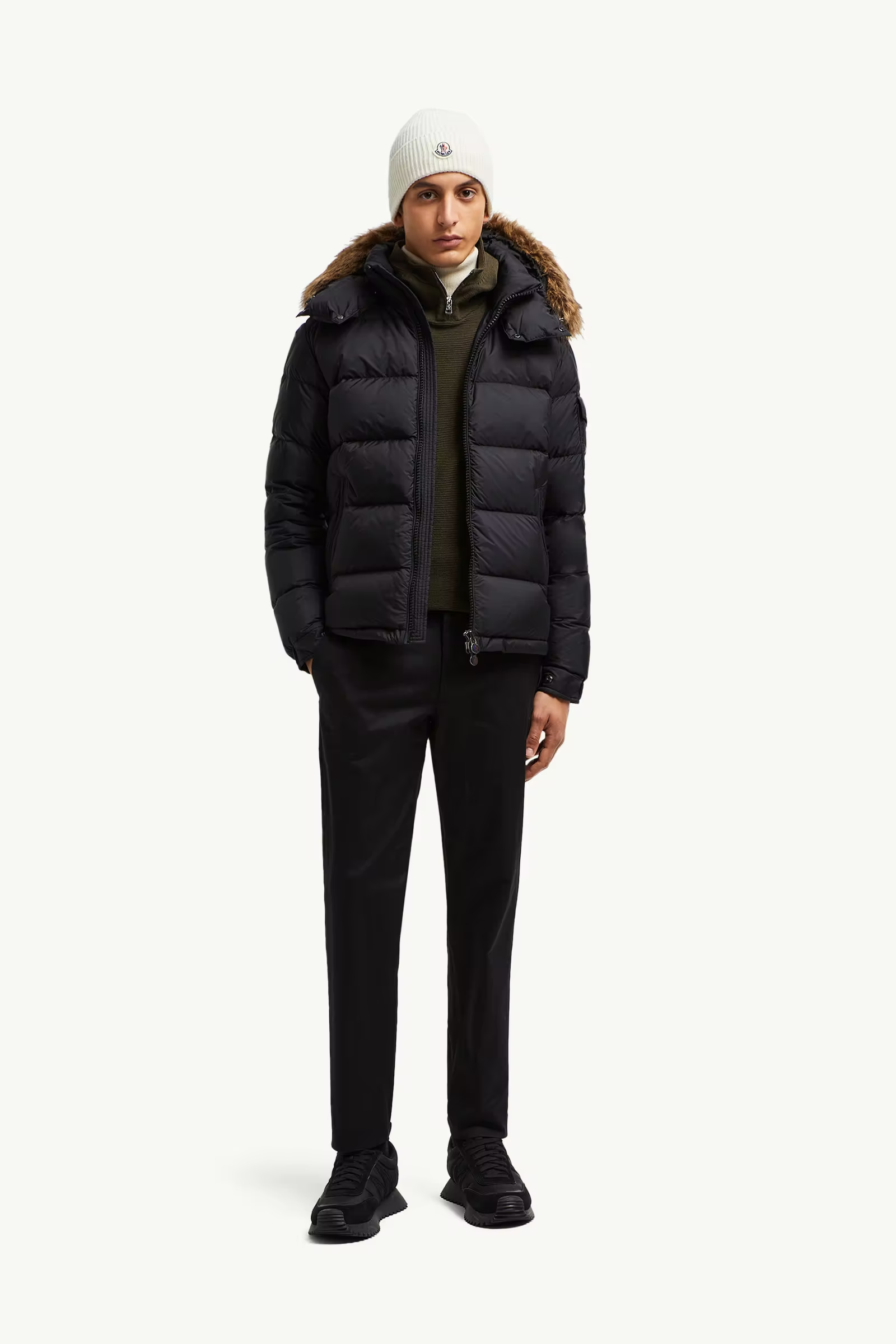
photo: moncler.com
How to use knowledge about Moncler to make informed purchases
It all comes down to one thing – don’t buy Moncler on impulse. This is an investment that requires careful thought and checking a few key things.
Before you reach for your wallet, ask yourself these five questions:
- Does this purchase fit within my budget without compromising my other needs?
- Do I really need a jacket with such high thermal performance?
- Am I planning to wear it for the next 5-10 years, or will I rather resell it in a year or two?
- Does the chosen model suit my lifestyle and wardrobe?
- Am I prepared for the costs of maintenance and professional dry cleaning?
If even one answer is “I’m not sure,” it’s better to wait.
Assuming you’ve decided to buy, check the product’s authenticity. The serial number should be clear and located on a white tag inside the jacket. The Moncler logo—no typos, evenly stitched, with the distinctive rooster comb. Seams must be flawless, with no loose threads or unevenness. Original Moncler jackets also come with a down certificate detailing the exact fill parameters.
What’s next? The premium outdoor industry is moving toward sustainability. By 2030, Moncler plans to introduce more bio-based materials, expand the “Moncler by Me” personalization program, and invest in recycling technologies. Analysts predict the brand’s value will grow by 5-7% annually, but remember—these are forecasts, not guarantees.
Keep an eye on outdoor fashion trends. Minimalism, functionality, and environmental responsibility are the directions shaping future collections. Limited editions and collaborations with artists may gain collector’s value.
Do your research before every purchase. Compare prices across different platforms, read reviews, follow auctions for vintage models. The more you know, the better decisions you’ll make.
Nadia
fashion editor
Luxury Blog


Leave a Comment